
 English
 简体中文
简体中文
 Chinese
 English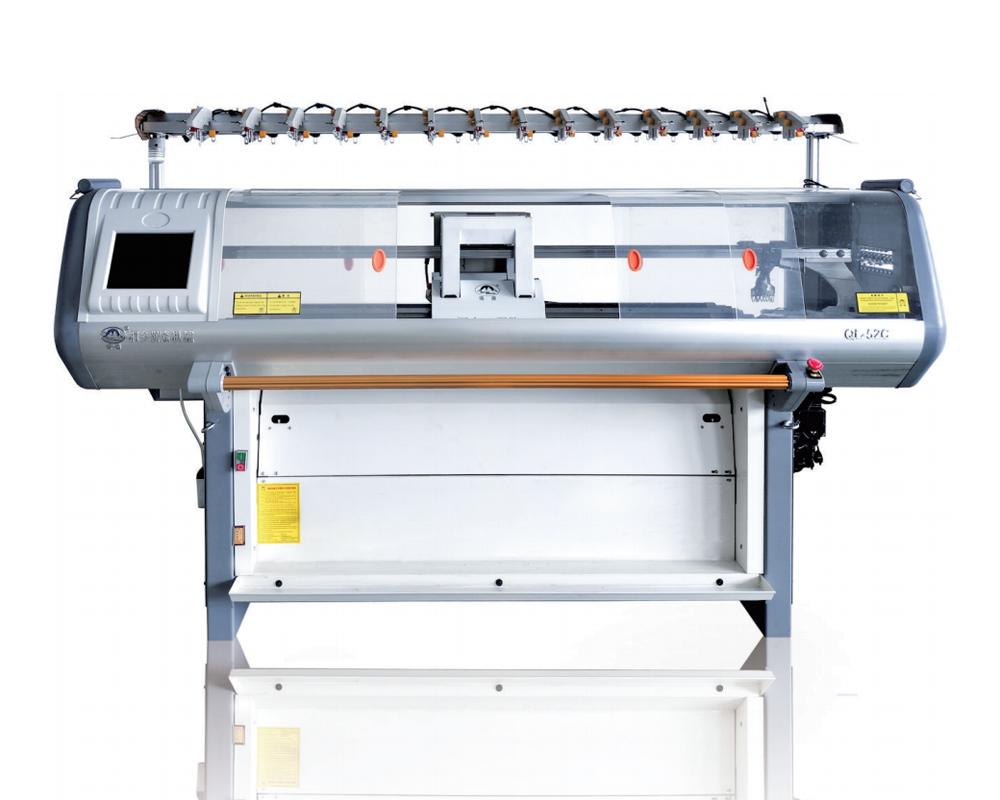
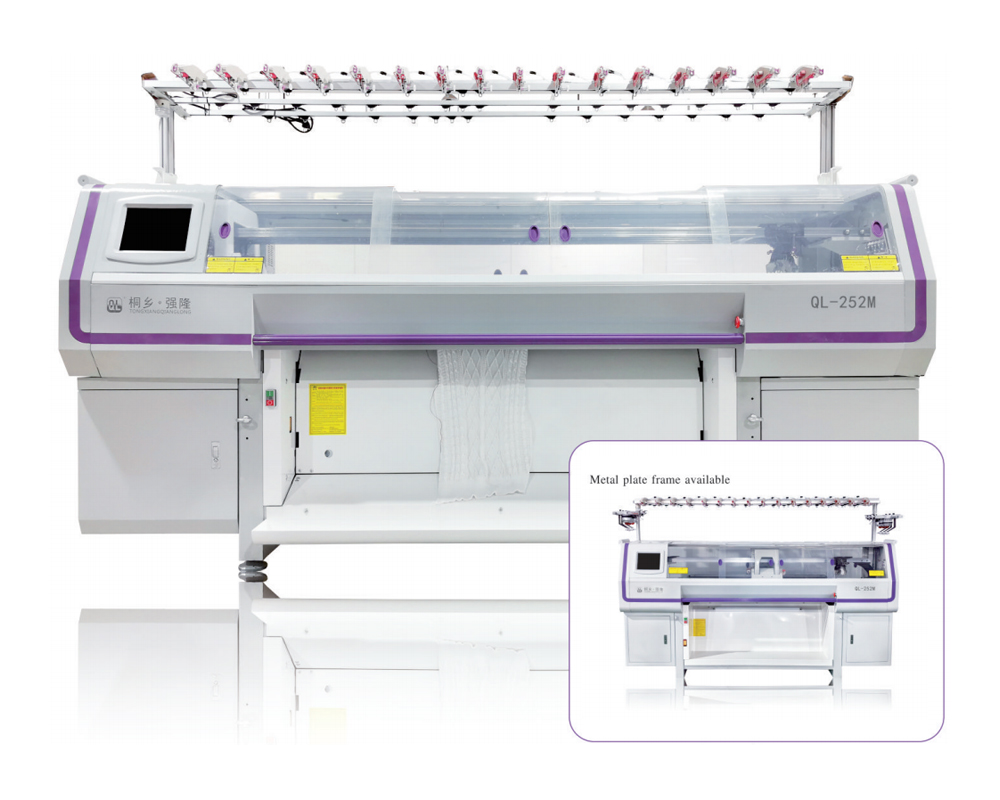
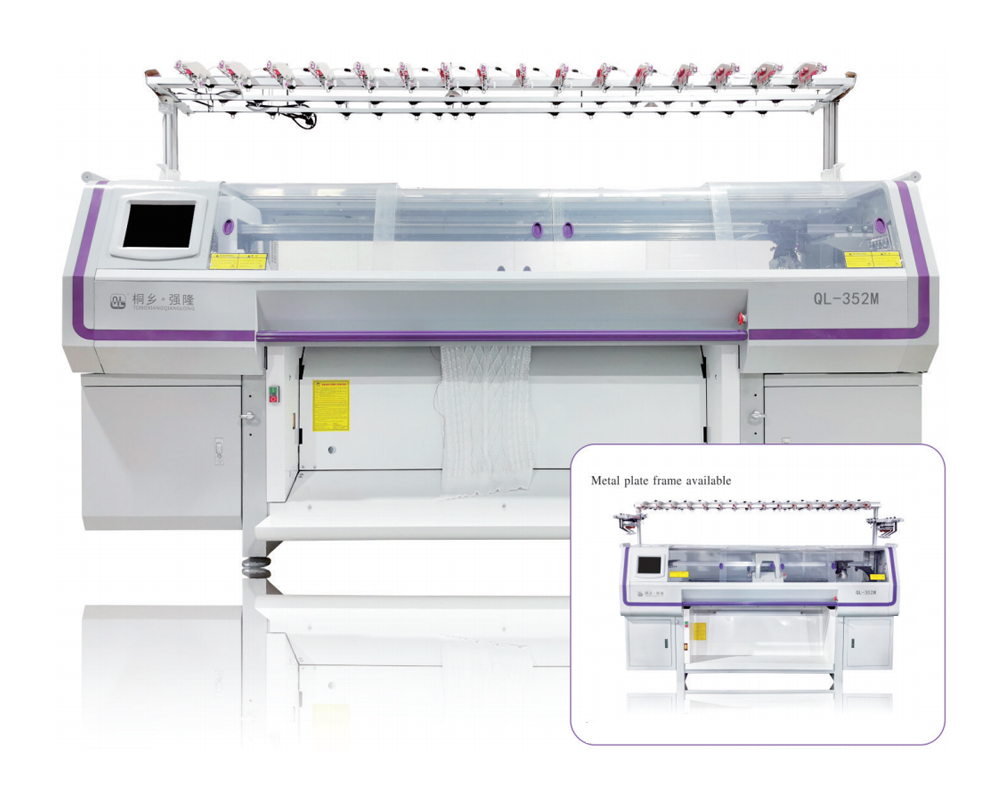
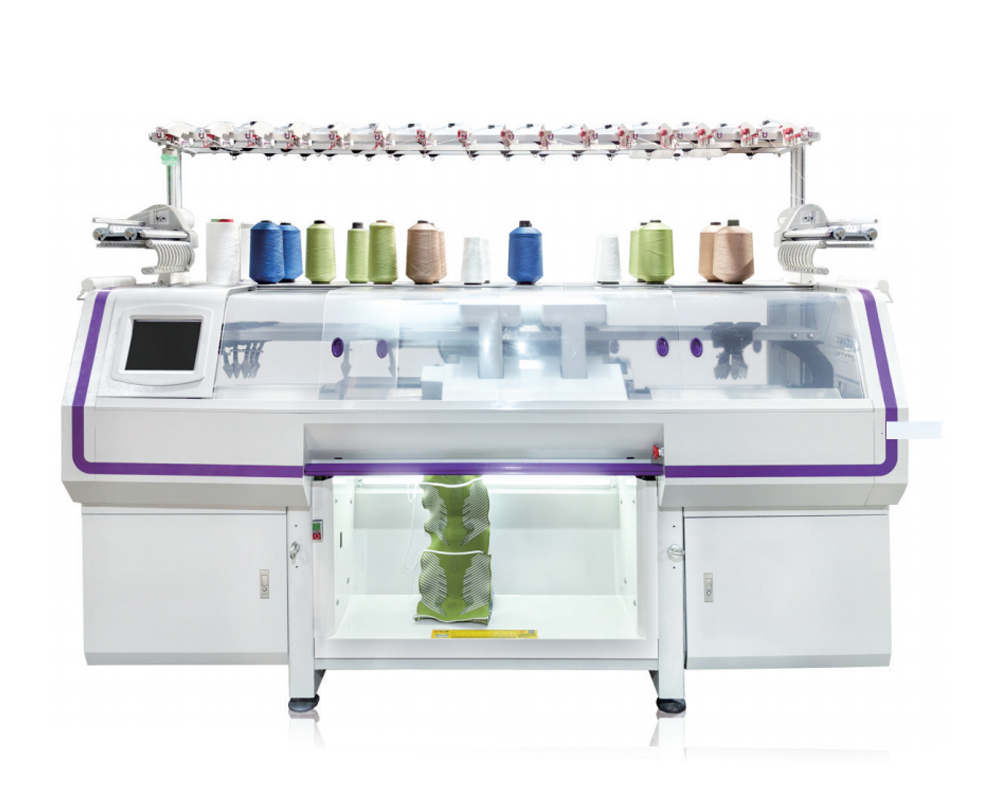
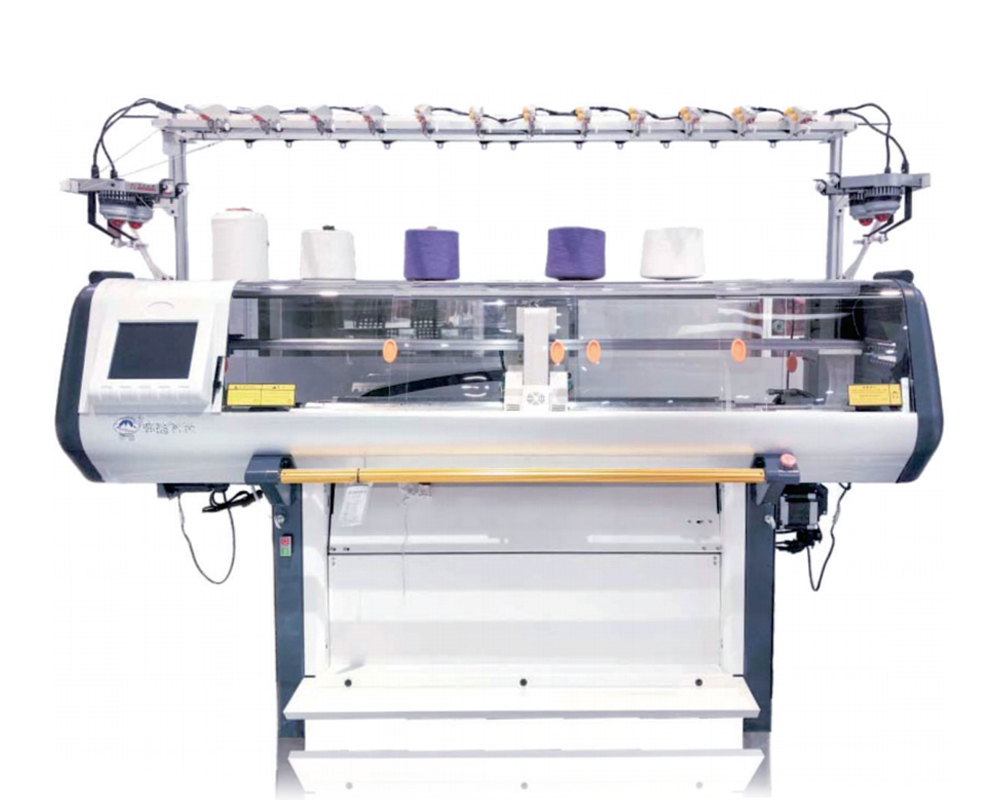
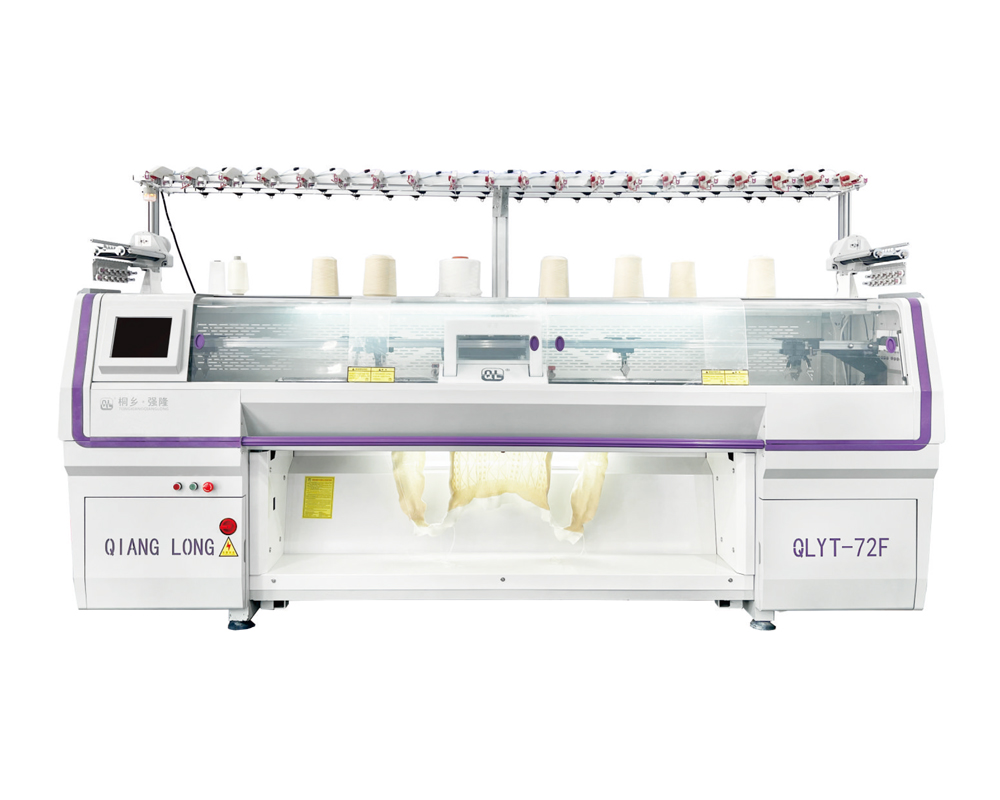
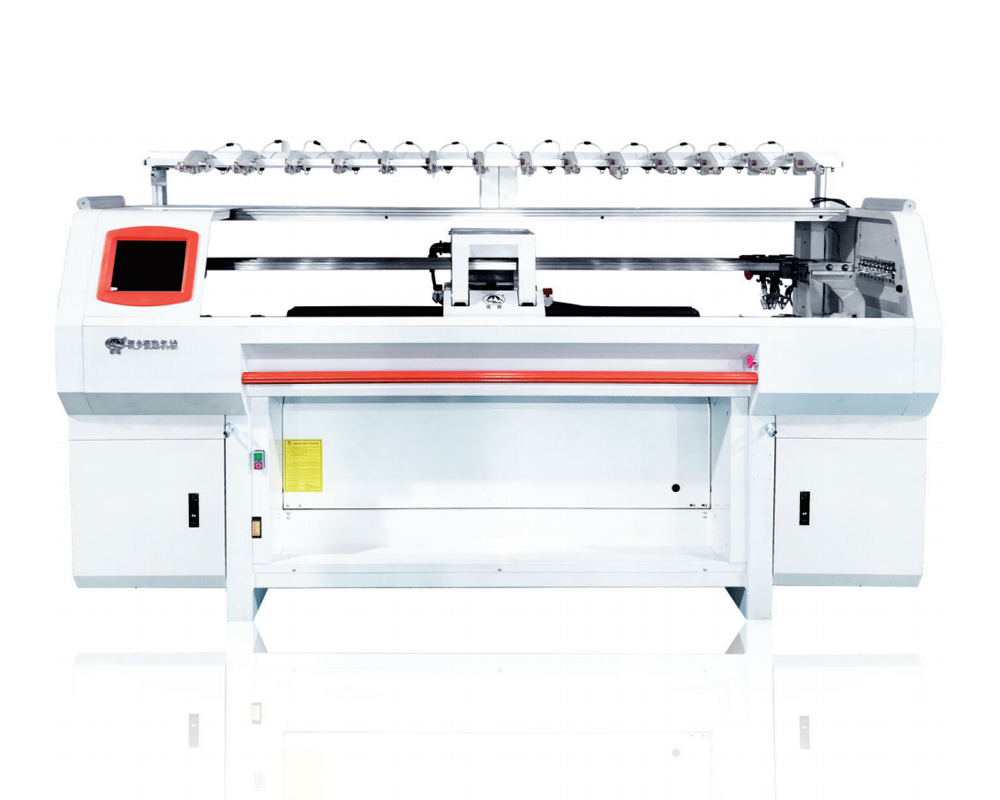
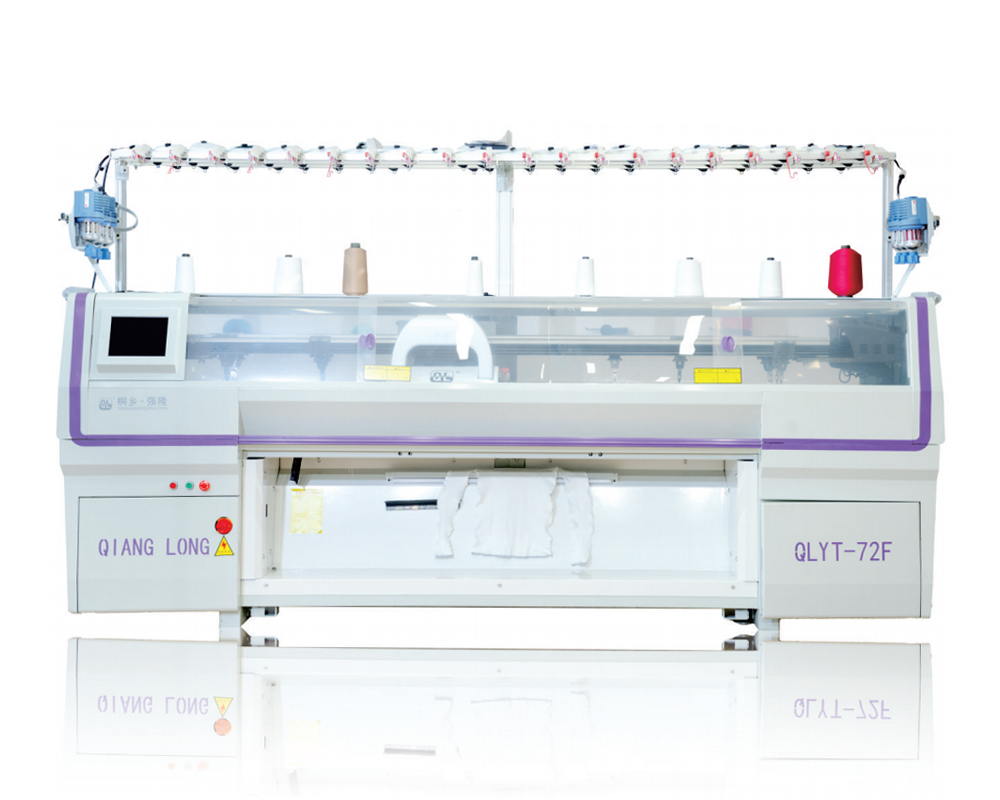
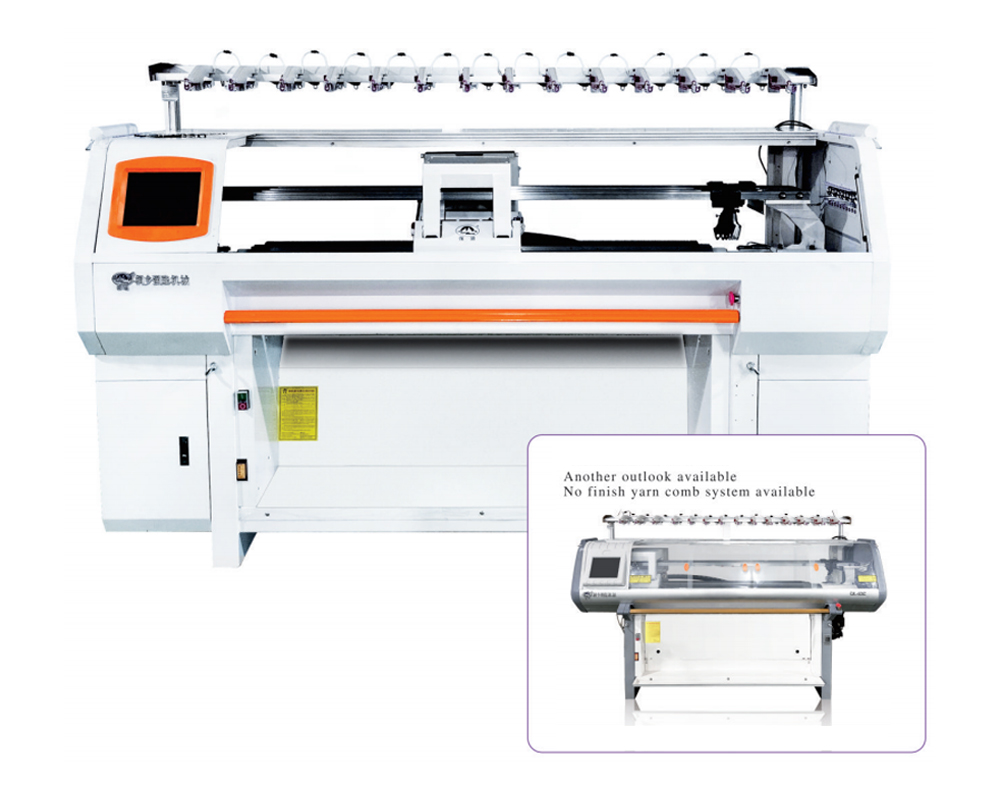
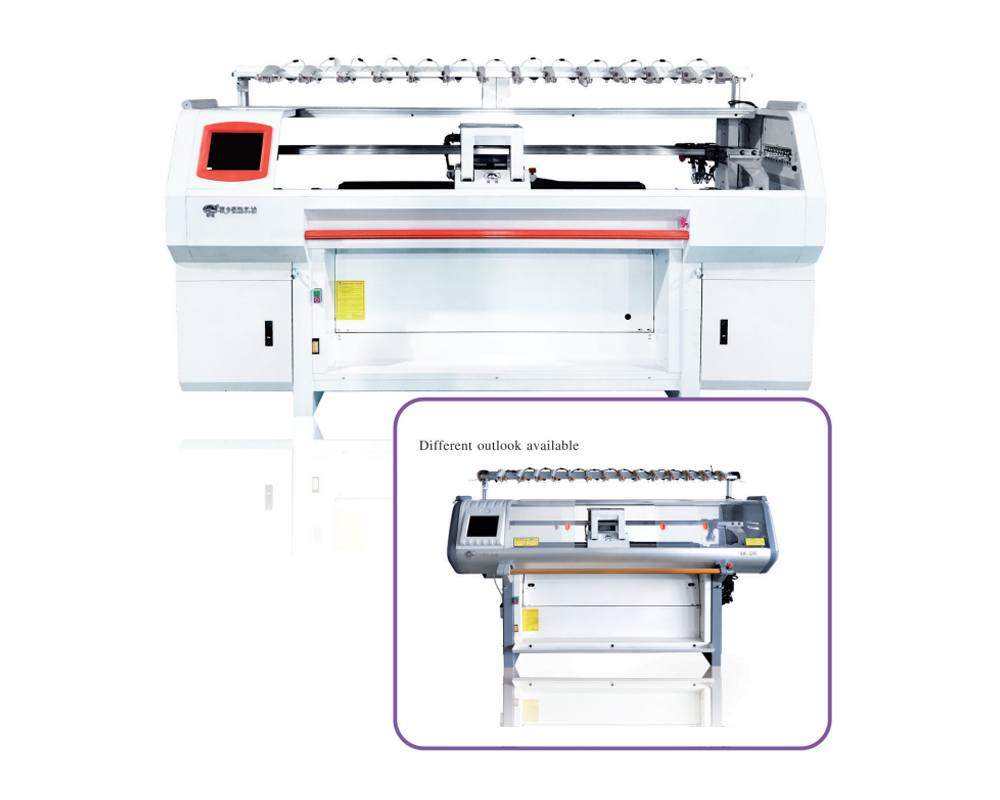
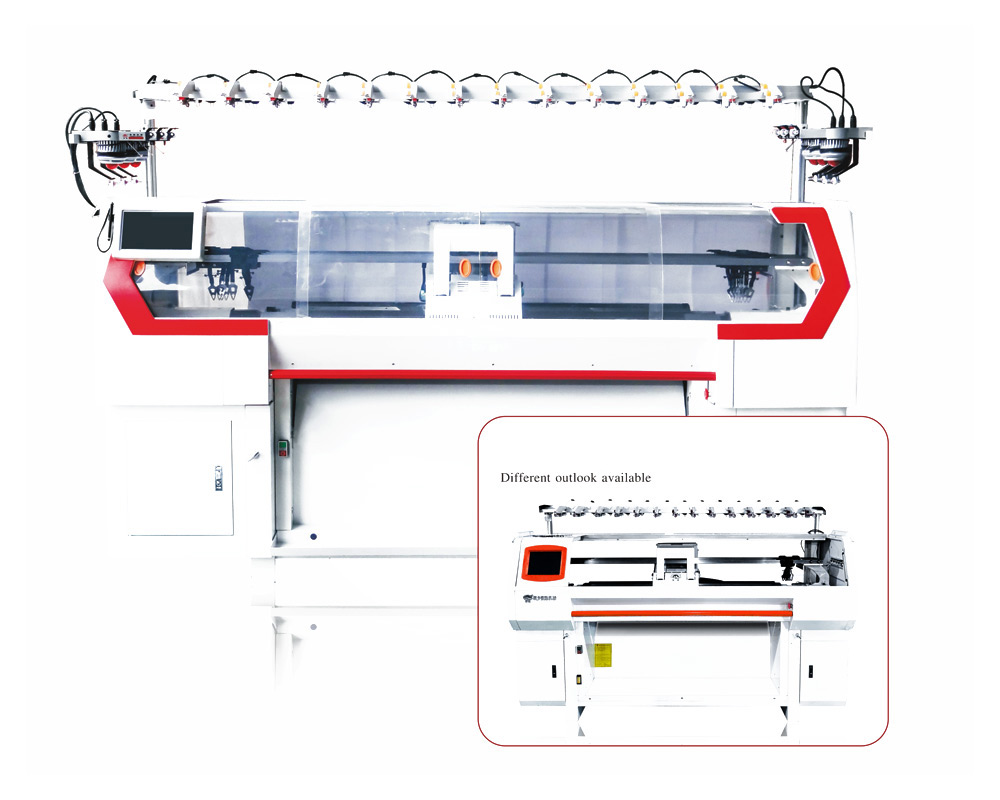

Tongxiang Qianglong Machinery Co., Ltd. is high-tech China wholesale computerized flat knitting machine manufacturers, specialized in designing, developing, and manufacturing Knitting Machinery..
Content
3D flyknit technology has moved from an experimental innovation to a proven production method, and factories worldwide are now searching for equipment partners they can trust. The demand for mass customization, shorter production runs, and zero-waste manufacturing has accelerated the shift toward seamless knitted products, making the choice of machine supplier more important than ever. Choosing among 3D flyknit knitting machine manufacturers is not simply a purchasing decision; it determines how quickly you can launch seamless products, how consistent your output will be, and whether your technical team will receive the support it needs after installation. In this article, we share what we have learned from more than three decades of building computerized flat knitting machines, and the criteria we believe matter most when evaluating a machine supplier.
What Is a 3D Flyknit Knitting Machine?
A 3D flyknit knitting machine is a computerized flat knitting machine that produces a shaped, three-dimensional textile structure directly from yarn. It uses multiple needle beds and individually activated needles to add or release stitches as the fabric is formed, so the finished piece already has the curves, openings, and structural details that would otherwise require cutting and sewing. Products such as shoe uppers, whole-garment knitwear, and technical textile components can be completed in one knitting process.
The practical benefits are significant. Material waste is reduced sharply, because the fabric is formed close to its final shape. Labour-intensive sewing steps are minimized, and designers gain the freedom to build performance features such as ventilation channels, cushioning zones, and reinforced support areas directly into the knit structure. These advantages are why flyknit machines have become a strategic purchase for footwear and apparel manufacturers.
What to Evaluate When Comparing 3D Flyknit Knitting Machine Manufacturers
Every manufacturer will describe its machines in positive terms, so a structured evaluation is essential. We recommend looking closely at three areas: the machine's system configuration, its yarn feeding and tension control, and the quality of its control software.
System Configuration and Gauge Range
In flat knitting terminology, a system refers to one independent knitting feed that can traverse the needle bed. More systems allow the machine to knit faster and handle complex multi-colour patterns more efficiently. For 3D flyknit work, a three-system machine offers a strong balance: it produces shaped uppers and garments at a practical speed while retaining the patterning flexibility that flyknit designs demand.
Gauge is equally important. Gauge controls the spacing of the needles and therefore the density of the knitted fabric. A manufacturer that offers multiple gauge options, from a coarse 7G to a fine 18G, enables you to produce everything from chunky knitwear to lightweight athletic uppers without changing machine brand or operating system.
To help with your comparison, here are the key machine features we suggest reviewing with every supplier:
| Feature | Impact on Production | What to Look For |
|---|---|---|
| System count | Determines knitting speed and pattern complexity | Three-system configuration for flyknit products |
| Gauge range | Controls fabric density and stitch definition | Multiple gauge options from 7G to 18G |
| Knitting width | Sets the maximum dimensions of each knitted panel | Needle bed width matched to your product range |
| Yarn feeding | Keeps tension stable across colours and yarn types | Motorized feeder with precise tension control |
| Control system | Enables pattern import, simulation, and repeatability | User-friendly software supplied with the machine |
Yarn Feeding and Tension Management
Flyknit structures frequently combine body yarns, colour accents, and fine elastic threads within a single row. If yarn tension is not controlled precisely, the knitted shape can distort, producing rejects and wasting expensive material. Reliable 3D flyknit knitting machine manufacturers pay close attention to this part of the machine design. Motorized feeders maintain a consistent yarn supply, and specialized comb systems handle elastic yarns without stretching them beyond their working range.
These features often go unnoticed from the outside, but they determine whether your daily production runs smoothly. When comparing machines, ask how the feeder controls tension, whether motorized feeding is standard equipment, and how the machine handles yarn changeovers.
Control Software and Programming
The control system shapes every loop the machine knits. Modern flyknit production depends on software that can import digital pattern files, simulate the final fabric before production, and store repeatable production recipes. The design interface should be clear enough for your pattern technicians to learn quickly and powerful enough to handle complex 3D shapes.
A reliable manufacturer provides software training, documentation, and updates as part of the machine package. We suggest requesting a live demonstration in which a technician enters a pattern, simulates the knitted result, and starts the machine. The way that process works will tell you a great deal about the machine's usability in your own factory.
For a broader view of how flyknit machines are applied across different product categories, you may find our article on the application of 3D flyknit knitting machines helpful.
Building a 3D Flyknit Production Line
The right machine depends on the products you intend to make. A footwear factory has different requirements from a knitwear producer, and many companies want a single machine platform that can handle both flyknit parts and conventional panels. For this reason, leading manufacturers offer a family of machines with the same control system and service structure.
For footwear, the central requirement is a machine that can knit a complete upper with dependable structure around the toe, heel, and collar. Our Three System Shoe Upper Knitting Machine Series was developed for this application, offering three independent systems and a configuration that suits high-volume upper production.
 Three-System 3D Shoe Upper Knitting Machine for High-Volume ProductionThis fully automatic knitting machine is designed specifically for shoe uppers, using three independent systems to achieve high output. It supports jacquard, intarsia, and other weft knits with materials like silk, wool, and blends, making it a practical choice for footwear manufacturers.View Product →
For apparel producers exploring zero-waste manufacturing, a Whole Garment Computerized Flat Knitting Machine knits the front, back, and sleeves in one continuous structure. Side seams disappear, finishing steps are reduced, and the garment comes off the machine ready for minimal post-treatment.
 Whole Garment Flat Knitting Machine for Seamless Sweater ProductionThis one-piece knitting platform produces complete sweaters without side seams, reducing finishing work and labor. It handles wool, cashmere, cotton, and blended yarns across many gauges, offering a streamlined route to zero-waste apparel manufacturing.View Product →
Factories that need flexibility across multiple product categories can base their production on the Three System Computerized Flat Knitting Machine Series. This platform combines the speed and pattern capacity of a three-system design with the ability to knit both engineered 3D parts and everyday fabric panels.
 Three-System Computerized Flat Knitting Machine Series for Flexible Fabric ProductionThis versatile platform knits engineered 3D parts as well as standard fabric panels, supporting rib transfer, jacquard, and narrowing across multiple gauges and widths. It suits makers needing one reliable machine for sweaters, scarves, hats, and clothing accessories.View Product →
The After-Sales Factor: Support That Keeps You Knitting
The difference between good and poor after-sales support can be measured in production hours. When a machine develops a fault, every moment of downtime affects order deadlines and factory revenue. The best 3D flyknit knitting machine manufacturers structure their service around this reality.
At Qianglong Machinery, we support every machine we build with a team of experienced service engineers, a documented response process, and a steady supply of spare parts. Because we have manufactured knitting machinery since 1986, our engineers understand the full history of the technology, not just the latest models. We see installation, operator training, and troubleshooting as part of the machine supply, not an extra service.
Questions to Ask Before Making Your Decision
To make your supplier comparison consistent and objective, we recommend preparing a short set of questions and asking every candidate the same ones. The following list covers the essentials:
- How long has your company been designing and building computerized flat knitting machines?
- Which gauges and knitting widths are available for your flyknit-capable models?
- Does your control software include design, simulation, and production management functions?
- What is your spare parts availability, and where are the nearest service locations?
- Can you provide references from factories producing shoe uppers or whole garments on your equipment?
Choosing a Partner, Not Just a Supplier
The most successful flyknit programs tend to be built on a long-term relationship between the factory and the machine manufacturer. The manufacturer's experience influences the quality of the machine, the realism of the production advice, and the speed of the response when something goes wrong.
Qianglong Machinery brings more than three decades of knitting machine manufacturing experience to every project. From our facility in Tongxiang, we design and build machines under the QiangSheng brand, and we support customers with a service team that treats production stoppages as an urgent priority.
If you are comparing 3D flyknit knitting machine manufacturers for a new production line, feel free to contact our team today. We will help you evaluate which configuration best fits your products, volumes, and long-term goals.
