
 English
 简体中文
简体中文
 Chinese
 English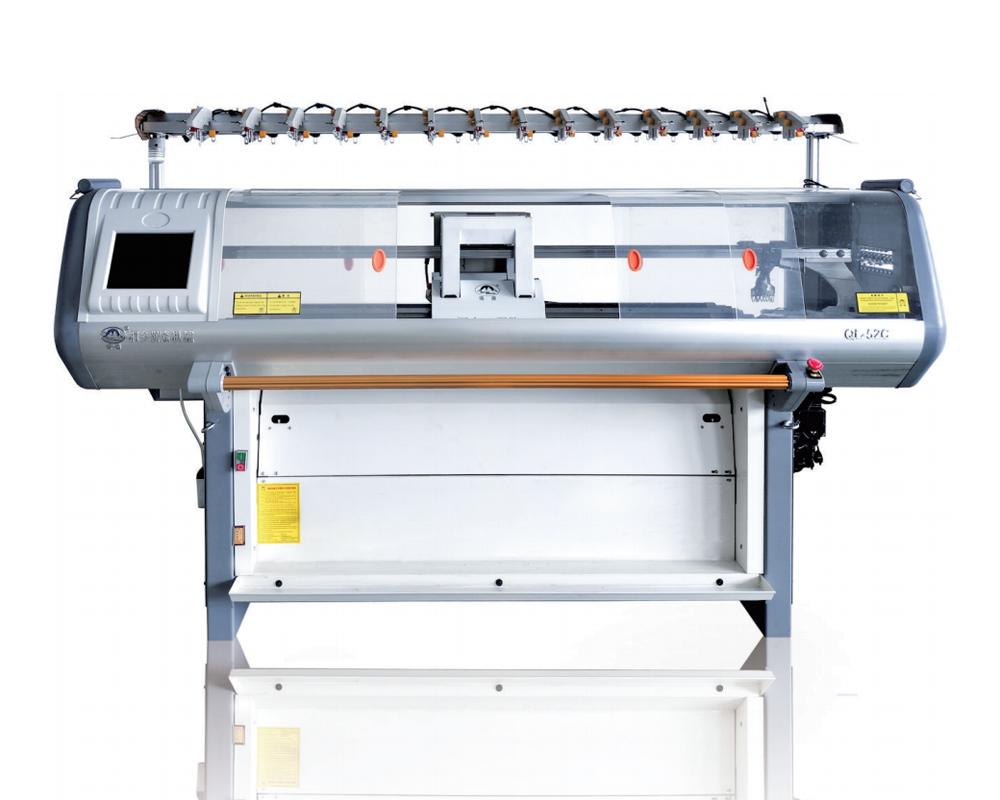
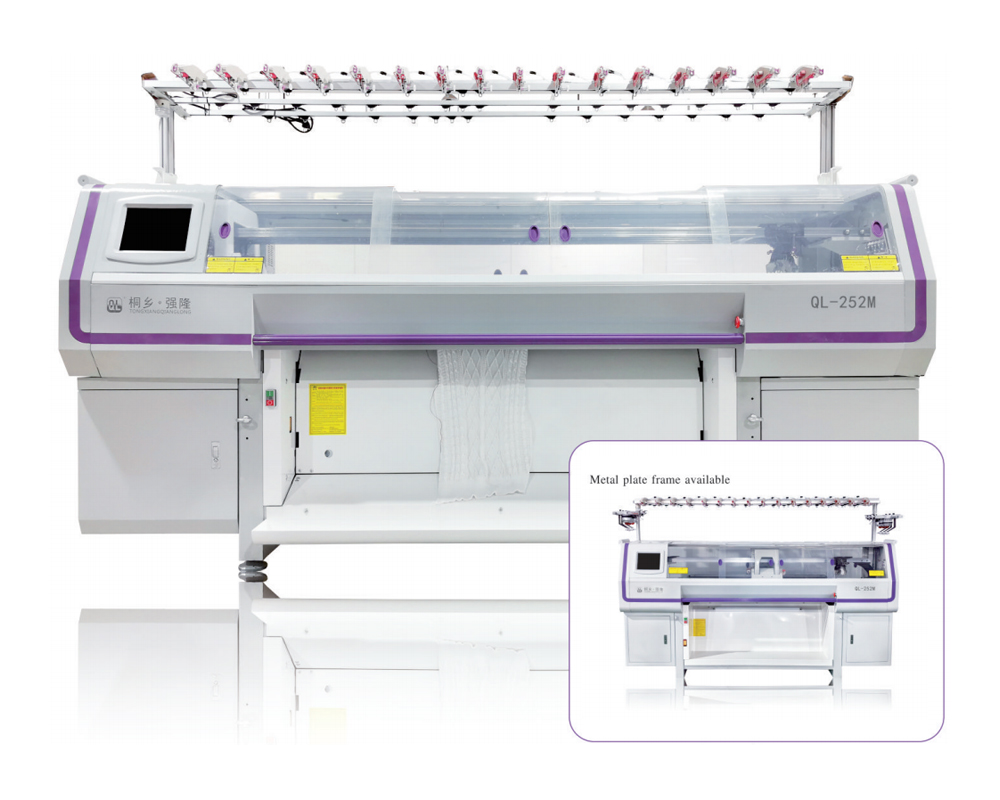
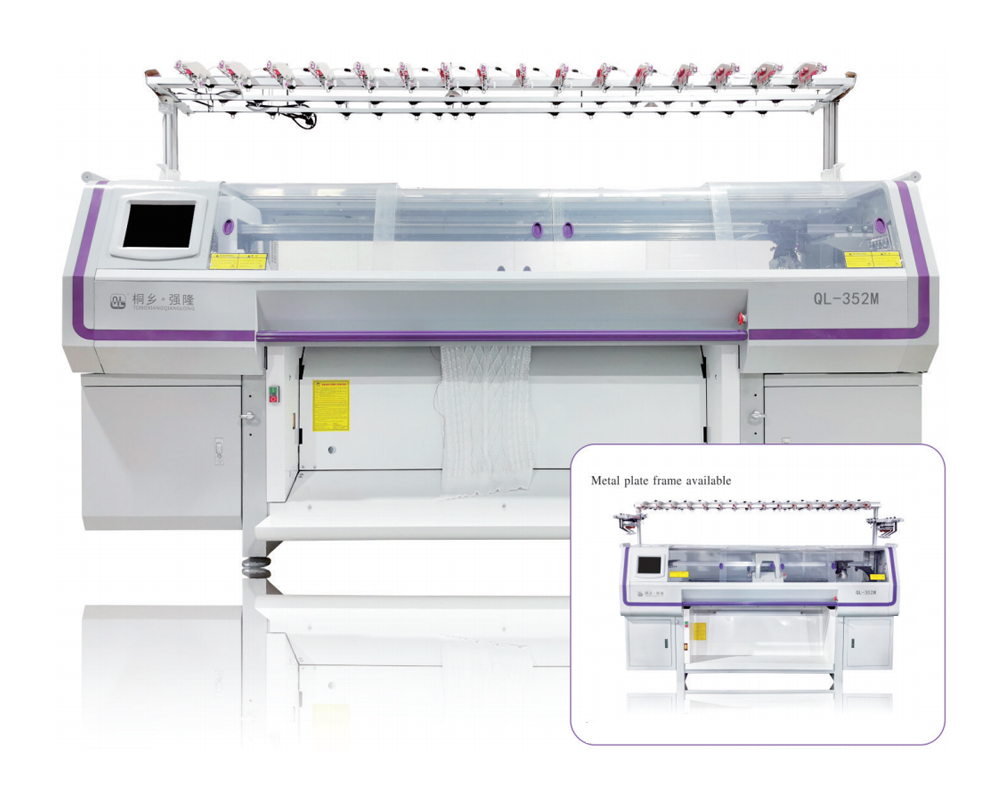
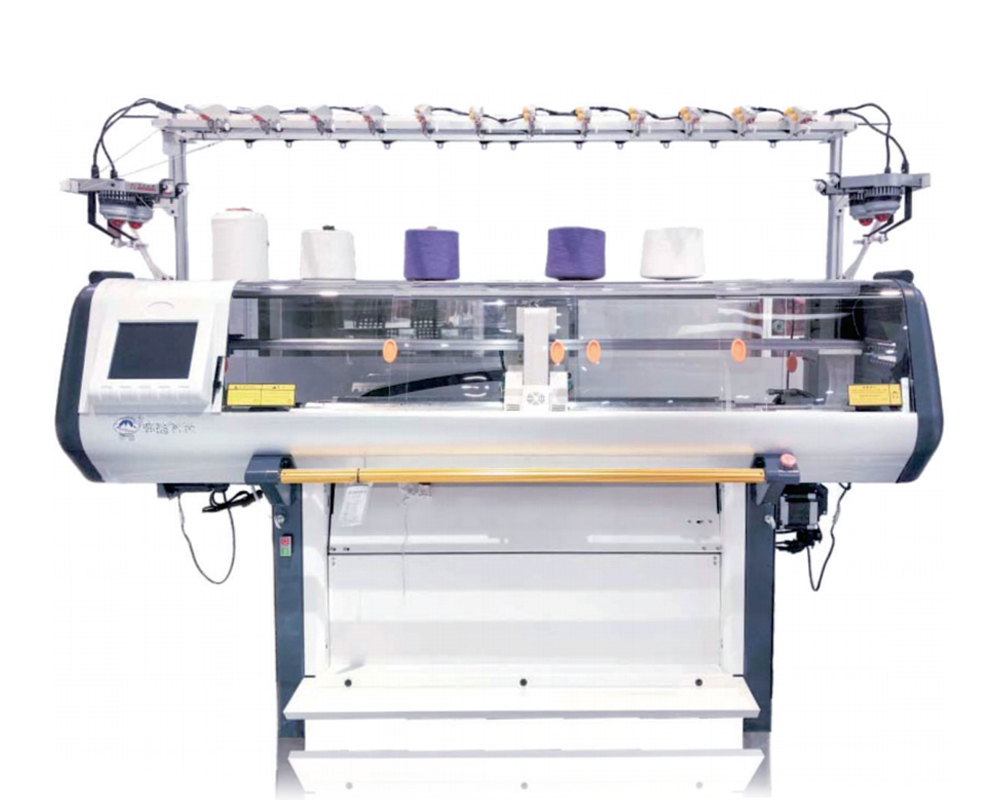
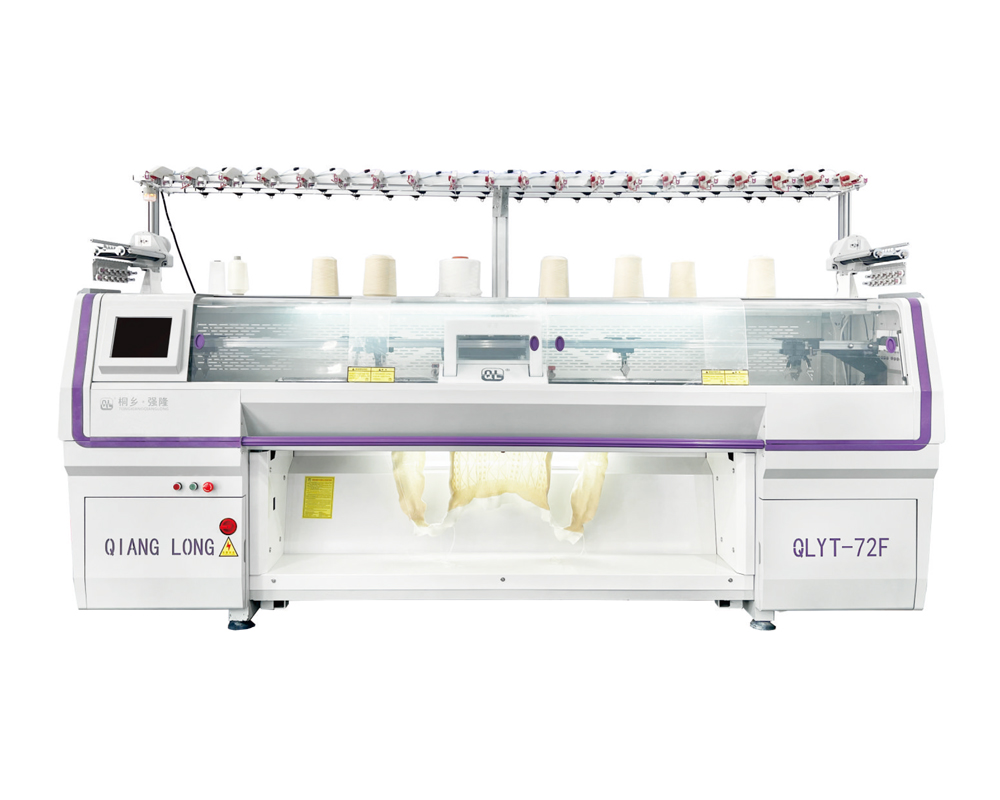
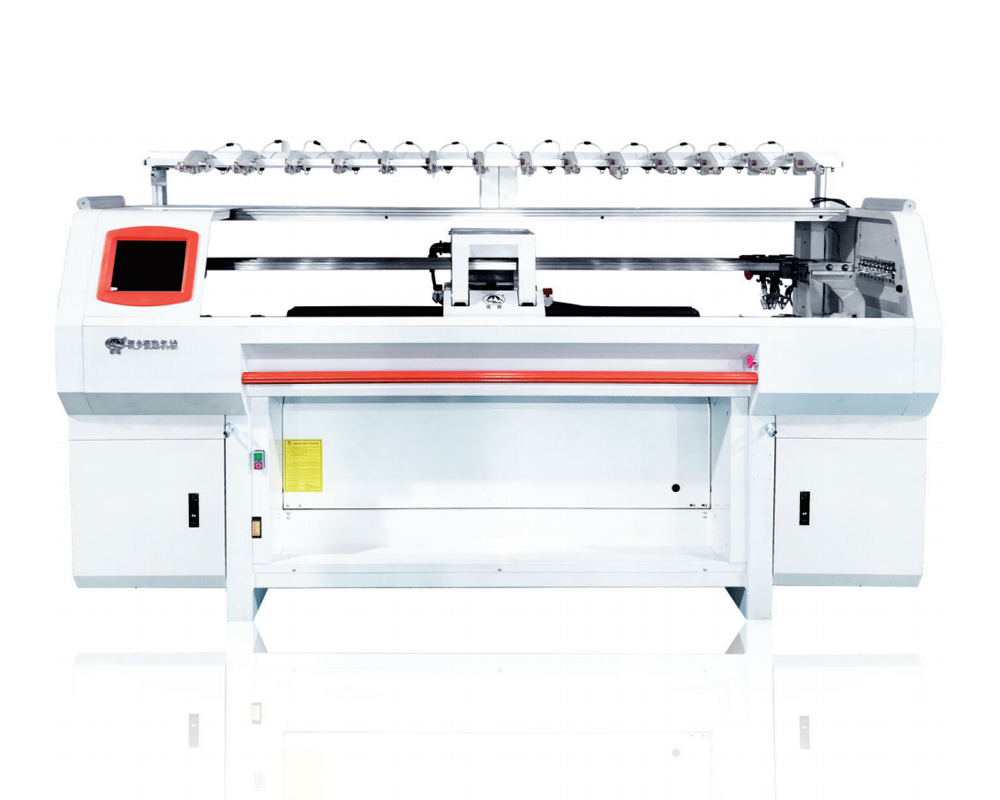
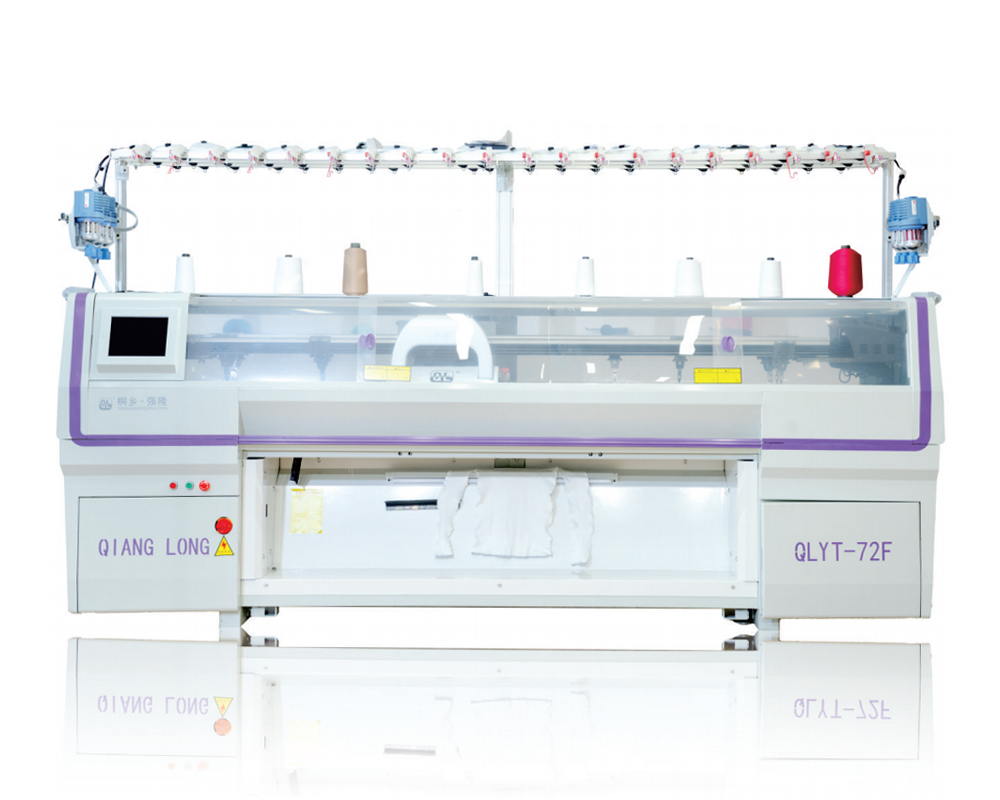
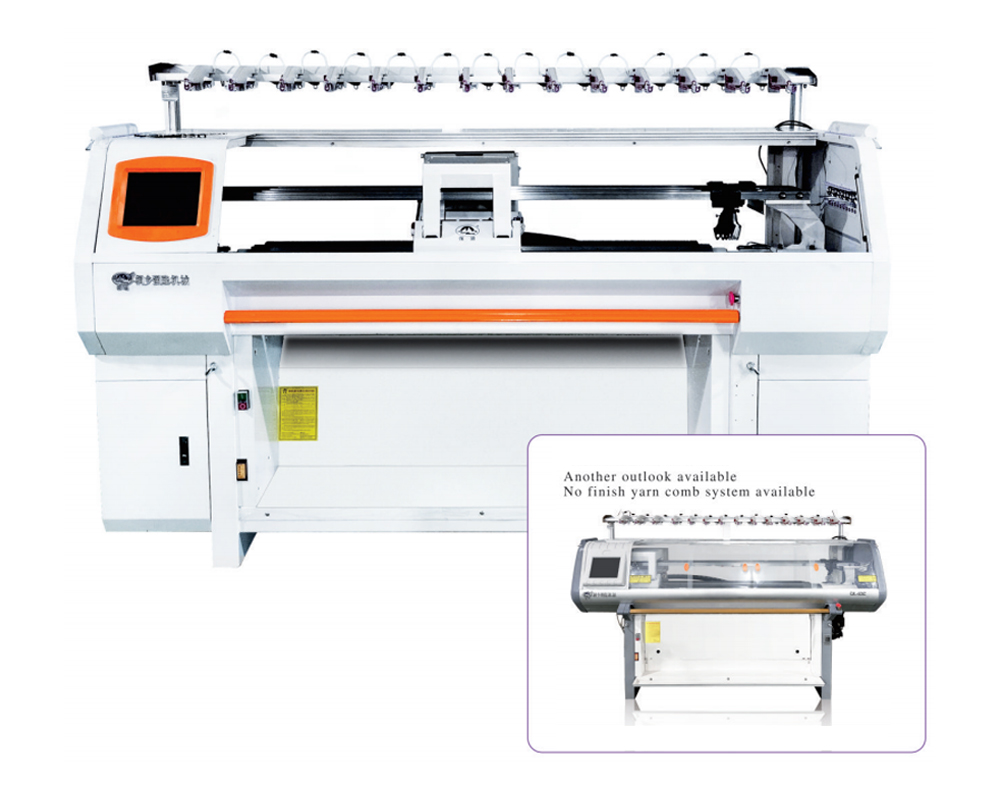
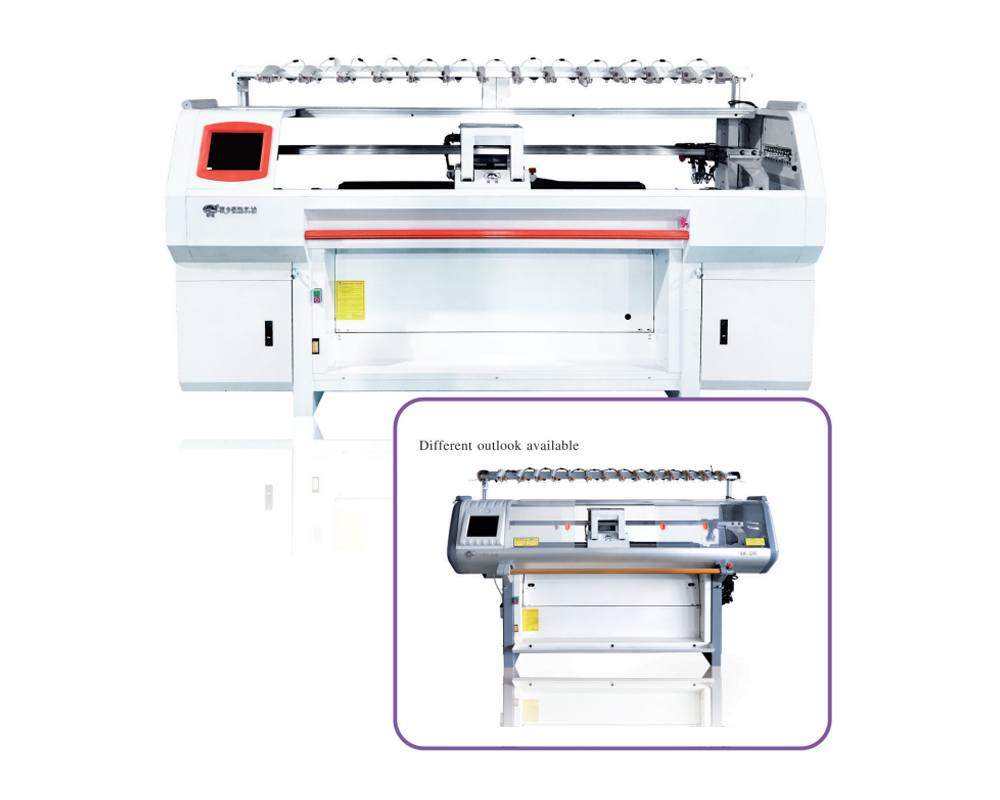
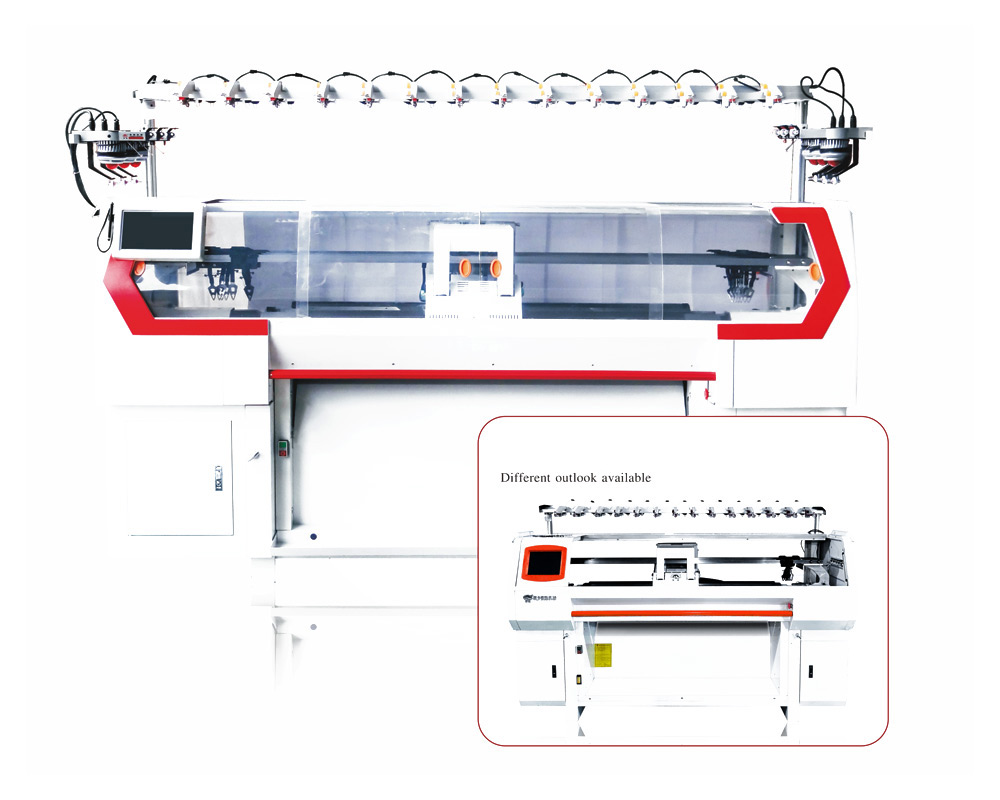

Tongxiang Qianglong Machinery Co., Ltd. is high-tech China wholesale computerized flat knitting machine manufacturers, specialized in designing, developing, and manufacturing Knitting Machinery..
Content
- 1 What "3D Flyknit" Actually Means on the Factory Floor
- 2 What Separates a Capable Supplier from a Catalogue Seller
- 3 Matching Machine Configuration to Your Product Mix
- 4 Seamless Apparel and the Whole Garment Route
- 5 Yarn Feeding, Waste and Finishing
- 6 Questions to Ask Before You Place an Order
- 7 Support That Continues After Delivery
If you have spent the past few months comparing 3D Flyknit knitting machine suppliers, you already know how alike the brochures look. Almost every vendor promises seamless uppers, multi-system flat beds, fast yarn carriers and design software. The real differences appear later: in how the machine is built, how the supplier engineers the process around your yarns, and how quickly someone responds when a carriage needs attention.
We have been building knitting machinery since 1986, and the questions we hear from footwear and apparel factories have hardly changed. This guide covers what a 3D knit really demands from a machine, how to judge capability rather than price, and how to match a configuration to the products you plan to knit.
What "3D Flyknit" Actually Means on the Factory Floor
The name came out of footwear, but the hardware belongs to the computerized flat knitting family. Instead of cutting panels and stitching them together, a flat bed knits an engineered upper in one pass, shaping the heel, arch and collar through stitch structure rather than seams.
In a supplier conversation, the 3D part points to three practical requirements:
- Several knitting systems working in parallel, so different yarns and structures can be knitted into one piece without stopping the machine;
- Stable yarn feeding and takedown, because a monofilament or recycled polyester thread behaves very differently from a wool blend;
- Software that converts a design file into stitch-by-stitch instructions the machine can repeat thousands of times.
The same platform knits apparel. A whole garment machine produces a sweater in one piece, while a three-system bed with a carefully engineered structure can produce a shoe upper with zoned stretch and breathability. That overlap is why factories starting in footwear often expand into seamless garments without changing their machine supplier.
What Separates a Capable Supplier from a Catalogue Seller
A price list is easy to produce. A working production line is not. When we sit down with buyers, we suggest judging suppliers on three fronts.
Manufacturing depth
Ask what the supplier actually makes. A company that builds its own carriages, needle beds and control systems controls its own tolerances, and it can trace a fault to a specific component instead of a third party. Our own base in Tongxiang, Zhejiang covers more than 60,000 square meters, with 80,000 square meters of built floor space devoted to knitting machinery design, development and manufacturing.
Application engineering
A 3D knit is a process, not a product. The supplier should test your yarn, your structure and your target gauge before delivery, and advise on takedown settings, feeder placement and finishing. Factories that skip this step spend their first months debugging on the floor instead of shipping. It helps to review the key features and specifications of a 3D Flyknit knitting machine before the first technical meeting, so the discussion starts from capability rather than price.
Spare parts and response
Needles, brushes, feeders and takedown rollers wear out. What matters is whether the supplier stocks these parts and how fast they reach your floor. A short response promise is only credible when trained people and regional stock stand behind it.
Matching Machine Configuration to Your Product Mix
Most buyers arrive with a product in mind rather than a specification sheet, and working backwards from the product is usually faster. The table below reflects the combinations our customers ask about most often.
| Product Focus | Machine Direction to Consider | What to Confirm First |
|---|---|---|
| Performance footwear uppers | Three-system shoe upper machines with dedicated yarn feeders | Gauge range, yarn compatibility, takedown control |
| Seamless and whole garment apparel | Whole garment computerized flat knitting machines | Size range, programming support, selvedge control |
| Collars, cuffs and trims | Collar machines and single or double system beds | Knitting width, ribbing capability, changeover time |
| Yarn handling and finishing | Motorized feeders and zero finishing yarn comb systems | Tension consistency, retrofit compatibility |
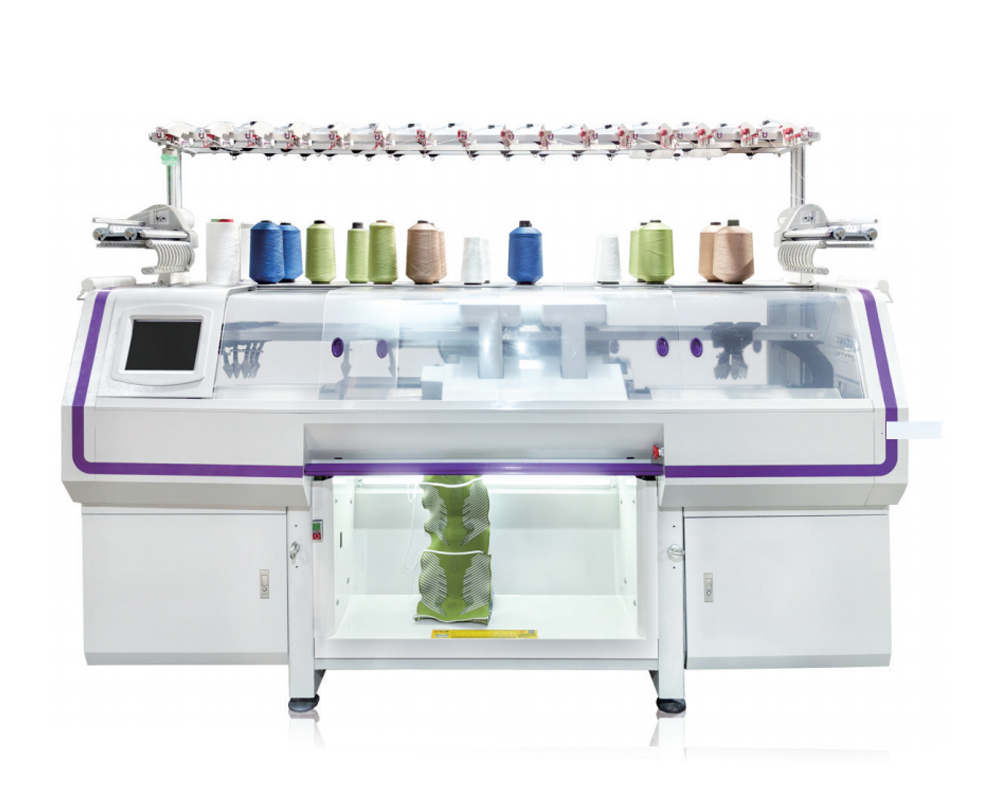
If footwear is your target, the shoe upper row deserves the closest reading. A three-system bed with well-placed feeders lets you knit zones of different density into a single upper, which is where the comfort and durability claims of 3D Flyknit actually come from.
 3D Shoe Upper Knitting MachineQL-336X QL-352X QL-372X QL-380X QL-436X QL-452X QL-472X QL-480XView Product →
Whichever configuration you shortlist, ask the supplier to knit a sample in your own yarn before you commit. Samples knitted in the builder's preferred polyester rarely reflect what happens with recycled blends, elastic yarns or monofilaments.
Seamless Apparel and the Whole Garment Route
Seamless apparel follows the same logic as footwear, only the shape changes. A whole garment machine knits a complete, panel-free item, so a sweater leaves the bed ready for washing and pressing rather than for a linking line. For factories running short runs and frequent style changes, removing that linking step is often worth more than a higher knitting speed.
 Whole GarmentWhole Garment has an intelligent roller, high-performance sinker, dynamic stitch, and motor reversing. The lifter model is equipped with a lifter device and can be equ...View Product →
Before choosing this route, check the garment size range you need, the programming support included with the machine, and how the supplier trains your programmers. Whole garment knitting rewards preparation: the more time spent on the first few structures, the smoother the production ramp.
Yarn Feeding, Waste and Finishing
Everything upstream of the needle decides how consistent the finished piece will be. Yarn tension measured at speed across dozens of carriers, and the way loose yarn ends are handled after knitting, both affect yield. Two accessory categories earn their cost back quickly in 3D knit production: motorized feeders that hold tension steady as speed rises, and yarn comb systems that reduce trimming and finishing work once the piece comes off the bed.
 Zero Finishing Yarn Comb SystemCore technology: This machine does not need elastic yarn, waste yarn, and manual work. Our new machine features enable intelligent energy-saving and efficiency;View Product →
These units are frequently bought as retrofits for machines already in service, so check compatibility with your existing bed and control system before ordering. A supplier that offers them as catalogue items rather than as an afterthought usually understands the whole knitting cycle better.
Questions to Ask Before You Place an Order
Bring the same list to every supplier you visit. The answers separate serious manufacturers from trading companies.
- Which machine in your range has already produced this exact structure, and can I see it running?
- What gauge and knitting width options exist for the same model?
- Can you knit a sample with our yarn before we sign a contract?
- How are needles, brushes, feeders and control boards stocked and shipped?
- Is programmer training included, and how long does it take?
- What response time is guaranteed after installation, and who provides it?
Support That Continues After Delivery
Knitting machines are long-lived assets, and the supplier relationship lasts as long as the machine runs. We keep more than 100 after-sales engineers and a round-the-clock response commitment behind every installation, together with a free hotline at 400-0627-988. That service structure matters most in the first year, when a new structure or a new yarn raises questions no manual answers well.
If you are weighing options and want a straight answer about systems, gauge or delivery, talk to our team and describe the product you intend to knit. A short conversation about your yarn and target output usually saves weeks of comparison.
Choosing among 3D Flyknit knitting machine suppliers is ultimately a question of fit: the machine that matches your yarn and your product, the configuration that keeps spare parts close, and the support that keeps the bed running. Start from the product you want to knit, verify capability with a sample, and the shortlist tends to sort itself out.
