
 English
 简体中文
简体中文
 Chinese
 English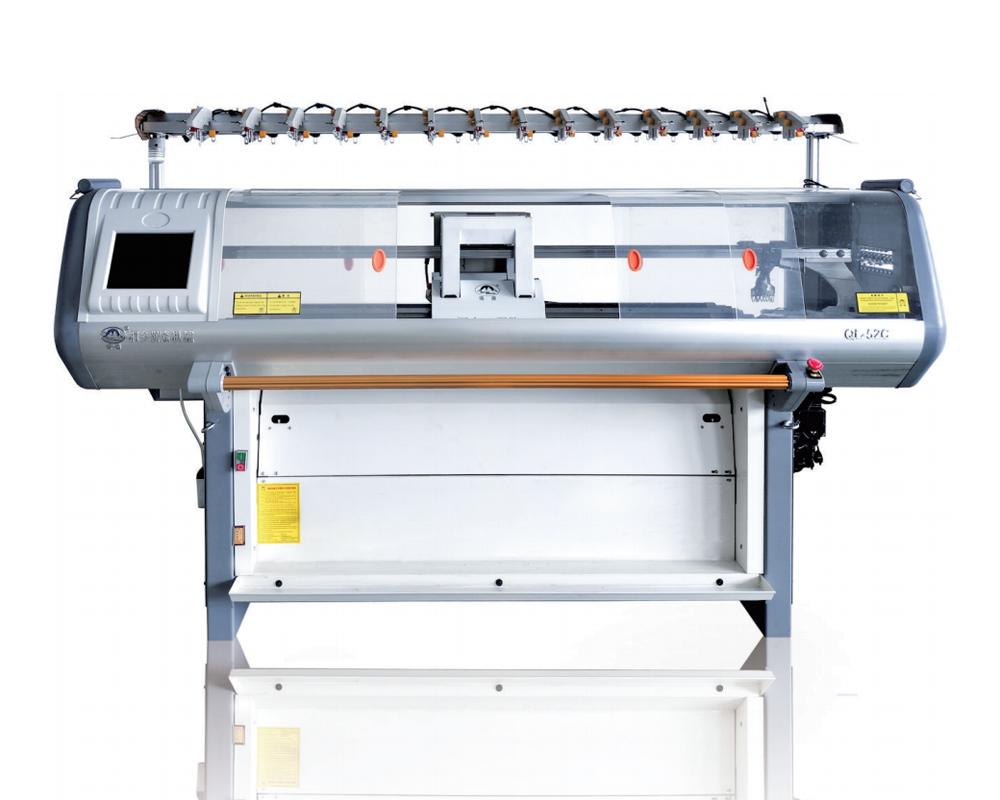
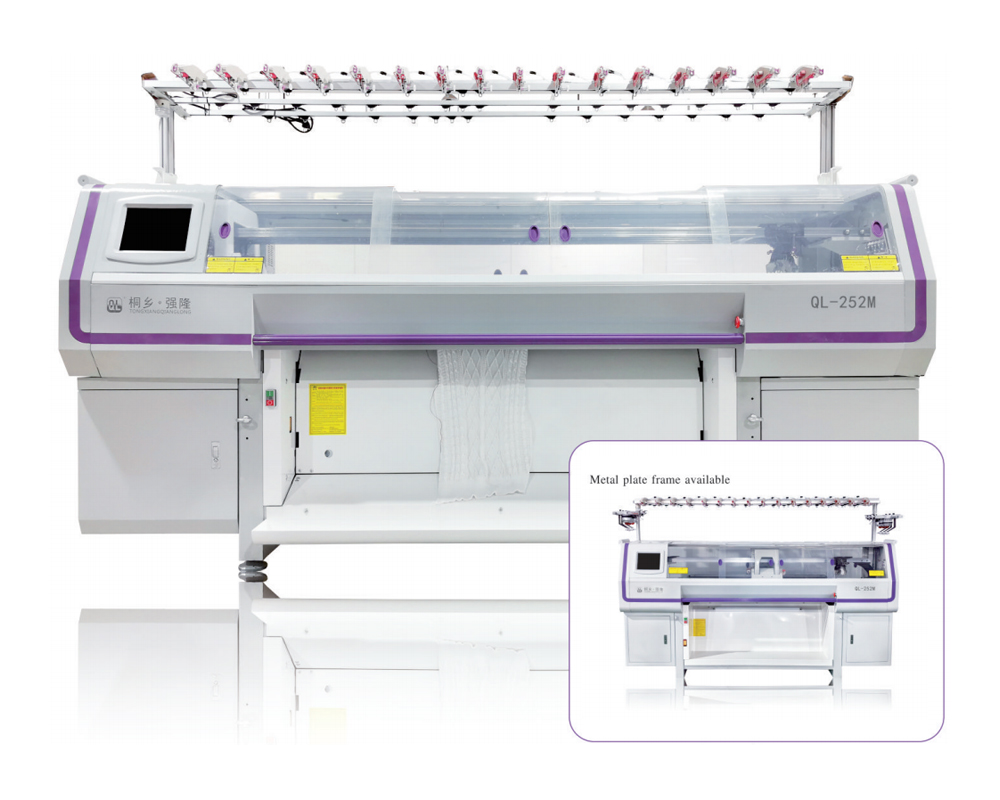
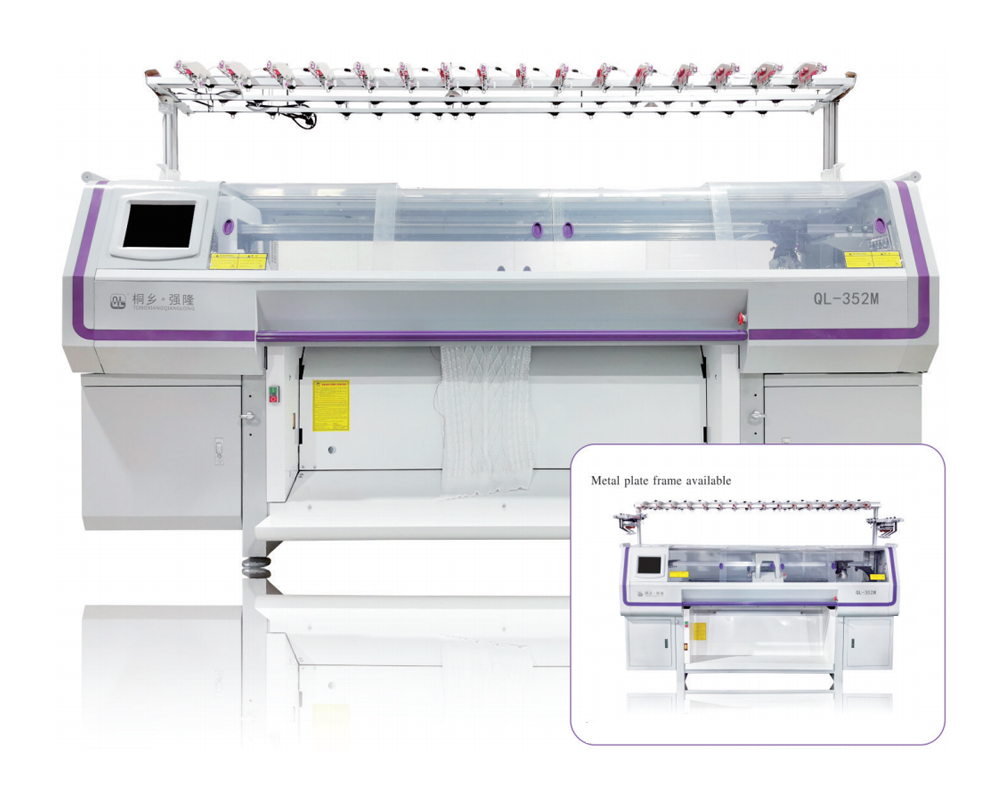
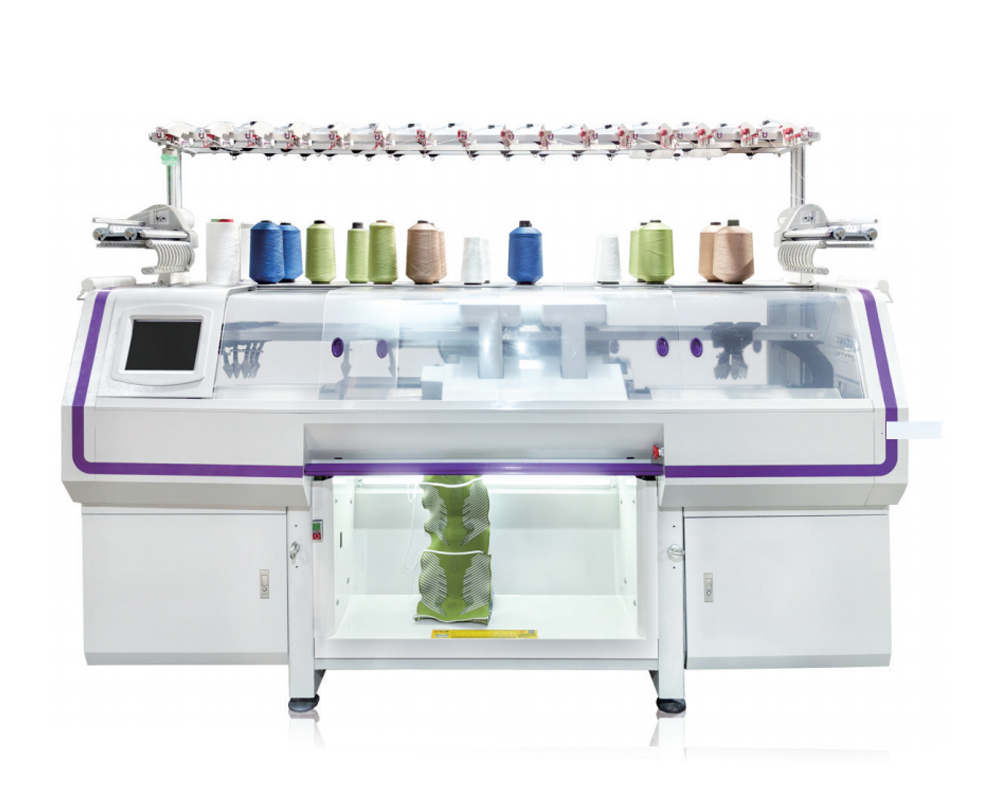
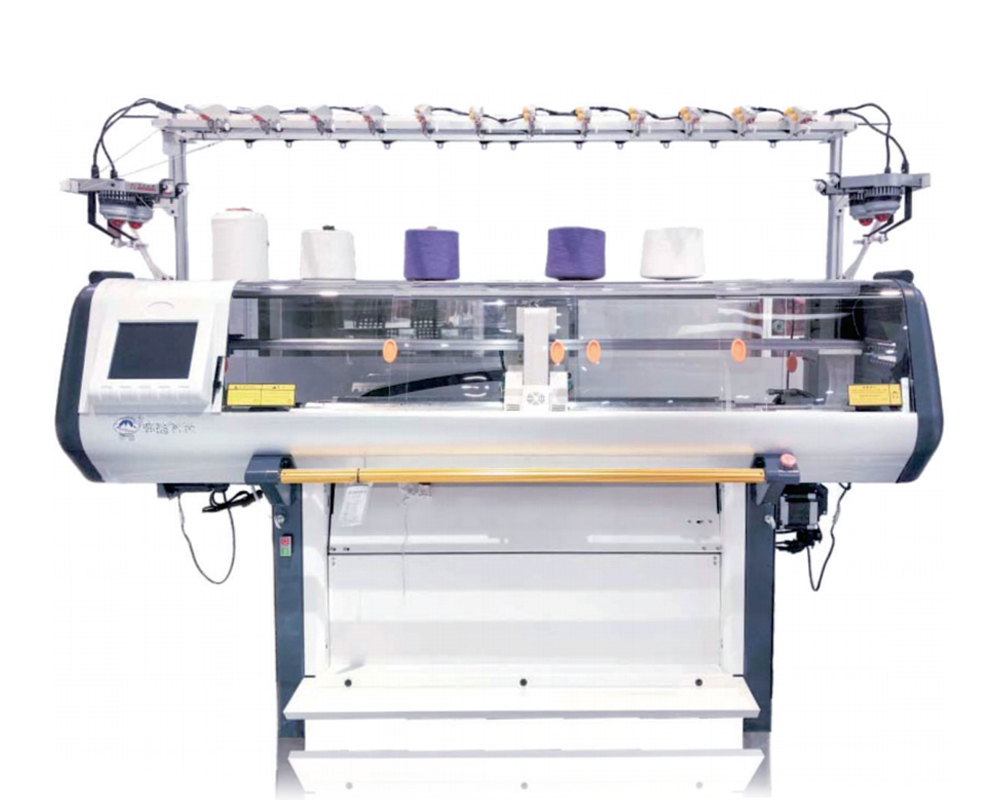
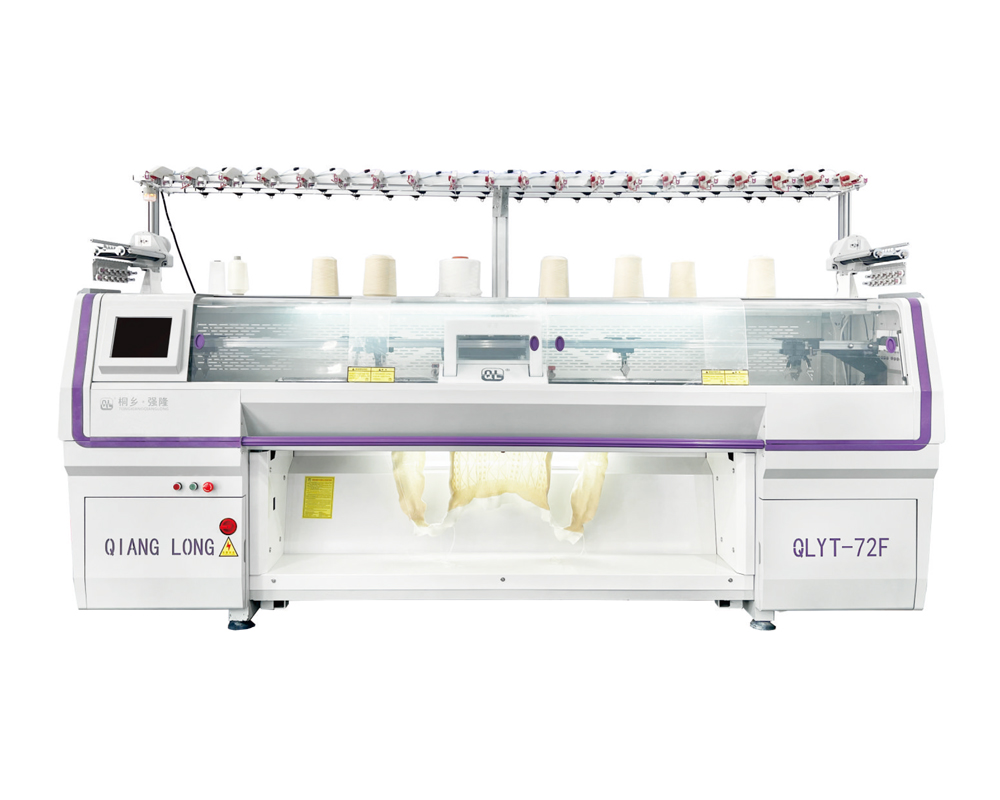
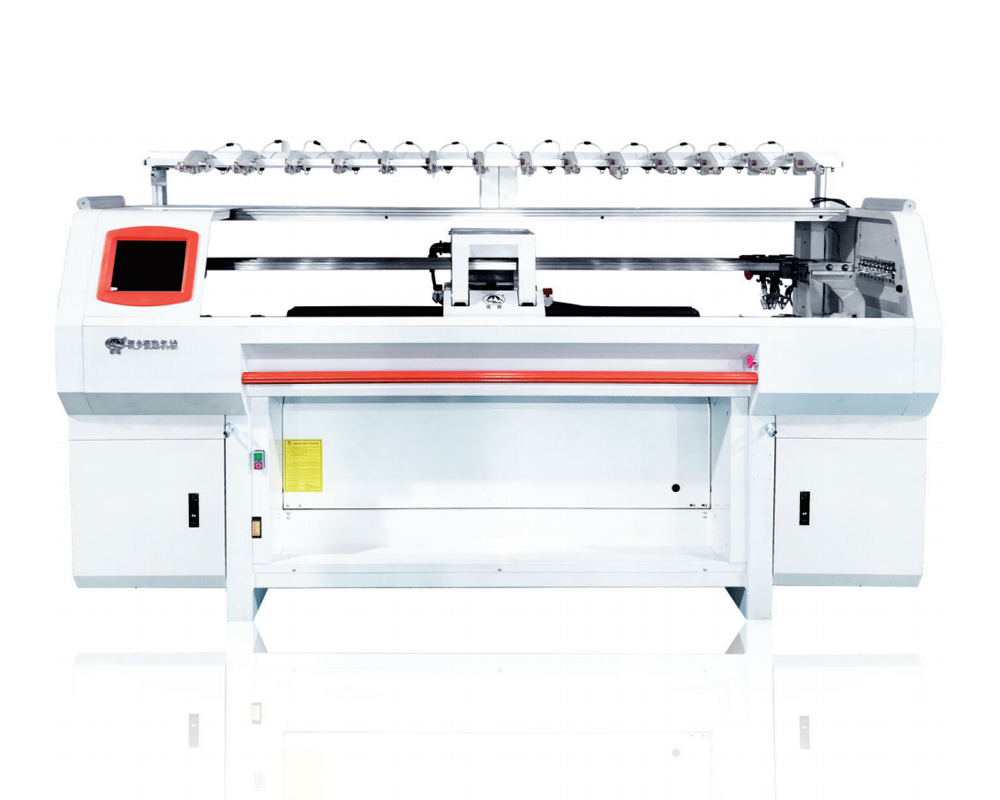
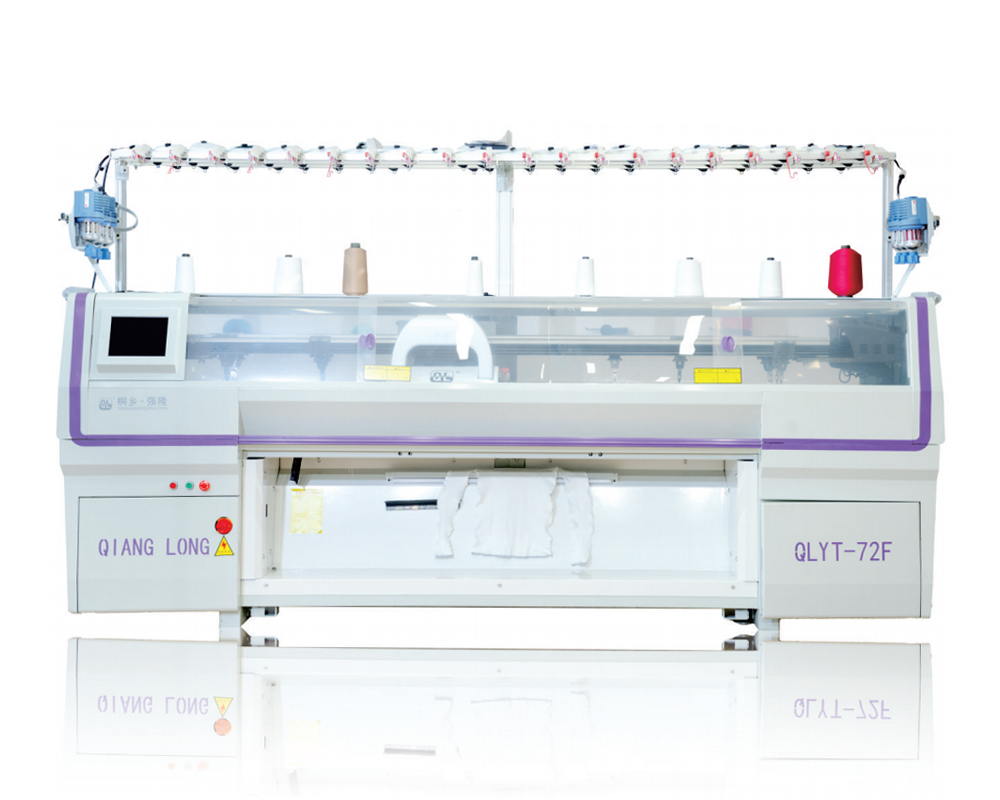
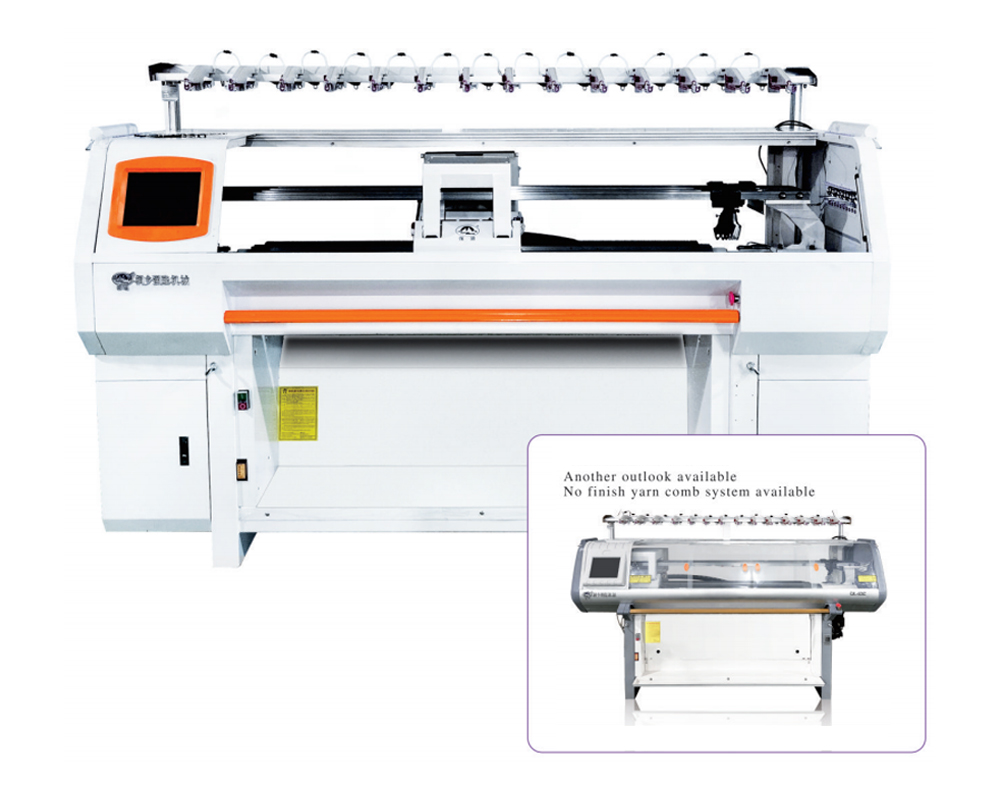
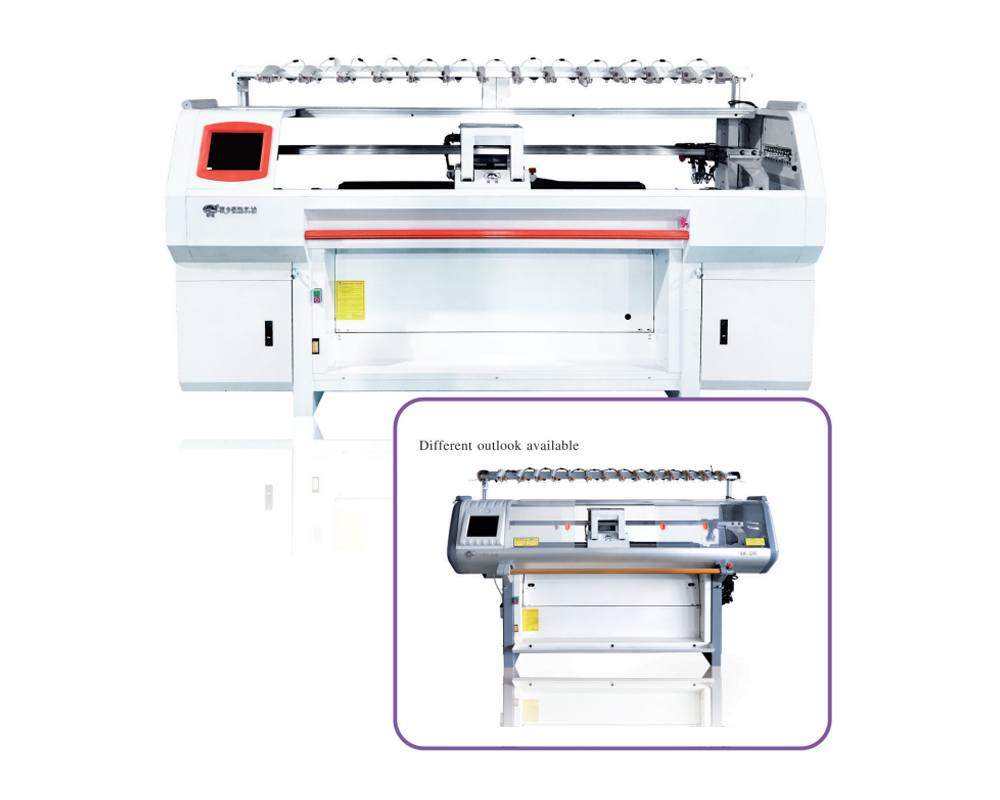
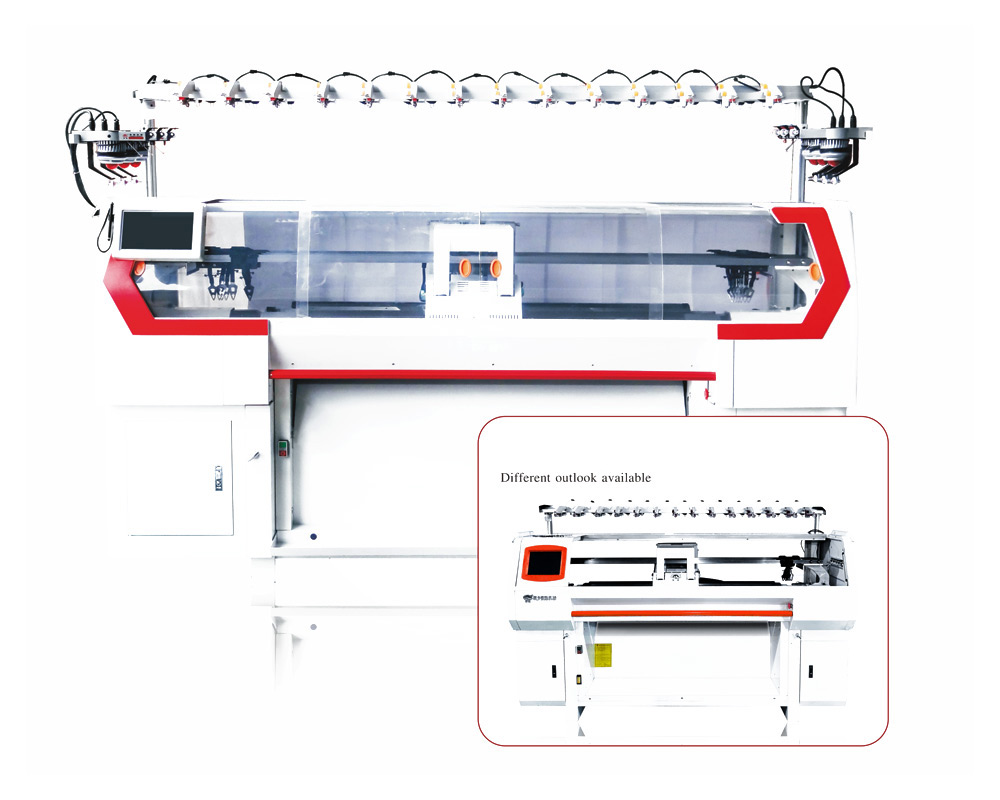

Tongxiang Qianglong Machinery Co., Ltd. is high-tech China wholesale computerized flat knitting machine manufacturers, specialized in designing, developing, and manufacturing Knitting Machinery..
Content
- 1 What Is a 3D Shoe Upper Knitting Machine?
- 2 How the Knitting Process Works
- 3 Key Technical Features to Understand
- 4 Advantages Over Traditional Shoe Upper Manufacturing
- 5 Compatible Yarn Types and Materials
- 6 What to Consider Before Purchasing a 3D Shoe Upper Knitting Machine
- 7 The Future of 3D Knitting in Footwear Manufacturing
What Is a 3D Shoe Upper Knitting Machine?
A 3D shoe upper knitting machine is a specialized computerized flat knitting system designed to produce fully shaped, ready-to-use shoe uppers directly from yarn — without the need for cutting, sewing, or significant post-processing. Unlike conventional footwear manufacturing, which involves cutting flat fabric panels and stitching them together, these machines knit the upper as a single continuous three-dimensional piece that conforms precisely to a foot-shaped form. The result is a seamless or near-seamless structure that fits more naturally, reduces material waste, and dramatically shortens the production timeline.
The technology draws on advancements in computerized flat knitting (also known as whole-garment or integral knitting) that were originally developed for knitwear such as sweaters and gloves. Over the past two decades, footwear brands and machinery manufacturers have adapted and refined these principles specifically for shoe production, giving rise to a generation of machines capable of producing complex, multi-zone uppers with engineered stretch, breathability, and structural reinforcement built directly into the fabric structure. This has fundamentally changed the way athletic and performance footwear is designed and made.
How the Knitting Process Works
The core mechanism of a 3D shoe upper knitting machine is a set of needle beds — typically two opposing beds in a V-shape — that work in concert under computer control to interlace yarns into fabric. What distinguishes a 3D shoe upper machine from a standard flat knitting machine is its ability to vary stitch density, yarn type, and fabric structure at any point in the knitting cycle, all within a single uninterrupted operation. A digital design file, created using specialized CAD software, feeds instructions to the machine that control every needle movement, yarn carrier position, and stitch formation.
The machine begins knitting at the toe region of the upper and works progressively toward the heel and ankle collar. As it knits, it can seamlessly transition between different knit structures — open meshes for ventilation zones, denser jacquard weaves for reinforced toe caps, elastic rib structures around the ankle — all in one continuous pass. When the knitting cycle is complete, the upper is removed from the machine already shaped and dimensionally accurate. It typically requires only minor finishing steps, such as heat-setting or the attachment of a sockliner, before being lasted and bonded to an outsole.

Key Technical Features to Understand
Not all 3D shoe upper knitting machines are the same. The technical specifications of a machine determine what kinds of uppers it can produce, the yarns it can handle, and the throughput speeds it can achieve. Understanding these features is essential for anyone evaluating machines for production purposes.
Gauge
Gauge refers to the number of needles per inch on the needle bed and directly determines the fineness of the knitted fabric. Lower-gauge machines (such as 7G or 12G) produce coarser, thicker fabrics suitable for hiking boots, winter footwear, or chunky athletic styles. Higher-gauge machines (15G or 18G) produce finer, tighter fabrics appropriate for running shoes, fashion sneakers, and performance footwear where a lightweight, refined finish is required. Matching machine gauge to the intended product is one of the most fundamental decisions in machine selection.
Number of Yarn Carriers
The number of active yarn carriers determines how many different yarns — and therefore colors and materials — can be incorporated into a single upper. Entry-level machines may support four to six carriers, while advanced production machines can accommodate twelve or more. A machine with more carriers can produce more complex multi-material uppers in a single pass, reducing the need for secondary operations. For brands that require intricate colorwork or want to integrate functional yarns (such as thermoplastic polyurethane filaments for structural zones) alongside standard yarns, carrier count is a critical specification.
Knitting Speed and Production Rate
Machine speed is typically measured in courses per minute or uppers per hour. A modern high-speed 3D shoe upper knitting machine can produce one complete upper in approximately 20 to 35 minutes, depending on complexity and size. Production machines running in continuous shifts can therefore yield 15 to 30 uppers per machine per day. Some manufacturers offer multi-system machines — effectively two knitting systems on a single needle bed — that can increase output by running two uppers simultaneously or alternating between systems to reduce carriage travel time.
Software and Design Integration
Modern 3D shoe upper knitting machines are inseparable from their software ecosystems. Leading machine brands provide proprietary design software that allows technicians and designers to map yarn types, stitch structures, colors, and reinforcement zones directly onto a digital upper template. The software then generates the machine control file automatically. The quality and flexibility of this software significantly affects how quickly new designs can be developed and iterated — a key consideration for brands that need to move from concept to sample rapidly.
Advantages Over Traditional Shoe Upper Manufacturing
The shift toward 3D knitting machines in footwear manufacturing is driven by a combination of quality, efficiency, and sustainability advantages that traditional cut-and-sew methods cannot match.
- Significant material waste reduction: Conventional upper manufacturing can waste 20 to 40 percent of fabric through cutting. A 3D knitted upper uses virtually all the yarn fed into the machine, with waste limited to minimal thread ends and trim. This directly reduces raw material costs and environmental impact.
- Fewer production steps: Eliminating cutting and stitching removes multiple labor-intensive stages from the manufacturing process, reducing both production time and dependency on skilled sewing labor — a resource that is increasingly scarce in traditional footwear manufacturing regions.
- Superior fit and comfort: Because the upper is engineered as a single piece with precisely located zones of stretch and support, it conforms more naturally to the foot's shape. There are no internal seams to create pressure points, which significantly improves wearer comfort, especially in athletic applications.
- Faster design-to-sample cycles: A new upper design can be programmed and knitted within hours, compared to the days or weeks required to produce a cut-and-sew sample. This accelerates product development and allows designers to test and iterate more quickly.
- On-demand and small-batch production: The digital nature of the process makes it practical to run small production quantities without prohibitive setup costs, enabling limited editions, customized sizing runs, and on-demand manufacturing models.
Compatible Yarn Types and Materials
The performance and appearance of a knitted shoe upper depend heavily on the yarns used. Modern 3D shoe upper knitting machines are compatible with a wide range of fiber types, and many uppers intentionally combine multiple yarn types in different zones to achieve specific functional outcomes.
| Yarn Type | Key Properties | Typical Application Zone |
| Polyester monofilament | Lightweight, durable, color-stable | General upper body |
| Nylon multifilament | High abrasion resistance, smooth feel | Toe cap, heel counter zones |
| Elastic (Spandex/Lycra core) | High stretch recovery, secure fit | Ankle collar, instep |
| Thermoplastic polyurethane (TPU) | Fuses under heat for rigid structure | Reinforcement rails, eyelets |
| Recycled PET yarn | Sustainable, comparable to virgin polyester | General upper, eco-focused products |
| Merino wool blend | Natural breathability, temperature regulation | Lifestyle and casual footwear |
What to Consider Before Purchasing a 3D Shoe Upper Knitting Machine
Investing in a 3D shoe upper knitting machine is a significant capital decision that requires careful evaluation of both production needs and organizational readiness. The machine itself is only one part of the equation — skilled programmers, appropriate yarn sourcing, and downstream production compatibility all determine whether the investment delivers its expected returns.
- Define your product range first: The gauge, carrier count, and software requirements of your machine should be driven by the specific uppers you intend to produce. A machine optimized for running shoe uppers will not necessarily perform well for heavy-duty boot uppers, and vice versa.
- Assess your technical workforce: Programming and operating a 3D shoe upper knitting machine requires trained technicians familiar with both knitting technology and CAD-based design tools. Factor in training time and costs when calculating the total investment.
- Evaluate after-sales support: Machine downtime in a production environment is costly. Prioritize manufacturers who offer responsive local technical support, spare parts availability, and remote diagnostics capabilities.
- Confirm yarn compatibility: Not all yarns run equally well on all machines. Before committing to a machine, test your intended yarn specifications through knitting trials to ensure consistent fabric quality and machine reliability.
- Plan your downstream integration: Consider how the knitted uppers will flow into your lasting, bonding, and finishing lines. The efficiency gains of knitting can be lost if downstream processes are not adapted to handle the new upper format effectively.
The Future of 3D Knitting in Footwear Manufacturing
The adoption of 3D shoe upper knitting technology continues to accelerate globally. What began as a niche capability available only to major brands with significant R&D resources has progressively become accessible to mid-sized manufacturers and contract factories across Asia. As machine costs decline, software becomes more intuitive, and consumer demand for lightweight, sustainable, and precisely engineered footwear grows, 3D knitting is moving from a competitive differentiator to an expected capability in performance footwear production.
Emerging developments in the field include machines capable of integrating conductive yarns for smart footwear applications, improved multi-layer knitting for enhanced cushioning without secondary foam components, and tighter integration with digital product creation platforms that allow a design to flow from concept directly to machine file with minimal manual intervention. For footwear manufacturers evaluating long-term production strategy, understanding and investing in 3D shoe upper knitting technology is no longer optional — it is increasingly central to remaining competitive in a rapidly evolving industry.
