
 English
 简体中文
简体中文
 Chinese
 English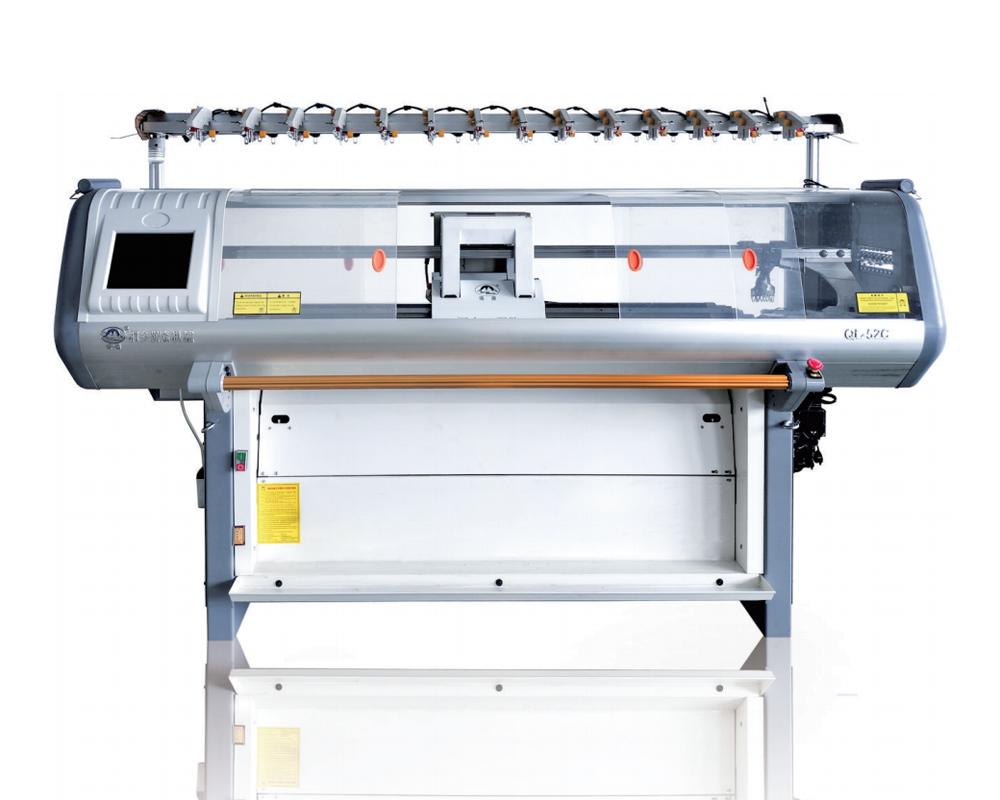
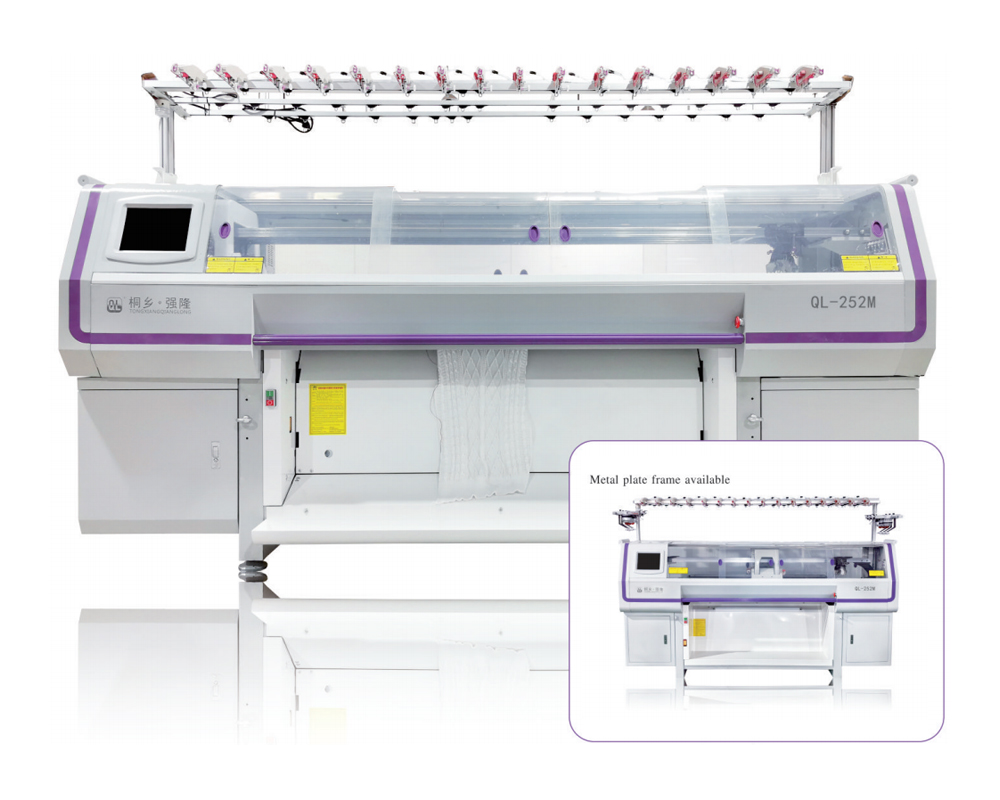
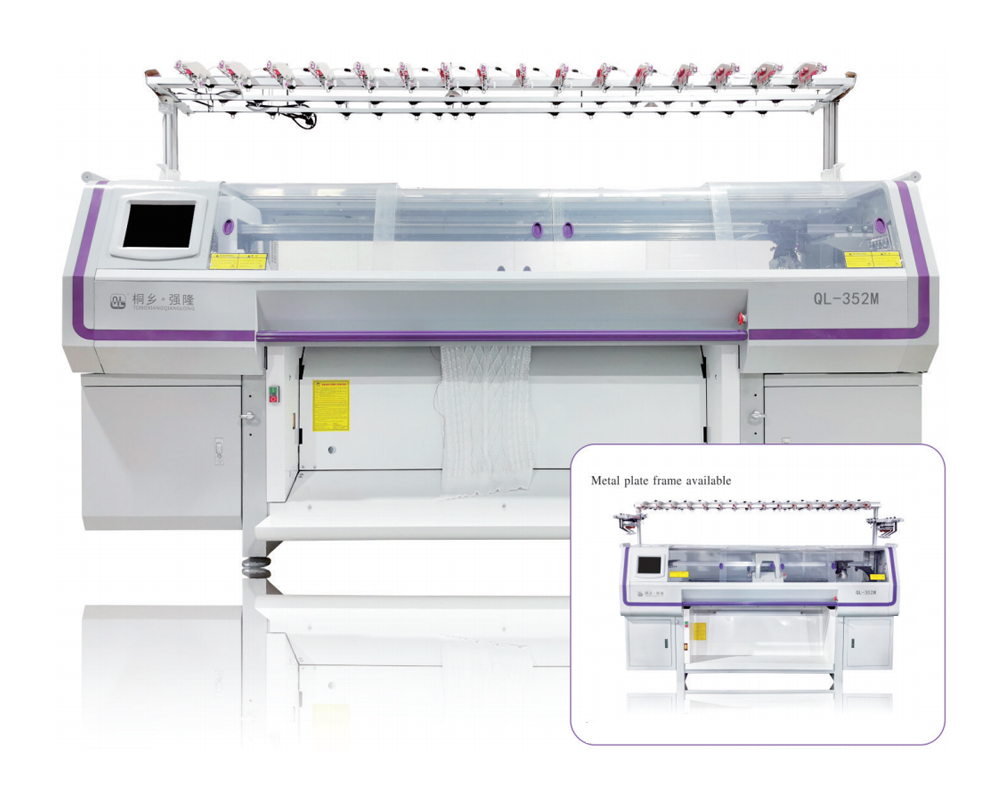
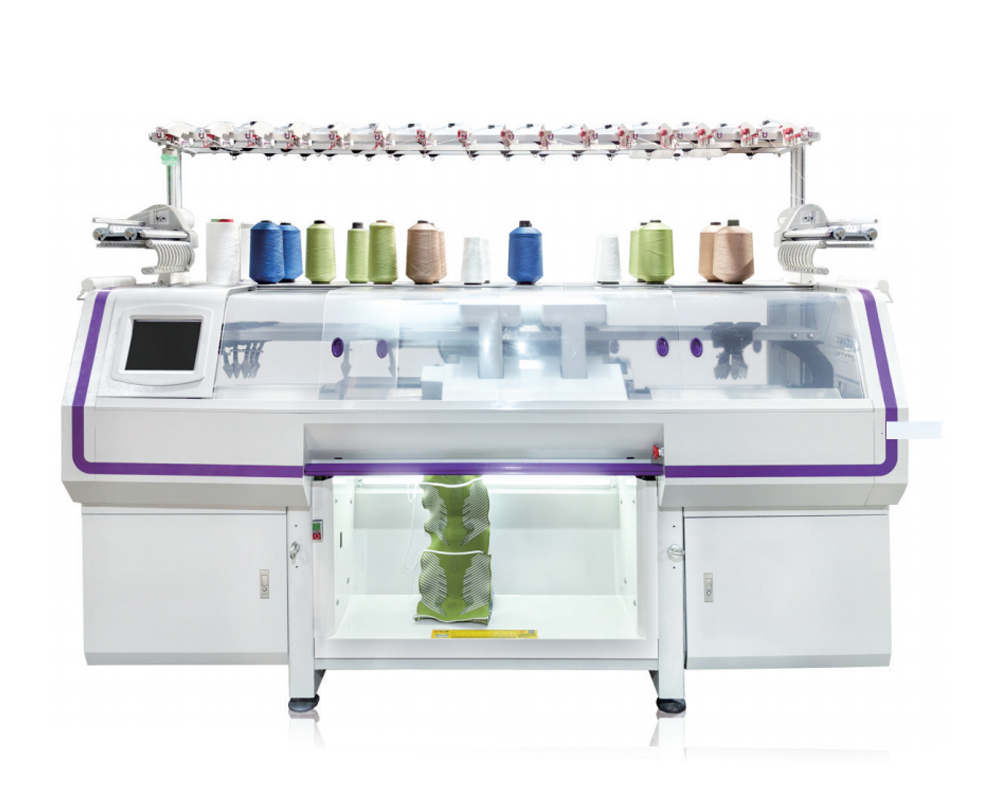
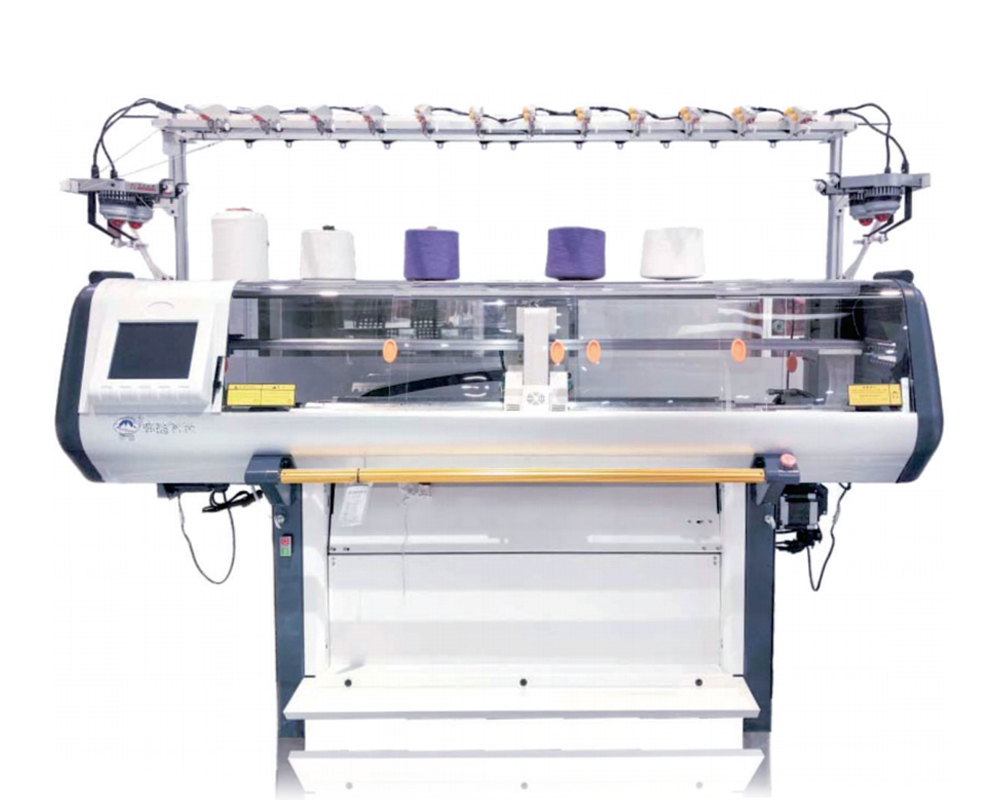
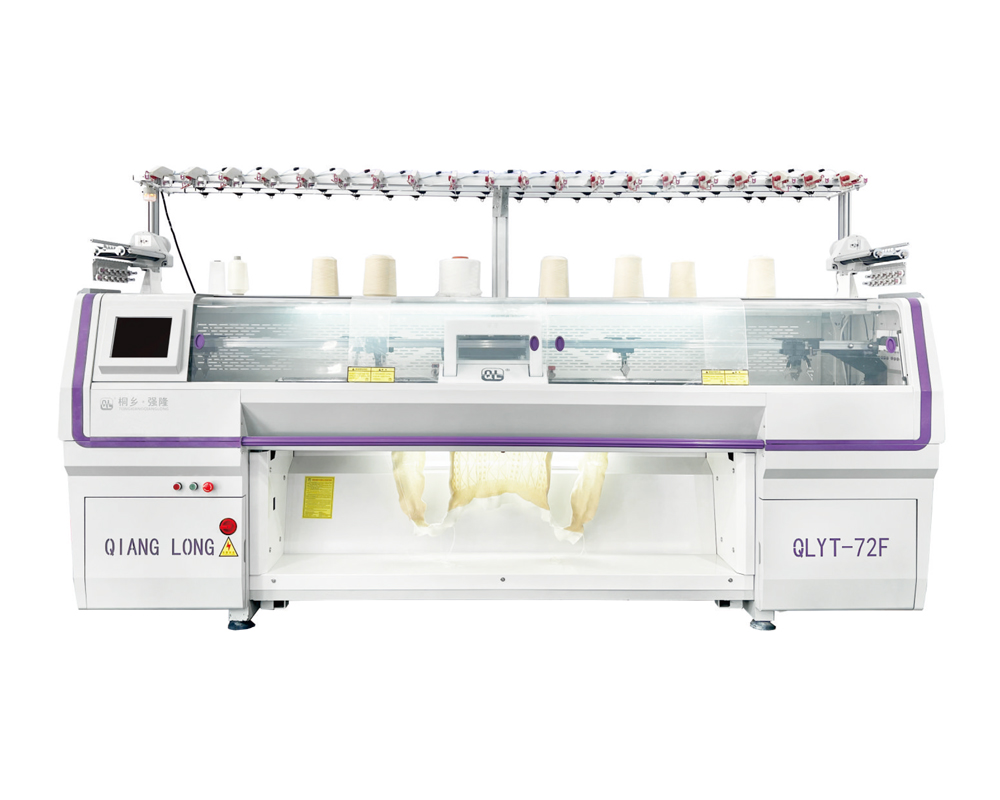
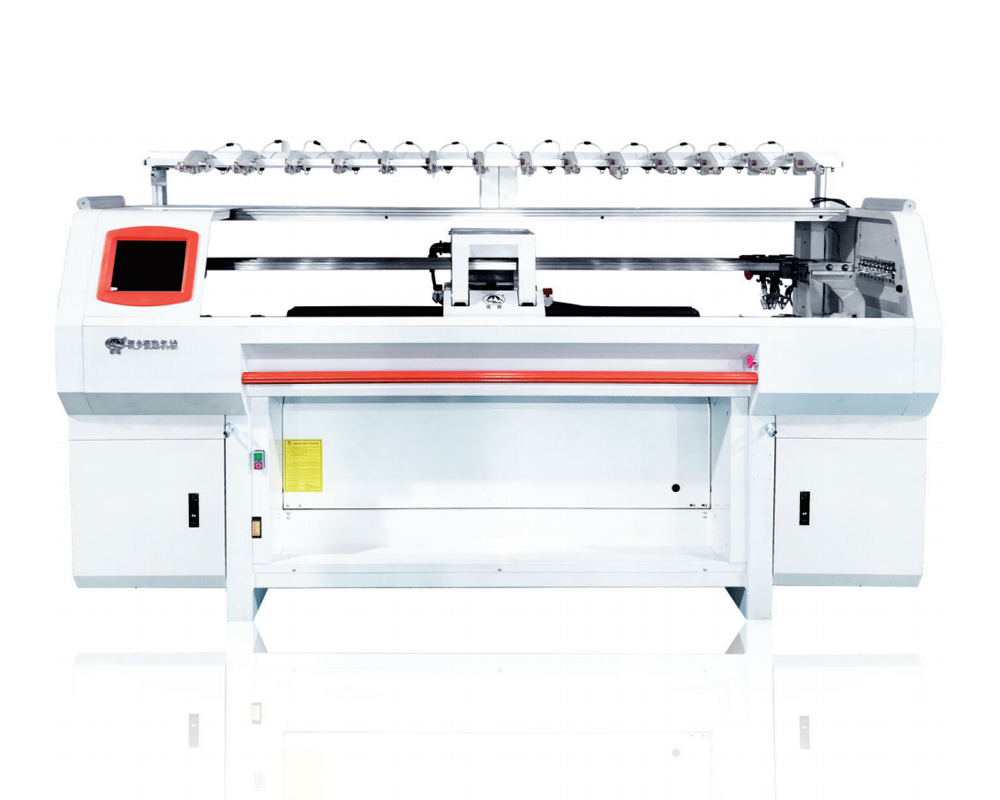
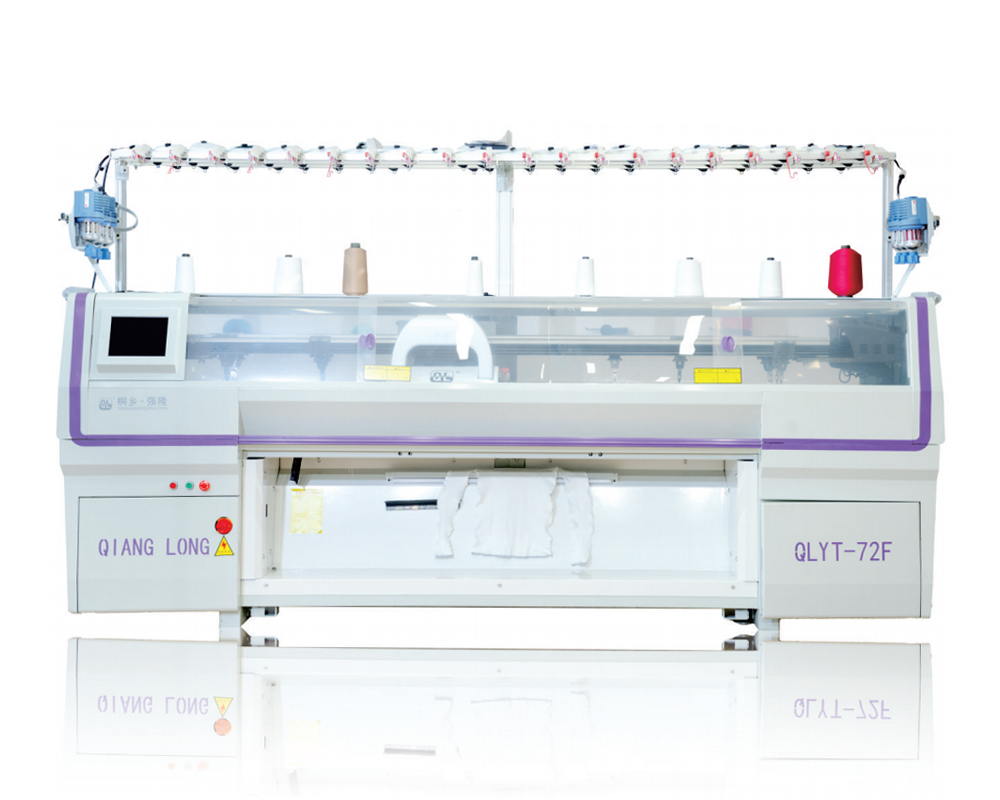
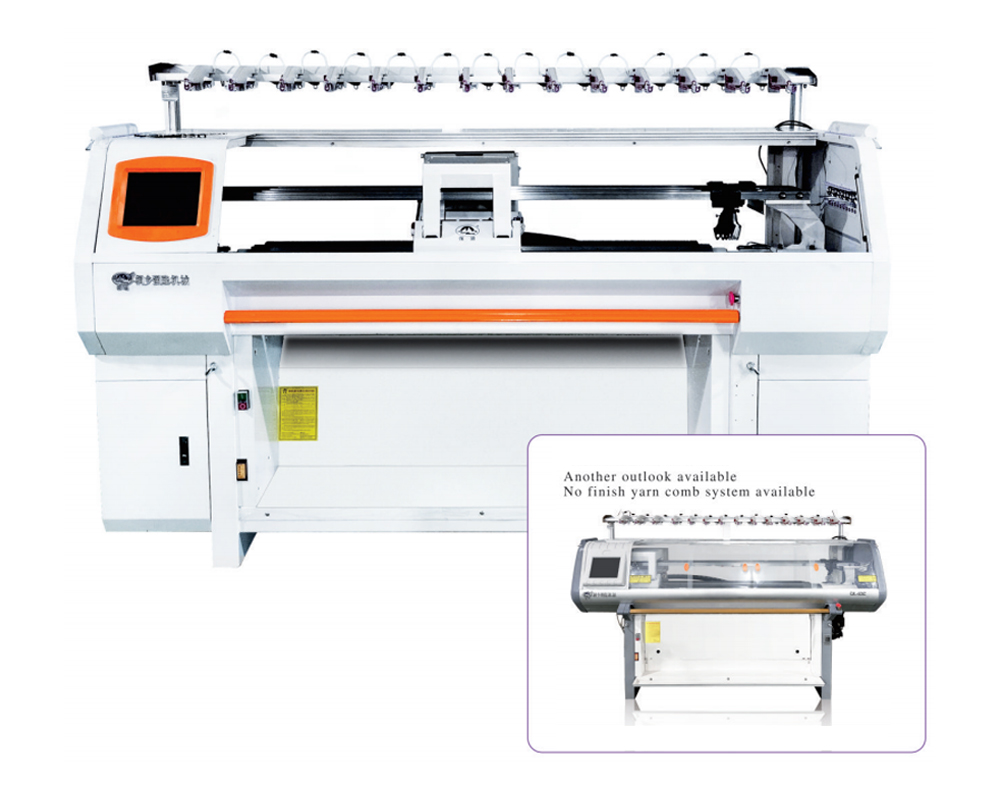
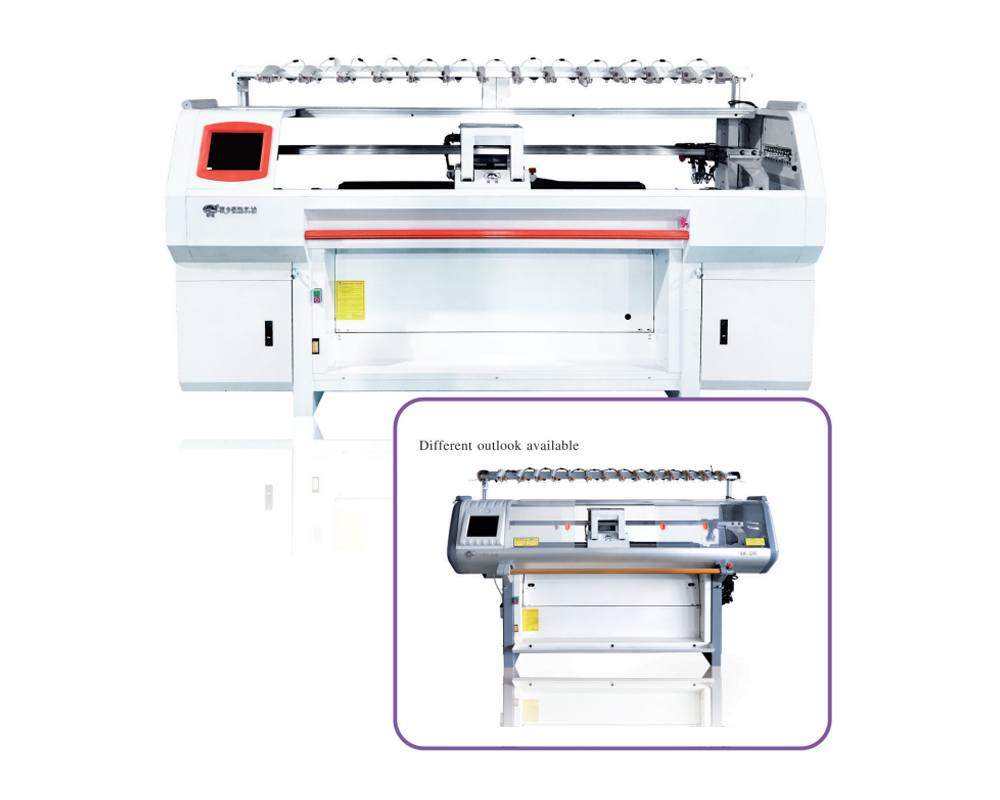
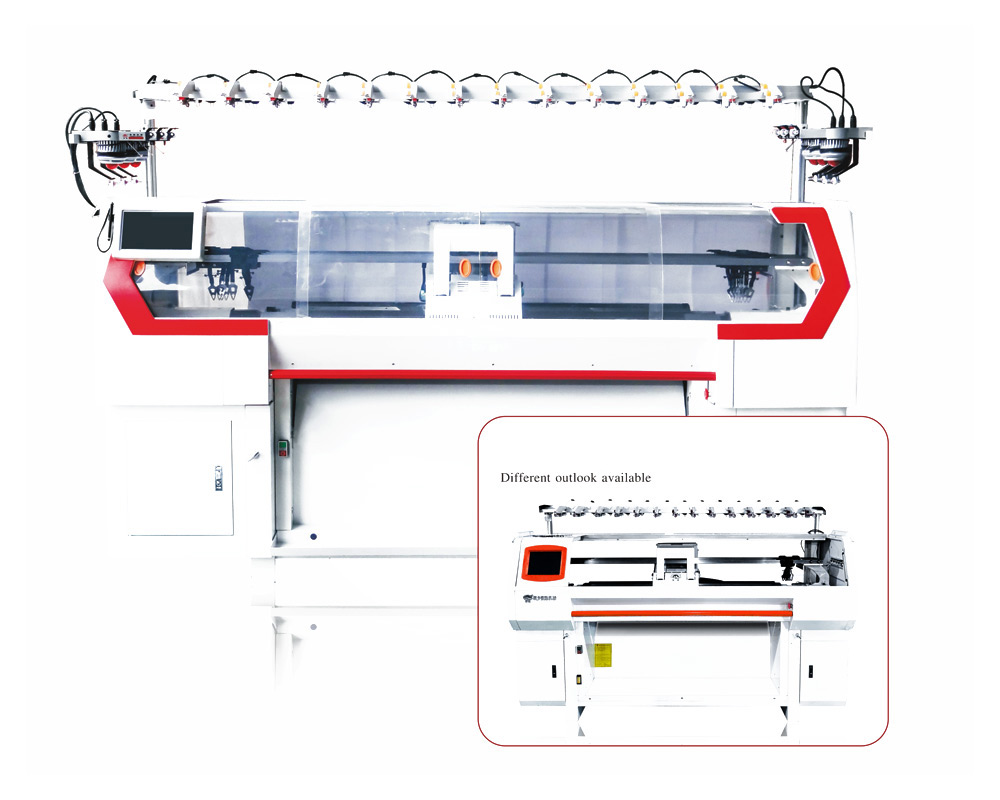

Tongxiang Qianglong Machinery Co., Ltd. is high-tech China wholesale computerized flat knitting machine manufacturers, specialized in designing, developing, and manufacturing Knitting Machinery..
Content
- 1 Key Factors to Consider When Purchasing a Machine
- 2 Essential Setup and Initial Configuration
- 3 Learning Basic Machine Operations and Techniques
- 4 Troubleshooting Common Operational Issues
- 5 Advancing Skills Through Progressive Projects
- 6 Maintenance Practices for Long-Term Reliability
- 7 Building Knowledge Through Community and Resources
Computerized flat knitting machines represent a significant technological advancement from their mechanical predecessors, incorporating electronic controls, programmable patterns, and automated functions that dramatically expand creative possibilities while improving production efficiency. These sophisticated devices utilize individual needle selection through electromagnetic actuators or pneumatic systems controlled by integrated computer software, allowing for complex stitch patterns, shaping, and color changes that would be extremely difficult or impossible to achieve on manual machines. The transition from punch cards to digital programming has revolutionized the knitting industry, enabling designers and manufacturers to create intricate garments with minimal manual intervention.
The fundamental architecture of computerized flat knitting machines consists of a needle bed (or two beds for double-bed machines), a carriage system housing the yarn feeders and selection mechanisms, and a computerized control unit that interprets pattern data and coordinates needle movements. Modern machines typically feature gauge measurements ranging from 3-gauge (coarse knits) to 18-gauge (fine knits), with 7-gauge and 12-gauge representing popular mid-range options suitable for sweaters, scarves, and fashion garments. The working width varies from compact desktop models around 100 needles to industrial machines exceeding 250 needles, determining the maximum garment width that can be produced in a single piece.
Contemporary computerized flat knitting machines offer varying levels of automation and sophistication. Entry-level home models provide basic pattern programming and semi-automatic operation, requiring manual carriage passes while the computer handles needle selection. Mid-range machines incorporate motorized carriages that automatically traverse the needle bed, though operators still manage yarn changes and monitor production. High-end industrial systems feature fully automated yarn changing, tension control, take-down mechanisms, and even robotic finishing capabilities, representing comprehensive manufacturing solutions for commercial knitwear production.

Key Factors to Consider When Purchasing a Machine
Budget considerations fundamentally shape machine selection, with prices spanning from approximately $2,000 for basic home computerized machines to over $50,000 for professional-grade industrial systems with advanced features. Prospective buyers must honestly assess their intended use, production volume requirements, and long-term goals to determine appropriate investment levels. Hobbyists and small-scale designers often find excellent value in quality used machines from reputable manufacturers, as properly maintained knitting machines can provide decades of reliable service. However, purchasing used equipment requires careful inspection or expert evaluation to ensure mechanical soundness and verify that replacement parts remain available.
Gauge selection directly impacts the types of garments and projects achievable on the machine. Fine-gauge machines (12-gauge and higher) excel at producing delicate fabrics, intricate patterns, and commercial-quality garments suitable for retail sale, but require finer yarns and operate more slowly due to the increased number of needles. Coarse-gauge machines (3-gauge to 7-gauge) work quickly with bulky yarns, creating chunky sweaters, blankets, and accessories that appeal to current fashion trends, though they offer less pattern detail and refinement. Mid-gauge machines around 7-gauge provide versatility for various yarn weights and project types, making them popular choices for designers working across multiple market segments.
| Machine Type | Price Range | Best For | Automation Level |
| Entry Home Model | $2,000-$5,000 | Hobbyists, Learning | Semi-automatic |
| Mid-Range Studio | $8,000-$15,000 | Small Business, Designers | Motorized carriage |
| Professional Industrial | $20,000-$50,000+ | Manufacturing, High Volume | Fully automated |
| Specialized/Advanced | $50,000+ | Large-Scale Production | Full automation + robotics |
Software compatibility and updating capabilities deserve careful evaluation, as the programming interface significantly affects workflow efficiency and creative freedom. Modern machines typically include proprietary design software, though compatibility with third-party design programs varies by manufacturer. Cloud-based pattern libraries, firmware updates, and ongoing software support ensure that machines remain current with evolving design trends and technological improvements. Buyers should verify the availability of technical support, training resources, and user communities associated with their chosen brand, as these resources prove invaluable during the learning process and when troubleshooting operational challenges.
Essential Setup and Initial Configuration
Proper machine installation establishes the foundation for reliable operation and quality output. Computerized flat knitting machines require stable, level surfaces capable of supporting their substantial weight, typically ranging from 50 to 200 pounds depending on size and construction. Dedicated tables or stands designed specifically for knitting machines provide optimal working height, integrated storage for tools and accessories, and vibration dampening that prevents movement during high-speed operation. The workspace should offer adequate lighting, comfortable seating at appropriate height, and sufficient surrounding space for yarn management, pattern documentation, and garment assembly.
Electrical requirements for computerized machines generally involve standard household current (110-120V in North America, 220-240V internationally), though industrial models may require dedicated circuits or three-phase power. Surge protection devices safeguard sensitive electronic components from voltage spikes that could corrupt programming or damage control systems. The installation environment should maintain moderate temperature and humidity levels, as extreme conditions affect yarn behavior, machine mechanics, and electronic reliability. Dust control measures including periodic cleaning and protective covers during idle periods prevent fiber accumulation that could interfere with needle movement or electronic sensors.
- Needle bed alignment verification ensures proper needle engagement and prevents dropped stitches or uneven tension across the knitting width
- Carriage calibration confirms accurate positioning and smooth traversing motion without binding or irregular movement that could affect stitch formation
- Tension mast installation and yarn path threading according to manufacturer specifications prevents yarn breaks and ensures consistent fabric hand
- Software installation, driver configuration, and connectivity testing establish reliable communication between the computer control system and mechanical components
Learning Basic Machine Operations and Techniques
Mastering fundamental operations begins with understanding the machine's control interface, whether through dedicated buttons and displays on the machine itself or through connected computer software. Initial learning projects should emphasize basic stockinette fabric in single colors, allowing operators to develop proficiency with essential functions including casting on, knitting rows, tension adjustment, and binding off before attempting more complex techniques. The casting-on process establishes the foundation stitches on needles, with methods varying from simple e-wrap techniques suitable for beginners to more sophisticated tubular or ribbed cast-ons that produce professional-quality garment edges.
Tension control represents one of the most critical skills for producing quality knitted fabric, affecting both the fabric's appearance and structural integrity. Proper tension balances the tightness of yarn feeding against the resistance of stitch formation, with adjustments made through spring-loaded masts, weight systems, or electronic tension control depending on machine sophistication. Too tight tension creates stiff, narrow fabric that may curl excessively, while insufficient tension produces loose, unstable knits prone to distortion and poor shape retention. Experienced operators develop intuitive feel for appropriate tension levels based on yarn characteristics, stitch patterns, and desired fabric hand.
Pattern Programming and Design Development
Pattern creation forms the creative heart of computerized flat knitting, with modern software enabling designers to translate sketches, photographs, or digital artwork into knittable files. Most design programs utilize grid-based interfaces where each cell represents a stitch, with colors, stitch types, and shaping instructions assigned to specific locations. Beginners should start with simple geometric patterns or pre-existing design templates, gradually progressing to custom creations as they develop understanding of how digital patterns translate to physical fabric and how machine limitations affect design possibilities.
Stitch notation systems communicate pattern information to the machine, with standardized symbols representing knit, purl, tuck, slip, and transfer operations that combine to create diverse fabric structures and textures. Understanding how these fundamental stitches interact enables designers to predict fabric behavior, troubleshoot pattern problems, and optimize designs for both aesthetic appeal and technical feasibility. Advanced techniques including intarsia color work, Fair Isle patterns, lace structures, and three-dimensional shaping require thorough comprehension of stitch mechanics and careful programming to achieve intended results without mechanical conflicts or fabric defects.
Troubleshooting Common Operational Issues
Dropped stitches represent the most frequent problem encountered by knitting machine operators, occurring when needles fail to properly catch yarn or when previously formed stitches slip off needle hooks. Systematic diagnosis involves examining yarn path for snags or improper threading, verifying needle condition for bent hooks or damaged latches, checking tension settings for excessive tightness causing needle skip, and confirming pattern programming doesn't create mechanically impossible stitch combinations. Dropped stitches can often be recovered using transfer tools or latch hooks before they run down multiple rows, though prevention through proper machine maintenance and operation proves far more efficient than correction.
Yarn breaks interrupt production and can damage partially completed fabric if the machine continues operating unattended. Common causes include excessive tension, yarn defects such as thick or thin spots that catch in guides or tensioners, improper yarn path threading creating friction points, and incompatible yarn characteristics for the selected gauge or pattern. Installing yarn break sensors available on many computerized machines provides automatic shutdown when breaks occur, preventing extensive fabric damage. Building skill in yarn quality assessment and appropriate yarn-to-machine matching minimizes break frequency and improves overall production efficiency.
Fabric distortion including curling edges, biased fabric, or irregular width typically results from tension imbalances, inconsistent take-down weight, or pattern design issues. Stockinette fabric naturally curls at edges due to stitch structure asymmetry, requiring border treatments such as garter ridges, ribbing, or stabilizing seams in garment construction. Biased knitting where fabric slants rather than hanging square often indicates uneven needle bed wear, misaligned carriage components, or systematic tension variations across the knitting width requiring professional service or calibration adjustment.
Advancing Skills Through Progressive Projects
Structured skill development follows a logical progression from simple rectangles to complex shaped garments, building competence systematically while maintaining motivation through achievable goals. Initial projects might include scarves, dishcloths, or simple cowls that develop tension consistency and basic operation proficiency without overwhelming beginners with shaping or assembly challenges. Intermediate projects introduce width shaping through increases and decreases, creating items like tapered scarves, simple hats, or rectangular garments with minimal shaping that expand technical repertoire while remaining manageable.
Full garment construction represents advanced territory requiring integration of multiple skills including measurement and sizing, shaping for body contours, component coordination for sleeves and bodies, and professional finishing techniques. Breaking garment projects into manageable components—knitting front, back, and sleeves separately before assembly—reduces intimidation while building experience with different shaping techniques and construction methods. Pattern modifications and custom sizing development further advance skills, requiring understanding of gauge mathematics, proportion adjustment, and how design changes affect fabric behavior and garment fit.
Exploring Advanced Techniques and Specialized Applications
Fully fashioned garment construction utilizing machine shaping capabilities creates professional-quality knitwear with minimal cutting and sewing, reducing waste while producing superior fit and finish. This approach programs decreases and increases directly into the fabric during knitting, creating shaped panels that require only edge seaming for assembly. Mastering fully fashioned techniques demands thorough understanding of garment architecture, precise calculation of shaping rates, and careful attention to symmetry and proportion in pattern programming.
Specialty fabric structures including double-bed techniques, engineered jacquards, pleats, and textured surfaces expand creative possibilities beyond basic flat knitting. Double-bed operations require machines equipped with two needle beds positioned at angles, enabling rib structures, tubular knitting, and complex pattern possibilities unavailable on single-bed machines. These advanced techniques demand additional learning investment but unlock professional-level capabilities that distinguish artisan work from mass-produced alternatives and justify premium pricing for custom knitwear.
Maintenance Practices for Long-Term Reliability
Regular maintenance schedules preserve machine performance and prevent costly repairs or production interruptions. Daily or weekly tasks depending on usage intensity include removing lint and fiber accumulation from needle beds using specialized brushes or vacuum attachments, inspecting needles for damage and replacing bent or sticky needles promptly, and verifying smooth carriage movement across the full bed width. Monthly maintenance expands to include lubricating moving parts according to manufacturer specifications, checking and adjusting belt tension on motorized carriages, and cleaning yarn guides and tensioners to prevent residue buildup that affects yarn feeding.
Annual professional service or comprehensive owner maintenance addresses deeper systems including complete needle bed cleaning and inspection, bearing lubrication or replacement, electronic system diagnostics and calibration, and replacement of worn components before they fail catastrophically. Maintaining detailed service records documenting maintenance performed, parts replaced, and any recurring issues aids troubleshooting and helps identify patterns indicating developing problems. Investing in preventive maintenance significantly exceeds the cost and disruption of reactive repairs following unexpected failures, particularly for machines supporting commercial production where downtime directly impacts revenue and customer commitments.
Building Knowledge Through Community and Resources
Engaging with knitting machine communities accelerates learning through shared experiences, troubleshooting assistance, and inspiration from other practitioners' work. Online forums, social media groups, and video platforms host vibrant communities where machine knitters exchange techniques, modify patterns, recommend yarns, and provide moral support through inevitable learning frustrations. Regional knitting guilds or maker spaces may include machine knitting groups offering in-person interaction, equipment sharing, and mentorship opportunities particularly valuable for beginners navigating initial learning curves.
Educational resources including manufacturer training programs, independent workshops, online courses, and instructional publications provide structured learning pathways complementing hands-on experimentation. Many machine manufacturers offer certification programs or authorized training centers delivering comprehensive instruction on their specific equipment. Independent educators and experienced practitioners contribute books, video tutorials, and online courses covering techniques applicable across different machine brands and models, building transferable knowledge that supports lifelong learning as technology and creative interests evolve throughout a knitter's journey with computerized flat knitting machines.
