
 English
 简体中文
简体中文
 Chinese
 English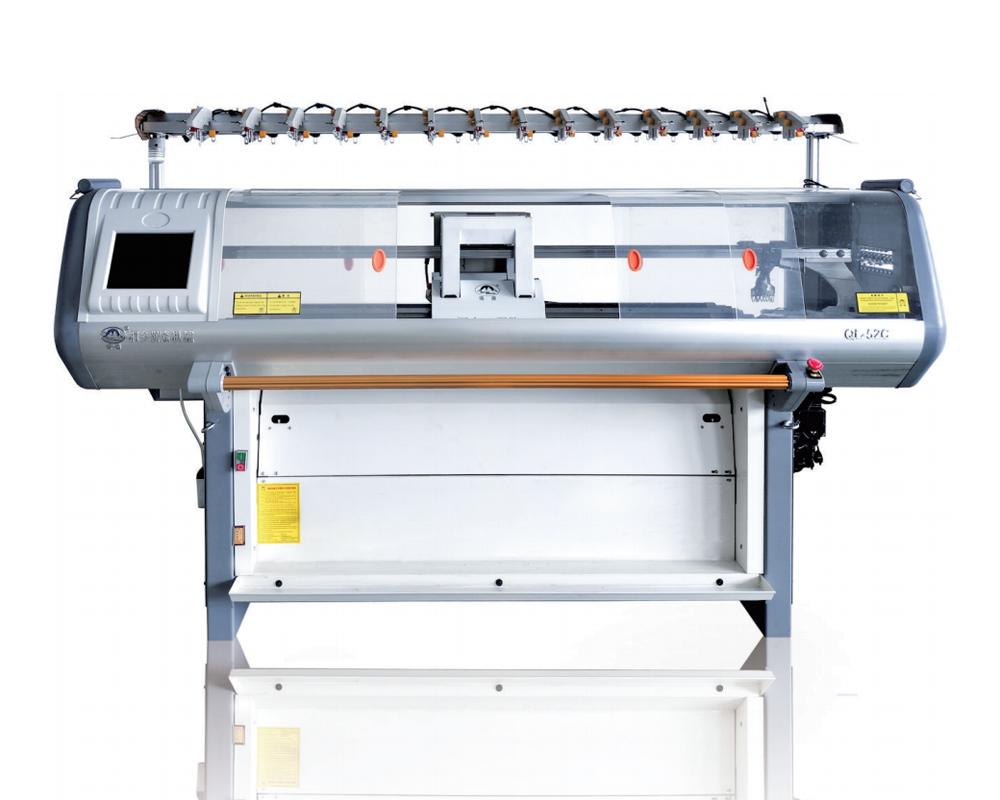
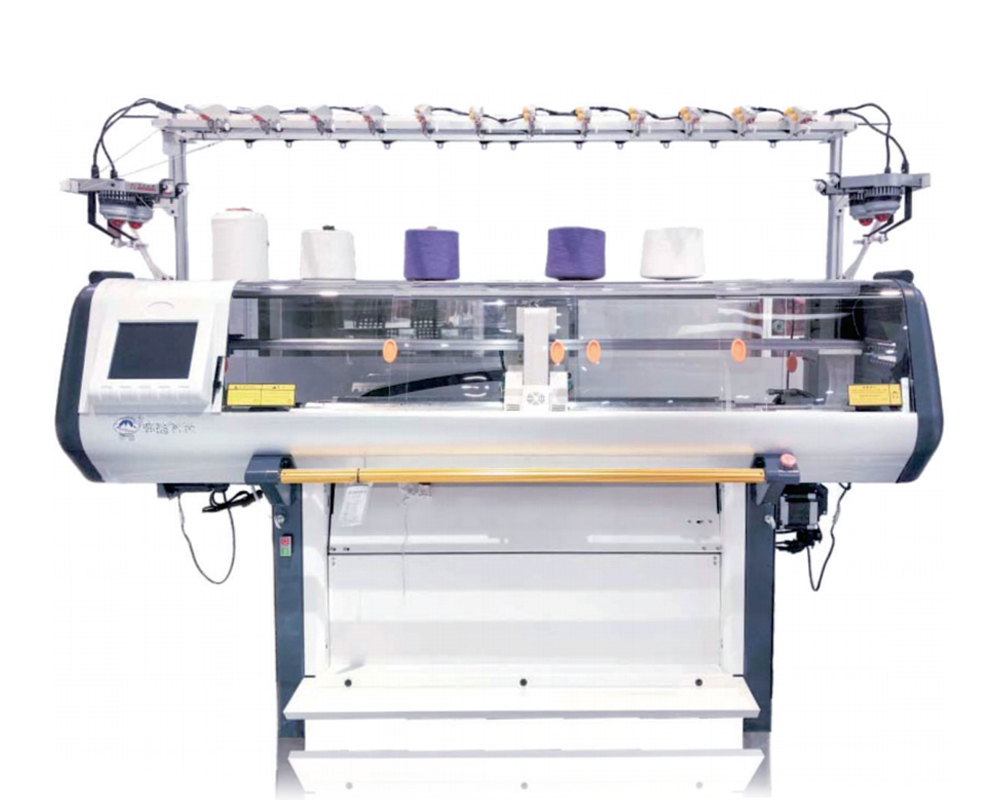
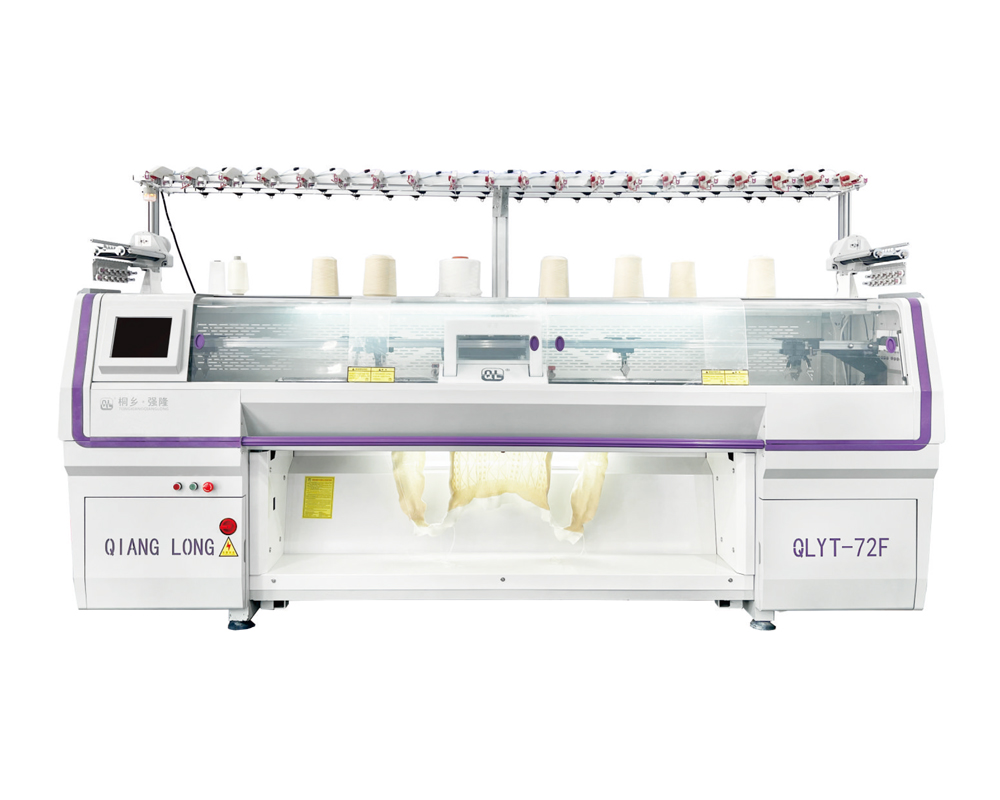
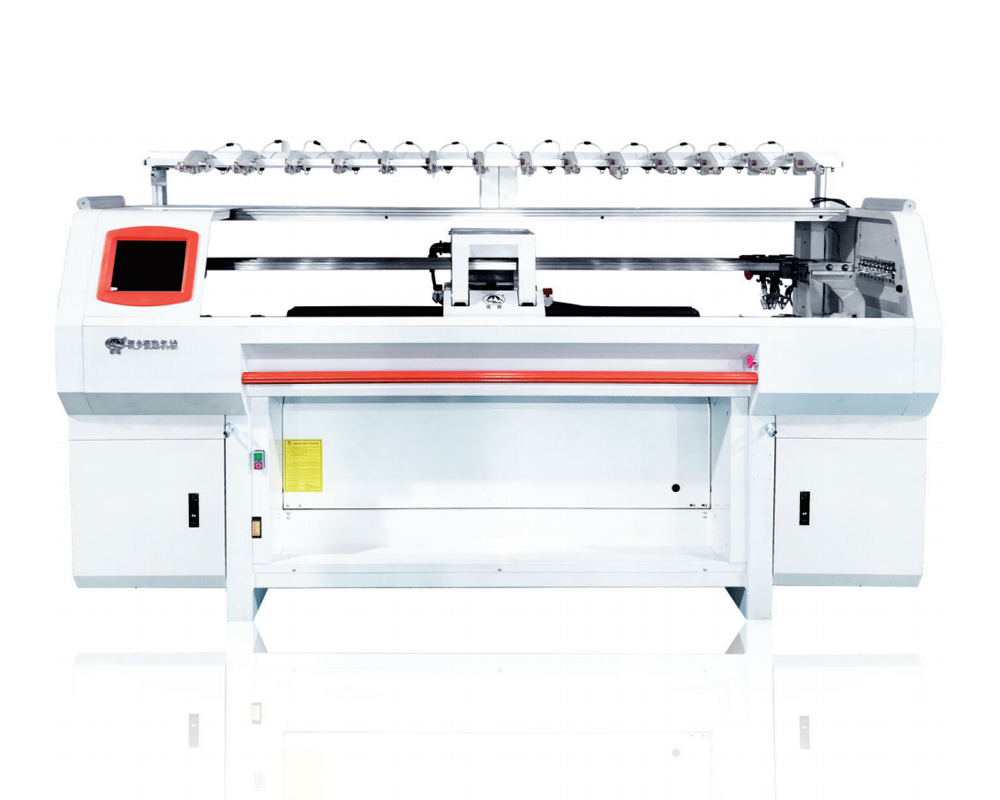
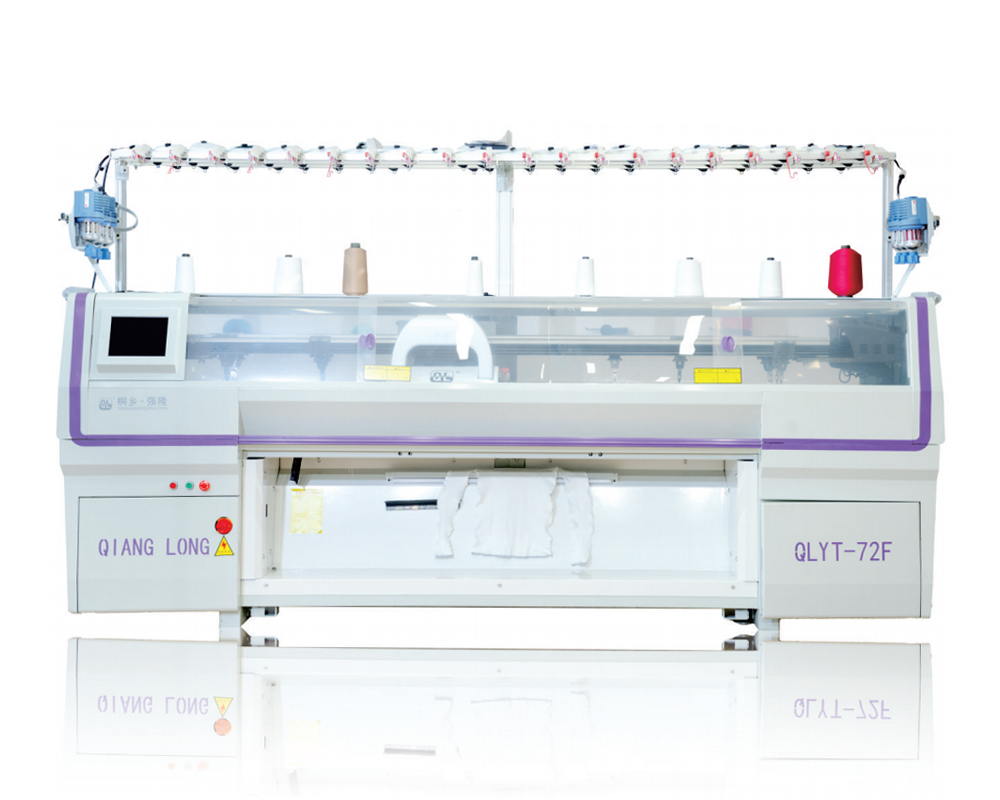
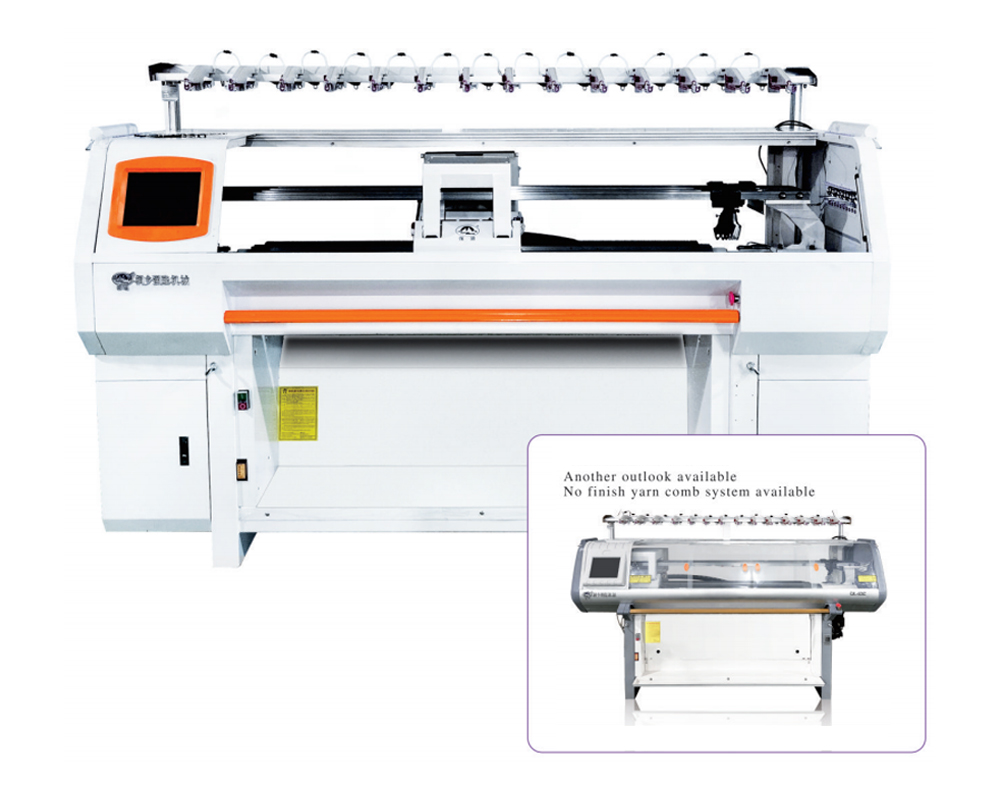
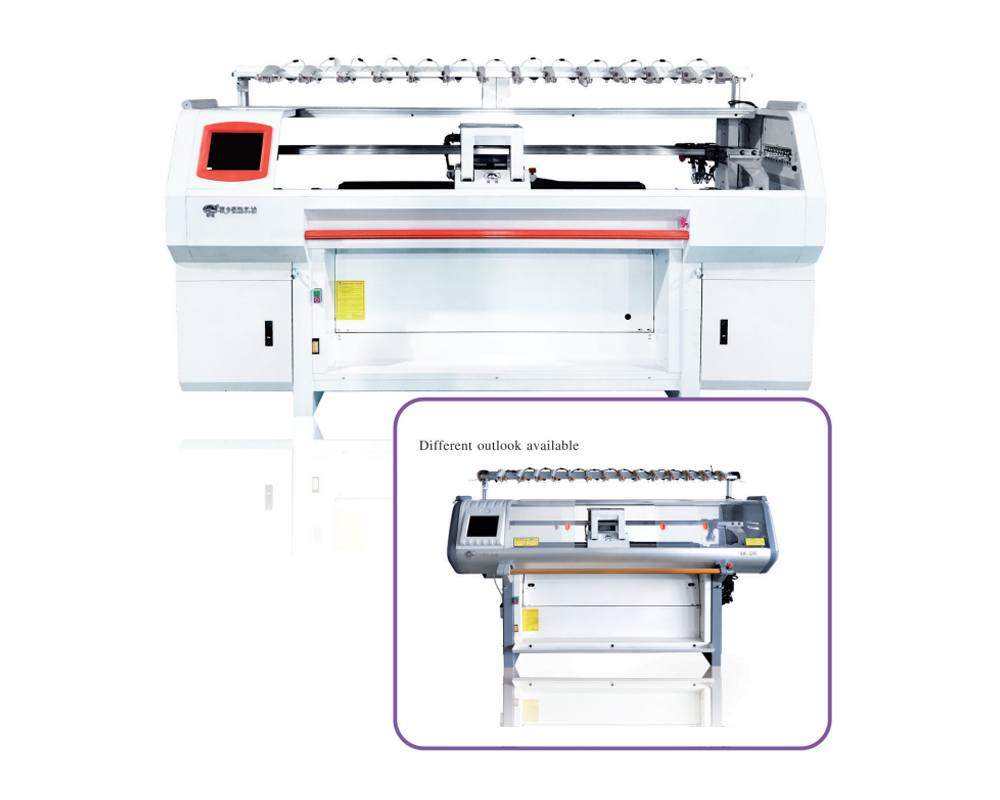
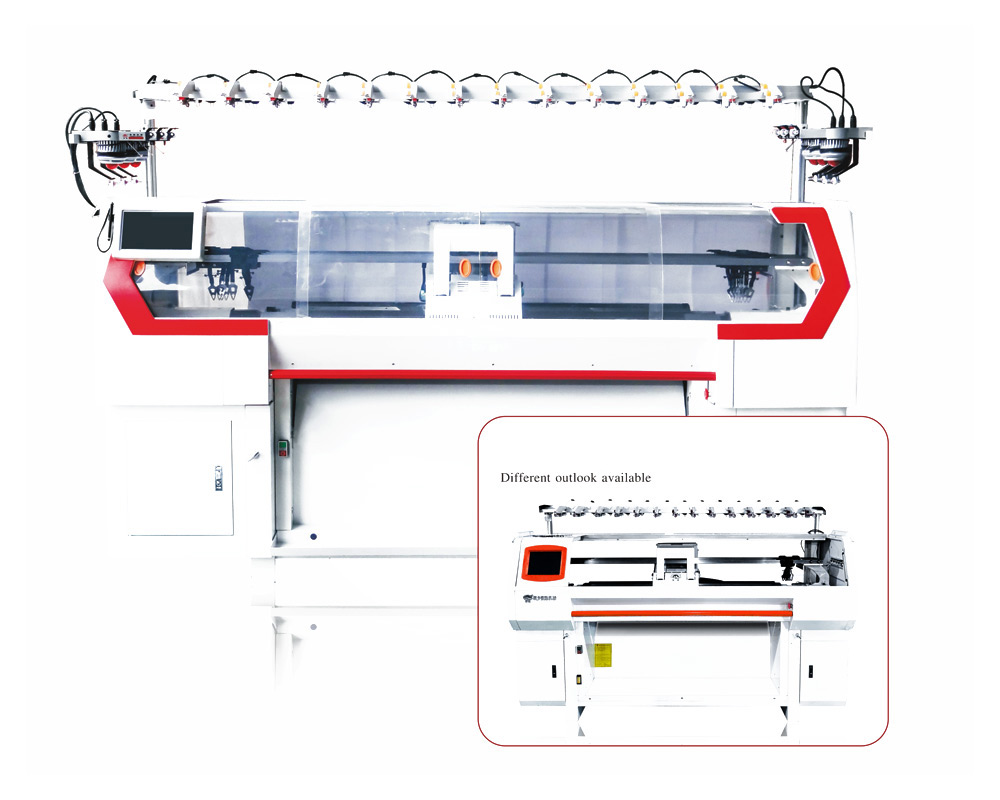

Tongxiang Qianglong Machinery Co., Ltd. is high-tech China wholesale computerized flat knitting machine manufacturers, specialized in designing, developing, and manufacturing Knitting Machinery..
Content
- 1 What a Collar Knitting Machine Does
- 2 Specifications That Decide Whether the Machine Fits Your Floor
- 3 Gauge, Yarn, and the Hand-Feel of the Finished Trim
- 4 Single, Double, or Triple System: Planning Output Honestly
- 5 Small Attachments, Large Effect: Feeders and Yarn Combs
- 6 Maintenance Habits That Protect Uptime
- 7 Working With a Manufacturer Who Stays After Delivery
Walk onto any knitwear floor and you quickly see that the parts a fashion sketch never shows decide how smoothly the day runs. Collars, cuffs, plackets, and waistbands are the connective tissue of a sweater, and a collar knitting machine is the equipment that produces them reliably, hour after hour. QiangLong Machinery has been building knitting equipment since 1986, when the business began with hand-operated frames in Wenzhou before moving into computerized flat knitting. That long apprenticeship taught us one simple lesson: trim production is never a side job. It sets the rhythm for the whole line.
This article covers what a collar machine does, how gauge and system count shape its daily output, and which details deserve attention before you commit to a purchase.
What a Collar Knitting Machine Does
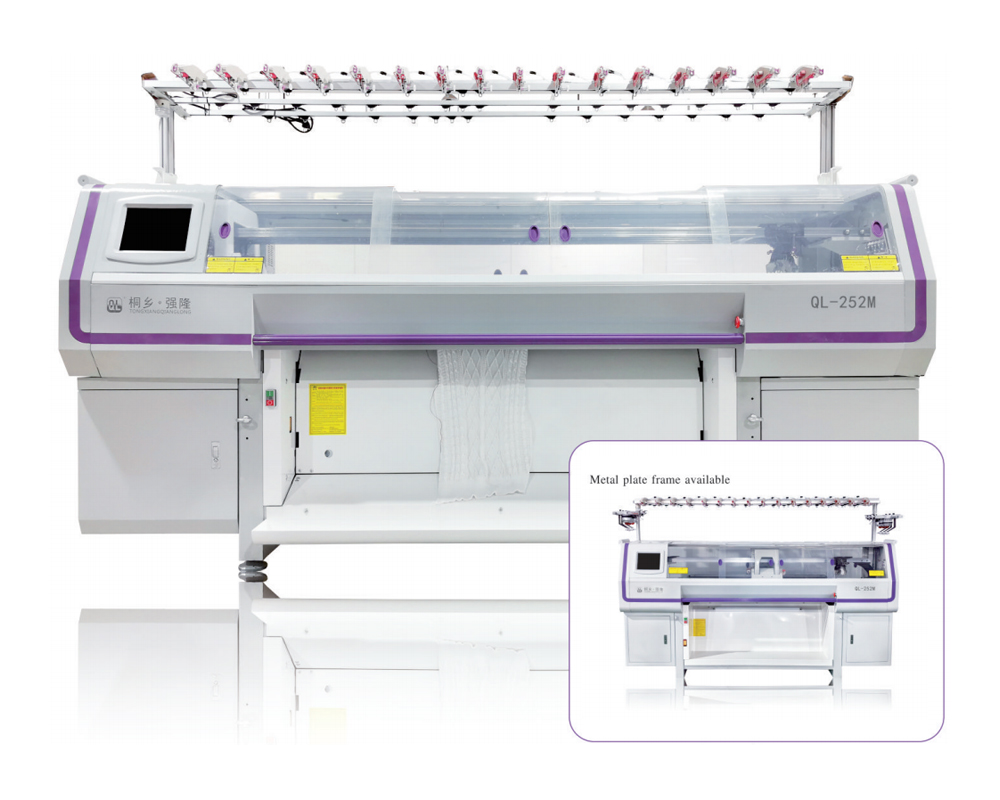
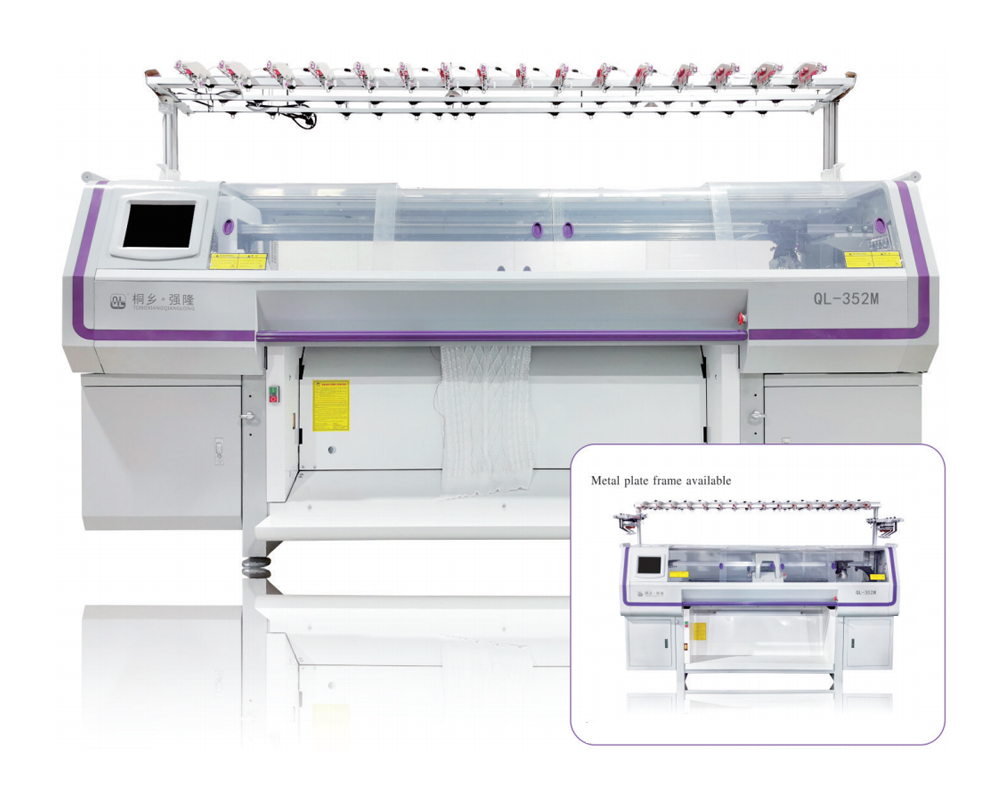
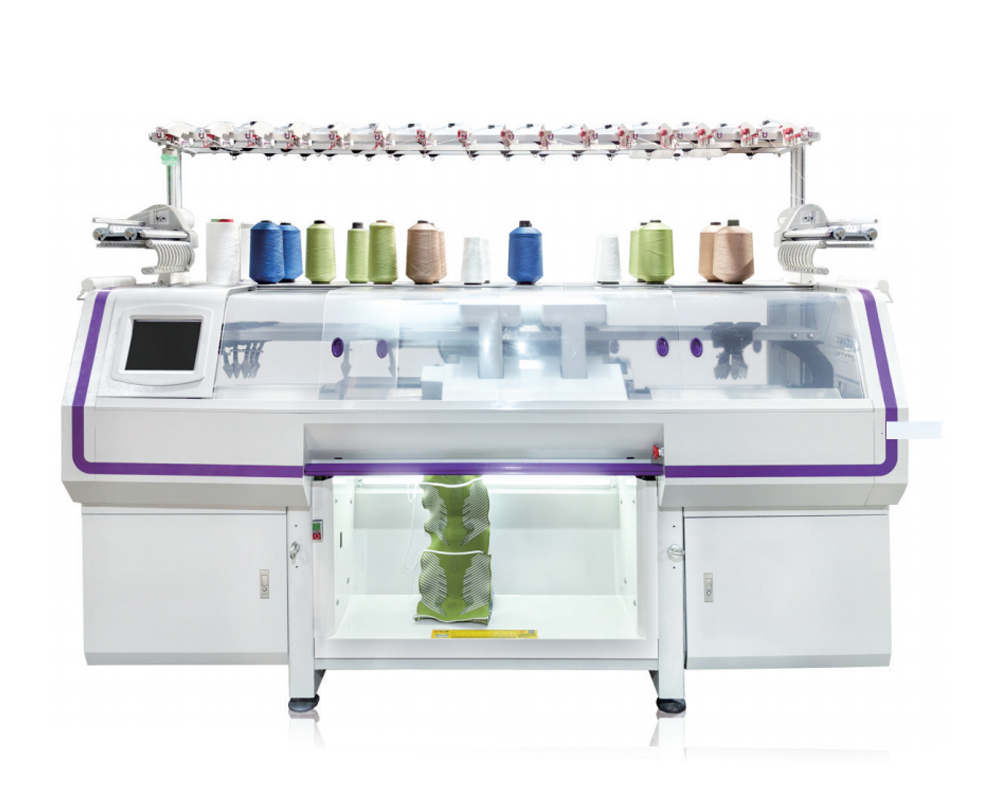
A collar knitting machine is a flat knitting machine configured for narrow, continuous trim work rather than full-size panels. A general-purpose computerized flat knitting machine earns its reputation through maximum knitting width and whole-garment capability. A collar machine earns its reputation differently, through rhythm. How evenly does it hold a rib? How gently does it treat the yarn? How rarely does it stop?
In day-to-day use, the working profile usually looks like this:
- Continuous runs of ribbed or shaped collars, cuffs, and bands
- A working width matched to trim dimensions rather than garment panels
- Finer gauges for lightweight, dress-style ribs
- Pattern storage tuned to repeating structures instead of one-off designs
Because the same few structures repeat thousands of times, small mechanical advantages compound fast. A feeder that holds tension evenly, a comb that keeps the yarn path clean, and a take-down system with gentle, consistent pull all show up in the finished collar well before they appear on a specification sheet.
Specifications That Decide Whether the Machine Fits Your Floor
Buyers often open the conversation with gauge and stop there. Gauge matters, but it is only one of several parameters that determine whether a collar machine slots into the workflow you already have.
| Parameter | What It Influences | Practical Consideration |
|---|---|---|
| Gauge | Stitch density and the fineness of the finished rib | Match the yarn count used in body panels so the collar feels consistent |
| Knitting width | How many trim strips can be produced in one pass | Wider beds allow multiple strips; narrow beds simplify handling |
| Number of systems | Output per carriage traverse | More systems raise throughput but also raise the tuning skill required |
| Yarn feeding | Tension consistency across long production runs | Powered feeders reduce fluctuation when a shift runs for many hours |
| Control system | Pattern storage, repeatability, and operator training time | A clear interface shortens the learning curve for new operators |
If you want a more detailed breakdown of gauge, knitting width, and speed figures, our note on the technical specifications of a collar knitting machine is a useful companion when you are comparing quotations.
Gauge, Yarn, and the Hand-Feel of the Finished Trim
Gauge is where most collar quality conversations begin, and for good reason. A collar sits against the neck and brushes the wrist, so any inconsistency in stitch density is felt by the wearer long before anyone notices it on an inspection table.
Matching gauge to the yarn you actually buy
If body panels are knitted at one gauge, collars usually need to sit at the same or a slightly finer gauge so the rib does not look clumsy against the garment. The practical rule is to test the yarn you intend to run for the whole season, not just the sample the mill sent with the quotation. Yarn count, twist, and elasticity all shift the finished hand-feel, and a machine that performs well on one lot can behave differently on the next.
Working with different fibre types
Wool, acrylic, cotton blends, and elasticized yarns each place different demands on needle selection, tension, and take-down. Elastic yarns in particular benefit from steady, low-resistance feeding; when the yarn path pulls unevenly, the finished rib relaxes into uneven widths. This is one reason we pay close attention to feeder design and comb geometry rather than treating them as minor accessories.
Our own approach to this problem is straightforward: build a collar machine that is easy to keep in tune, so operators spend their attention on the fabric rather than on the frame.
 Collar MachineSingle Carrier Single SystemView Product →
Single, Double, or Triple System: Planning Output Honestly
System count is the easiest specification to oversell. A three-system machine can produce more per carriage traverse than a single-system model, but the gain only materialises when yarn supply, take-down, and operator attention all keep pace. On a trim line, the bottleneck is often not the carriage. It is the handling of finished strips, the changeover between structures, and the time spent correcting tension.
A realistic planning exercise looks at three numbers together:
- Strips produced per hour at a stable, sustainable pace
- Minutes lost per shift to yarn changes and small adjustments
- Reject rate after the first week, once the machine has settled
Factories that track these three figures usually find that a well-tuned double-system machine outperforms a poorly supported three-system model across a full season. We would rather help a customer choose the smaller, better-matched machine than sell capacity that sits idle.
Small Attachments, Large Effect: Feeders and Yarn Combs
Two of the most underrated components on a trim line are the feeder and the yarn comb. Neither is glamorous, and neither appears in a brochure headline, but together they decide how much of the shift is spent knitting and how much is spent adjusting.
A motorised feeder takes over the job of holding yarn tension steady as the package diameter changes from full to nearly empty. On long collar runs, that consistency is the difference between a uniform rib and a strip that varies from one end to the other.
 Smart FeederDrive and control integrated servo motor, yarn carrier with independent control, real-time, faster, more stable.View Product →
A zero finishing yarn comb works on the other side of the equation. By managing the yarn path more precisely, it reduces the small imperfections that would otherwise need trimming or rework after knitting. For trim production, where each finished piece is small and the labour per piece is high, that reduction adds up across a season faster than most people expect.
 Zero Finishing Yarn Comb SystemCore technology: This machine does not need elastic yarn, waste yarn, and manual work. Our new machine features enable intelligent energy-saving and efficiency;View Product →
Maintenance Habits That Protect Uptime
Collar machines run long, repetitive shifts, and repetitive work exposes wear earlier than varied work does. A short, disciplined routine keeps the machine predictable:
- Clean the yarn path and check the feeder at every shift change
- Inspect needles and brushes weekly for bent or worn components
- Verify take-down tension after any change of yarn lot
- Keep a written log of adjustments so a pattern can be traced back to a cause
- Schedule a fuller inspection at a fixed interval rather than waiting for a fault
None of these steps takes much time. Together they are the reason a machine still holds tolerance in its fifth year rather than its second.
Working With a Manufacturer Who Stays After Delivery
Equipment decisions are long-term decisions, and the support behind the machine matters as much as the frame itself. QiangLong Machinery operates as a national high-tech enterprise from Tongxiang, with more than 100 after-sales staff and 7×24 response, backed by a history of more than 35 years in knitting machinery, 35 patents, and a long list of honours accumulated along the way. Those numbers describe an organisation rather than a promise, but they do explain why so many customers return for their next machine generation.
If you are weighing options for trim production, get in touch with our team. Tell us the yarns you run, the trims you produce, and the pace your sewing floor expects. We will help you match the machine to the job rather than the other way round.
A collar knitting machine will never be the most visible investment on your floor, but it will be one of the most frequently used. Chosen carefully and maintained consistently, it quietly holds the quality of every garment that passes through your line. That is a job worth getting right.
