
 English
 简体中文
简体中文
 Chinese
 English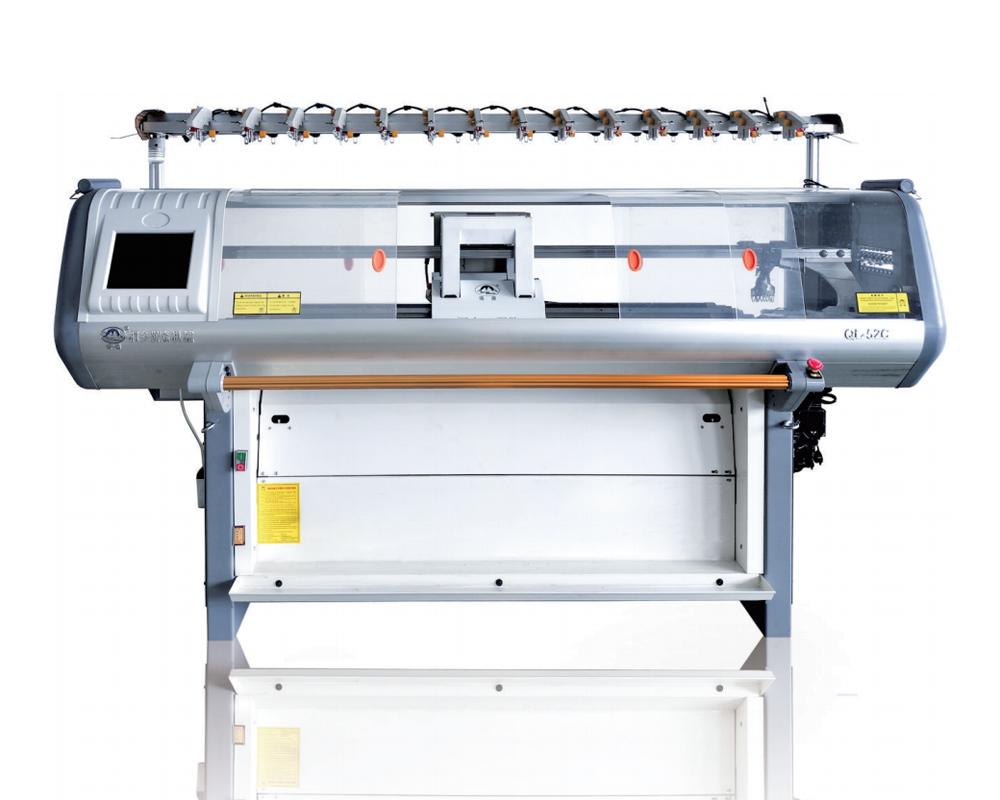
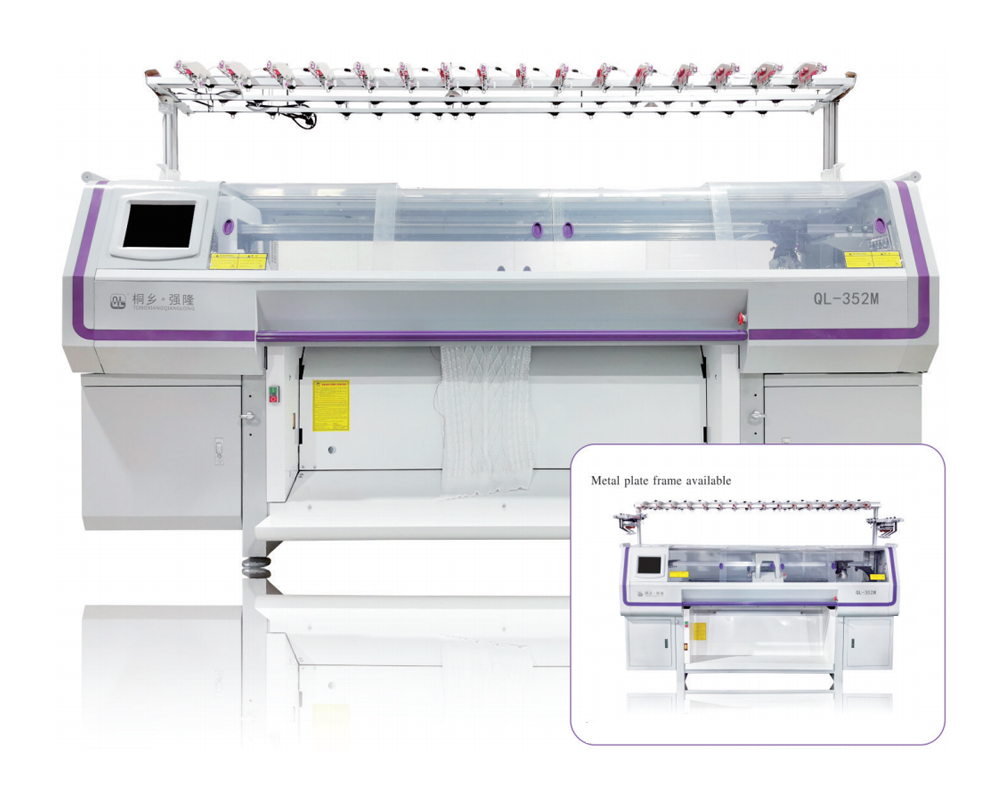
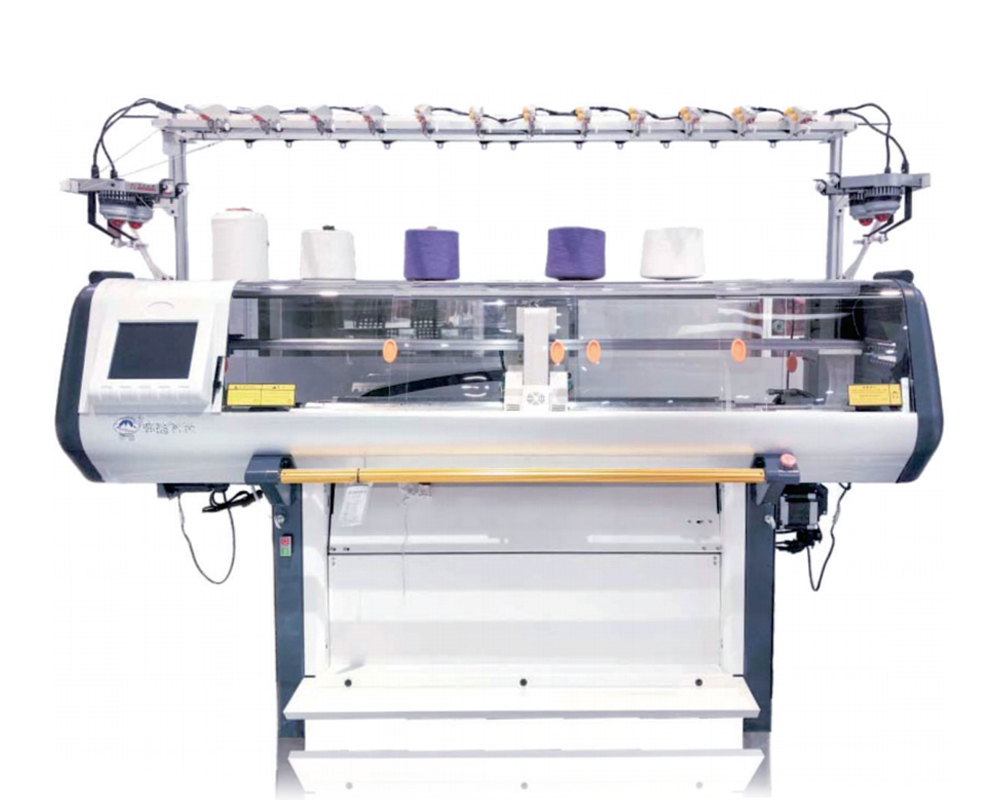
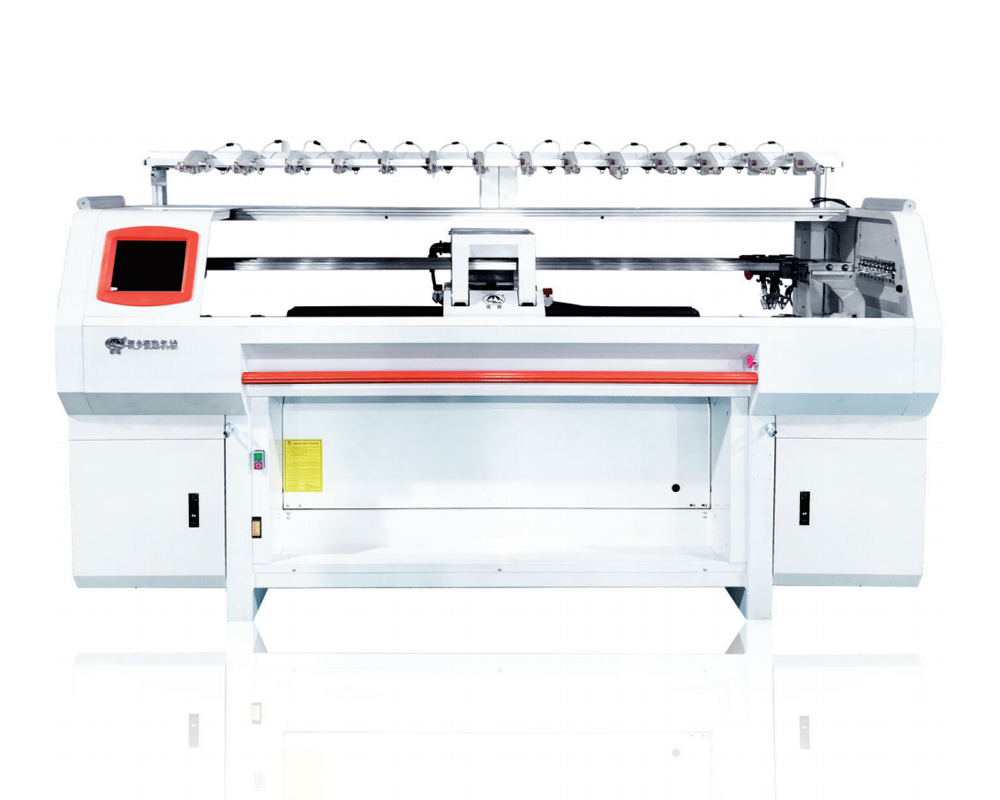
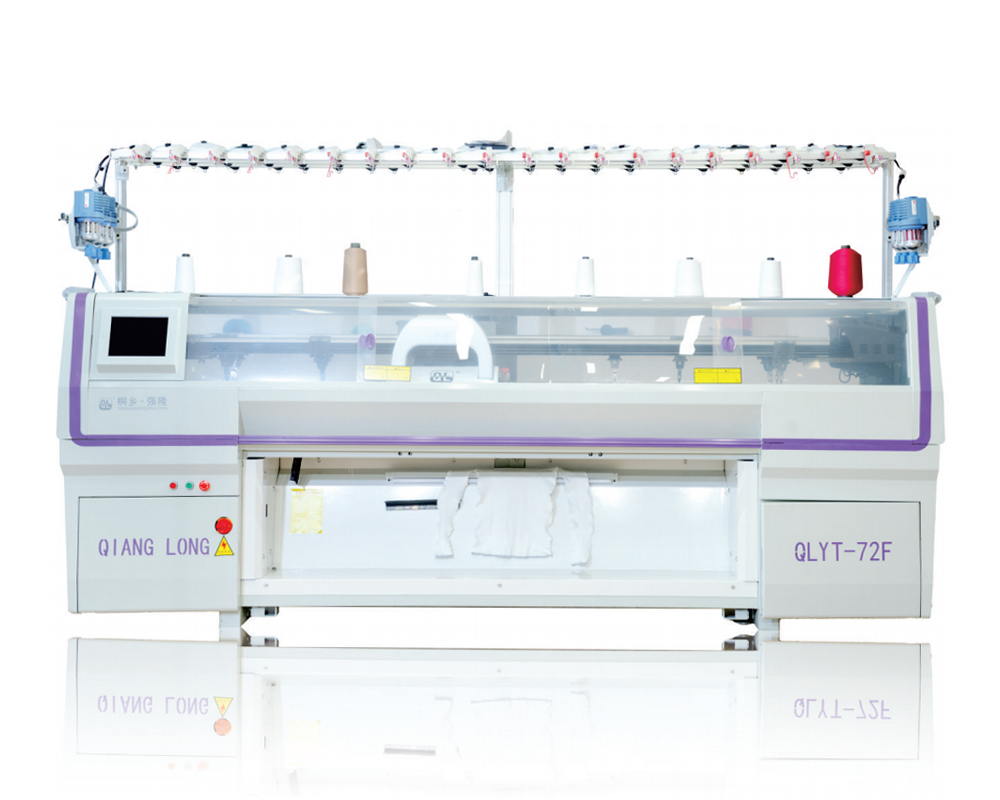
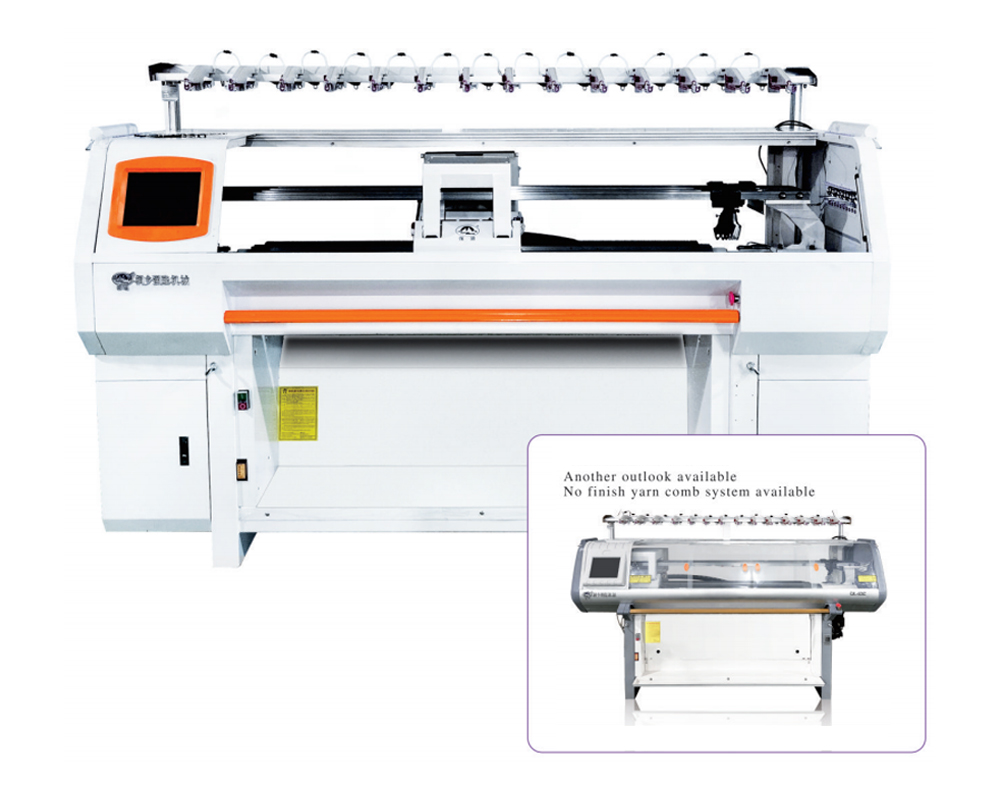
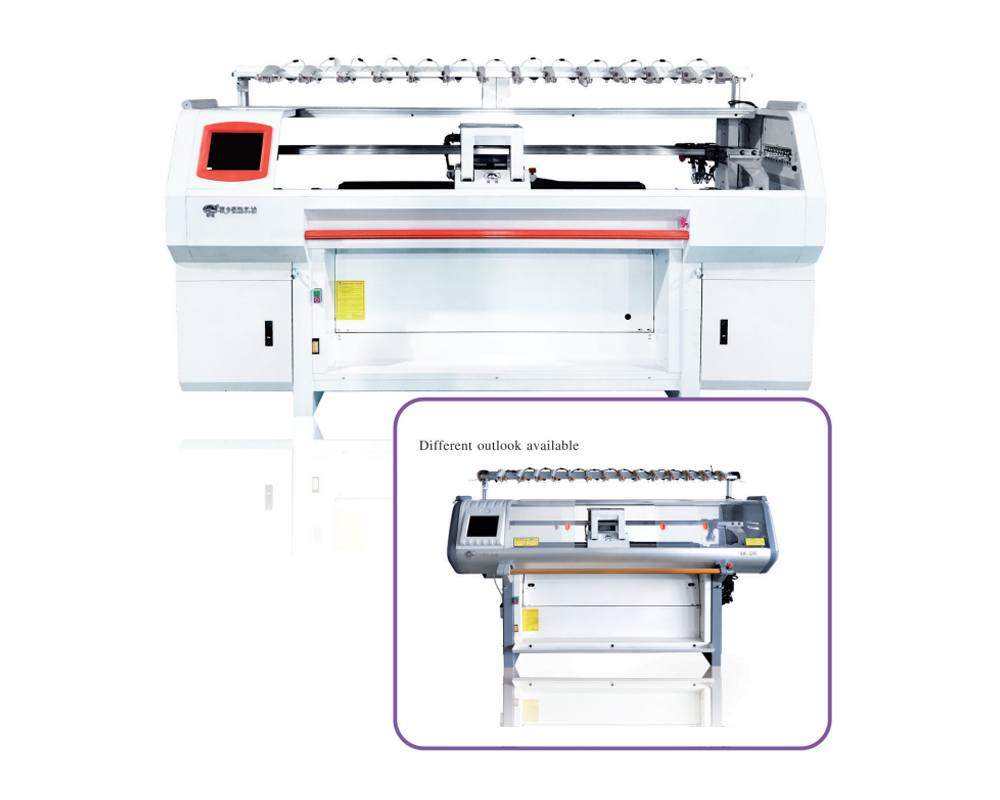
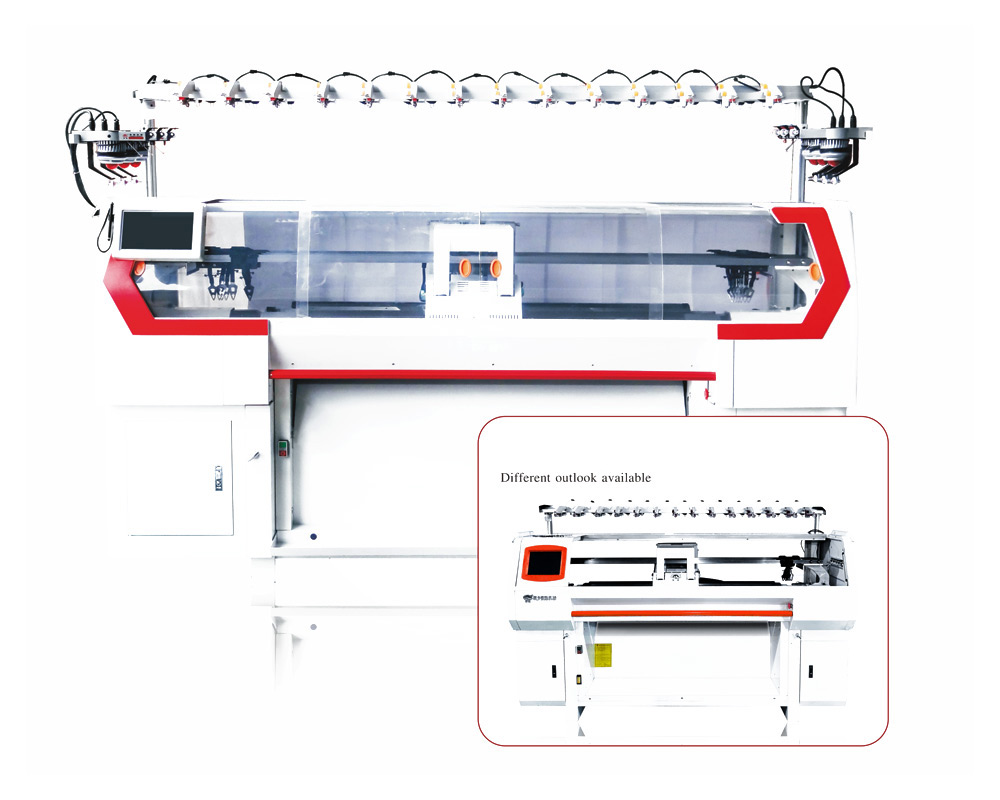

Tongxiang Qianglong Machinery Co., Ltd. is high-tech China wholesale computerized flat knitting machine manufacturers, specialized in designing, developing, and manufacturing Knitting Machinery..
Content
- 1 What Is a Computerized Flat Knitting Machine?
- 2 How a Design Becomes Finished Fabric
- 3 Single, Double or Three System: Matching Capacity to Your Order Book
- 4 Applications Across the Knitting Floor
- 5 Whole Garment Knitting and the Push Toward Less Waste
- 6 Yarn Feeders, Yarn Combs and the Details That Decide Quality
- 7 How to Choose: A Practical Checklist
- 8 Maintenance, Training and the Value of a Service Network
- 9 Final Thoughts
On almost any modern knitting floor, the rhythm you notice first comes from the computerized flat knitting machines: carriages gliding, needles rising and falling, yarn feeding in precise sequence through the night. If you are setting up a new line, replacing hand flat machines, or adding capacity for a new product category, the difference between a line that pays for itself and one that sits idle usually comes down to how well the machine matches the work in front of it.
At QiangLong Machinery, knitting machinery has been our trade since 1986, when the story began in Wenzhou with simple hand-operated machines. Today we design and manufacture computerized flat knitting machines in Tongxiang, Zhejiang, under the QiangSheng brand, covering single, double and three system models along with whole garment, shoe upper and collar machines. What follows is what we have learned on real production floors, written plainly and without the sales pitch.
What Is a Computerized Flat Knitting Machine?
Strip away the sheet metal and a computerized flat knitting machine turns out to be a simple idea executed with great precision. Two needle beds face each other in an inverted V shape. Latch needles sit in grooves along each bed, and a carriage travels across them. The cams inside that carriage push selected needles up and down so they catch a yarn loop, form a new loop, and release the old one. Yarn feeders move with the carriage, delivering yarn only to the needles that are active in a given pass.
What makes the machine "computerized" is that every one of those decisions is made by a program instead of by an operator's hands. The design is prepared digitally, the control system translates it into needle selection and carriage movement, and the machine repeats it stitch after stitch, panel after panel. That is the real shift: not simply speed, but repeatability. A hand flat machine depends on the skill and stamina of the person running it, while a computerized machine depends on a file that can be run again tomorrow, next month, or in another factory halfway across the world with identical results.
How a Design Becomes Finished Fabric
The workflow is short but each step matters. In practice, it looks like this:
- A designer builds the shape, gauge and stitch structure in knitting software, including any jacquard, rib, cable or transfer detail.
- The file is compiled into a technical program that tells the carriage which needles to select, how far to travel, and how fast to move.
- Machine settings such as stitch density and takedown tension are tuned to the yarn in use.
- A test panel is knitted and measured, then adjustments are made before bulk production begins.
Anyone who has stood beside a machine knows that steps three and four are where experience earns its keep. Yarn count, twist, elasticity and even humidity all affect how a loop settles, and small corrections at the start of a run save a great deal of material later.
Single, Double or Three System: Matching Capacity to Your Order Book
When buyers first compare models, the word "system" causes the most confusion. A system is essentially a cam system working with one yarn feeder during a carriage pass. A single system machine completes one knitting action per pass. A double system machine works two, and a three system machine works three. More systems generally mean more output per carriage pass, more complex structures in a single pass, and a higher purchase price, so the honest question is never "which is best" but "which suits what you actually sell".
| Configuration | What it means on the floor | Typical fit |
|---|---|---|
| Single system | One cam system and one feeder active per carriage pass | Plain panels, trims and straightforward knitwear |
| Double system | Two cam systems; knitting and transferring can happen in one pass | Sweaters, ribs and jacquard work in general production |
| Three system | Three cam systems for higher output and complex structures | High-volume jacquard and technically demanding fabrics |
| Single/double combination | Switchable configuration on a single machine | Factories with a mixed and changing order book |
| Whole garment | Knits a complete item with minimal cutting and sewing | Seamless and fully fashioned knitwear |
| Three system shoe upper | Robust structure and wide bed for technical yarns | Knitted shoe uppers and similar shaped components |
For most factories starting out or expanding a general knitwear line, a double system machine is the practical middle ground, balancing output, flexibility and cost. Details of the range are worth studying before committing to any single configuration.
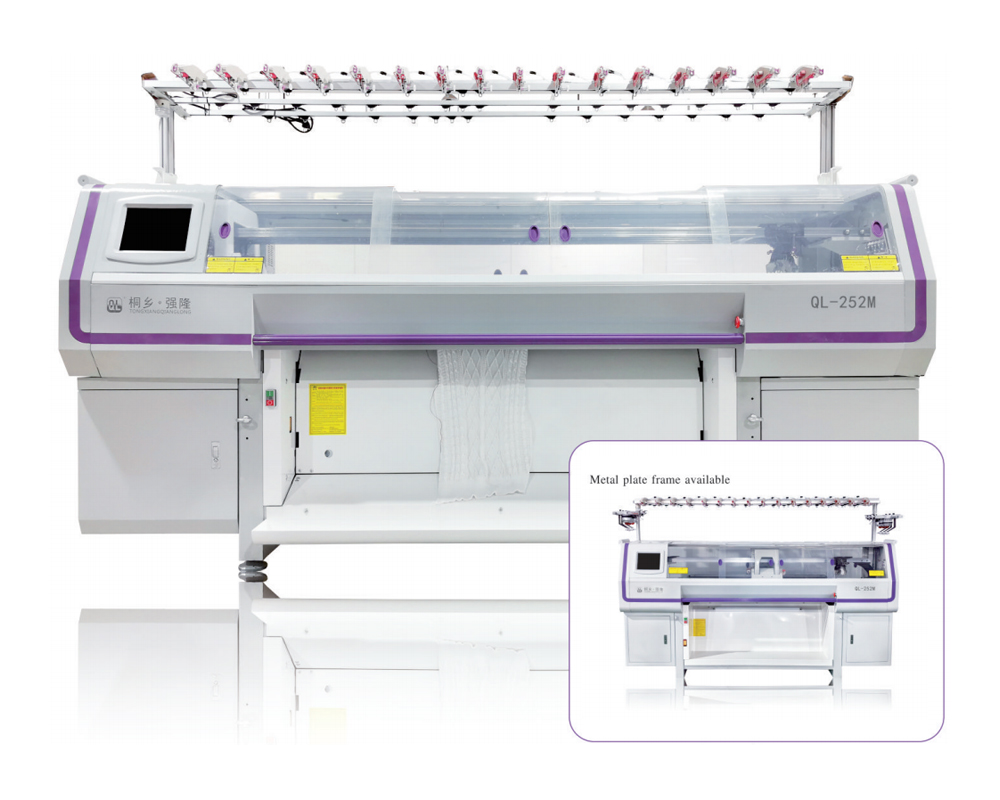 Double System Computerized Flat Knitting Machine SeriesFor general knitwear lines, this double-system series balances output, flexibility, and cost while supporting varied gauges, bed widths, and attachments.View Product →
Applications Across the Knitting Floor
One of the pleasures of this trade is how much variety comes off the same basic platform. Depending on the gauge, bed width, and attachments, a computerized flat knitting machine can produce:
- Sweater and cardigan panels, including ribs, cables and jacquard patterns
- Whole garment items knitted in one piece with minimal linking
- Knitted shoe uppers shaped for sports and casual footwear
- Collars, cuffs, trims and other knitted accessories
- Scarves, hats and small technical textile components
The shoe upper story is a good example of how far the technology has travelled. Knitted uppers are lighter, breathe better and waste far less material than cut-and-sewn alternatives, which is why footwear brands have invested so heavily in the technique over the past decade.
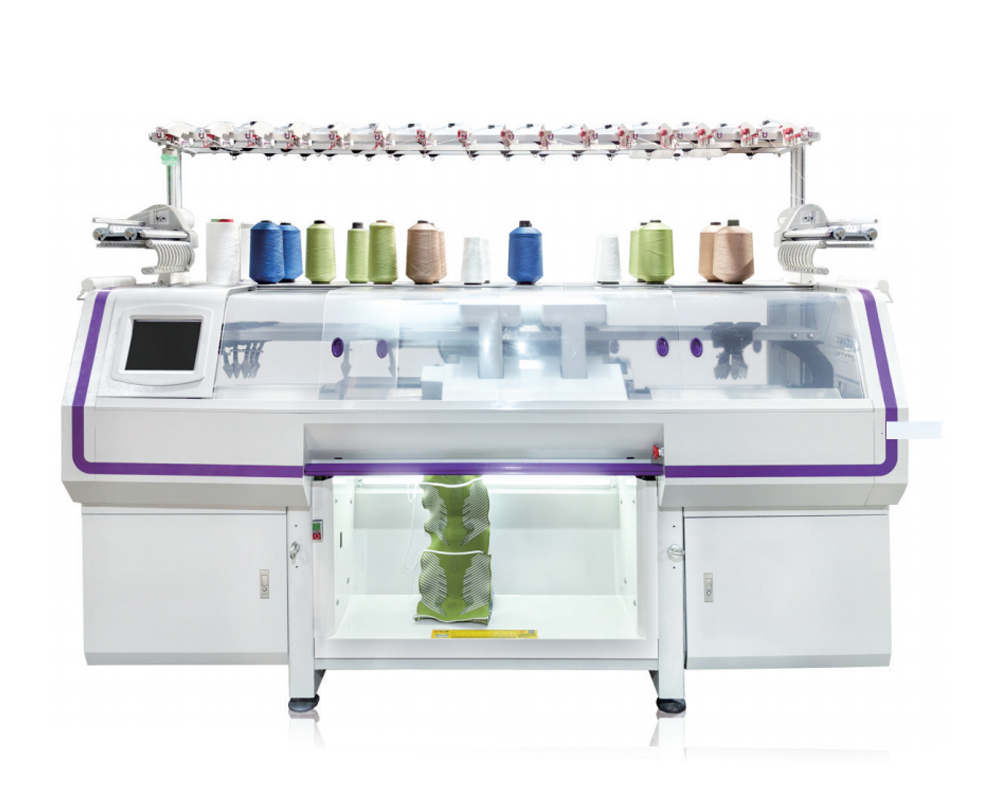 3D Shoe Upper Knitting Machine SeriesSpecialized for 3D shoe uppers, this triple/quadruple system machine supports high-efficiency knitting of breathable uppers with less material waste.View Product →
Whole Garment Knitting and the Push Toward Less Waste
Whole garment technology takes the logic of flat knitting one step further. Instead of knitting front, back and sleeves separately and sewing them together, the machine knits the entire item in one continuous sequence, with the seams effectively knitted in place. The result is less cutting, less linking labour, less yarn wasted in offcuts, and a garment that feels smoother against the skin.
It is not a technology without demands. Programming takes more thought, yarn quality has to be consistent, and takedown and tension control need to be right from the first course to the last. But for factories serving premium knitwear markets, the payoff in material savings and finishing time is real.
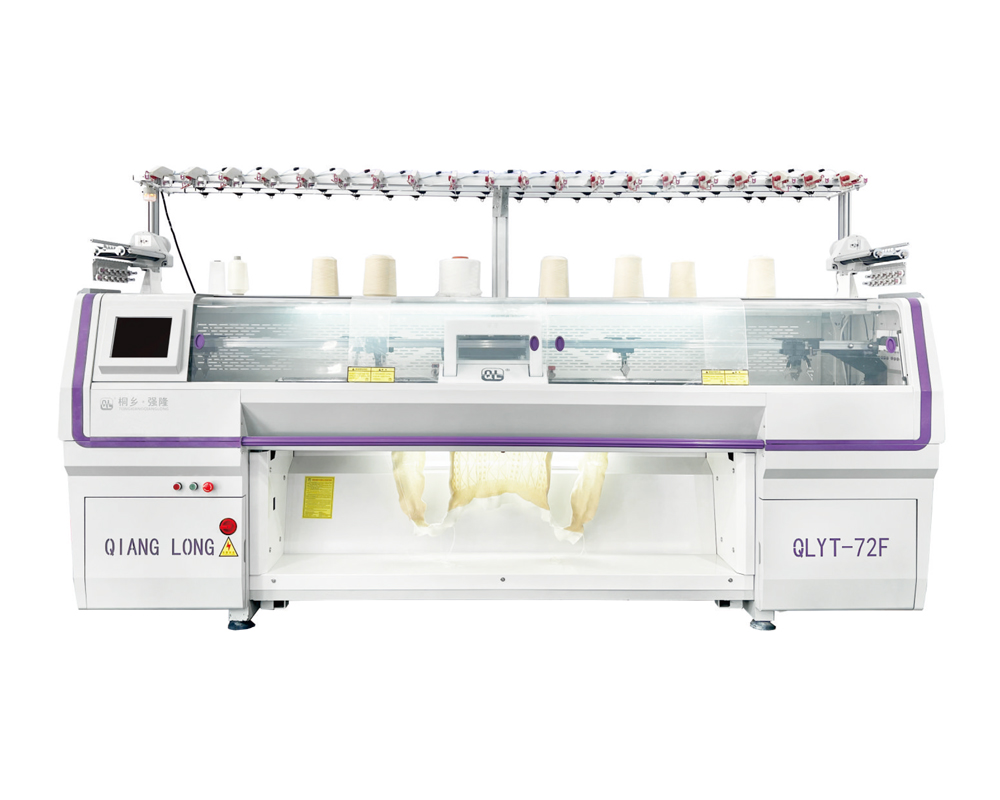 Whole Garment Computerized Flat Knitting Machine QYTL-72F/QLYT-86FKnits an entire sweater in one sequence to reduce sewing, with feeding and takedown systems that matter for premium knitwear production.View Product →
Yarn Feeders, Yarn Combs and the Details That Decide Quality
Ask an experienced knitter what separates a good machine from a frustrating one and the answer rarely mentions the frame. It usually mentions feeding. Positive and motorized feeders keep yarn tension steady as cones empty, which prevents the thin stripes and tight spots that show up after dyeing. Yarn comb systems manage how yarn is carried and released, reducing fly and fibre shedding. Options such as zero finishing yarn comb configurations and double tuck models exist precisely because different fabrics demand different handling of the yarn before it ever reaches the needle.
These are small parts with an outsized effect. A machine that feeds yarn consistently produces fabric that dyes evenly, measures within tolerance, and needs less mending — advantages that show up in profit margins rather than in brochures.
How to Choose: A Practical Checklist
Before signing anything, work through the questions that actually decide whether a machine earns its keep:
- What gauge do your finished products require, and can one machine cover your main range?
- What knitting width do you need for the widest panel or garment you plan to produce?
- How many systems can your order volume justify, and how quickly do your styles change?
- Which yarns will you run — cottons, acrylics, wool blends, technical filaments — and how elastic are they?
- Does the machine need to knit whole garments, shoe uppers or collars, or will it mainly produce panels?
- How much floor space, power and compressed air can you provide?
- What training, spare parts and response times does the supplier commit to in writing?
If you would like to talk through your own product mix with people who build these machines every day, our team is always happy to help.
Maintenance, Training and the Value of a Service Network
A knitting machine is a long-term investment, and its working life depends as much on care as on build quality. Daily cleaning of lint and fly, regular checks on needles, sinkers and brushes, correct lubrication, and prompt replacement of worn feeders will keep a machine running accurately for years. Most breakdowns we see are not failures of engineering but small habits neglected over many shifts. That is why training matters as much as the specification sheet, and why we keep a service team available around the clock for customers who need answers quickly rather than next week.
Understanding how these machines are defined and refined over time is useful background before any purchase decision, and our industry notes cover exactly that ground.
Final Thoughts
Computerized flat knitting machines reward clear thinking. Decide what you sell, how much of it you sell, and which yarns you handle, and the right configuration almost chooses itself. Everything else — systems, feeders, combs, whole garment capability — is there to support that decision, not to replace it. Get those fundamentals right, and the steady rhythm on your knitting floor becomes the most reliable sound in the business.
