 English
 简体中文

 Chinese
 English
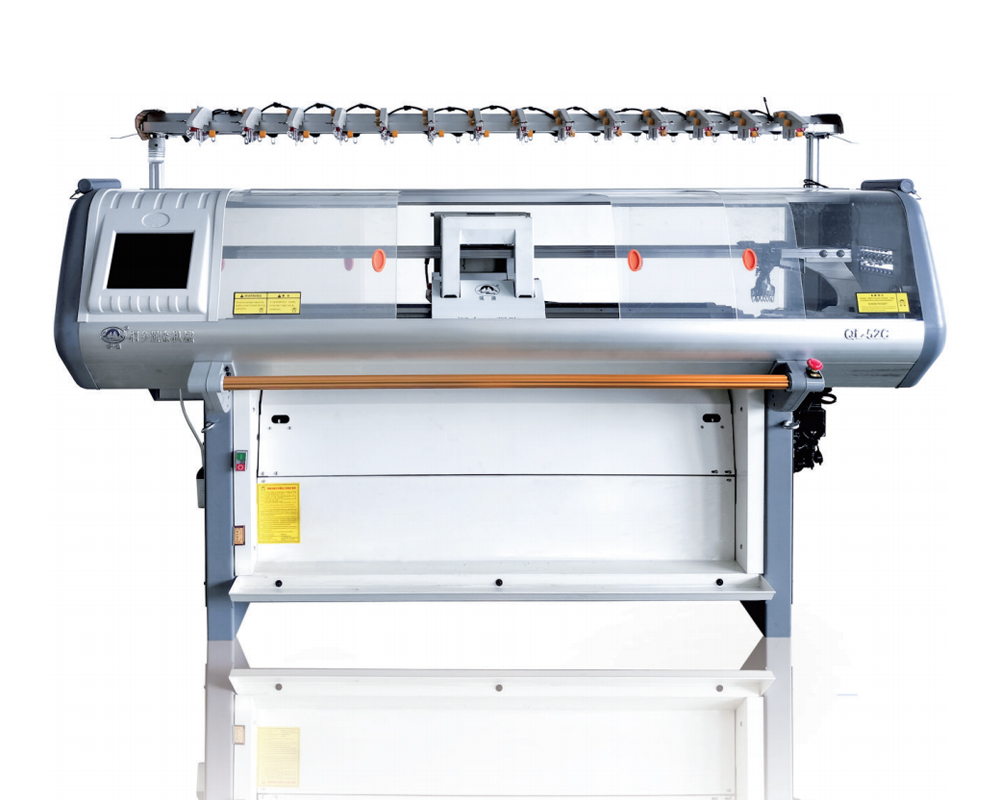
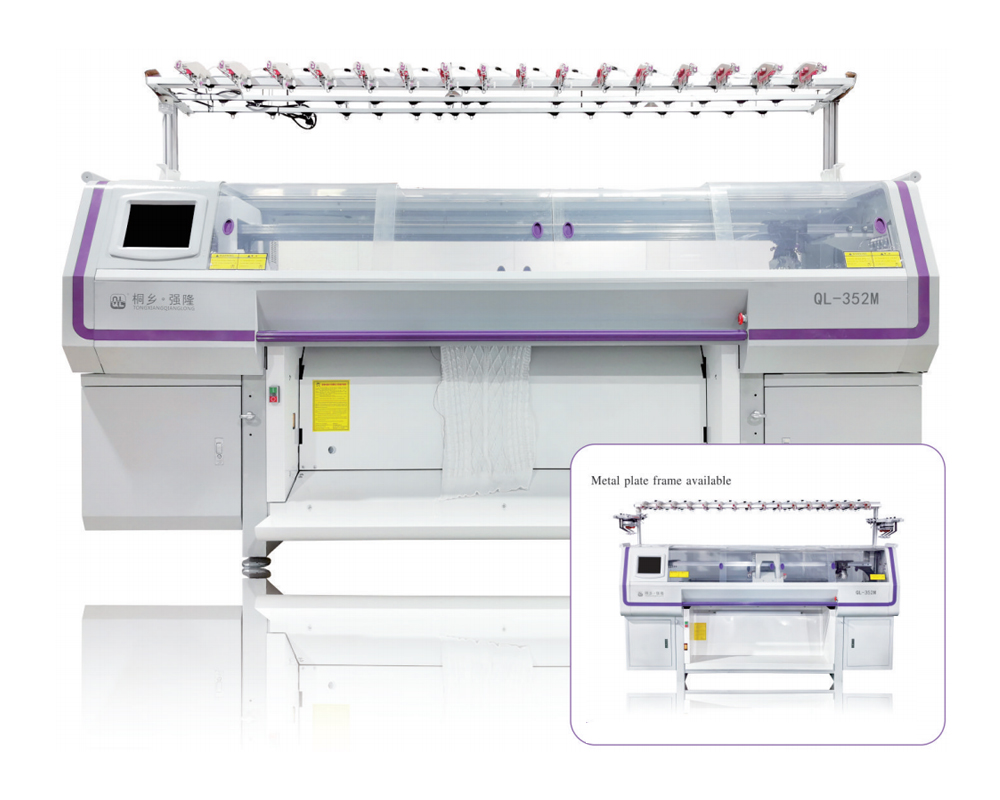
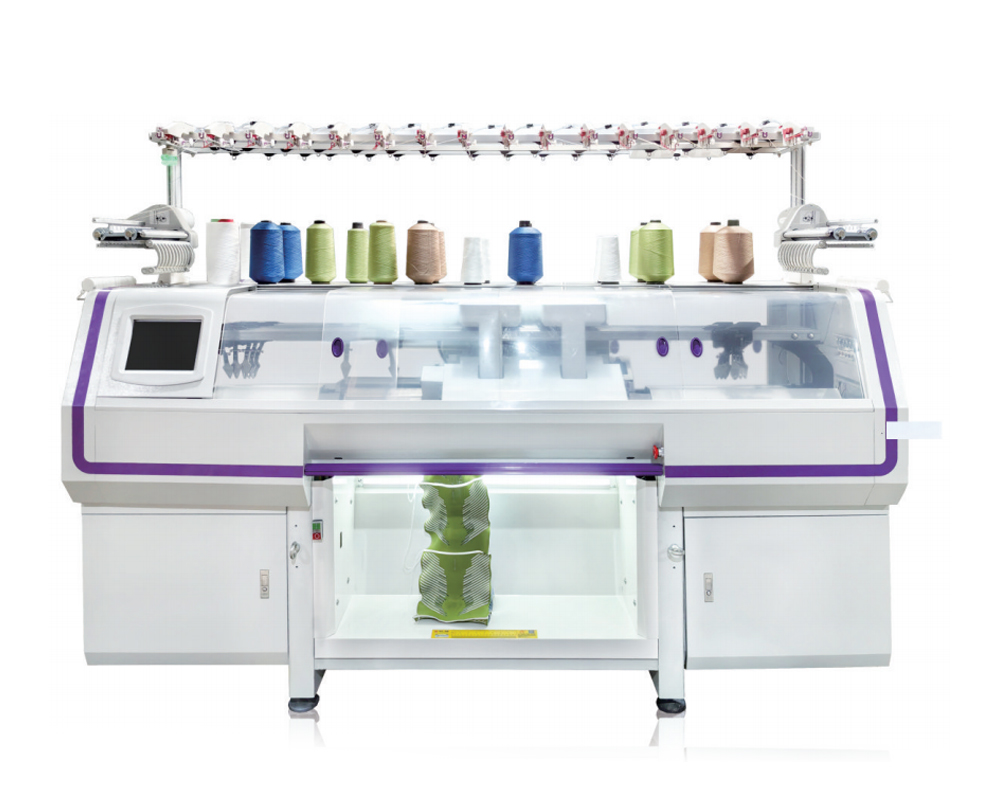
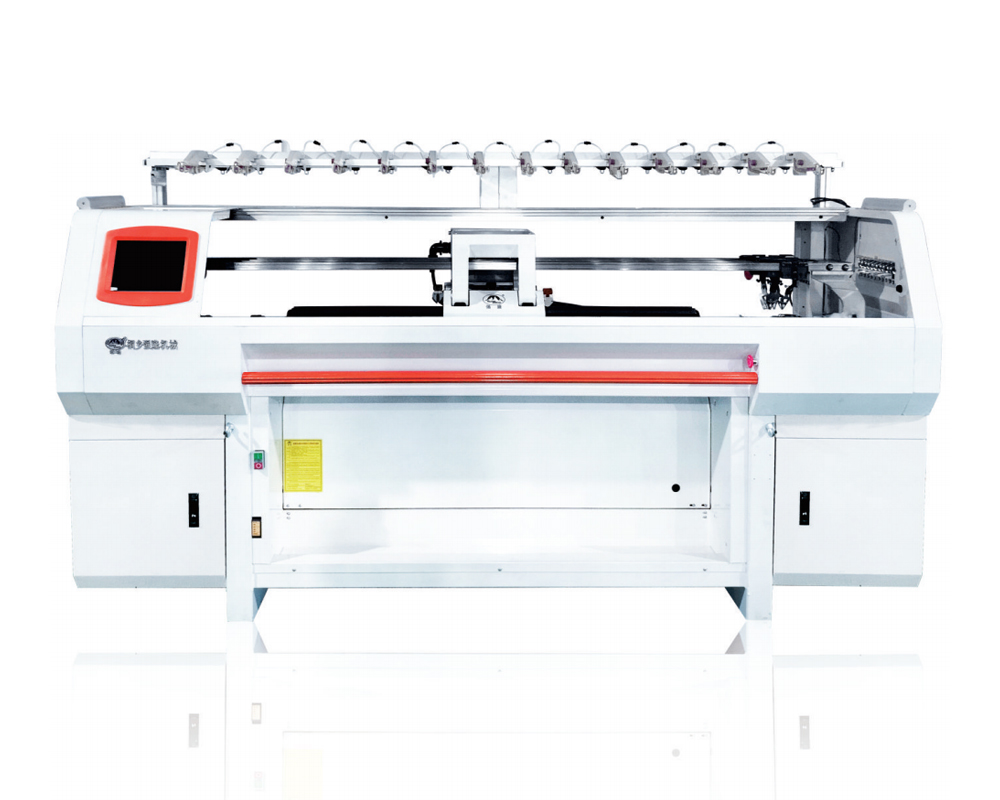
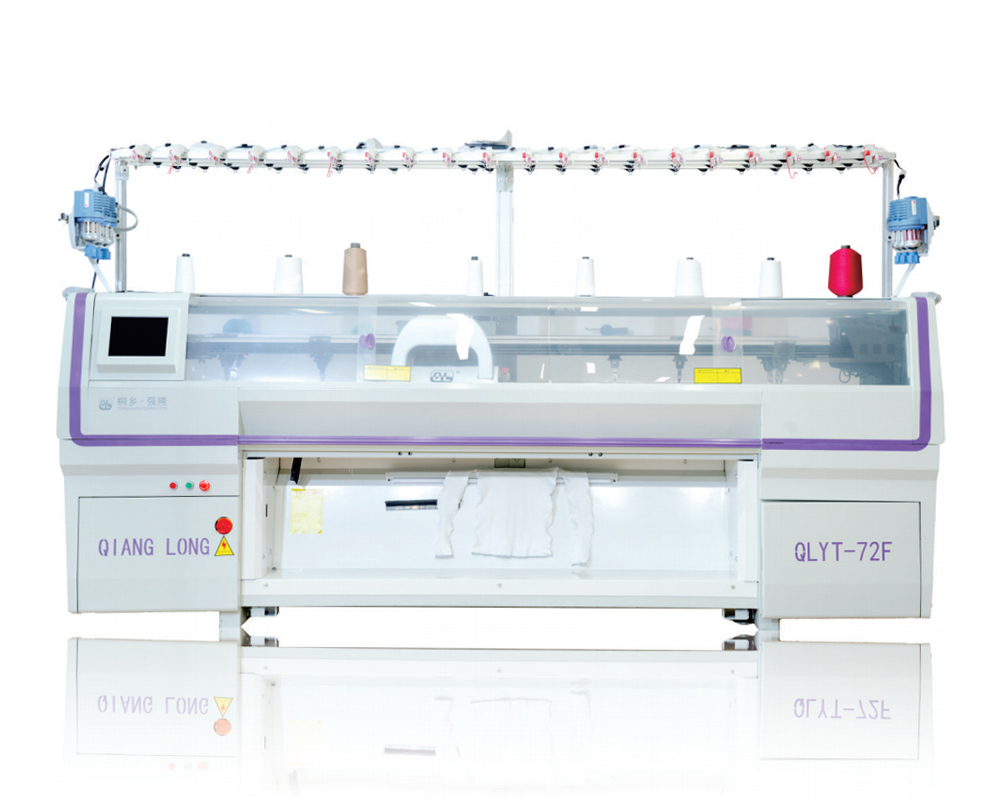
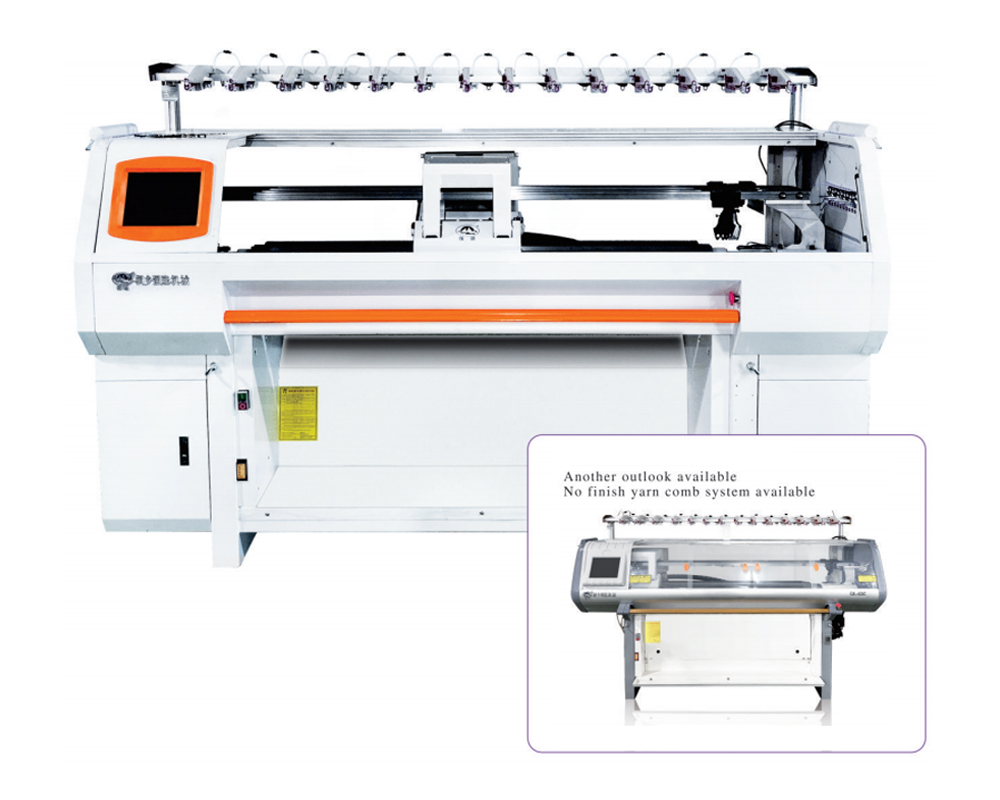
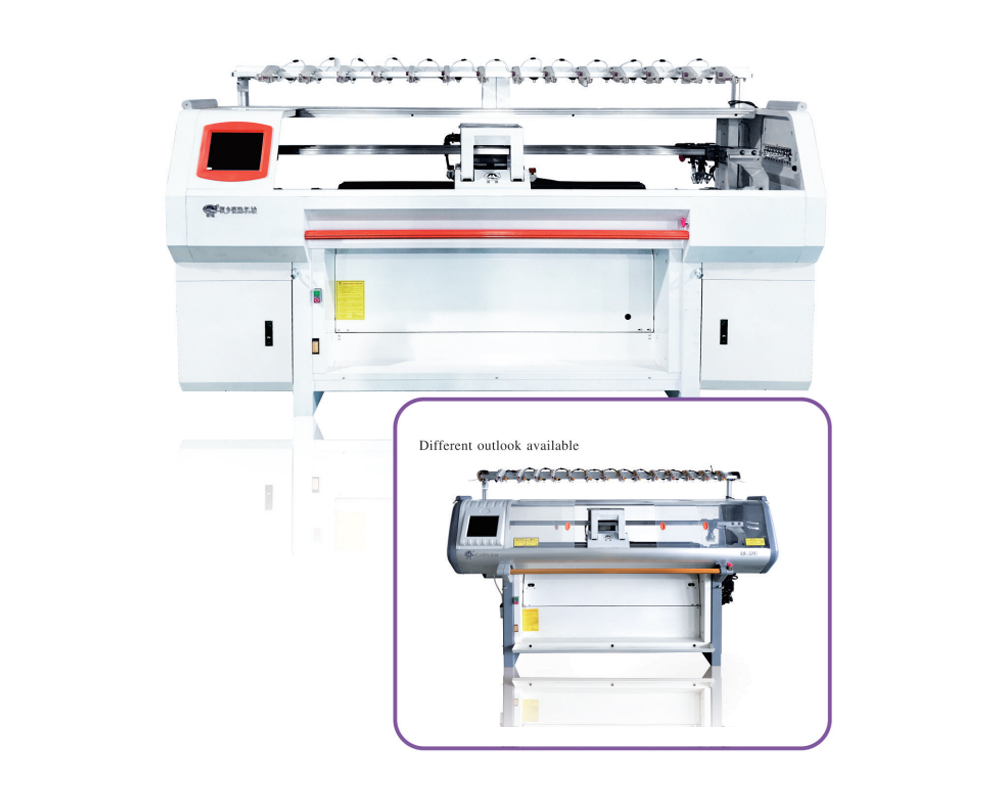

Tongxiang Qianglong Machinery Co., Ltd. is high-tech China wholesale computerized flat knitting machine manufacturers, specialized in designing, developing, and manufacturing Knitting Machinery..
Content
- 1 What Good Computerized Flat Knitting Machine Manufacturers Help You Decide
- 2 Start With System Count, Then Ask What the Systems Must Do
- 3 Match the Machine Category to the Product You Actually Make
- 4 Why Whole Garment and Shoe Upper Work Deserve Their Own Conversation
- 5 Look Beyond the Price List: Service and Spare Parts Matter
- 6 What We Have Learned as a Manufacturer in Tongxiang
- 7 A Practical Checklist for Comparing Manufacturers
- 8 Choose a Manufacturer Who Helps You See the Whole Production Picture
What Good Computerized Flat Knitting Machine Manufacturers Help You Decide
Buying a computerized flat knitting machine is not like choosing a generic piece of equipment from a catalog. The machine has to fit the garment or shoe upper you plan to make, the yarns you use, the skills of your team, and the service model behind the sale. That is why the most useful conversations with computerized flat knitting machine manufacturers begin with your production problem, not with a single headline speed figure.
At QiangLong Machinery, we have grown up inside this industry. Our history traces back to 1986, when Wenzhou Yaqian Textile Machinery Factory began with hand flat machines. Today we design, develop, and manufacture knitting machinery in Tongxiang, China, and we describe ourselves as a national high-tech enterprise. That long view has taught us a simple lesson: a machine is only as good as its fit with the mill that runs it.
This guide is written for buyers who are comparing manufacturers and want to ask better questions. It covers system count, application fit, service, and the practical details that tend to matter after installation.
Start With System Count, Then Ask What the Systems Must Do
In our product range, the first level of choice is often the system count. We offer single-system, double-system, three-system, and single/double-system computerized flat knitting machine series. These names are useful, but they are only a starting point. A single-system machine and a three-system machine may both be called flat knitting machines, yet they invite different questions about patterns, output planning, and the way work moves through the mill.
When you speak with any manufacturer, ask how the system configuration relates to your actual stitch work. Bring a few representative patterns. Ask how the machine handles color changes, transfers, and the level of complexity you expect day to day. The answer should be specific to your product, not a general claim that more systems are always better.
For buyers who need a focused starting point, our single-system series is a practical place to review the basic configuration. It helps to compare the machine's intended use with your own production plan before moving to a larger system count.
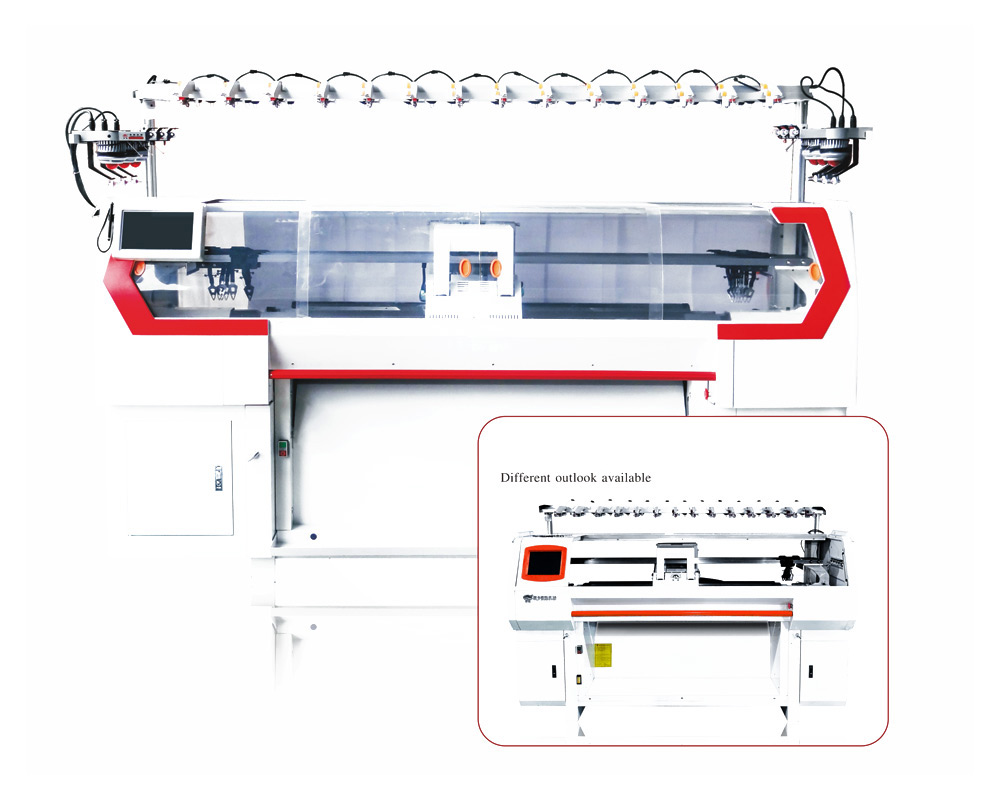
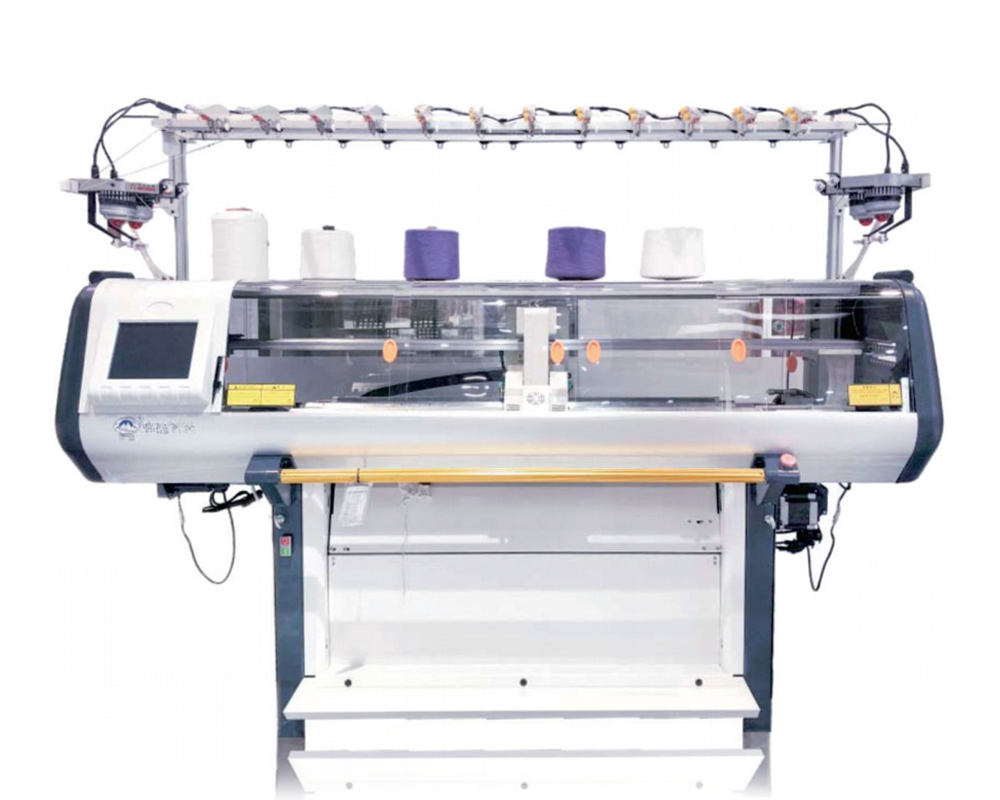 Single System Computerized Flat Knitting Machine SeriesThe QL-152M series covers multiple gauges and widths and supports jacquard, transfer, and tuck knitting for sweaters, scarves, hats, and accessories.View Product →
We also build double-system series for mills that need a different balance between patterning and production rhythm. Again, the right choice depends on the product. A double-system machine may be the correct answer for one knitter and an unnecessary step for another. That is why we prefer to look at the fabric first and the machine second.
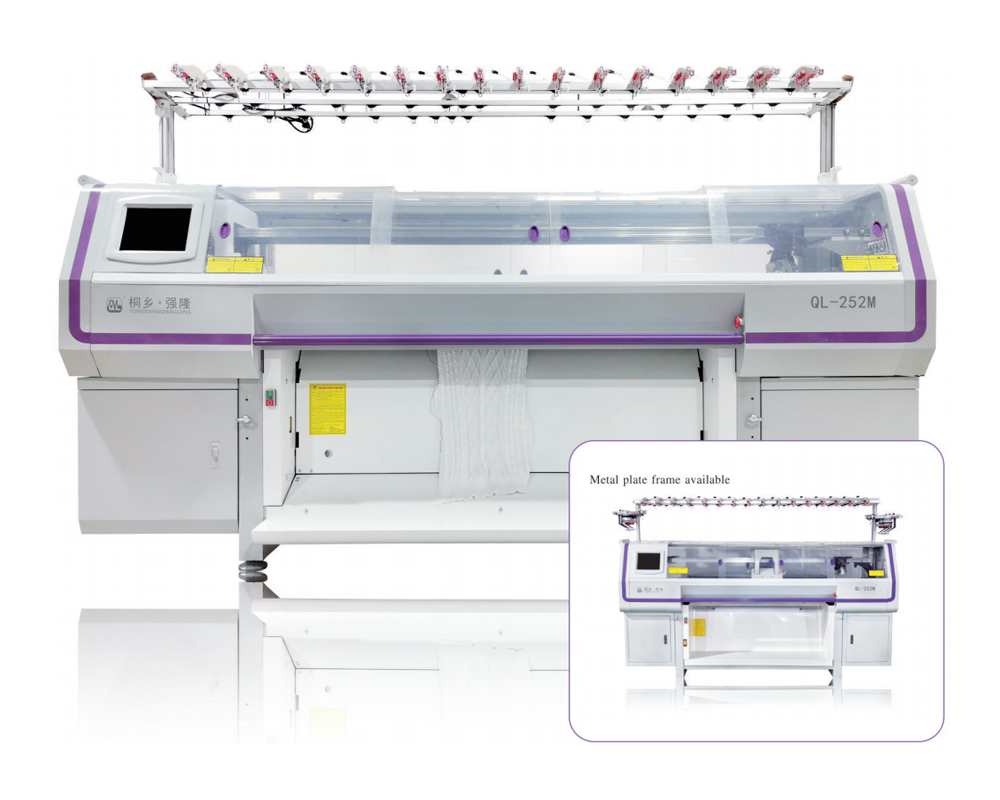 Double System Computerized Flat Knitting Machine SeriesThe QL-252M, QL-260M, and QL-280M series support jacquard, intarsia, and shaping across multiple gauges and widths for garments and accessories.View Product →
Match the Machine Category to the Product You Actually Make
Computerized flat knitting machine manufacturers often organize their catalogs by machine type, but buyers organize production by end product. The table below is a simple way to bring those two views together. It does not replace a technical review, but it helps you frame the first meeting.
| Machine category | What the name tells you | Useful questions to ask |
|---|---|---|
| Single system | A series built around one system, usually chosen for focused work. | Which patterns and widths must it handle, and what is the realistic output target? |
| Double system | A series with two systems; the practical benefit depends on the pattern and machine setup. | Do your designs use the extra capacity, and is a double-carriage option relevant? |
| Three system | A series with three systems for buyers who need more patterning room. | Will the extra system be used daily, and how does it affect programming and maintenance? |
| Whole garment | A machine category aimed at knitting whole garments rather than separate panels. | How is shaping programmed, and what finishing is still required? |
| Shoe upper | A category focused on knitted shoe uppers. | Which shoe types, yarns, and structures will you produce? |
| Collar machine | A machine category for collars and similar knitted accessories. | What gauge, width, and speed fit your collar range? |
Use the table as a conversation map. If you make knitted garments, collars, or shoe uppers, the same machine label may hide very different requirements. The manufacturer should be willing to slow down and define those differences with you.
Why Whole Garment and Shoe Upper Work Deserve Their Own Conversation
Two application areas need more than a passing mention: whole garment knitting and shoe upper knitting. Our whole garment computerized flat knitting machine is listed as a distinct product for a reason. Whole garment work brings questions about shaping, programming, and how the finished piece moves through the production line. A buyer should ask for a clear explanation of the machine's role in that process, not just a list of features.
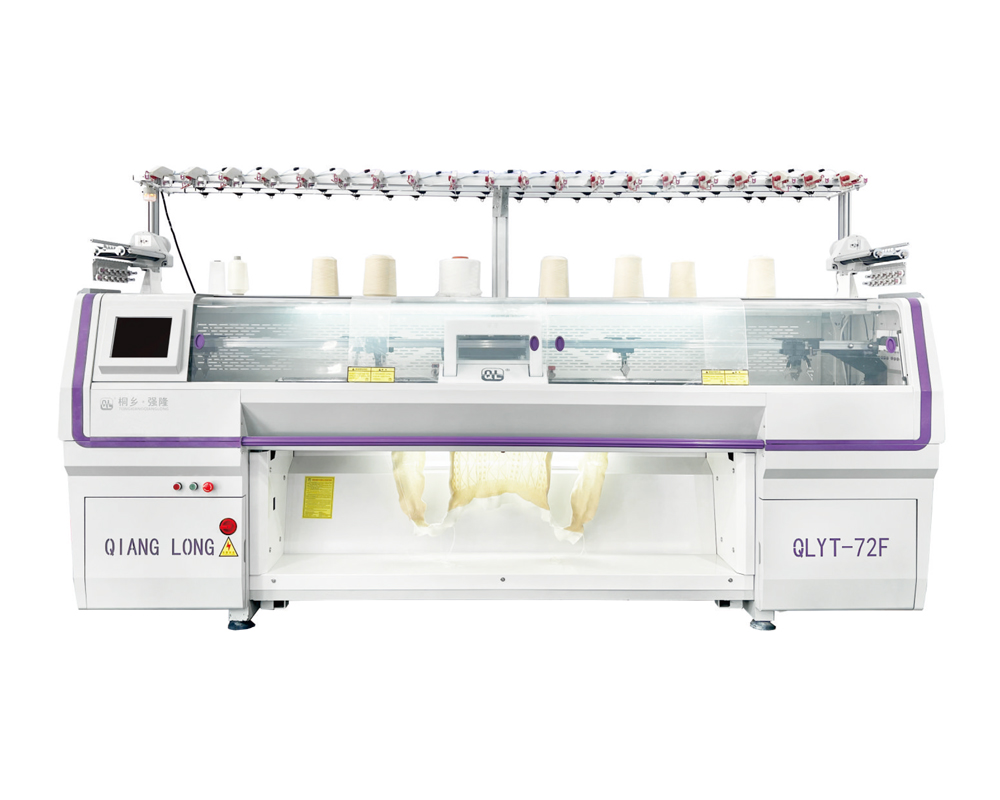 Whole Garment Computerized Flat Knitting MachineThe QYTL-72F and QLYT-86F support one-time garment knitting with three systems, multiple gauges, and shaping functions, reducing sewing steps.View Product →
Shoe upper knitting follows a different logic. Our three-system shoe upper knitting machine series is aimed at that application, and the conversation should include the shoe types you plan to make, the yarns you expect to use, and the structures your designers want. The same is true for collar machines, which sit closer to accessory production than to full garment knitting. A manufacturer who understands these distinctions can help you avoid buying a machine that is technically capable but commercially mismatched.
We also see value in the supporting details. A motorized feeder or a zero finishing yarn comb system can change how a mill works with yarn, but those choices should follow the application, not lead it. Ask how each option affects your actual workflow.
Look Beyond the Price List: Service and Spare Parts Matter
Most buyers remember the purchase price. Most mill managers remember downtime. That is why service deserves a central place in your evaluation. Ask how spare parts are stocked, how quickly a technician can respond, and what training is available for your operators. A machine that runs well on the showroom floor still has to survive real shifts, real yarn lots, and real delivery deadlines.
We report more than 100 after-sales staff, 7x24 response, and a one-stop service approach. We also state that we have built a marketing network and after-sales service system. Those claims are only useful if they match the way you buy and operate. So test them. Ask for the service route for your region, the usual response process, and the documentation that comes with the machine. A manufacturer should welcome those questions.
It also helps to ask about the control system. Computerized flat knitting machines depend on software, drives, and electronics as much as on needles and carriages. Ask how patterns are prepared, how settings are backed up, and how your team will learn the system. The quality of the answer often tells you more than a brochure.
What We Have Learned as a Manufacturer in Tongxiang
Our own story is not a shortcut to your decision, but it does explain how we work. We are based in Tongxiang, China, and we describe our site as covering more than 60,000 square meters with 80,000 square meters of building area. Our brand names include QiangSheng, and our product pages organize machines by system count, application, and selected mechanisms. We report more than 35 years of experience, more than 158 honors, 35 patents, and more than 5,000 cooperating customers. We share these figures as context, not as a substitute for a trial or a technical review.
What matters more is the habit behind them: we design, develop, and manufacture knitting machinery, and we try to solve the buyer's problem rather than sell a one-size-fits-all answer. If your product is a fashion knit, a whole garment, a shoe upper, or a collar, the machine should be chosen around that output. That is a more patient way to buy, and it usually produces a better result.
A Practical Checklist for Comparing Manufacturers
Before you request a quotation, prepare a short production brief. Include the product type, typical yarns, expected patterns, shift pattern, and the skills of your current operators. Then use a checklist like this in every conversation:
- Confirm the machine category and system count against your real product, not a hypothetical one.
- Ask for a live or recorded demonstration using a pattern close to your own.
- Check the control system, pattern workflow, and backup process.
- Ask about spare parts, response time, and operator training.
- Review the space, power, and maintenance requirements for your factory.
- Speak to the service team, not only the sales team.
- Clarify what is standard, what is optional, and what is a later upgrade.
If a manufacturer cannot answer these questions in plain language, keep asking. The right partner will not mind.
Choose a Manufacturer Who Helps You See the Whole Production Picture
Searching for computerized flat knitting machine manufacturers can produce a long list of similar-looking websites. The real difference appears when a supplier starts asking about your fabric, your people, and your service expectations. We would rather have that conversation early than discover a mismatch after installation.
If you are reviewing a single-system, double-system, three-system, whole garment, shoe upper, or collar machine, contact our team with your product details. We will help you compare the options in plain terms and decide what fits your mill.
