
 English
 简体中文
简体中文
 Chinese
 English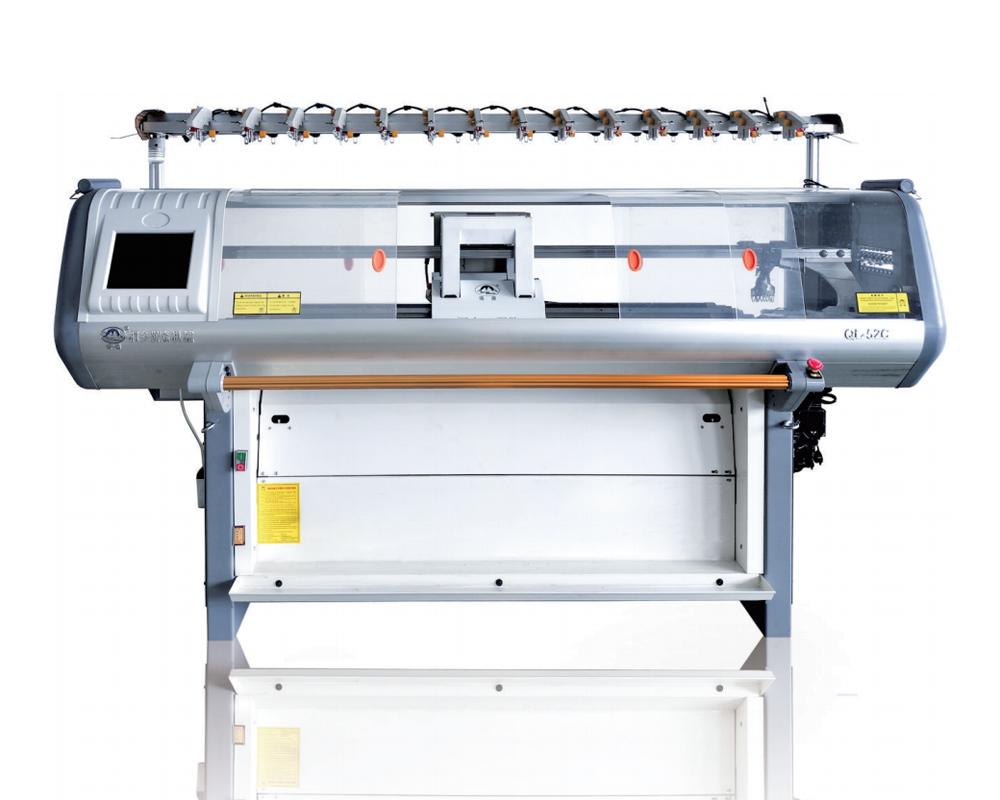
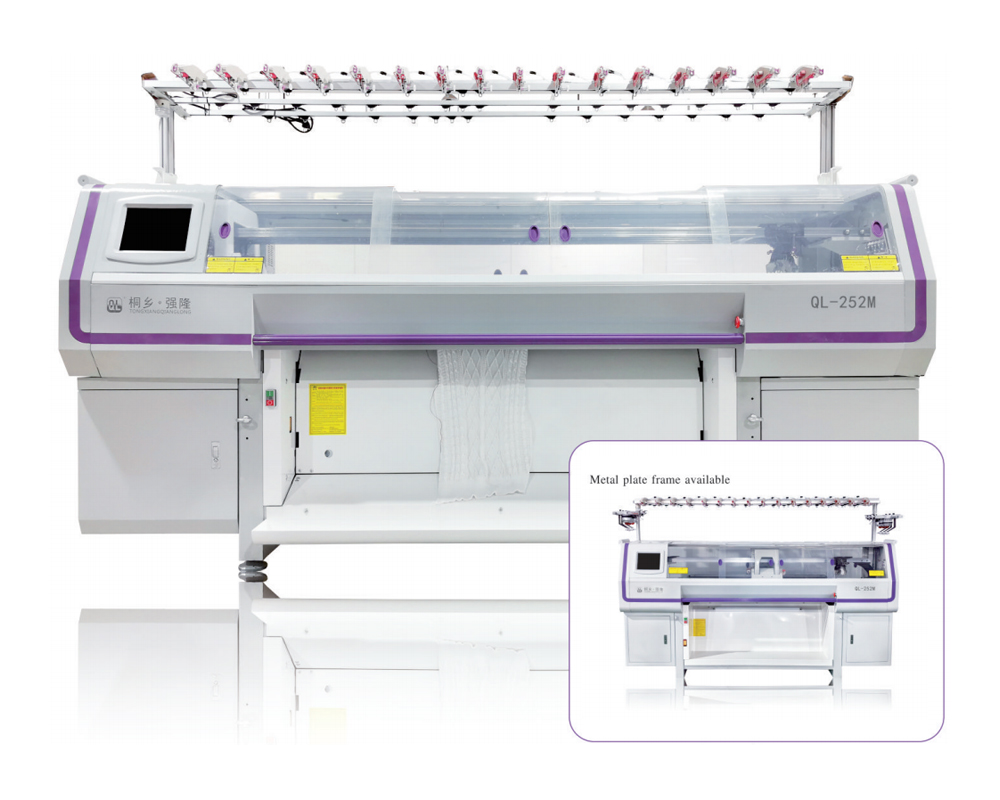
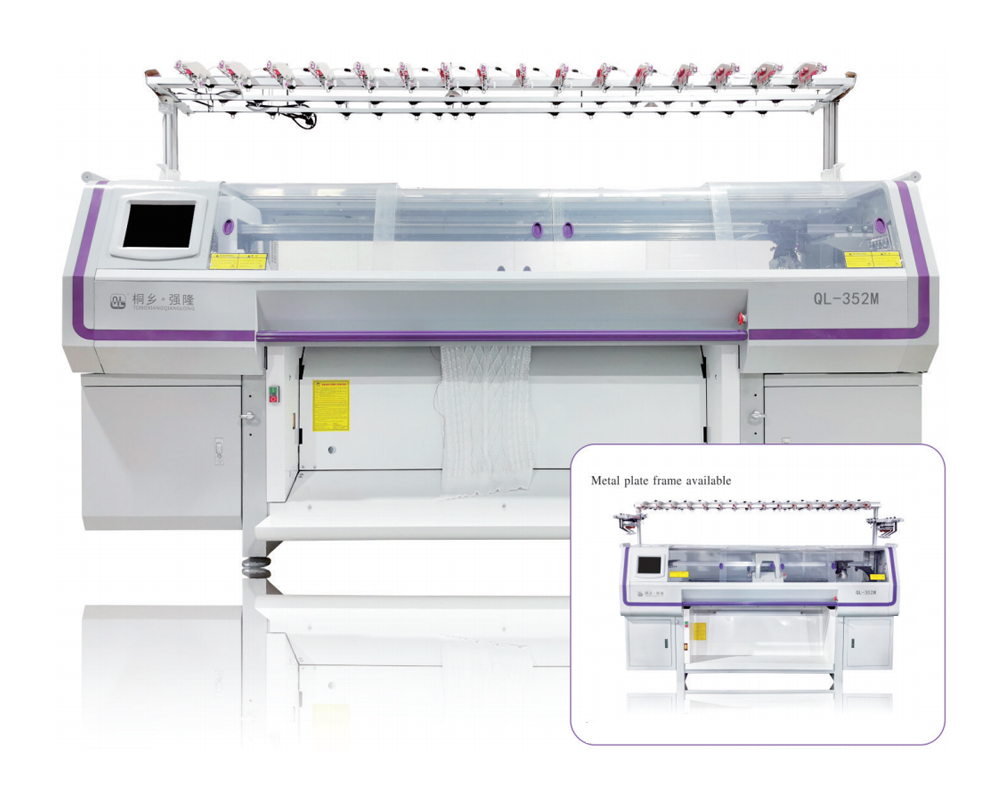
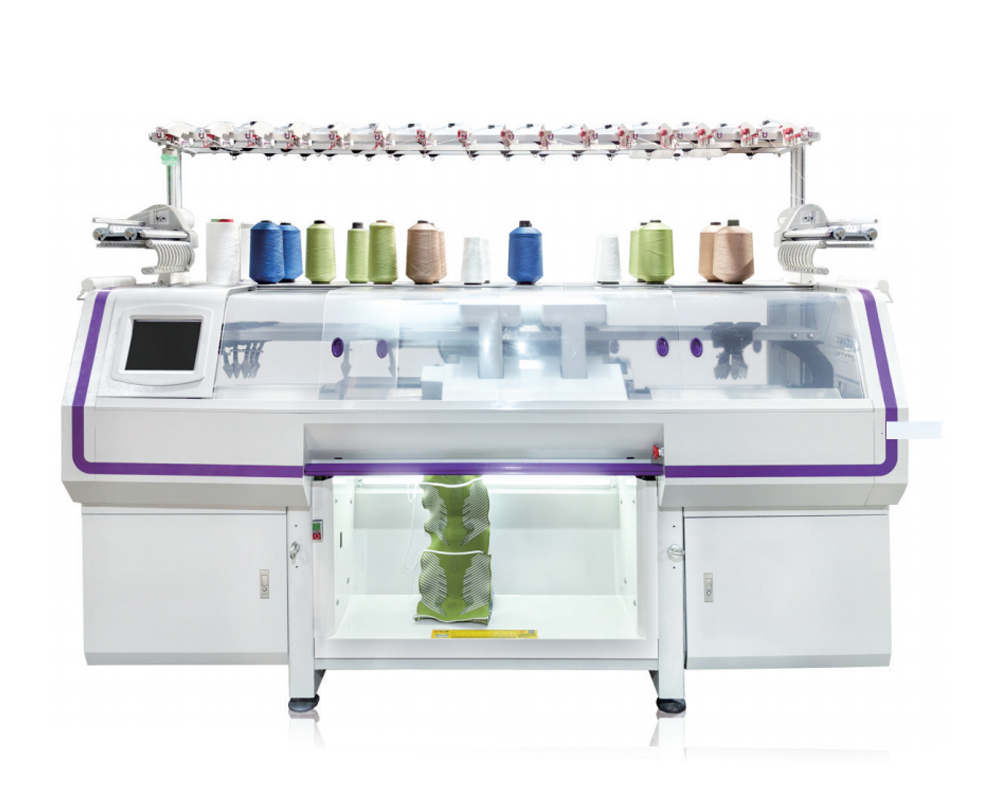
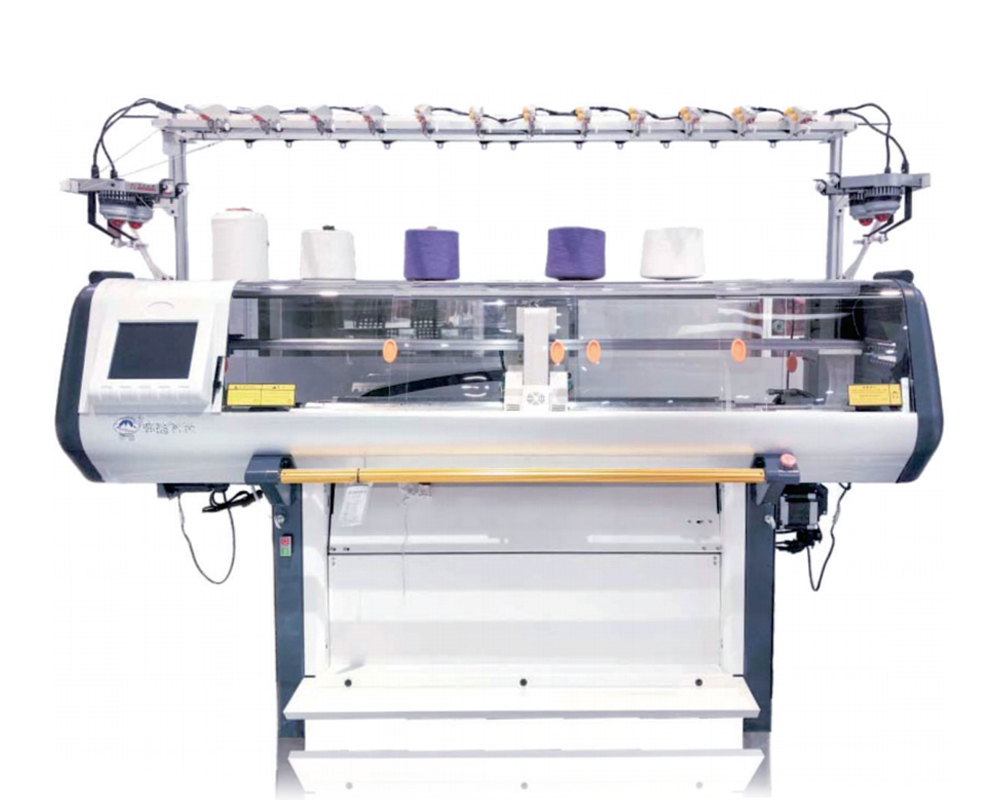
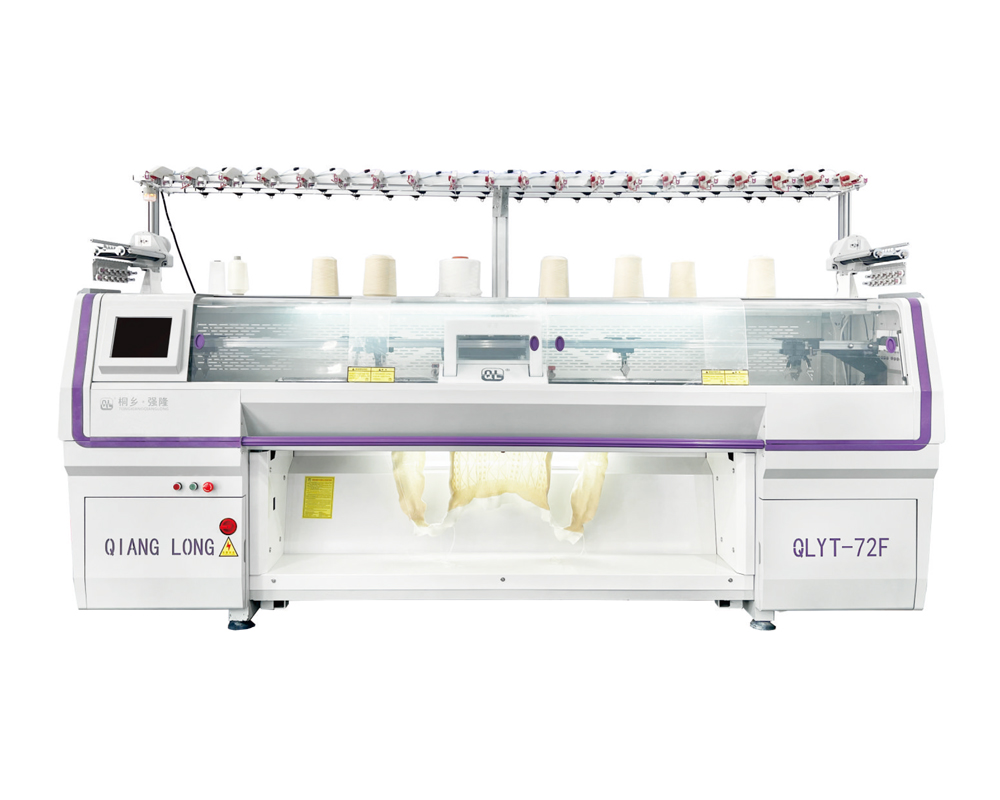
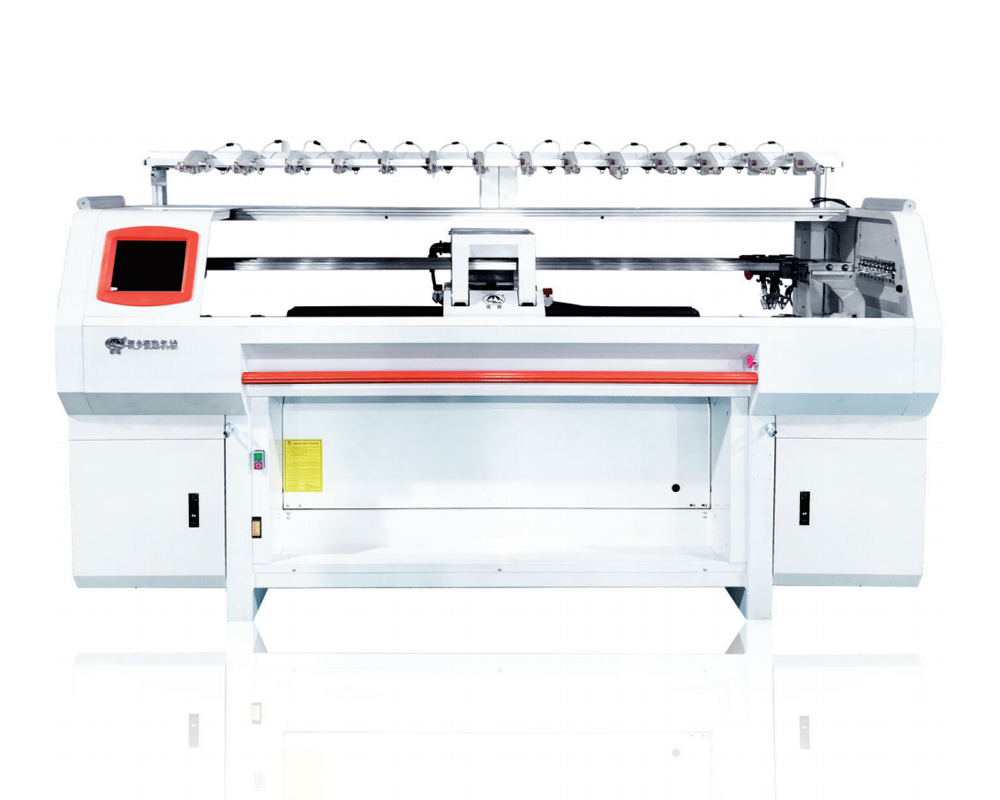
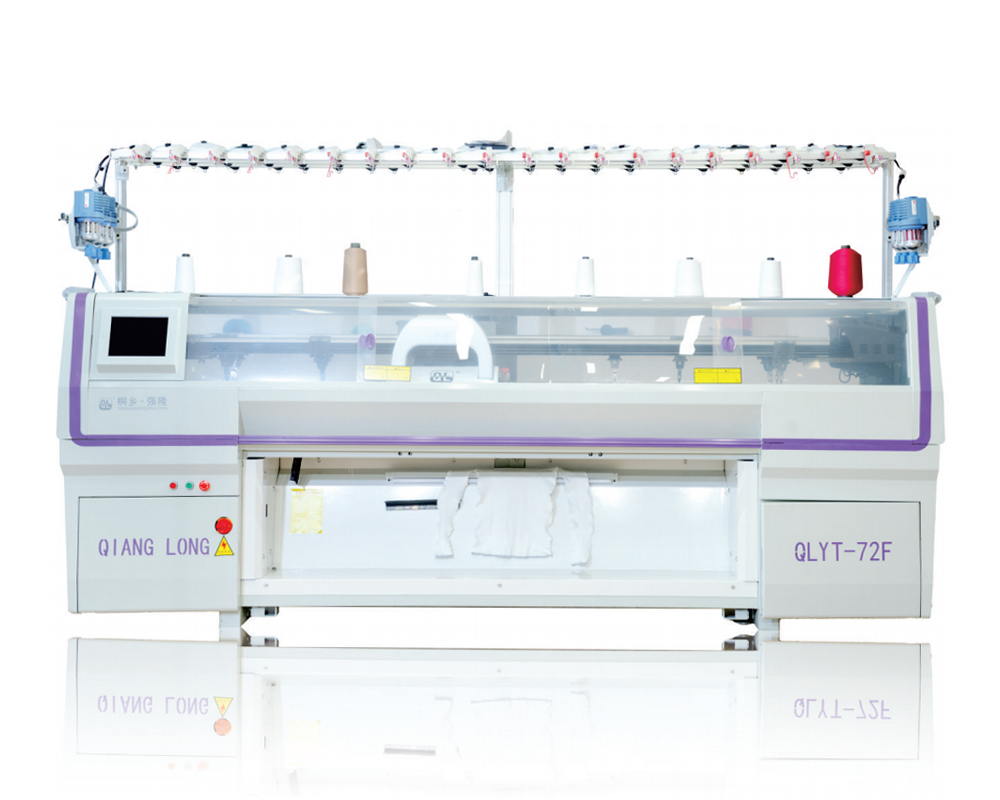
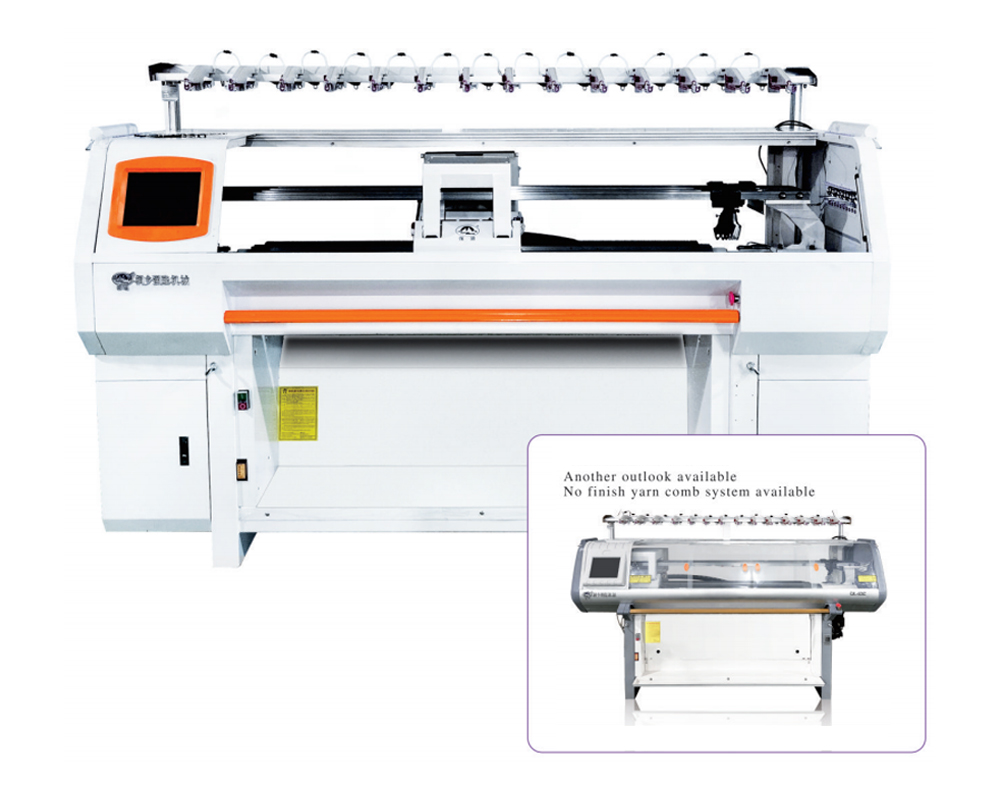
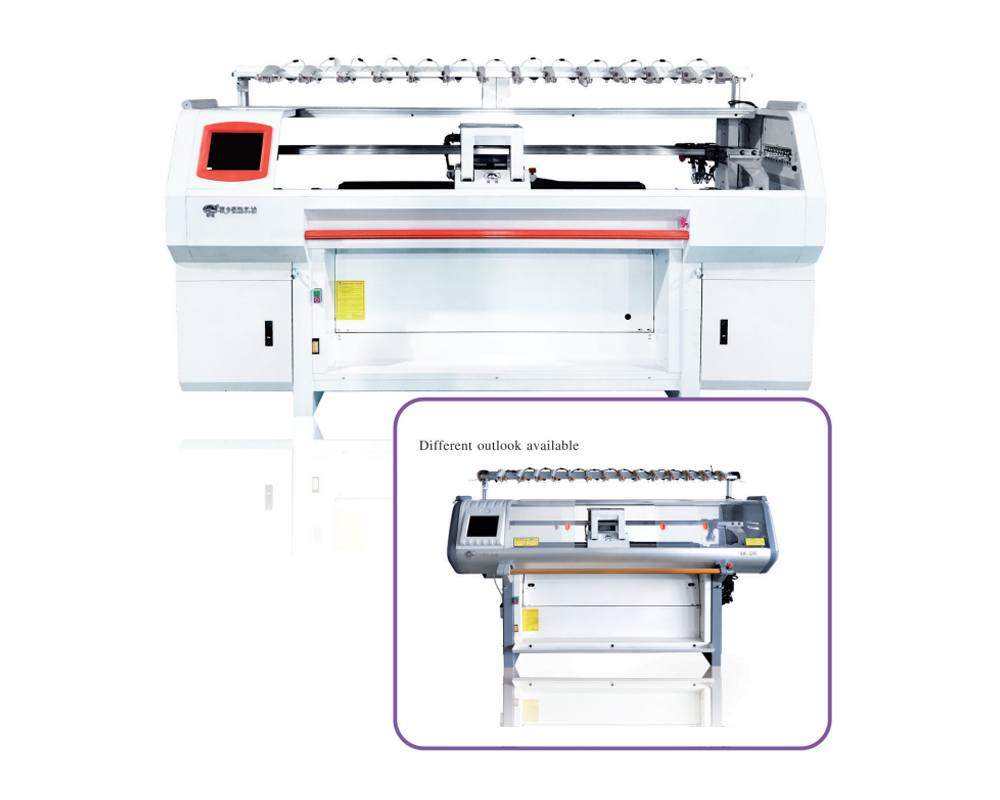
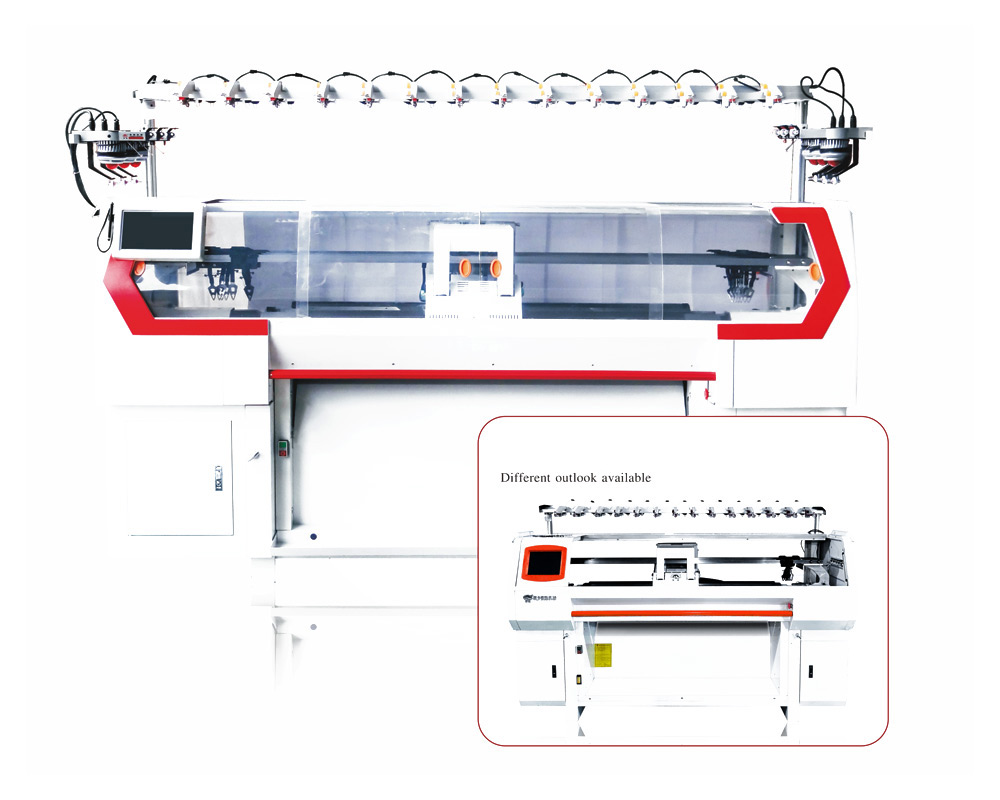

Tongxiang Qianglong Machinery Co., Ltd. is high-tech China wholesale computerized flat knitting machine manufacturers, specialized in designing, developing, and manufacturing Knitting Machinery..
Content
A double system computerized flat knitting machine is built around one core idea: doubling the number of yarn feeders working per needle bed pass so that two courses of fabric are formed in a single carriage traverse instead of one. This design choice has a direct and measurable effect on output speed, and it has become a standard configuration for factories producing sweaters, cardigans, hats, scarves, and other flat-knit garments at commercial volume. Understanding how this machine works, where it delivers the most value, and how to operate it correctly can help a buyer or production manager get real returns from the investment.
What Makes a Double System Machine Different
A standard single system flat knitting machine uses one feeder per carriage pass, meaning the carriage must travel across the needle bed and back to complete two rows of knitting. A double system machine mounts two feeders on the carriage, spaced so that each pass in either direction lays down a complete course. This effectively doubles the knitting speed for a given carriage speed, without requiring the motor or drive system to move any faster.
The computerized control layer manages needle selection, stitch length, and yarn tension independently for each system. This means the two feeders are not simply duplicating the same pattern twice; they can be programmed to knit different stitch structures, different colors, or different densities within the same fabric, which opens up design options that a single system machine cannot easily replicate.
How the Double System Improves Production Efficiency
The most obvious benefit is throughput. Factories that switch from single system to double system machines typically report production increases in the range of 40 to 70 percent on comparable fabric types, depending on stitch complexity and yarn type. This gain comes from reduced carriage travel per course, not from a faster motor, so it does not add proportional wear to the drive mechanism.
Beyond raw speed, the double system also reduces machine idle time between pattern changes. Because the computerized controller can preload stitch data for both systems, transitions between structures such as rib, tuck, and jacquard happen within the same pass rather than requiring a full stop-and-reset cycle.

Where the Time Savings Come From
- Two courses knitted per single carriage traverse instead of one
- Reduced number of full carriage return trips per finished panel
- Lower motor start-stop cycles, which also reduces mechanical wear
- Faster changeover between yarn feeders during multi-color patterns
Key Components That Support Double System Knitting
A double system machine depends on several components working in close coordination. The needle bed itself is unchanged in basic structure, but the carriage carries additional cam boxes to control the second feeder's needle selection independently. Servo motors drive the carriage and yarn feeders, allowing precise synchronization so that both systems knit at consistent tension even at higher speeds.
The electronic control unit is the component that differentiates a computerized double system machine from older mechanical double system designs. It stores pattern files, manages stitch density per row, and adjusts take-down tension automatically as fabric is produced. Sensors monitor yarn breakage on each of the two feed lines separately, which matters because a break on one system without detection would ruin the fabric before an operator noticed.
Core Hardware Elements
| Component | Function |
| Dual cam box carriage | Controls needle selection for both feed systems independently |
| Servo yarn feeders | Maintain consistent tension across two simultaneous yarn paths |
| Electronic control unit | Stores patterns and coordinates timing between systems |
| Dual yarn break sensors | Detect faults on each feed line separately |
| Automatic take-down system | Adjusts fabric tension as knitting speed increases |
Applications That Benefit Most from Double System Machines
Not every knitting project needs a double system machine, but several product categories see the clearest advantage. Sweaters and cardigans with plain jersey or simple rib bodies are ideal candidates because the double system can knit large body panels quickly without sacrificing stitch consistency. Hats, scarves, and other accessory items with repetitive stitch patterns also benefit, since the machine can run long production batches with minimal pattern switching.
More complex jacquard or intarsia work sees a smaller relative speed gain because pattern complexity already limits carriage speed regardless of system count. In these cases, factories often still choose double system machines for their flexibility, but the throughput advantage is less pronounced than with simpler structures.
Best Fit Product Types
- Plain and ribbed sweater bodies produced in high volume
- Knit hats, scarves, and cuffs with repeating stitch structures
- Basic striped or two-tone fabrics using both feed systems for color
- Technical knit panels requiring consistent density across large runs
Operational Practices That Protect Machine Performance
Because a double system machine runs two feed lines under continuous tension, yarn quality control matters more than on a single system setup. Inconsistent yarn thickness or weak splices are more likely to cause visible defects when both systems are running at full speed, since there is less time between passes for an operator to catch an issue before it repeats across multiple rows.
Routine maintenance should include checking cam box alignment on both systems, since even minor timing drift between the two feeders can create uneven stitch density that is difficult to spot until a panel is off the machine. Needle wear should also be inspected more frequently than on single system machines, given the higher number of stitch cycles completed per operating hour.
Maintenance Checklist
- Verify cam box timing alignment between both feed systems weekly
- Inspect needles for wear or damage after each large production run
- Clean yarn guides and tensioners on both systems daily
- Update and back up pattern files in the control unit regularly
Weighing the Investment
A double system computerized flat knitting machine typically costs more upfront than a single system model, both in machine price and in the training required for operators to manage two feed systems effectively. For factories with steady demand for medium-complexity knitwear, the higher throughput generally offsets this cost within a reasonable production cycle. For smaller operations focused on highly intricate, low-volume patterns, a single system machine may still be the more practical choice, since the speed advantage of a double system matters less when carriage speed is already limited by pattern complexity.
Evaluating fabric type, expected order volume, and available operator skill level before purchasing helps ensure the machine's capabilities are actually used rather than left idle. When matched correctly to production needs, a double system computerized flat knitting machine can shorten lead times and increase capacity without requiring additional floor space or a proportional increase in staffing.
