
 English
 简体中文
简体中文
 Chinese
 English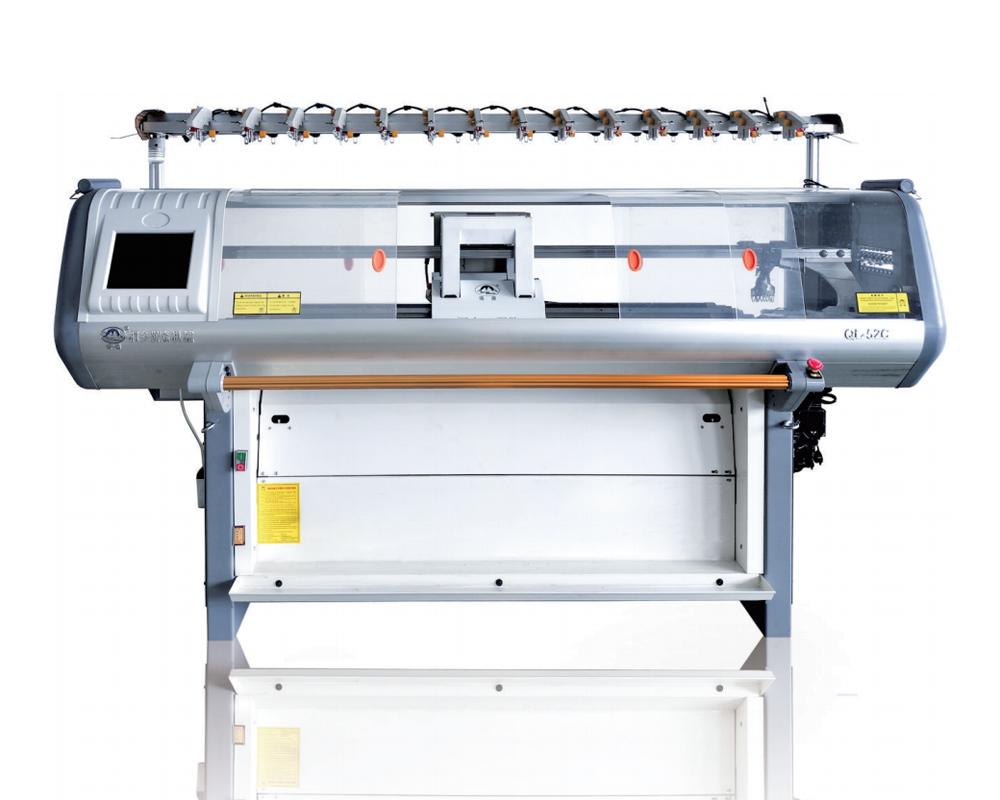
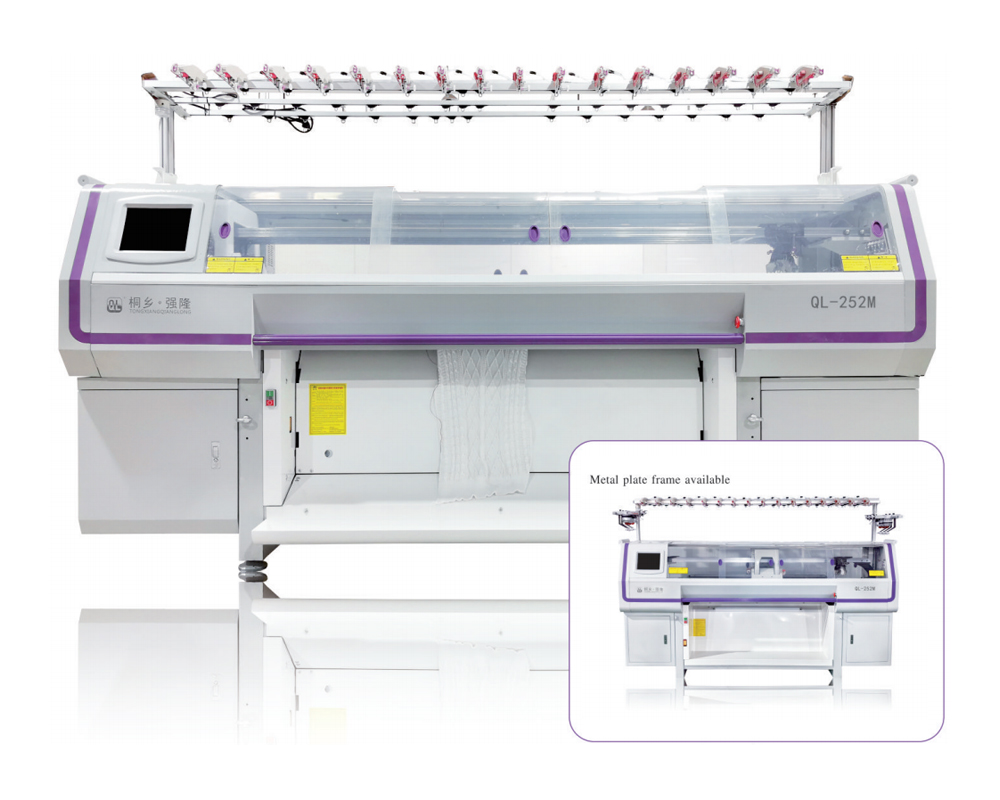
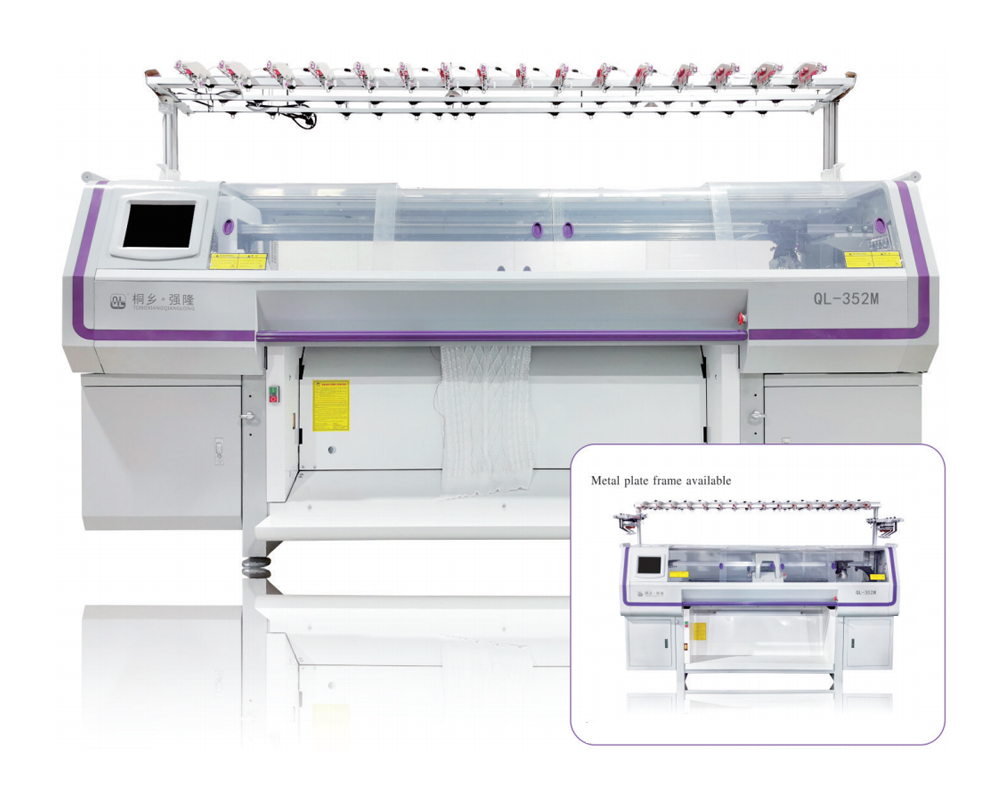
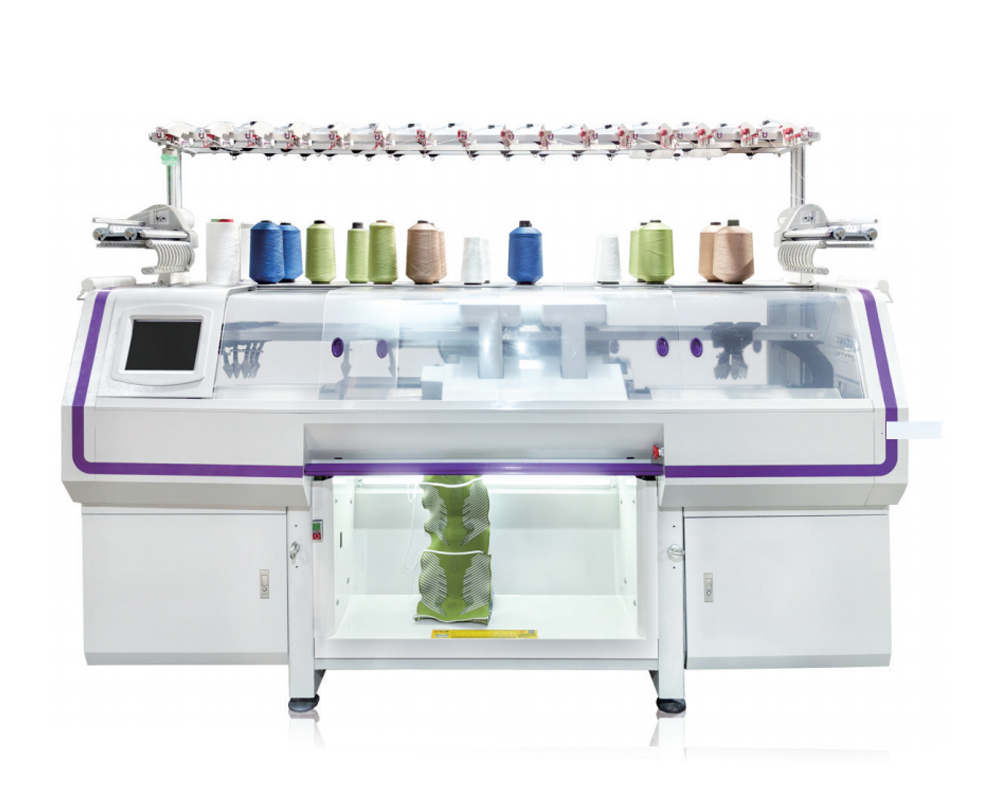
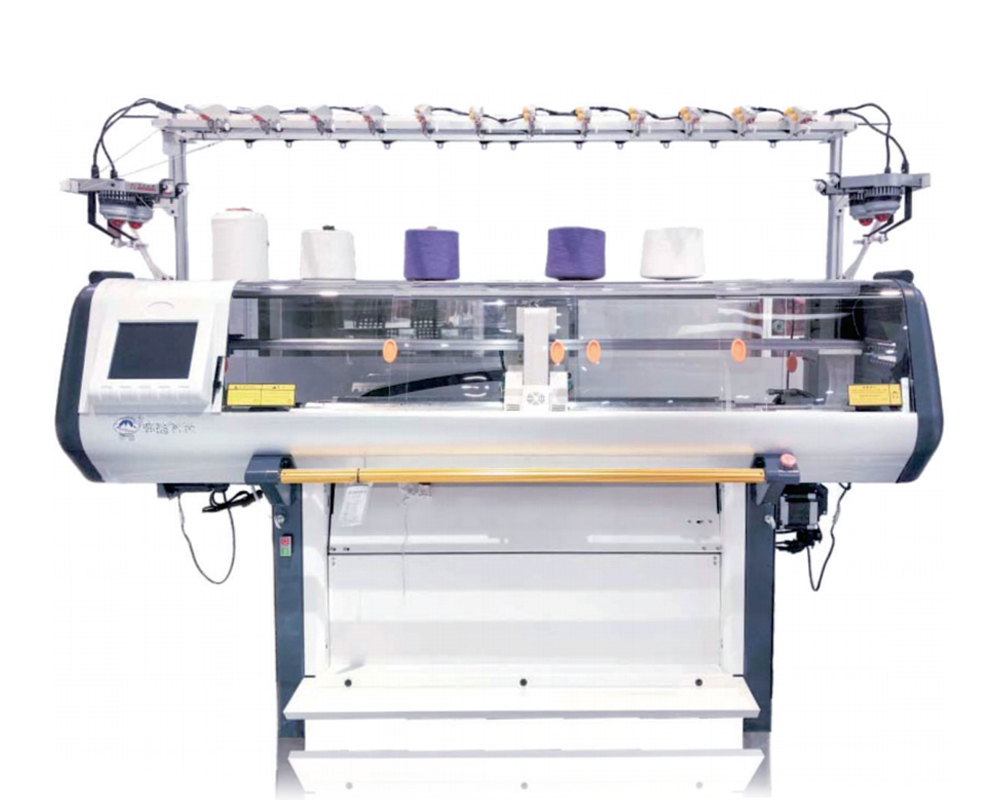
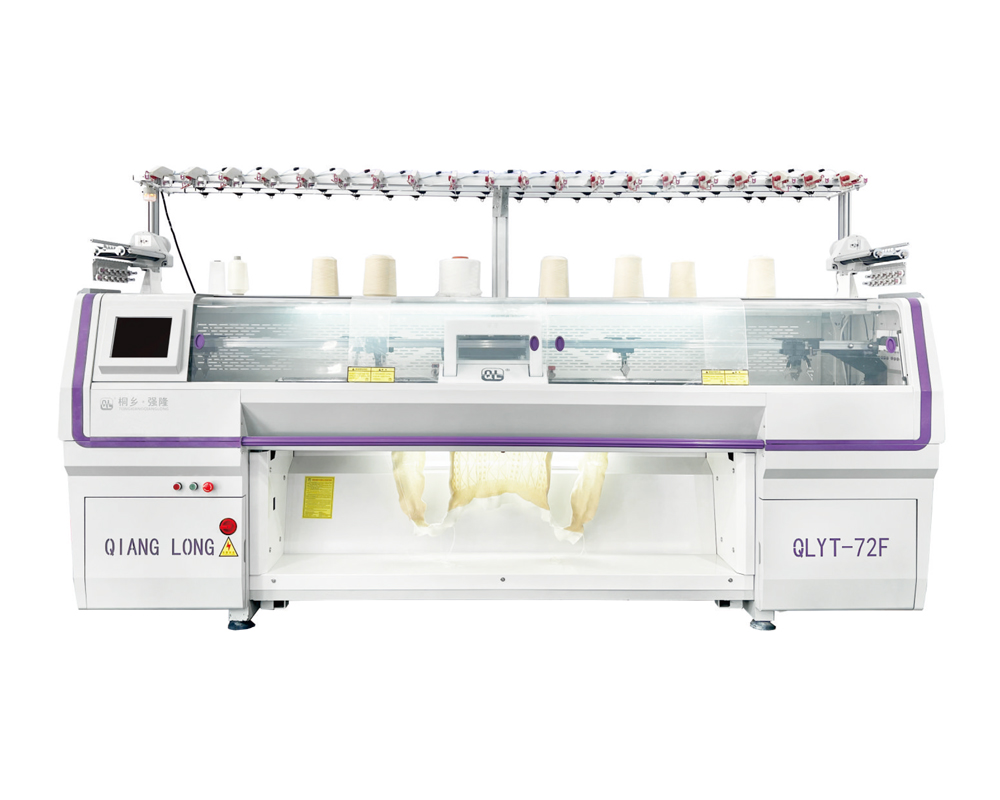
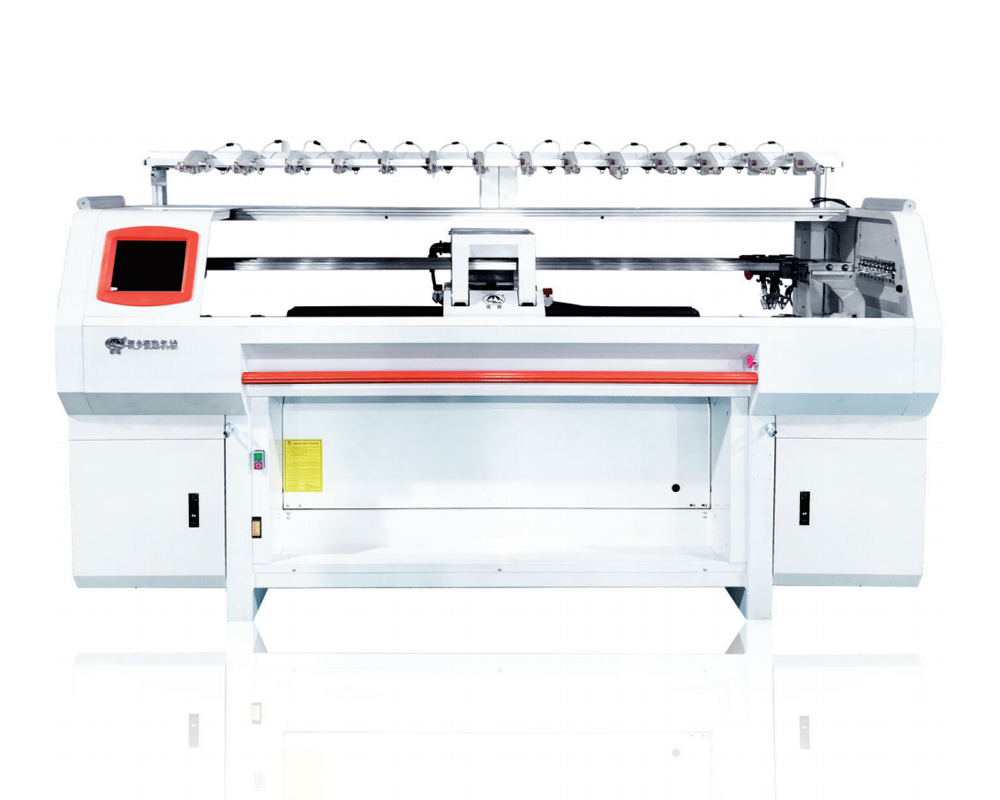
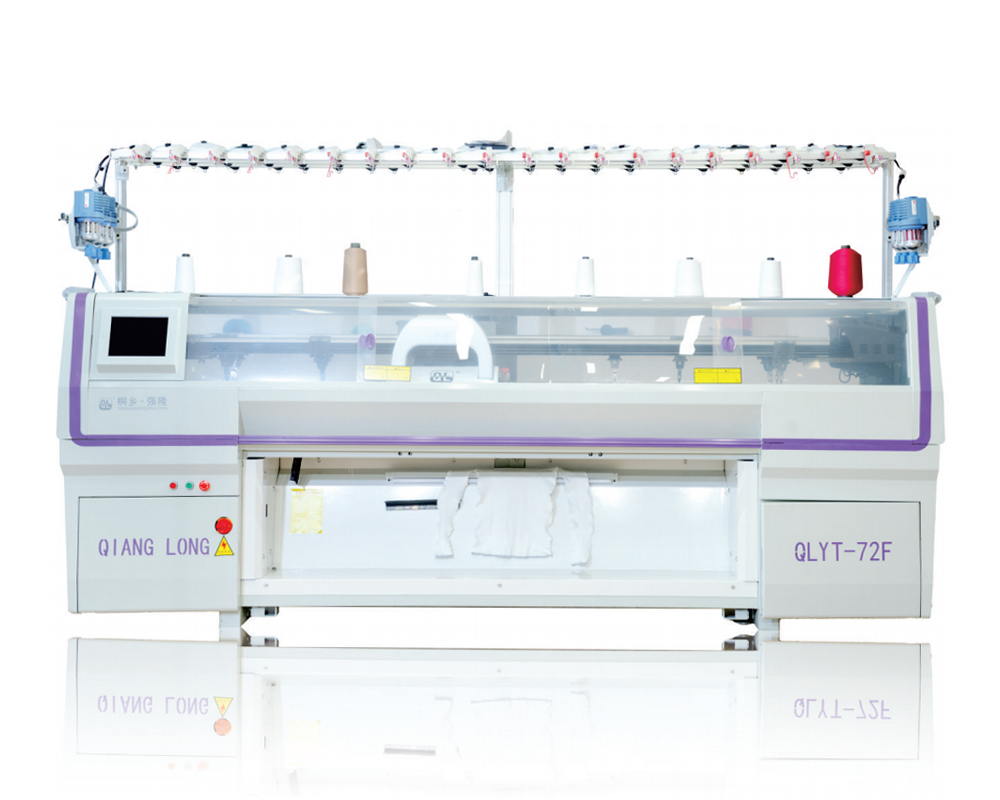
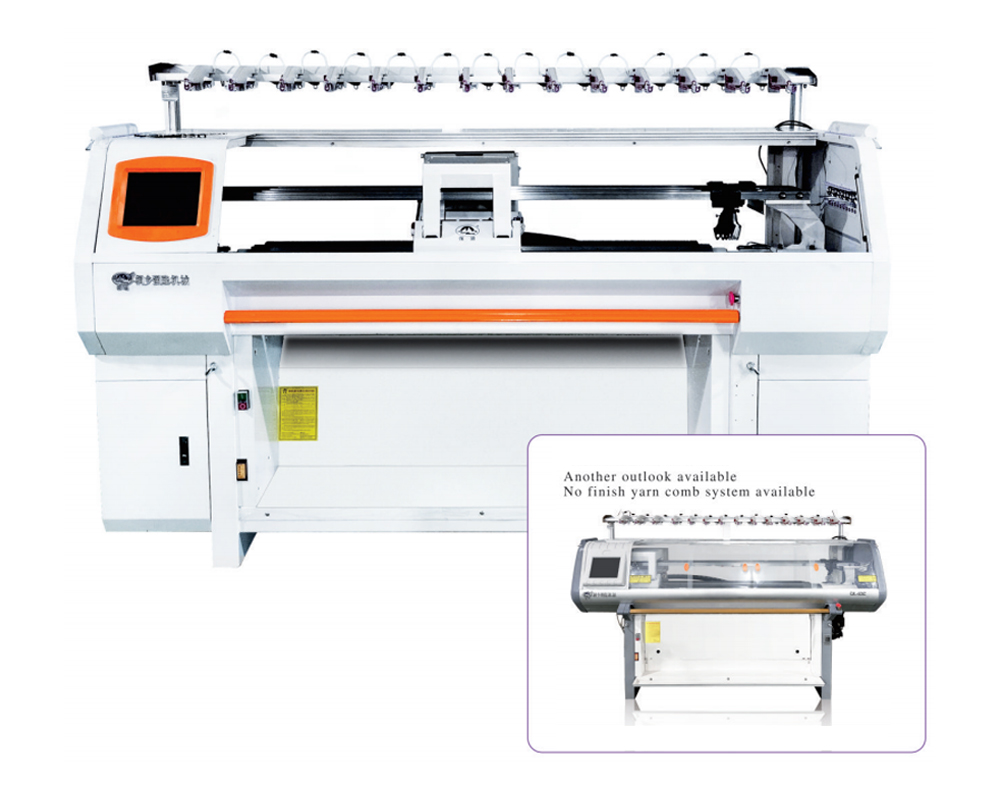
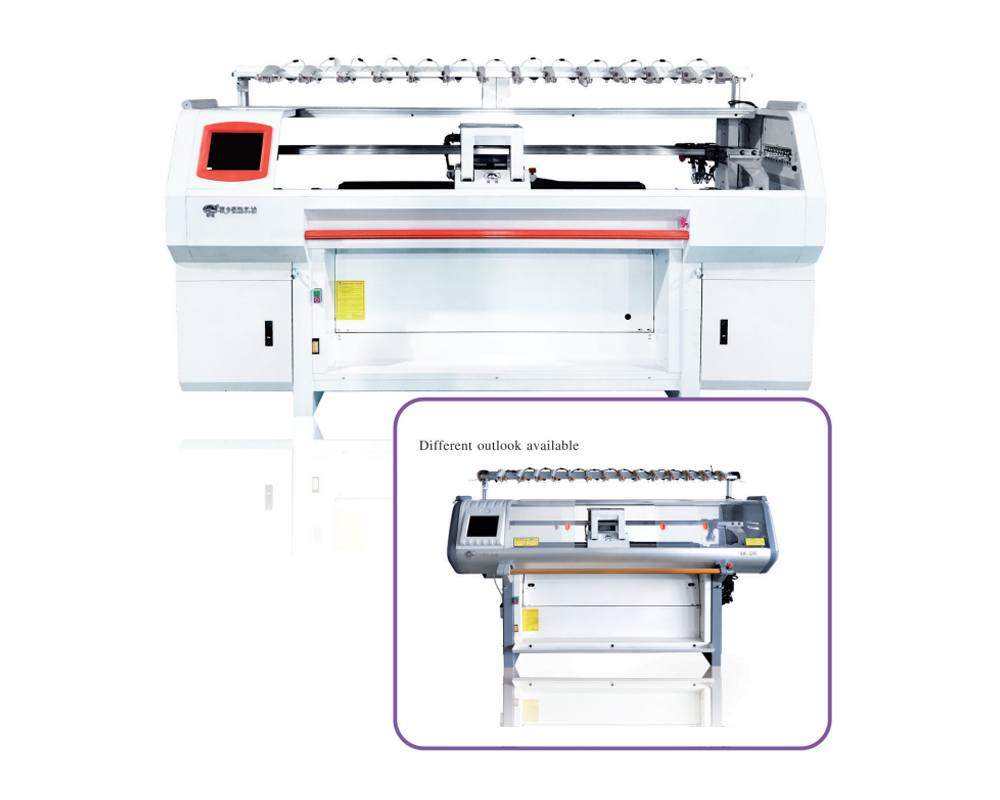
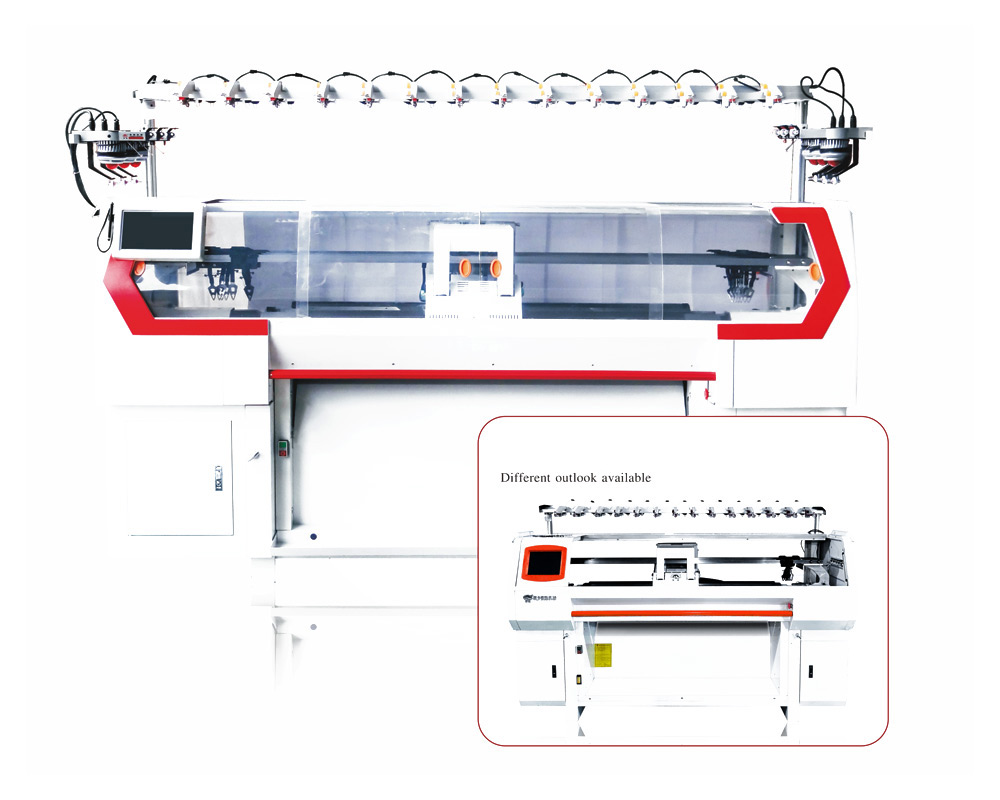

Tongxiang Qianglong Machinery Co., Ltd. is high-tech China wholesale computerized flat knitting machine manufacturers, specialized in designing, developing, and manufacturing Knitting Machinery..
Content
- 1 The Foundation of 3D Seamless Knitting Technology
- 2 Core Technical Components Enabling 3D Production
- 3 Three-Dimensional Shaping Techniques and Mechanisms
- 4 Integrated Functional Zone Engineering
- 5 Computerized Design and Programming Systems
- 6 Material Selection and Yarn Engineering
- 7 Production Efficiency and Manufacturing Advantages
- 8 Design Flexibility and Customization Capabilities
- 9 Quality Control and Finishing Processes
- 10 Future Developments and Emerging Technologies
The Foundation of 3D Seamless Knitting Technology
Three-dimensional seamless knitting technology represents a revolutionary advancement in footwear manufacturing, enabling the creation of complete shoe uppers in a single continuous process without cutting, sewing, or assembly. Unlike traditional flat knitting methods that produce two-dimensional fabric pieces requiring subsequent joining, 3D knitting machines construct the entire upper as a three-dimensional structure directly on the machine. This technology relies on sophisticated computerized control systems that precisely manipulate multiple yarn feeds, needle selections, and knitting techniques simultaneously to create complex geometries that conform to the anatomical shape of the human foot. The seamless construction eliminates traditional pain points associated with seams, reduces material waste, and dramatically shortens production timelines.
Qianglong's 3D shoe upper knitting machines exemplify the latest generation of this technology, incorporating advanced needle bed configurations, precision yarn delivery systems, and intelligent programming capabilities. These machines utilize computerized flat knitting platforms equipped with specialized features for three-dimensional shaping, including partial knitting capabilities, transfer mechanisms, and multi-gauge needle arrangements. The technology allows manufacturers to create shoe uppers with varying densities, integrated structural reinforcements, ventilation zones, and aesthetic patterns all within a single knitting cycle. This integration of functional and aesthetic features directly into the knitting process eliminates the need for multiple manufacturing stages and component assembly, fundamentally transforming footwear production efficiency and design possibilities.
Core Technical Components Enabling 3D Production
The needle bed configuration forms the mechanical foundation of 3D seamless knitting, with Qianglong's machines typically employing double-bed systems where two parallel needle beds face each other, allowing needles to work in coordination to create complex three-dimensional structures. Each needle bed contains hundreds of independently controllable needles, with high-end models featuring up to 336 needles per bed at fine gauges ranging from E14 to E18. The needles can be selectively activated or deactivated through electromagnetic or mechanical selection systems, enabling precise control over which needles participate in each knitting course. This selective needle control is fundamental to creating the dimensional shaping necessary for shoe uppers, allowing specific areas to be knit while others remain inactive, gradually building the three-dimensional form.

The yarn feeding system represents another critical component, with modern 3D knitting machines incorporating multiple independent yarn carriers that can deliver different yarns to specific needle locations. Qianglong's advanced systems feature up to 8-12 yarn carriers per machine, each capable of carrying different yarn types, colors, or functional materials. This multi-carrier capability enables the creation of localized functional zones within the shoe upper—reinforced areas using stronger yarns, breathable mesh sections using finer yarns, and decorative elements using contrasting colors or specialty materials. Electronic yarn tensioning systems maintain consistent tension across all feeds, ensuring uniform knit quality regardless of yarn type or feeding speed. The precise coordination between yarn carriers and needle selection creates the complex material distributions that characterize high-performance athletic footwear.
Three-Dimensional Shaping Techniques and Mechanisms
Partial knitting, also known as short-rowing or holding, serves as the primary technique for creating three-dimensional contours in seamless shoe uppers. This method involves knitting specific sections while holding other stitches inactive on the needles, gradually building up fabric in selected areas to create dimensional depth and curvature. For shoe uppers, partial knitting creates the toe box curve, heel cup depth, and instep rise without requiring separate pattern pieces or seaming. The machine systematically knits back and forth across progressively fewer needles, creating wedge-shaped sections that, when combined, form the complex curves necessary for ergonomic foot accommodation. Qianglong's programming software allows designers to precisely control the number of needles held and the sequence of partial knitting sections, enabling exact replication of desired three-dimensional shapes.
Transfer techniques complement partial knitting by moving stitches between needles and between the front and back needle beds, enabling the creation of tubular structures and seamless transitions essential for shoe upper construction. The transfer mechanism uses specialized transfer tools or spring needles that lift stitches from one needle and place them onto another, allowing the knitting direction to change and enabling the formation of closed tubular sections. For shoe uppers, transfers create the seamless toe closure and enable the transition from the main upper body to the collar area without interrupting the continuous knitting process. The combination of transfers with partial knitting allows the creation of complex three-dimensional forms that would be impossible with traditional flat knitting, including integrated tongue structures, ankle collar formations, and heel counter reinforcements all produced as integral parts of the seamless upper.
Integrated Functional Zone Engineering
Modern 3D shoe upper knitting machines excel at creating localized functional zones with different mechanical and performance properties within a single seamless structure. Strategic reinforcement zones provide structural support in high-stress areas such as the heel counter, toe bumper, and lateral support regions by incorporating stronger yarns, denser knit structures, or multiple yarn layers in these specific locations. The machine programming defines these zones precisely, automatically switching yarn feeds and adjusting stitch densities as the knitting progresses through different upper regions. This capability eliminates the need for separate reinforcement overlays or additional manufacturing steps, reducing weight while maintaining necessary structural integrity.
| Functional Zone | Purpose | Technical Implementation |
| Ventilation Mesh | Breathability, moisture management | Open mesh structures, finer yarns |
| Heel Counter | Structural support, stability | Dense knits, reinforced yarns |
| Toe Bumper | Protection, abrasion resistance | Multi-layer knitting, technical yarns |
| Instep Stretch | Flexibility, easy entry | Elastic yarns, looser tensions |
| Collar Padding | Comfort, secure fit | Plush knits, soft fibers |
| Lateral Support | Motion control, stability | Directional structures, stiff yarns |
Ventilation engineering within 3D knitted uppers utilizes variable stitch structures to create breathable zones in areas prone to heat and moisture accumulation, particularly around the forefoot and toe box. The machine programming incorporates open mesh structures, lace patterns, or deliberately created perforations by dropping specific stitches or using specialized mesh knitting techniques. These breathable zones can be precisely positioned and graduated to provide maximum ventilation exactly where needed while maintaining structural integrity in surrounding areas. The seamless integration of these functional zones represents a significant advantage over traditional cut-and-sew construction, where achieving similar functional differentiation would require multiple material pieces and numerous seaming operations.
Computerized Design and Programming Systems
The software infrastructure controlling 3D shoe upper knitting machines represents perhaps the most critical element enabling seamless production, translating three-dimensional design concepts into precise machine instructions. Qianglong's systems utilize sophisticated CAD/CAM software packages that allow designers to create virtual 3D shoe upper models, define functional zones, specify yarn assignments, and simulate the knitting process before physical production begins. The software generates detailed knitting programs that control every needle movement, yarn feed selection, and transfer operation throughout the entire production cycle. Advanced simulation capabilities preview the final knitted structure, identifying potential issues such as stitch tension problems, dimensional inaccuracies, or pattern misalignments before committing to actual production.
Pattern development for 3D seamless shoe uppers requires specialized expertise that differs fundamentally from traditional flat pattern making or conventional knitting programming. Designers must understand how two-dimensional knitting operations create three-dimensional forms, accounting for fabric stretch characteristics, yarn properties, and the geometric transformations that occur as flat knitted fabric curves around the shoe last. The programming must specify the exact sequence of partial knitting sections, transfer operations, and yarn changes required to build the desired three-dimensional shape progressively. Qianglong's advanced systems include parametric design tools that allow designers to input fundamental shoe dimensions and automatically generate appropriate knitting programs, significantly reducing the expertise barrier and development time for new upper designs.
Material Selection and Yarn Engineering
Successful 3D seamless shoe upper production depends heavily on appropriate yarn selection and engineering to meet the specific mechanical, aesthetic, and performance requirements of footwear applications. High-performance athletic footwear typically employs technical synthetic yarns including polyester, nylon, and elastane that provide strength, abrasion resistance, and elastic recovery necessary for demanding use conditions. These yarns must possess consistent diameter, tension characteristics, and knitting properties to ensure reliable machine operation and uniform fabric quality. Monofilament and multifilament constructions serve different purposes, with finer multifilament yarns creating smooth, comfortable surfaces while stronger monofilaments provide structural reinforcement in critical zones.
- Recycled polyester yarns from post-consumer plastic bottles enable sustainable footwear production while maintaining performance characteristics comparable to virgin materials
- Elastane core-spun yarns combine stretch recovery with the surface characteristics of covering fibers, providing comfort and dimensional stability
- Specialty yarns incorporating carbon fiber, aramid, or ultra-high molecular weight polyethylene deliver exceptional strength in reinforcement zones
- Moisture-wicking yarns with hydrophobic treatments or channeled fiber geometries enhance comfort by actively moving perspiration away from the foot
- Reflective yarns containing glass microspheres or metal-coated fibers provide visibility enhancement for safety-oriented footwear applications
Production Efficiency and Manufacturing Advantages
The seamless 3D knitting process delivers substantial manufacturing efficiency improvements compared to traditional cut-and-sew shoe upper construction. A complete shoe upper can be produced in 15-30 minutes depending on complexity, emerging from the machine as a finished three-dimensional component requiring minimal additional processing beyond trimming loose yarn ends. This single-step production eliminates cutting operations that generate 20-30% material waste in traditional manufacturing, pattern storage and management, material handling between cutting and sewing stations, and the extensive labor required for component assembly. The reduction in manufacturing steps translates directly to lower labor costs, reduced work-in-progress inventory, and shorter production lead times that enhance manufacturing flexibility and responsiveness to market demands.
Quality consistency represents another significant advantage of automated 3D knitting, as the computerized control systems ensure precise replication of the programmed design in every production cycle. Unlike manual sewing operations where operator skill variations affect quality consistency, the knitting machine executes identical needle movements, yarn tensions, and stitch formations for each upper produced. This consistency reduces quality control requirements and minimizes rejection rates due to manufacturing defects. The integration of functional zones within the knitting process also eliminates alignment issues that can occur when assembling multiple components, ensuring that reinforcements, ventilation zones, and aesthetic elements appear in exactly the intended locations on every upper produced. Qianglong's machines incorporate sensors and monitoring systems that detect yarn breaks, tension anomalies, or mechanical issues immediately, stopping production to prevent defective uppers from being completed.
Design Flexibility and Customization Capabilities
Three-dimensional knitting technology enables unprecedented design flexibility and customization possibilities that would be impractical or impossible with traditional manufacturing methods. New designs can be developed and produced simply by creating new knitting programs without requiring new cutting dies, pattern templates, or specialized tooling. This program-based approach dramatically reduces the cost and time required to introduce new styles, enabling footwear brands to offer broader product ranges and respond quickly to fashion trends or market opportunities. Limited edition releases, regional variations, or athlete-specific designs become economically viable even in relatively small production quantities, as the only requirement is loading a different program into the machine.
Mass customization represents an emerging application of 3D knitting technology, where individual consumers can specify size, color, functional features, or aesthetic elements and receive custom-manufactured footwear. The parametric design capabilities of advanced knitting software allow base patterns to be automatically adjusted for different foot dimensions, creating truly custom-fit uppers rather than the limited size ranges of traditional manufacturing. Individual yarn color selections can be programmed for each production run, enabling personalized colorways or custom team branding without minimum order quantities. Some manufacturers are exploring direct-to-consumer production models where orders are received online, knitting programs are automatically generated from customer specifications, and custom uppers are produced on-demand, eliminating inventory costs and enabling infinite product variety.
Quality Control and Finishing Processes
Despite the high automation level of 3D knitting machines, finished uppers still require inspection and finishing operations to ensure they meet quality standards before progressing to shoe assembly. Visual inspection identifies knitting defects such as dropped stitches, yarn breaks that were repaired during production, or pattern misalignments that may have occurred due to programming errors or mechanical issues. Dimensional verification ensures that the knitted upper matches the intended size and shape specifications, typically performed by fitting the upper onto a shoe last or measuring specific dimensions at defined locations. Any uppers falling outside acceptable tolerance ranges are rejected or diverted for evaluation to determine if the deviation resulted from programming errors, material variations, or machine calibration issues requiring correction.
Finishing operations for 3D knitted uppers are minimal compared to traditional cut-and-sew construction but remain necessary to prepare the uppers for assembly. Loose yarn ends from the start and finish of knitting must be trimmed and secured, typically accomplished through a combination of automated trimming and manual inspection. Heat setting processes stabilize the knitted structure, ensuring dimensional stability and preventing unwanted distortion during subsequent handling and assembly operations. The upper is placed on a heated last conforming to the final shoe shape and subjected to controlled heat and pressure that sets the yarns in their intended positions. Some manufacturers apply coating treatments to specific zones, such as thermoplastic polyurethane film coatings on toe bumpers or heel counters to enhance structural rigidity, though this represents an additional manufacturing step that somewhat diminishes the seamless construction advantage.
Future Developments and Emerging Technologies
The evolution of 3D shoe upper knitting technology continues with ongoing developments in machine capabilities, materials, and integration with other manufacturing processes. Next-generation machines feature increased gauge densities enabling finer stitch formations, higher needle counts allowing more complex shaping capabilities, and faster knitting speeds reducing production cycle times. Qianglong and other manufacturers are developing multi-axis knitting capabilities that enable even more complex three-dimensional geometries beyond what current vertical flat-bed configurations can achieve. Integration of additional manufacturing processes directly into knitting machines, such as in-line coating application or yarn insertion systems for creating lace channels or eyelets, further reduces post-knitting processing requirements and moves closer to fully finished uppers emerging directly from the machine.
Smart textile integration represents an exciting frontier where functional electronic components are incorporated directly into knitted shoe uppers during production. Conductive yarns can create embedded sensors monitoring foot pressure, temperature, or movement patterns for performance analysis or health monitoring applications. LED fibers woven into the knitted structure enable illuminated design elements or safety lighting features. Researchers are exploring integration of shape-memory materials, phase-change materials for temperature regulation, and even energy-harvesting systems that generate electricity from foot movement. These innovations transform shoe uppers from passive structural components into active functional systems, opening entirely new product categories and value propositions. As 3D knitting technology continues advancing, the boundary between textile manufacturing and functional device production increasingly blurs, creating unprecedented opportunities for innovation in footwear and beyond.
