
 English
 简体中文
简体中文
 Chinese
 English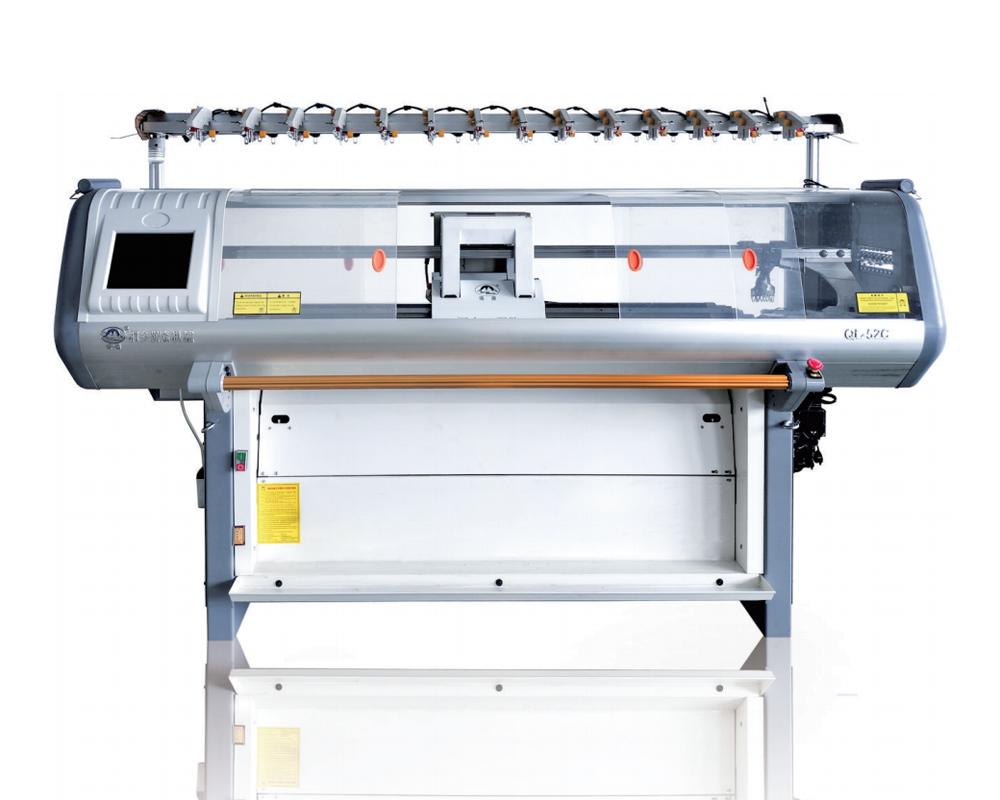
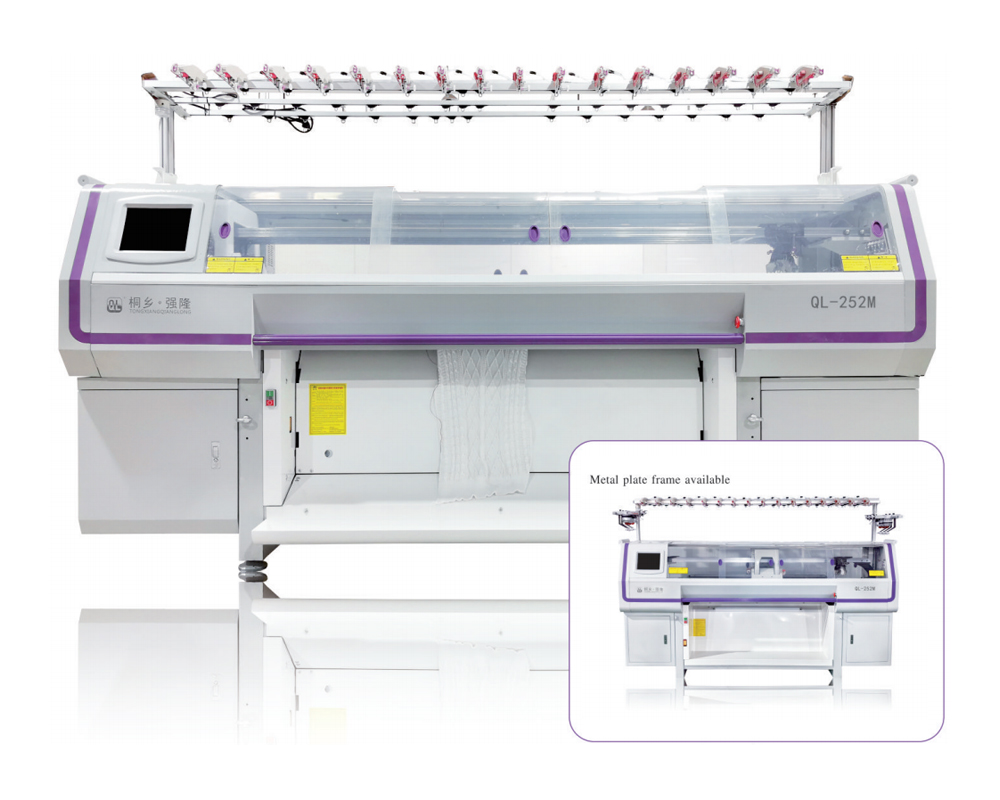
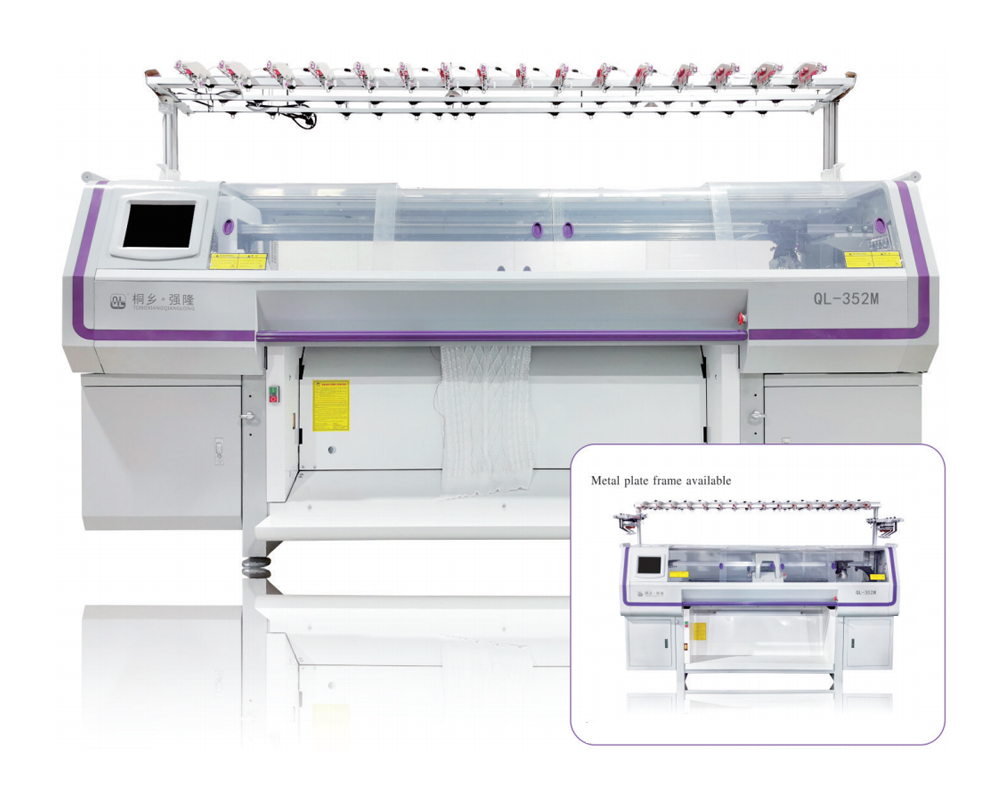
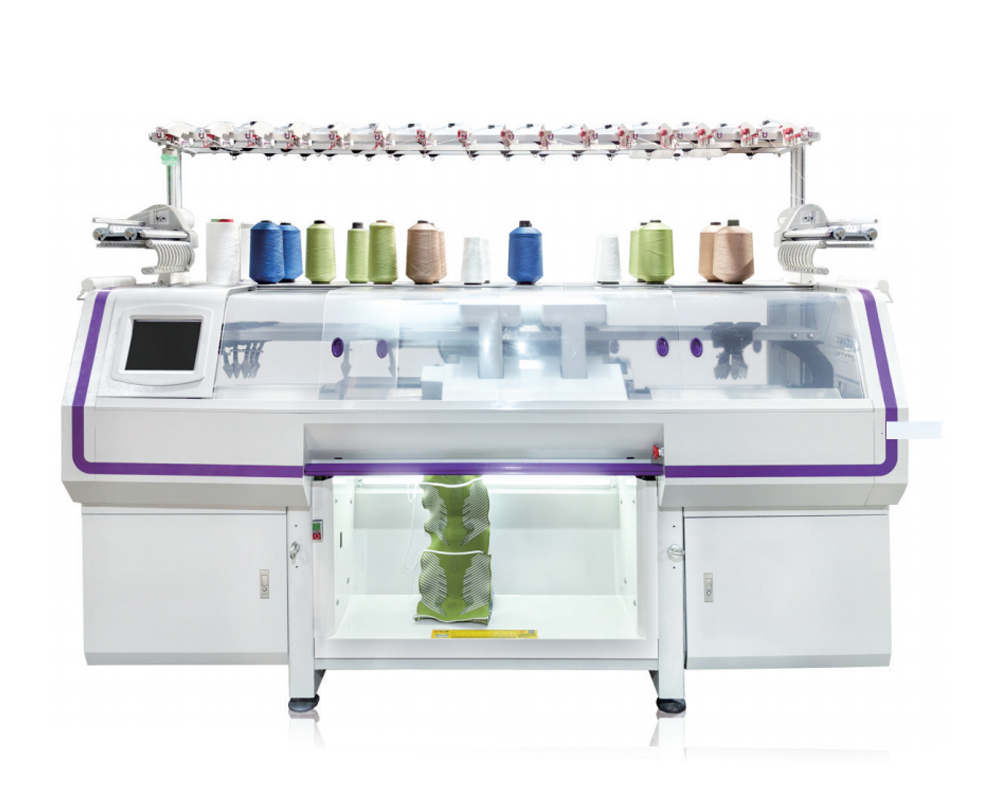
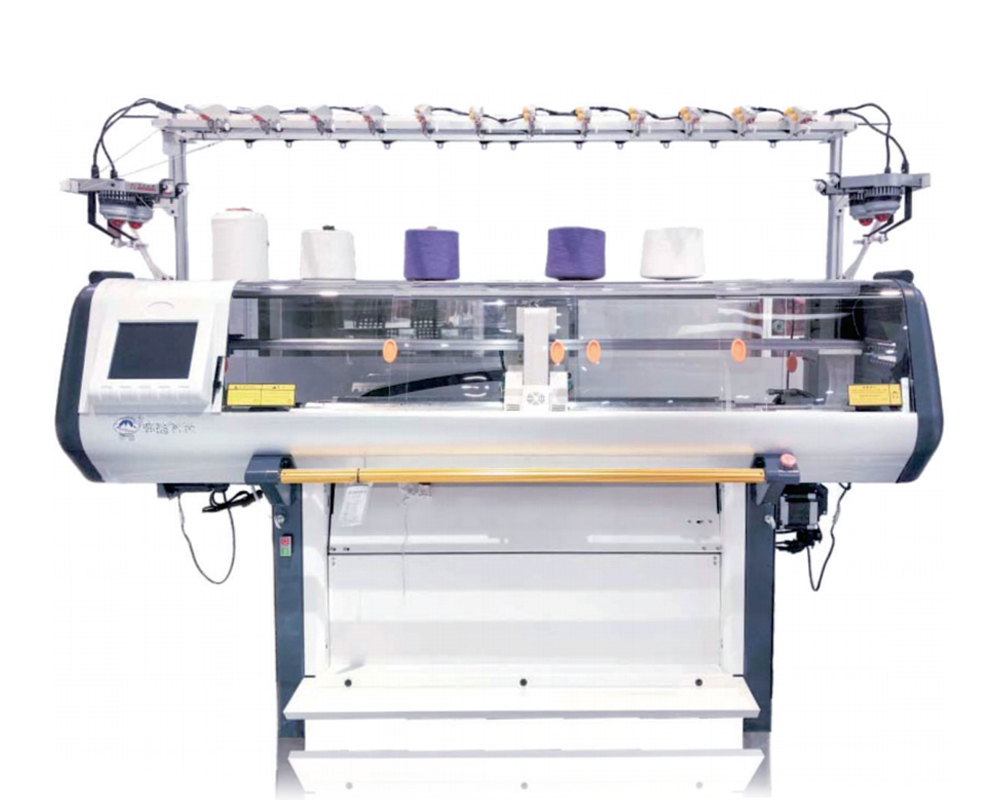
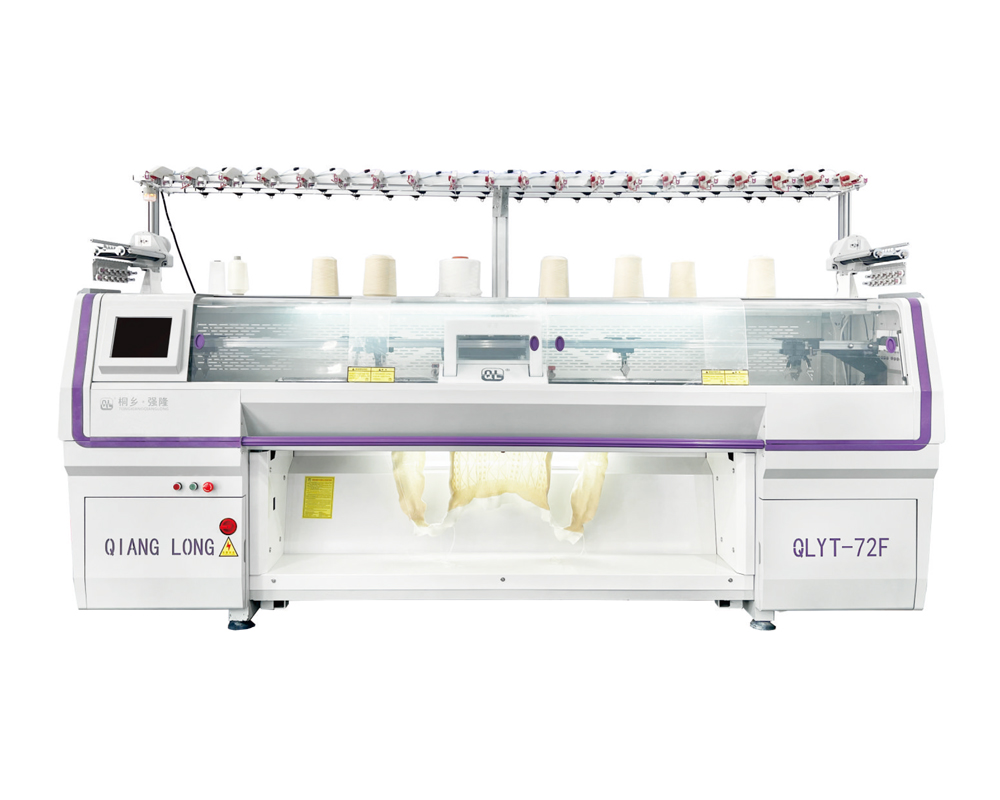
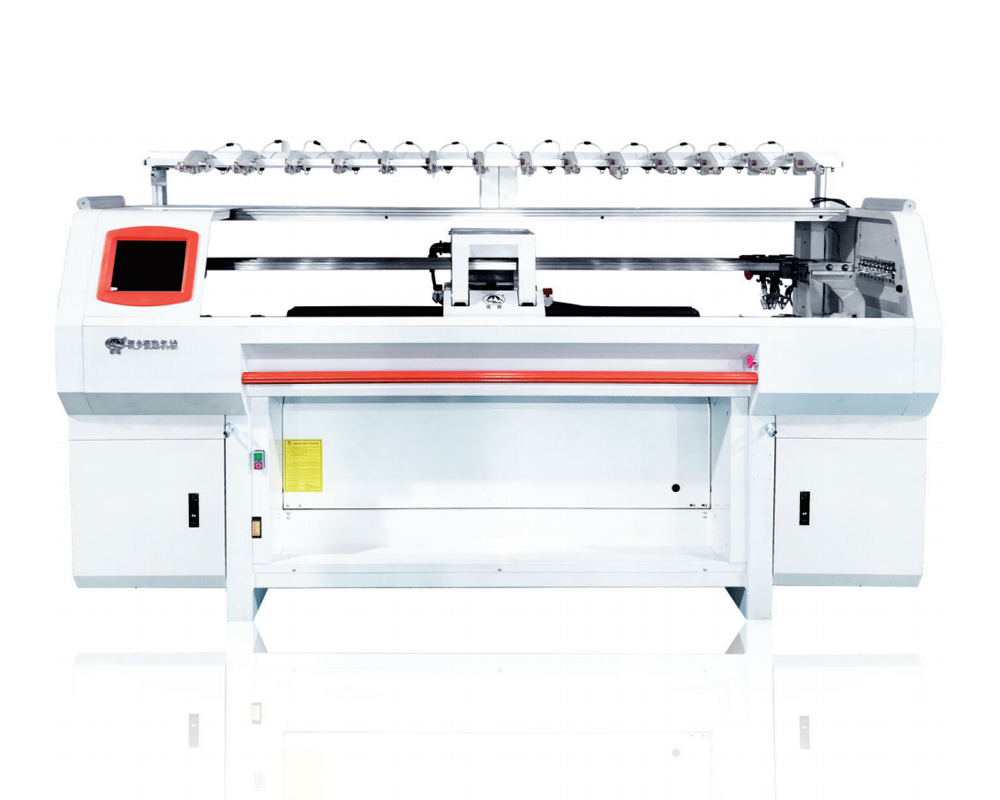
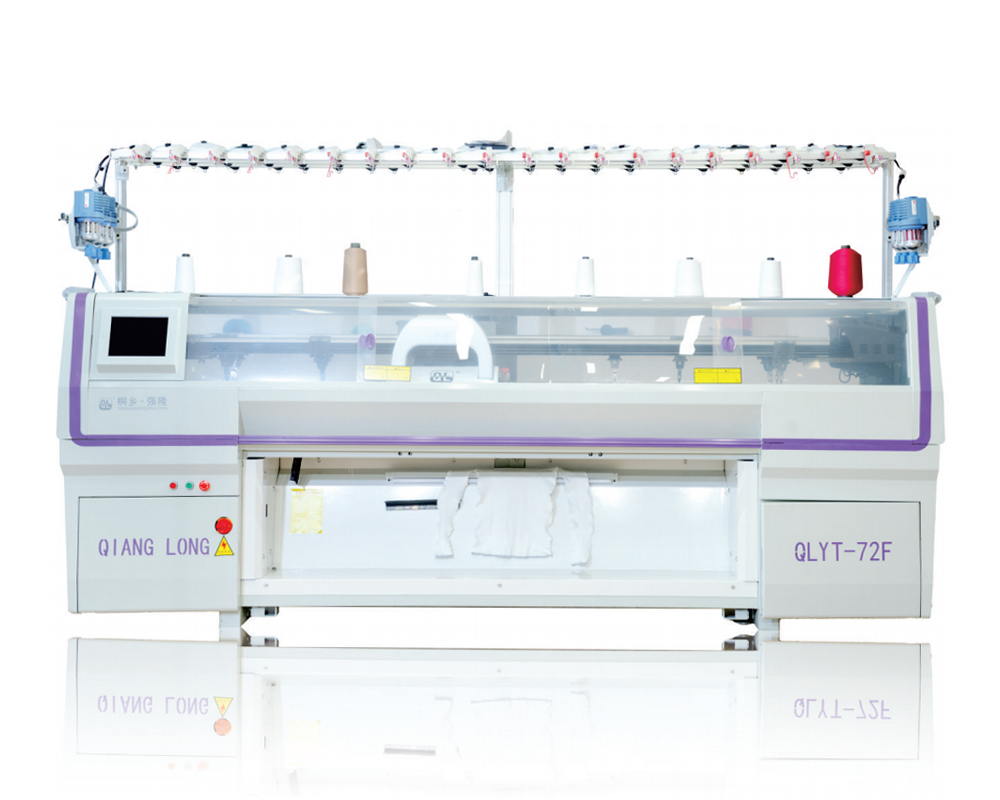
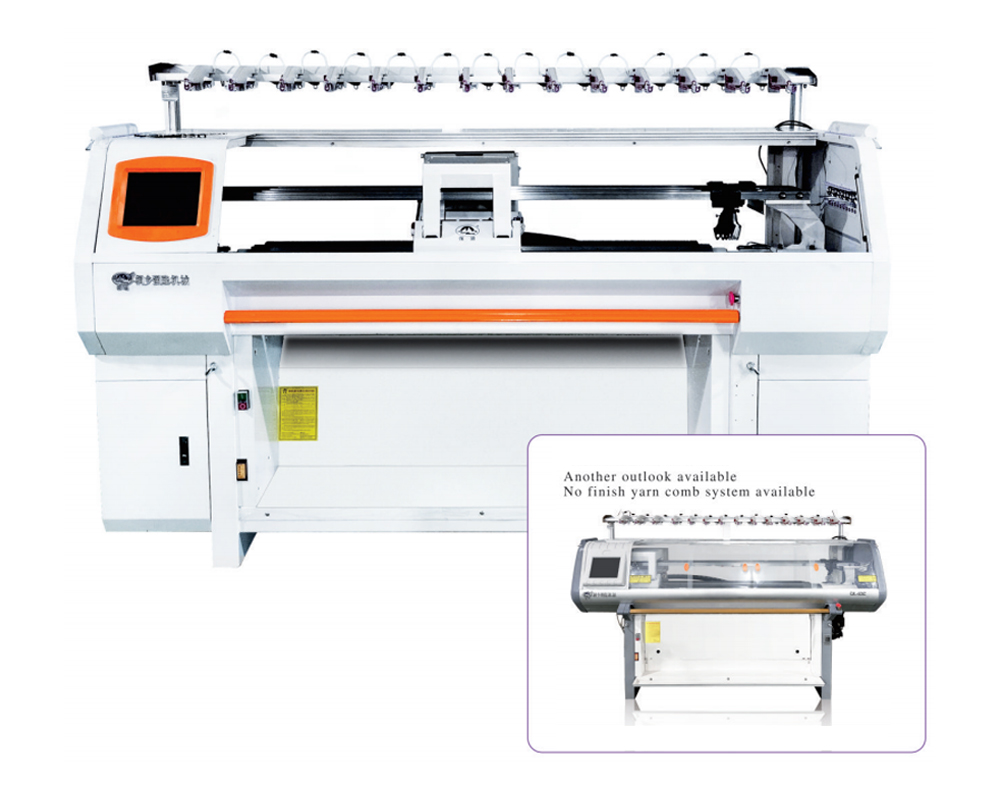
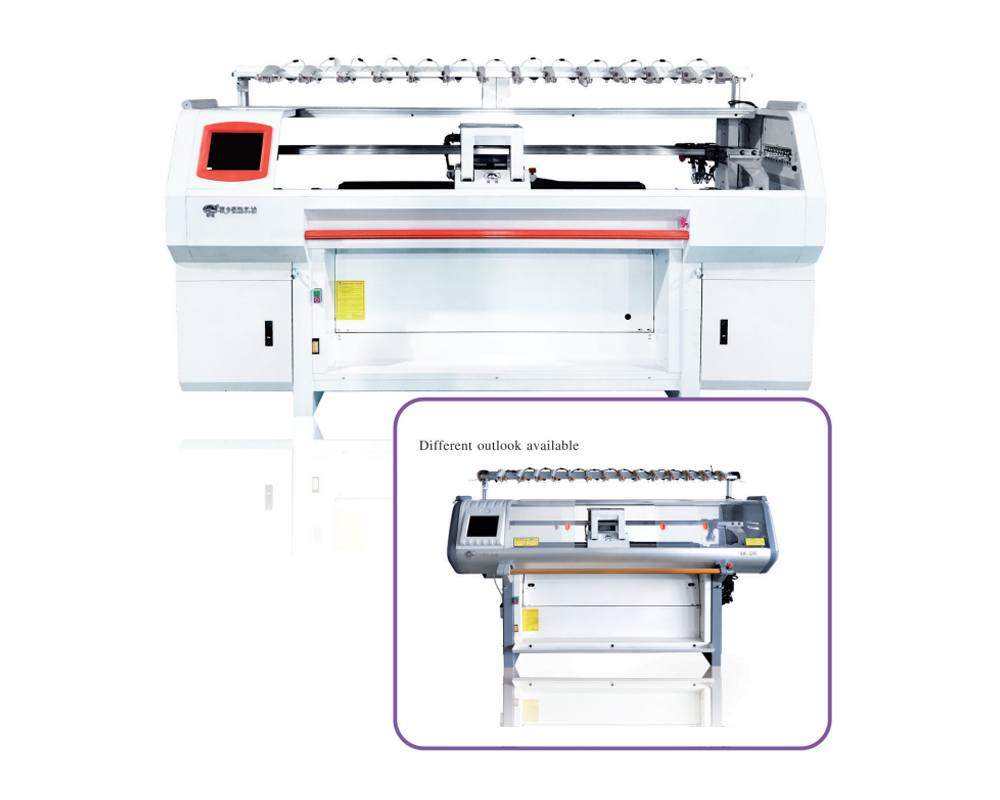
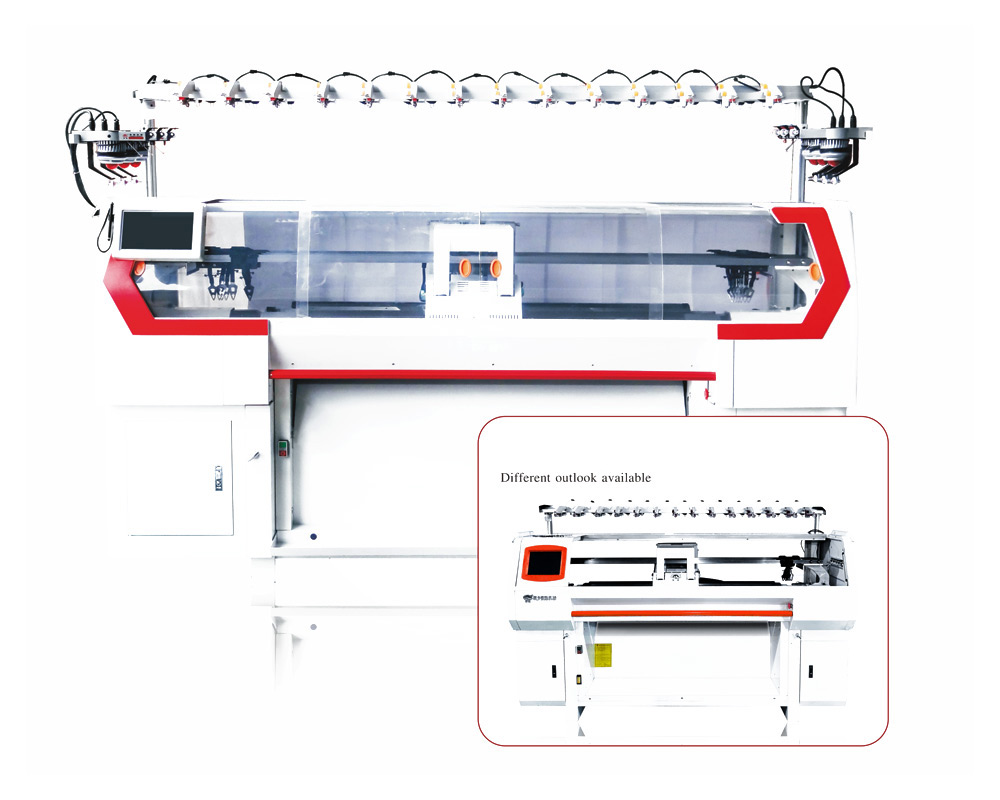

Tongxiang Qianglong Machinery Co., Ltd. is high-tech China wholesale computerized flat knitting machine manufacturers, specialized in designing, developing, and manufacturing Knitting Machinery..
Content
What a 3D Shoe Upper Knitting Machine Actually Does
A 3D shoe upper knitting machine produces a fully formed shoe upper directly from yarn, eliminating many of the cutting and sewing steps that traditional shoe manufacturing requires. Instead of assembling an upper from multiple fabric panels, the machine knits the entire structure in one continuous piece, shaping zones of varying density, stretch, and breathability as it works. This approach has become central to modern athletic and casual footwear production because it reduces material waste, shortens production time, and allows manufacturers to build performance features directly into the fabric rather than adding them afterward.
The technology relies on computerized flat knitting systems capable of reading digital patterns and translating them into precise stitch instructions. Needles selectively engage across different zones of the upper, creating variations such as a tighter knit around the heel for support and a looser, more open knit across the toe box for ventilation. This zone-based construction is one of the main reasons 3D knitted uppers have replaced older cut-and-sew methods in many performance shoe lines.
Key Components and How They Work Together
Understanding the main components of a 3D shoe upper knitting machine helps buyers evaluate quality and capability before purchasing. The needle bed determines how fine or coarse the knit can be, with higher needle counts generally producing finer, more detailed patterns suitable for lightweight athletic shoes. The yarn feeding system controls how multiple yarns, including elastic and structural fibers, are fed into the knitting zone simultaneously, which is essential for creating uppers with varying stretch and support in different areas.

The control system and software are equally important, since they translate digital shoe designs into machine instructions. Advanced systems allow manufacturers to adjust patterns quickly, test new designs virtually before production, and switch between shoe styles without lengthy retooling. This flexibility is one of the strongest advantages 3D knitting offers over molded or cut uppers, which typically require new tooling for each design change.
Core Machine Components
- Needle bed: determines knit fineness and detail
- Yarn feeding system: manages multiple yarn types and tension
- Control software: converts digital designs into stitch patterns
- Take-down system: manages fabric tension as the upper forms
Advantages Over Traditional Upper Construction
Manufacturers adopt 3D knitting technology largely because it addresses long-standing inefficiencies in traditional shoe production. Cut-and-sew methods generate significant fabric waste, since panels are cut from larger sheets and leftover material often cannot be reused. Knitting an upper in one piece minimizes this waste substantially, since the machine produces close to the exact amount of material needed for each shoe. This reduction in waste also lowers material costs over time, which matters for manufacturers producing at scale.
Labor requirements also shift significantly with 3D knitting. Traditional uppers require cutting, stitching, and often multiple quality checks across separate production stages, each requiring skilled labor. A knitting machine consolidates much of this into a single automated process, reducing the number of manual steps and the associated labor costs. Production speed improves as well, since a single knitting cycle can produce a complete upper in a matter of minutes once the machine is properly set up and calibrated for a given design.
Traditional vs 3D Knitted Upper Production
| Factor | Cut-and-Sew | 3D Knitted |
| Material Waste | Higher | Lower |
| Production Steps | Multiple stages | Largely consolidated |
| Design Flexibility | Limited by tooling | Adjustable via software |
What to Evaluate Before Purchasing a Machine
Buyers considering an investment in 3D shoe upper knitting equipment should look closely at needle gauge range, since this determines what range of shoe styles the machine can realistically produce. A machine limited to a narrow gauge range may struggle to switch between delicate athletic uppers and heavier casual designs. Compatibility with existing design software is another practical consideration, since retraining staff on an entirely new design pipeline adds time and cost during the transition period.
Maintenance requirements and available technical support should also factor into any purchasing decision. These machines involve precise mechanical components that require regular calibration, and downtime for repairs can be costly for manufacturers running continuous production schedules. Requesting information on average maintenance intervals, availability of replacement parts, and the supplier's technical support response time can prevent unexpected production delays after installation.
Key Purchasing Considerations
- Needle gauge range and compatible shoe styles
- Software compatibility with existing design workflows
- Availability of replacement parts and local technical support
- Training requirements for operating and maintenance staff
- Energy consumption and floor space requirements
Where This Technology Is Headed
As footwear brands continue prioritizing sustainability and faster product cycles, 3D knitting technology is likely to expand further into categories beyond athletic shoes, including casual and even some formal footwear lines. Improvements in yarn technology, including recycled and biodegradable fibers, are increasingly being paired with knitting machines to produce uppers that align with broader environmental goals in the industry. Manufacturers who invest in understanding both the mechanical and software sides of this equipment position themselves to adapt more easily as design trends and material options continue to evolve.
