
 English
 简体中文
简体中文
 Chinese
 English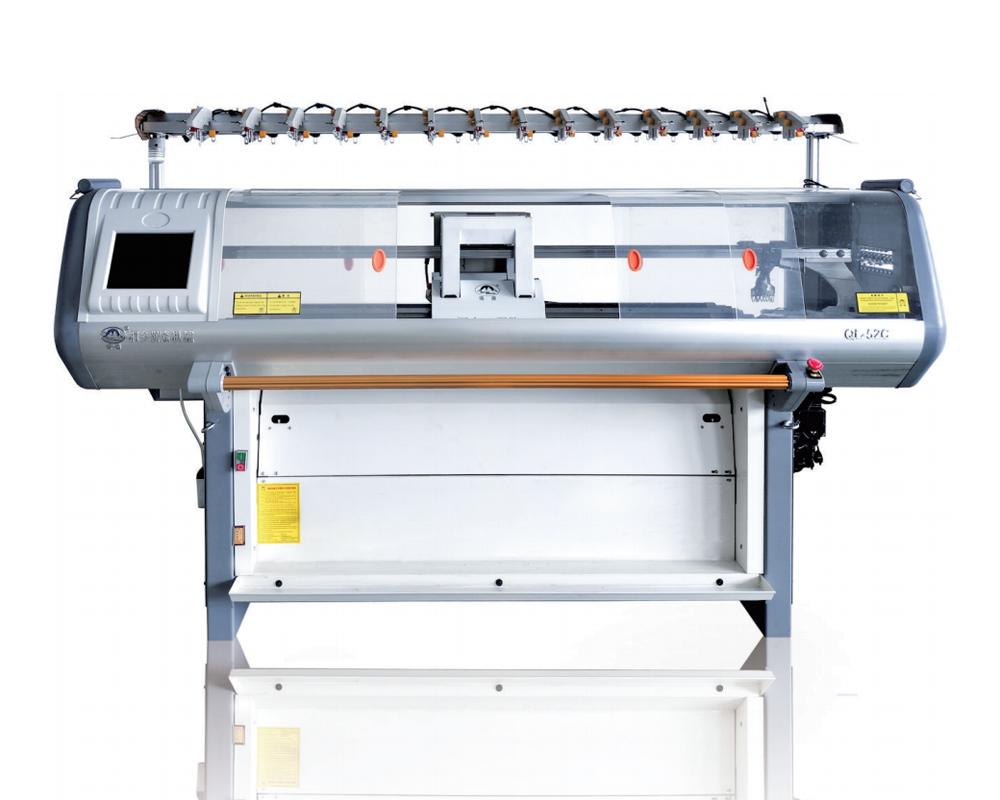
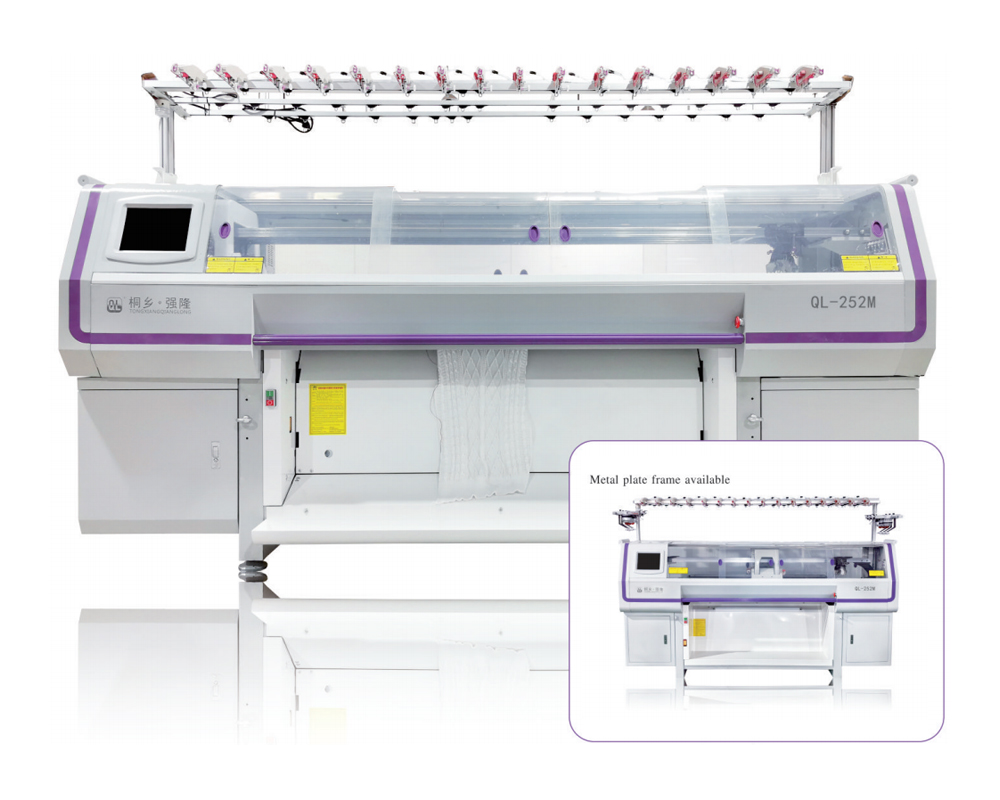
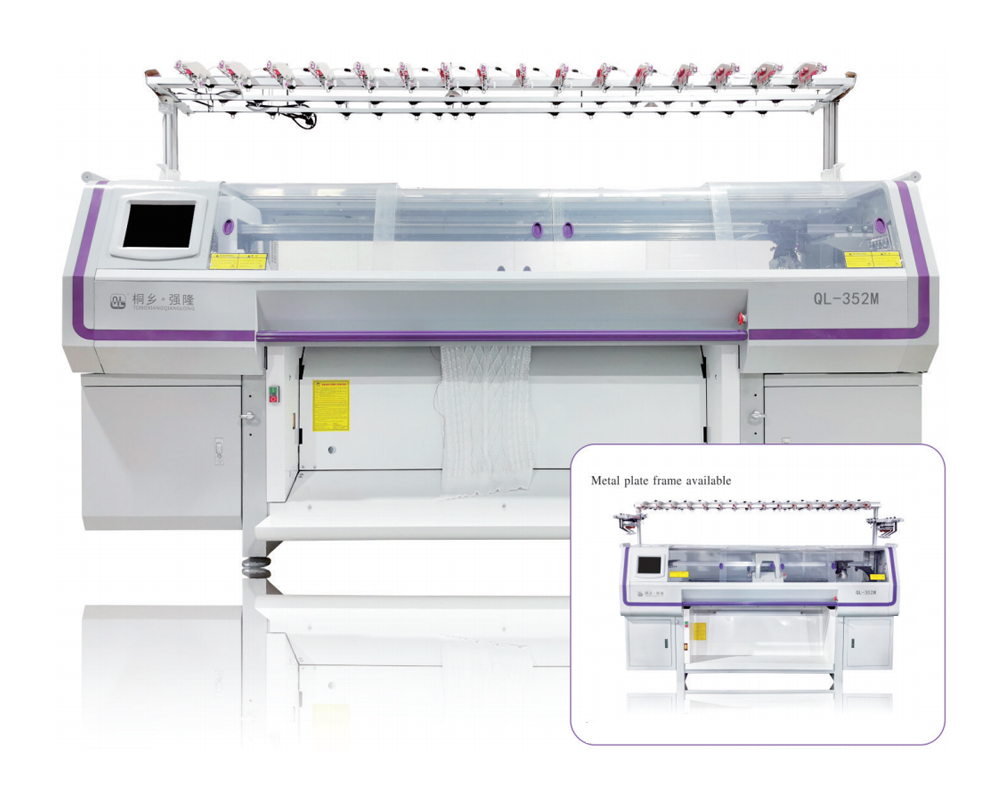
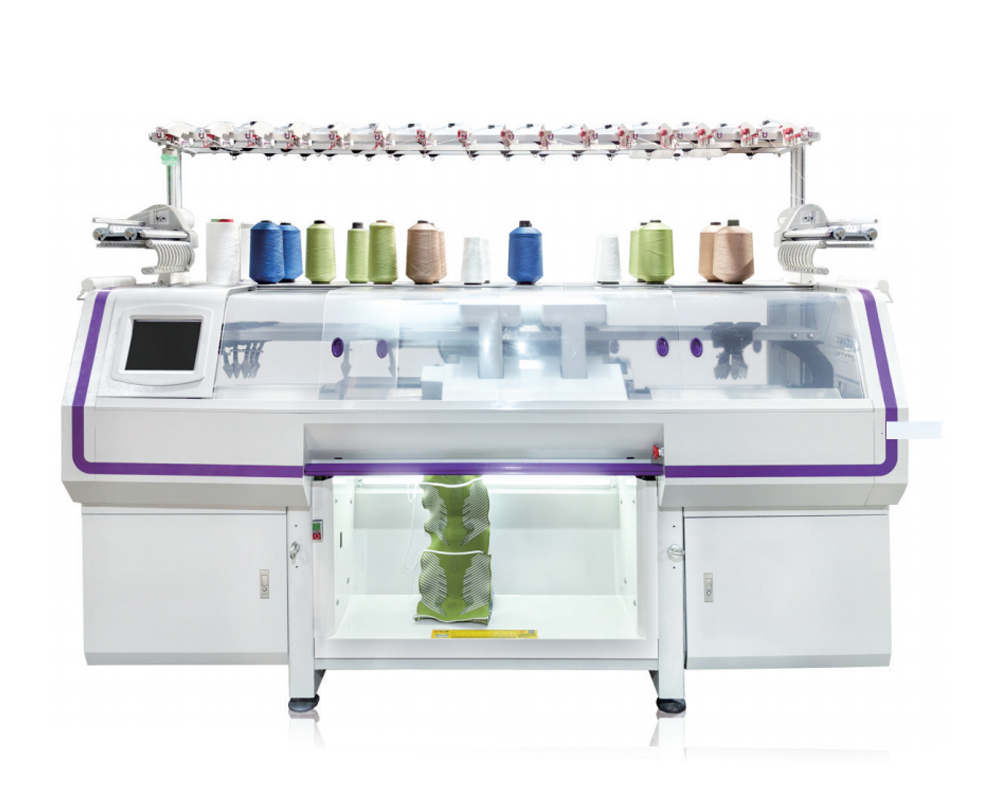
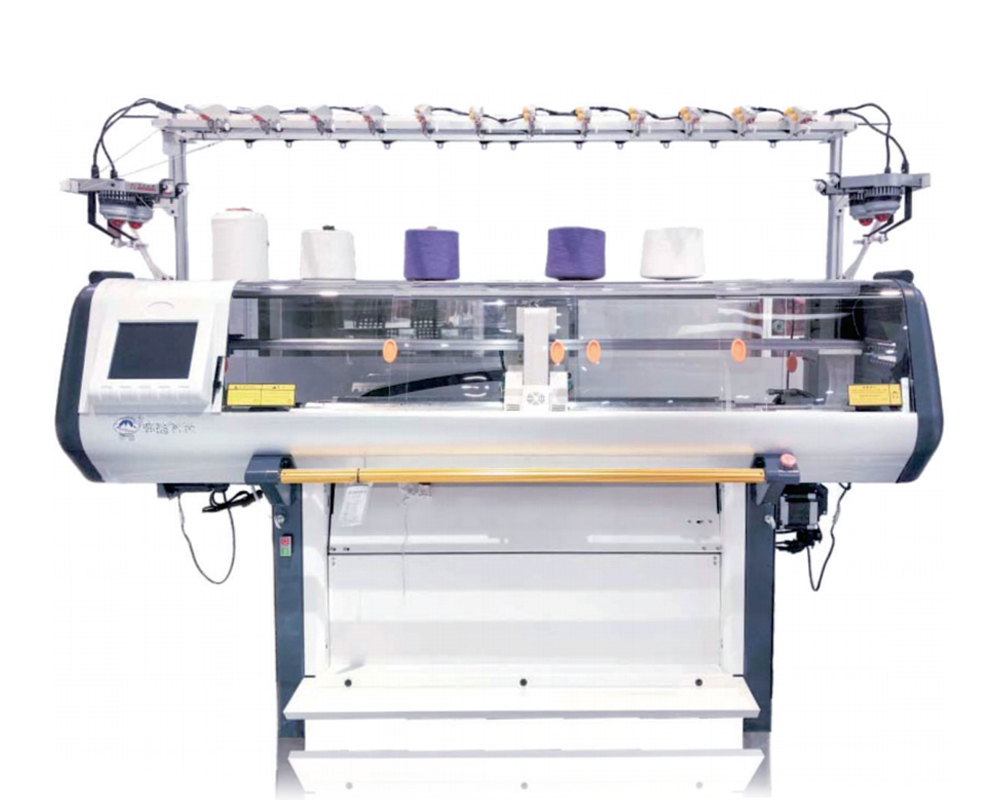
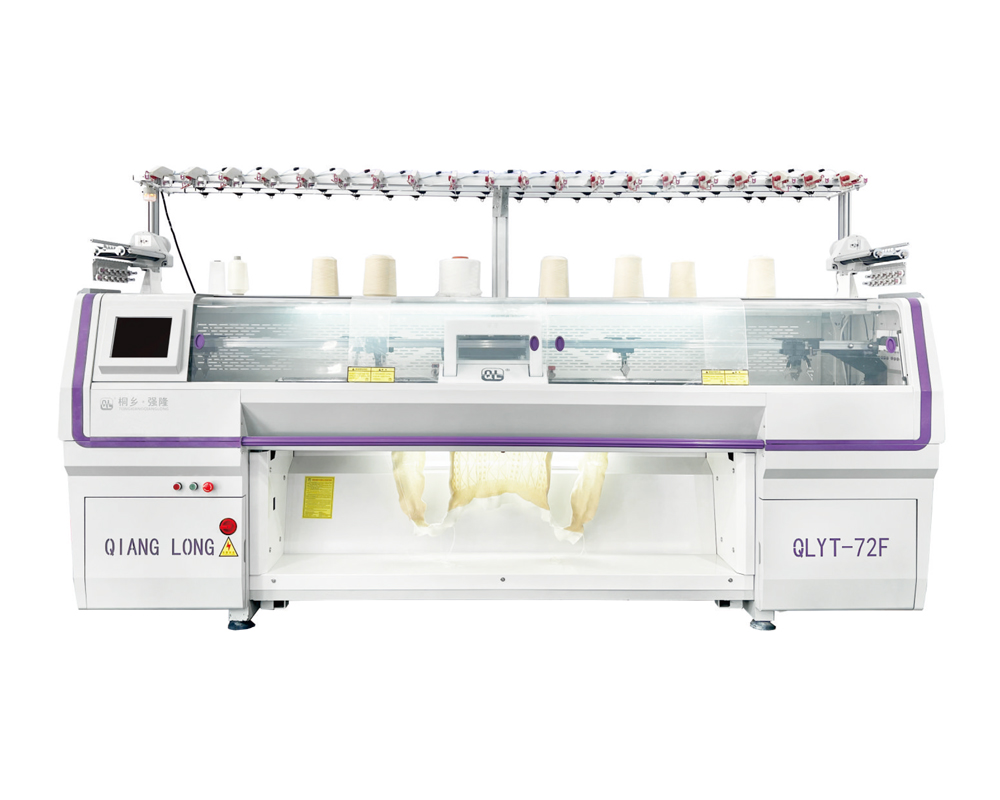
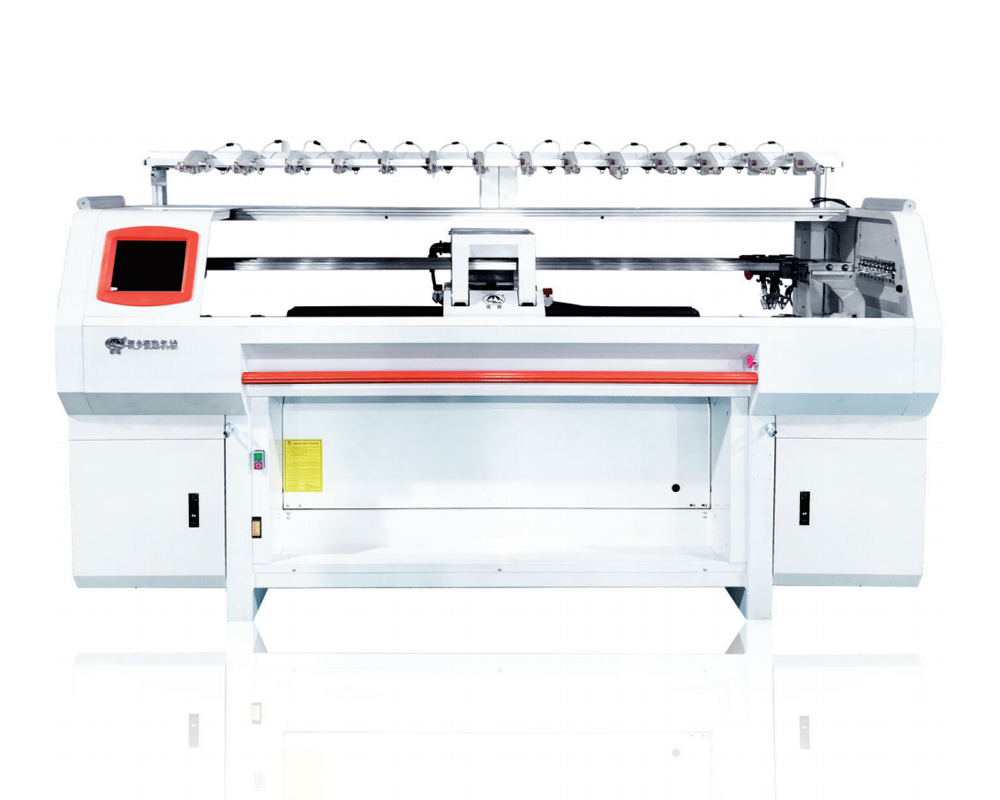
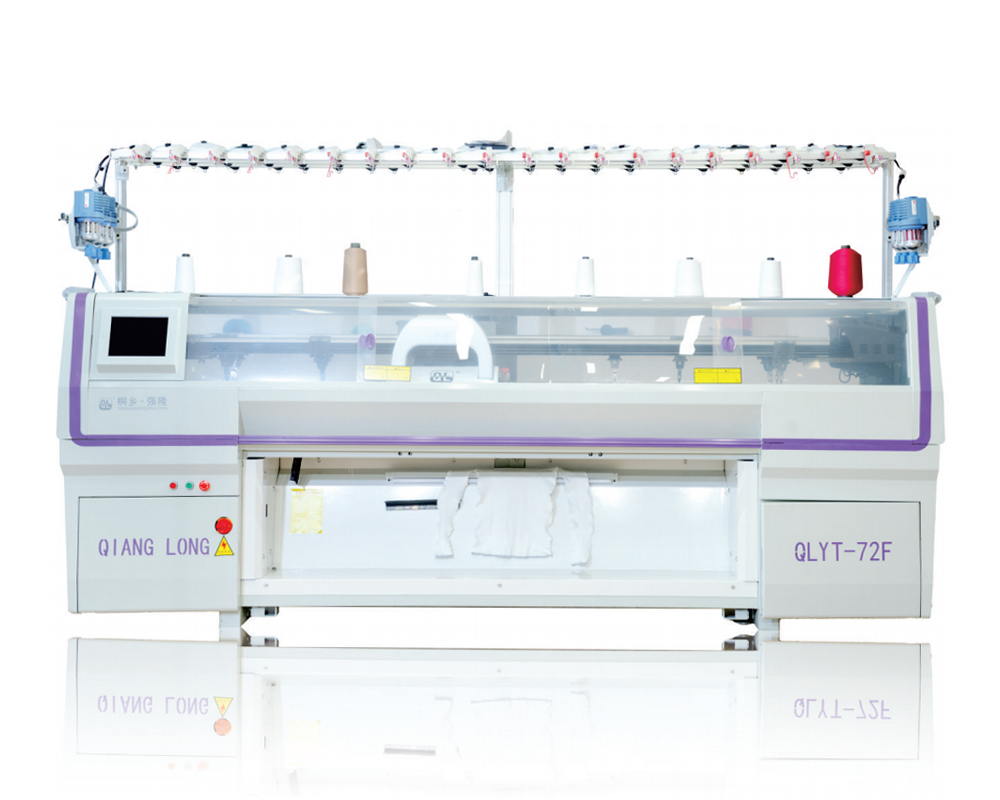
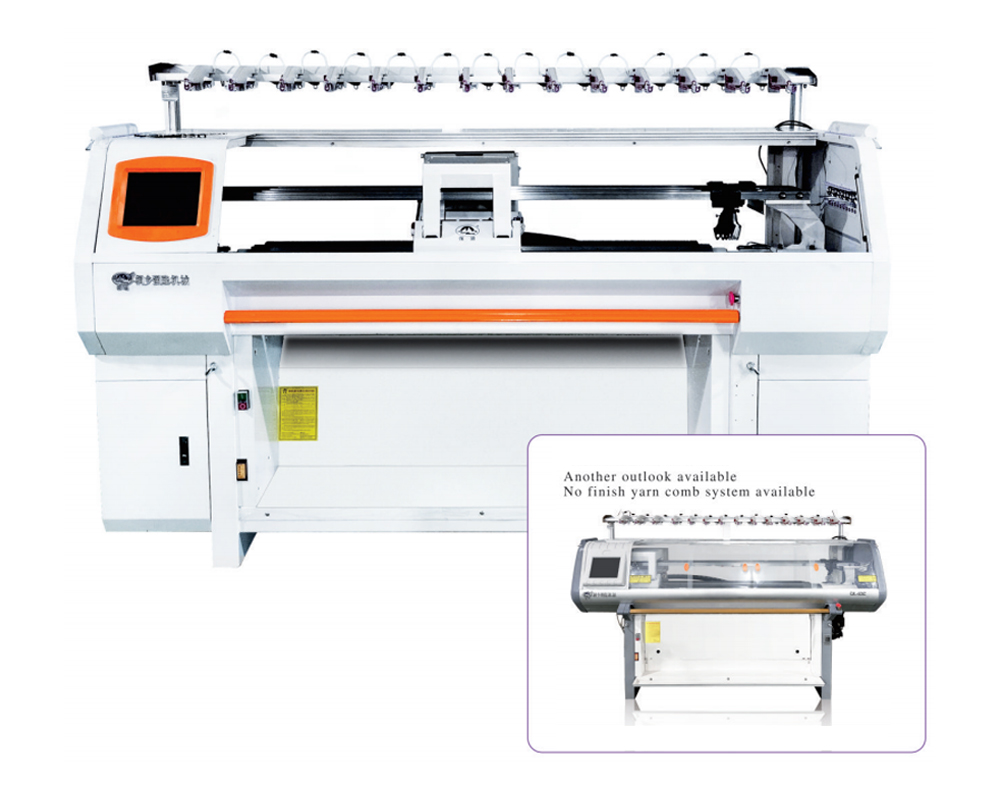
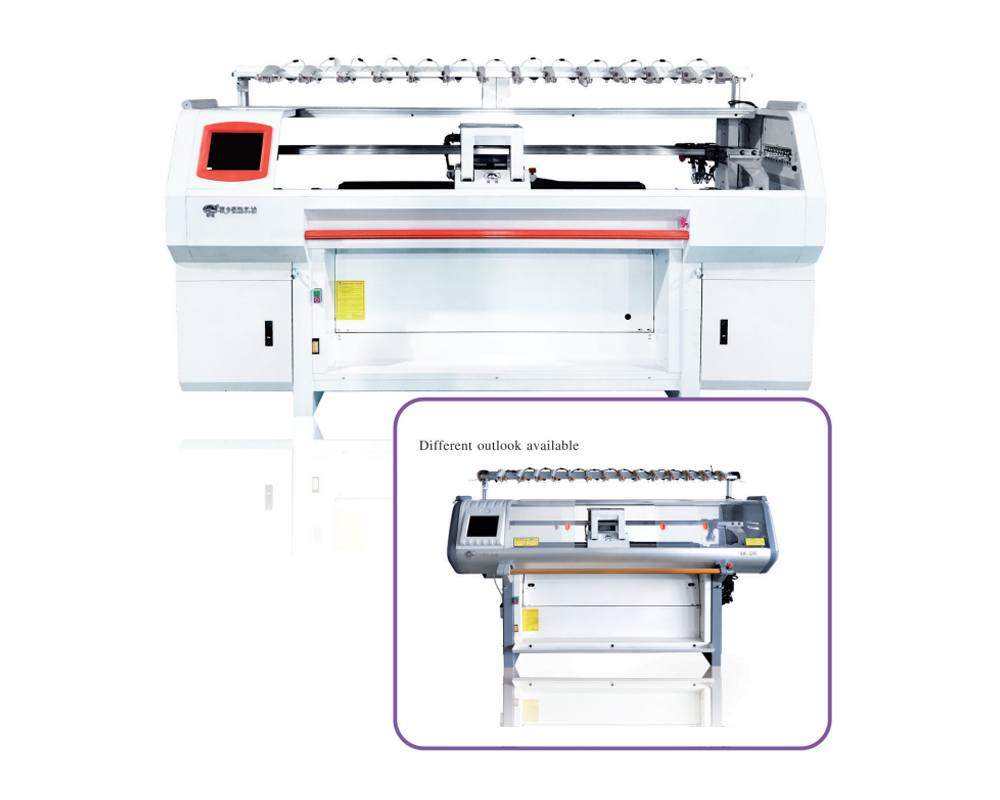
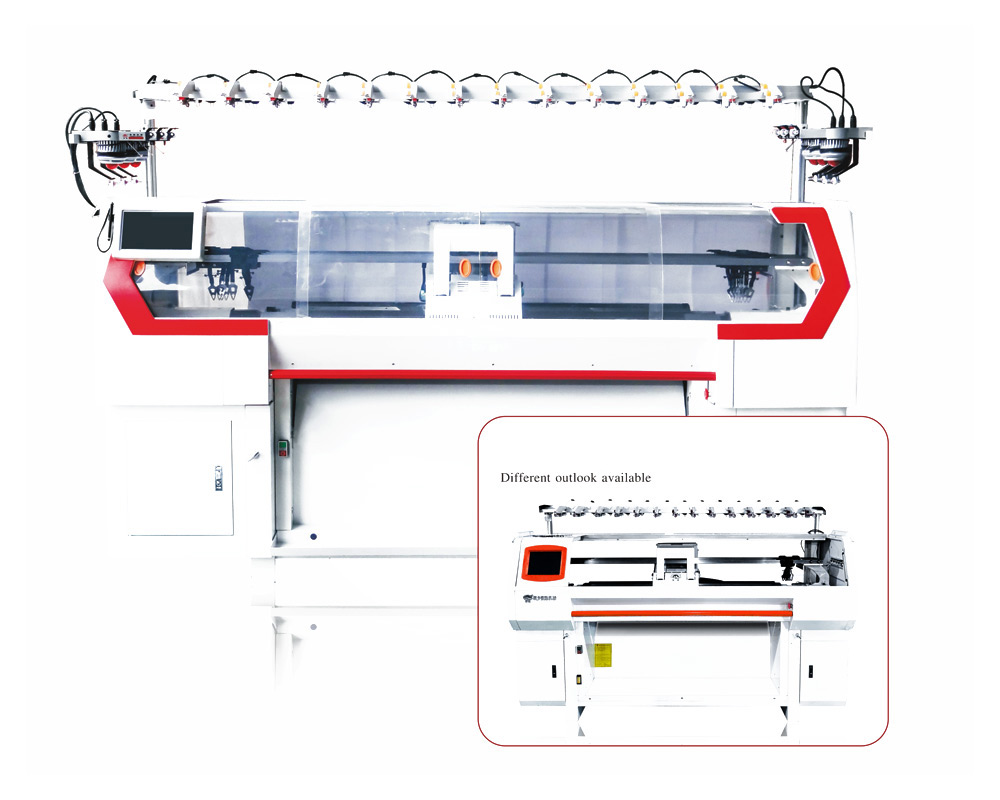

Tongxiang Qianglong Machinery Co., Ltd. is high-tech China wholesale computerized flat knitting machine manufacturers, specialized in designing, developing, and manufacturing Knitting Machinery..
Content
- 1 What is a 3D Shoe Upper Knitting Machine?
- 2 How Does 3D Knitting Improve Production Efficiency?
- 3 How Does 3D Knitting Reduce Material Waste?
- 4 What Types of Yarn and Materials Are Used?
- 5 How Does 3D Knitting Enhance Design Flexibility?
- 6 What Are the Environmental Benefits?
- 7 What Are the Challenges and Considerations?
- 8 Conclusion
What is a 3D Shoe Upper Knitting Machine?
A 3D shoe upper knitting machine is an advanced textile manufacturing device that produces seamless, three-dimensional shoe uppers directly from yarn. Unlike traditional methods, which rely on cutting, stitching, and assembling multiple pieces of fabric, a 3D knitting machine creates a single-piece upper with minimal manual intervention. This technology is widely used in athletic footwear, casual shoes, and innovative fashion footwear due to its precision, flexibility, and efficiency in mass production.
How Does 3D Knitting Improve Production Efficiency?
Efficiency is one of the primary reasons brands and manufacturers adopt 3D knitting technology. Traditional shoe upper production involves cutting multiple fabric pieces, sewing them together, and ensuring precise alignment. Each step requires manual labor, quality checks, and time, which can slow down production and increase costs.
Reduction of Manual Labor
3D knitting machines automate the creation of shoe uppers from start to finish. Once the design is programmed into the machine, it knits the entire upper without the need for cutting or sewing. This reduces the number of workers required on the production line and minimizes human error, leading to more consistent and faster output.
Faster Turnaround Time
Traditional upper assembly can take hours per pair, depending on complexity and manual labor availability. With 3D knitting, a single machine can produce multiple pairs per shift with uniform quality, significantly shortening production cycles. This speed enables manufacturers to respond quickly to market demands and reduce lead times for new designs.

How Does 3D Knitting Reduce Material Waste?
Material efficiency is another major advantage of 3D shoe upper knitting. Conventional cutting and sewing methods result in substantial fabric scraps that cannot be reused. In contrast, 3D knitting produces a seamless upper in the exact shape required, minimizing offcuts and waste.
Precision Yarn Placement
3D knitting machines use computer-controlled needle systems to place yarn precisely where it is needed. This precision eliminates excess material usage and ensures consistent thickness and stretch properties across the upper. As a result, fewer raw materials are consumed, reducing cost and environmental impact.
Optimized Design and Patterns
Design software integrated with 3D knitting machines allows engineers to simulate and optimize patterns before production. This ensures that each upper uses the minimal necessary yarn while maintaining structural integrity and aesthetic appeal. Manufacturers can experiment with complex designs without wasting material on trial-and-error.
What Types of Yarn and Materials Are Used?
The choice of yarn significantly affects the performance, comfort, and durability of 3D knitted shoe uppers. Various types of synthetic and natural yarns can be used depending on the desired properties.
- Polyester and nylon yarns — Provide high strength, elasticity, and abrasion resistance, suitable for athletic footwear.
- Spandex blends — Add stretch and conformability for a snug, comfortable fit.
- Recycled yarns — Enable sustainable footwear production by reusing materials without compromising performance.
How Does 3D Knitting Enhance Design Flexibility?
3D knitting technology allows designers to create complex patterns, textures, and structural features that are difficult or impossible to achieve with traditional methods. Features such as ventilation zones, reinforced areas, and gradient elasticity can be programmed directly into the knitting process.
Seamless Integration of Functional Zones
With 3D knitting, manufacturers can create zones with varying density, thickness, or stretch in a single piece. For example, a shoe upper can have reinforced sections for durability, stretchable areas for comfort, and ventilated zones for breathability, all without sewing multiple parts together.
Rapid Prototyping
Designers can quickly test new patterns and textures using the machine's software, reducing the time from concept to production. Adjustments can be made digitally, eliminating the need for physical prototypes and further minimizing material waste.
What Are the Environmental Benefits?
Reducing material waste and optimizing production processes makes 3D knitting more sustainable than traditional shoe manufacturing methods.
- Less fabric waste — Seamless production means fewer scraps to discard.
- Lower energy consumption — Fewer manual steps and reduced machinery operation time save energy.
- Support for recycled materials — Enables integration of recycled yarns, reducing environmental footprint.
What Are the Challenges and Considerations?
While 3D knitting machines offer significant advantages, manufacturers must consider certain challenges before adoption.
- High initial investment — Advanced machines require substantial capital expenditure.
- Technical training — Operators and designers need specialized skills to program and manage the machines.
- Machine maintenance — Regular servicing is essential to ensure consistent performance and prevent downtime.
- Yarn compatibility — Not all yarns are suitable for 3D knitting; material selection affects machine performance and product quality.
Conclusion
3D shoe upper knitting machines transform the footwear manufacturing process by increasing production efficiency, reducing material waste, and enabling innovative design features. By combining automation, precision yarn placement, and seamless construction, these machines offer both economic and environmental benefits. Manufacturers adopting 3D knitting technology can respond faster to market trends, reduce production costs, and create sustainable, high-performance footwear that meets consumer expectations. Careful material selection, operator training, and machine maintenance are key to maximizing the advantages of this advanced technology.
