
 English
 简体中文
简体中文
 Chinese
 English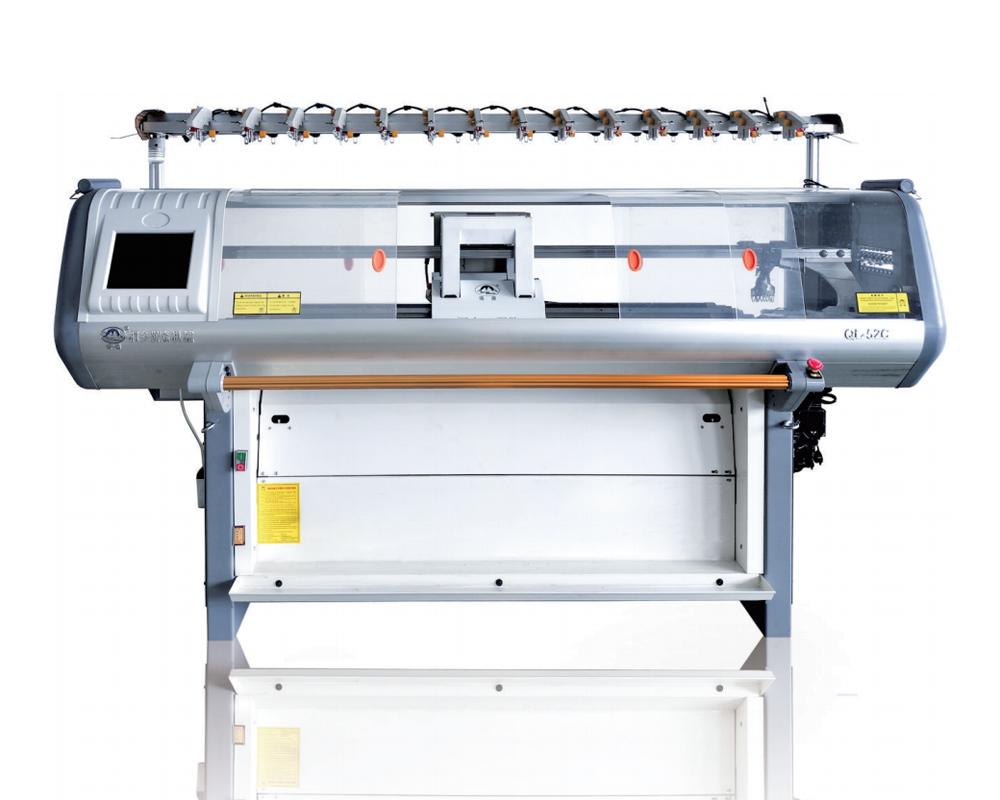
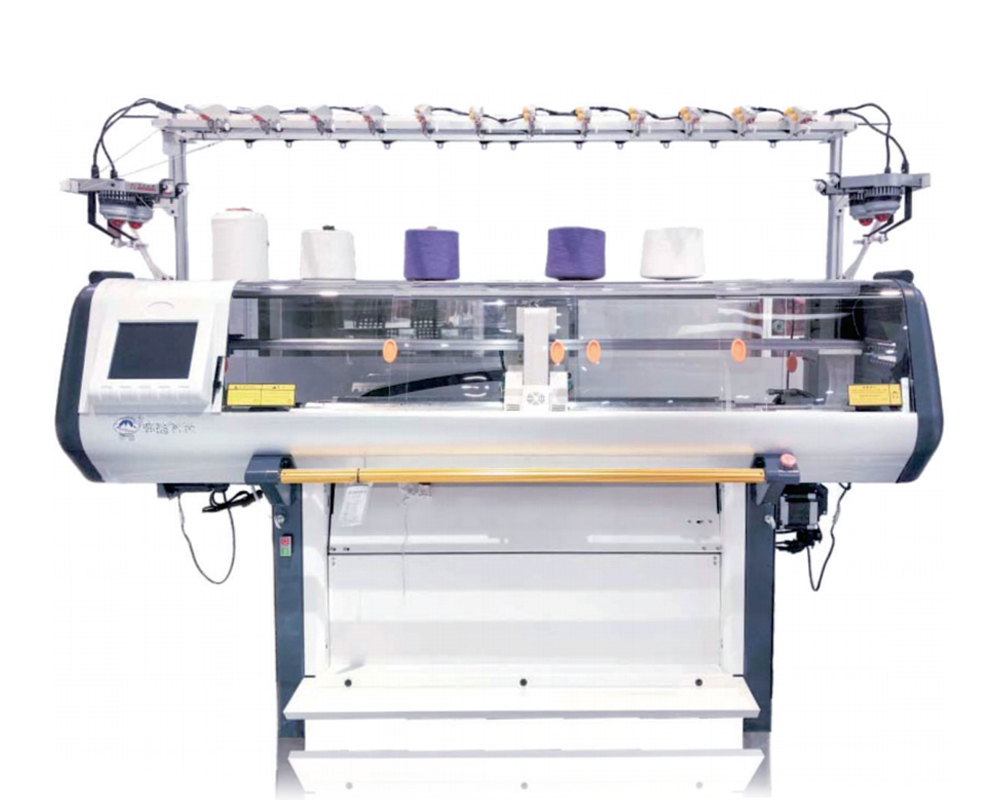
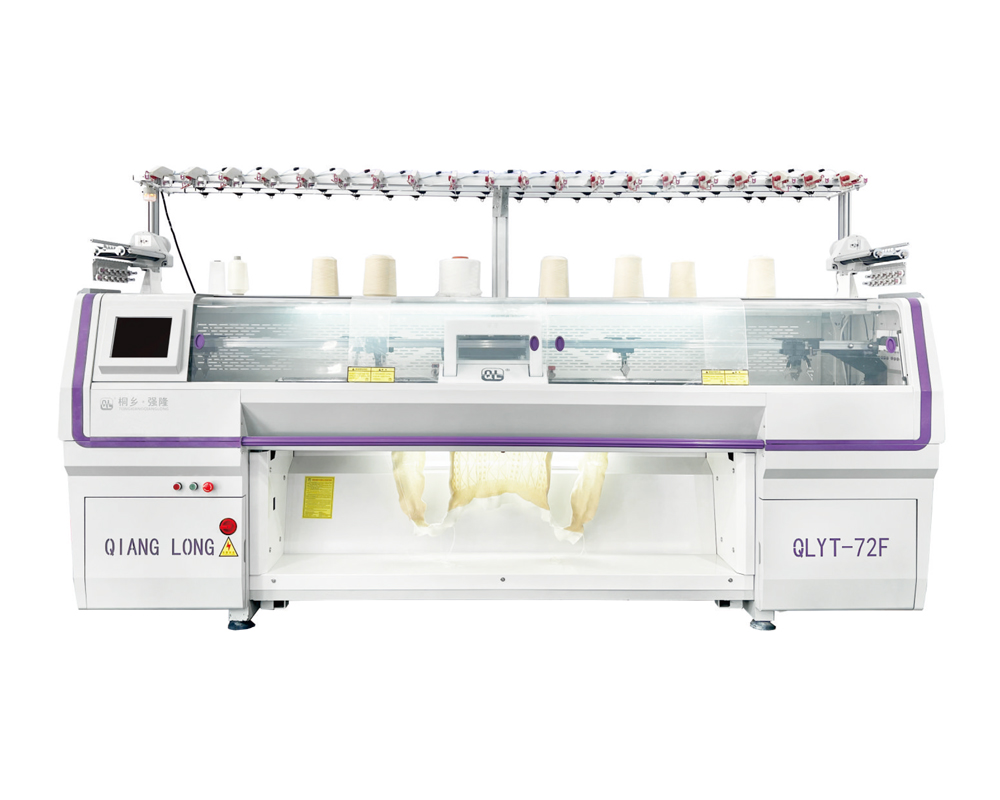
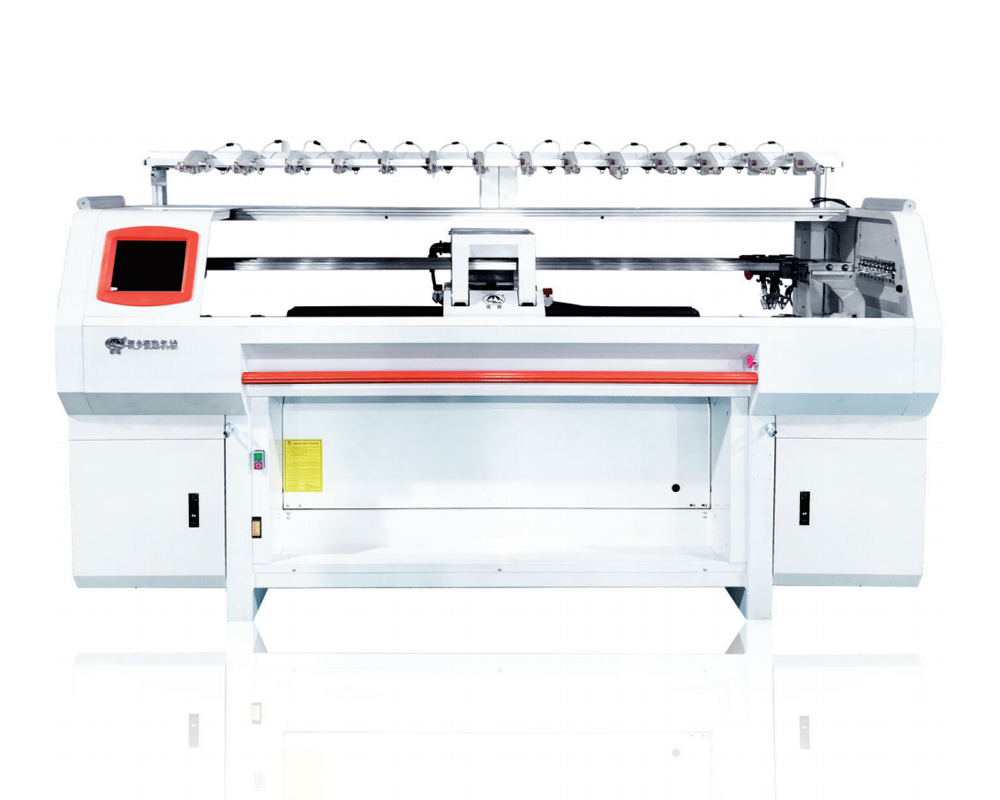
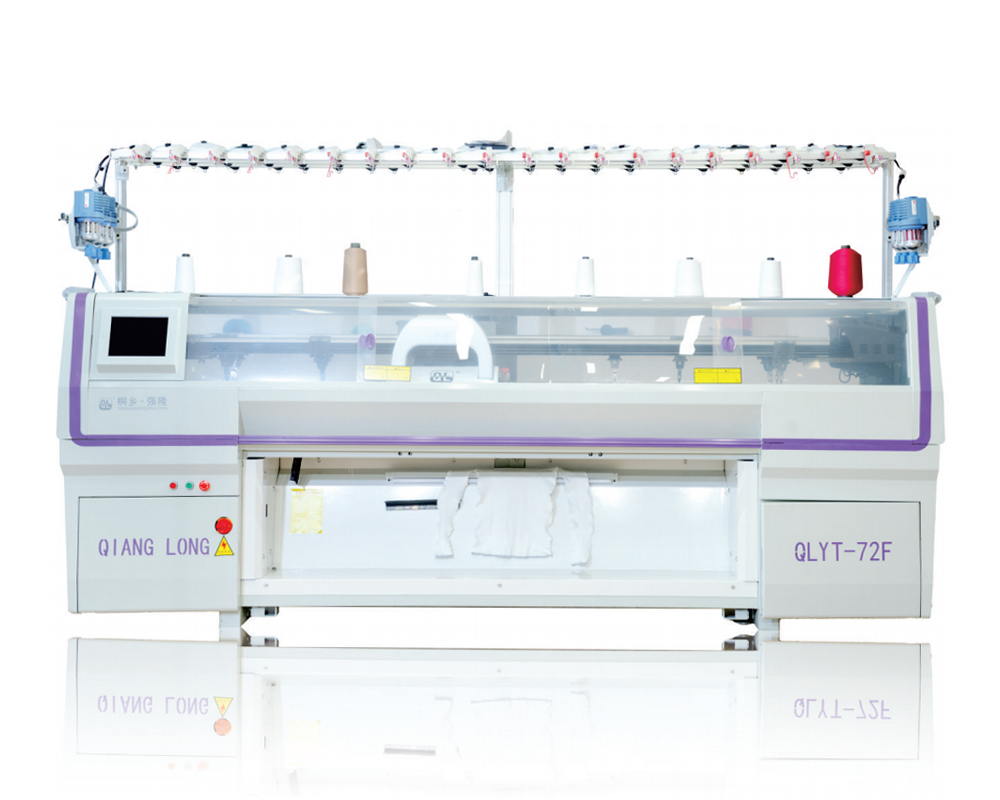
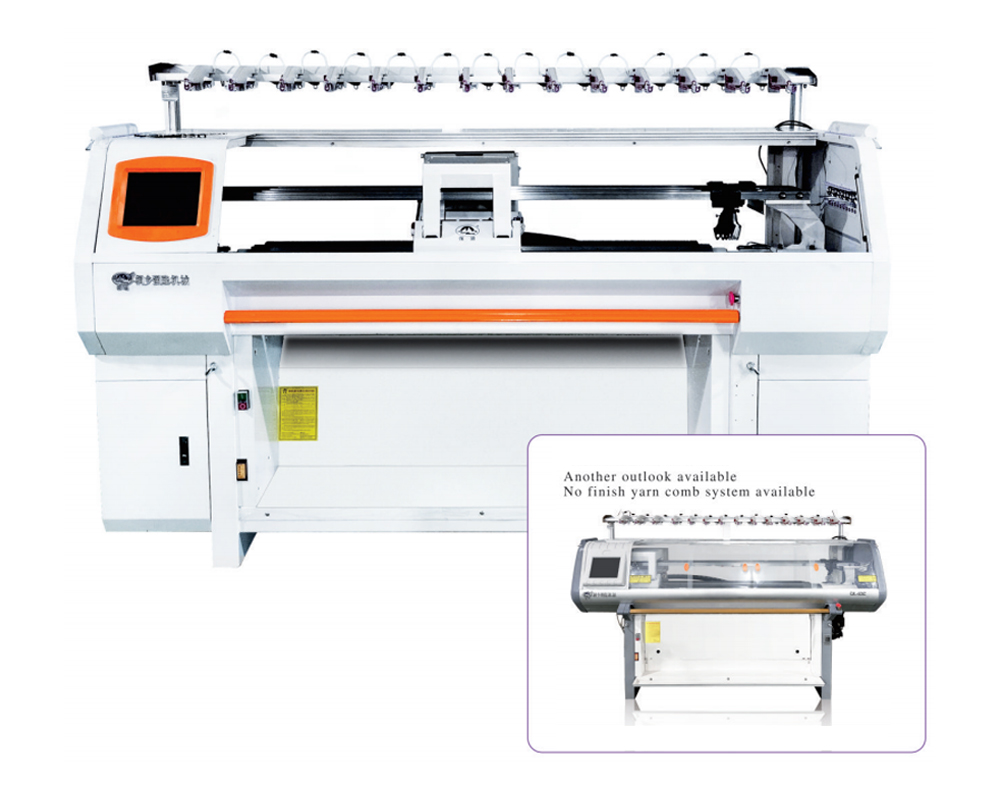
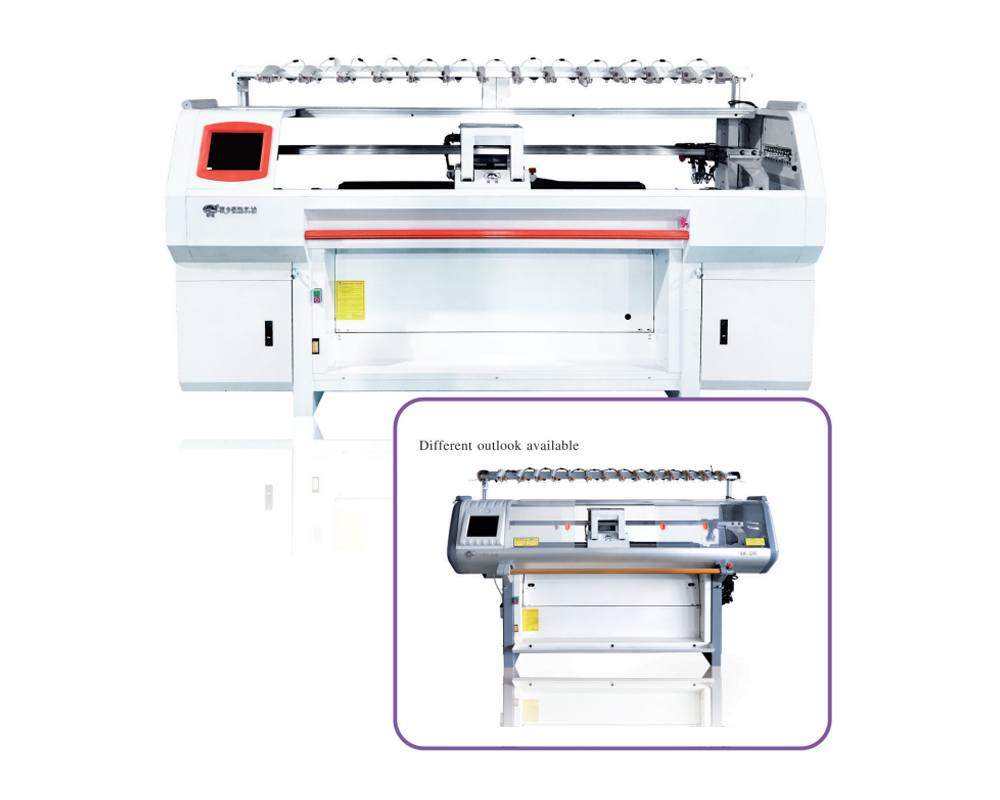
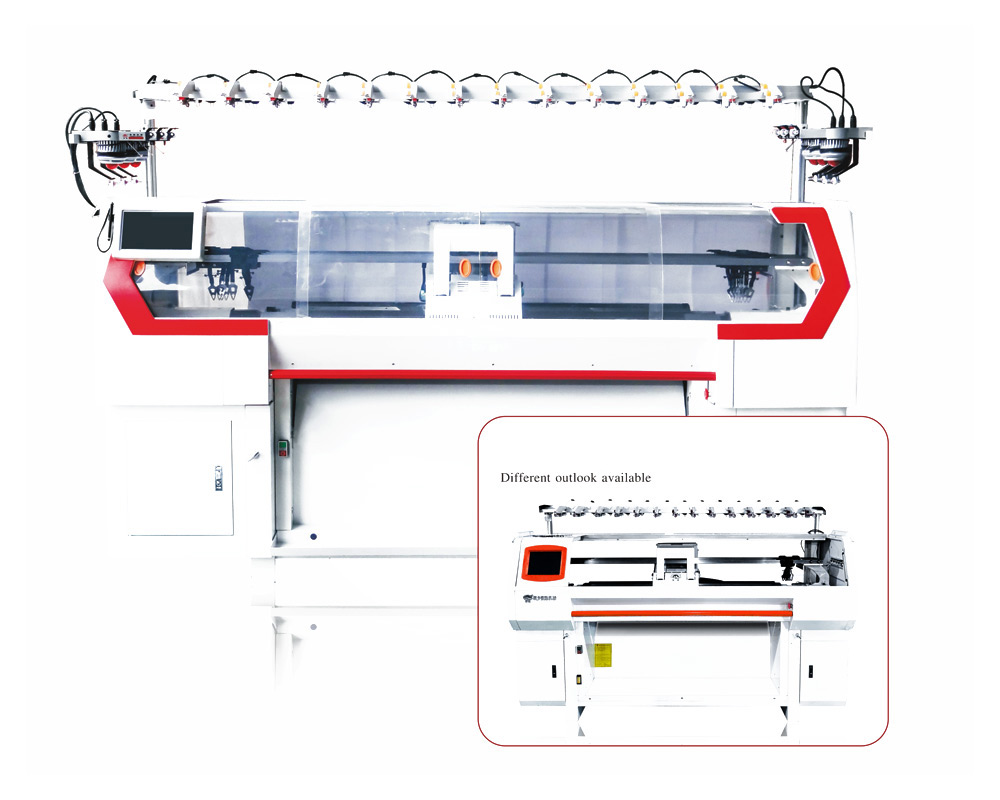

Tongxiang Qianglong Machinery Co., Ltd. is high-tech China wholesale computerized flat knitting machine manufacturers, specialized in designing, developing, and manufacturing Knitting Machinery..
Content
- 1 What Is a 3D Shoe Upper Knitting Machine
- 2 How a 3D Shoe Upper Knitting Machine Works
- 3 Key Technical Features to Understand Before Buying
- 4 Comparing Leading Machine Types and Brands
- 5 Production Advantages Over Traditional Footwear Manufacturing
- 6 Compatible Yarn Types and Their Impact on Upper Performance
- 7 What to Evaluate When Purchasing a 3D Shoe Upper Knitting Machine
What Is a 3D Shoe Upper Knitting Machine
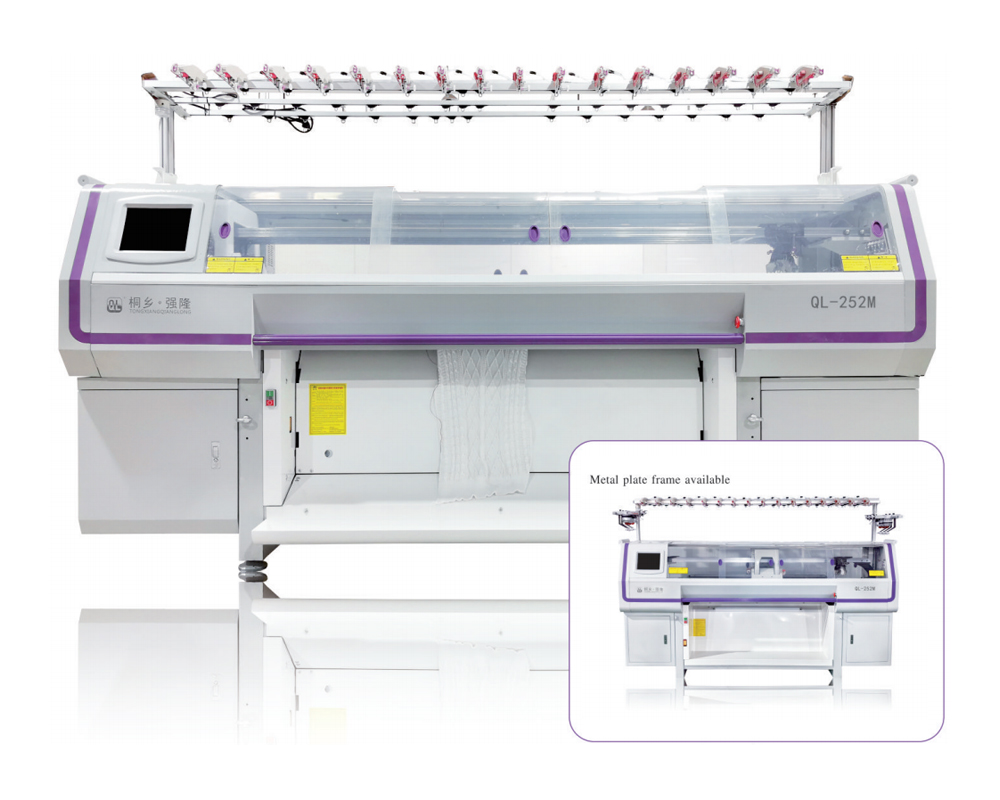
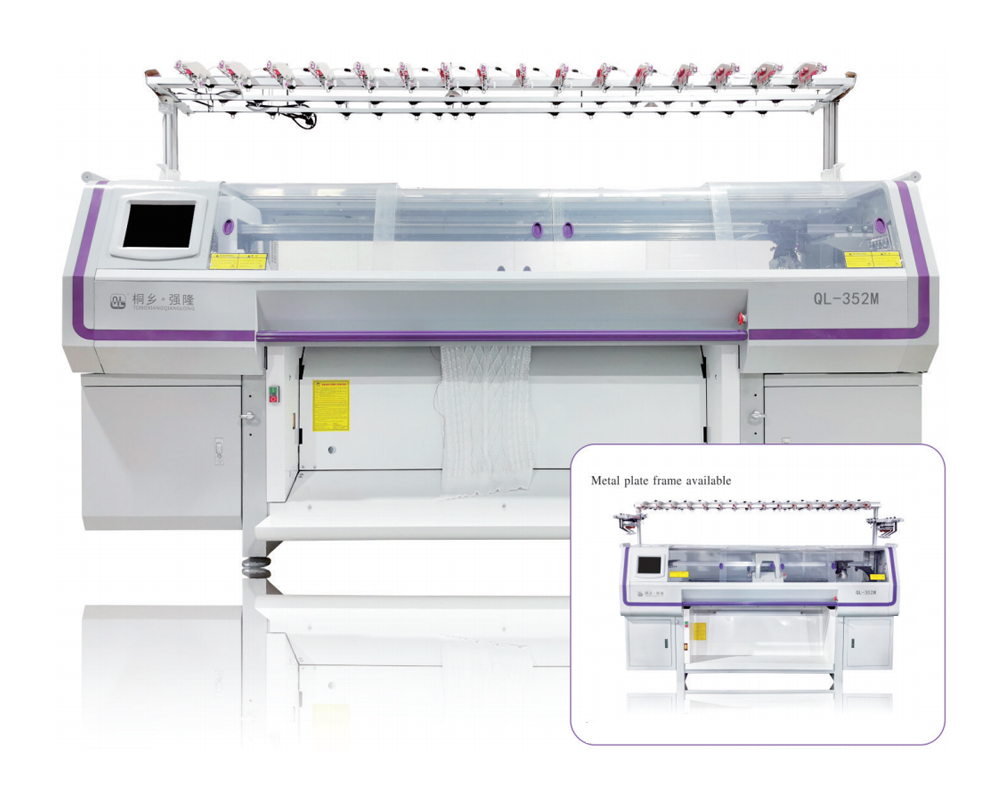
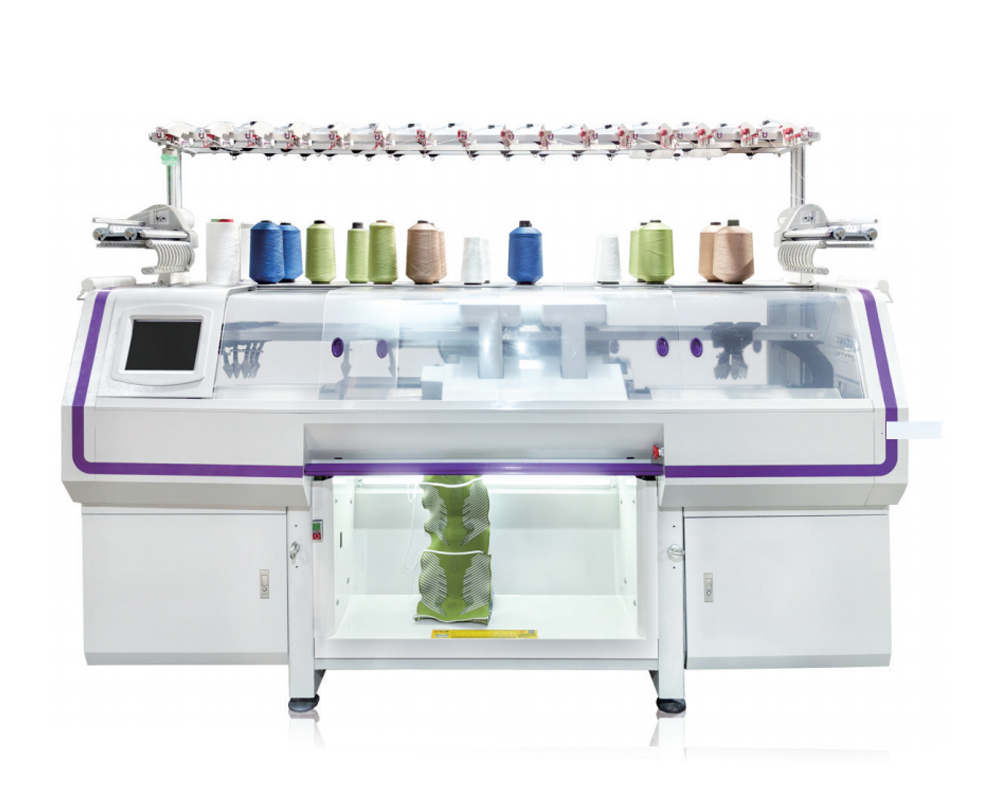
A 3D shoe upper knitting machine is a specialized computerized flat knitting system designed to produce seamless or near-seamless shoe uppers in a single, continuous knitting process. Unlike traditional footwear manufacturing — which involves cutting fabric panels, stitching them together, and assembling multiple components — a 3D knitting machine builds the entire upper directly from yarn, layer by layer, following a digitally programmed pattern. The result is a precisely shaped, three-dimensional textile structure that conforms to the geometry of a shoe last with minimal post-processing required.
This technology gained global recognition when major athletic brands began releasing knitted shoe uppers that offered a sock-like fit, reduced weight, and a dramatically simplified construction process. Since then, 3D shoe upper knitting machines have moved from high-end sportswear labs into mainstream footwear manufacturing, with machines now available across a wide range of price points and technical specifications. Understanding how these machines work and what differentiates them is essential for any footwear manufacturer evaluating modern production methods.
How a 3D Shoe Upper Knitting Machine Works
At its core, a 3D shoe upper knitting machine operates on the same fundamental principle as a computerized flat knitting machine: two needle beds face each other at an angle, and yarn carriers move back and forth across the beds, forming loops that interlock to build a fabric structure. What distinguishes shoe upper machines from standard flat knitting systems is the level of control they offer over stitch density, yarn selection, fabric thickness, and three-dimensional shaping — all programmable at the individual stitch level.
The process begins with a digital design file, typically created in proprietary design software provided by the machine manufacturer. This file encodes every aspect of the knitting program: the placement of different yarn types, the stitch structure in each zone, the shaping instructions that create the three-dimensional form, and the integration of functional features like reinforced toe caps or ventilation panels. Once the program is loaded, the machine executes the knitting sequence automatically, producing a complete upper — often in under 30 minutes — with no manual intervention required during the knitting cycle.
After knitting, the upper is removed from the machine and typically requires only minimal finishing: trimming loose yarn ends, heat-setting if thermoplastic yarns were used, and bonding to the midsole. Some advanced systems can integrate the toe and heel reinforcements directly into the knitted structure, eliminating the need for separate overlays entirely.
Key Technical Features to Understand Before Buying
Not all 3D shoe upper knitting machines are built to the same specifications. The following technical parameters directly affect the type of uppers a machine can produce and its suitability for different footwear categories:

Gauge
Gauge refers to the number of needles per inch on the needle bed. Common gauges for shoe upper machines range from 7 to 18 gauge. Lower gauges (7–12) produce coarser, chunkier fabrics suited to casual or outdoor footwear, while higher gauges (14–18) create finer, tighter structures more appropriate for athletic and fashion shoes. Machines with interchangeable needle beds offer flexibility across multiple gauges, though this comes at a higher cost.
Number of Yarn Carriers and Feed Systems
The number of yarn carriers determines how many different yarns can be used simultaneously in a single upper. Entry-level machines may support 4–6 carriers, while professional-grade systems support 12 or more. More carriers allow for greater design complexity — mixing performance yarns with decorative ones, integrating elastic zones, or adding contrasting color panels — all within the same uninterrupted knitting process.
Needle Bed Width
The width of the needle bed limits the maximum size of the upper that can be produced. Most shoe upper machines have bed widths ranging from 52 to 84 inches, which is sufficient for producing one to three uppers per knitting cycle depending on the shoe size. Wider beds increase productivity by allowing multiple uppers to be knitted simultaneously on the same machine.
Stitch Density Control
Precise stitch density control allows the machine to produce zones of varying tightness within a single upper — creating breathable mesh sections in the forefoot, dense supportive zones around the midfoot, and cushioned areas at the heel. This zone-specific engineering is one of the most significant functional advantages of 3D knitting technology over traditional cut-and-sew construction.
Comparing Leading Machine Types and Brands
The 3D shoe upper knitting machine market is dominated by a handful of technology providers, each offering systems with different strengths. Here is a comparative overview of the main options available:
| Brand / System | Origin | Key Strength | Typical Application |
| Shima Seiki WHOLEGARMENT® | Japan | Fully seamless construction, high precision | Athletic, luxury, performance uppers |
| Stoll CMS / ADF | Germany | Versatile design software, multi-gauge | Fashion, sport, technical footwear |
| Santoni / Lonati Group | Italy | Circular knitting integration, sock-style uppers | Casual, lifestyle footwear |
| Terrot / Mayer & Cie | Germany | High-speed circular production | Volume production, basic uppers |
| Chinese OEM Manufacturers | China | Lower entry cost, accessible parts | Mid-range, high-volume production |
Japanese and German systems represent the technical benchmark in terms of precision, software capability, and stitch consistency, but they carry a significantly higher capital cost. Chinese-manufactured alternatives have improved substantially in recent years and offer a viable entry point for manufacturers producing mid-tier footwear at high volumes, provided quality control and after-sales support are carefully evaluated before purchase.
Production Advantages Over Traditional Footwear Manufacturing
The business case for investing in 3D shoe upper knitting technology extends well beyond design flexibility. The production economics are fundamentally different from cut-and-sew methods in several important ways:
- Significant material waste reduction: Traditional upper cutting generates 20–35% material waste from fabric offcuts. 3D knitting produces near-net-shape uppers, reducing yarn waste to as little as 1–3% of total material input, which is a compelling cost and sustainability advantage.
- Reduced labor requirements: A single 3D knitting machine operated by one technician can replace multiple workers in the cutting, stitching, and assembly stages of traditional upper production. This reduces both labor costs and the complexity of managing a large production workforce.
- Faster prototyping and sample development: Changing a design in 3D knitting requires only updating the digital program — no new cutting dies, no retooling of stitching templates. This compresses the sample development cycle from weeks to days, enabling brands to iterate faster and respond more quickly to market trends.
- On-demand and small-batch production: 3D knitting machines can switch between styles rapidly, making them well-suited to limited-edition runs, customized products, and just-in-time manufacturing models that reduce inventory risk.
- Consistent quality across production runs: Because the upper is built by a programmed machine rather than assembled by hand, dimensional consistency and stitch uniformity are maintained across large production volumes without the quality variation typical of manual assembly.
Compatible Yarn Types and Their Impact on Upper Performance
The performance characteristics of a 3D knitted upper are determined as much by yarn selection as by machine settings. Different yarn types serve different functional purposes within the upper structure:
- Polyester multifilament: The most commonly used base yarn, offering good strength, dimensional stability, and dye affinity. Available in a wide range of counts and textures, from flat filament to textured (DTY) versions that add bulk and softness.
- Nylon (Polyamide): Higher abrasion resistance than polyester, making it preferable for high-wear zones such as the toe box and heel counter. Nylon also has a slightly softer hand feel and greater elasticity, which contributes to fit comfort.
- Thermoplastic yarns (TPU, hot-melt): When activated by heat during post-processing, these yarns fuse to surrounding fibers, creating rigid or semi-rigid zones within the upper without the need for added overlays or adhesive applications. Used in toe caps, heel counters, and eyelet reinforcements.
- Recycled PET yarns: Produced from post-consumer plastic bottles, recycled PET yarns allow brands to meet sustainability commitments without sacrificing performance. Many leading athletic brands now specify recycled content yarns for their knitted uppers as a standard material requirement.
- Elastic yarns (spandex/elastane): Integrated into the knit structure to create stretch zones, particularly around the ankle collar and midfoot saddle. These yarns allow the upper to flex and conform dynamically to the foot during movement.
What to Evaluate When Purchasing a 3D Shoe Upper Knitting Machine
Investing in a 3D shoe upper knitting machine is a significant capital decision. Beyond the initial purchase price, several factors determine whether a machine delivers the return on investment a manufacturer expects:
- Software capability and design support: The machine's design software is as important as its mechanical specifications. Evaluate how intuitive the pattern programming interface is, whether the manufacturer provides training and ongoing software updates, and how easily existing designs can be modified or adapted for new styles.
- After-sales service and spare parts availability: Downtime on a knitting machine is costly. Confirm the manufacturer's response time for technical support in your region, whether spare parts are stocked locally or must be imported, and the typical lead time for critical components like needles and cams.
- Yarn compatibility range: Some machines are optimized for a narrow range of yarn types and counts. If your production requires flexibility across multiple yarn types — including specialty yarns like TPU or recycled content — verify compatibility before committing to a purchase.
- Output speed and cycle time: Compare the machine's rated cycle time per upper against your required daily production volume. Factor in setup time between styles and any downtime for maintenance when calculating realistic throughput.
- Energy consumption: Industrial knitting machines run continuously and consume meaningful amounts of electricity. Comparing energy consumption per unit produced between machine models can reveal significant differences in operating cost over the machine's working life.
For manufacturers new to 3D knitting technology, beginning with a pilot installation of one or two machines — supported by thorough operator training and a clearly defined sample development program — is a far lower-risk approach than committing to a full production line before the technology is validated within the specific manufacturing environment. The transition from traditional upper production to 3D knitting is not merely a equipment change; it requires parallel shifts in design processes, yarn sourcing, and quality control methodology to realize the technology's full potential.
