
 English
 简体中文
简体中文
 Chinese
 English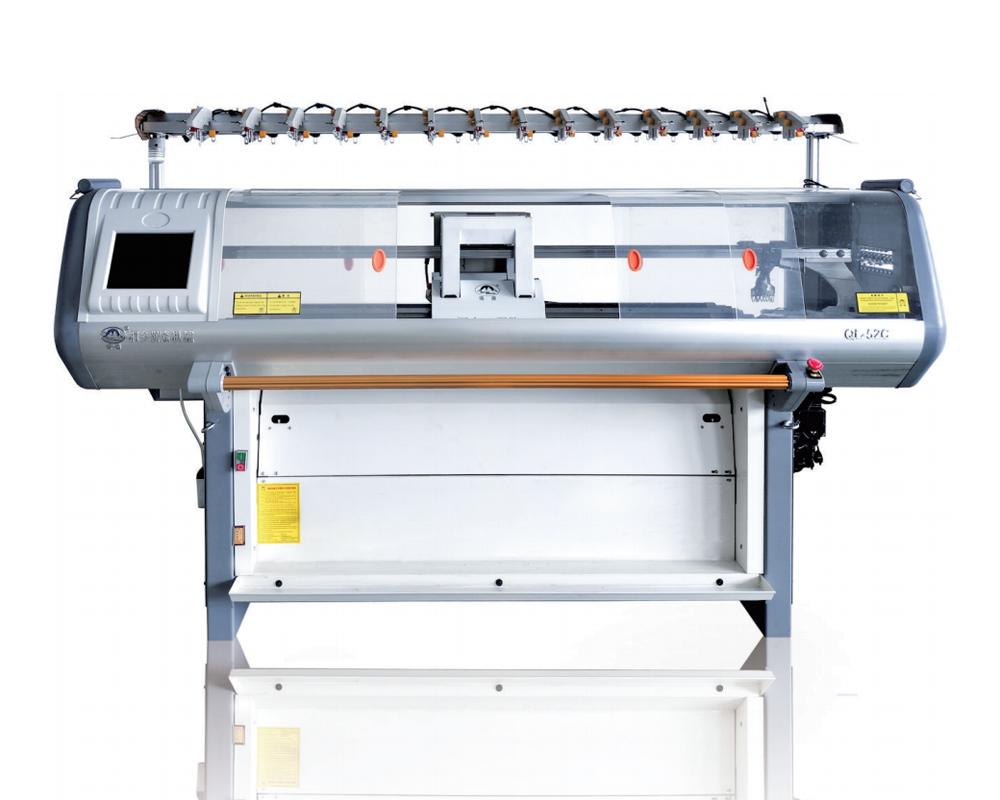
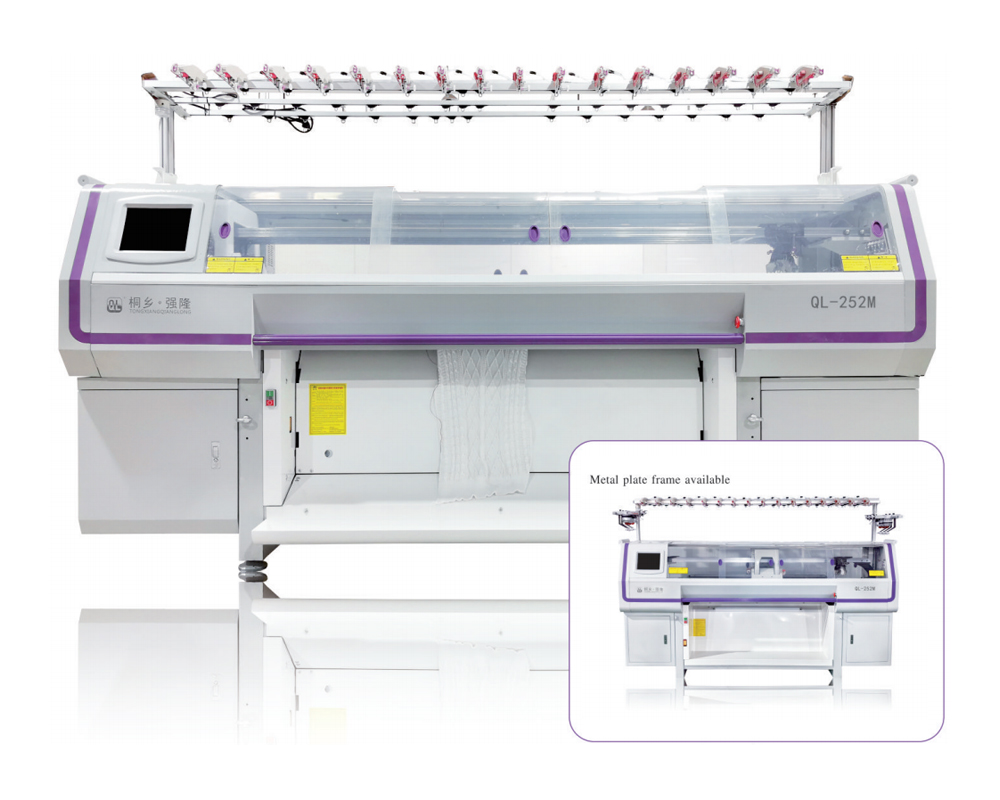
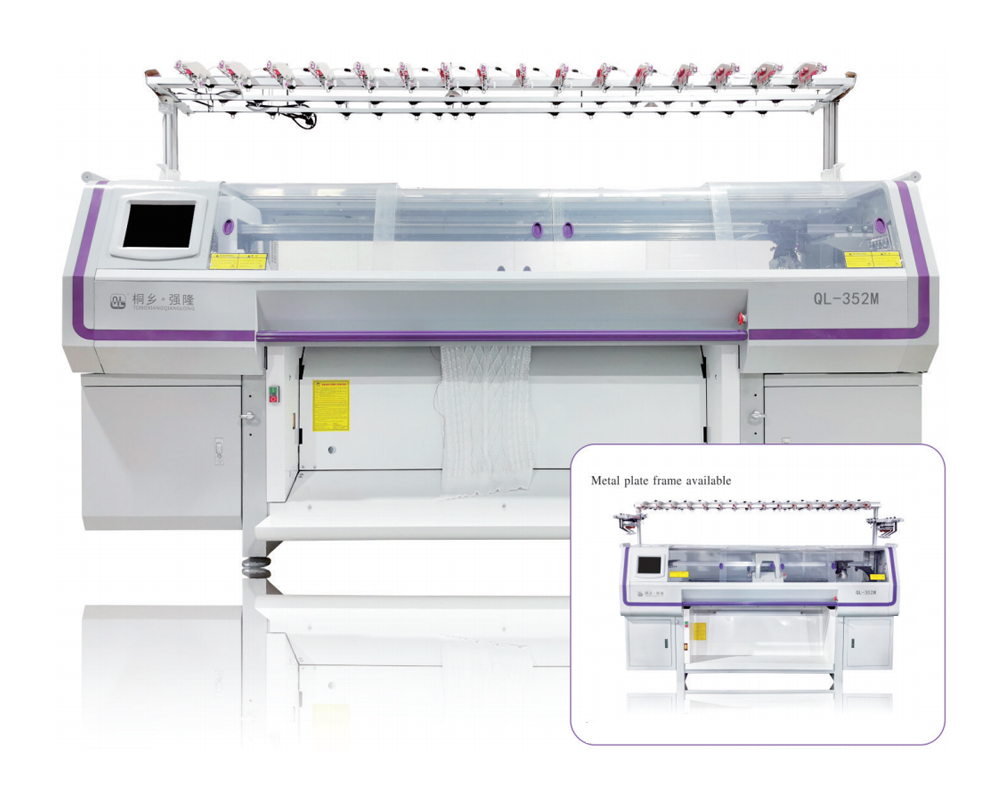
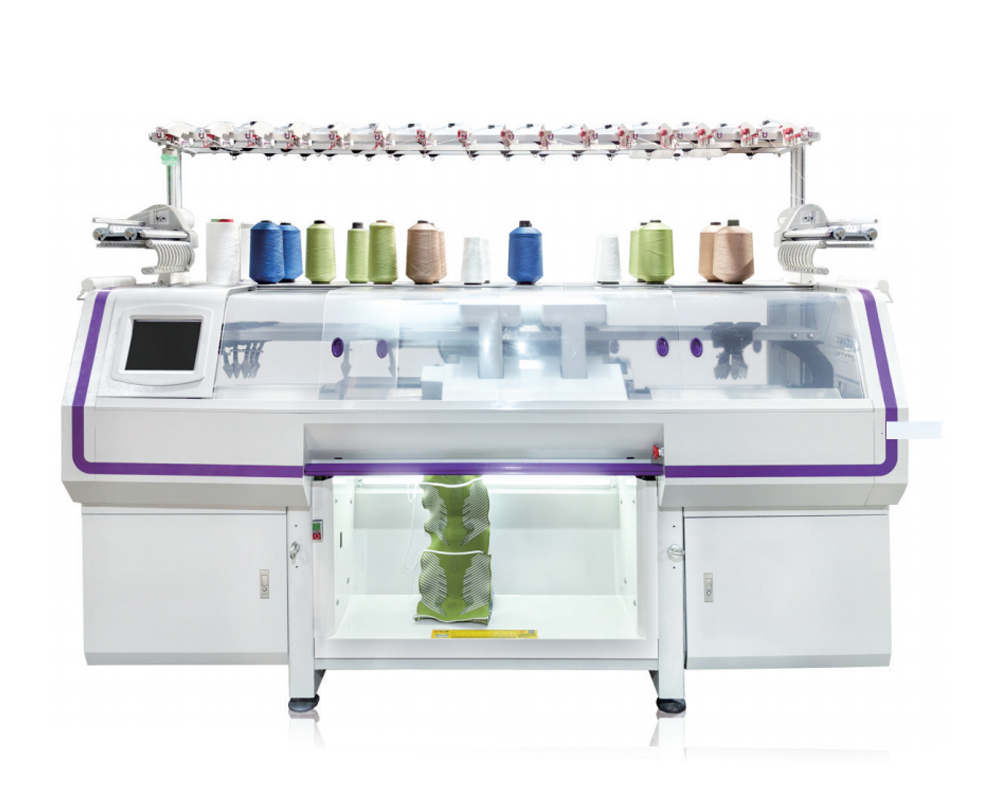
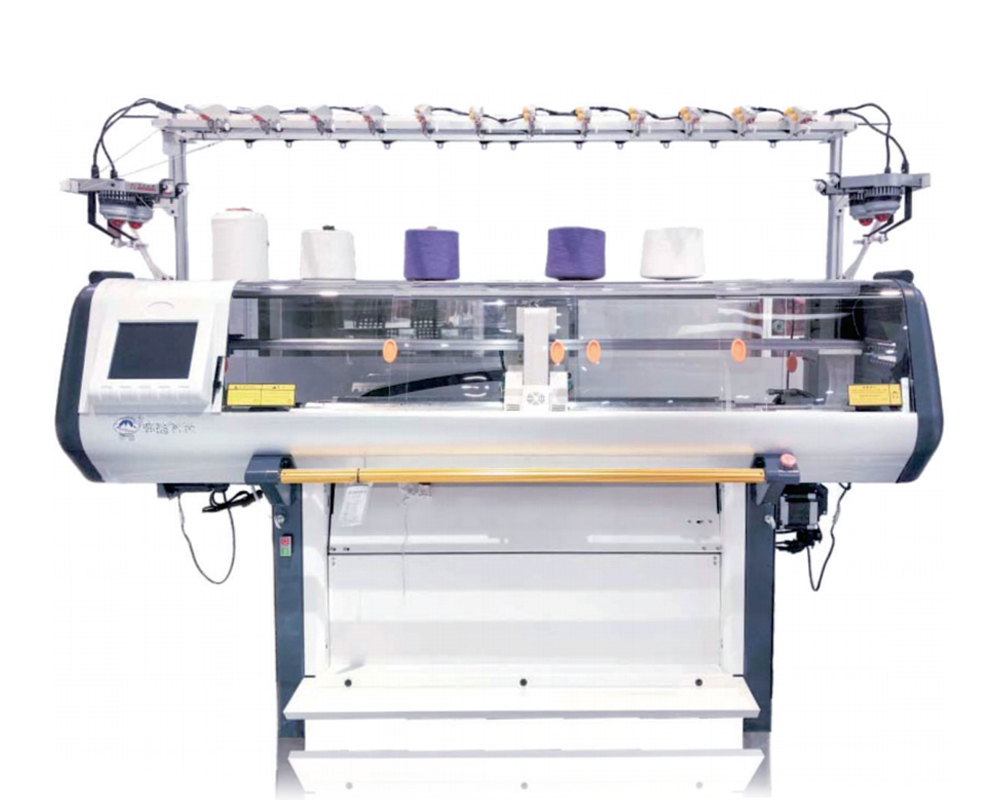
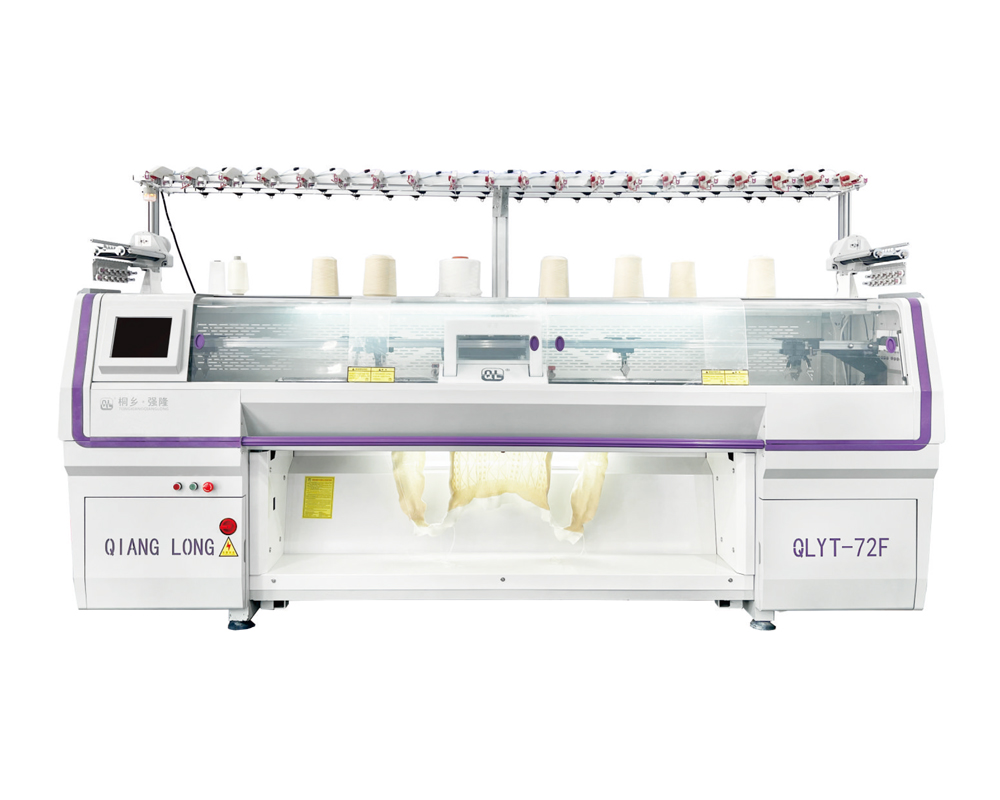
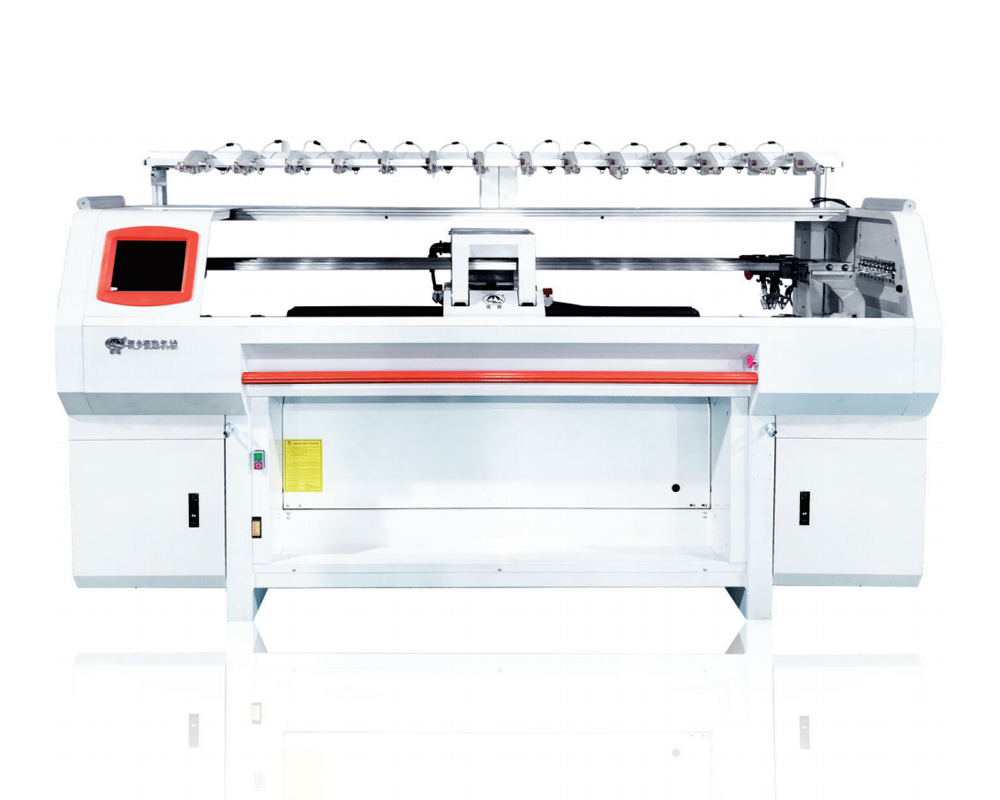
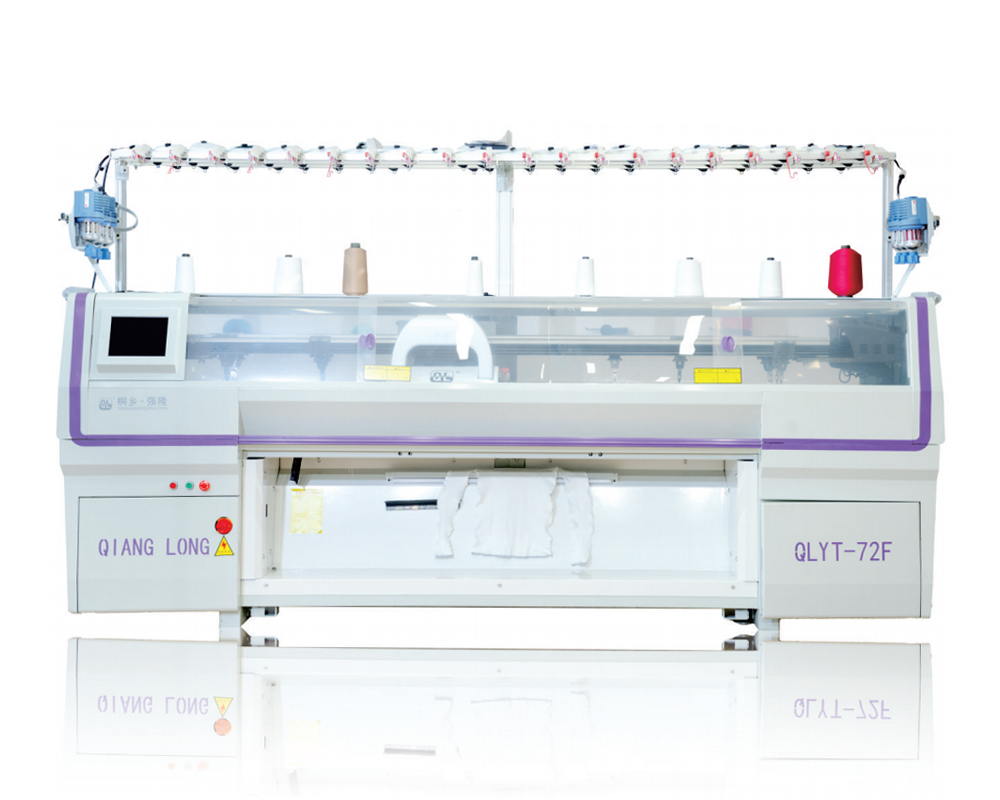
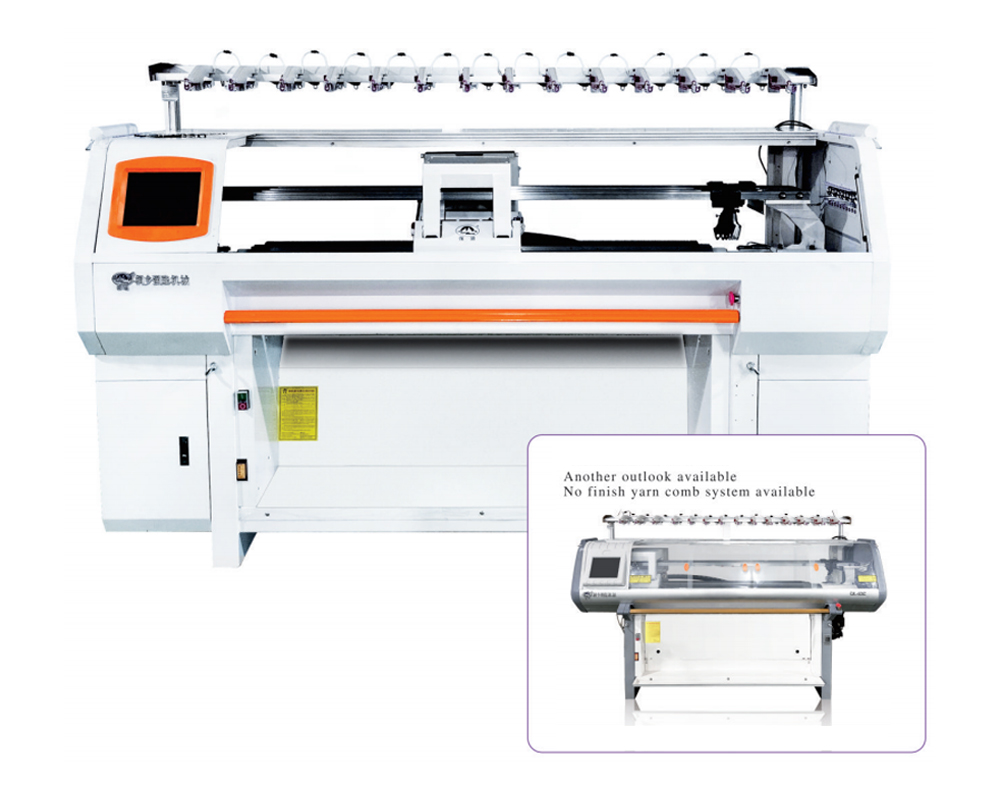
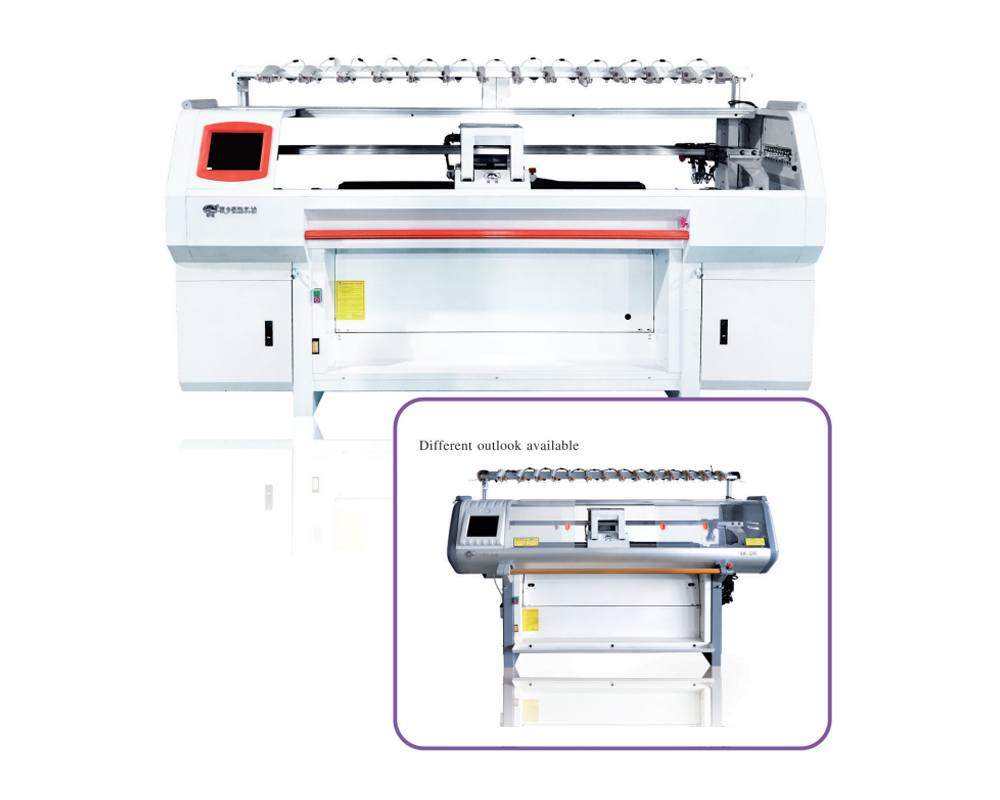
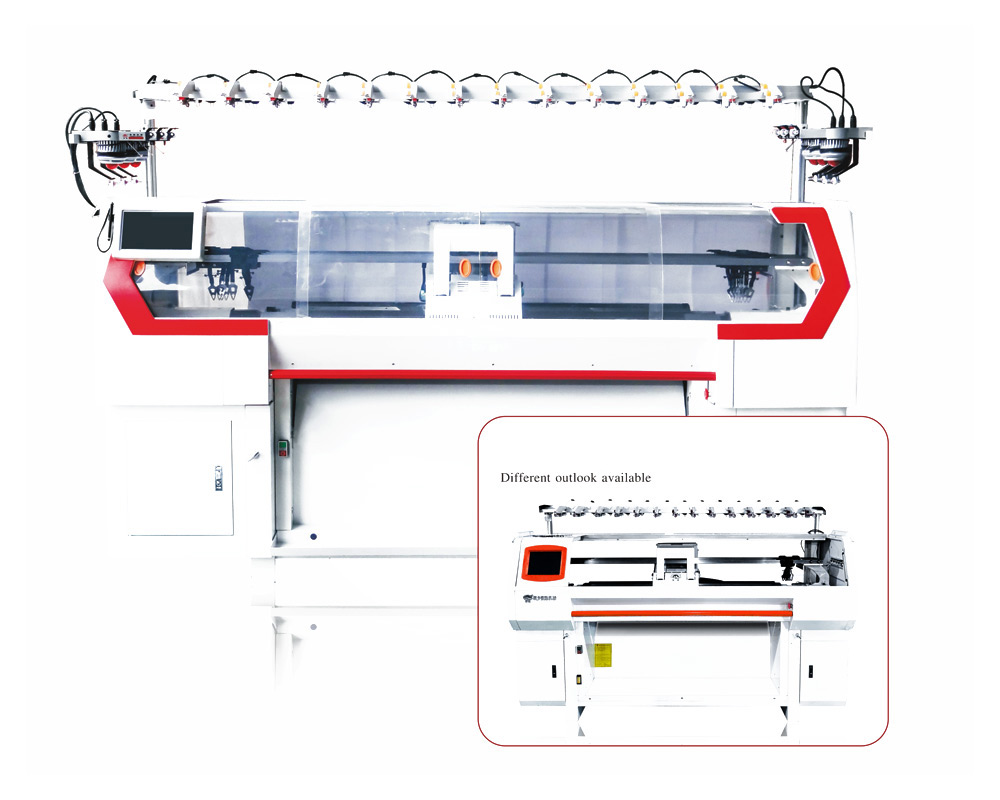

Tongxiang Qianglong Machinery Co., Ltd. is high-tech China wholesale computerized flat knitting machine manufacturers, specialized in designing, developing, and manufacturing Knitting Machinery..
Content
- 1 What Is a Computerized Flat Knitting Machine?
- 2 Core Components and How They Work Together
- 3 Key Technical Specifications to Understand
- 4 Stitch Structures and Fabric Capabilities
- 5 Whole Garment and Seamless Knitting Technology
- 6 Choosing the Right Machine for Your Production Needs
- 7 Maintenance Practices That Protect Machine Performance
What Is a Computerized Flat Knitting Machine?
A computerized flat knitting machine is an electronically controlled textile manufacturing system that produces flat or shaped knitted fabrics by interlocking loops of yarn across a straight, horizontal needle bed. Unlike circular knitting machines that produce continuous tubular fabric, flat knitting machines operate on a back-and-forth carriage system, allowing the creation of shaped panels, intarsia patterns, and fully fashioned garment pieces without the need for cutting. The integration of computer control systems into flat knitting technology has fundamentally transformed what these machines can produce — enabling complex stitch structures, multi-color designs, and precise shaping that would have been impossible or impractical on older mechanical models.
Modern computerized flat knitting machines are used in the production of sweaters, cardigans, scarves, gloves, technical sportswear, medical textiles, and even shoe uppers. Leading manufacturers in this sector include Shima Seiki (Japan), Stoll (Germany), and Sintelli (China), each offering machines with varying gauge ranges, bed widths, and software ecosystems. Understanding how these machines are structured, what they can do, and how to select the right configuration for a specific production goal is essential for anyone working in knitwear manufacturing or product development.
Core Components and How They Work Together
To understand what a computerized flat knitting machine can achieve, it helps to understand its key mechanical and electronic components and the role each plays in the knitting process.
Needle Beds
The needle bed is the foundation of the machine. Most flat knitting machines feature two needle beds arranged in an inverted V-shape (known as the V-bed configuration). Each bed holds a row of individually controlled latch needles. The front and back beds work in coordination to produce rib structures, purl stitches, and complex double-bed fabrics. Some advanced machines feature a third needle bed or moveable bed extensions that enable additional stitch possibilities such as sinker-loop pile or three-dimensional structures.
Carriage System
The carriage travels back and forth across the needle bed, activating needles and feeding yarn to form new loops. In computerized machines, the carriage contains electronically actuated cams and selectors that can individually activate or suppress each needle during every pass. This electronic needle selection — controlled by the machine's software — is what enables pixel-level pattern control and precise shaping across the full width of the fabric.
Yarn Feeders and Tension System
Multiple yarn carriers are mounted on the carriage rail, each feeding a different yarn into the needle zone. Advanced machines can accommodate 6 to 24 or more yarn carriers simultaneously, enabling multi-color jacquard patterns and yarn-switching mid-row. The tension system — including yarn guides, tensioners, and take-down rollers — regulates the consistent delivery of yarn to the needles, which is critical for stitch uniformity and fabric quality.
Control System and Software Interface
The computerized control unit is the brain of the machine. It interprets knitting programs created in dedicated CAD/CAM software (such as Shima Seiki's SDS-ONE APEX or Stoll's M1 Plus) and translates design data into precise needle selection instructions, carriage speed settings, yarn feeder movements, and stitch density adjustments. Operators interact with the machine through a touchscreen interface or PC terminal, allowing real-time monitoring of production status, fault detection, and program editing.
Key Technical Specifications to Understand
When evaluating or specifying a computerized flat knitting machine, several technical parameters directly affect what the machine can produce and how efficiently it can operate.
| Parameter | Description | Typical Range |
| Gauge (E) | Needles per inch; determines fabric fineness | E3 (coarse) to E18 (fine) |
| Bed Width | Maximum knitting width | 50 cm to 260 cm |
| Carriage Speed | Speed of carriage travel across the bed | 0.6 to 1.6 m/s |
| Number of Systems | Knitting systems per carriage pass | 2 to 6 systems |
| Yarn Carriers | Number of independent yarn feeds | 6 to 24+ |
| Stitch Density Control | Adjustable loop length for tension control | Electronic or cam-based |
Gauge selection is particularly important because it determines which yarn counts can be processed. A coarse gauge machine (E3–E5) works with bulky yarns suitable for outerwear and chunky knitwear, while a fine gauge machine (E14–E18) processes fine yarns for lightweight, high-definition patterned fabrics used in luxury apparel or technical textiles.
Stitch Structures and Fabric Capabilities
One of the greatest strengths of computerized flat knitting machines is the breadth of stitch structures they can produce within a single production run, often without tooling changes. This flexibility is a significant competitive advantage over other fabric manufacturing methods.
- Plain knit and rib structures: The foundation of most knitwear. Rib fabrics (1x1, 2x2, and variations) are produced using both needle beds and are commonly used in cuffs, collars, and waistbands for their elastic recovery.
- Jacquard and intarsia: Multi-color pattern knitting is achieved through precise yarn carrier switching and needle selection. Intarsia uses separate yarn carriers for each color block with no yarn floats, making it ideal for graphic designs and color-blocking in premium knitwear.
- Cable and relief structures: Loop transfer operations create the raised, twisted appearances characteristic of cable knits. Computerized machines execute these transfers automatically, enabling complex cable repeats at production speeds.
- Tuck and miss stitches: Tuck stitches create textured, lace-like surfaces or add volume to the fabric, while miss (float) stitches contribute to geometric patterns and reduce fabric weight in specific areas.
- 3D and shaped knitting: By increasing or decreasing the number of active needles across the bed, the machine produces shaped fabric panels — such as armholes, necklines, and sleeve tapers — directly during knitting, eliminating the need for post-knitting cutting.
Whole Garment and Seamless Knitting Technology
The most advanced development in computerized flat knitting is whole garment technology, pioneered by Shima Seiki under the WHOLEGARMENT brand and by Stoll with its knit-and-wear concept. In whole garment knitting, a complete three-dimensional garment — including sleeves, body, and neckline — is produced in a single, uninterrupted knitting process. No linking, sewing, or seaming is required after the garment leaves the machine.

This approach requires machines equipped with four needle beds (two standard beds plus two additional slider or auxiliary beds) and sophisticated software capable of calculating how each garment section transitions into the next during knitting. The benefits are substantial: material waste is reduced by up to 30% compared to cut-and-sew methods, labor costs in assembly are virtually eliminated, and the finished garment offers superior comfort due to the absence of seams that can cause pressure points or skin irritation. Whole garment machines are particularly valued in luxury knitwear, seamless sportswear, and custom or small-batch production.
Choosing the Right Machine for Your Production Needs
Selecting a computerized flat knitting machine requires a careful assessment of your product range, production volume, yarn specifications, and budget. There is no universal best machine — the right choice depends on matching the machine's capabilities to your specific manufacturing objectives.
- Define your yarn range first: The yarns you intend to knit should determine the gauge range you require. If your product range spans multiple yarn weights, consider machines offering multi-gauge flexibility or invest in multiple gauge configurations.
- Assess pattern complexity: If your designs require intarsia, multi-color jacquard, or elaborate cable structures, prioritize machines with high system counts, large numbers of yarn carriers, and robust CAD software integration.
- Consider your production model: High-volume standardized production benefits from fast multi-system machines with automated takedown. Small-batch, custom, or sample-making environments are better served by versatile single or dual-system machines with intuitive programming interfaces.
- Evaluate software and support ecosystems: The quality of the CAD/CAM software and the availability of local technical support are as important as the machine hardware itself. Training time, pattern library access, and software update frequency all affect long-term productivity.
- Factor in total cost of ownership: Beyond the purchase price, account for spare parts availability, maintenance frequency, energy consumption, and operator training costs when comparing machine options across different manufacturers or price tiers.
Maintenance Practices That Protect Machine Performance
Computerized flat knitting machines are precision instruments, and consistent maintenance is essential to sustaining output quality and avoiding costly downtime. Needles are the most frequently replaced component — worn or bent latch needles cause dropped stitches and fabric defects. A routine needle inspection schedule, combined with immediate replacement of faulty needles, is the most impactful daily maintenance habit an operator can develop.
Beyond needles, the carriage cams, sinker plates, and yarn guide channels require regular cleaning to remove fiber debris and lint accumulation, which can interfere with precise needle actuation. Lubrication of moving parts should follow the manufacturer's schedule — typically using machine-specific oils that do not attract lint or leave residues on yarn. On the software side, backing up knitting programs regularly and keeping control system firmware updated protects against data loss and ensures compatibility with evolving design file formats. Machines that receive structured preventive maintenance consistently outperform neglected equipment in both fabric quality and operational lifespan.
