
 English
 简体中文
简体中文
 Chinese
 English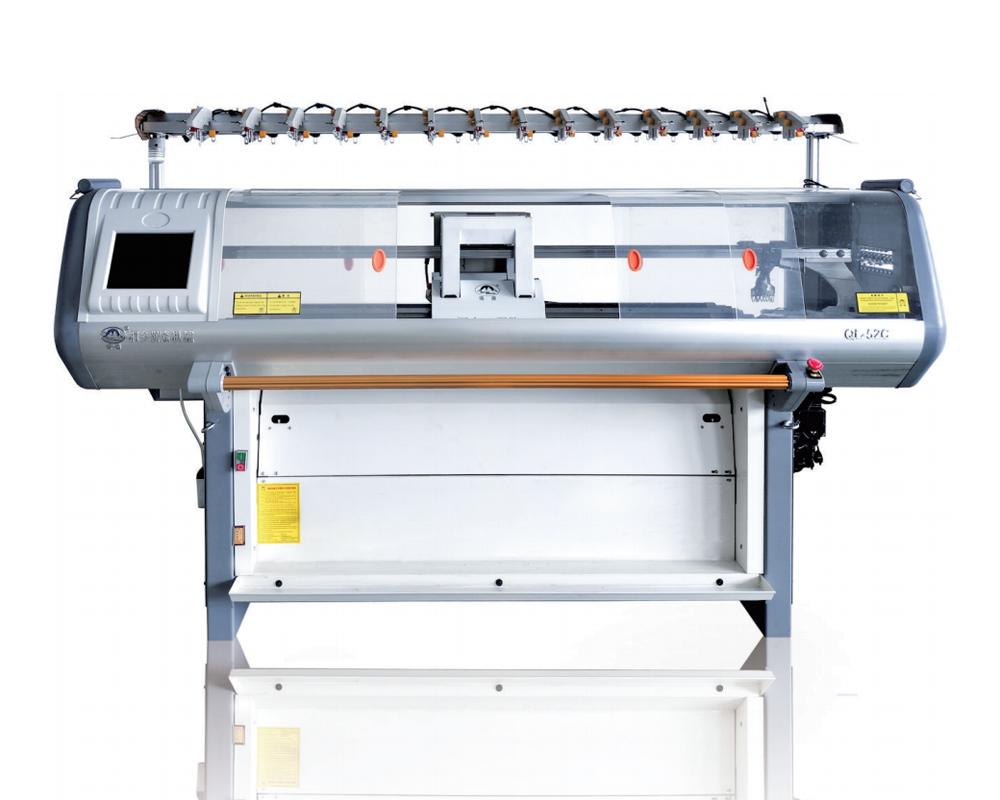
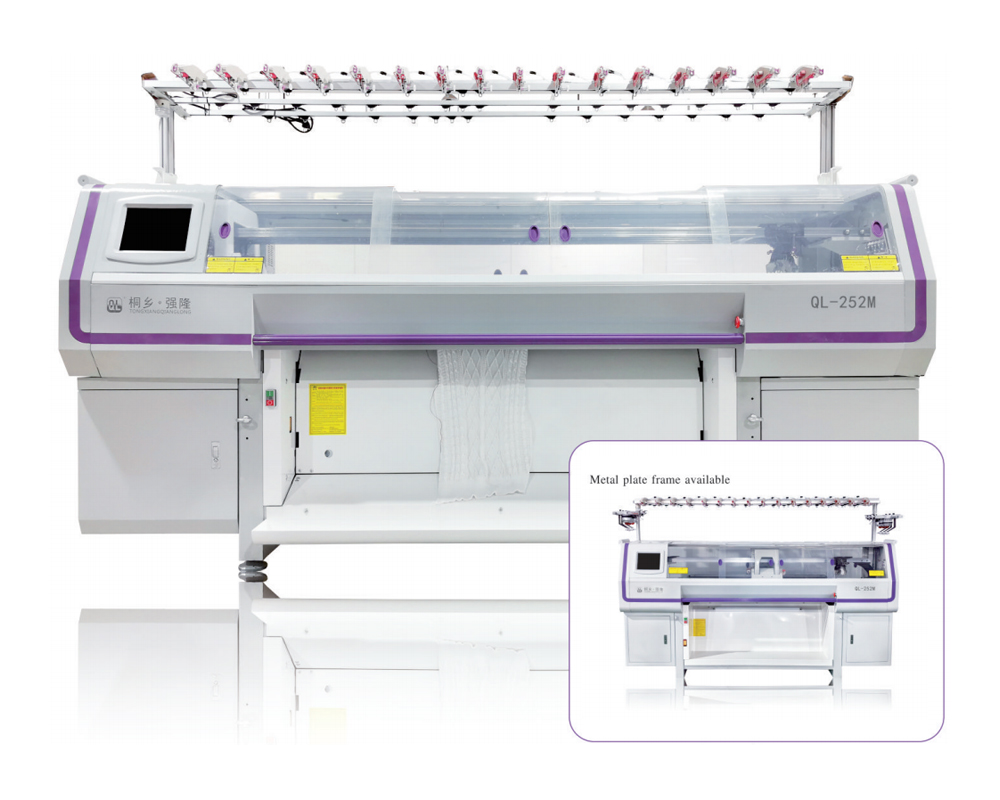
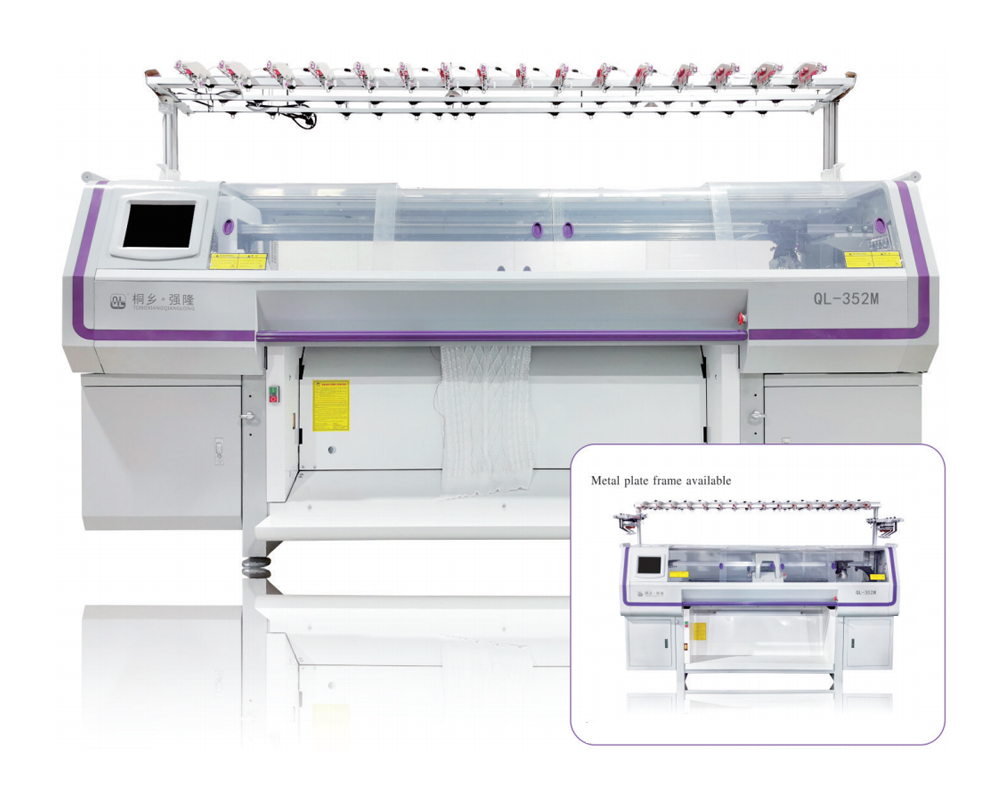
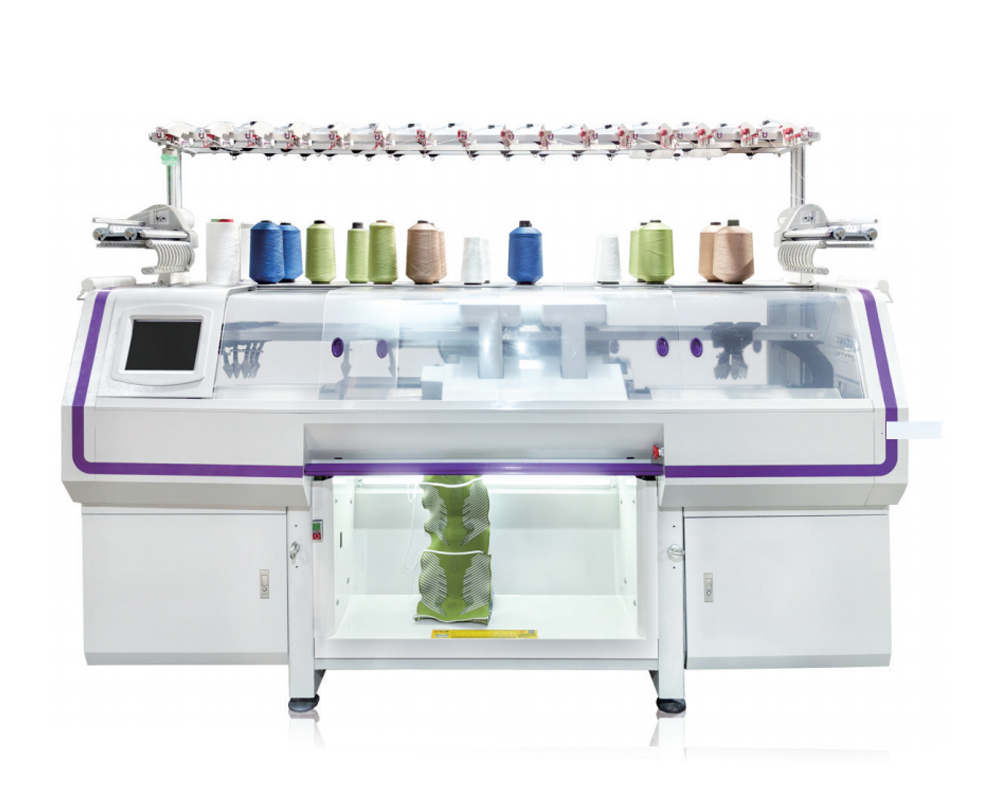
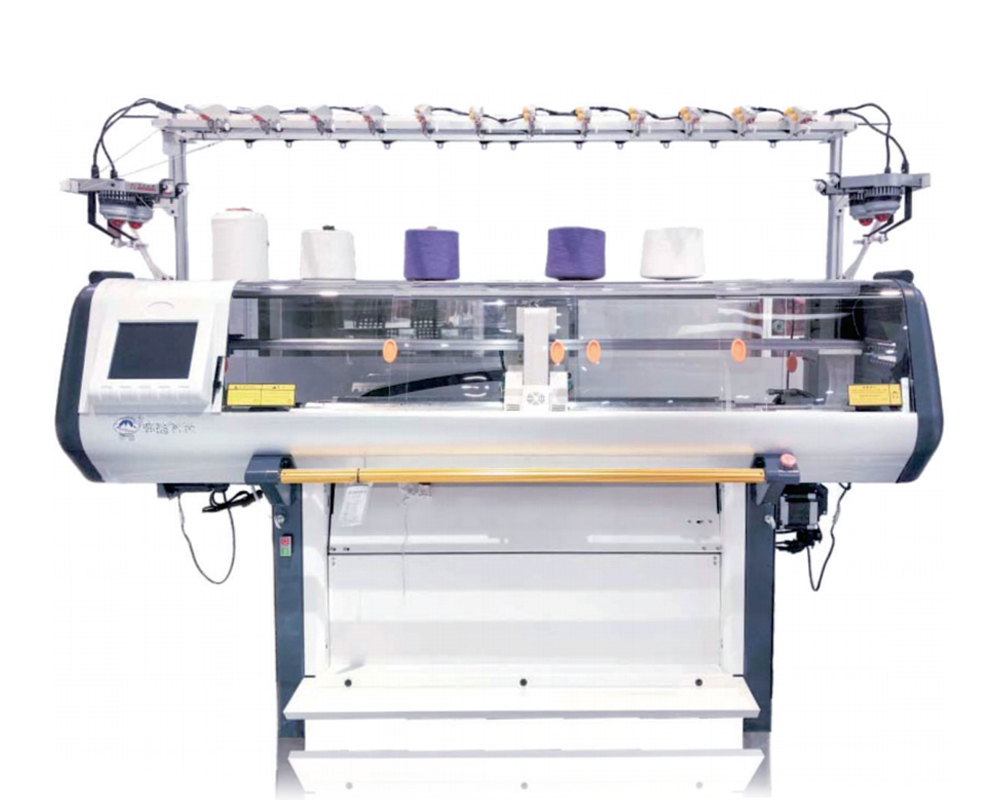
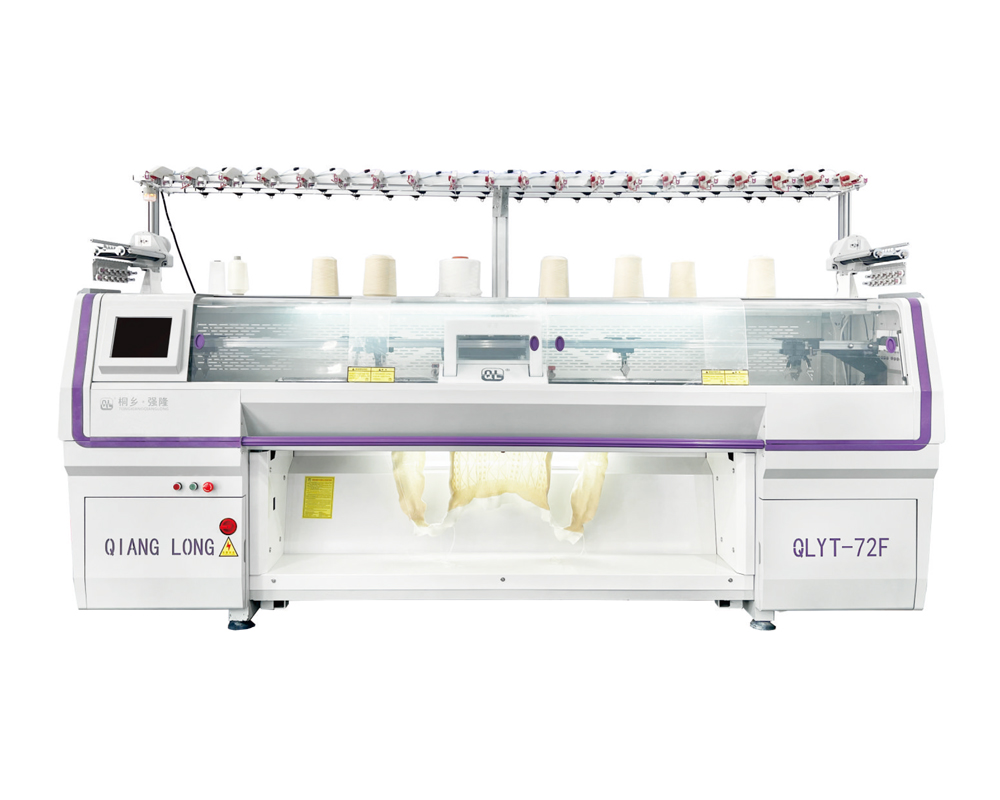
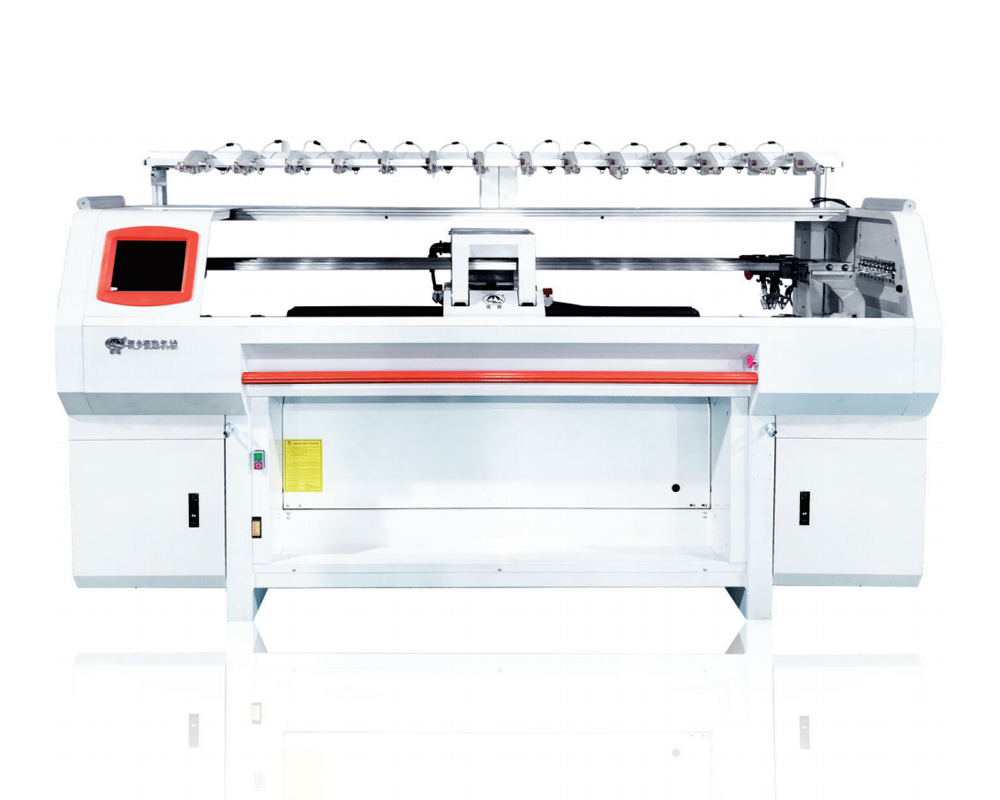
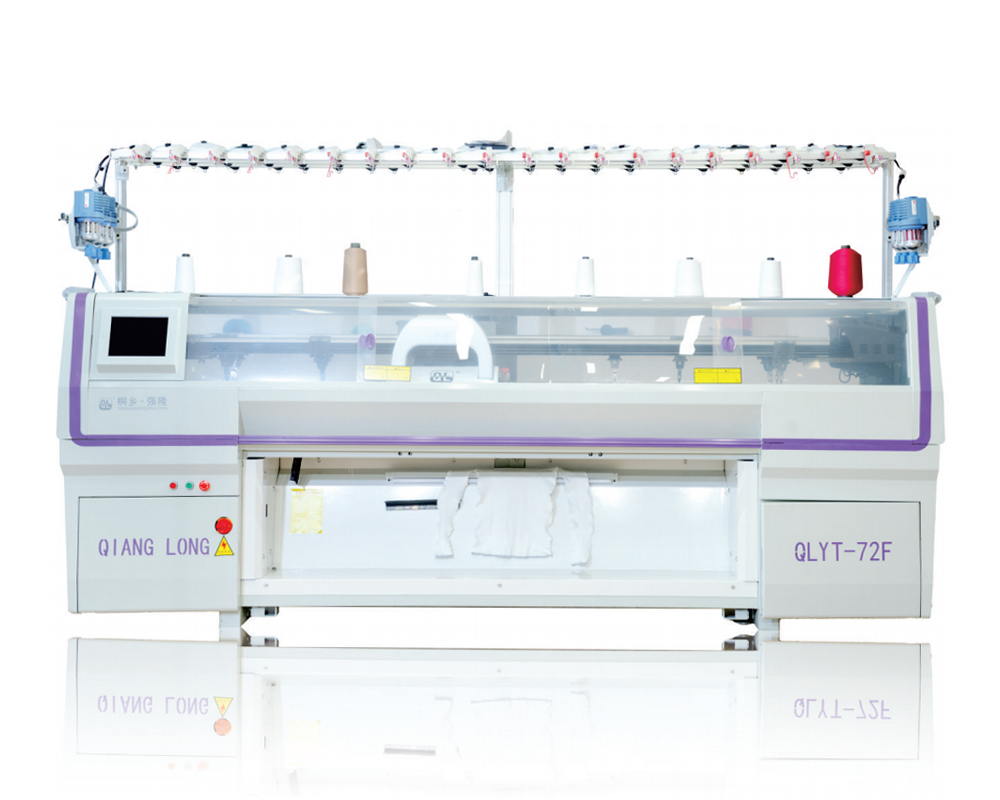
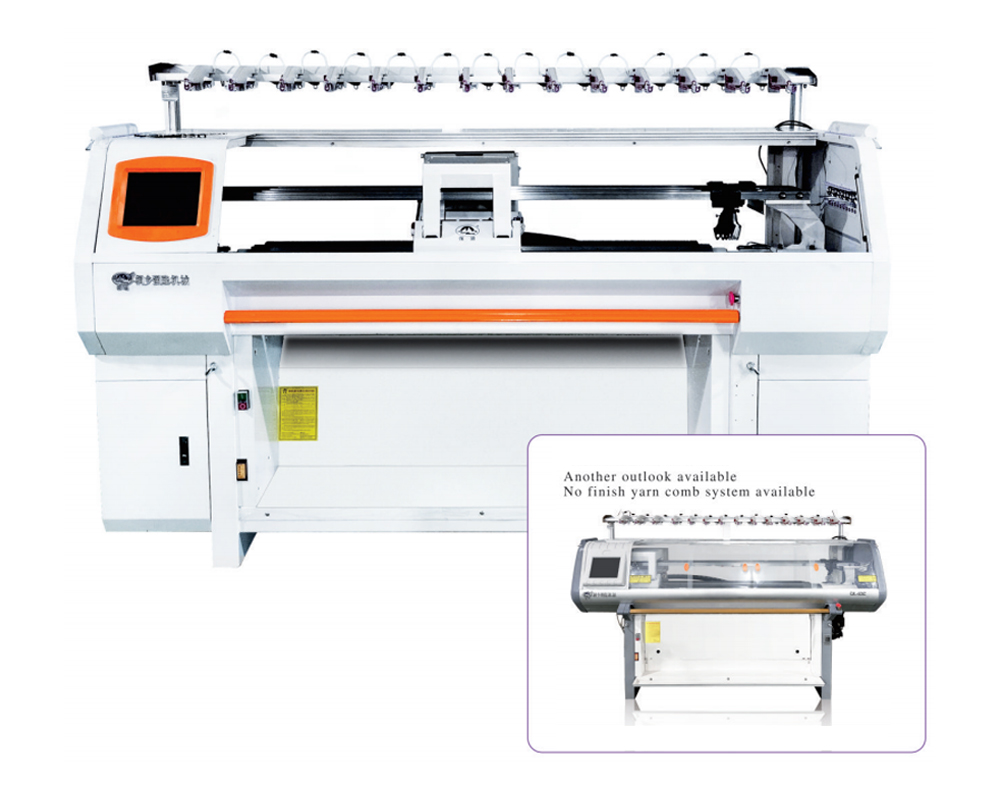
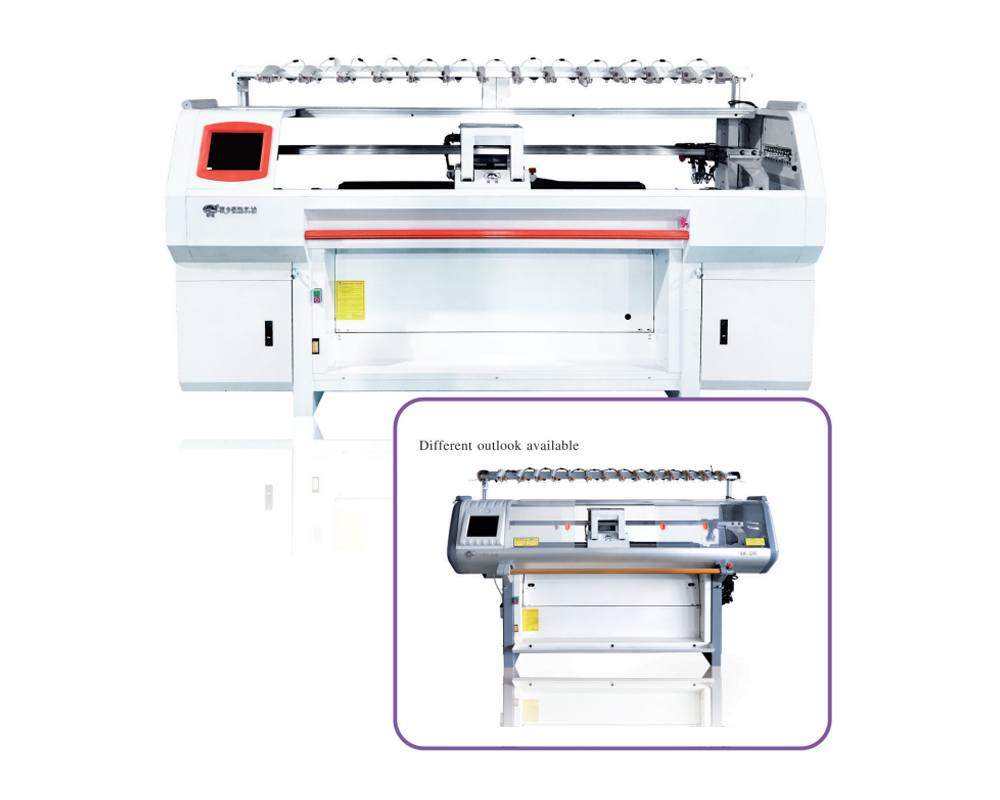
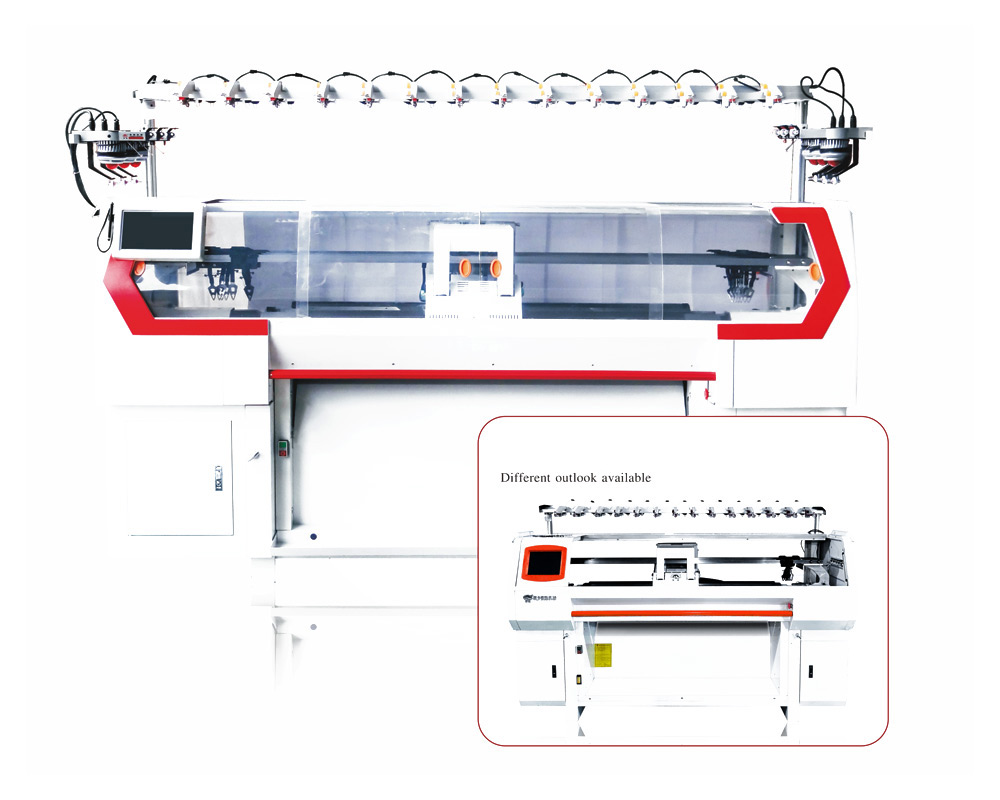

Tongxiang Qianglong Machinery Co., Ltd. is high-tech China wholesale computerized flat knitting machine manufacturers, specialized in designing, developing, and manufacturing Knitting Machinery..
Content
Introduction to Knitting Machines
Knitting machines have revolutionized the textile and fashion industries by enabling faster, more consistent, and intricate knitwear production. Broadly, knitting machines are classified into manual and computerized models. Each type has its unique advantages and limitations. Understanding these differences is crucial for both hobbyists and professional knitters when selecting the right machine for specific projects.
Overview of Manual Knitting Machines
Manual knitting machines operate entirely through user input, requiring hands-on control for needle selection, stitch formation, and pattern execution. They are typically simpler in design and often preferred by enthusiasts for learning fundamental knitting techniques and maintaining full creative control.
Key Features of Manual Machines
- Requires manual manipulation of needles and yarn carriers.
- Simple design with minimal electronic components.
- Patterns are executed manually or using punch cards on some older models.
- Offers full creative flexibility and control over stitch tension.
Advantages of Manual Knitting Machines
Manual machines are generally more affordable, lightweight, and easy to maintain. They provide knitters with direct control over every stitch, which is ideal for custom designs and learning foundational skills. Additionally, these machines are less prone to technical issues, making them reliable for long-term use without the need for frequent technical support.
Limitations of Manual Machines
Despite their benefits, manual machines are slower than computerized models, especially for complex or repetitive patterns. They require significant skill and attention to maintain consistent stitch quality. Large-scale production or projects with intricate designs can be labor-intensive and time-consuming on manual machines.

Overview of Computerized Knitting Machines
Computerized knitting machines integrate electronic controls, software, and pre-programmed patterns to automate much of the knitting process. They are widely used in professional and industrial environments but are increasingly available for advanced hobbyists seeking efficiency and precision.
Key Features of Computerized Machines
- Automated needle selection and stitch formation using electronic controls.
- Programmable patterns via software or USB import.
- Consistent tension control and precise stitch execution.
- Capability to handle complex patterns, colorwork, and multi-gauge designs efficiently.
Advantages of Computerized Knitting Machines
Computerized machines dramatically increase productivity and reduce the time required to complete complex projects. They offer precise pattern replication, minimizing human error. Additionally, these machines allow knitters to experiment with advanced techniques such as jacquard designs, lace patterns, and intarsia with minimal manual intervention.
Limitations of Computerized Machines
The main drawbacks of computerized machines include higher initial cost and potential technical complexity. They require software updates, occasional troubleshooting, and a basic understanding of digital programming. Additionally, portability is limited compared to lightweight manual machines.
Comparison Table: Computerized vs Manual Knitting Machines
| Feature | Manual Knitting Machine | Computerized Knitting Machine |
| Control | Hands-on, manual adjustment | Electronic, software-controlled |
| Speed | Slower, requires user skill | Faster, efficient for repetitive patterns |
| Pattern Complexity | Limited, manual execution | High, supports intricate designs |
| Cost | Low to moderate | High initial investment |
| Maintenance | Simple, few technical issues | Requires software updates and occasional technical support |
| Learning Curve | Moderate, practice with hand techniques | Steeper, requires software familiarity |
Project Suitability
The choice between manual and computerized knitting machines depends largely on the intended projects and production scale. Manual machines are ideal for hobbyists, small batches, and projects requiring direct tactile control. They are well-suited for learning, experimental designs, and small-scale custom work. Computerized machines excel in large-scale production, intricate patterns, and projects that require speed, consistency, and efficiency.
Ease of Use and Learning Curve
Manual machines are more intuitive for beginners, offering immediate tactile feedback and requiring fewer technical skills. Computerized machines, while offering automation and advanced features, require knowledge of software programming and electronic troubleshooting. However, once mastered, computerized machines can save significant time and reduce repetitive strain.
Cost and Investment Considerations
Manual knitting machines are generally more affordable and accessible for beginners or hobbyists. Computerized machines, while costlier, provide long-term savings through increased productivity and versatility. The choice depends on budget, intended usage, and the scale of production. For small-scale personal projects, a manual machine may suffice; for industrial or high-volume output, a computerized machine is more cost-effective in the long run.
Conclusion
Both computerized and manual knitting machines have unique advantages. Manual machines offer tactile control, affordability, and reliability, making them ideal for hobbyists and small-scale projects. Computerized machines deliver speed, precision, and pattern complexity, making them suitable for professional knitters and large-scale production. Understanding the differences in functionality, efficiency, cost, and learning curve allows knitters to select the machine that best meets their creative and practical needs.
