
 English
 简体中文
简体中文
 Chinese
 English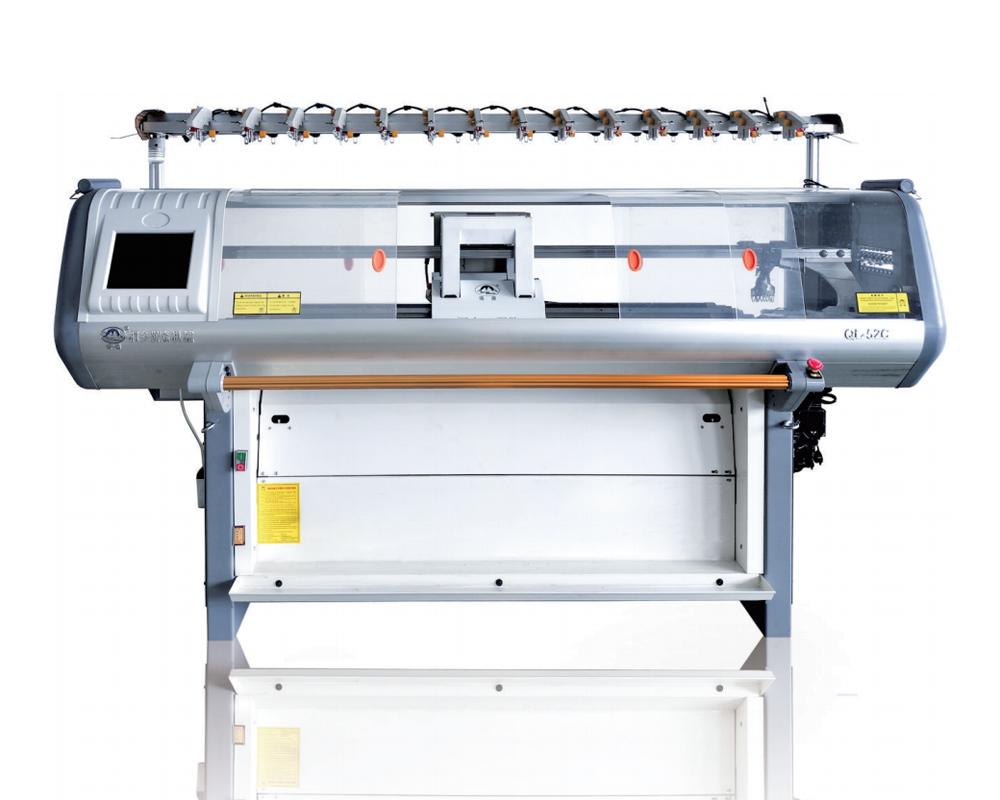
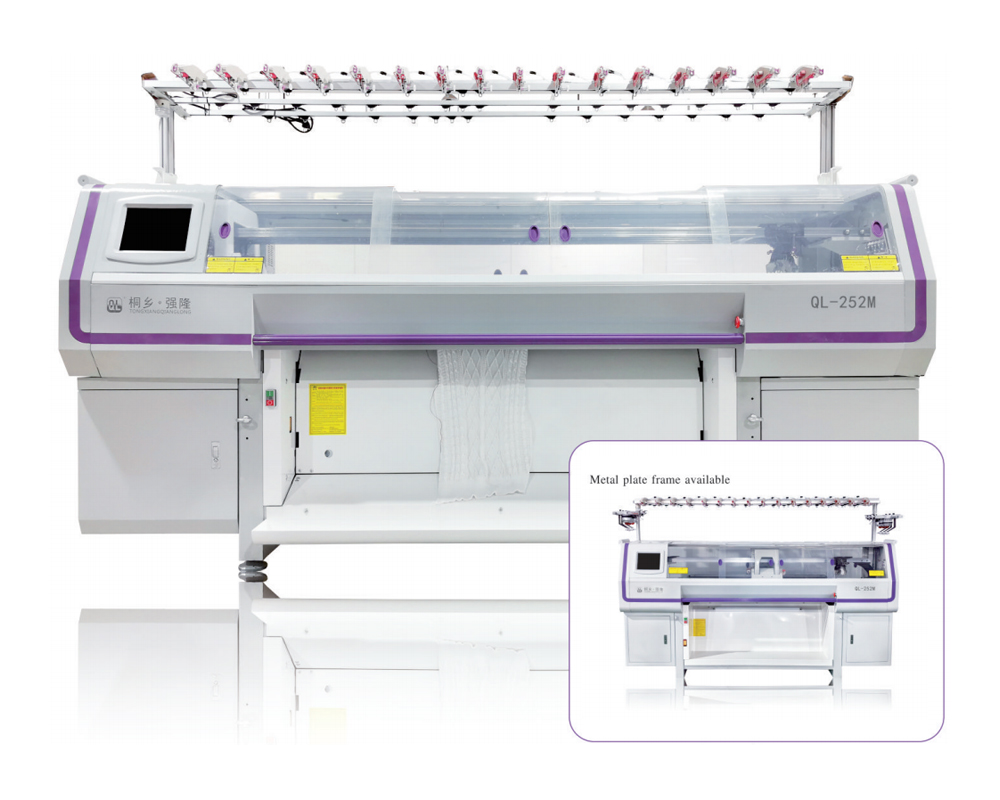
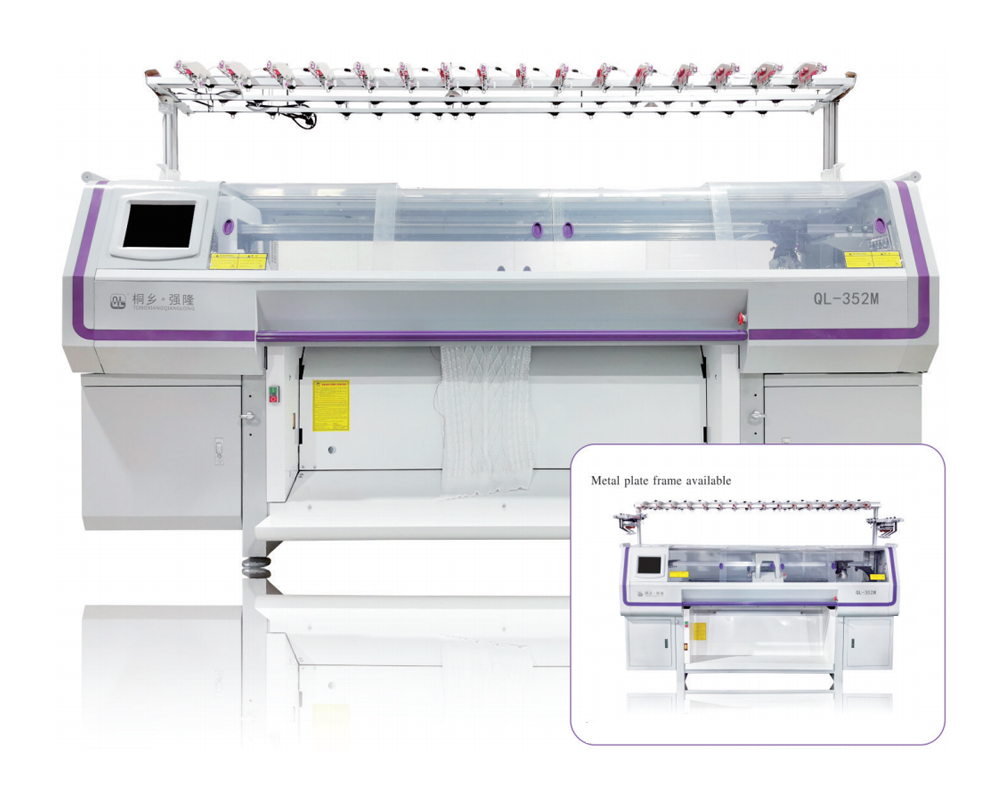
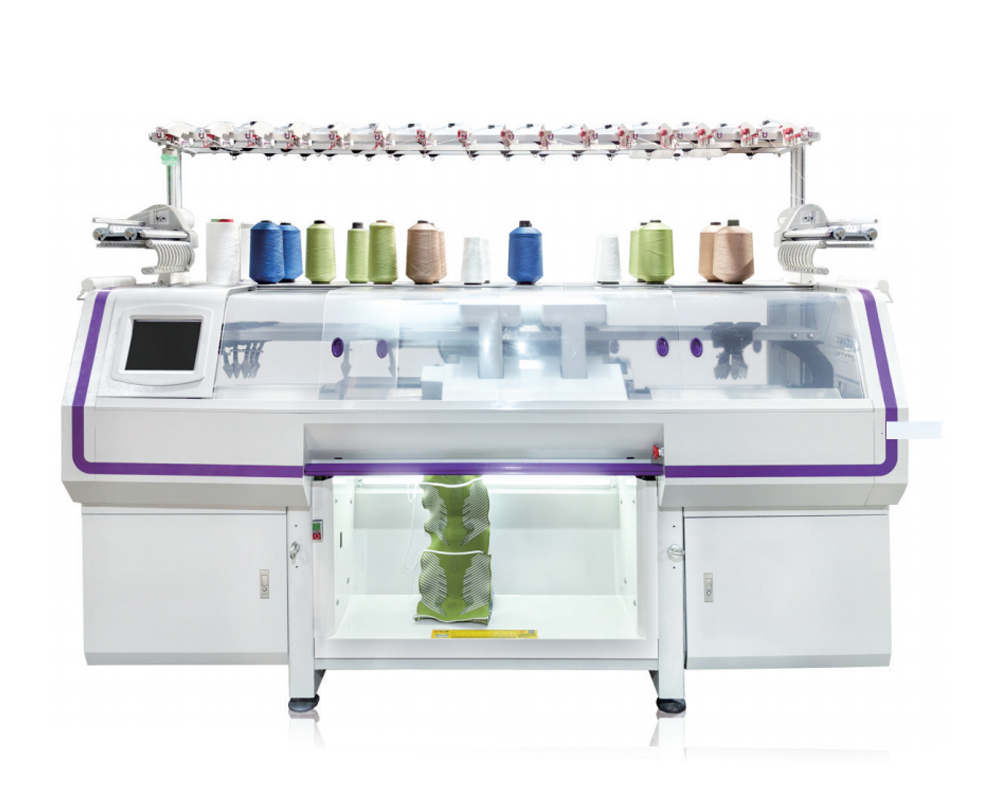
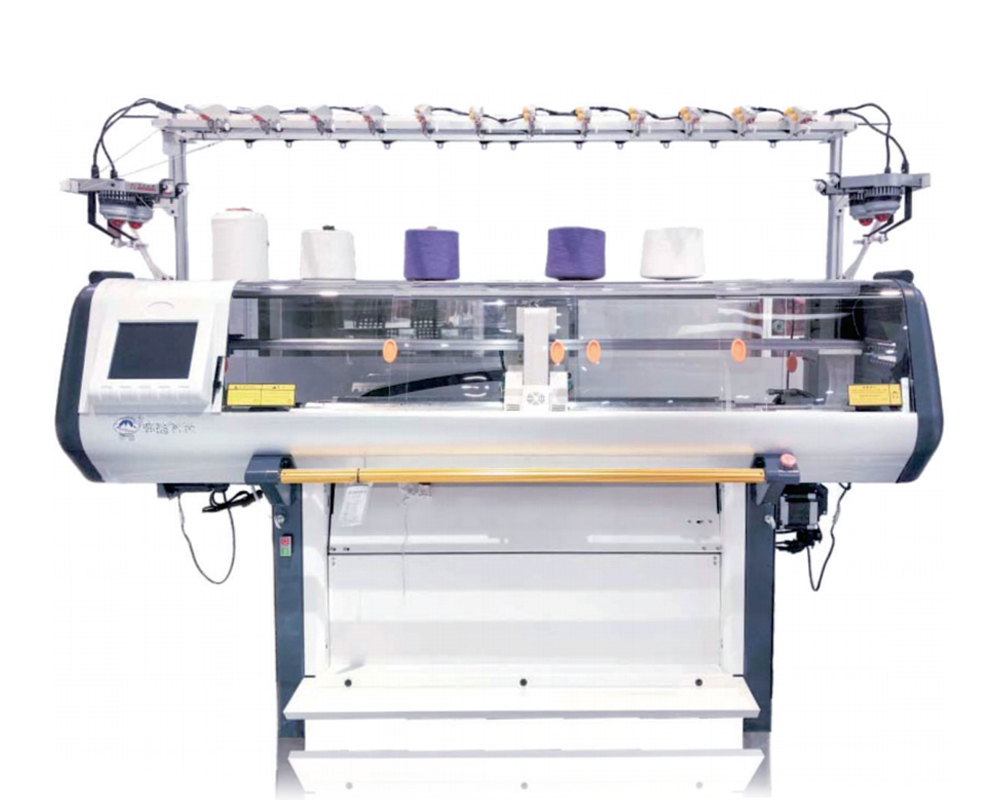
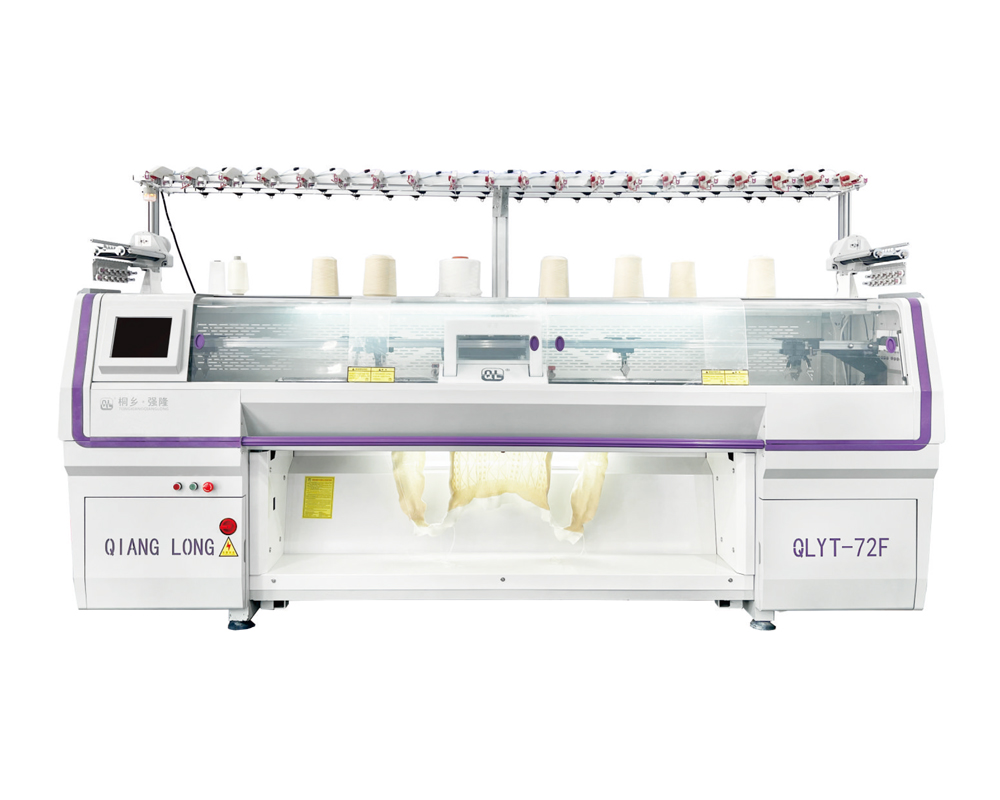
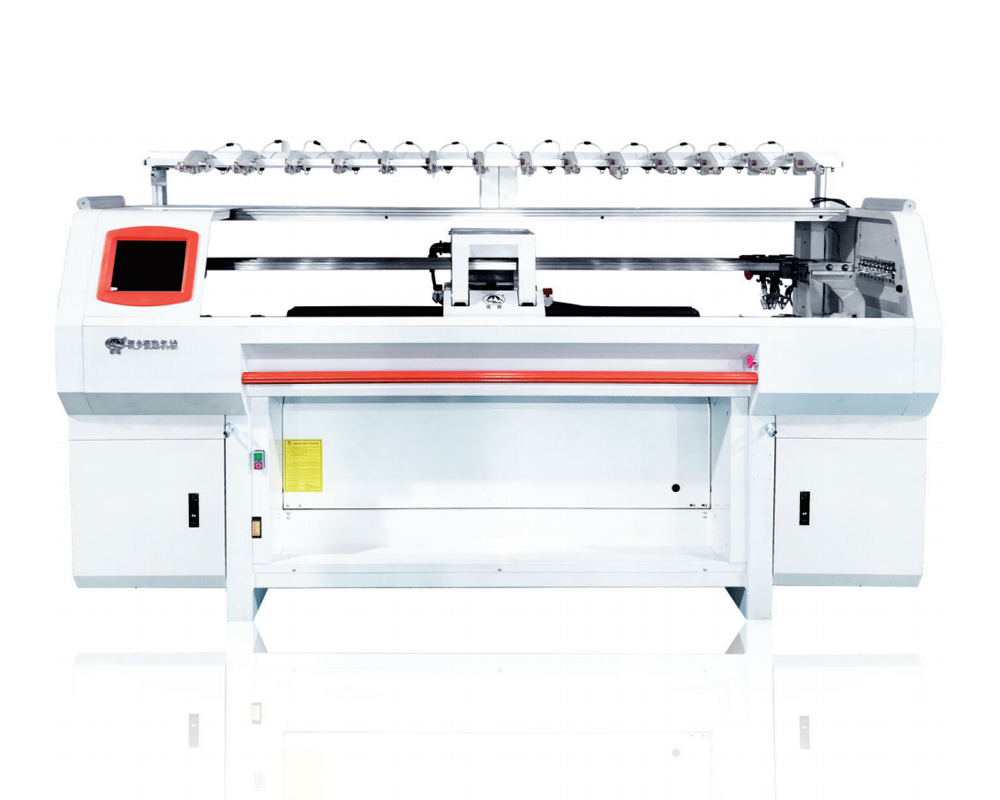
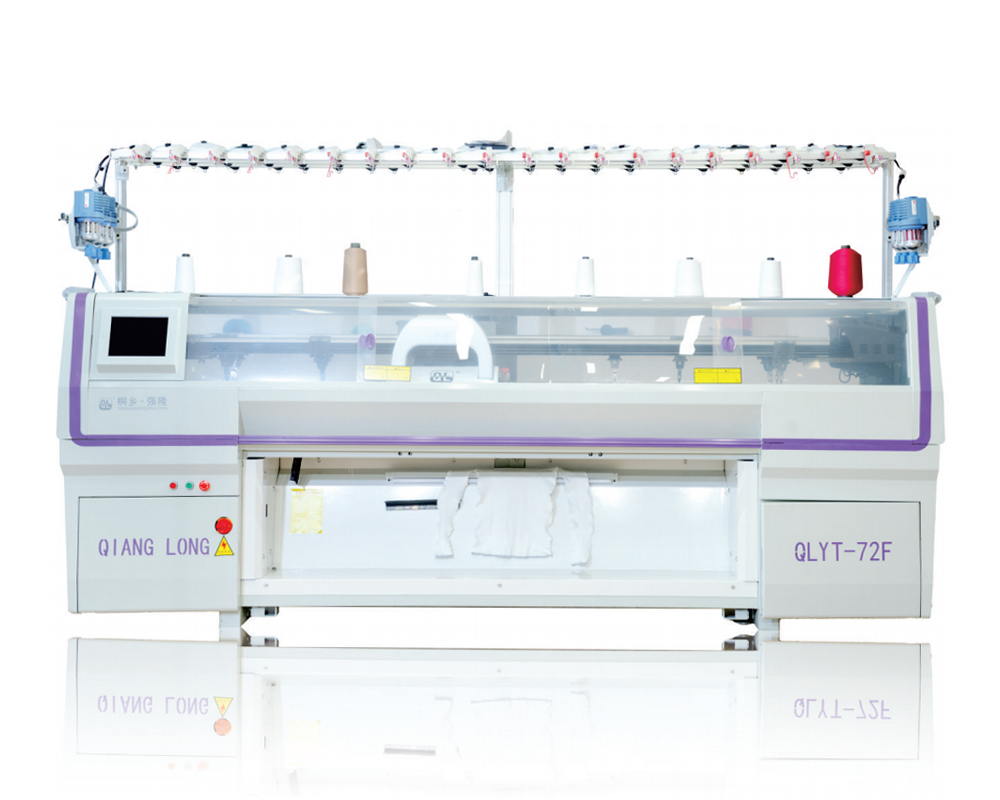
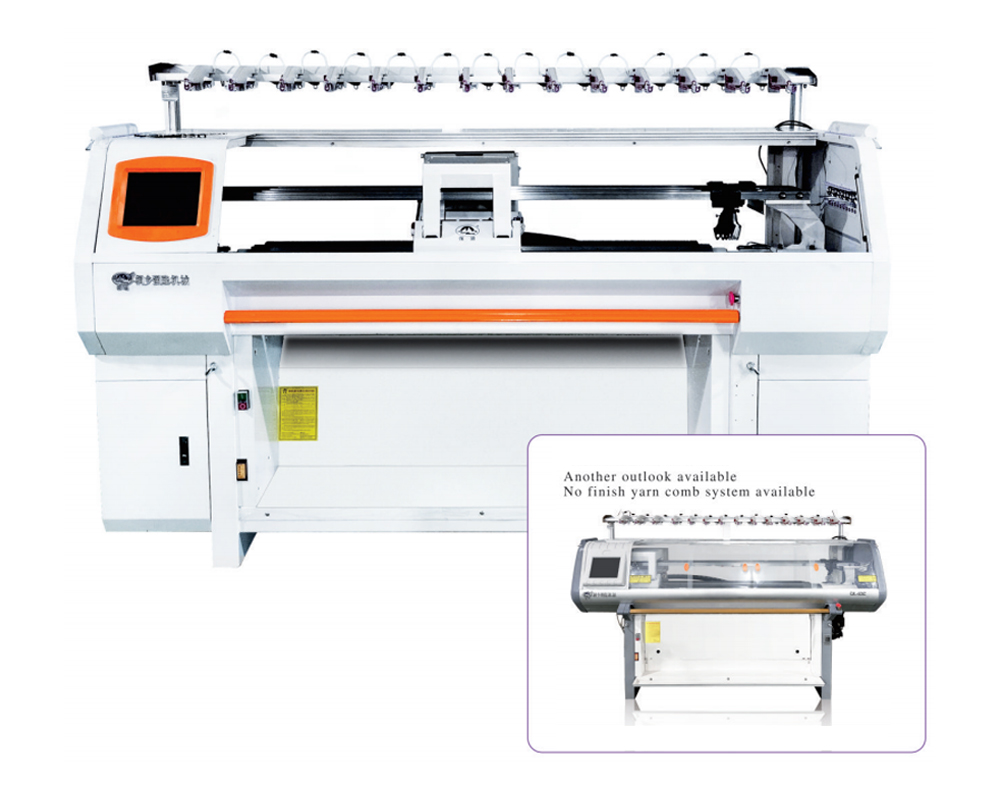
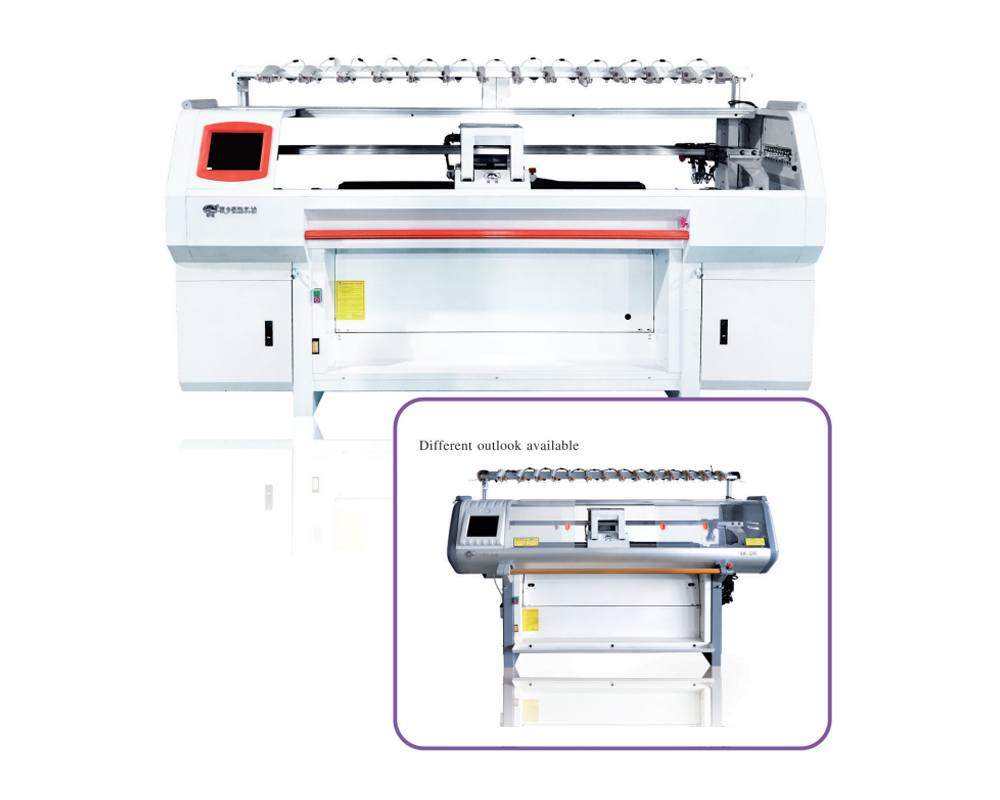
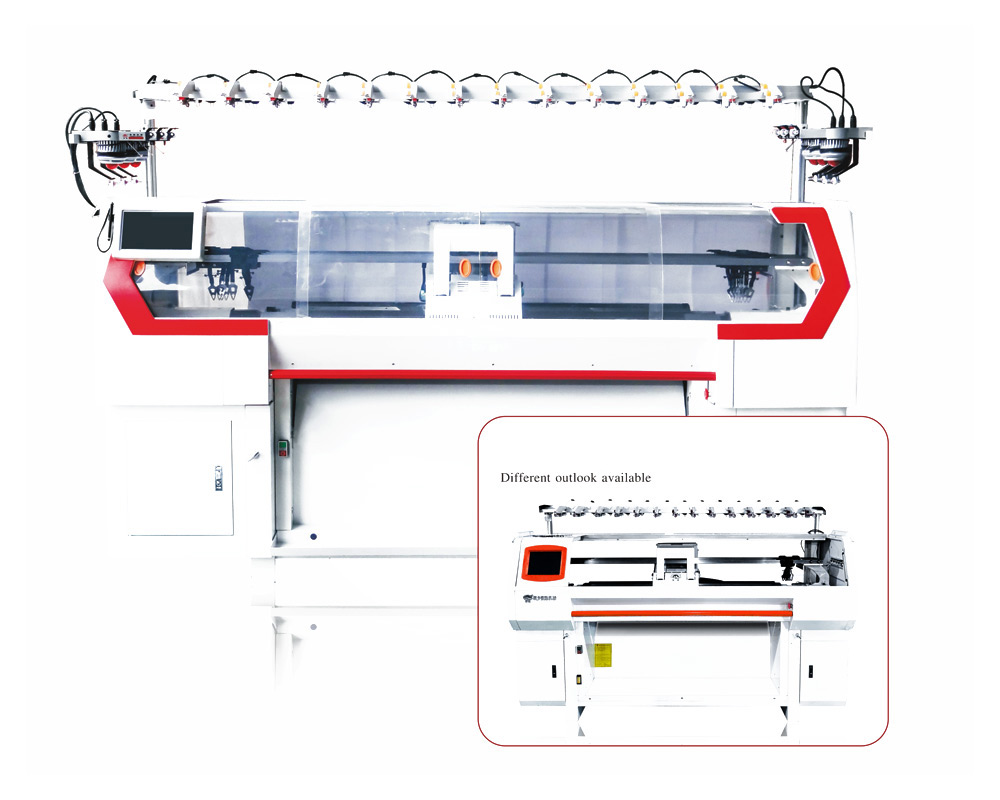

Tongxiang Qianglong Machinery Co., Ltd. is high-tech China wholesale computerized flat knitting machine manufacturers, specialized in designing, developing, and manufacturing Knitting Machinery..
Content
- 1 What Is a Double System Computerized Flat Knitting Machine?
- 2 Core Mechanical Structure and How the Double System Works
- 3 Key Technical Specifications to Evaluate
- 4 Productivity Advantages Over Single System Machines
- 5 Fabric Structures and Pattern Capabilities
- 6 Software and Programming: The Brain of the Machine
- 7 Typical Applications and End Markets
- 8 Maintenance Practices That Protect Your Investment
What Is a Double System Computerized Flat Knitting Machine?
A double system computerized flat knitting machine is an advanced textile manufacturing equipment that features two independent knitting systems — also called cam systems or knitting heads — mounted on a single carriage. Each system can independently execute knitting, tucking, and transferring operations in a single carriage pass across the needle bed. This dual-system architecture essentially doubles the productive output per carriage traverse compared to a single-system machine, making it a highly efficient choice for commercial knitwear production environments where throughput and speed are critical.
The "computerized" aspect refers to the CNC (Computer Numerical Control) integration that governs every aspect of the knitting process — from stitch density and yarn carrier movement to needle selection and pattern execution. Modern double system flat knitting machines are driven by sophisticated software platforms that allow designers and technicians to upload complex knitting programs, simulate fabric structures digitally before production, and monitor machine performance in real time. Leading manufacturers in this space include Shima Seiki, Stoll, Sintelli, Cixing, and Pullflex, each offering machines with varying gauge ranges, bed widths, and software ecosystems.
Core Mechanical Structure and How the Double System Works
To understand the double system advantage, it helps to first understand the basic mechanical layout of a computerized flat knitting machine. The machine consists of two opposing needle beds — the front bed and the back bed — arranged in an inverted V-shape. Needles are embedded in grooves along each bed and are individually selectable via piezoelectric or electromagnetic actuators controlled by the onboard computer. A carriage travels back and forth across the needle beds, and within this carriage, the cam systems engage the needle butts to drive each needle through its knitting cycle.
In a double system machine, two complete sets of cams are integrated into the same carriage, spaced apart along the direction of carriage travel. As the carriage moves in one direction, the first system knits a complete course, and the second system immediately knits the next course — all within the same single pass. On the return pass, the same dual-action occurs in reverse. This means the machine completes two courses per carriage stroke instead of one, effectively halving the time required to produce any given fabric length or garment panel.
The needle selection for each system is handled independently by the computer, which means the two systems can execute entirely different stitch types on the same pass if the pattern requires it. This flexibility allows for complex intarsia patterns, jacquard structures, and mixed-stitch designs to be produced efficiently without sacrificing speed.
Key Technical Specifications to Evaluate
When selecting a double system computerized flat knitting machine, several technical parameters directly determine the machine's suitability for your production requirements. Understanding these specifications prevents costly mismatches between machine capability and product demands.
| Specification | Typical Range | Impact on Production |
| Machine Gauge | 3G – 18G | Determines fabric fineness and yarn count compatibility |
| Needle Bed Width | 52 – 84 inches | Limits maximum fabric width per panel |
| Carriage Speed | 0.8 – 1.6 m/s | Directly affects courses per minute and overall throughput |
| Number of Yarn Carriers | 4 – 12 carriers | Determines color and yarn variety per garment |
| Stitch Density Range | Adjustable in 0.1mm steps | Controls fabric weight and hand feel |
| Racking Range | ±8 to ±16 needles | Enables cable, twist, and transfer patterns |
| Takedown System | Roller or comb takedown | Affects tension uniformity and fabric quality |
Productivity Advantages Over Single System Machines
The productivity gain from switching from a single-system to a double-system computerized flat knitting machine is substantial and well-documented in industrial settings. In straightforward plain knitting applications, the double system machine can achieve nearly double the output — since two courses are knitted per carriage pass instead of one. In practice, accounting for acceleration, deceleration, and pattern complexity, real-world productivity gains typically fall between 60% and 90% over comparable single-system models of the same gauge and bed width.
For manufacturers producing high-volume basics such as sweater bodies, sleeve panels, and rib trims, this productivity advantage directly translates to lower cost per piece and shorter lead times. A production floor that previously required six single-system machines to meet a weekly output quota might achieve the same volume with four double-system machines, freeing floor space, reducing energy consumption, and lowering labor requirements proportionally.
It is important to note, however, that the productivity advantage of the double system is most pronounced in simpler stitch structures. For highly complex patterns involving frequent needle transfers, intarsia color separations, or very dense cable arrangements, the two systems may not always be able to operate simultaneously at full capacity, and the effective productivity gain may be closer to 30–50%. This makes machine selection a nuanced decision based on your specific product mix.
Fabric Structures and Pattern Capabilities
One of the defining strengths of the computerized flat knitting machine — double system or otherwise — is the breadth of fabric structures it can produce. The double system configuration retains full access to all the structural possibilities of the knitting platform while executing them faster. Here is an overview of the key fabric structures achievable on a double system computerized flat knitting machine:
- Plain Jersey and Purl: The most basic structures, knitted on one or both needle beds. Double system machines produce these at maximum speed, making them the highest-efficiency application for this machine type.
- Rib Fabrics (1×1, 2×2, and derivatives): Produced using both needle beds simultaneously, ribs are standard in cuffs, collars, and waistbands. The double system handles rib knitting efficiently, though slightly slower than single-bed structures due to the interlock between beds.
- Jacquard and Colorwork: Multiple yarn carriers allow color changes row by row, enabling complex colorwork patterns. The computerized needle selection ensures precise, error-free color placement at every course.
- Cable and Transfer Patterns: Needle transfer (racking) functions enable the machine to move stitches laterally across the bed, creating cable twists, lace effects, and textural surface designs without manual intervention.
- Intarsia: A specialized colorwork technique where different yarn sections are knitted independently within the same course without carrying yarn across the back. Advanced double system machines handle intarsia with dedicated carrier systems and precise carrier-switching logic.
- Fully Fashioned and Whole Garment Knitting: High-end double system machines support fully fashioned panel shaping (where stitch increases and decreases are built into the panel) and, in some configurations, whole garment (seamless) knitting where complete 3D garments are produced directly on the machine.
Software and Programming: The Brain of the Machine
The computerized control system is what separates a modern double system flat knitting machine from its mechanical predecessors. Each machine manufacturer provides a proprietary design and programming software suite that handles the full workflow from pattern design to machine-executable knitting programs.
Design and Simulation Software
Platforms like Shima Seiki's SDS-ONE APEX series or Stoll's M1 Plus allow designers to create fabric patterns graphically, assign stitch types to individual needles, define yarn carrier assignments, and simulate the 3D appearance of the finished fabric or garment on screen before a single course is knitted. This simulation capability dramatically reduces sample development time and material waste, particularly during the prototyping phase for new collections.
Machine Control and Monitoring
The onboard machine controller manages real-time execution of the knitting program, dynamically adjusting stitch cam positions, carriage speed, and yarn tension based on the programmed parameters. Most modern machines also include fault detection systems that automatically stop the carriage when a needle break, yarn break, or stitch drop is detected, minimizing defect propagation and reducing waste. Production data — including efficiency rates, downtime causes, and output counts — can be logged and exported for factory management systems.
Typical Applications and End Markets
Double system computerized flat knitting machines serve a wide range of end markets, each with specific requirements that the machine's versatility and speed help address effectively.
- Outerwear and Sweaters: The primary application. Sweater manufacturers use double system machines to produce front panels, back panels, sleeves, and ribs efficiently, either as cut-and-sew components or as fully fashioned panels requiring minimal finishing.
- Sportswear and Activewear: Performance knitwear with engineered compression zones, ventilation channels, and seamless construction is produced on high-gauge double system machines using technical yarns like polyester, nylon, and elastane blends.
- Accessories: Scarves, hats, gloves, and leg warmers are produced efficiently on double system machines, especially in high-volume seasonal production runs.
- Medical Textiles: Compression garments, orthopedic supports, and medical hosiery panels are manufactured on fine-gauge computerized flat knitting machines with precise stitch density control to meet therapeutic compression specifications.
- Technical and Industrial Textiles: Specialized flat knitting machines are used to produce structural textile preforms for composite materials, footwear uppers (as popularized by Nike Flyknit and Adidas Primeknit technologies), and automotive interior components.
Maintenance Practices That Protect Your Investment
A double system computerized flat knitting machine represents a significant capital investment — typically ranging from $30,000 to over $200,000 depending on gauge, bed width, and brand. Protecting this investment through structured preventive maintenance is essential for sustaining output quality and minimizing unplanned downtime.
- Daily cleaning: Remove fiber lint and yarn debris from the needle beds, cam box, and yarn carrier rails using compressed air and soft brushes. Lint accumulation in needle tricks is a leading cause of needle deflection and stitch defects.
- Needle inspection and replacement: Inspect needles regularly for bent latches, worn hooks, or cracked stems. A single damaged needle can cause dropped stitches or ladder defects across entire production runs if not caught early.
- Cam and carriage lubrication: Apply manufacturer-specified lubricants to cam surfaces and carriage rails on a scheduled basis to prevent metal fatigue and ensure smooth, consistent carriage movement.
- Software and firmware updates: Keep the machine's control software up to date with manufacturer-released patches that address bugs, improve pattern execution accuracy, and add compatibility with new yarn and pattern file formats.
- Tension system calibration: Check and calibrate yarn tension sensors and takedown roller pressure periodically to ensure consistent stitch formation across the full needle bed width, particularly important when switching between yarn types or counts.
For manufacturers serious about knitwear production quality and volume, the double system computerized flat knitting machine represents one of the most strategically sound equipment investments available. Its combination of speed, programmability, and structural versatility makes it a foundational asset for both large-scale commercial knitwear factories and agile, design-led production operations seeking to reduce sampling time and respond quickly to fast-changing market demands.
