
 English
 简体中文
简体中文
 Chinese
 English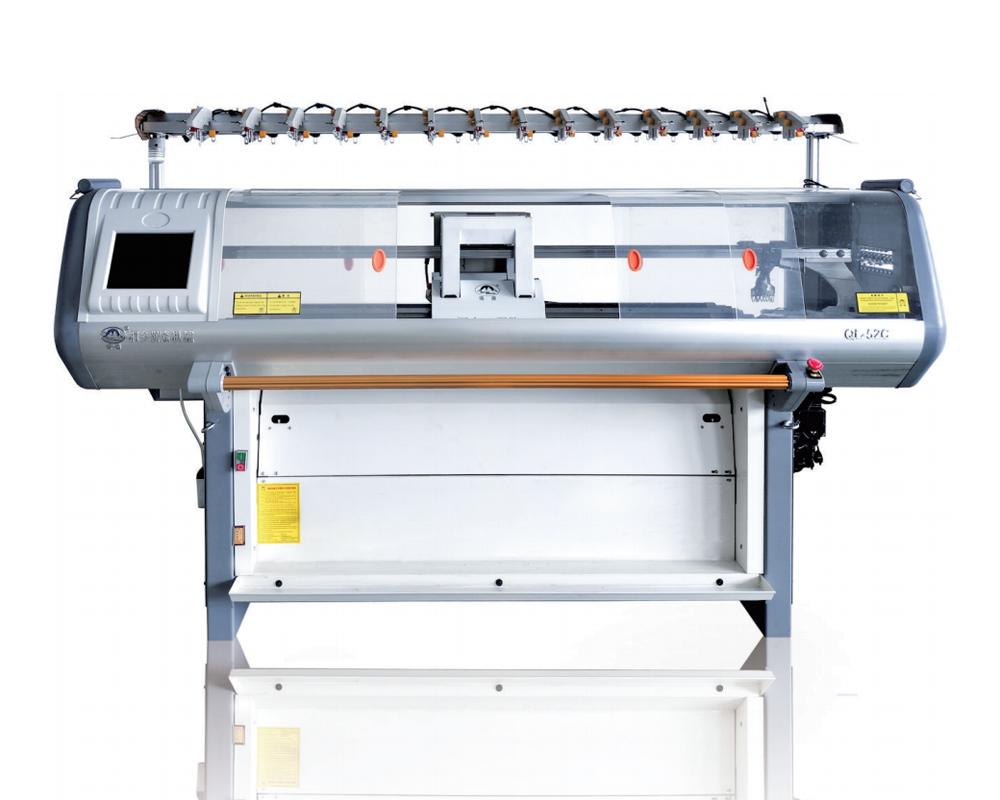
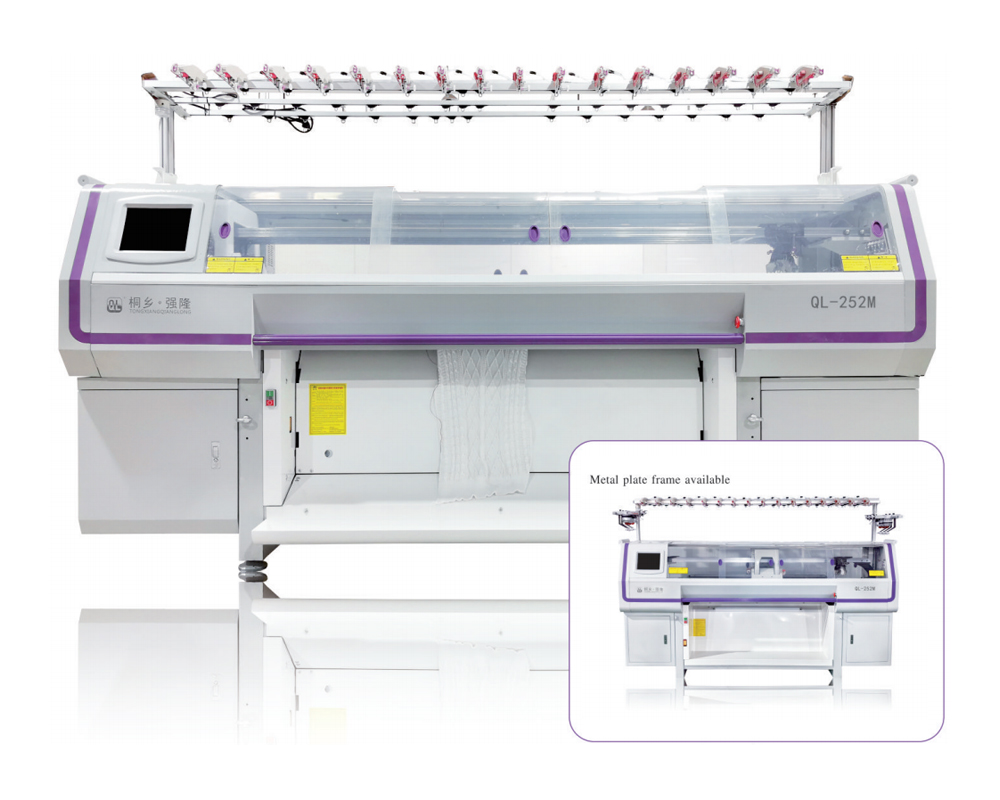
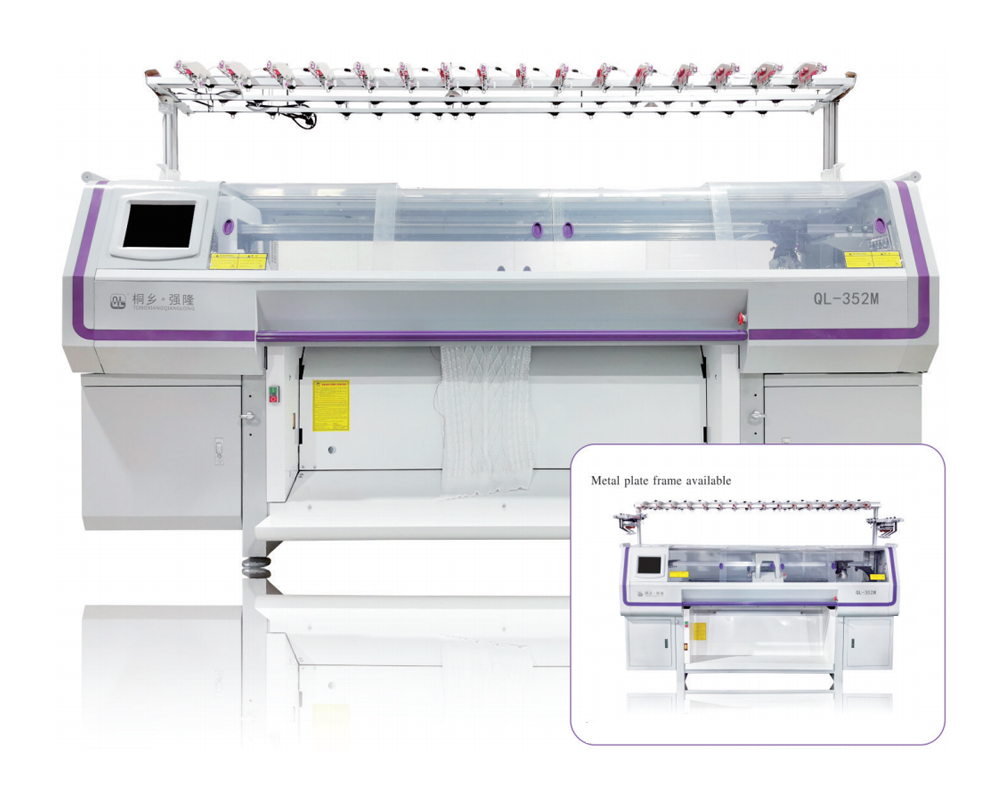
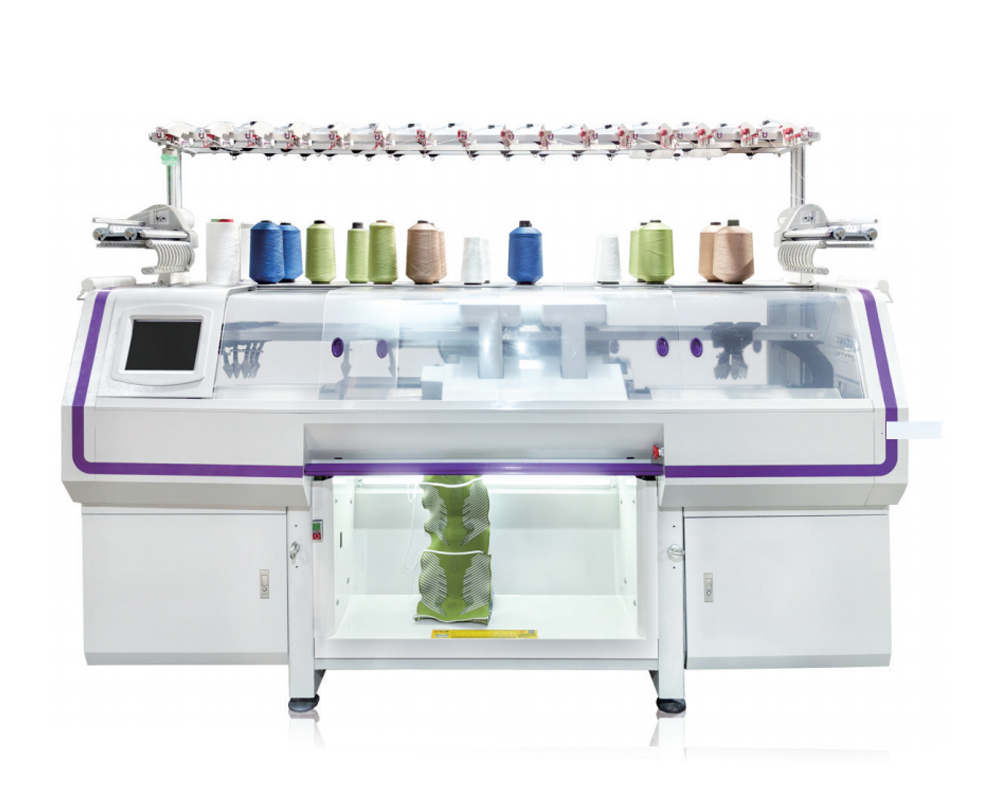
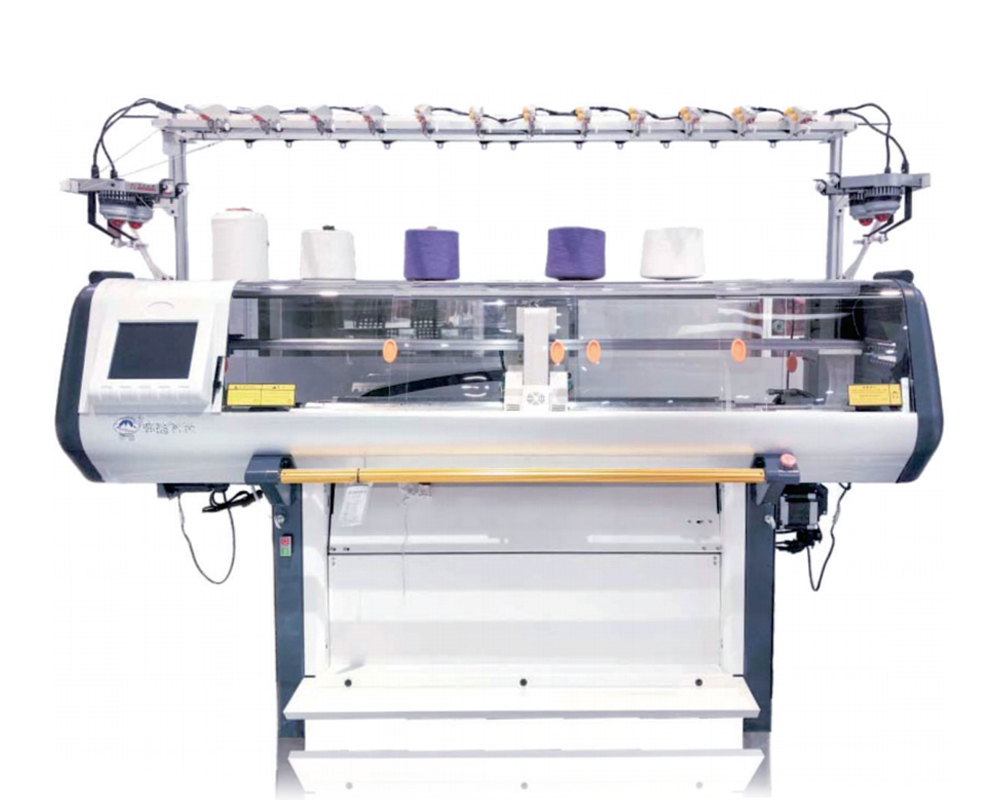
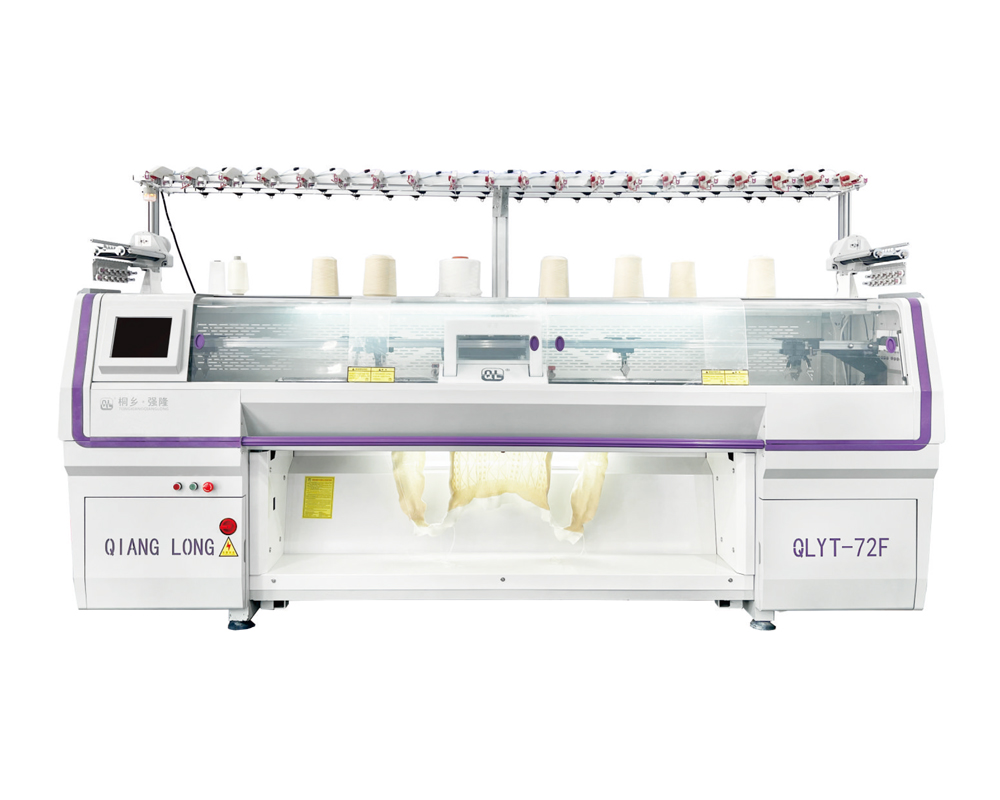
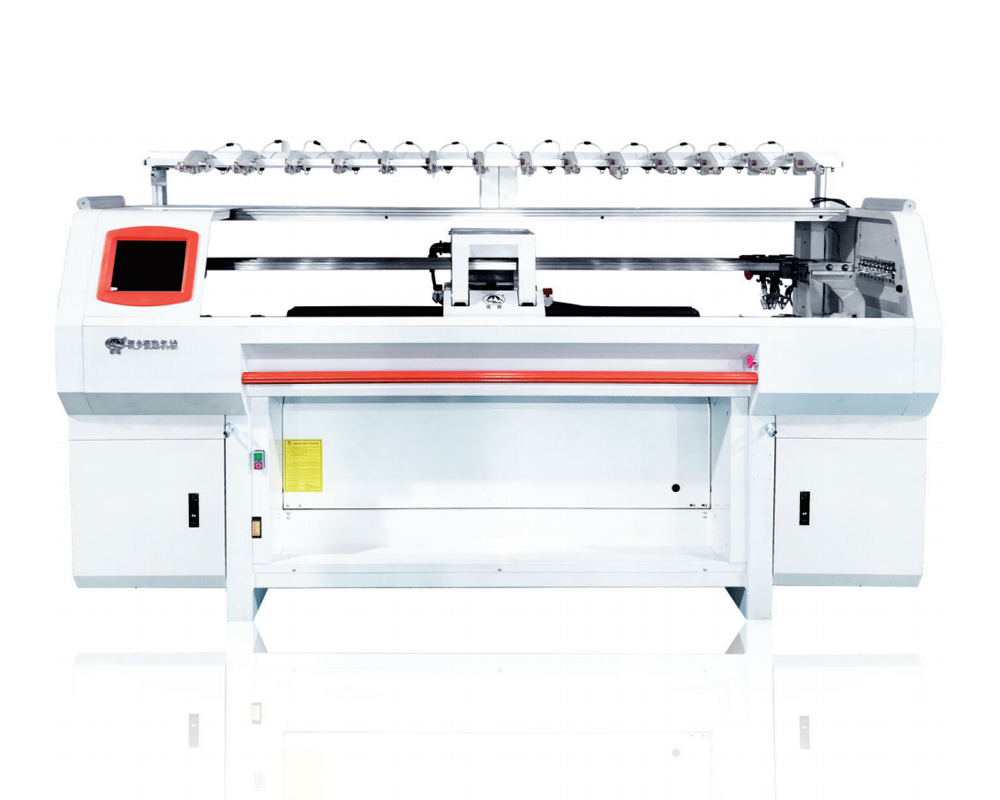
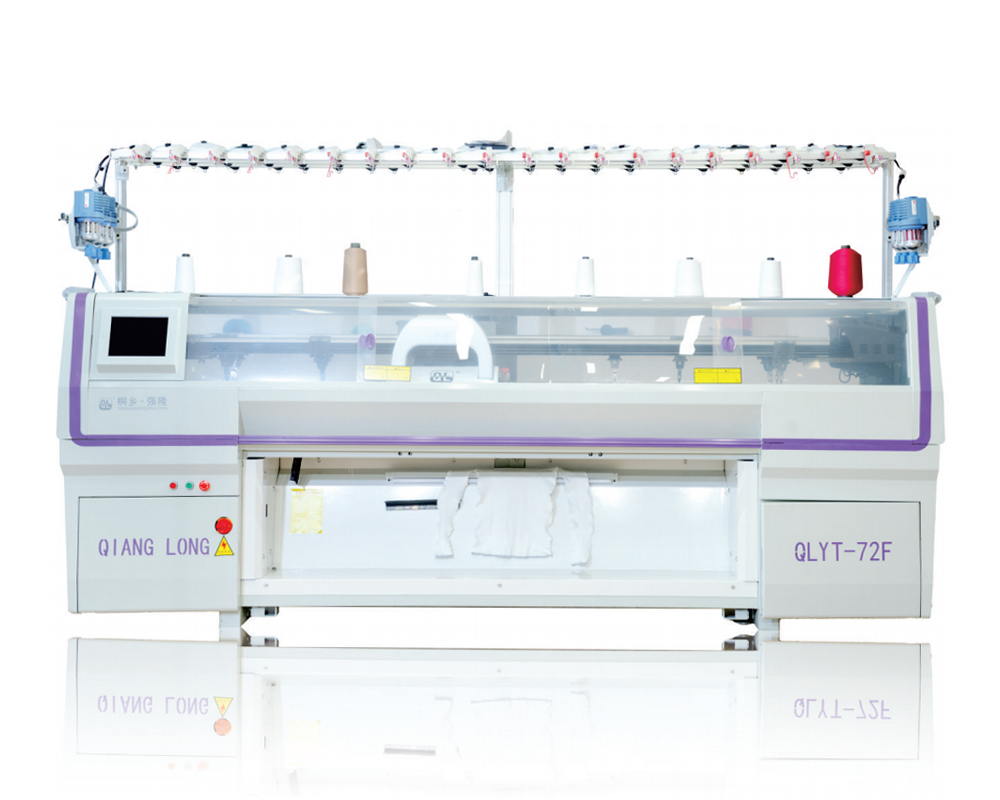
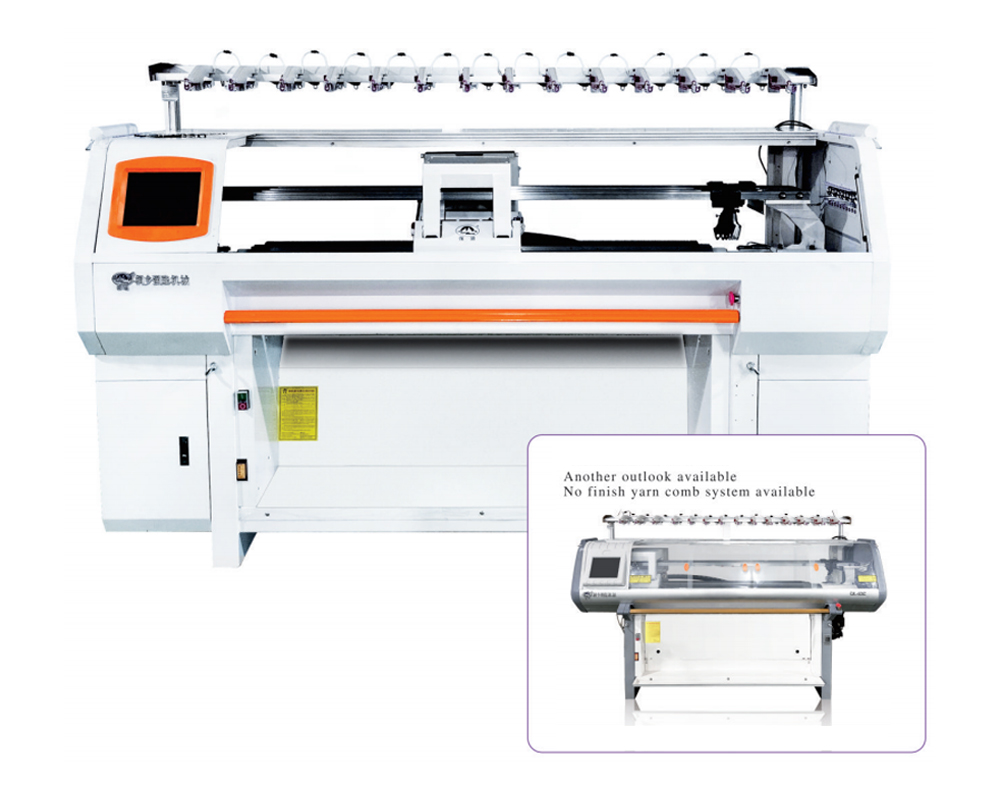
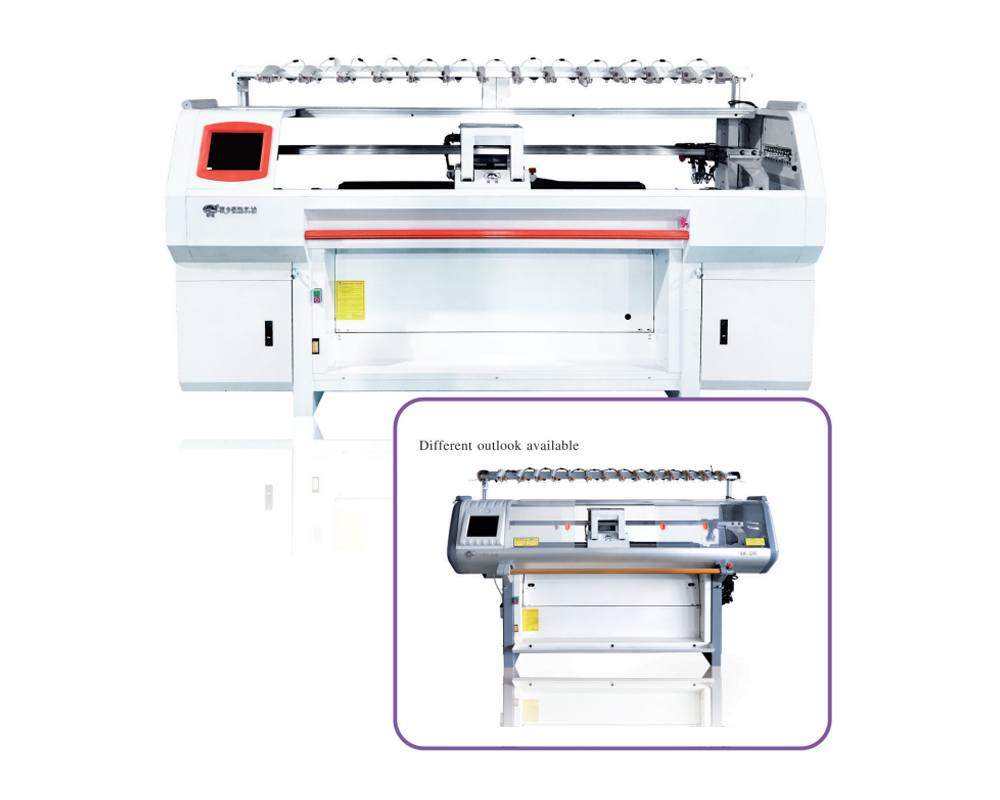
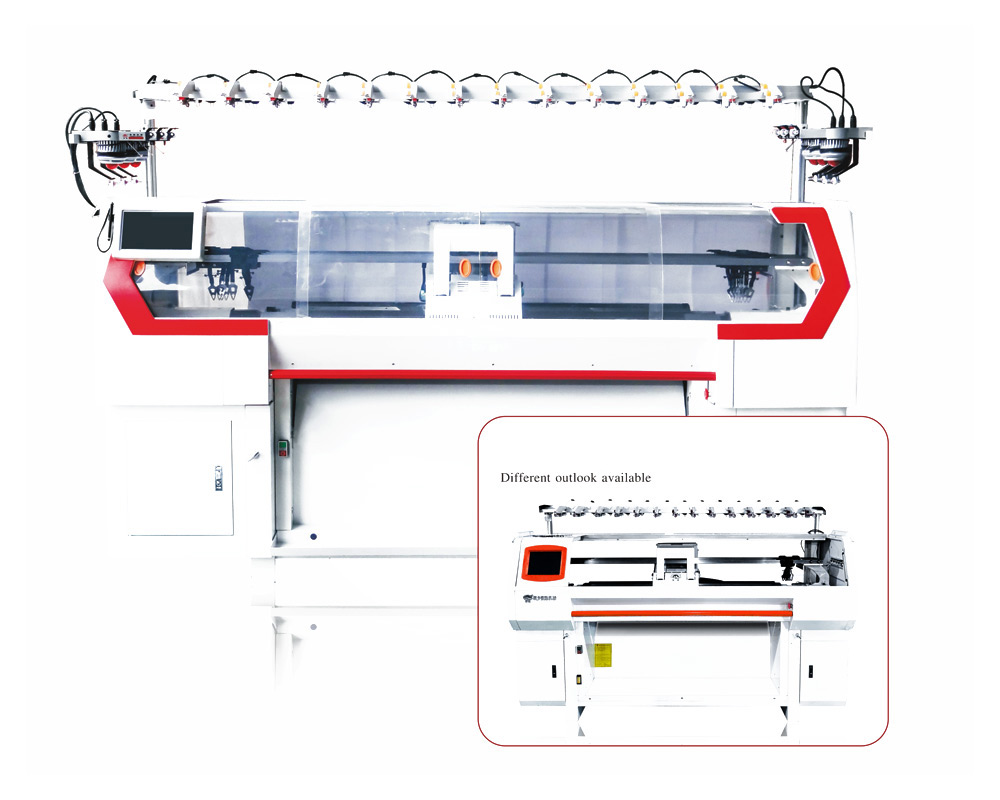

Tongxiang Qianglong Machinery Co., Ltd. is high-tech China wholesale computerized flat knitting machine manufacturers, specialized in designing, developing, and manufacturing Knitting Machinery..
Content
The single-double system computerized flat knitting machine is a specialized piece of equipment used in the knitwear industry to produce fabrics with both single jersey and double jersey structures on the same machine platform. This flexibility makes it a practical investment for manufacturers who need to switch between fabric types without purchasing separate machines for each construction. This article explains how the system works, what sets it apart from standard flat knitting machines, and what factors matter most when evaluating one for production use.
What a Single-Double System Machine Actually Does
A conventional flat knitting machine is typically built for either single jersey knitting, which uses one set of needles, or double jersey (rib) knitting, which uses two opposing needle beds working together. A single-double system machine is engineered to switch between these two modes, allowing a single machine to produce lightweight single-layer fabrics as well as thicker, more structured double-layer fabrics such as ribs, interlocks, and cable patterns.
This is achieved through a needle bed configuration that can operate with only the front bed active for single jersey knitting, or with both front and back beds engaged for double jersey knitting. The computerized control system manages this transition automatically, adjusting needle selection, yarn feed, and take-down tension according to the programmed pattern, without requiring the operator to physically reconfigure the machine between fabric types.
Core Components and How They Work Together
Understanding the main components of the machine helps explain why it can produce such a wide range of fabric structures. The needle beds, typically arranged in a V-shape, house individual needles that are selected and moved by electronic needle selectors, often based on piezoelectric or electromagnetic technology. These selectors respond to instructions from the machine's onboard computer, which reads pattern data and translates it into precise needle movements row by row.

The yarn feeding system is equally important, since it must deliver yarn at consistent tension regardless of whether the machine is producing a light single jersey fabric or a denser double jersey structure. Most computerized flat knitting machines use multiple yarn carriers that travel across the needle beds, allowing several yarns or colors to be fed into the fabric during a single knitting cycle. A stitch cam system, controlled electronically, adjusts the depth of each stitch to control fabric density and elasticity.
Main Functional Components
- Front and back needle beds for single and double jersey capability
- Electronic needle selection system for precise stitch control
- Multiple yarn carriers for multi-color and multi-yarn knitting
- Programmable stitch cam system for density and tension control
- Computerized control panel for pattern programming and monitoring
Single Jersey vs Double Jersey Output
Since the primary value of this machine type lies in its dual capability, it helps to understand the practical differences between the two fabric structures it can produce. Single jersey fabric is thinner, lighter, and tends to curl at the edges, making it suitable for t-shirts, lightweight tops, and fabrics that will be cut and sewn. Double jersey fabric, produced when both needle beds are engaged, is thicker, more stable, and does not curl, which makes it better suited for structured garments like cardigans, jackets, and ribbed cuffs and collars.
| Feature | Single Jersey Mode | Double Jersey Mode |
| Needle beds used | Front bed only | Front and back beds |
| Fabric weight | Lightweight | Medium to heavy |
| Edge curling | Prone to curling | Stable, no curling |
| Common uses | T-shirts, lightweight tops | Cardigans, ribbed trims, jackets |
Advantages of Choosing a Single-Double System Machine
The most obvious advantage is production flexibility. Manufacturers who serve varied customer orders, ranging from basic single jersey garments to structured ribbed pieces, can meet both needs without maintaining two separate machine lines. This reduces floor space requirements and lowers the overall capital investment needed to offer a broad product range.
Computerized control also brings consistency advantages that manual or semi-automated machines cannot match. Pattern data can be stored digitally and reused across production runs, ensuring that fabric quality remains consistent from batch to batch. Changeover time between styles is also significantly reduced, since switching from single to double jersey knitting, or between different stitch patterns, is handled through software rather than manual mechanical adjustment.
Key Benefits Summarized
- One machine covers two major fabric categories, reducing equipment costs
- Faster style changeovers through digital pattern switching
- Consistent stitch quality across repeated production runs
- Reduced factory floor space compared to running separate machines
- Supports both basic and structured garment production lines
What to Evaluate Before Purchasing
Buyers considering a single-double system machine should first assess the gauge range offered, since this determines the fineness of the fabric that can be produced. A wider gauge range allows a factory to serve more diverse product lines, from fine-gauge sweaters to coarser outerwear fabrics, without needing additional equipment. Needle bed width is another important factor, as it determines the maximum garment panel width the machine can knit in a single pass, which directly affects production efficiency for larger garment sizes.
It is also worth checking the machine's yarn carrier capacity, since a higher number of carriers allows more complex multi-color or multi-yarn patterns to be produced without manual intervention. Software compatibility matters as well, particularly whether the machine supports common pattern design formats used by the factory's design team, as this affects how smoothly new styles can be developed and transferred to production.
Purchase Evaluation Checklist
- Confirm the gauge range matches your target product categories
- Check needle bed width against your typical garment panel sizes
- Review yarn carrier count for multi-color pattern needs
- Verify software compatibility with your existing design workflow
- Ask about after-sales technical support and spare parts availability
A single-double system computerized flat knitting machine offers manufacturers a practical way to produce two distinct fabric categories on one platform, cutting equipment costs while maintaining production flexibility. By carefully evaluating gauge range, bed width, and software compatibility before purchase, factories can select a machine that fits their specific product mix and long-term production goals.
