
 English
 简体中文
简体中文
 Chinese
 English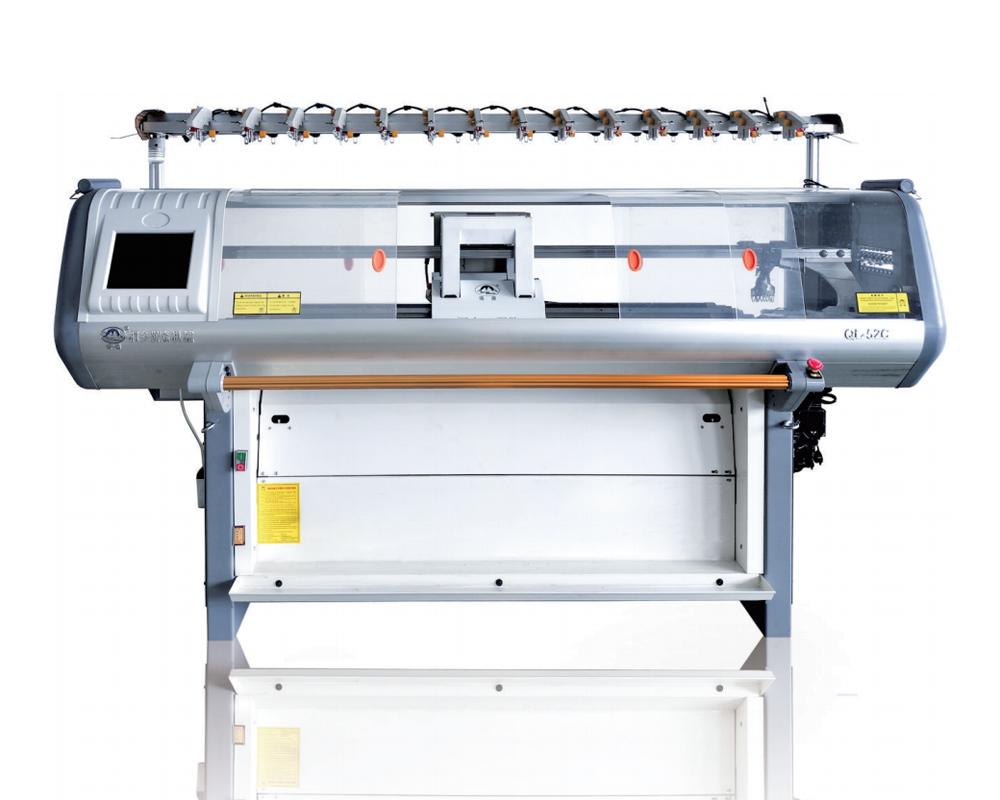
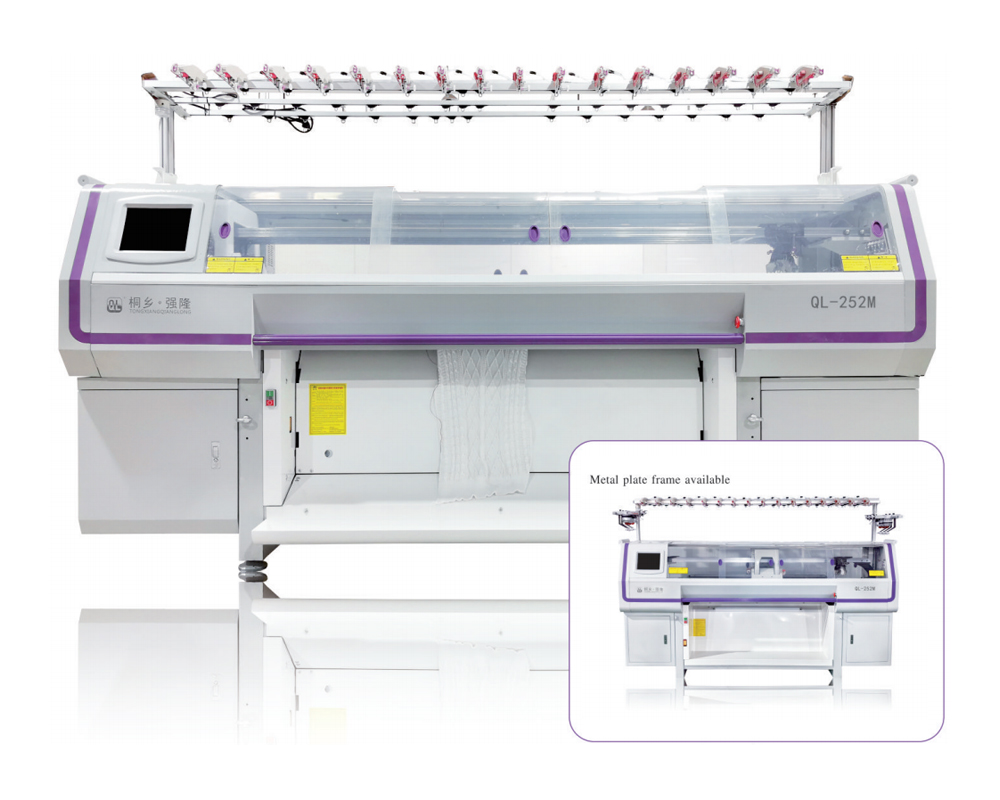
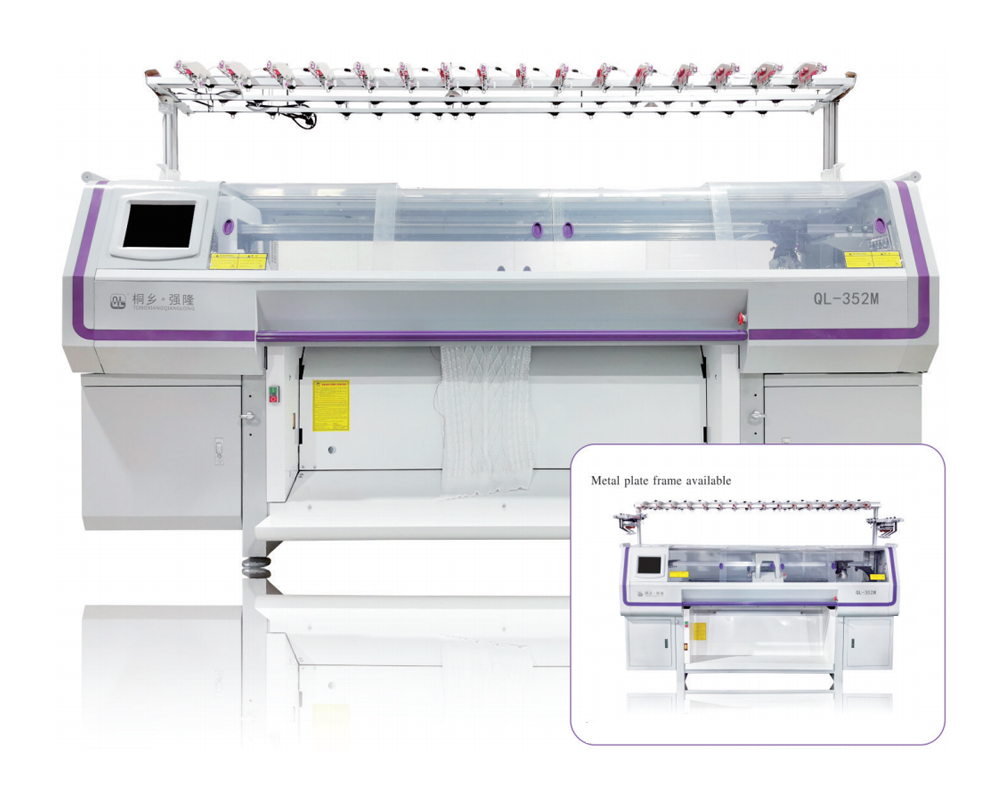
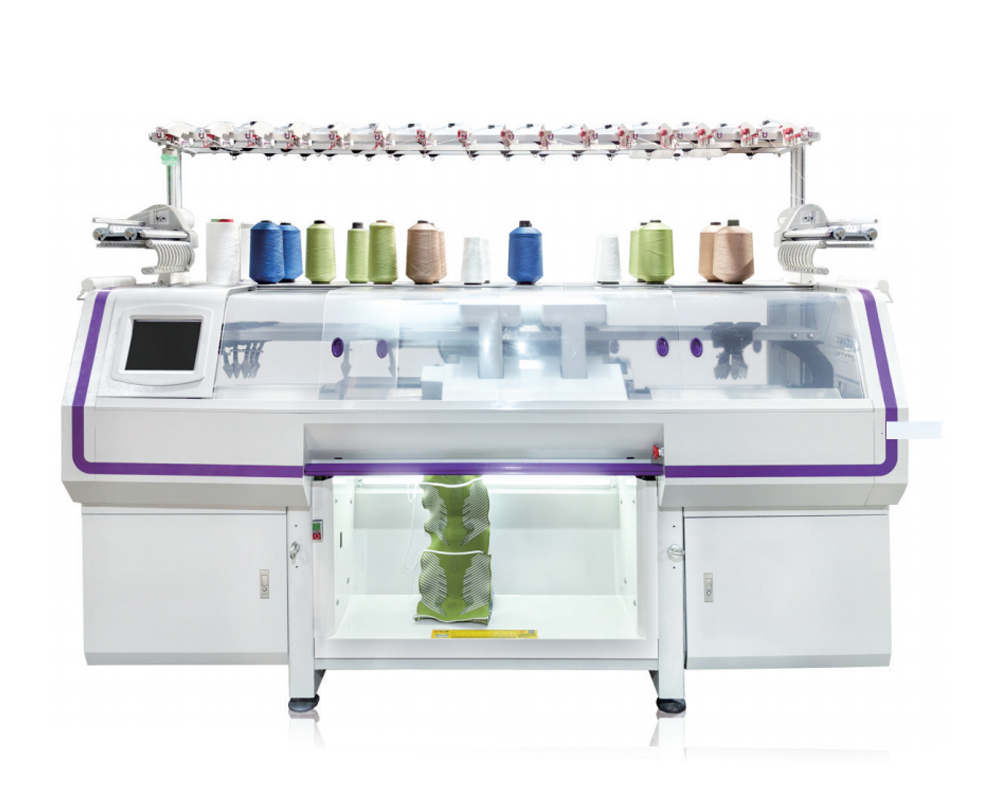
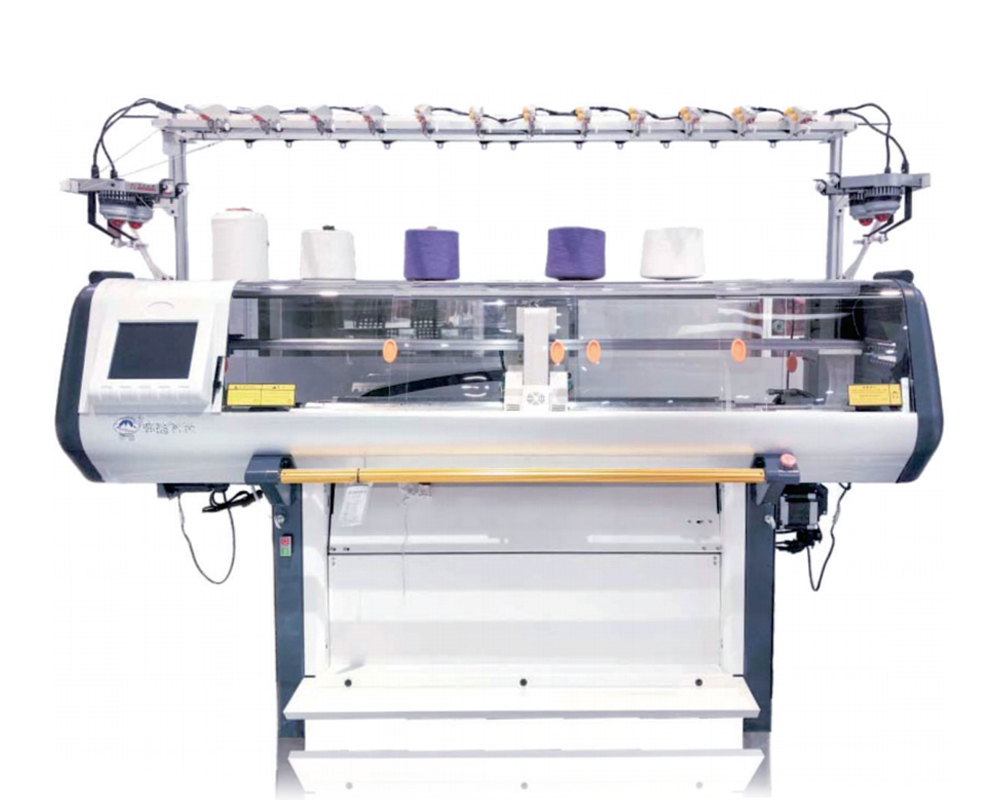
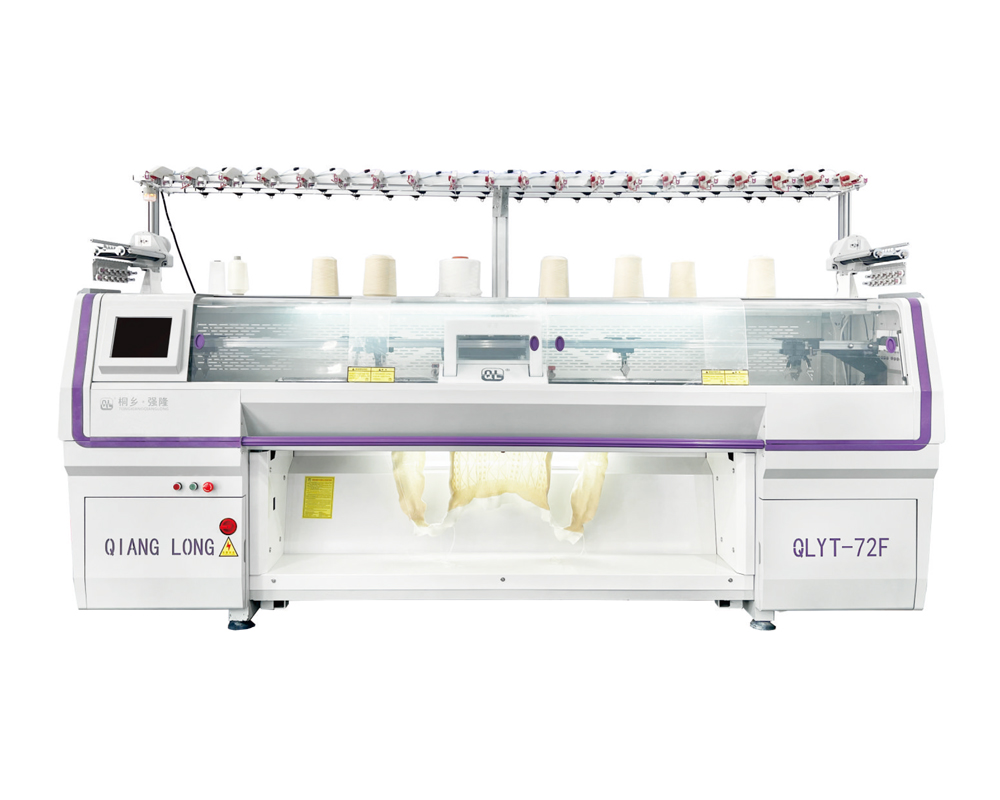
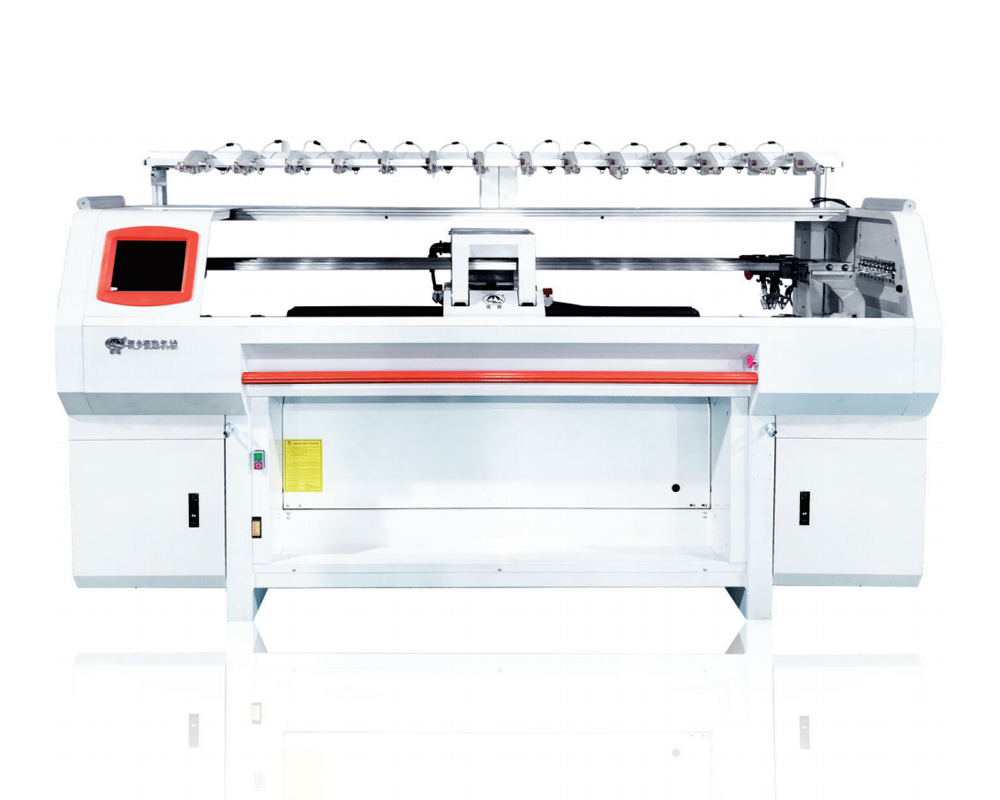
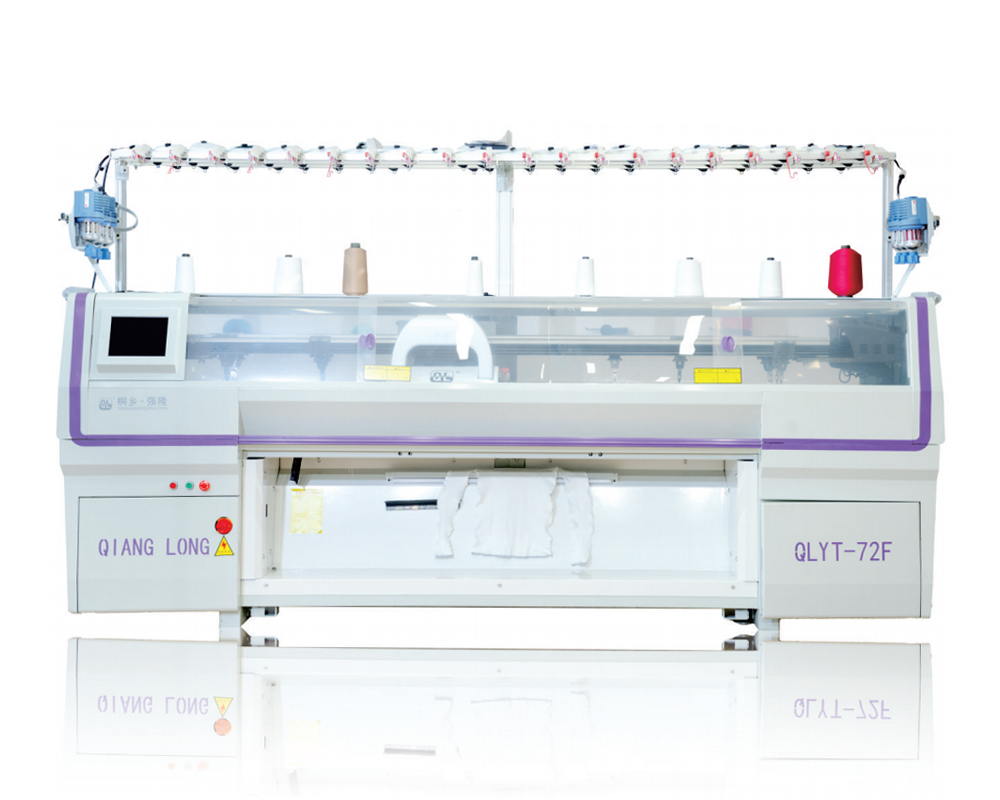
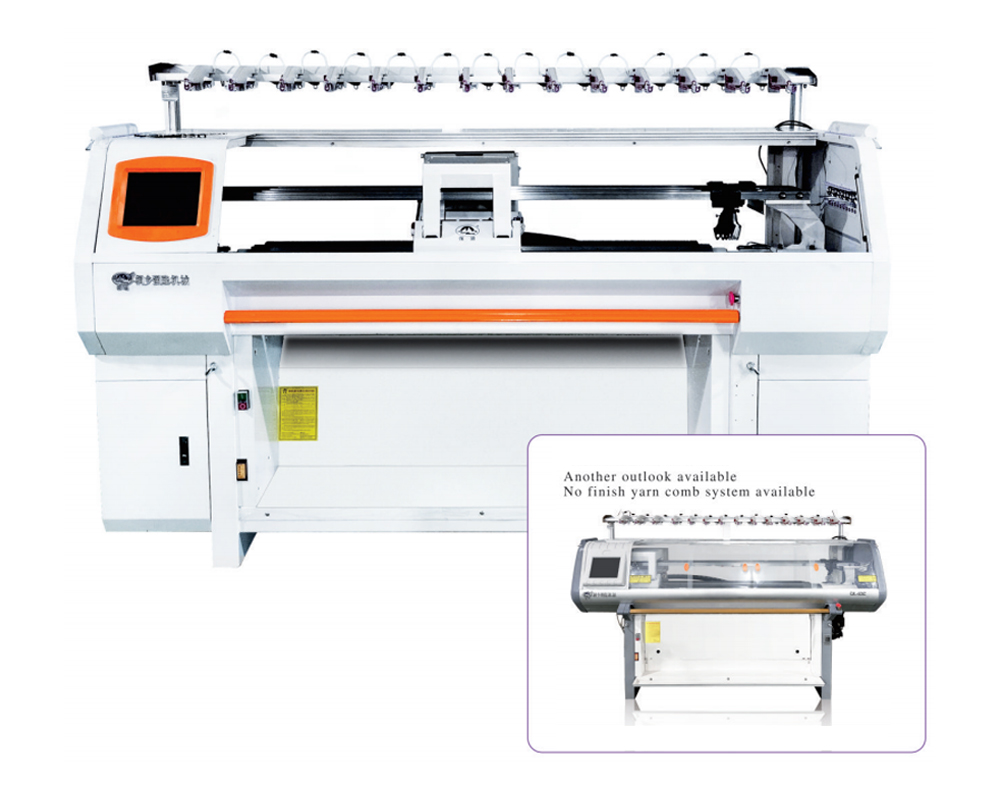
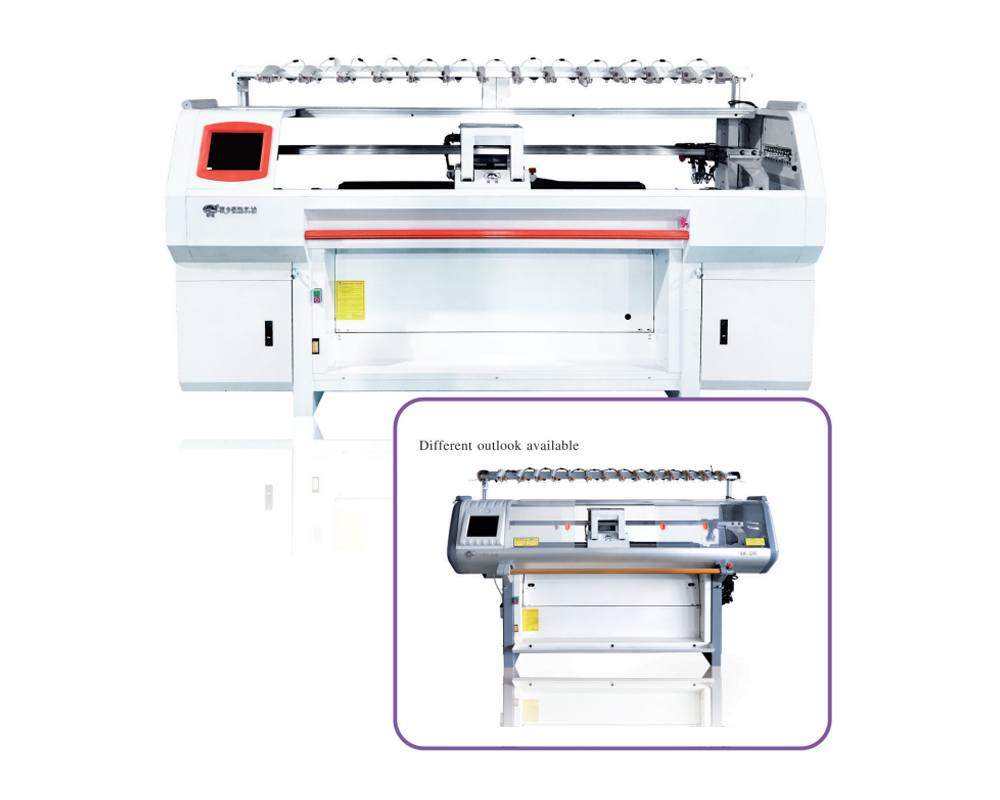
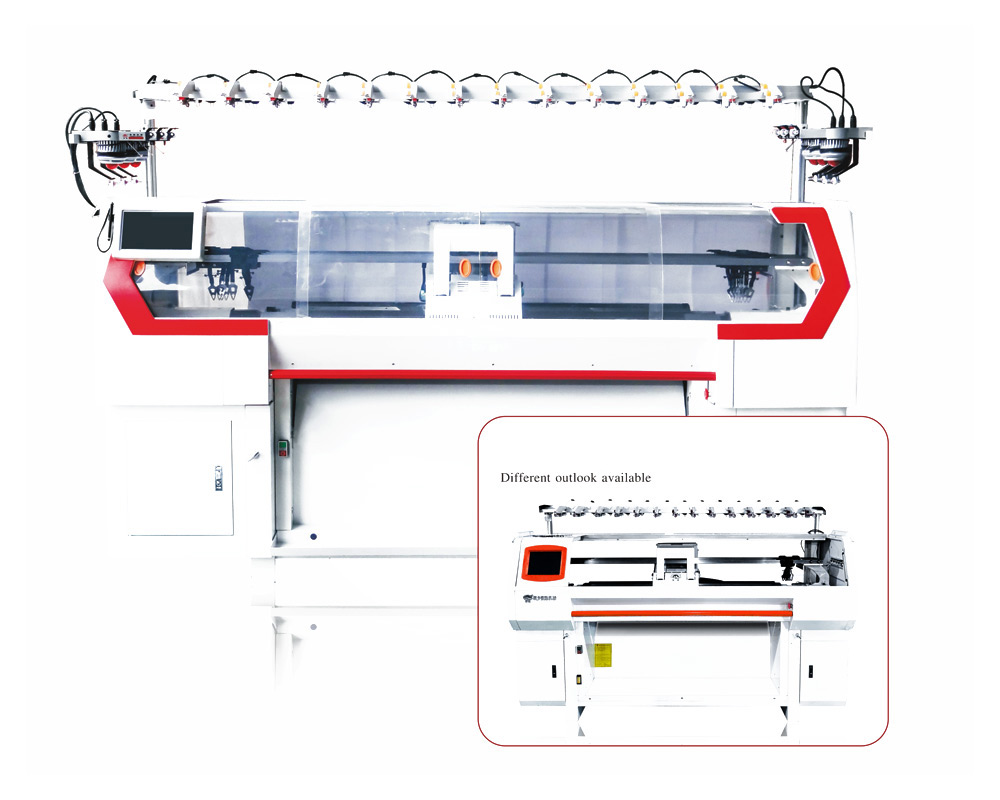

Tongxiang Qianglong Machinery Co., Ltd. is high-tech China wholesale computerized flat knitting machine manufacturers, specialized in designing, developing, and manufacturing Knitting Machinery..
Content
What Makes a Flat Knitting Machine "Smart"
A smart running computerized flat knitting machine combines traditional flat knitting mechanics with digital control systems, sensors, and automated monitoring software. Unlike older mechanical machines that rely heavily on manual adjustments, these systems use programmed instructions to control needle movement, tension, stitch density, and carriage speed with high precision. Operators can load pattern files directly into the machine's control panel, allowing production to switch between designs quickly without extensive manual recalibration.
The "smart" designation typically refers to features such as real-time yarn breakage detection, automatic tension adjustment, remote diagnostics, and data logging that tracks machine performance over time. These capabilities reduce downtime and help manufacturers maintain consistent product quality across large production runs.
Core Components and How They Work Together
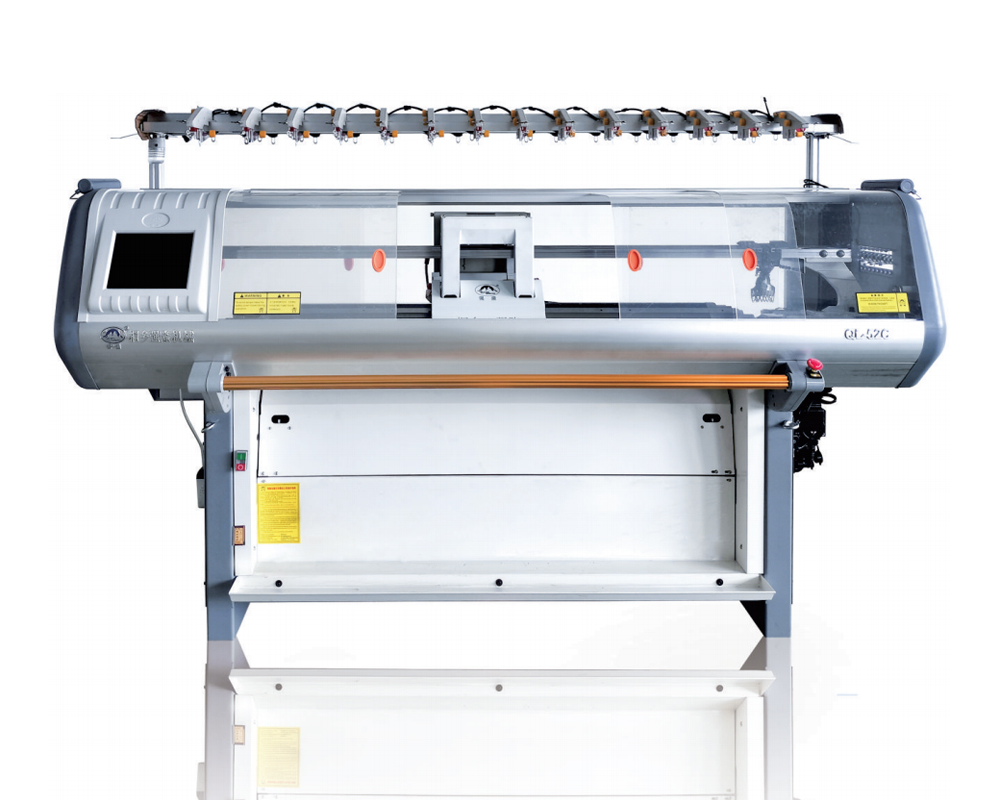
Understanding the main components of a computerized flat knitting machine helps operators troubleshoot issues and optimize settings for different fabric types. Each part plays a specific role in transforming yarn into finished knitted panels or garments.
Key Mechanical and Electronic Parts
- Needle bed: holds the needles that form loops and stitches
- Carriage system: moves across the needle bed to control stitch formation
- Yarn feeder: delivers yarn at a consistent rate to prevent tension issues
- Servo motors: provide precise, programmable movement control
- Control panel: interfaces with pattern software and displays real-time data
- Sensors: detect yarn breaks, needle faults, and tension irregularities
These components work in coordination through the machine's central processing unit, which interprets pattern data and sends commands to each mechanical part in real time. This integration is what allows complex patterns, cable knits, and shaped garment pieces to be produced automatically without constant operator intervention.
Advantages Over Traditional Knitting Machines
Manufacturers switching from mechanical or semi-automatic machines to smart computerized systems typically see measurable improvements in output, quality, and labor efficiency. The table below compares key performance factors between traditional and smart running machines.
| Factor | Traditional Machine | Smart Computerized Machine |
| Pattern Changeover | Manual, time-consuming | Software-based, minutes |
| Fault Detection | Manual inspection | Automatic sensor alerts |
| Production Consistency | Varies by operator skill | Highly consistent |
| Data Tracking | Limited or none | Real-time performance logs |
| Labor Requirement | Higher, continuous monitoring | Lower, periodic supervision |
These improvements translate directly into cost savings over time, particularly for manufacturers running multiple shifts or producing high volumes of garments with varying designs.
Typical Applications in Textile Manufacturing
Smart running computerized flat knitting machines are widely used across several segments of the textile industry due to their flexibility in producing both simple and intricate knit structures. Common applications include full-fashioned sweaters, seamless garment panels, technical textiles, and shoe upper components.
Industries That Rely on These Machines
- Fashion apparel manufacturers producing sweaters and cardigans
- Sportswear brands creating seamless, ergonomic knitwear
- Footwear companies producing knit shoe uppers
- Technical textile producers making industrial or medical fabrics
- Home textile manufacturers producing knitted blankets and throws
The ability to program intricate stitch patterns, integrate multiple yarn types within a single piece, and produce shaped panels without cutting waste makes these machines especially valuable for brands focused on sustainable, low-waste production methods.
Maintenance Practices to Maximize Machine Lifespan
Regular maintenance is essential to keep a computerized flat knitting machine running smoothly and to avoid costly production interruptions. Even with automated diagnostics, routine physical upkeep remains necessary to protect mechanical components from wear.
Recommended Maintenance Schedule
Daily maintenance should include cleaning yarn dust and debris from the needle bed and carriage tracks, as accumulated lint can interfere with needle movement and cause stitch defects. Weekly checks should focus on lubricating moving parts according to manufacturer specifications, since improper lubrication is a leading cause of premature wear on needles and cams.
Monthly inspections should include reviewing sensor calibration, checking servo motor performance, and updating control software when new versions are released. Keeping detailed maintenance logs also helps identify recurring issues before they lead to major breakdowns, allowing technicians to address root causes rather than repeatedly fixing the same symptoms.
Choosing the Right Machine for Your Production Needs
Selecting a smart computerized flat knitting machine requires evaluating factors such as gauge range, bed width, maximum knitting speed, and compatibility with existing pattern design software. Manufacturers producing fine-gauge garments need different specifications than those focused on heavier, technical fabrics.
It is also important to consider the availability of local technical support and spare parts, as downtime waiting for replacement components can significantly impact production schedules. Working with an established manufacturer that offers training, software updates, and responsive customer service helps ensure long-term operational reliability and a stronger return on investment.
