
 English
 简体中文
简体中文
 Chinese
 English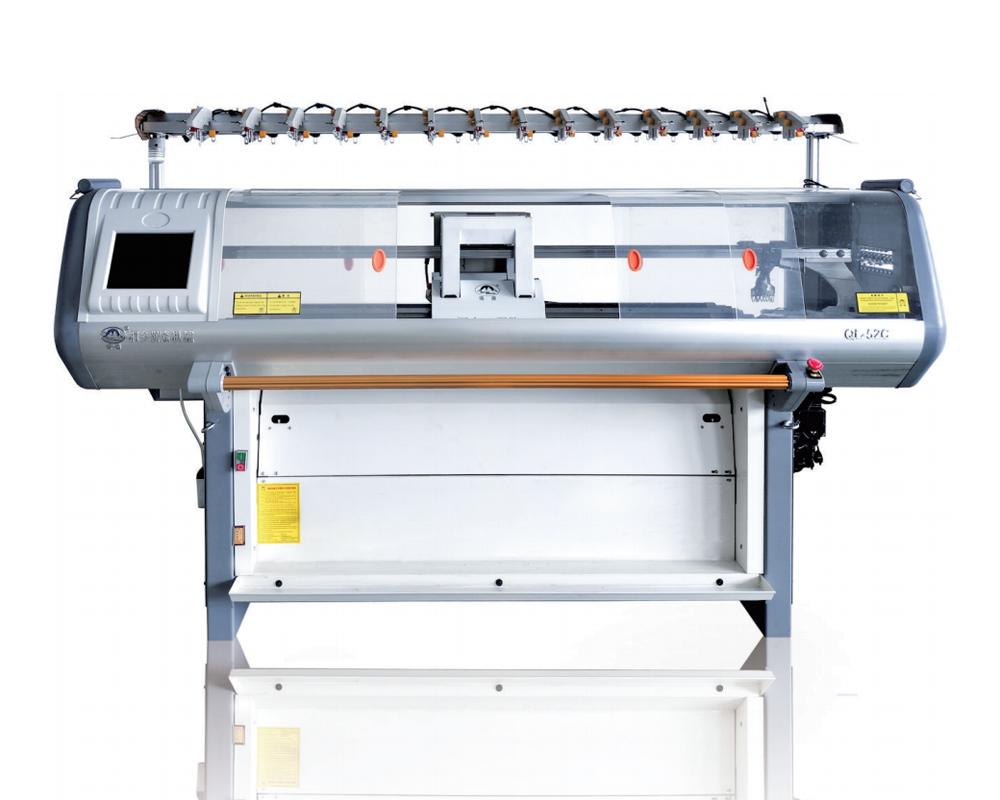
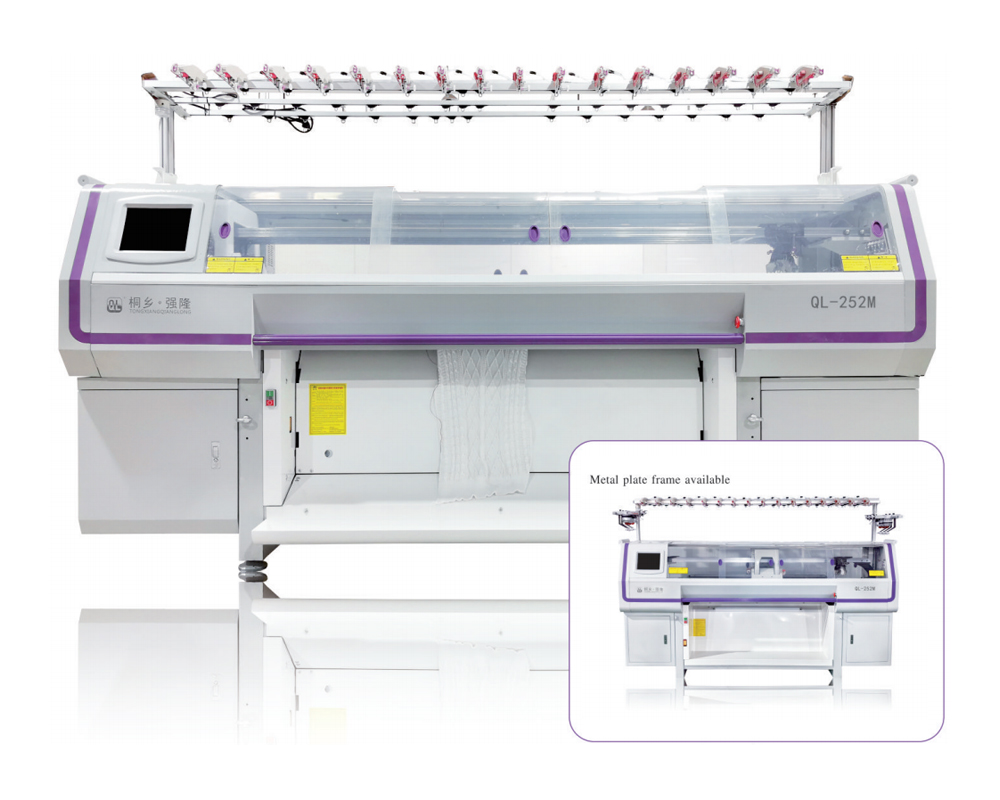
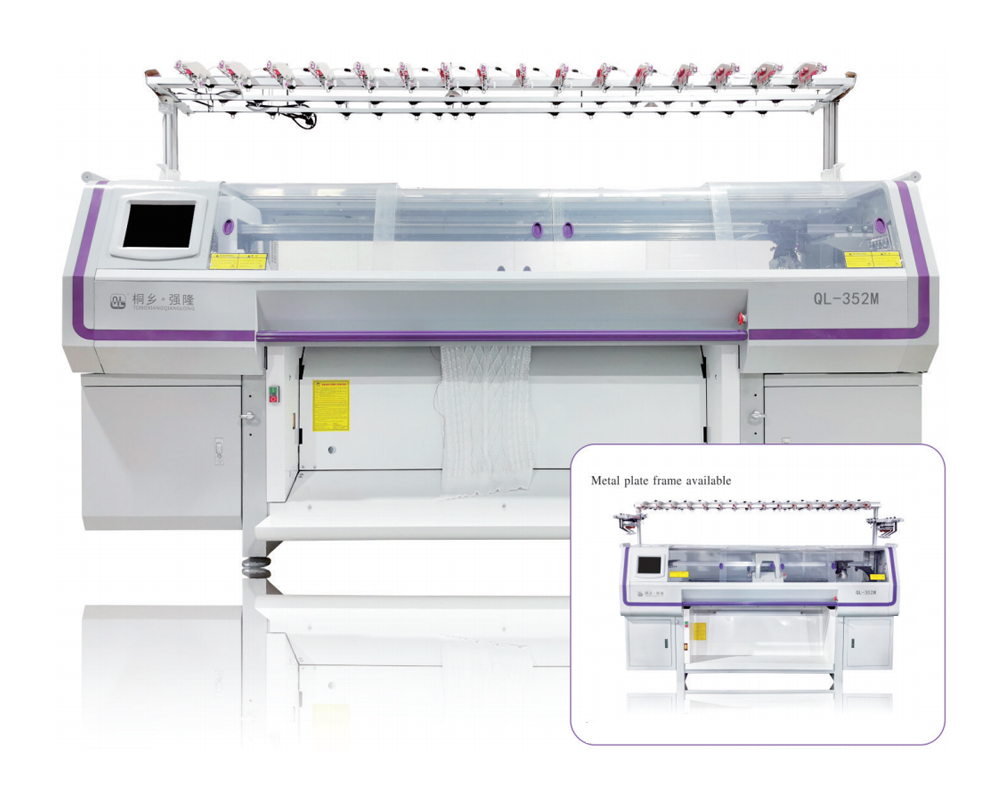
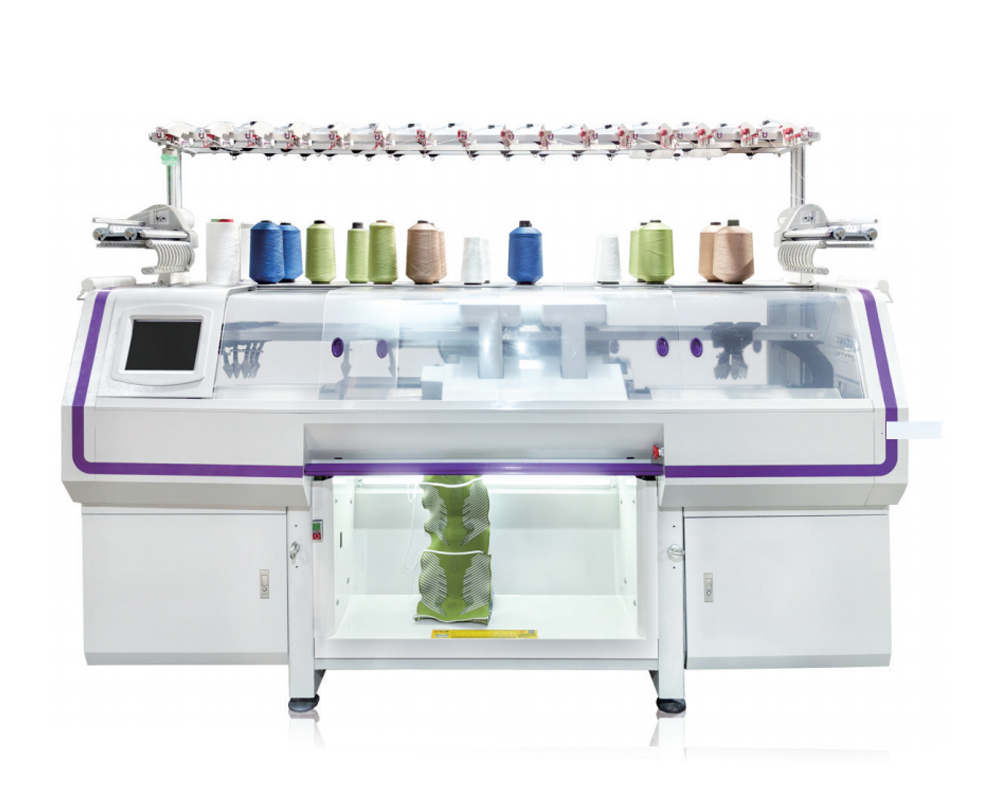
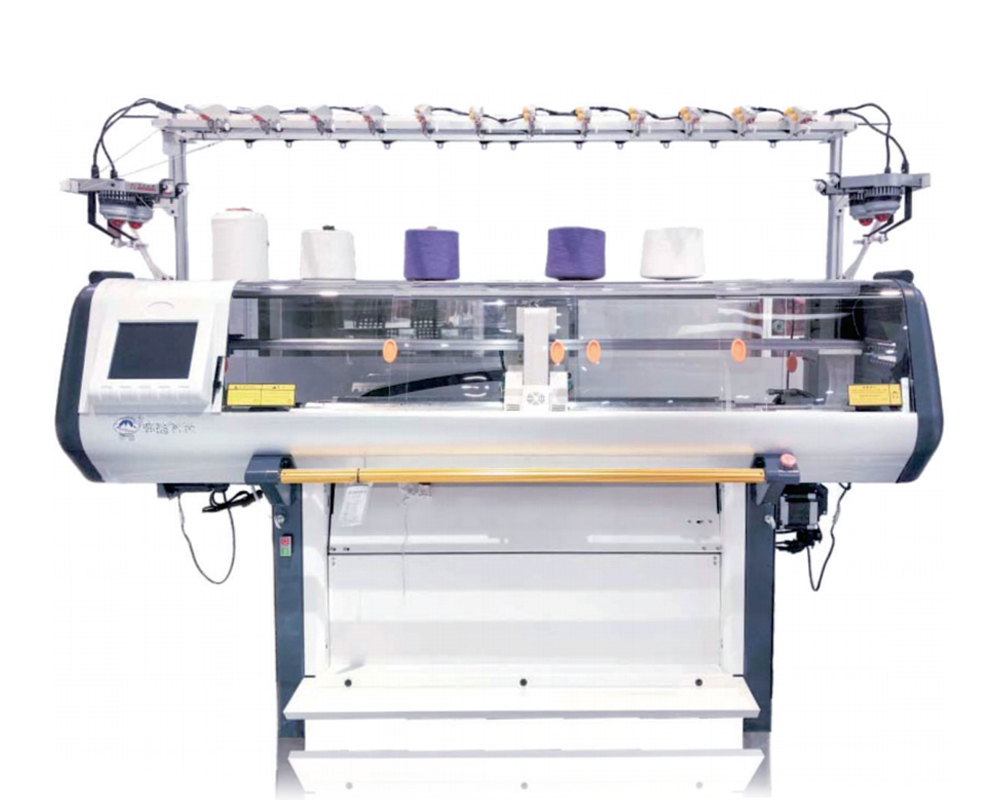
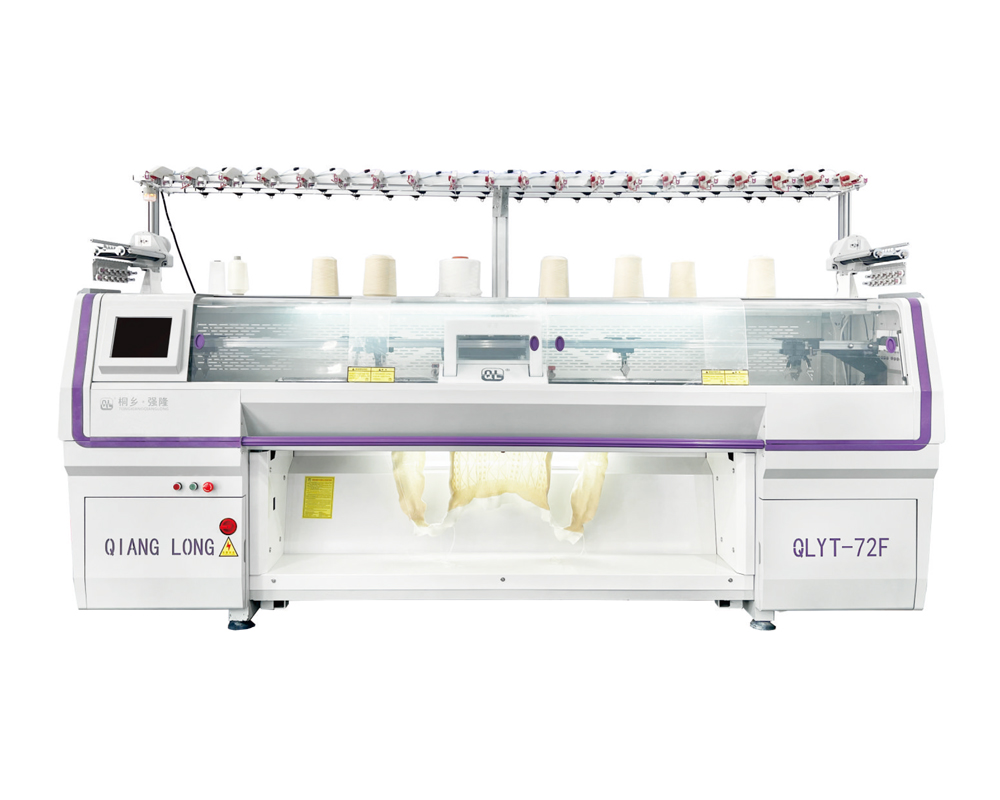
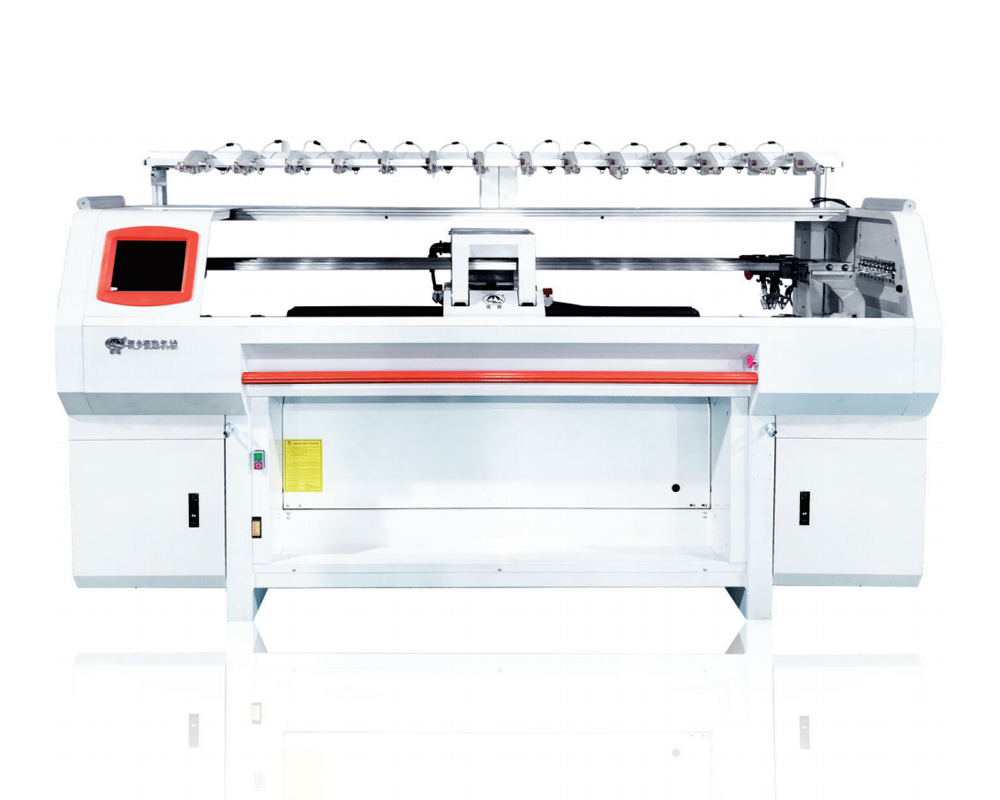
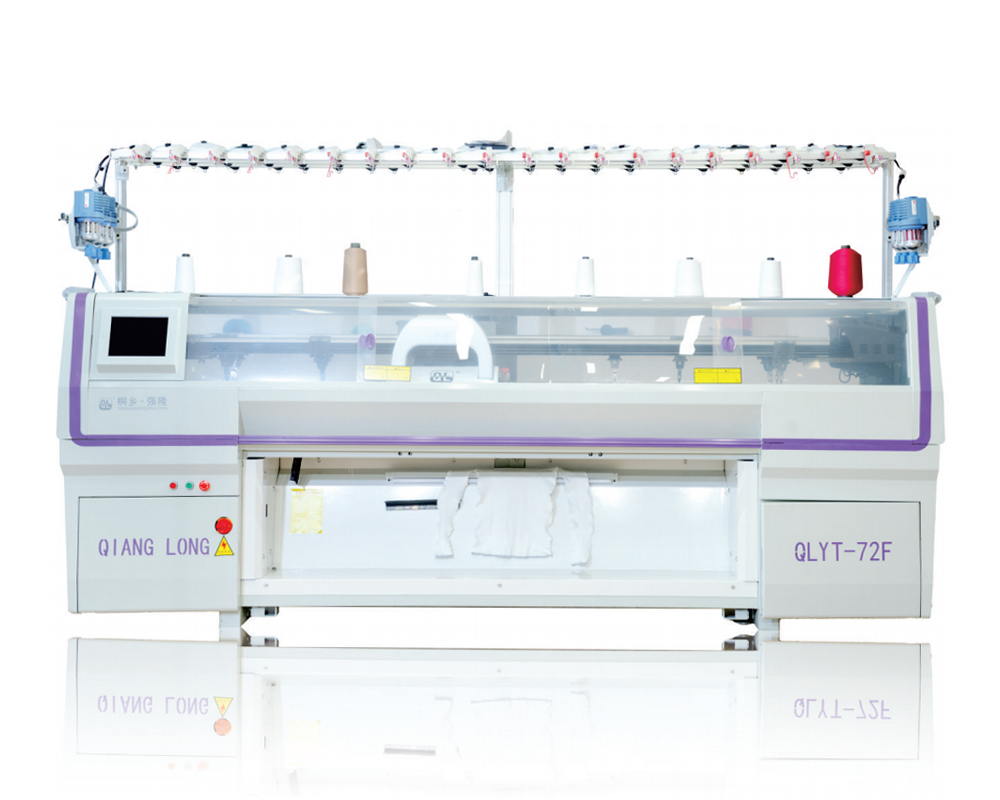
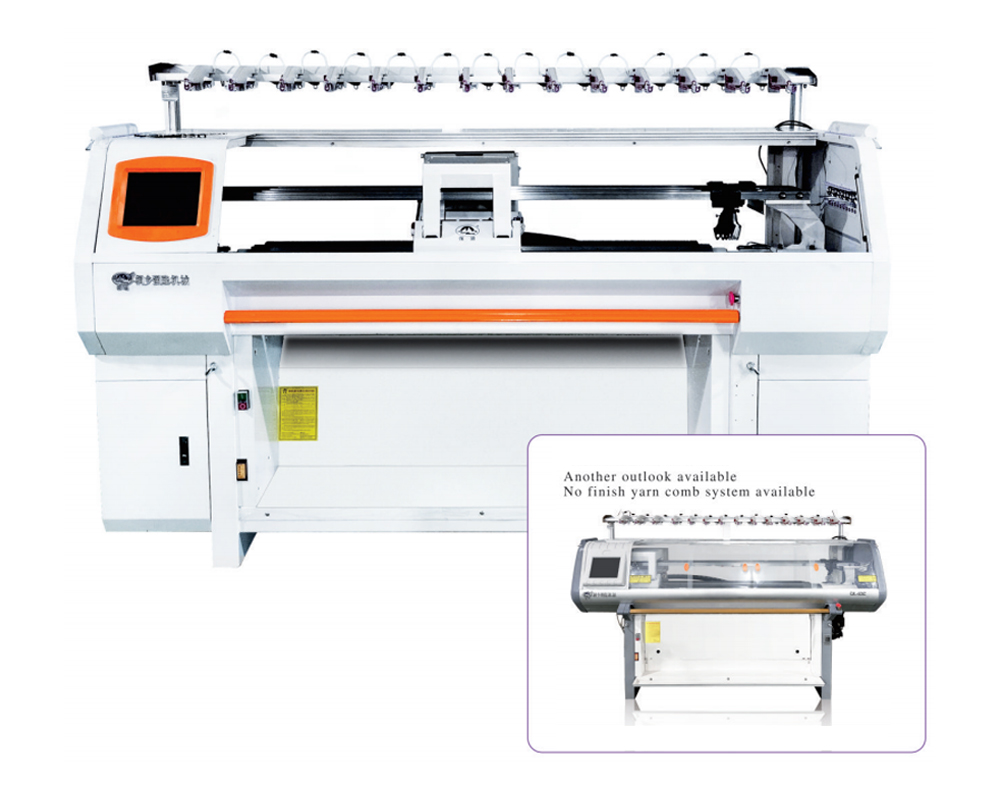
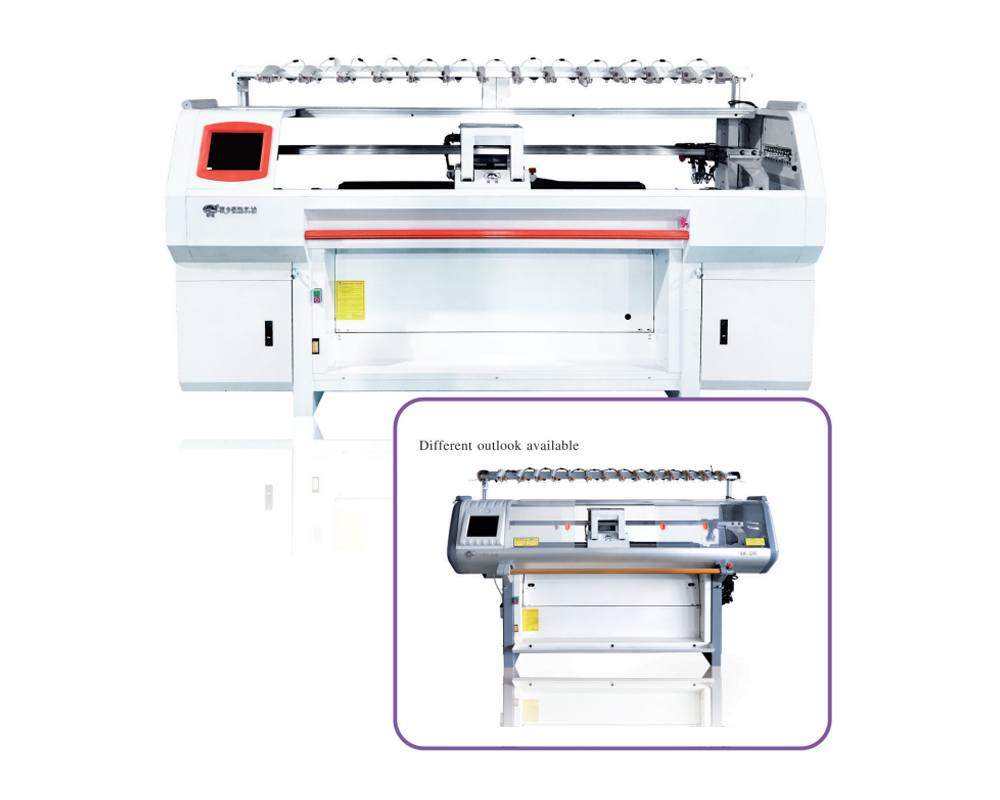
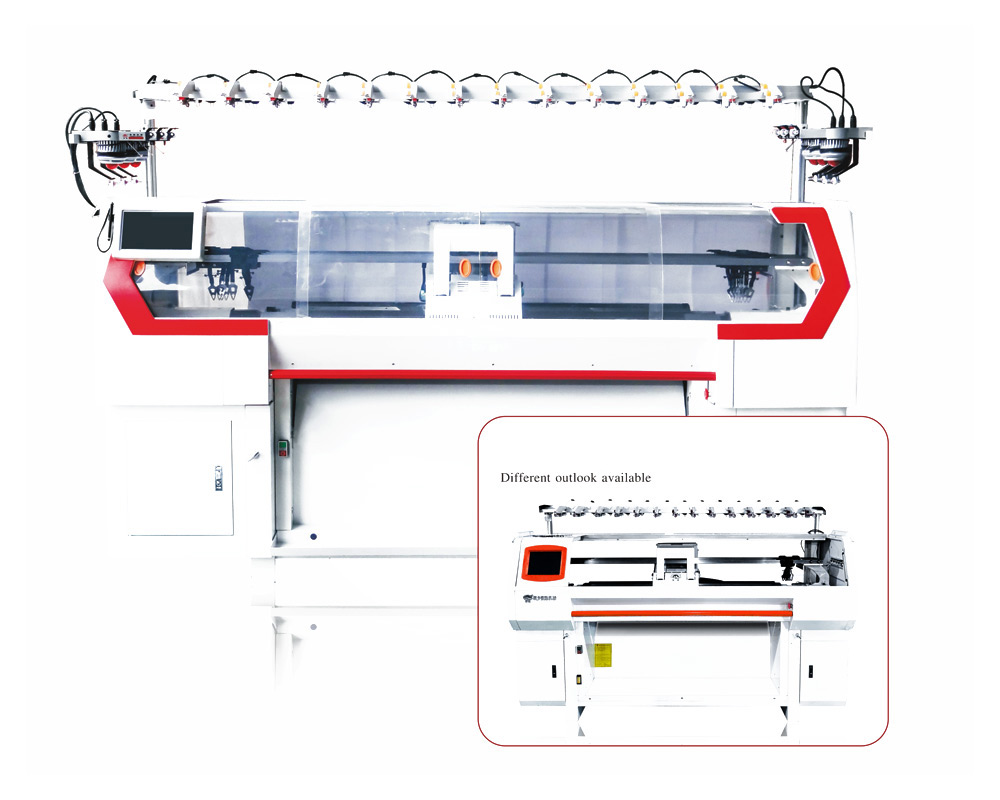

Tongxiang Qianglong Machinery Co., Ltd. is high-tech China wholesale computerized flat knitting machine manufacturers, specialized in designing, developing, and manufacturing Knitting Machinery..
Content
The three system computerized flat knitting machine represents a significant advancement in textile manufacturing, combining precision, speed, and automation. By integrating three distinct operational systems into a single platform, this machine streamlines production processes, reduces labor requirements, and improves fabric consistency. This article explores how a three system computerized flat knitting machine enhances production efficiency and why it has become indispensable in modern knitting factories.
Understanding the Three System Architecture
The term "three system" refers to the integration of needle selection, yarn feeding, and pattern control into one cohesive unit. The needle selection system allows precise control over which needles are active at any given time, enabling complex patterns and consistent stitch formation. The yarn feeding system ensures accurate tension and feed rates, reducing waste and maintaining fabric uniformity. Finally, the pattern control system manages design input and execution, ensuring that even intricate patterns are knitted flawlessly.
Automation and Reduced Manual Intervention
Automation is a core feature of the three system computerized flat knitting machine. By automating critical functions such as stitch selection, yarn tension adjustment, and pattern implementation, the machine reduces the need for constant human oversight. Operators can focus on machine setup, quality inspection, and maintenance, rather than manual knitting tasks. This reduction in manual intervention minimizes human error and enhances overall production reliability.
Increased Production Speed
With synchronized operation across its three systems, this knitting machine can achieve higher speeds compared to traditional flat knitting machines. The precise needle selection system reduces downtime between pattern transitions, while the yarn feeding system maintains optimal tension at higher speeds. This results in faster fabric output without sacrificing quality, making it ideal for high-volume production environments.

Consistency and Quality Control
The computerized nature of the machine ensures that every piece of fabric is produced to exact specifications. The pattern control system eliminates inconsistencies that can occur with manual knitting, and the yarn feeding system ensures uniform stitch density. This consistent quality reduces the need for rework and minimizes defective products, which in turn saves time and materials.
Versatility in Fabric Design
The three system configuration allows manufacturers to produce a wide variety of fabrics, from simple plain knits to complex jacquard patterns. The pattern control system can store and execute multiple designs, allowing for quick changes between production runs. This versatility reduces setup times for new designs, allowing manufacturers to meet diverse market demands efficiently.
Reduced Material Waste
Precise yarn feeding and controlled needle selection ensure that yarn is used efficiently. Overfeeding or tension inconsistencies that commonly occur in manual or single-system machines are minimized. As a result, material wastage is significantly reduced, lowering production costs and contributing to more sustainable manufacturing practices.
Enhanced Operator Efficiency
The user-friendly interface of a three system computerized flat knitting machine allows operators to program, monitor, and adjust the machine with ease. Training times are reduced, and operators can manage multiple machines simultaneously. This improved human-machine interaction increases overall operational efficiency and optimizes workforce utilization.
Maintenance and Longevity
The integration of three systems also simplifies maintenance. The machine’s diagnostic tools allow operators to quickly identify issues in needle selection, yarn feeding, or pattern execution. Timely maintenance prevents costly downtime and prolongs the machine’s operational lifespan, ensuring consistent production capacity over time.
Conclusion
A three system computerized flat knitting machine improves production efficiency through automation, speed, precision, and versatility. Its integrated architecture minimizes human error, reduces material waste, and allows for consistent, high-quality fabric production. By adopting this technology, manufacturers can enhance operational efficiency, meet diverse design requirements, and maintain a competitive edge in the textile industry. The combination of faster production, reduced waste, and superior quality makes the three system computerized flat knitting machine a vital tool for modern knitting factories.
