
 English
 简体中文
简体中文
 Chinese
 English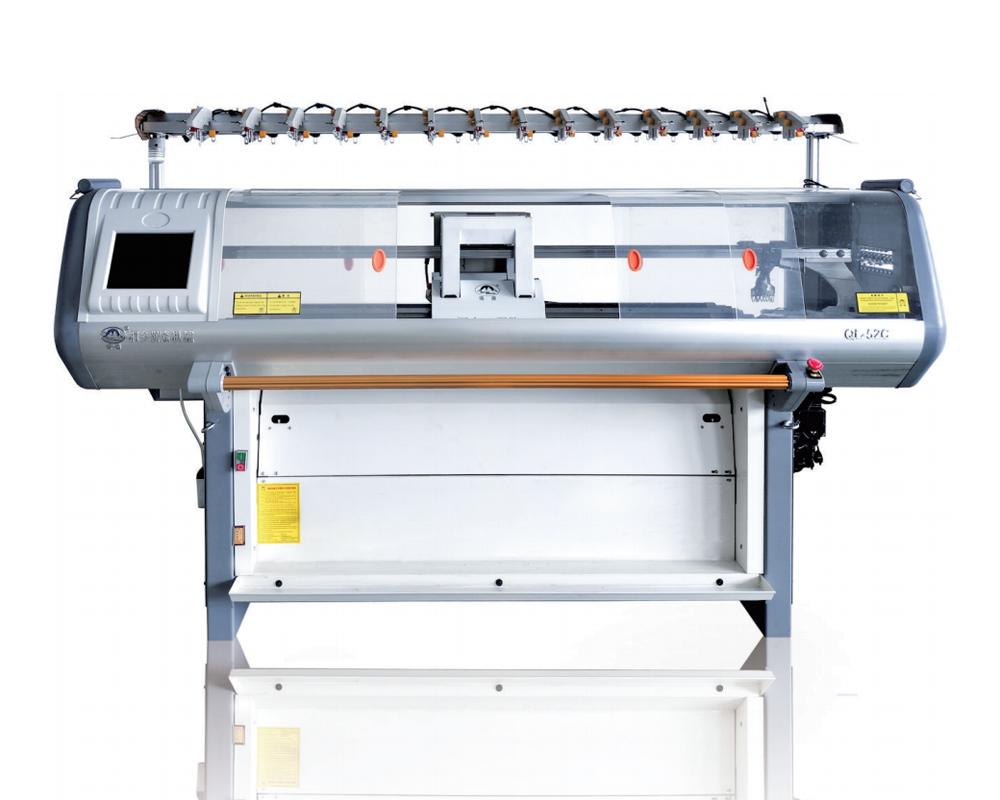
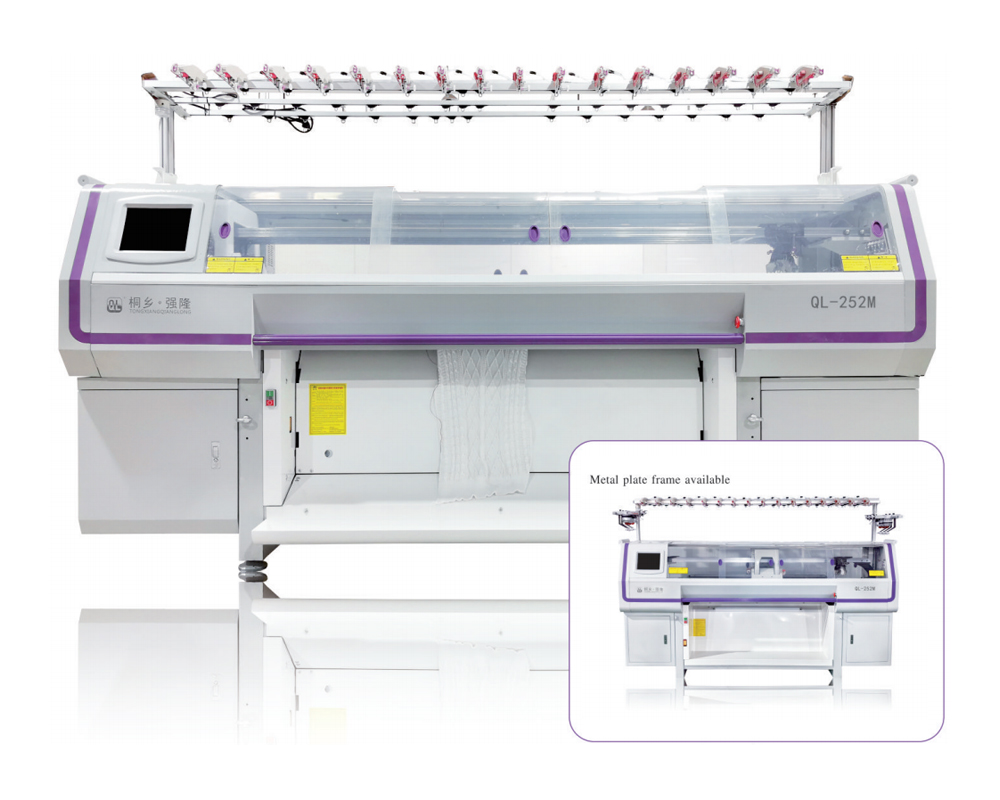
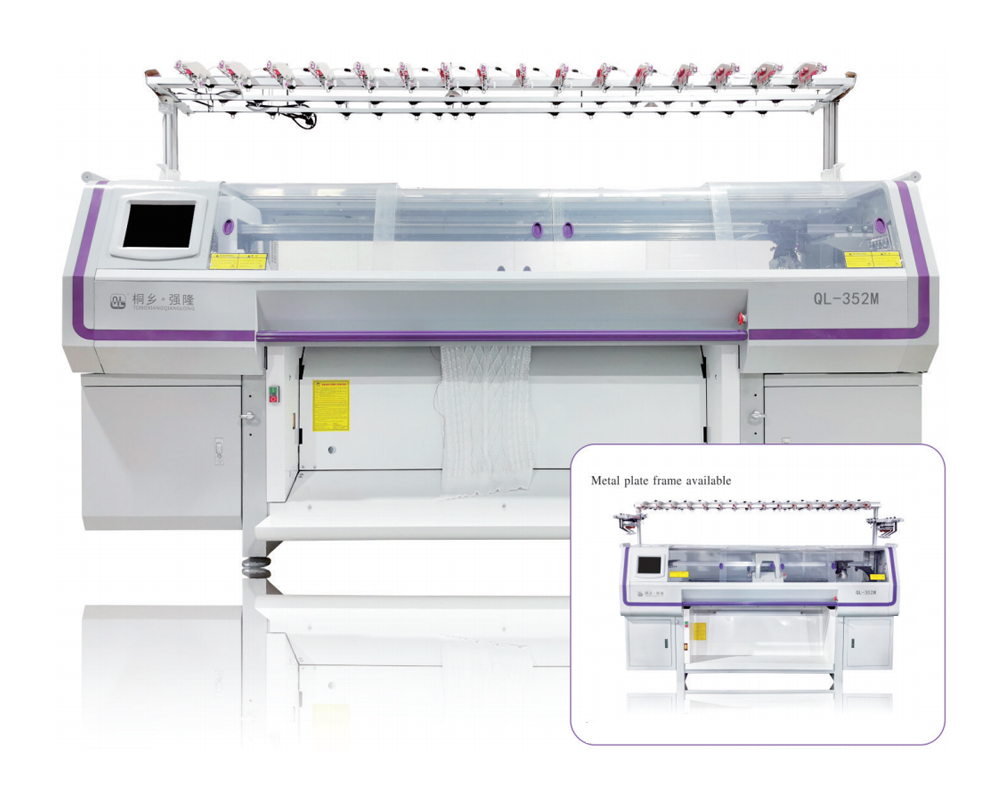
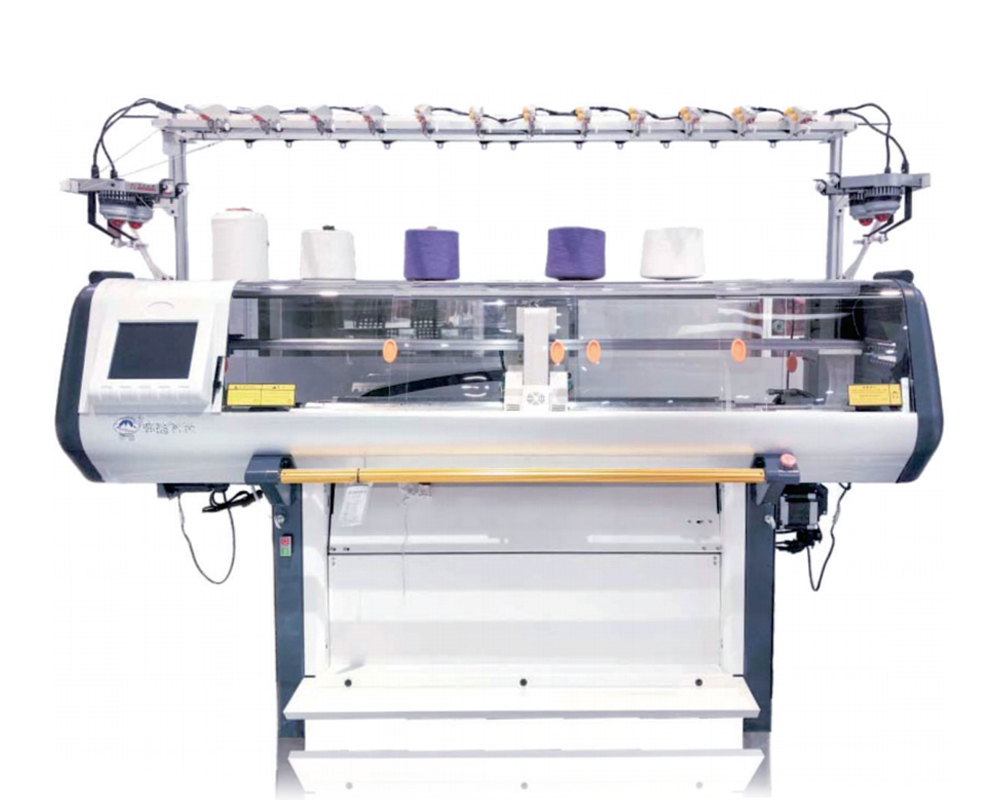
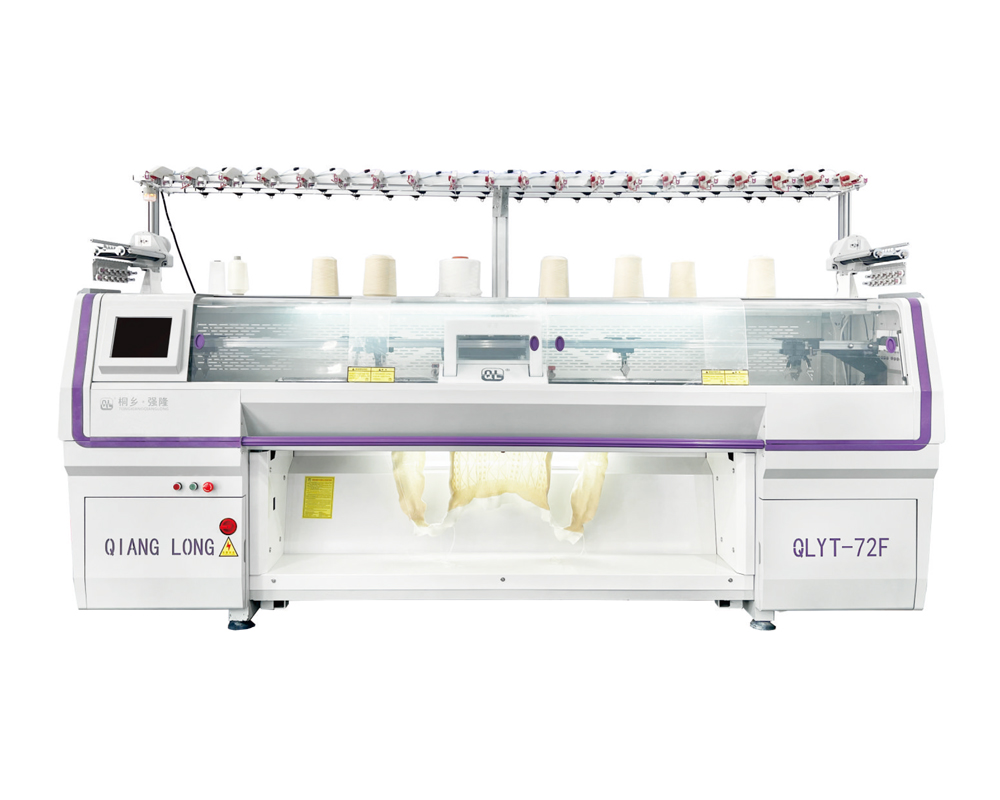
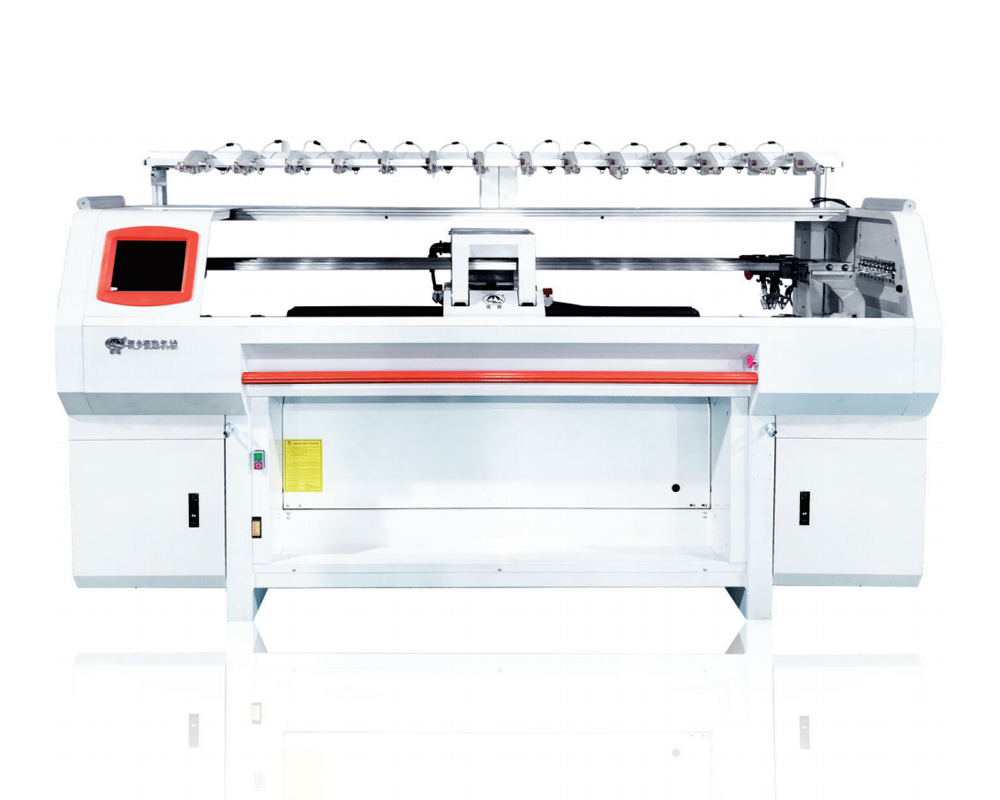
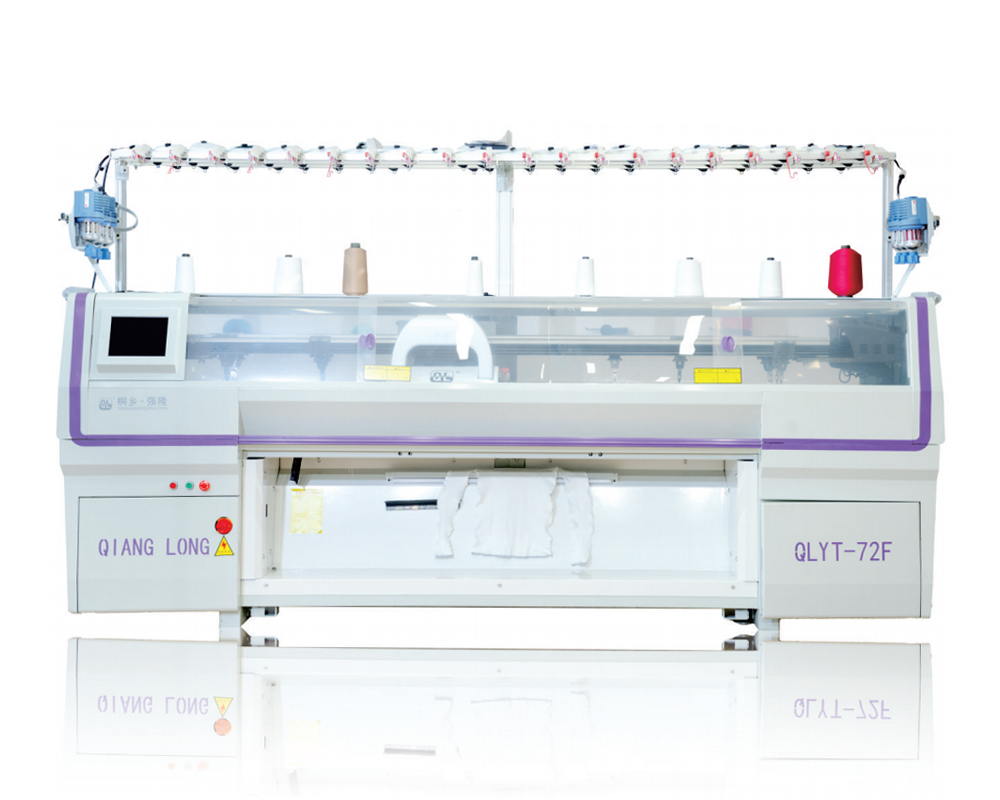
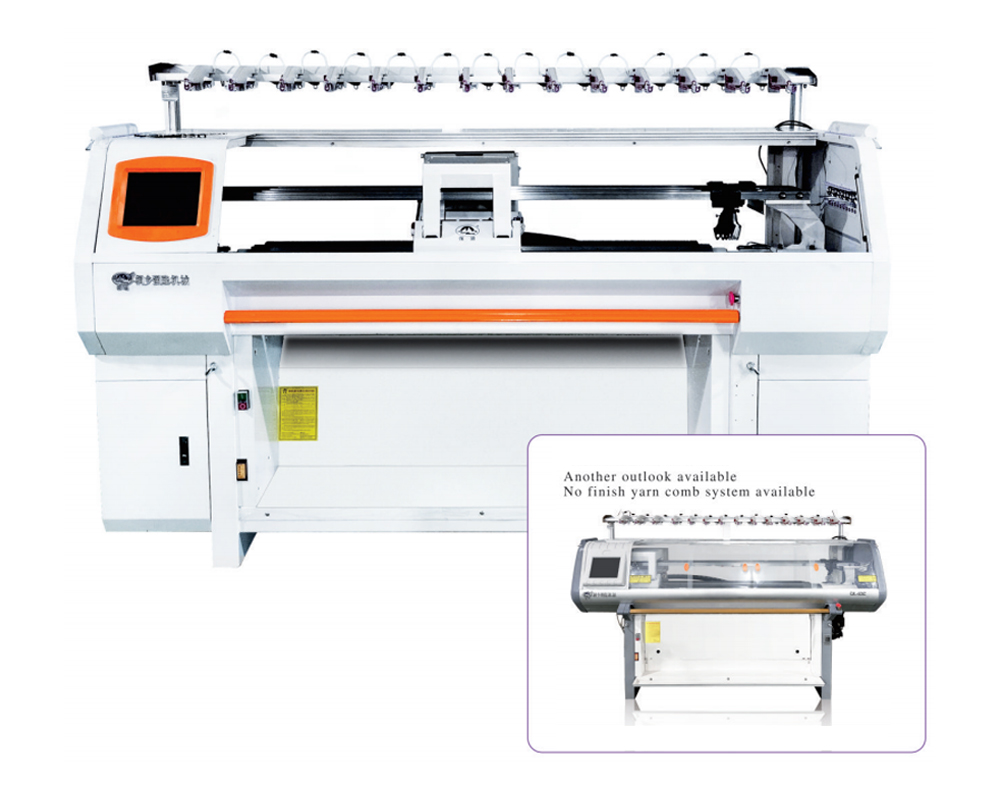
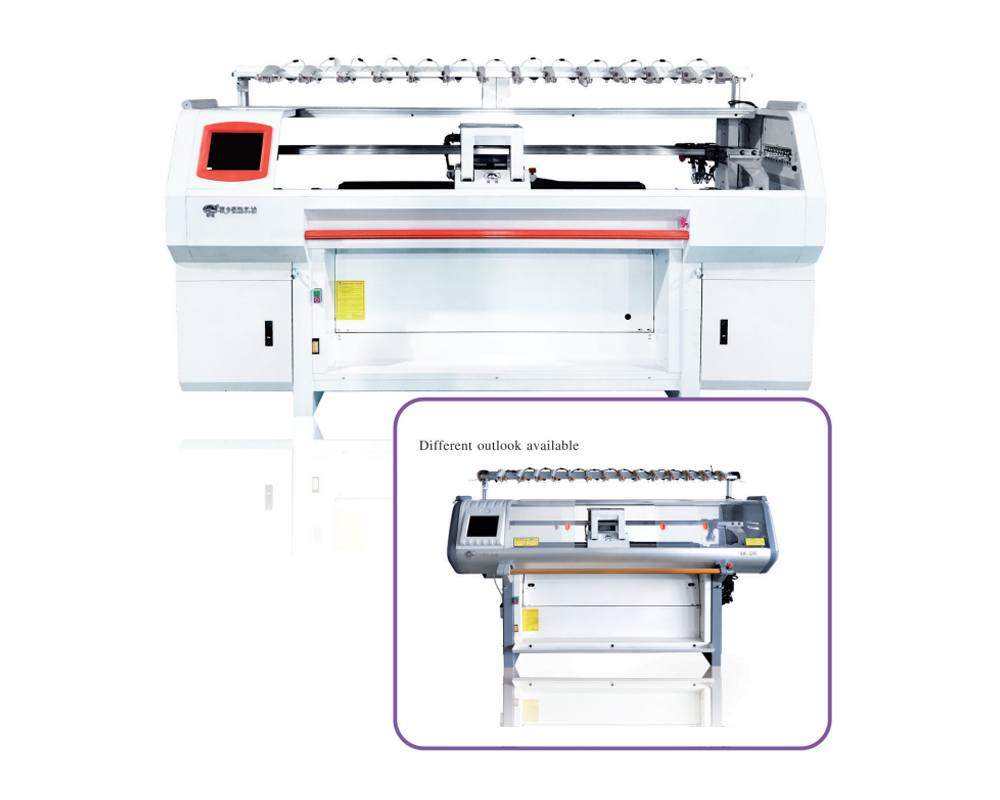
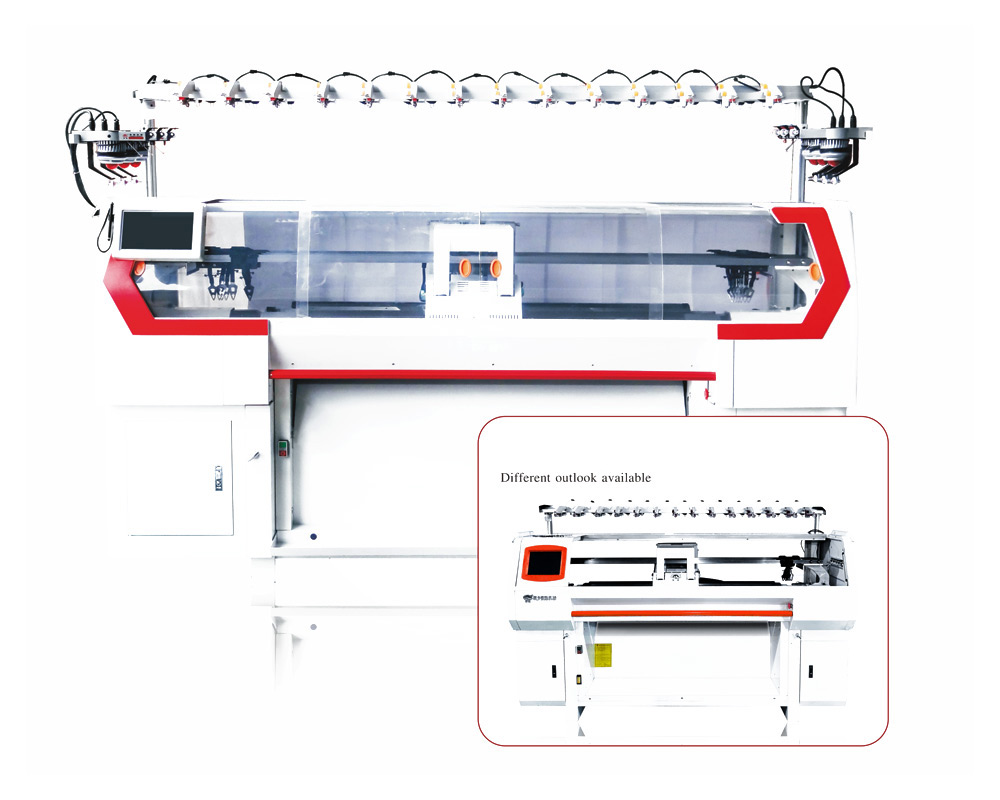

Tongxiang Qianglong Machinery Co., Ltd. is high-tech China wholesale computerized flat knitting machine manufacturers, specialized in designing, developing, and manufacturing Knitting Machinery..
Content
- 1 What Is 3D Knitting and How Does It Differ From Conventional Knitting?
- 2 How 3D Flyknit Knitting Machines Work
- 3 The Sustainability Impact of 3D Knitting on Fabric Production
- 4 Performance Benefits That Are Reshaping Sportswear and Footwear
- 5 3D Knitting vs. Traditional Fabric Manufacturing: A Practical Comparison
- 6 Expanding Applications Beyond Footwear and Sportswear
- 7 Challenges and the Road Ahead for 3D Knitting Technology
What Is 3D Knitting and How Does It Differ From Conventional Knitting?
3D knitting is a fully computerized manufacturing process that constructs a complete garment or fabric component directly from yarn in a single, continuous operation — with no cutting, no sewing, and virtually no material waste. Unlike traditional flat knitting, which produces rectangular fabric panels that are then cut and sewn into shape, 3D knitting programs each stitch individually using digital design files. The machine reads the pattern and builds the fabric's structure, shaping, and functional zones simultaneously as the yarn feeds through the system.
Conventional garment manufacturing follows a linear sequence: weave or knit fabric in bulk, cut it into pattern pieces, and stitch those pieces together. This process generates an estimated 15 to 20 percent fabric waste from cutting alone, not accounting for defects or off-cuts. 3D knitting eliminates most of this waste by producing near-net-shape textiles — items that are knitted to their final form from the start. A complete shoe upper, for example, can be produced in under 30 minutes on a 3D knitting machine, compared to hours of manual cutting and stitching in a traditional footwear factory.
The technology also enables structural complexity that flat knitting simply cannot achieve. Zones of different density, stretch, and texture can be programmed into a single piece, allowing designers to engineer performance properties exactly where they are needed — reinforcement at stress points, breathability across the instep, cushioning at the heel — all within one seamless construction.
How 3D Flyknit Knitting Machines Work
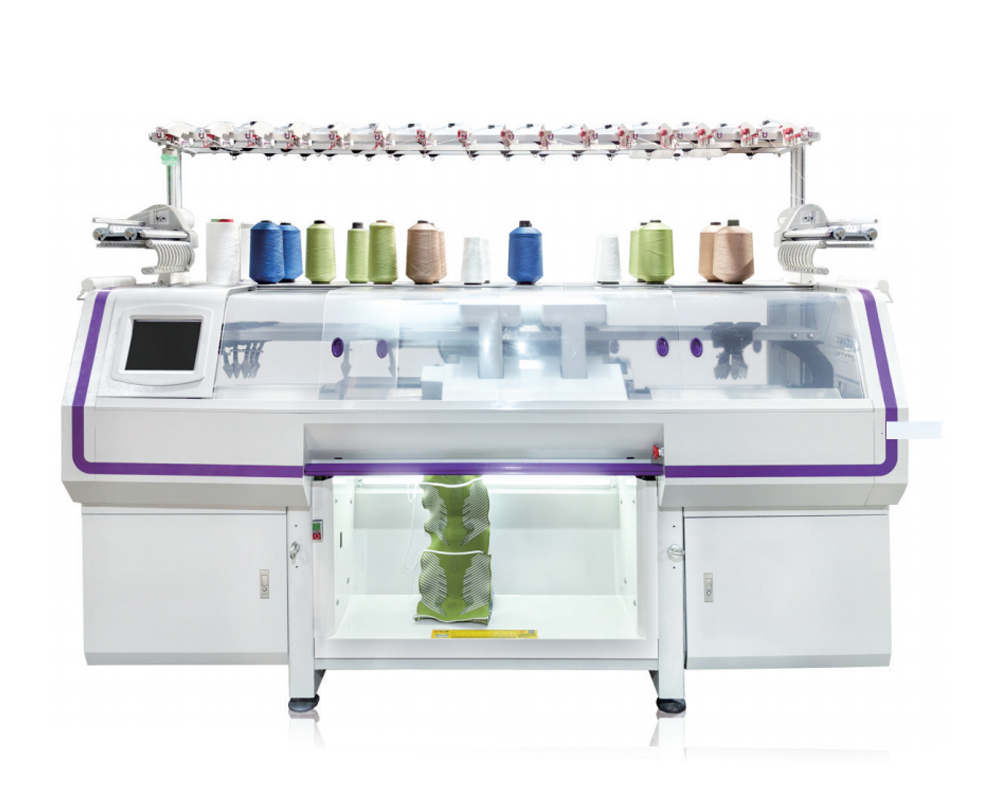
The 3D Flyknit knitting machine is the industrial hardware at the core of this revolution. Originally developed in collaboration with Nike's Flyknit footwear initiative — which launched publicly in 2012 — the machine architecture has since been refined and expanded by manufacturers like Shima Seiki, Stoll, and several specialized Asian machine builders. At its core, a 3D Flyknit machine uses a multi-bed needle system controlled by precision servo motors and driven entirely by CAD/CAM software. Each needle can be individually commanded to knit, tuck, miss, or transfer stitches, giving the machine the ability to create highly localized structural variations across the fabric surface.
Modern 3D knitting machines operate with gauge settings ranging from 5 to 18 needles per inch, allowing the production of everything from chunky knitwear to fine-gauge athletic textiles. High-gauge machines produce tighter, thinner fabric structures ideal for performance footwear and compression garments, while lower gauge machines are used for outerwear, upholstery, and accessories. The yarn carriers — the components that feed yarn to the needles — can manage multiple yarn types simultaneously, enabling the integration of elastane for stretch, recycled polyester for sustainability, or reflective yarn for visibility in a single piece without changing the machine setup.

The software interface is equally important. Design files created in 3D knitting CAD platforms like Shima Seiki's SDS-ONE APEX or Stoll's M1 Plus are translated directly into machine instructions. Designers can simulate the finished garment on-screen in full three-dimensional visualization before a single yard of yarn is consumed — dramatically reducing the number of physical samples required during the development process and shortening the design-to-production cycle from weeks to days.
The Sustainability Impact of 3D Knitting on Fabric Production
One of the most compelling arguments for 3D knitting is its environmental advantage over conventional textile manufacturing. The fashion industry is one of the world's most resource-intensive sectors, and a significant portion of its environmental footprint comes from the production and processing stage rather than consumer use. 3D knitting directly addresses several of the most damaging inefficiencies in that stage.
- Waste Reduction: Traditional cut-and-sew manufacturing wastes up to 20% of fabric. 3D knitting generates less than 1% waste because the garment is built to shape from the outset, with no off-cuts.
- Water and Chemical Savings: Knitted fabrics typically require fewer wet-processing steps than woven fabrics, reducing water consumption and dyeing chemical use — particularly when solution-dyed yarns are used directly in the machine.
- On-Demand Production: Because 3D machines can be reprogrammed digitally, brands can shift from bulk overproduction to small-batch, on-demand manufacturing — reducing inventory waste and the number of unsold garments that end up in landfill.
- Recyclable Constructions: Garments made from a single yarn type — such as 100% recycled polyester — are easier to recycle at end of life than multi-material sewn garments with mixed-fiber components and adhesives.
- Lower Carbon Footprint: Fewer production steps mean less energy consumed across the supply chain, from yarn to finished product.
Brands like Adidas, Nike, and Allbirds have publicly committed to expanding 3D knitting within their supply chains as part of broader sustainability targets. Adidas, for example, has used Primeknit — its proprietary 3D knitting process — across millions of units, citing significant reductions in material waste per pair of shoes compared to conventional production.
Performance Benefits That Are Reshaping Sportswear and Footwear
Beyond sustainability, 3D knitting has opened up an entirely new dimension of performance engineering that was not achievable with cut-and-sew construction. The ability to control stitch density, yarn weight, and structure at a millimeter-level resolution means that performance features can be precisely mapped to the anatomy of the body or the mechanics of a specific sport.
Zone-Specific Engineering in Athletic Footwear
In running shoes, the upper must simultaneously provide lockdown over the midfoot, flexibility at the toe box, and breathability across the vamp. With conventional construction, achieving this requires multiple separate materials stitched together — each junction creating a potential pressure point or failure seam. A 3D Flyknit upper programs each zone directly into the knit structure: tight, inelastic stitches over the midfoot for support, open mesh stitches across the forefoot for airflow, and reinforced loops at the eyelet zones to handle lace tension. The result is a one-piece structure that is lighter, more anatomically precise, and free of the friction zones created by seam overlaps.
Seamless Compression Garments and Medical Textiles
3D knitting has also transformed the production of compression garments used in sports recovery and medical applications. Graduated compression — where pressure is highest at the ankle and decreases progressively up the leg — requires precise calibration of stitch tension across the length of the garment. 3D knitting machines achieve this through programmed stitch variation, producing clinically accurate compression gradients in a single seamless tube without the need for multiple panels or bonded zones. This makes the garments more comfortable to wear and more consistent in their therapeutic performance than sewn alternatives.
3D Knitting vs. Traditional Fabric Manufacturing: A Practical Comparison
The differences between 3D knitting and traditional fabric manufacturing are significant enough to affect business decisions at every level of the supply chain — from raw material sourcing to factory floor layout to final product pricing. The table below breaks down the key operational differences:
| Factor | 3D Knitting | Traditional Cut-and-Sew |
| Material Waste | Less than 1% | 15–20% from cutting alone |
| Production Steps | 1–2 (knit + minor finishing) | 5–10+ (weave, cut, sew, press, etc.) |
| Sampling Speed | Hours (digital to physical) | Days to weeks |
| Labor Intensity | Low (automated process) | High (skilled sewing labor) |
| Design Flexibility | Very high (reprogrammable) | Moderate (requires new patterns) |
| Minimum Order Quantity | Low (suitable for small runs) | High (cost-effective only in bulk) |
| Machine Cost | High upfront investment | Lower per unit, higher labor cost |
Expanding Applications Beyond Footwear and Sportswear
While the most visible examples of 3D knitting technology have come from the athletic footwear industry, the technology is rapidly expanding into new sectors where its structural and efficiency advantages are equally compelling.
Fashion and Luxury Apparel
Luxury brands and independent designers are increasingly adopting 3D knitting for its ability to produce complex, sculptural forms that cannot be replicated by traditional construction. Entire dresses, structured tops, and tailored sweaters can be produced as single-piece knitted items, with texture and pattern variation built into the garment's architecture. This not only streamlines production but also creates distinctive visual effects — interlocking ribs, relief patterns, or gradient colorways — that serve as design signatures in their own right.
Automotive and Interior Textiles
Automotive manufacturers are exploring 3D knitting for seat covers, door panel inserts, and headliners — applications where complex contoured shapes are traditionally difficult to cut and sew from flat fabric. 3D knitted components conform precisely to three-dimensional surfaces, reduce assembly time, and can integrate functional elements like heating elements or embedded sensors directly into the knit structure during production. Companies like BMW and Toyota have already piloted knitted interior components in concept vehicles.
Medical Devices and Prosthetics
The biomedical sector is perhaps the most technically demanding application area for 3D knitting. Custom-fit prosthetic sockets, orthopedic braces, and vascular grafts can all benefit from the precise structural engineering that 3D knitting enables. Researchers at institutions including MIT and ETH Zurich have demonstrated knitted scaffolding structures for tissue engineering — using biocompatible yarns to create three-dimensional frameworks that guide cell growth in wound healing and regenerative medicine applications.
Challenges and the Road Ahead for 3D Knitting Technology
Despite its advantages, 3D knitting is not without practical limitations that affect its adoption across the broader textile industry. The upfront cost of a high-gauge 3D Flyknit machine from a manufacturer like Shima Seiki can exceed $500,000, placing it out of reach for small and mid-sized manufacturers without significant capital investment. Skilled technicians who can operate the machines and write the complex knit programs are also in limited supply globally, creating a talent bottleneck for factories trying to transition from conventional production lines.
Yarn compatibility is another constraint. Not all fiber types can run effectively through high-speed computerized knitting machines — delicate natural fibers like cashmere or linen require specific machine adaptations, and some high-performance technical fibers have tension requirements that challenge current needle and carrier technology. Research into expanded yarn compatibility is ongoing, with machine manufacturers regularly releasing updated hardware capable of handling a broader material range.
Looking forward, the trajectory of 3D knitting points clearly toward greater integration with digital design ecosystems, AI-assisted pattern generation, and mass customization platforms. As machine costs fall and digital design tools become more accessible, the technology is expected to move beyond large sportswear brands and into mid-market apparel, home textiles, and industrial manufacturing. The fundamental shift 3D knitting represents — from fabric-first to product-first manufacturing — is not a trend but a structural change in how the textile industry conceives of production itself.
