
 English
 简体中文
简体中文
 Chinese
 English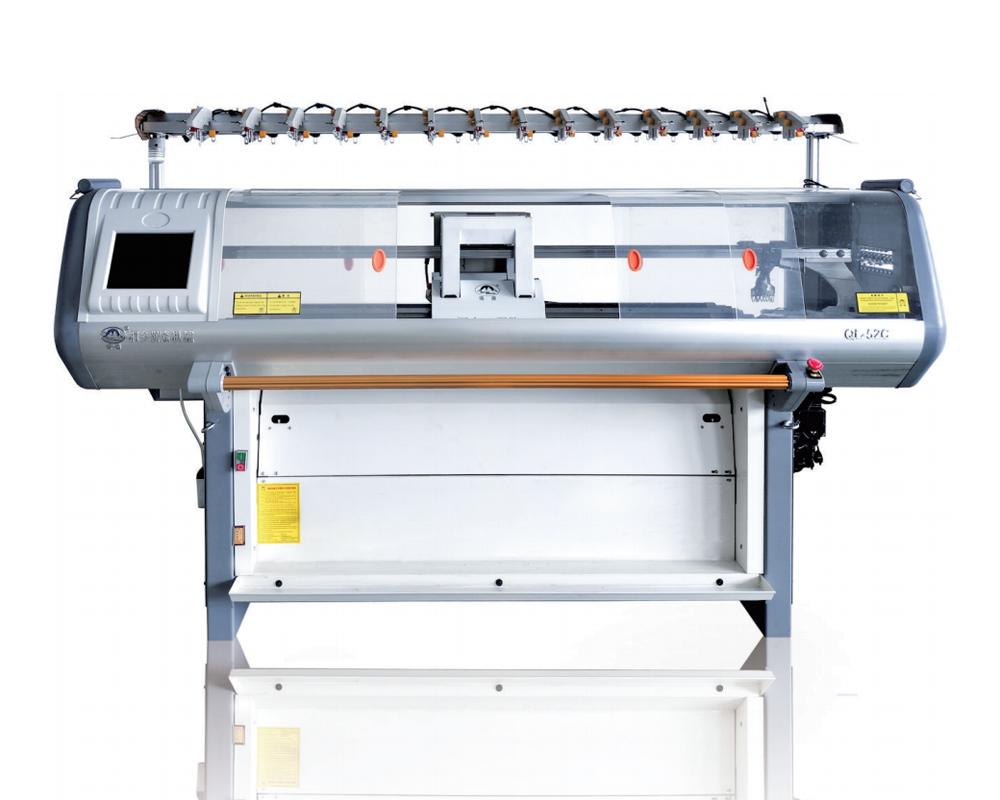
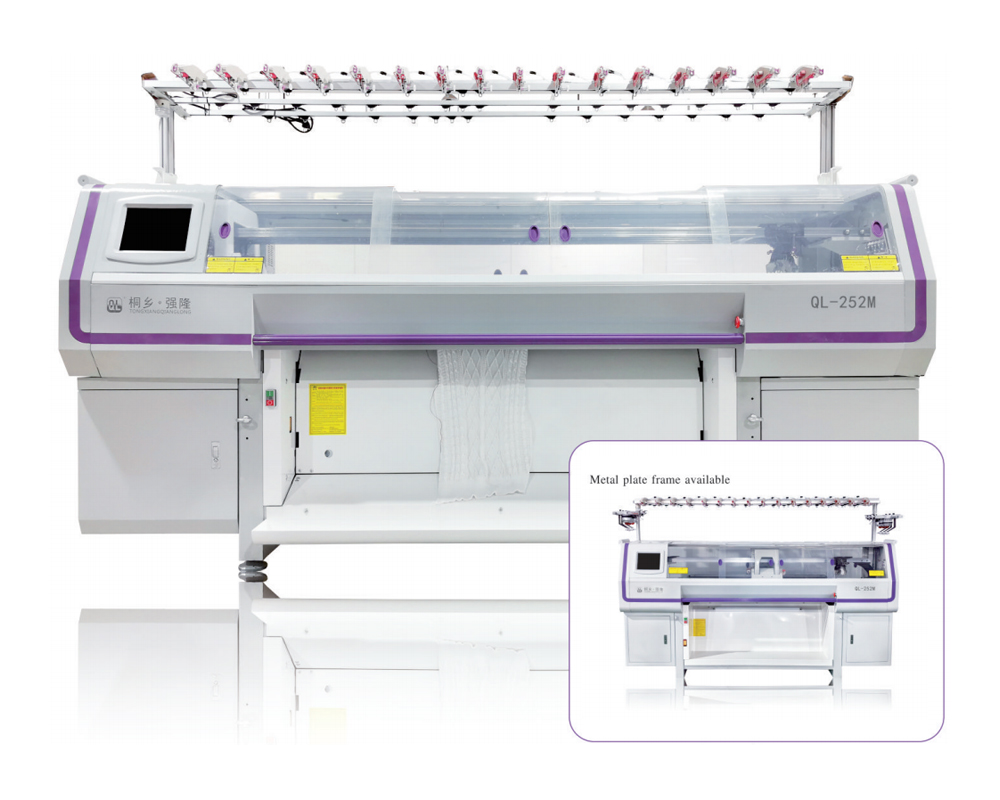
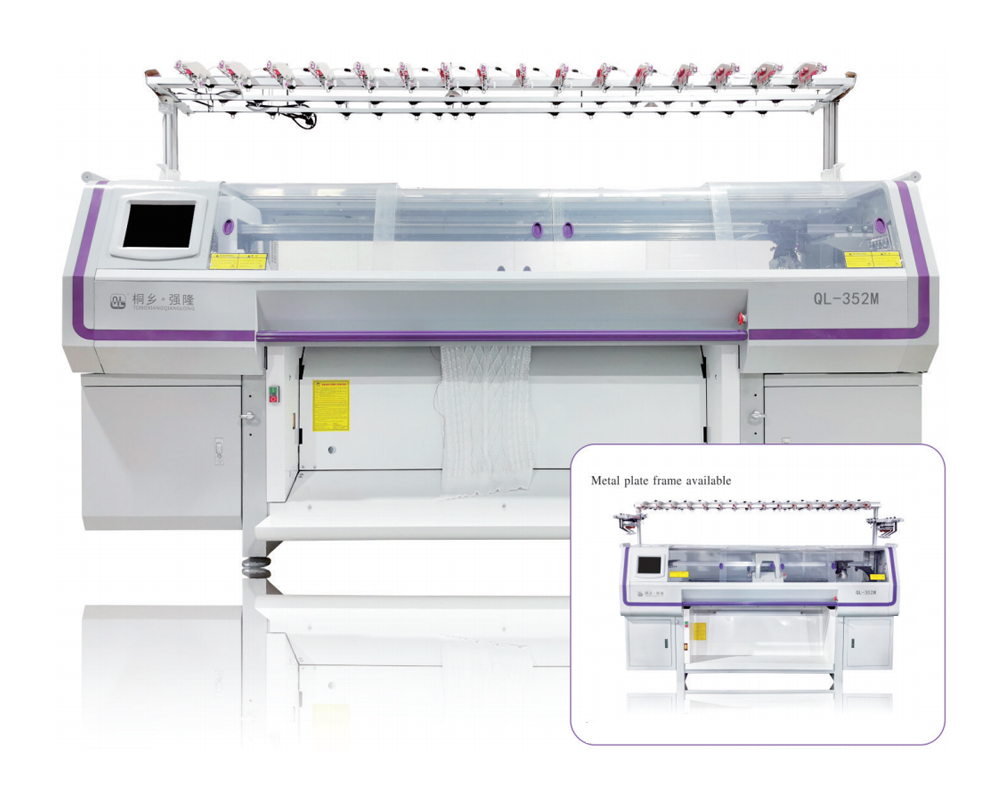
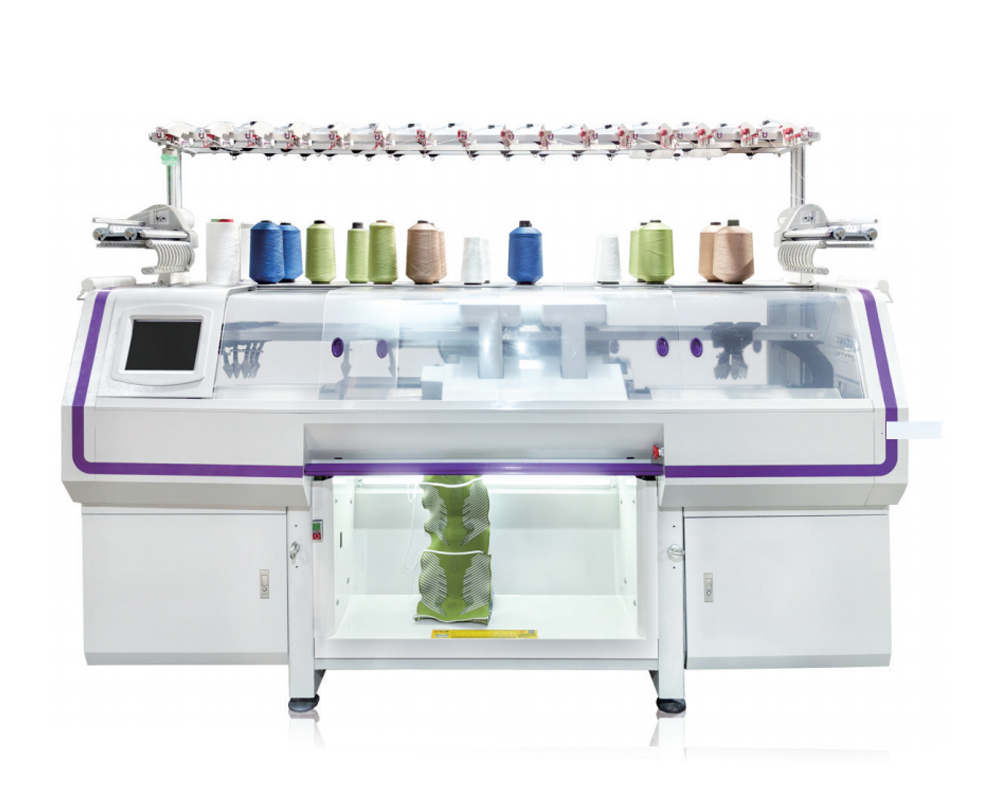
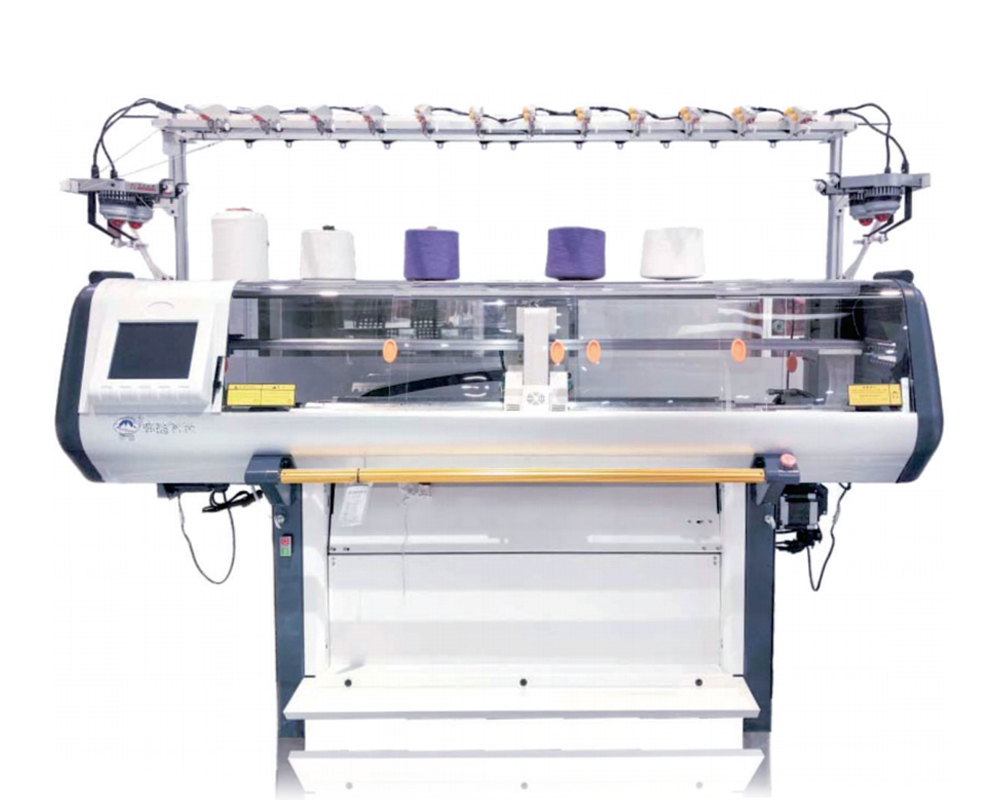
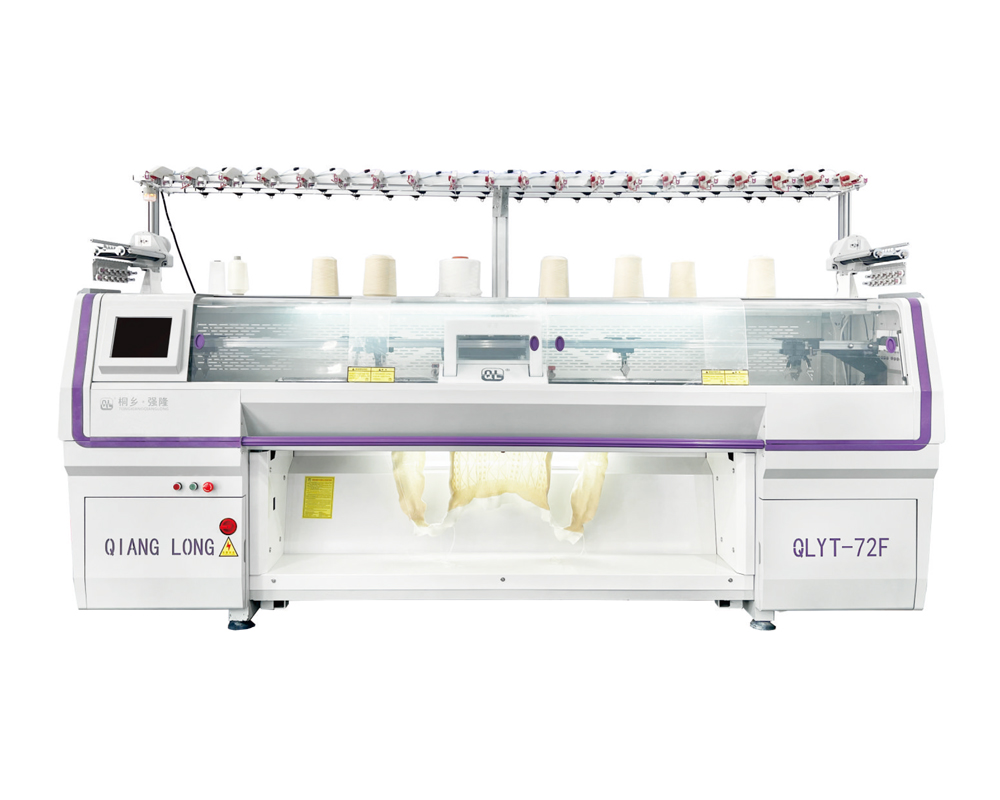
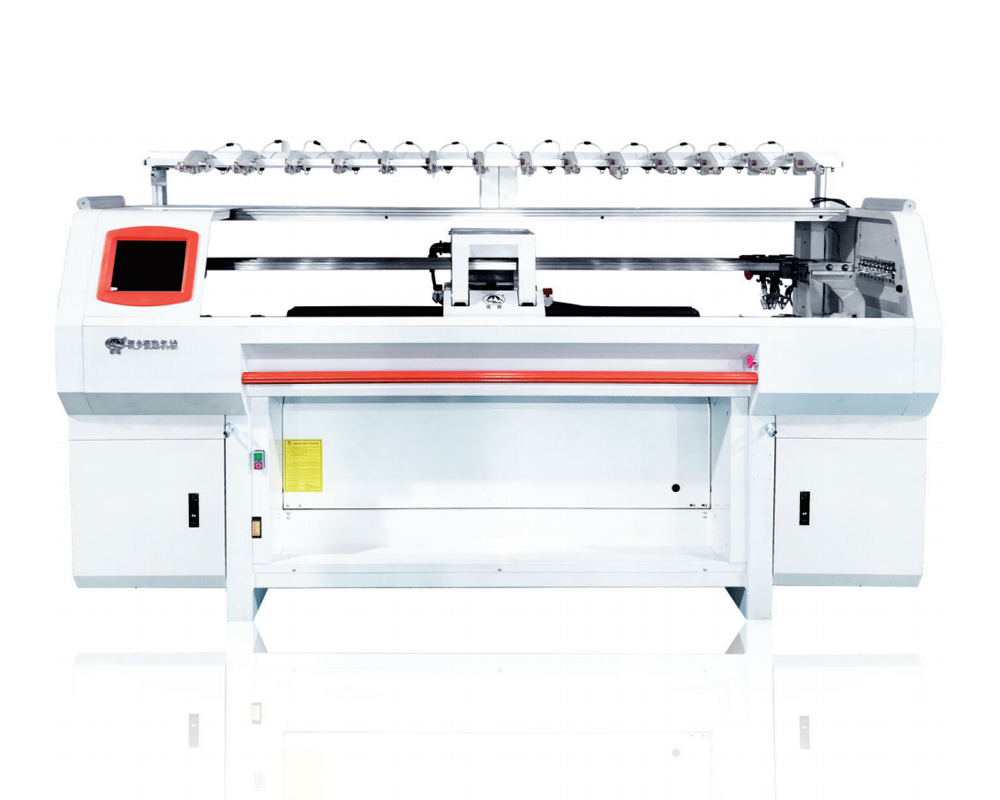
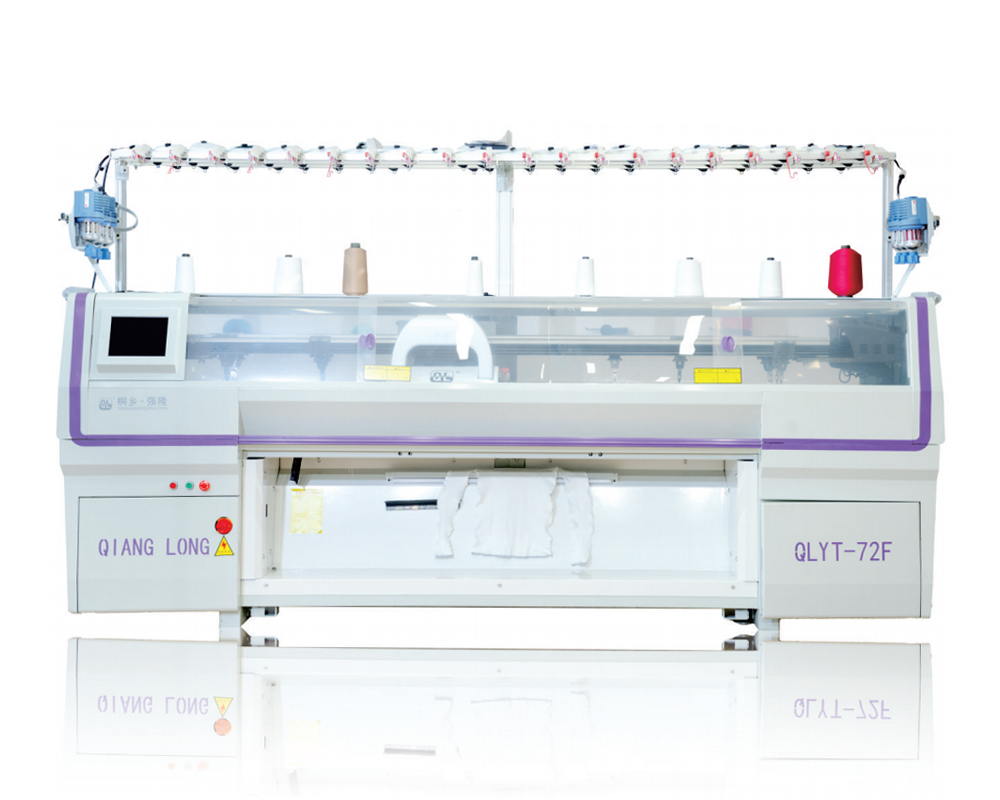
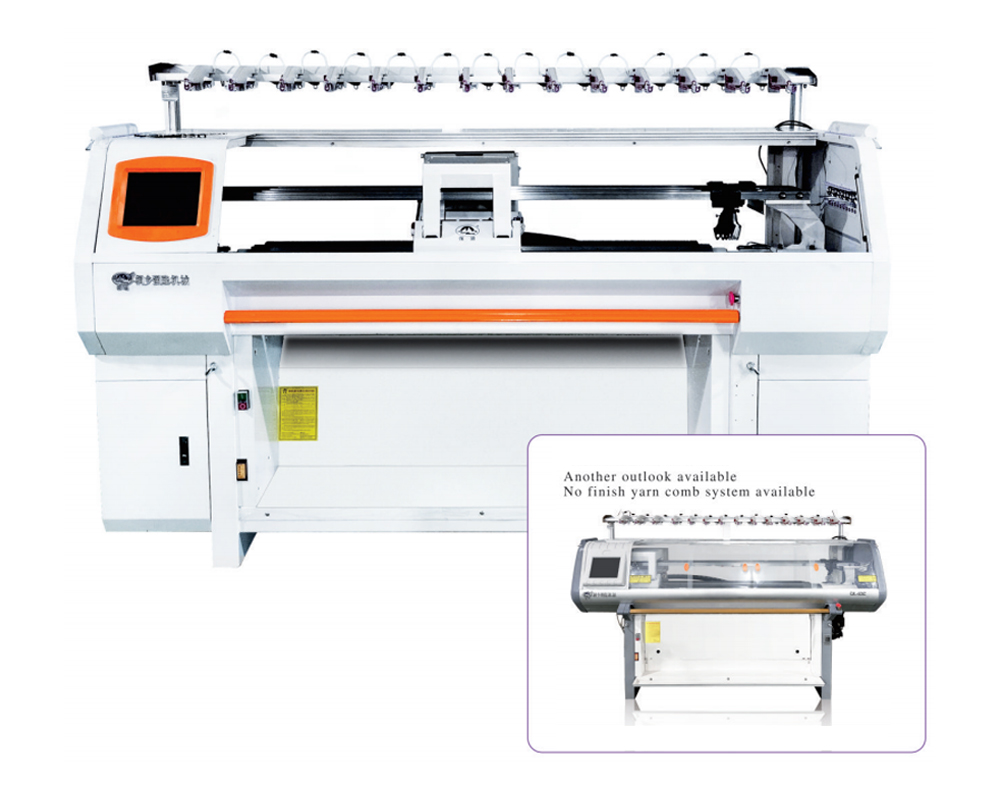
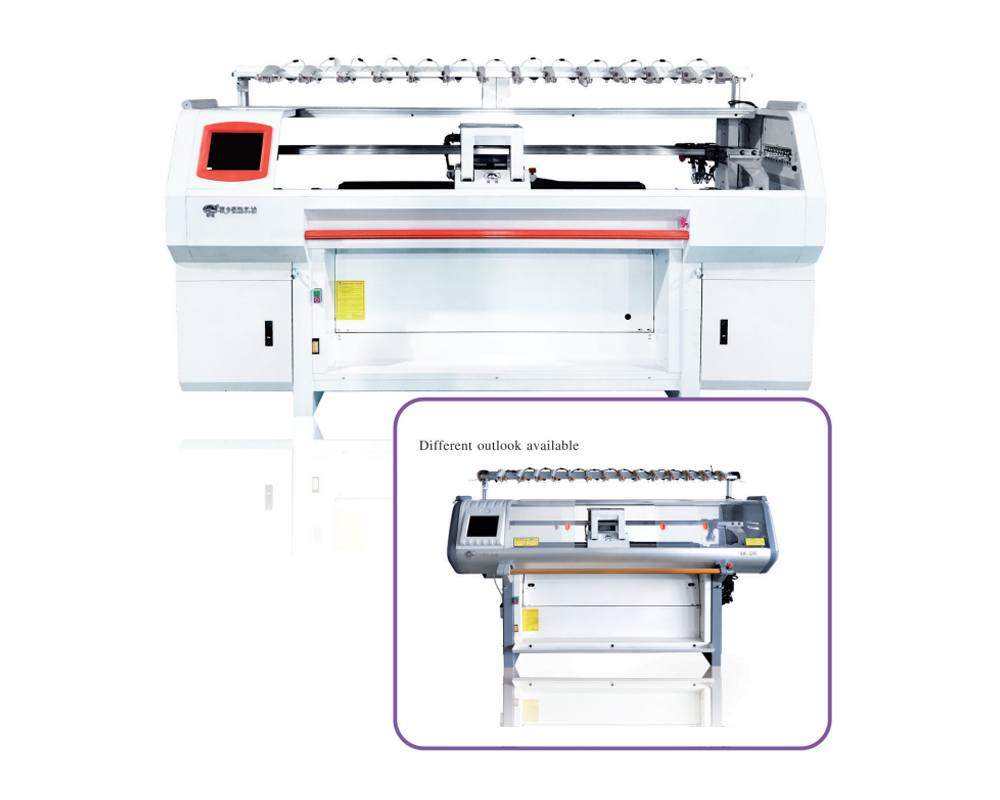
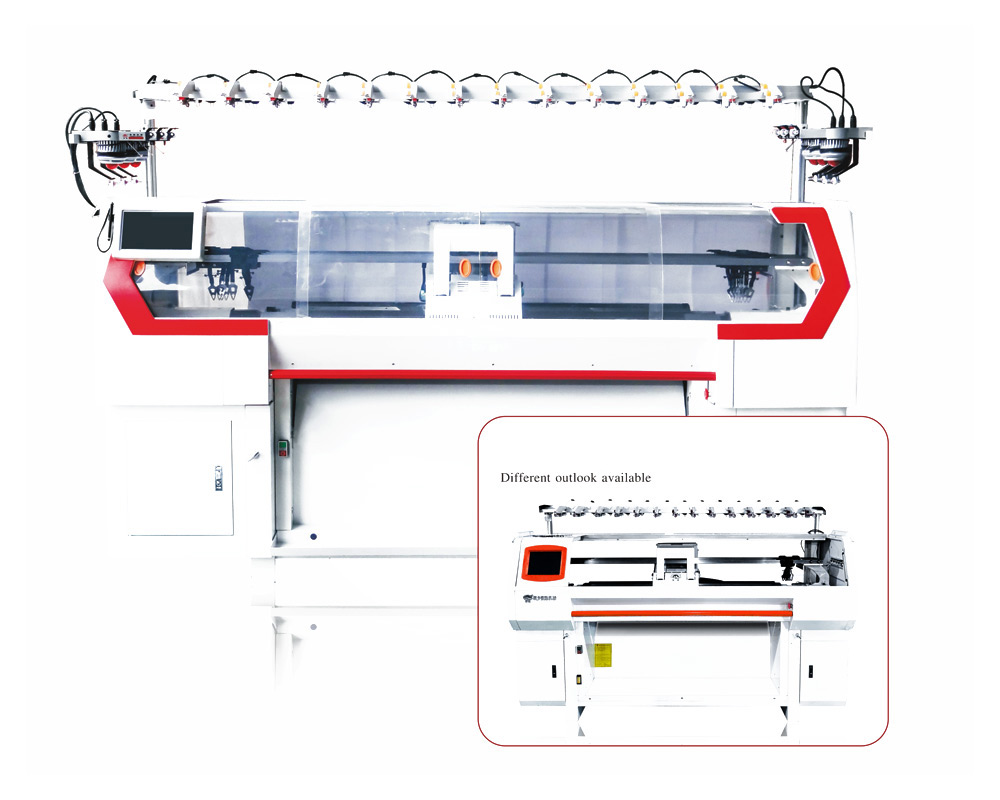

Tongxiang Qianglong Machinery Co., Ltd. is high-tech China wholesale computerized flat knitting machine manufacturers, specialized in designing, developing, and manufacturing Knitting Machinery..
Content
- 1 What Is a 3D Shoe Upper Knitting Machine?
- 2 How the Technology Works: From Digital File to Finished Upper
- 3 Key Advantages Over Conventional Footwear Manufacturing
- 4 Types of 3D Shoe Upper Knitting Machines
- 5 Leading Manufacturers and Industry Benchmarks
- 6 Comparing Machine Options: A Practical Overview
- 7 What to Evaluate Before Investing in a 3D Knitting Machine
- 8 The Future Direction of 3D Shoe Upper Knitting
What Is a 3D Shoe Upper Knitting Machine?
A 3D shoe upper knitting machine is a specialized flat knitting system engineered to produce fully formed footwear uppers in a single, seamless knitting process. Unlike traditional shoe manufacturing — which involves cutting fabric panels, stitching them together, and assembling multiple material layers — these machines knit the entire upper directly from yarn into a three-dimensional shape that closely conforms to the geometry of a shoe last. The result is a component that requires minimal or no post-knitting assembly, significantly reducing production steps and material waste. The technology draws on computerized flat knitting principles and has been adopted and refined by major footwear brands and their manufacturing partners over the past decade, becoming a defining feature of modern athletic and casual footwear production.
How the Technology Works: From Digital File to Finished Upper
The process begins with a digital design file — typically created in specialized knitting CAD software — that encodes every stitch structure, yarn type, tension setting, and zone configuration of the planned upper. This file is uploaded directly to the knitting machine's controller, which then directs the needle beds to execute the pattern with extreme precision. Modern 3D upper knitting machines operate with two opposing needle beds arranged in a V-shape, allowing them to work both faces of the fabric simultaneously and create tubular, pocket-like, or fully three-dimensional structures without seaming.
As the machine runs, it can switch between different yarn feeders in real time, incorporating yarns of varying weight, elasticity, and material composition within the same piece. This enables the creation of performance zones — reinforced areas around the toe box, breathable mesh panels across the midfoot, and elasticized zones at the heel — all in a single continuous knitting pass. When the process is complete, the upper is removed from the machine already shaped and zoned, requiring only minimal finishing such as heat-setting or the attachment of a lace loop before it moves to the lasting and sole-bonding stage.
Key Advantages Over Conventional Footwear Manufacturing
The shift from cut-and-sew to 3D knitting offers measurable benefits across several dimensions of footwear production. These advantages are not merely incremental improvements — they represent a fundamental restructuring of how shoe uppers are made.
- Material efficiency is dramatically improved. Traditional cut-and-sew methods generate substantial offcut waste because panels must be cut from larger sheets of fabric. 3D knitting machines produce exactly the amount of material needed for each upper, with waste rates often below five percent compared to thirty percent or more in conventional methods.
- Labor reduction is significant. An upper that previously required multiple sewing operators and assembly steps can now be produced by a single machine operator overseeing several machines simultaneously. This reduces production costs and human error.
- Seam elimination improves wearability. Knitted uppers have no internal stitching lines or panel overlaps pressing against the foot, which reduces pressure points and enhances comfort — a measurable benefit for athletic footwear.
- Rapid design iteration becomes possible. Changing a design requires updating a digital file and running a new sample, compressing what once took weeks of pattern-making and sample sewing into hours.
- Customization at scale is feasible. Because each upper is programmed digitally, size variations and even individual customizations can be accommodated without tooling changes, opening the door to on-demand and personalized production models.
Types of 3D Shoe Upper Knitting Machines
Not all 3D shoe upper knitting machines are identical. They vary in gauge, needle bed width, yarn capacity, and programming sophistication. Understanding these variables is essential for manufacturers evaluating which system fits their production requirements.

By Gauge
Gauge refers to the number of needles per inch on the needle bed and directly determines the fineness of the knitted fabric. Lower gauge machines (such as 7G or 12G) produce coarser, bulkier fabrics suited to lifestyle or winter footwear. Higher gauge machines (15G or 18G) produce fine, lightweight structures preferred for performance running and athletic shoes. The choice of gauge must align with the intended product category and the yarn weights being used.
By Needle Bed Width
Needle bed width determines the maximum size of upper that can be knitted in a single pass. Machines with narrower beds are suited to producing one upper at a time, while wider-bed machines can produce two uppers simultaneously — left and right — doubling output per machine cycle. Manufacturers targeting high-volume production typically invest in wider-bed systems to maximize efficiency.
By Yarn Feeder Capacity
The number of yarn feeders on a machine determines how many different yarns — and therefore how many material properties — can be integrated into a single upper. Entry-level machines may support four to six feeders, while advanced systems support twelve or more, enabling complex multi-material constructions with performance zoning across many areas of the upper simultaneously.
Leading Manufacturers and Industry Benchmarks
Several equipment manufacturers have established strong positions in the 3D shoe upper knitting machine market. Stoll (now part of the Stoll-Steiger group) and Shima Seiki are the two most widely recognized names globally. Shima Seiki's WHOLEGARMENT technology, originally developed for seamless apparel, was adapted for footwear applications and remains one of the most sophisticated systems available. Stoll machines are widely deployed across Asia-based footwear factories serving major international brands. Both companies offer proprietary design software — Shima Seiki's SDS-ONE APEX and Stoll's M1 PLUS — that integrates design, simulation, and machine programming into a unified workflow.
Chinese domestic manufacturers have also entered the market with competitive offerings at lower price points, making 3D knitting technology more accessible to mid-scale and emerging footwear producers. While these machines may not match the feature depth of top-tier Japanese or German systems, they have improved substantially in reliability and software capability over recent years.
Comparing Machine Options: A Practical Overview
| Feature | Entry-Level Machine | Mid-Range Machine | High-End Machine |
| Gauge Options | 7G – 12G | 12G – 15G | 15G – 18G |
| Yarn Feeders | 4 – 6 | 6 – 9 | 12+ |
| Uppers per Cycle | 1 | 1 – 2 | 2 |
| Software Integration | Basic | Moderate | Full design-to-production suite |
| Approximate Price Range | $30,000 – $60,000 | $80,000 – $150,000 | $200,000+ |
What to Evaluate Before Investing in a 3D Knitting Machine
For footwear manufacturers considering this technology, the investment decision involves more than comparing machine specifications. Several operational and strategic factors deserve careful assessment before committing capital.
- Production volume targets determine whether a single machine or a multi-machine installation is appropriate. A machine producing one upper every eight to twelve minutes needs to be matched against daily output requirements to calculate the number of units needed.
- Yarn sourcing capabilities must be assessed. 3D knitting machines work best with engineered yarns — including monofilaments, technical fibers, and specially textured yarns — that may not be available from standard yarn suppliers. Establishing reliable technical yarn supply chains is essential before scaling production.
- Technical staffing requirements should not be underestimated. Operating and programming these machines requires skilled technicians with training in both knitting technology and CAD software. Budget for training time and ongoing technical support from the machine supplier.
- Software compatibility with existing product development workflows affects how smoothly design teams can transition. Confirm whether the machine's proprietary software integrates with your brand's existing PLM or design systems.
- After-sales support and spare parts availability are critical for minimizing downtime. Prioritize suppliers with regional service infrastructure or rapid spare-parts logistics, particularly if the machine will run in continuous production shifts.
The Future Direction of 3D Shoe Upper Knitting
The evolution of 3D shoe upper knitting machines is moving in several parallel directions. Integration with AI-assisted design tools is reducing the time required to translate a creative concept into a machine-ready knitting program. Sustainability is also driving development — newer machines are being optimized for recycled fiber yarns and bio-based technical fibers, aligning with footwear industry commitments to reduce environmental impact across the supply chain.
Localized, on-demand production is another trajectory gaining momentum. As machine costs decrease and programming becomes more accessible, smaller production runs become economically viable, enabling brands to manufacture closer to the consumer market and respond rapidly to demand signals. Some industry analysts project that 3D knitting will underpin a new model of distributed footwear manufacturing — one in which regional micro-factories produce customized footwear on demand rather than shipping mass-produced units across global supply chains. Whether or not that vision fully materializes, 3D shoe upper knitting machines have already permanently altered the economics and possibilities of footwear production, and their role in the industry will only expand in the years ahead.
