
 English
 简体中文
简体中文
 Chinese
 English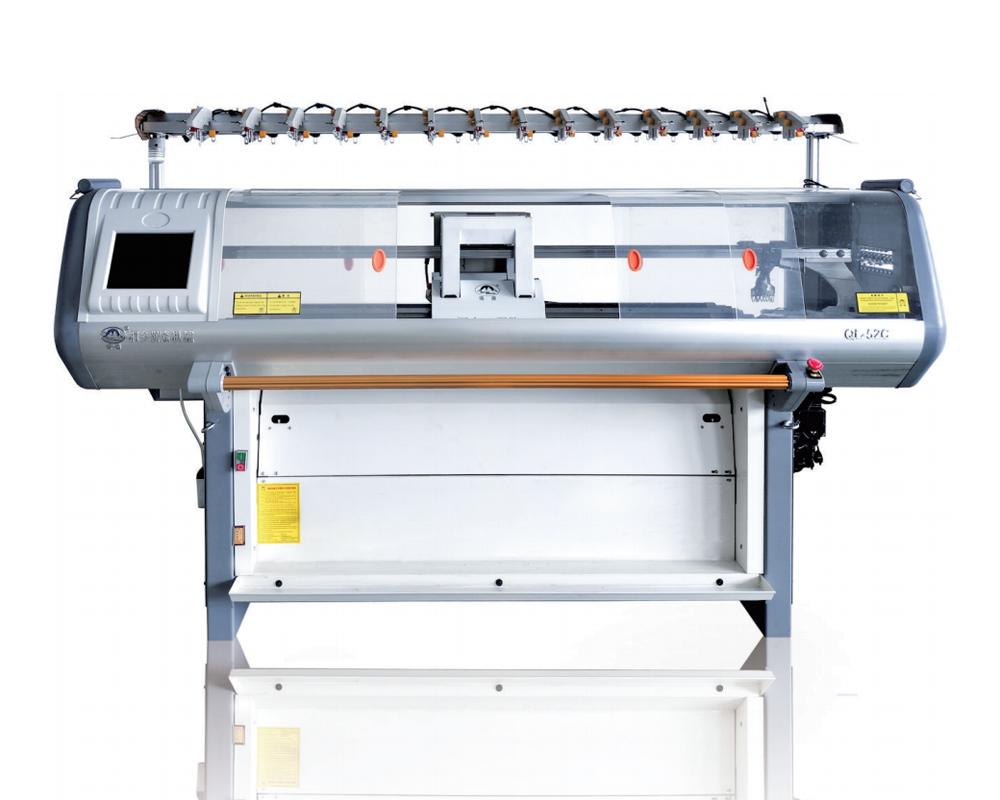
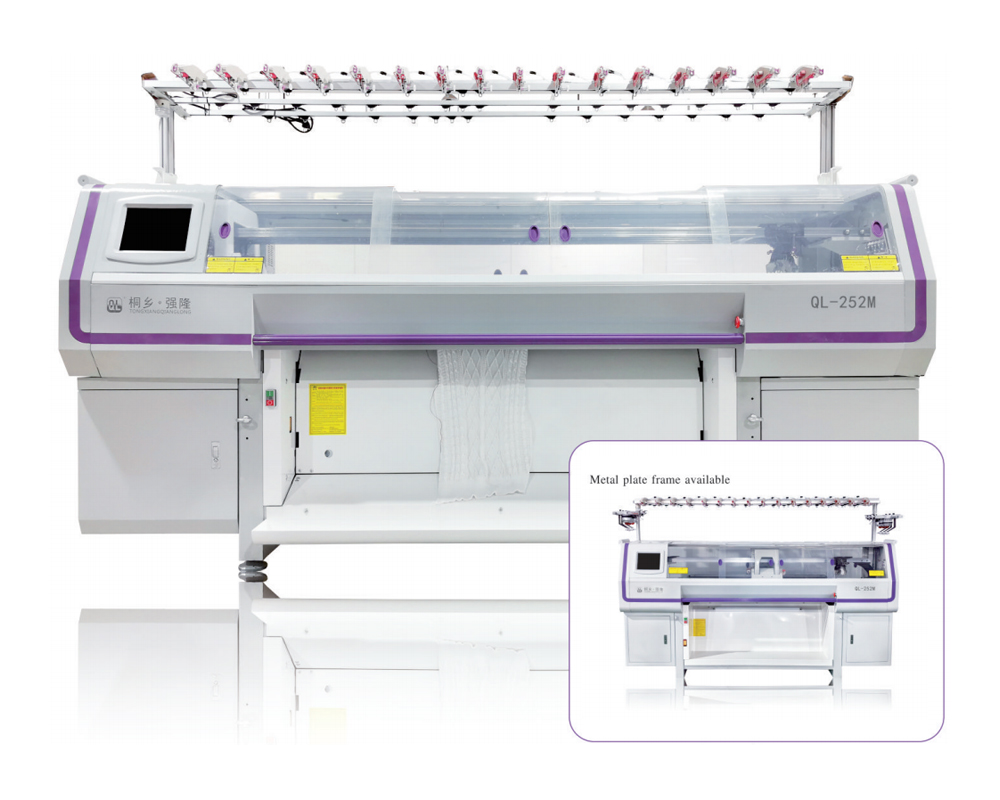
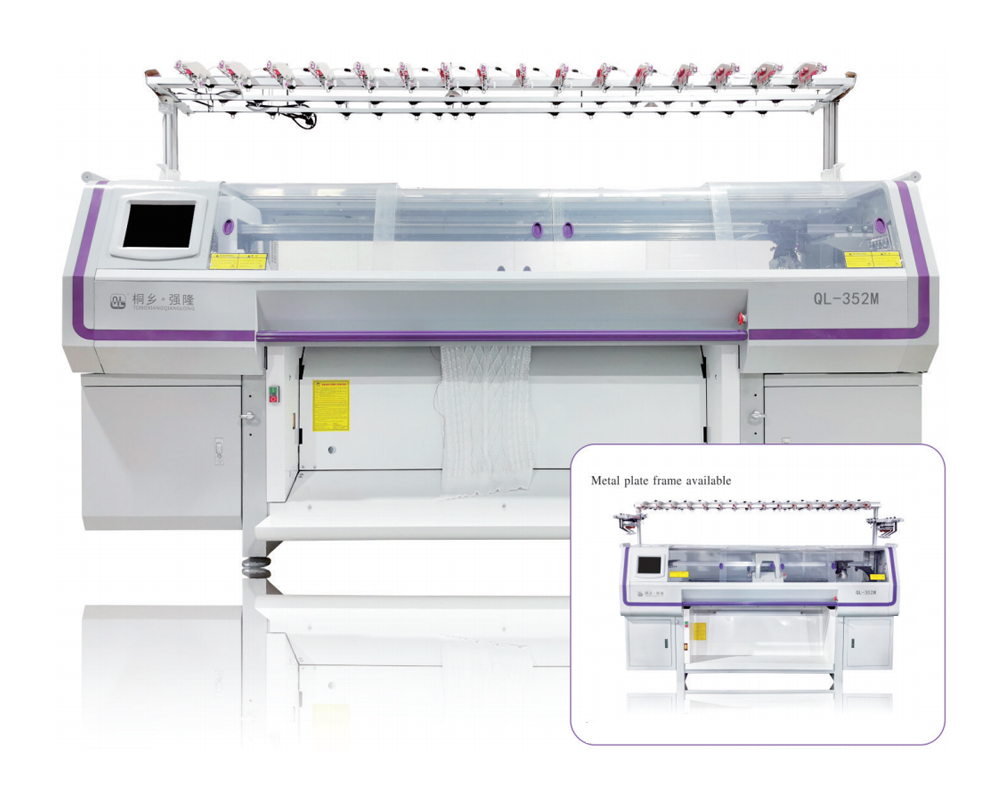
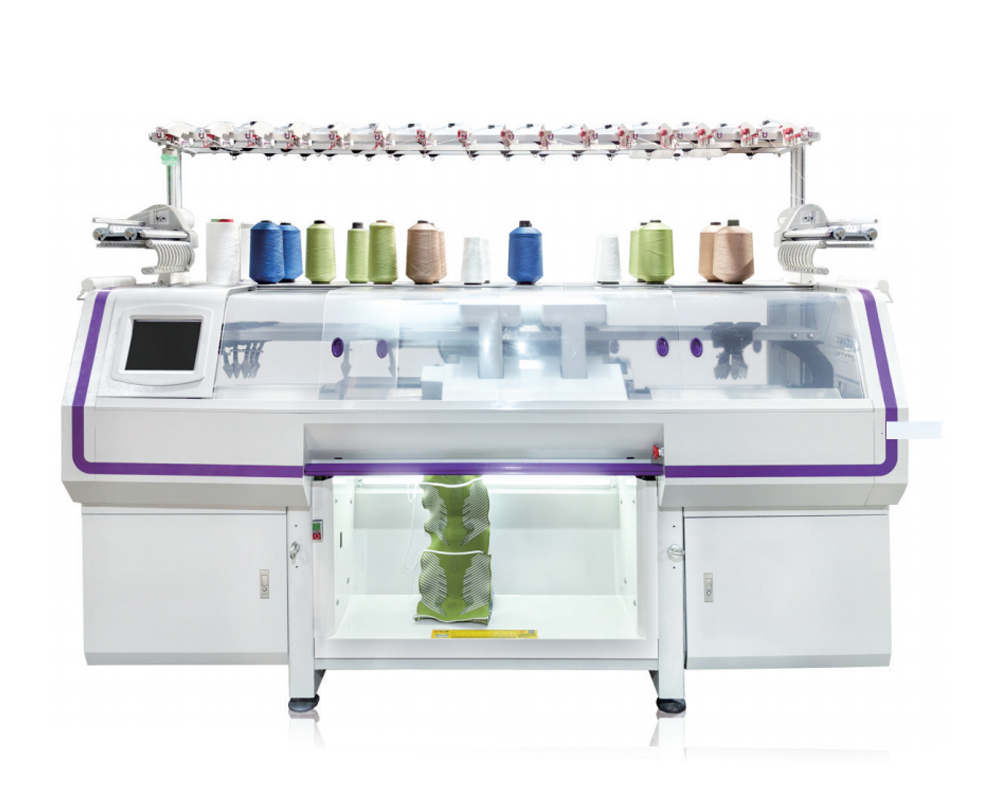
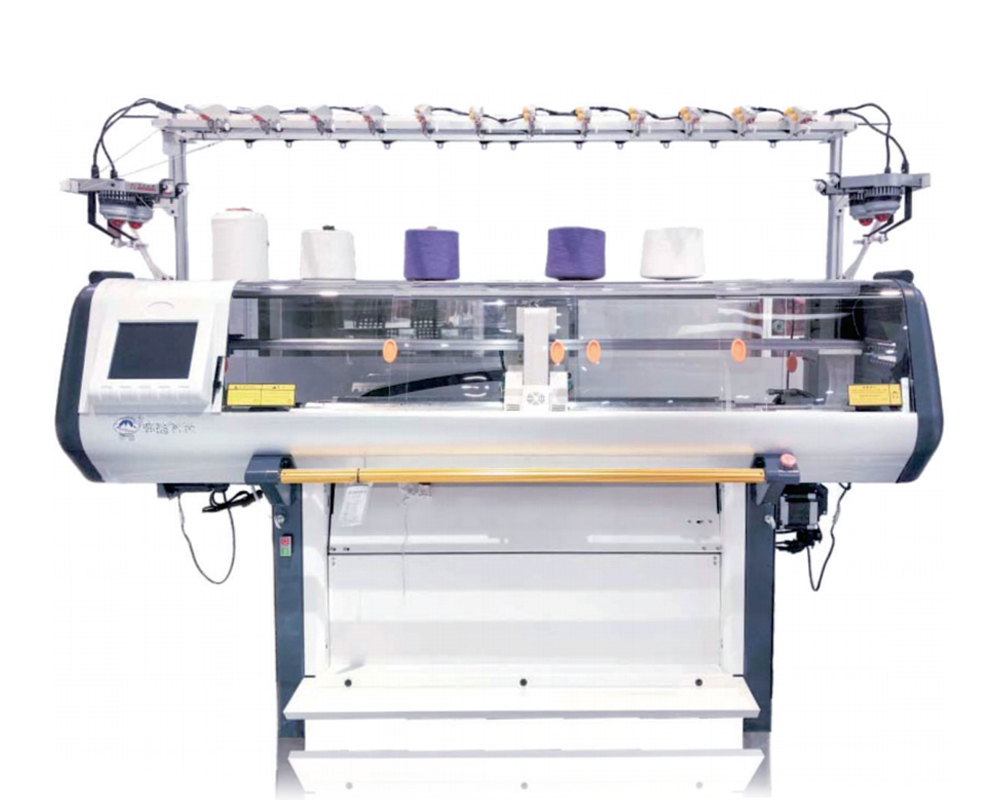
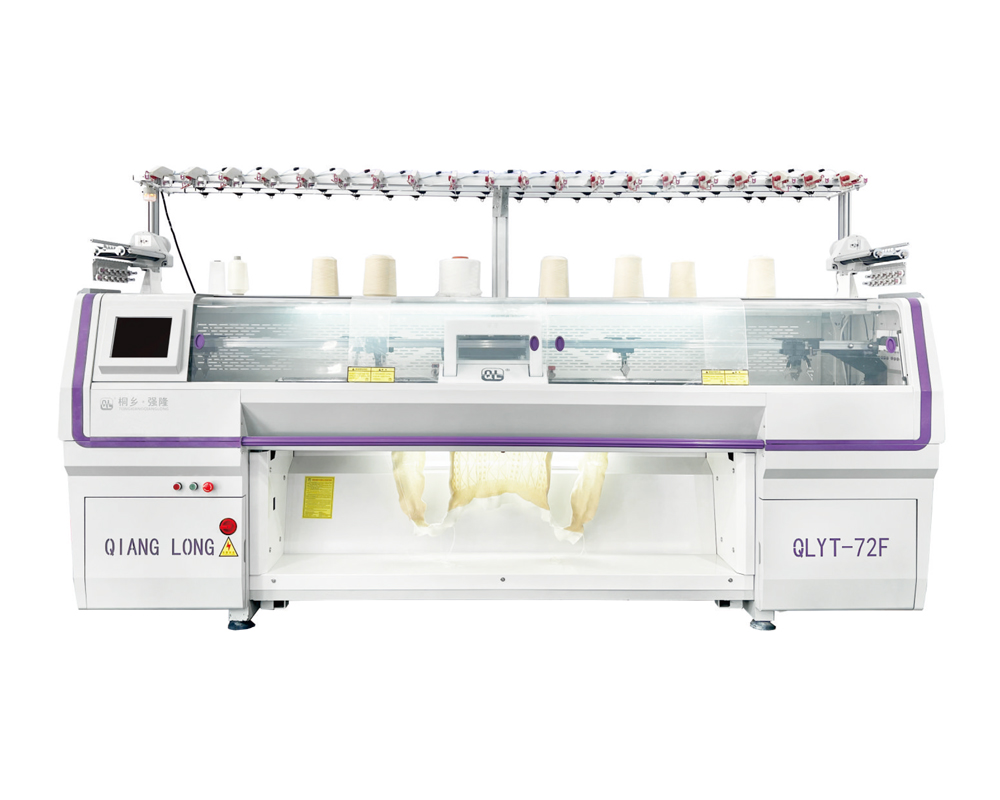
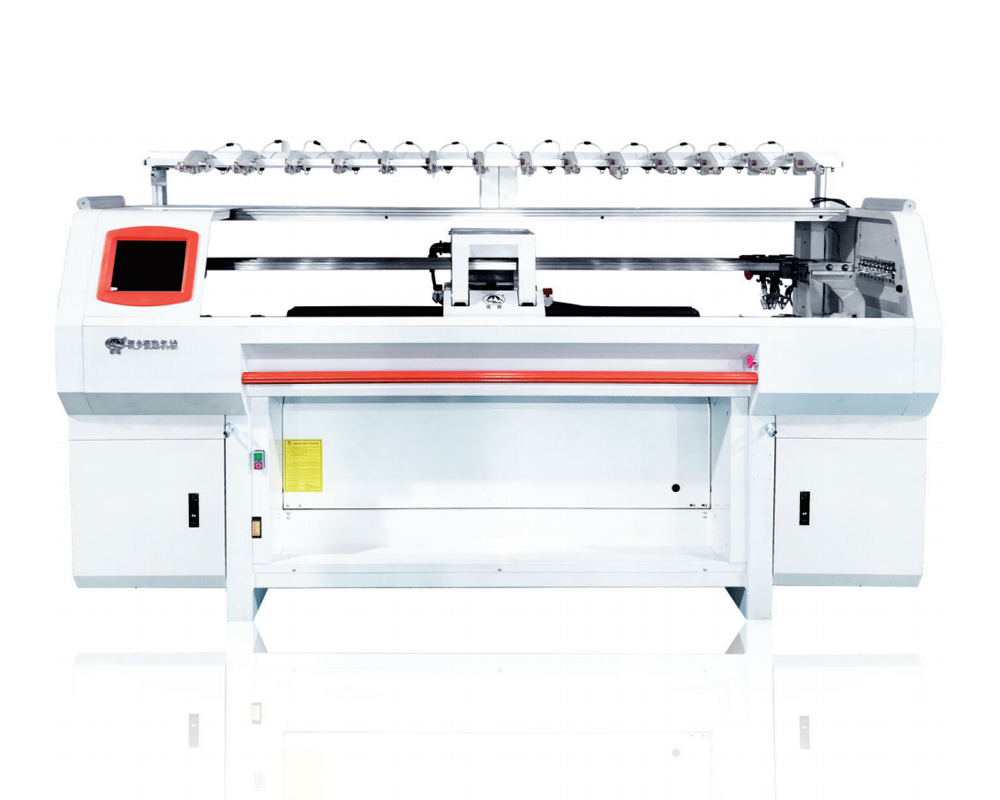
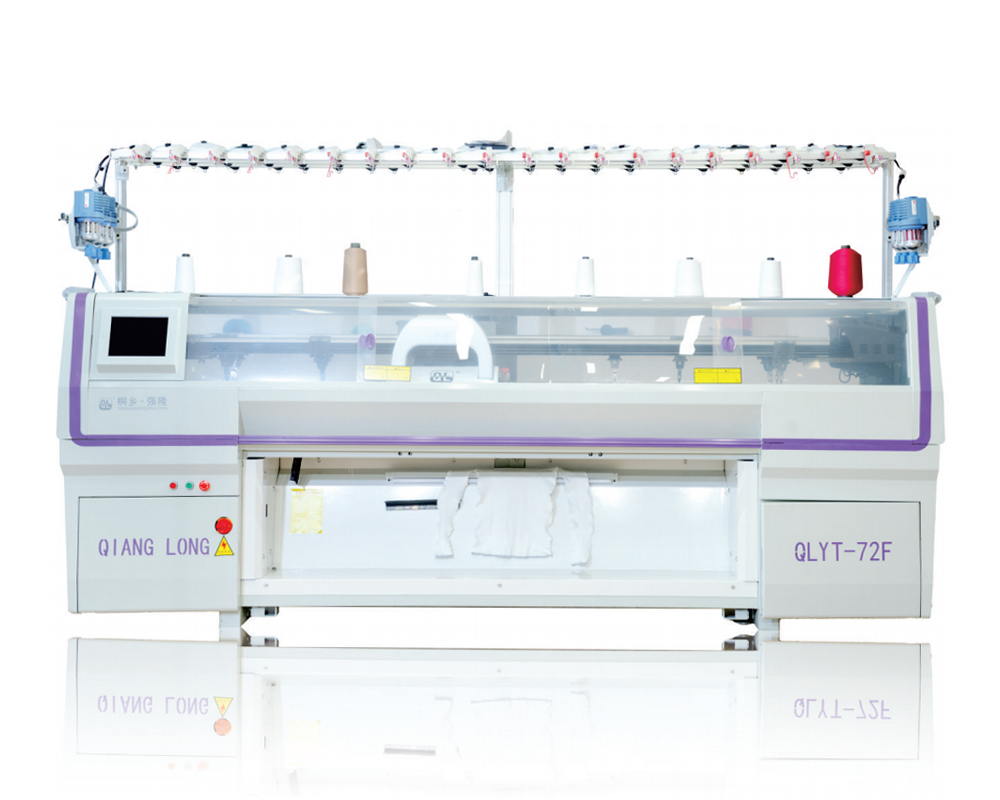
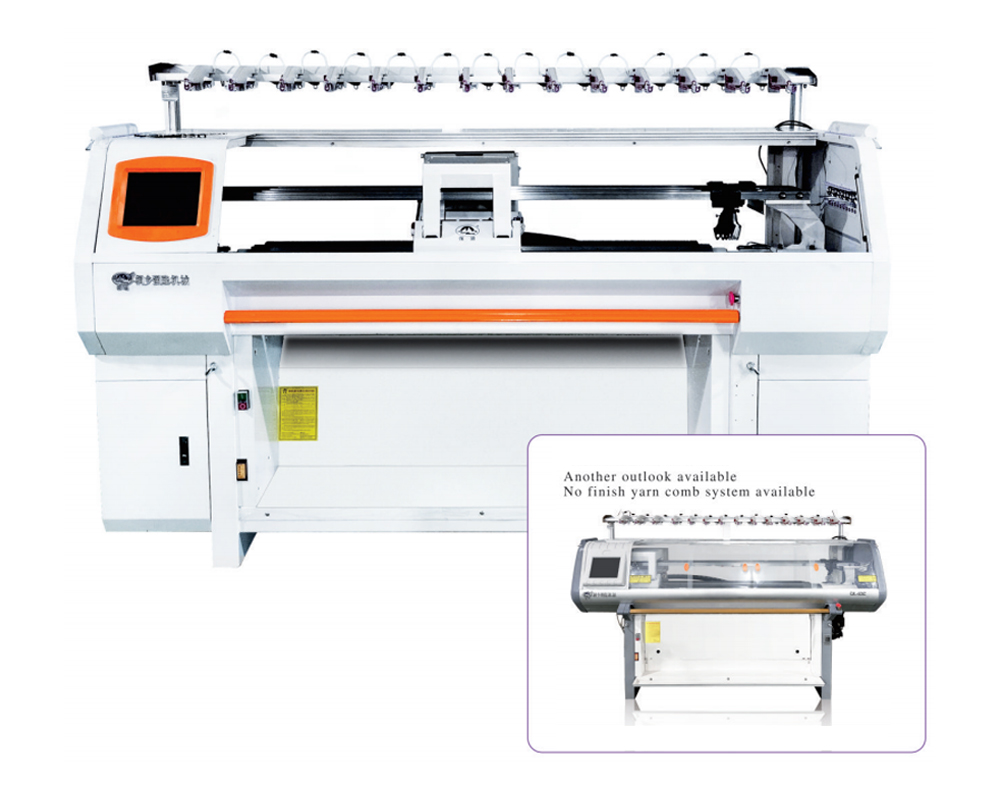
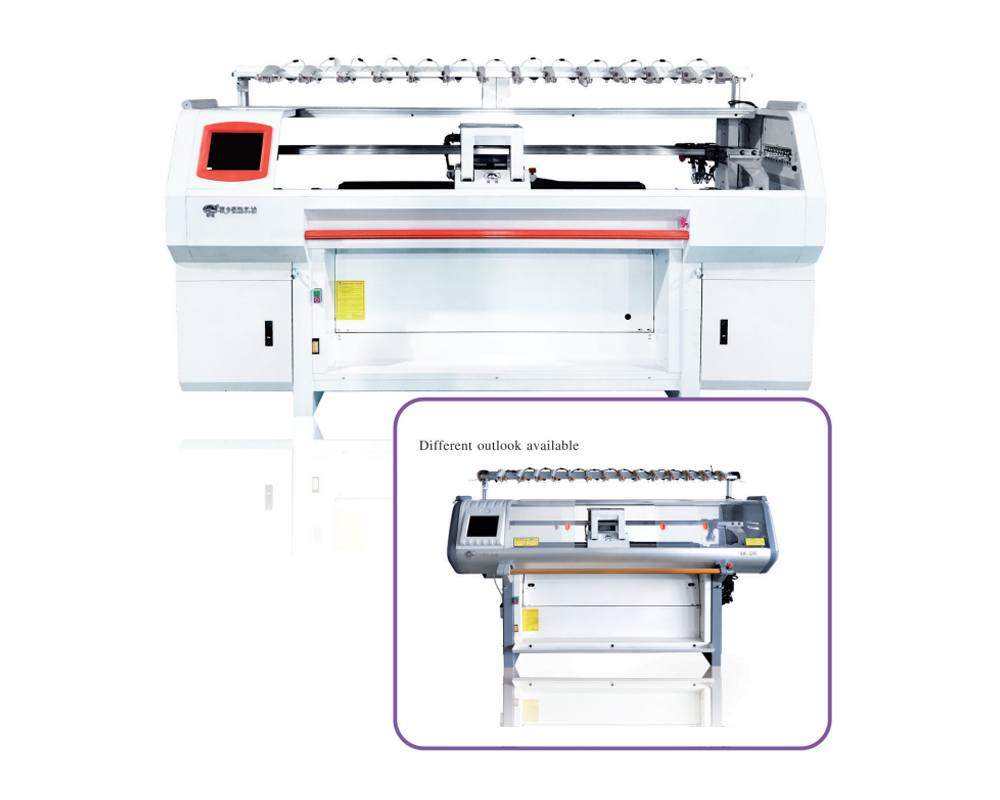
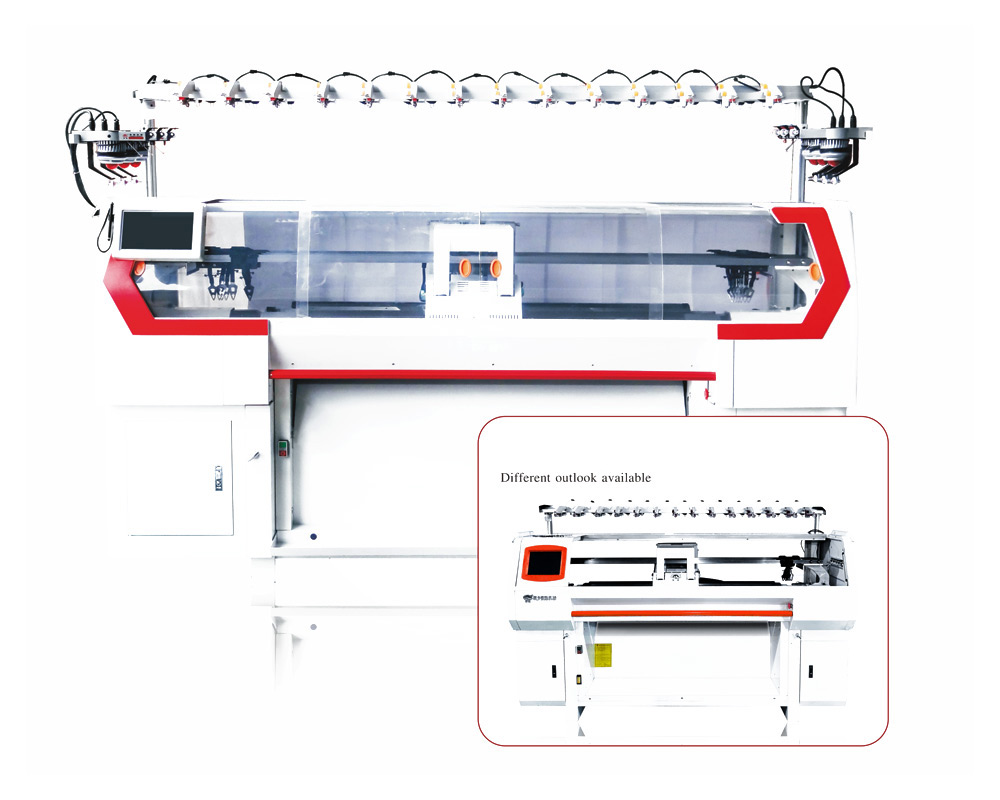

Tongxiang Qianglong Machinery Co., Ltd. is high-tech China wholesale computerized flat knitting machine manufacturers, specialized in designing, developing, and manufacturing Knitting Machinery..
Content
- 1 What Is a 3D Shoe Upper Knitting Machine?
- 2 How the 3D Knitting Process Works
- 3 Key Technical Specifications to Understand
- 4 Core Advantages Over Traditional Footwear Manufacturing
- 5 Compatible Yarn Types and Materials Used
- 6 Leading Machine Manufacturers in the Industry
- 7 Implementation Considerations for Footwear Manufacturers
- 8 The Future Direction of 3D Shoe Upper Knitting Technology
What Is a 3D Shoe Upper Knitting Machine?
A 3D shoe upper knitting machine is a highly specialized piece of industrial textile equipment designed to produce seamless, three-dimensional shoe uppers in a single automated knitting process. Unlike traditional footwear manufacturing — which involves cutting flat fabric panels, stitching them together, and attaching separate reinforcement layers — a 3D knitting machine constructs the entire upper as one integrated structure directly on the machine. The result is a precisely engineered textile component that conforms to the shape of the foot with minimal material waste and virtually no manual labor in the fabric construction phase.
These machines are most commonly associated with computerized flat knitting technology, where two needle beds work in coordination to build the fabric structure stitch by stitch, row by row. Advanced software translates a digital shoe design into machine instructions, controlling needle selection, yarn carrier movement, stitch density, and structural zones across the upper. The technology has been widely adopted by major global athletic footwear brands and is rapidly expanding into casual, performance, and even orthopedic footwear segments.
How the 3D Knitting Process Works
The production process on a 3D shoe upper knitting machine begins entirely in software. Designers use specialized CAD programs — often proprietary platforms developed by machine manufacturers — to map every zone of the shoe upper with specific structural and aesthetic properties. These include zones for breathability, support, cushioning, heel lock, and toe box reinforcement. Once the digital blueprint is finalized, it is converted into machine-readable knitting data and loaded directly into the machine's controller.
On the machine itself, the knitting process proceeds across a flat needle bed — typically with gauges ranging from E6 to E18, depending on the desired fabric density and yarn thickness. Multiple yarn carriers feed different yarn types into the knitting zone simultaneously, allowing the machine to switch between materials within the same row. This capability is what enables the creation of multi-zone uppers where different areas of the shoe have distinctly different mechanical properties — all within a single, uninterrupted knitting cycle.
Once knitting is complete, the upper comes off the machine as a near-finished component. Depending on the machine model and design complexity, it may require minor post-processing steps such as heat-setting to stabilize the structure, bonding a thin internal liner, or attaching a pre-molded toe cap. The elimination of cutting and stitching dramatically reduces production time and the number of required operators per unit produced.
Key Technical Specifications to Understand
When evaluating a 3D shoe upper knitting machine, several technical parameters directly impact its output quality, production speed, and flexibility. Understanding these specs is essential for manufacturers selecting equipment for their production lines.
| Specification | Typical Range | Impact on Production |
| Needle Gauge | E6 – E18 | Determines fabric density and compatible yarn thickness |
| Number of Yarn Carriers | 4 – 12+ | Controls how many yarn types can be used simultaneously |
| Knitting Width | 50 – 260 cm | Determines how many uppers can be knitted per pass |
| Carriage Speed | 0.8 – 1.6 m/s | Directly affects output per hour |
| Knitting Systems | 2 – 6 systems | More systems allow more stitches per carriage pass |
| Stitch Techniques Supported | Jacquard, intarsia, plating, tuck, miss | Affects design complexity and structural zoning capability |
Higher needle gauges produce finer, denser fabrics suited to performance running uppers, while lower gauges work better for thicker, cushioned lifestyle footwear. The number of yarn carriers is especially critical for multi-material designs where different yarns must be deployed across different zones of the same upper without stopping production.
Core Advantages Over Traditional Footwear Manufacturing
The shift to 3D shoe upper knitting machines represents a fundamental rethinking of how footwear uppers are made. The advantages over conventional cut-and-sew manufacturing are substantial and measurable across multiple dimensions of production.

Significant Reduction in Material Waste
Traditional shoe upper production involves cutting shapes from flat textile panels, which inevitably leaves behind offcut scraps — often amounting to 30% to 40% of the raw material purchased. A 3D knitting machine uses yarn only where it is needed, building the upper stitch by stitch with no cutting required. Waste reduction can fall below 5% of total yarn input, representing significant raw material savings and a substantially smaller environmental footprint per pair produced.
Fewer Production Steps and Lower Labor Costs
Conventional upper manufacturing requires multiple workstations: fabric cutting, panel alignment, stitching, reinforcement bonding, and quality checking at each stage. A 3D knitting machine consolidates most of these steps into a single automated process. One skilled operator can supervise multiple machines simultaneously, dramatically reducing the headcount required per unit of output and making production more economically viable in higher-wage markets.
Precision Zoning for Performance Engineering
Perhaps the most technically impressive capability of 3D shoe upper knitting machines is their ability to build different structural properties into different zones of the same upper within a single knitting cycle. The machine can create dense, firm fabric at the heel for stability, open mesh at the midfoot for breathability, and a padded, double-layer structure at the toe box — all without any additional components, bonding agents, or assembly steps. This zoning capability allows footwear engineers to optimize biomechanical performance directly through the knitting program.
Rapid Design Iteration and Customization
Because the upper design lives entirely in software, changes can be made and tested quickly. A design modification that would require weeks of re-tooling in traditional manufacturing can be implemented in hours on a 3D knitting machine — simply by updating the digital file and running a new sample. This agility is transforming product development cycles in footwear, enabling brands to bring new designs to market faster and respond more rapidly to consumer trends.
Compatible Yarn Types and Materials Used
The yarn selection for 3D shoe upper production is highly specialized. Not all yarn types are suitable — the yarn must meet demanding criteria for tensile strength, elongation recovery, heat resistance (for post-knitting setting processes), and bonding compatibility with adhesives used in final shoe assembly.
- Polyester monofilament and multifilament yarns: The most widely used yarn type in shoe upper knitting. Polyester offers excellent strength, low moisture absorption, and good dye uptake, making it ideal for performance athletic uppers in a wide range of colors.
- Thermoplastic yarns (TPU-based): These yarns melt at specific temperatures and can be heat-set after knitting to create rigid structural zones within the upper — replacing traditional external support overlays. TPU yarns are commonly used at the heel counter and eyestay zones.
- Recycled PET yarns: Made from post-consumer plastic bottles, rPET yarns are used by brands pursuing sustainability targets. They perform comparably to virgin polyester in most shoe upper applications and have become a standard material offering across leading machine brands.
- Nylon yarns: Used where higher abrasion resistance is required, such as in the toe box or lateral support zones. Nylon adds durability and a slightly different surface texture compared to polyester.
- Elastane core-spun yarns: Yarns with a central elastane core wrapped by polyester or nylon offer controlled stretch and recovery — critical for snug-fitting athletic uppers that need to conform closely to the foot during dynamic movement.
Leading Machine Manufacturers in the Industry
The 3D shoe upper knitting machine market is led by a small number of highly specialized equipment manufacturers, primarily based in Germany, Japan, and China. Each brings a distinct approach to machine architecture, software ecosystem, and customer support.
- Stoll (Germany): One of the most recognized names in the industry, Stoll's ADF (Automatic knitting machine with Digital control and Full fashioning) series includes models specifically engineered for footwear upper production. Their M1Plus knitting software is widely regarded as one of the most capable design platforms available.
- Shima Seiki (Japan): Shima Seiki pioneered WholeGarment knitting technology and applies similar seamless construction principles to shoe uppers via their SWG series machines. Their SDS-ONE APEX design system allows full 3D simulation of knitted uppers before production begins.
- Steiger (Switzerland): Steiger machines are valued for their precision and reliability, particularly for high-gauge upper production requiring fine, detailed fabric structures in performance footwear categories.
- Fujian Baiyuan and other Chinese manufacturers: A growing number of Chinese machine manufacturers now produce competitive 3D shoe upper knitting machines at significantly lower price points than European and Japanese brands, making the technology accessible to mid-tier footwear manufacturers across Asia.
Implementation Considerations for Footwear Manufacturers
Investing in 3D shoe upper knitting technology is a significant decision that requires careful planning across several operational dimensions. Manufacturers considering this transition should evaluate the following factors before committing to equipment procurement:
- Initial capital investment: High-quality 3D knitting machines from established European and Japanese brands typically range from $150,000 to $400,000 USD per unit. Chinese-manufactured alternatives may be available at 40–60% of that cost, though with potentially different service and software support levels.
- Software training and design capability: The knitting design software requires specialized training. Manufacturers need personnel who are proficient in both textile engineering and digital design to fully leverage the machine's capabilities and troubleshoot production issues.
- Yarn sourcing and supply chain: Switching to 3D knitting requires sourcing technical yarns that may not be part of the manufacturer's existing supply chain. Establishing reliable sources for polyester, TPU, and rPET yarns at the required specifications is a critical pre-production step.
- Integration with existing assembly lines: The knitted upper still requires lasting, outsole bonding, and finishing. Manufacturers must assess how 3D-knitted uppers integrate with their existing assembly processes and whether any adjustments to downstream operations are needed.
The Future Direction of 3D Shoe Upper Knitting Technology
The capabilities of 3D shoe upper knitting machines continue to advance rapidly. Current development directions include machines capable of integrating conductive yarns for smart footwear applications — embedding sensors for pressure mapping or temperature monitoring directly into the upper structure during knitting. Researchers and manufacturers are also exploring bio-based and biodegradable yarn options to further reduce the environmental impact of footwear production beyond what recycled synthetics currently offer.
Mass customization is another frontier being actively developed. The combination of 3D foot-scanning technology with 3D knitting machines theoretically allows the production of individually fitted shoe uppers at scale — each pair knitted to the precise measurements of the wearer's foot without any change in machine tooling. While fully individualized production at commercial scale remains a work in progress, pilot programs at several major brands demonstrate that this vision is achievable within the current technology trajectory. For footwear manufacturers looking to modernize their production capabilities and align with sustainability and performance trends, 3D shoe upper knitting machines represent one of the most impactful investments available today.
