
 English
 简体中文
简体中文
 Chinese
 English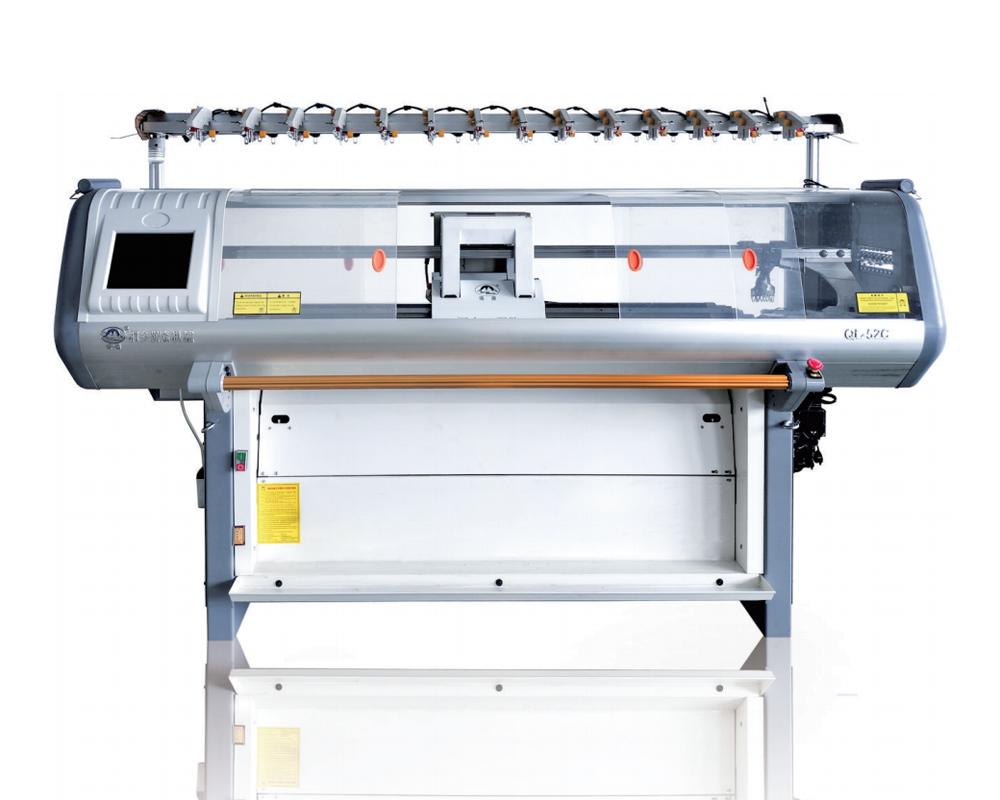
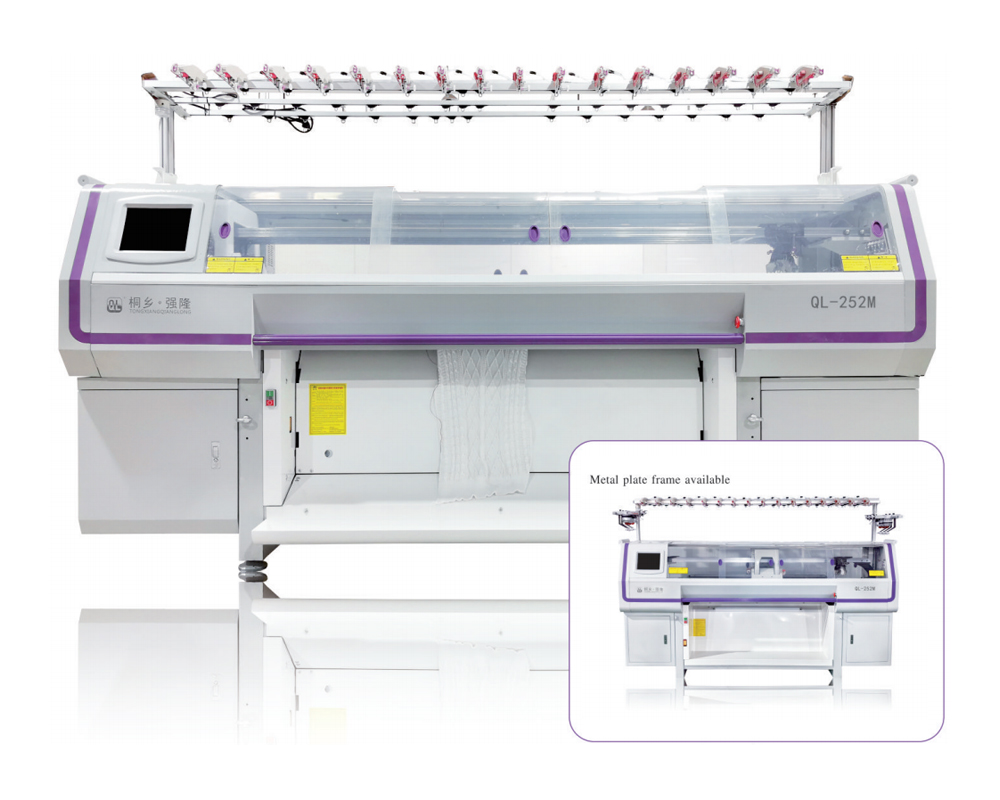
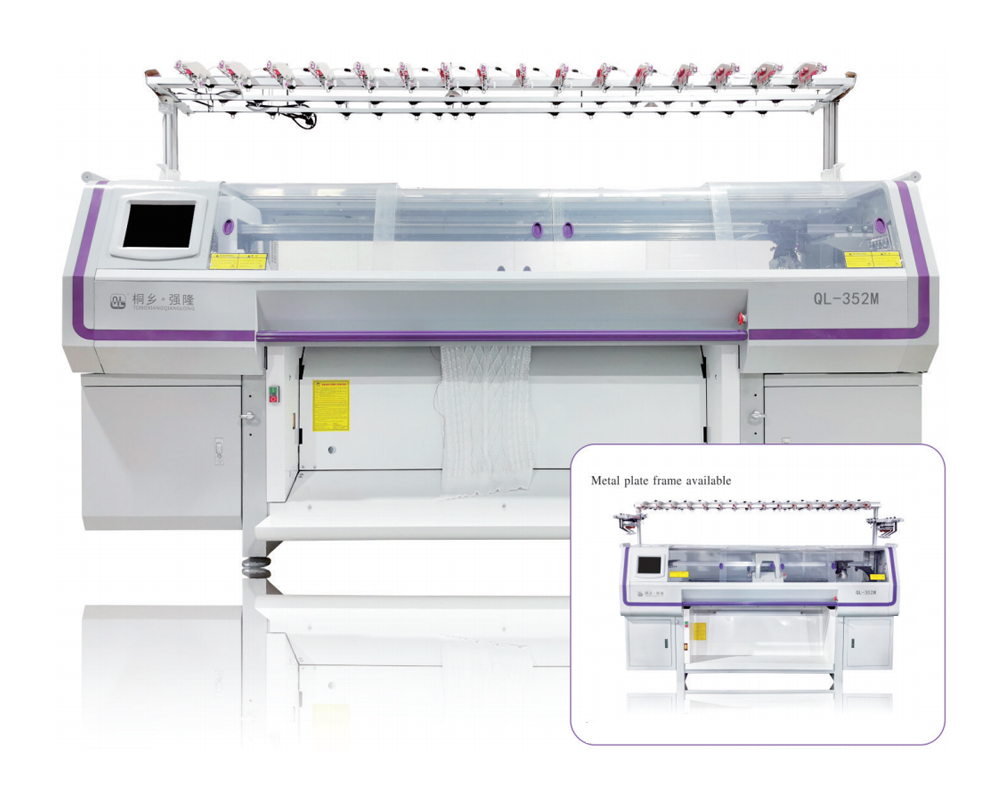
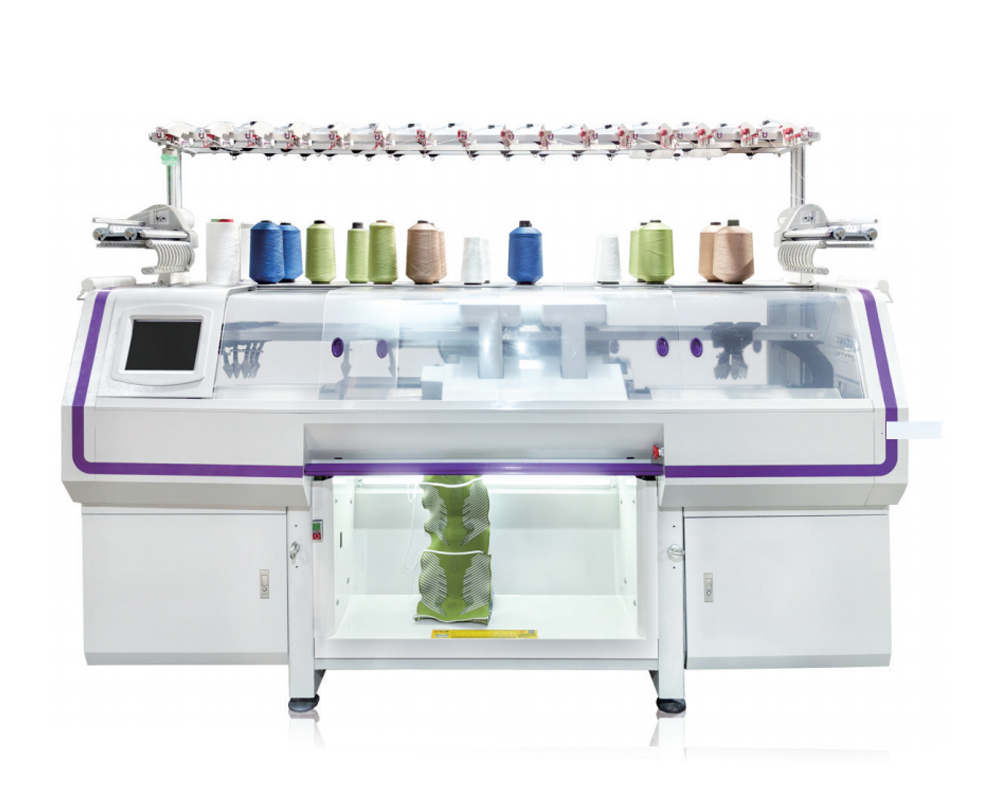
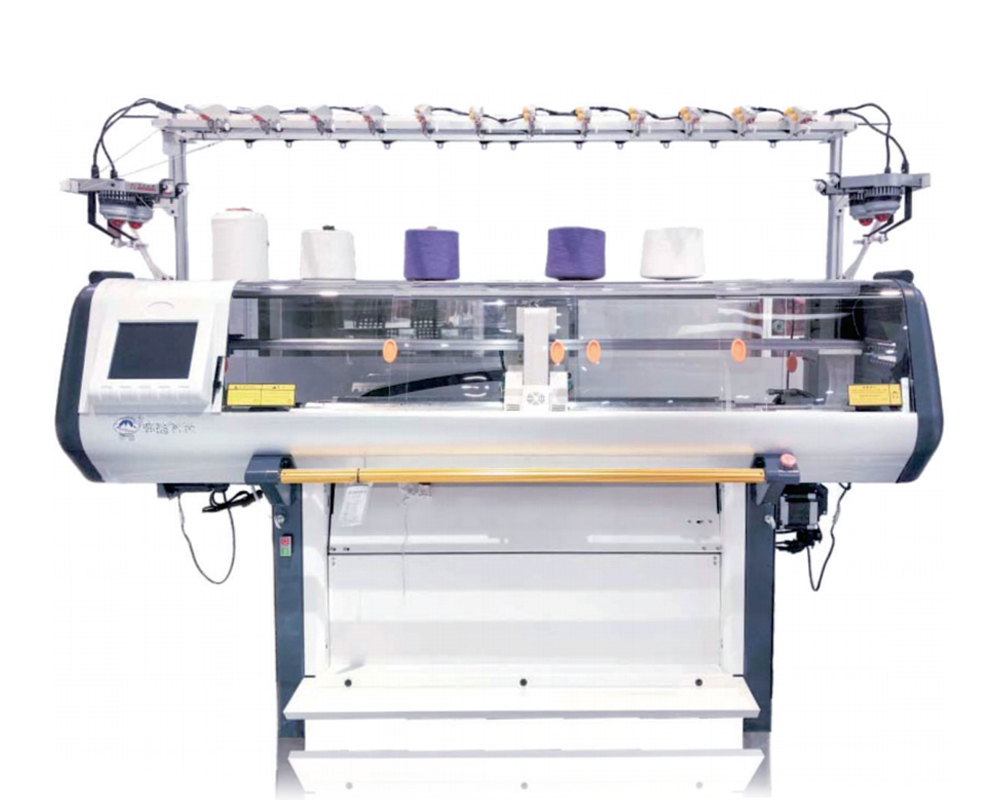
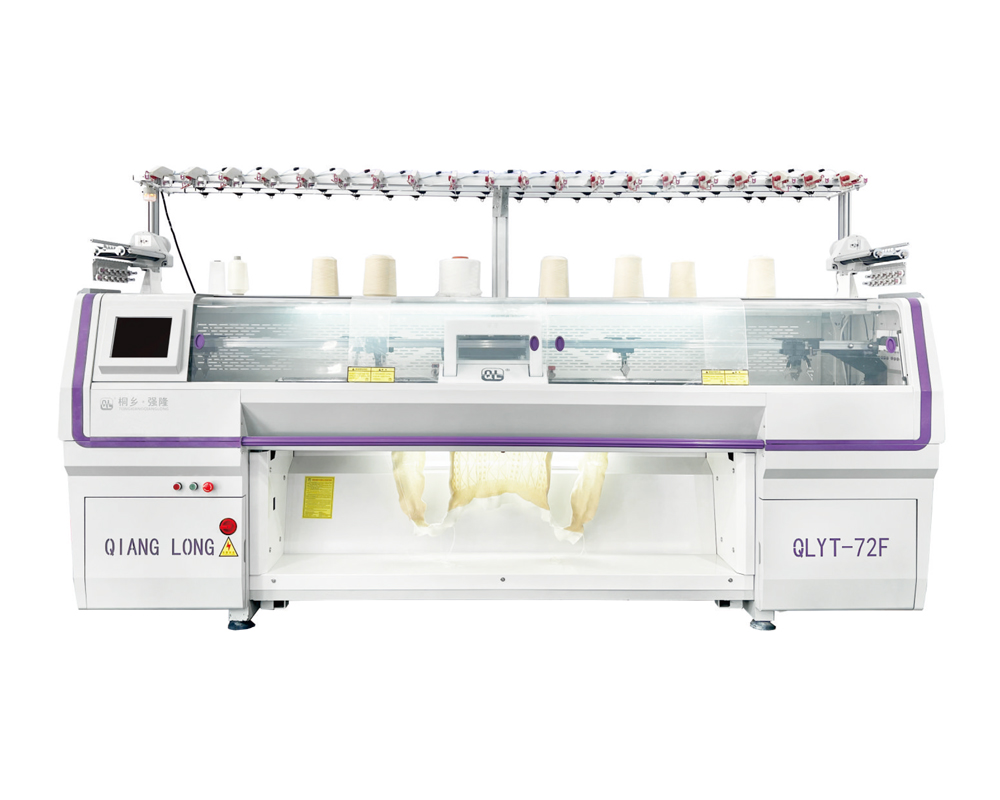
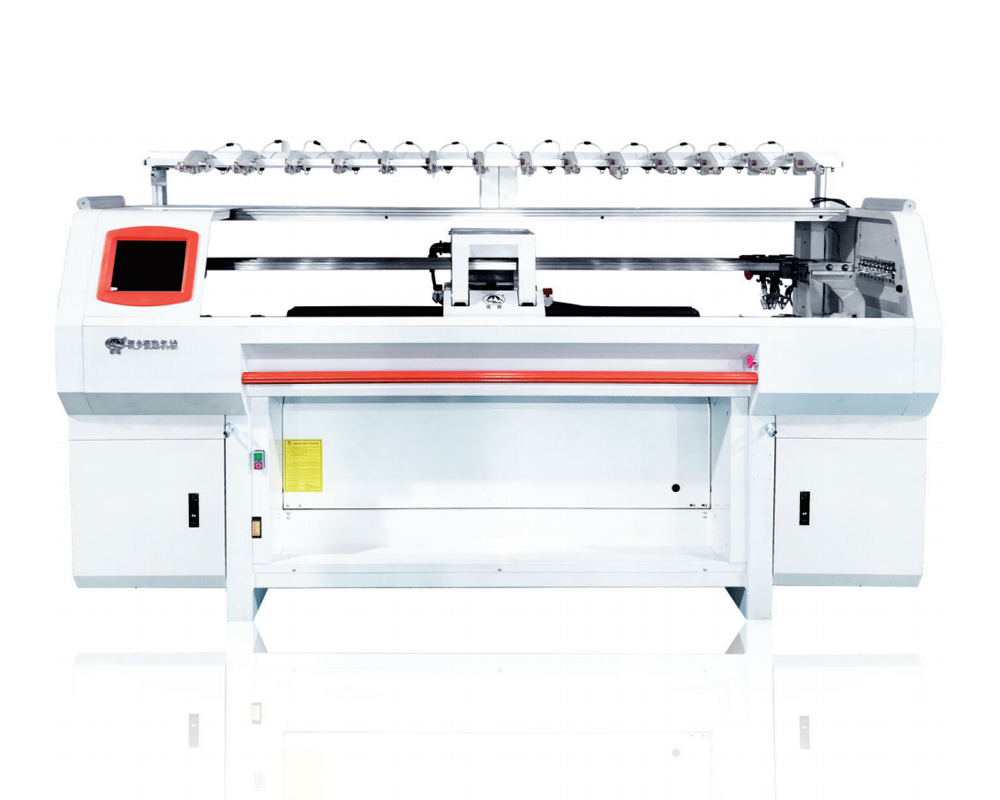
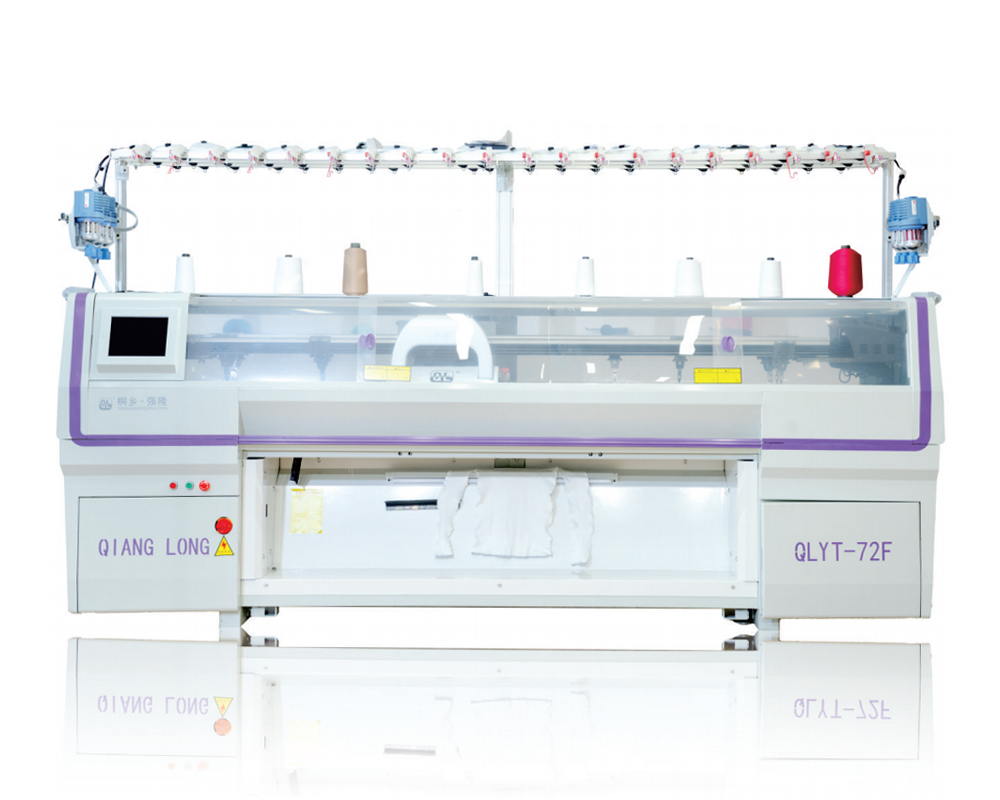
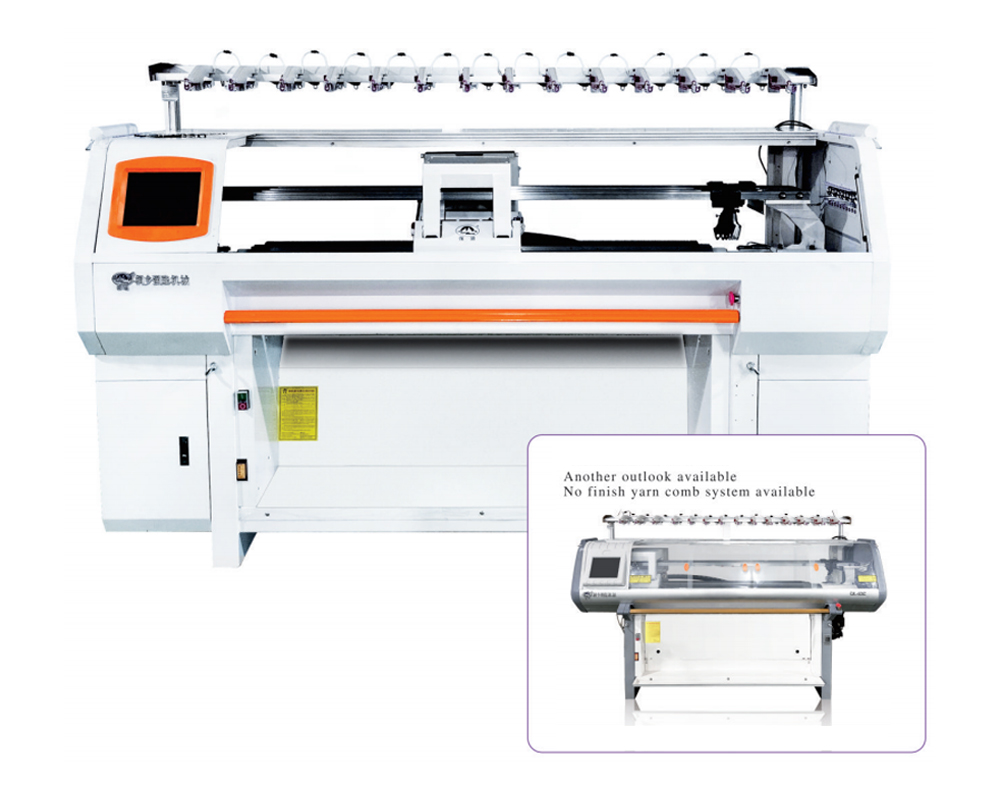
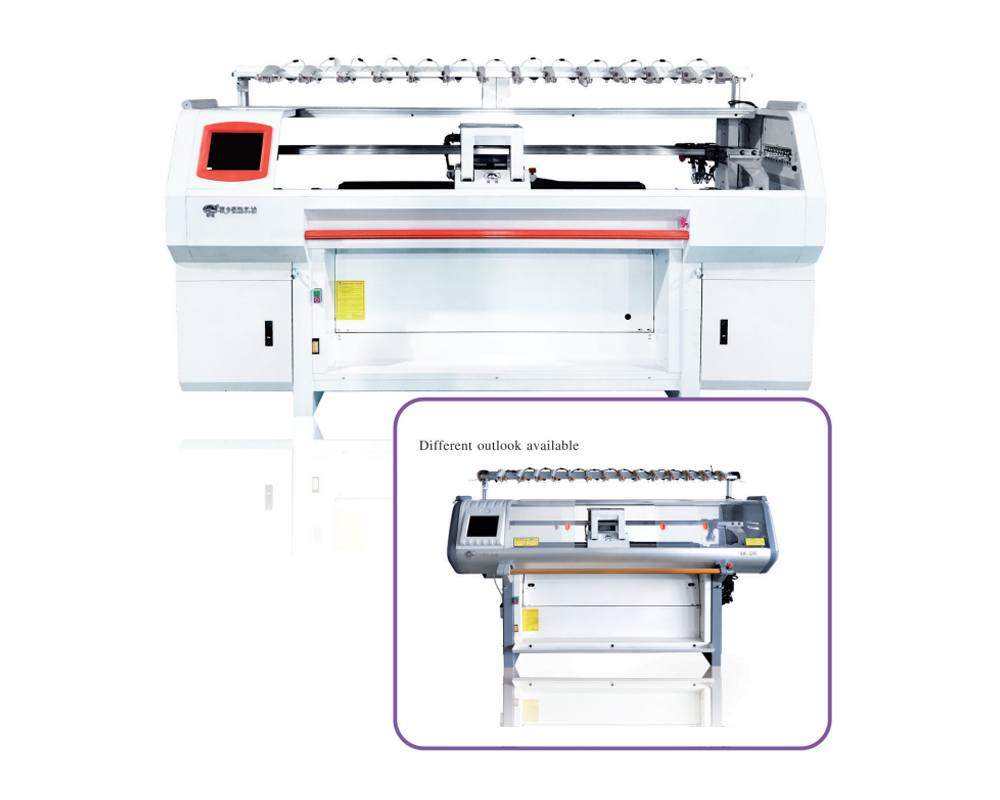
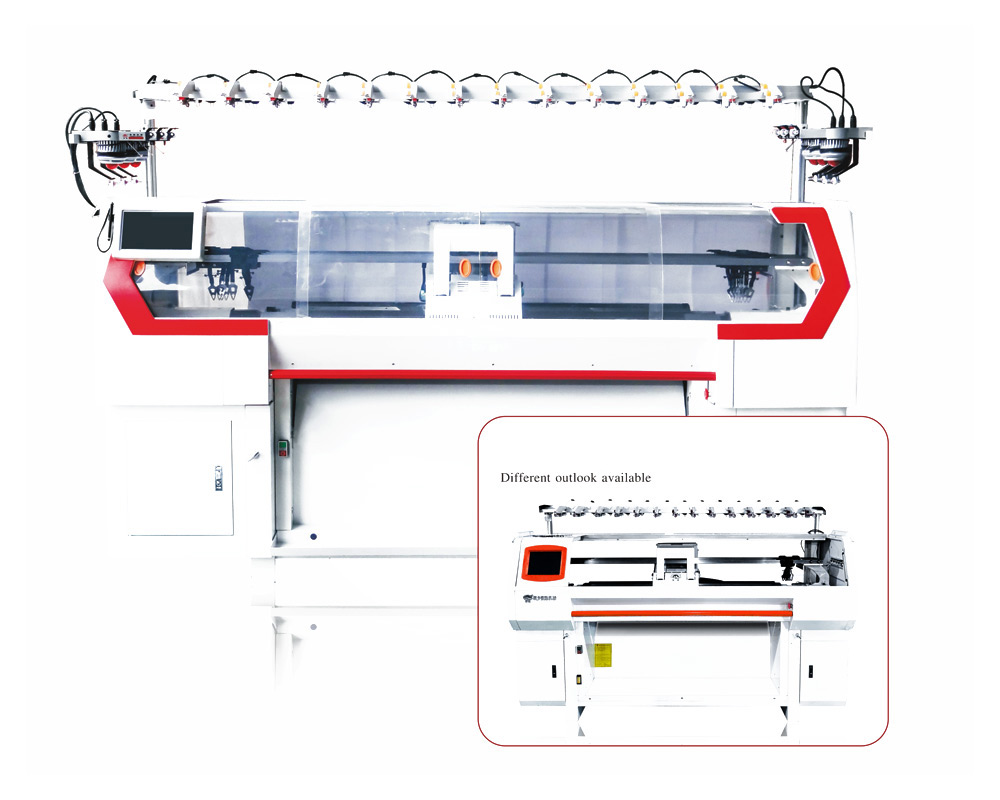

Tongxiang Qianglong Machinery Co., Ltd. is high-tech China wholesale computerized flat knitting machine manufacturers, specialized in designing, developing, and manufacturing Knitting Machinery..
Content
- 1 Higher Production Efficiency and Speed
- 2 Superior Design Flexibility and Pattern Complexity
- 3 Improved Product Consistency and Quality Control
- 4 Labor Cost Reduction and Skill Optimization
- 5 Material Efficiency and Waste Reduction
- 6 Faster Time-to-Market for Fashion Brands
- 7 Versatility Across Product Categories
- 8 Long-Term Cost Efficiency and Investment Value
- 9 Why Computerized Flat Knitting Machines Are the Future
A computerized flat knitting machine is an advanced textile manufacturing system that uses digital control technology to produce knitted fabrics and garments. Unlike traditional mechanical or manual knitting equipment, these machines rely on computer programs to control needle movement, yarn feeding, stitch formation, and pattern execution with high precision. This automation allows manufacturers to achieve complex designs, consistent quality, and higher productivity.
Traditional knitting equipment, while reliable, depends heavily on manual adjustments and operator experience. In contrast, computerized flat knitting machines store patterns digitally and execute them repeatedly with minimal variation. This fundamental difference forms the basis of their many advantages in modern textile production.
Higher Production Efficiency and Speed
One of the most significant advantages of computerized flat knitting machines is their ability to dramatically improve production efficiency. Automated needle selection and yarn control reduce downtime caused by manual setup and adjustment. Once a program is loaded, the machine can operate continuously with consistent output.
Compared with traditional equipment, computerized machines can switch between designs quickly without extensive mechanical changes. This flexibility is particularly valuable for factories handling multiple styles or small-batch orders, where frequent changeovers are required.
Reduced Setup Time
Design changes that once required hours of mechanical modification can now be completed by uploading a new digital pattern. This shortens production cycles and enables faster response to market demand.
Superior Design Flexibility and Pattern Complexity
Computerized flat knitting machines excel in producing intricate patterns that are difficult or impossible to achieve with traditional knitting equipment. Digital control allows precise manipulation of stitches, yarn tension, and needle selection across the entire knitting width.
Designers can create complex jacquard patterns, textured surfaces, and multi-gauge effects with greater freedom. This capability supports innovation in fashion, sportswear, and technical textiles.
- Complex stitch structures with high repeat accuracy
- Multi-color and multi-yarn integration
- Easy customization for brand-specific designs

Improved Product Consistency and Quality Control
Consistency is a major challenge in traditional knitting operations, where output quality can vary depending on operator skill and machine condition. Computerized flat knitting machines address this issue by standardizing production parameters.
Once optimized, a digital knitting program ensures that every piece meets the same specifications. This reduces defects, minimizes rework, and improves overall customer satisfaction.
Precision Stitch Formation
Computer-controlled needle movements create uniform stitches and stable fabric structures. This precision is especially important for high-end garments and technical applications where performance standards are strict.
Labor Cost Reduction and Skill Optimization
Traditional knitting equipment often requires highly experienced operators to manage settings, detect issues, and maintain quality. Computerized flat knitting machines reduce dependence on manual expertise by automating many of these tasks.
While skilled technicians are still needed for programming and maintenance, fewer operators are required per machine. This leads to lower labor costs and more efficient use of human resources.
Material Efficiency and Waste Reduction
Computerized flat knitting machines are designed to optimize yarn usage through precise control of stitch formation and fabric shaping. This reduces material waste compared to traditional methods, where trial-and-error adjustments often result in discarded fabric.
Advanced features such as whole-garment knitting allow components to be produced seamlessly, eliminating cutting waste and reducing post-processing steps.
| Aspect | Traditional Equipment | Computerized Flat Knitting |
| Pattern Change | Manual adjustment | Digital program switch |
| Material Waste | Higher | Lower |
| Design Complexity | Limited | High |
Faster Time-to-Market for Fashion Brands
Speed is critical in today’s fashion industry. Computerized flat knitting machines enable rapid prototyping and small-batch production, allowing brands to test designs and respond to trends quickly.
Digital design files can be modified instantly, reducing the time between concept development and finished product. This agility is difficult to achieve with traditional knitting equipment.
Versatility Across Product Categories
Computerized flat knitting machines are not limited to fashion apparel. They are widely used in sportswear, footwear uppers, accessories, and technical textiles. Their ability to handle various yarn types and gauges expands application possibilities.
Traditional machines, by comparison, are often optimized for specific products and lack the flexibility to adapt to diverse manufacturing needs.
Long-Term Cost Efficiency and Investment Value
Although computerized flat knitting machines require a higher initial investment, their long-term cost benefits are significant. Increased productivity, reduced waste, lower labor costs, and higher-quality output contribute to improved profitability.
For manufacturers aiming to scale operations or move into premium and customized products, computerized technology offers a strong return on investment compared to maintaining traditional equipment.
Why Computerized Flat Knitting Machines Are the Future
The advantages of computerized flat knitting machines over traditional knitting equipment are clear: greater efficiency, superior design capability, consistent quality, and enhanced sustainability. These benefits align with the evolving demands of the global textile and fashion industries.
As technology continues to advance, computerized flat knitting machines are expected to become even more intelligent and versatile, reinforcing their role as a core solution for modern textile manufacturing.
