
 English
 简体中文
简体中文
 Chinese
 English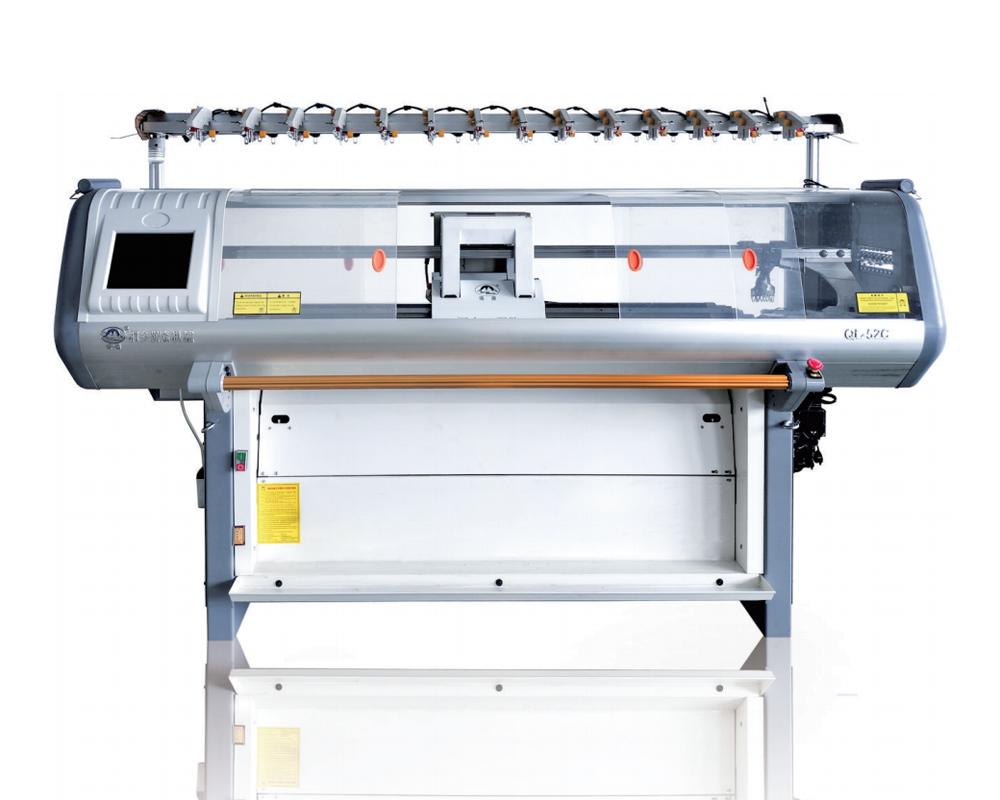
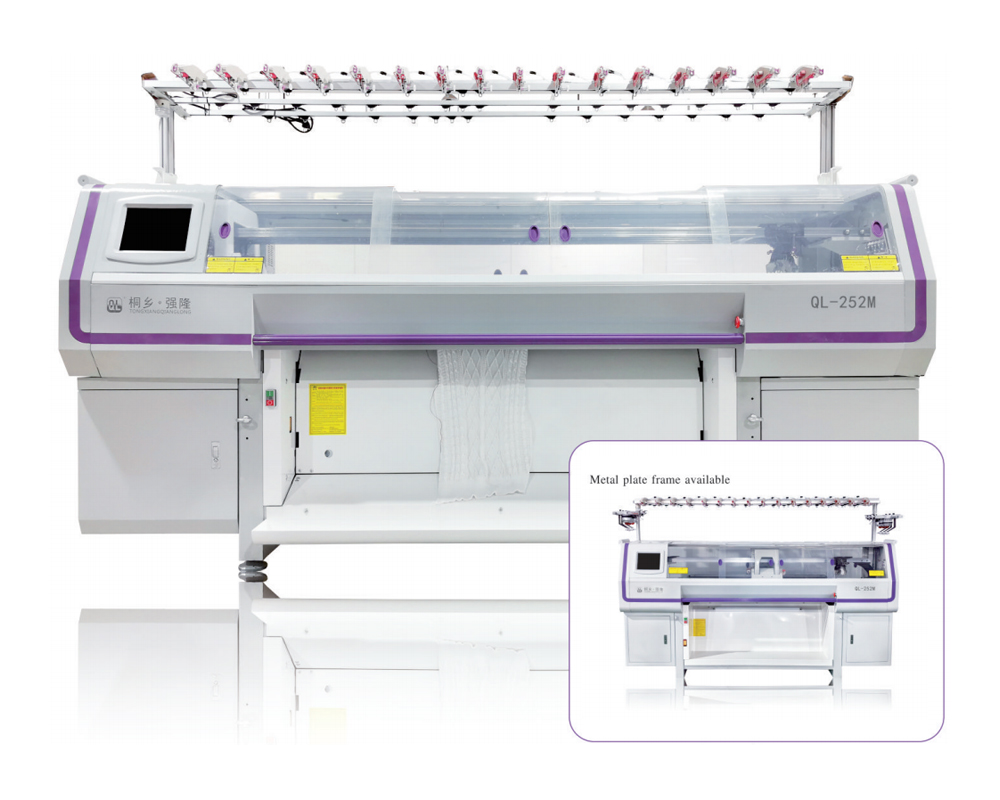
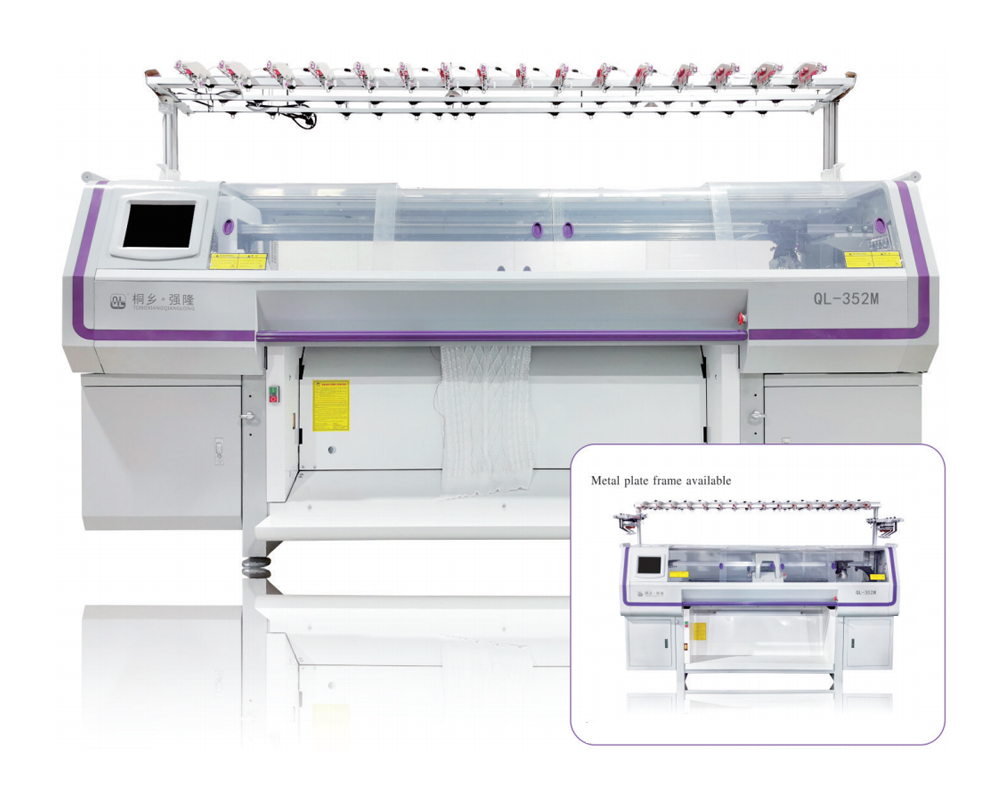
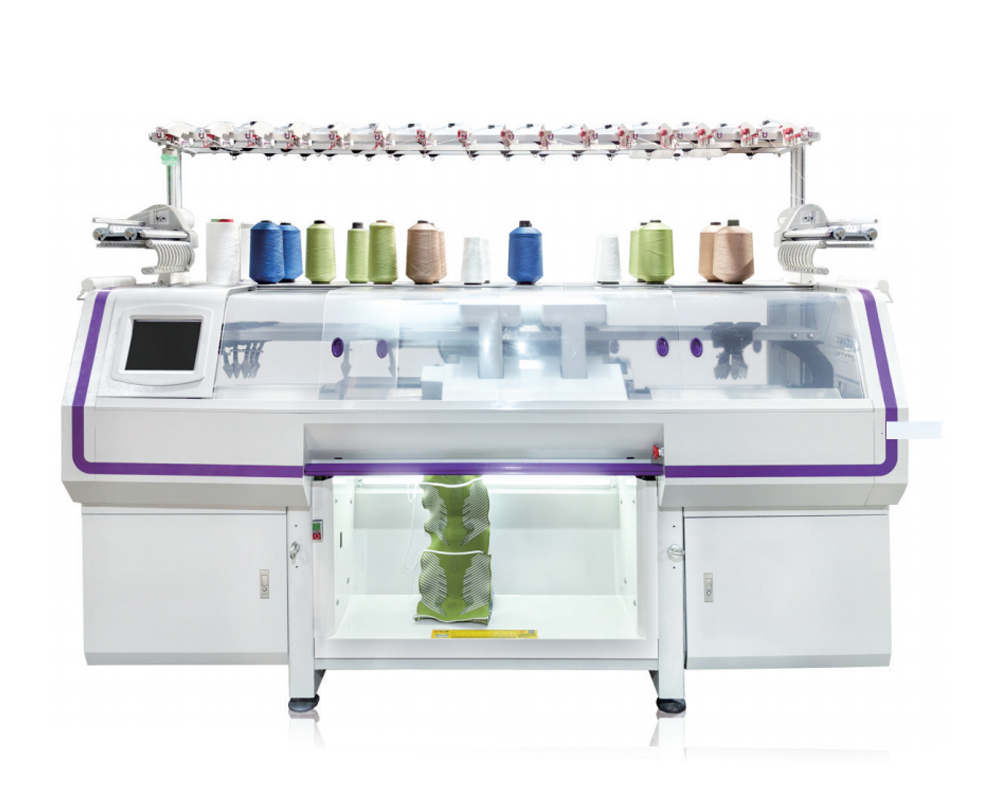
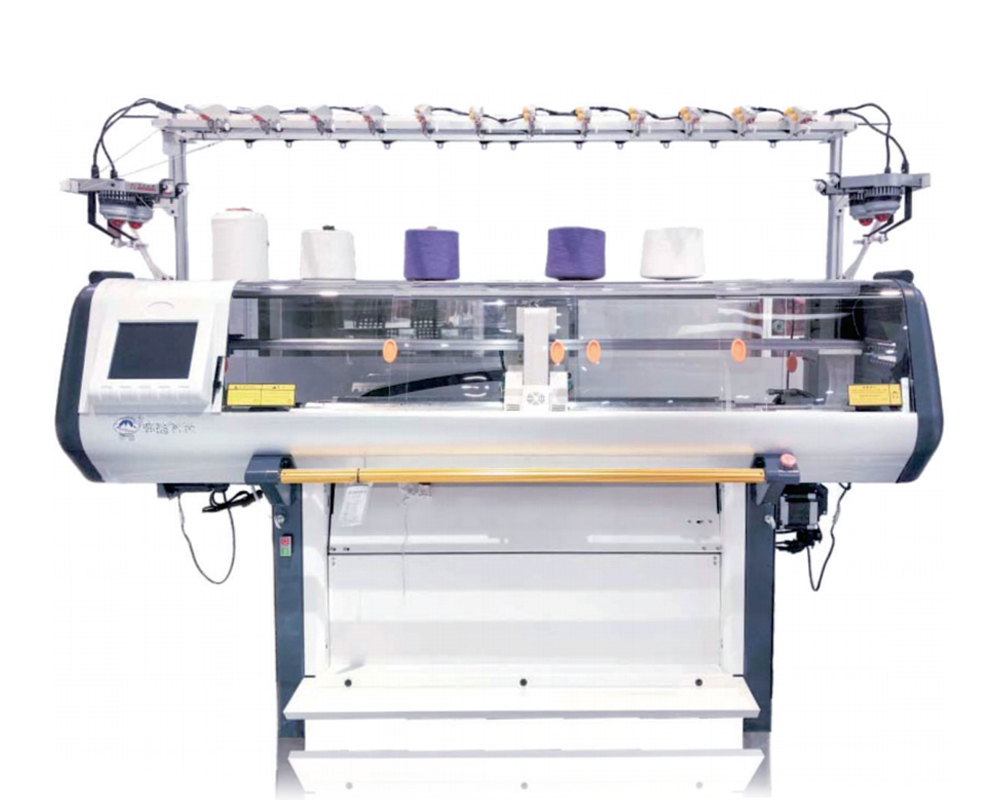
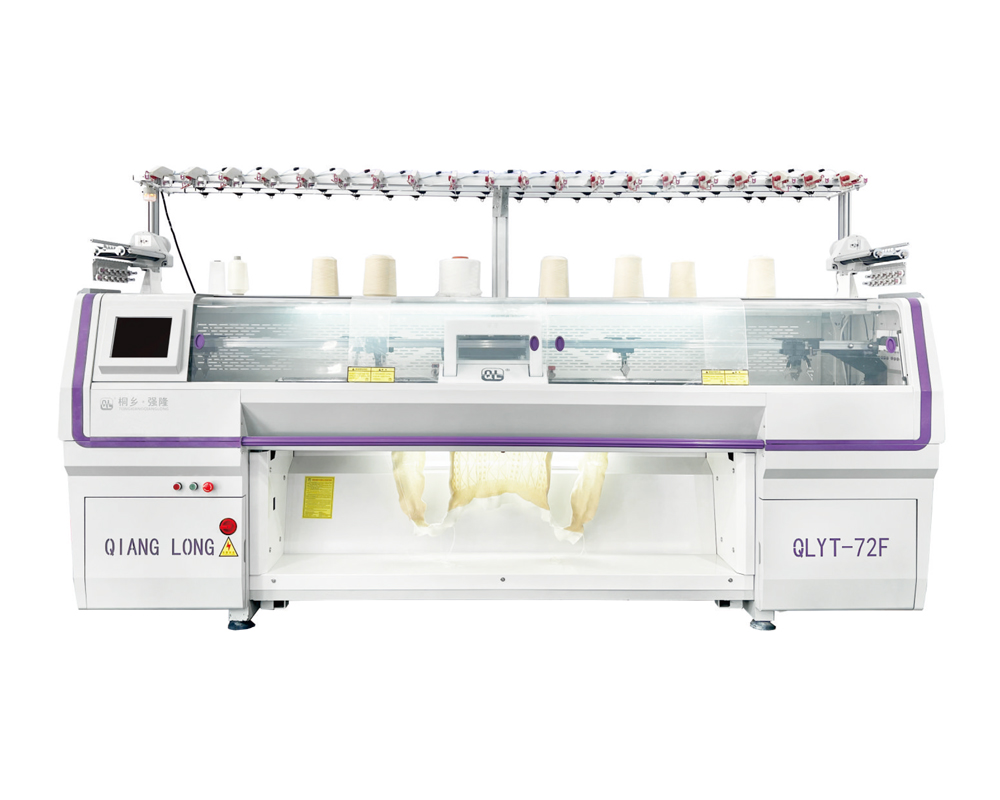
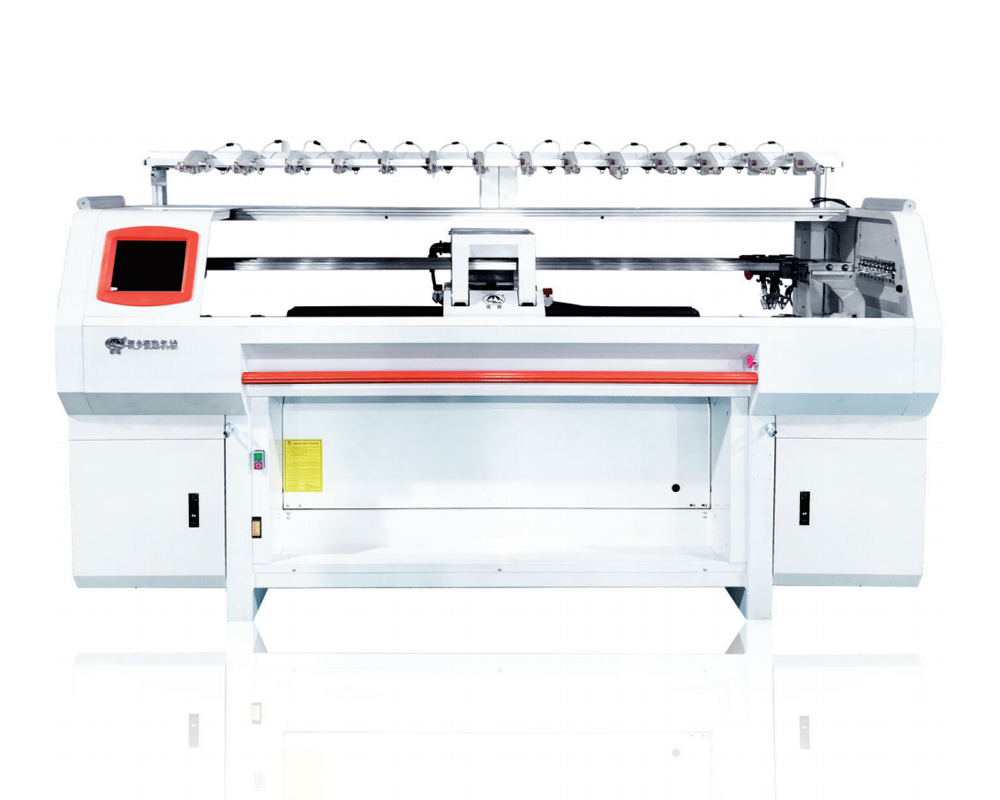
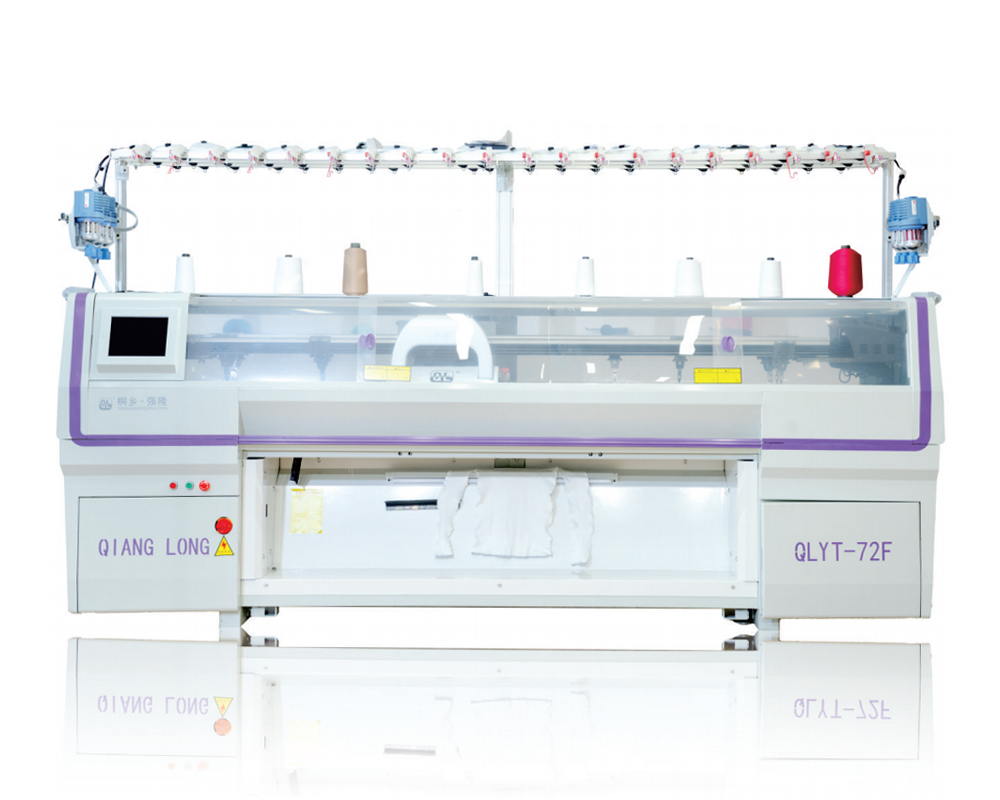
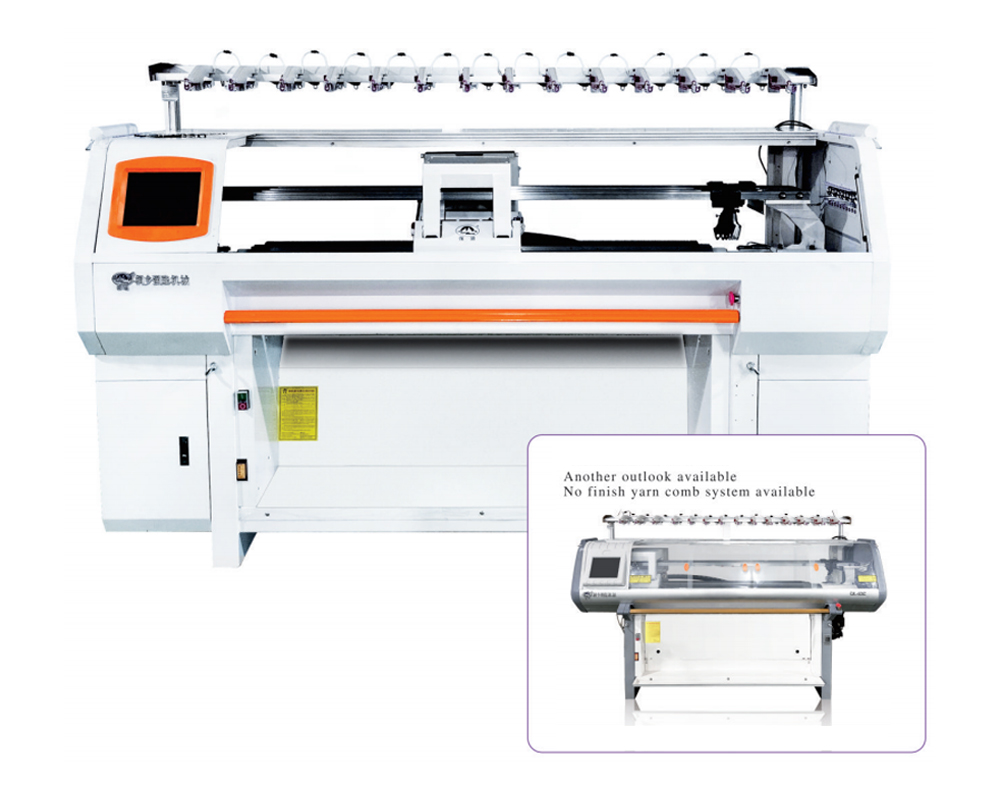
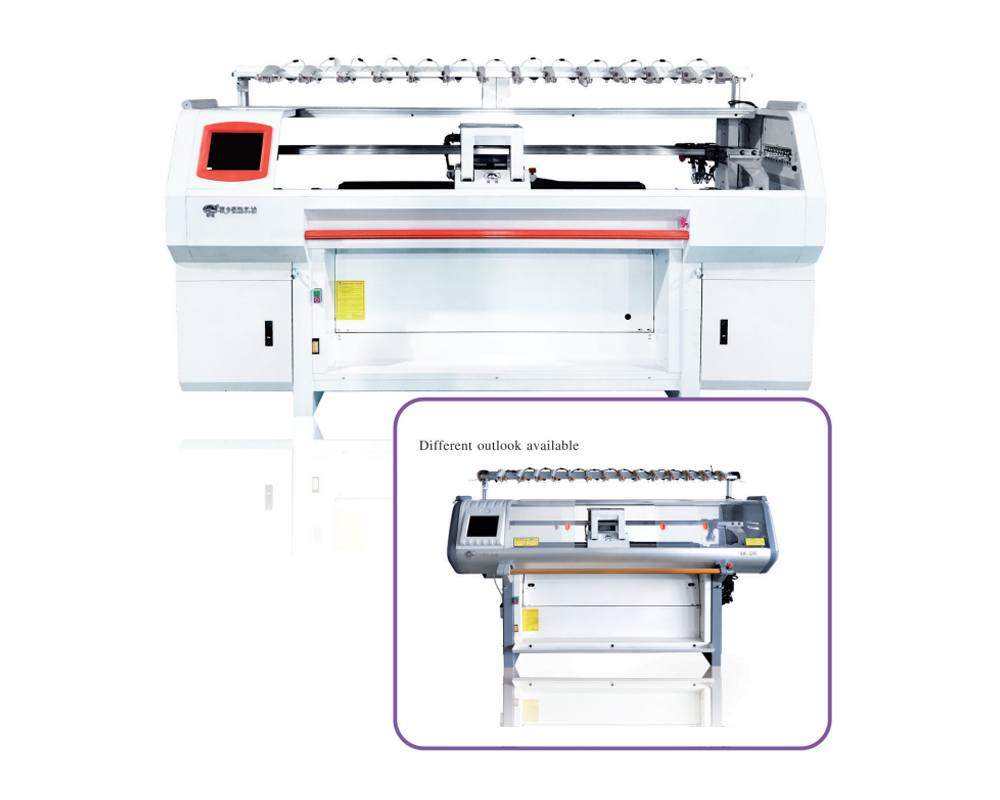
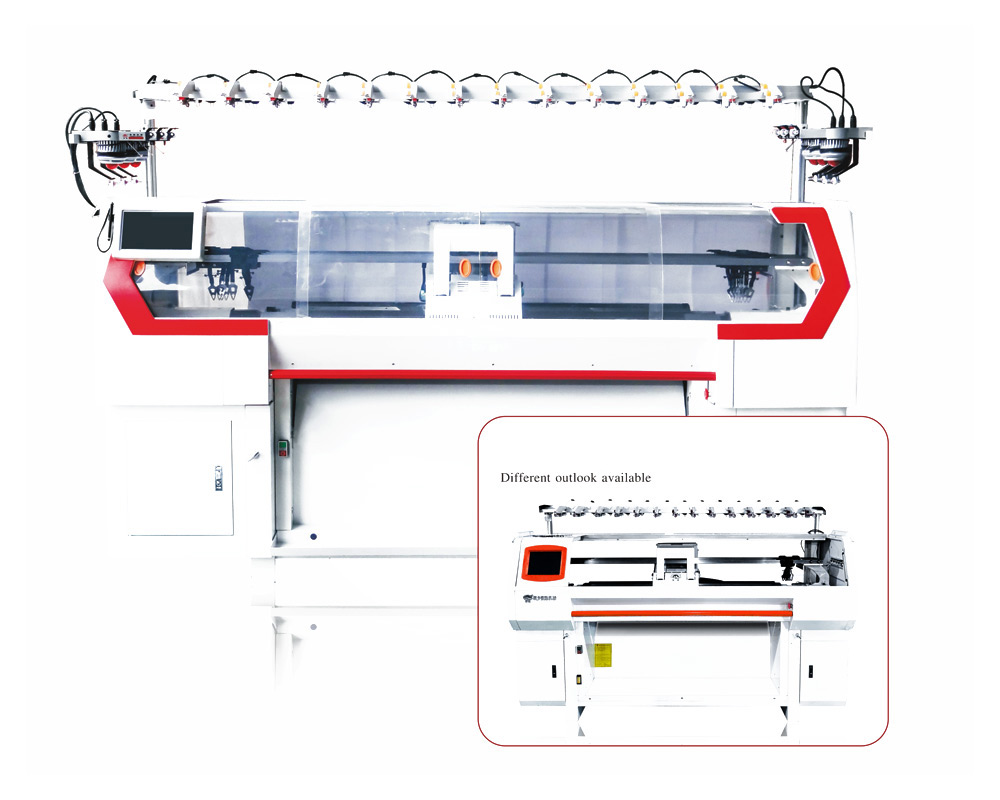

Tongxiang Qianglong Machinery Co., Ltd. is high-tech China wholesale computerized flat knitting machine manufacturers, specialized in designing, developing, and manufacturing Knitting Machinery..
Content
- 1 What Is a 3D Shoe Upper Knitting Machine and How Does It Work?
- 2 The Technical Architecture Behind 3D Knitting for Footwear
- 3 Key Advantages of Using 3D Shoe Upper Knitting Machines in Production
- 4 Zonal Engineering: How Different Areas of the Upper Are Optimized
- 5 Compatible Yarn Materials and Their Impact on Upper Performance
- 6 Leading Machine Manufacturers and What Sets Them Apart
- 7 Sustainability Implications of 3D Knitting Technology in Footwear
- 8 Choosing the Right 3D Shoe Upper Knitting Machine for Your Operation
What Is a 3D Shoe Upper Knitting Machine and How Does It Work?
A 3D shoe upper knitting machine is a specialized computerized flat knitting system engineered to produce complete or near-complete footwear uppers in a single, seamless knitting process. Unlike conventional textile machinery that produces flat fabric panels which must then be cut and sewn together, a 3D shoe upper knitting machine uses advanced needle-bed technology and multi-directional yarn feeding to construct the upper as a three-dimensional object directly on the machine. The result is a formed, contoured piece that fits the foot's shape with minimal or no additional assembly required beyond lasting and sole attachment.
At the core of the machine's operation is a computerized jacquard control system that governs needle selection, yarn carrier movement, stitch formation, and knit density across thousands of individually controlled needles. Modern 3D shoe upper knitting machines typically feature two opposing needle beds arranged in a V-shape, allowing the machine to knit tubular, three-dimensional structures rather than flat sheets. Proprietary software — often developed by the machine manufacturer — translates a digital shoe upper design into machine-readable knitting programs that determine exactly which needles engage at each course of knitting. This level of programmable precision is what enables the machine to vary texture zones, tension, thickness, and ventilation patterns across different areas of a single upper in one uninterrupted production run.
The Technical Architecture Behind 3D Knitting for Footwear
Understanding the technical makeup of a 3D shoe upper knitting machine reveals why it represents such a significant leap forward from traditional manufacturing methods. These machines are built around several key engineering components that work together to achieve the complex geometry required in a functional shoe upper.
Needle Bed Configuration and Gauge
The gauge of a knitting machine refers to the number of needles per inch on the needle bed, and it directly determines the fineness and resolution of the knitted fabric. For shoe uppers, machines commonly operate in gauges ranging from E7 to E18, with finer gauges producing denser, smoother surfaces better suited to performance athletic footwear, and coarser gauges producing open, airy mesh structures suitable for lifestyle sneakers. Many machines allow gauge flexibility or offer interchangeable needle beds, making them adaptable to multiple product lines without requiring a complete machine change.

Multi-Yarn Carrier Systems
3D shoe upper knitting machines are equipped with multiple yarn carriers that can feed different yarns simultaneously or in sequence across the needle bed. This is what enables the integration of functionally distinct materials within a single upper — for example, a rigid reinforcement yarn at the heel counter area, a soft cushioning yarn at the toe box, and a high-tenacity structural yarn along the lateral support zones. Some high-end machines support eight or more active yarn carriers at once, giving designers exceptional freedom to engineer zone-specific performance attributes directly into the knit structure without any secondary bonding, laminating, or stitching operations.
Integrated Knit-and-Wear Software
Leading machine manufacturers supply proprietary design and programming software that bridges the gap between digital design and physical production. These platforms allow footwear designers to create upper patterns in a virtual environment, simulate how different stitch types and yarn tensions will affect the final shape, and automatically generate the machine instruction file. Changes made in the software are reflected almost immediately in the knitting program, dramatically shortening the design iteration cycle compared to conventional development processes that require physical sample making at every revision stage.
Key Advantages of Using 3D Shoe Upper Knitting Machines in Production
The adoption of 3D shoe upper knitting machines by footwear manufacturers — from global athletic brands to emerging performance footwear startups — is driven by a set of compelling production, economic, and sustainability advantages that simply cannot be replicated with conventional cut-and-sew manufacturing.
- Dramatic reduction in material waste: Traditional cut-and-sew methods generate significant textile offcuts that are typically discarded. A 3D knitting machine constructs the upper to its final shape, using only the yarn required for that specific piece. Industry estimates suggest this approach can reduce material waste by 30% to 60% compared to conventional manufacturing.
- Reduced assembly labor: Because the upper emerges from the machine largely complete — with structural zones, ventilation areas, and reinforcements already integrated — the number of manual assembly steps required before lasting is significantly reduced. This lowers labor costs and reduces the risk of quality inconsistencies introduced during hand assembly.
- Faster product development cycles: With design changes implemented directly through software updates and reflected in the next knitted sample, development timelines shrink from weeks to days. Brands can bring new colorways, constructions, or performance-focused upper variants to market with far greater speed.
- Seamless construction for superior comfort: The elimination of sewn seams removes pressure points and friction zones that commonly cause discomfort and blisters in traditional footwear. Athletes and everyday wearers benefit from an upper that wraps the foot with uniform, gentle containment rather than rigid panel edges.
- Customization and on-demand production capability: The programmable nature of 3D knitting machines makes small-batch or even individualized production economically feasible. This supports made-to-order business models, limited edition releases, and future personalization services where upper specifications could be adjusted per customer foot scan data.
Zonal Engineering: How Different Areas of the Upper Are Optimized
One of the most powerful capabilities of a 3D shoe upper knitting machine is zonal engineering — the ability to assign different structural and performance characteristics to specific regions of the upper within the same continuous knitting process. This is achieved by varying stitch types, yarn types, and knit density on a zone-by-zone basis as the machine works its way through the program. The result is an upper that is functionally optimized across all its different areas, mimicking the effect of bonded overlays and multi-material constructions without the added components or assembly steps.
| Upper Zone | Desired Property | Knitting Solution |
| Toe Box | Impact resistance, shape retention | Tighter stitch density, reinforcement yarn inlay |
| Forefoot / Vamp | Breathability, lightweight feel | Open mesh stitch, fine denier yarn |
| Midfoot / Arch | Lateral support, lockdown fit | Inlaid elastic yarn, denser structure |
| Heel Counter | Stability, hold without slippage | Multi-layer knit, rigid yarn integration |
| Tongue / Instep | Padding, pressure distribution | Plush terry loop stitch, soft yarn |
| Collar / Ankle Opening | Stretch, comfort fit | Rib stitch, elastane yarn blend |
Compatible Yarn Materials and Their Impact on Upper Performance
The versatility of a 3D shoe upper knitting machine is greatly determined by its yarn compatibility. Modern machines are engineered to process a wide range of yarn types, and the choice of yarn fundamentally shapes the performance, aesthetic, and sustainability profile of the finished upper. Footwear brands increasingly work with yarn suppliers at the earliest stage of development to identify the right material combinations for their target performance specifications.
- Recycled polyester (rPET): Derived from post-consumer plastic bottles, rPET yarn is one of the most widely used materials in 3D knitted uppers due to its strength, lightweight feel, moisture-wicking capability, and reduced environmental footprint compared to virgin polyester.
- Nylon yarn: Offers superior abrasion resistance and elasticity compared to polyester, making it ideal for high-wear zones like the toe cap and lateral forefoot areas. Nylon also dyes vividly, enabling rich color expression in upper designs.
- Elastane / Spandex inlay: Used as an inlaid yarn in specific zones to deliver targeted stretch and recovery, elastane enables the upper to adapt to foot movement without permanent deformation.
- Hot-melt fusible yarn: When activated by heat during post-knitting processing, fusible yarns bond with surrounding fibers to add structural rigidity to targeted zones — effectively replacing adhesive overlays or TPU reinforcement films.
- Natural fiber blends: Merino wool and bamboo-based yarns are gaining traction in lifestyle and wellness footwear segments, offering natural temperature regulation, moisture management, and biodegradability benefits that align with eco-conscious brand positioning.
Leading Machine Manufacturers and What Sets Them Apart
The market for 3D shoe upper knitting machines is led by a small number of highly specialized manufacturers, each bringing distinct technical strengths and software ecosystems to the table. Shima Seiki of Japan is widely regarded as the pioneer of the category, having introduced its WHOLEGARMENT knitting technology — later adapted for footwear upper production — decades ago. Their SWG series machines are used by many of the world's largest athletic footwear brands and are recognized for their precision, reliability, and depth of software integration through the proprietary SDS-ONE APEX design system.
Stoll, a German manufacturer with a long heritage in flat knitting technology, offers a range of machines suited to shoe upper production through its CMS series. Stoll machines are known for their robust build quality and flexibility across a wide range of yarn types and gauges. Chinese manufacturers, including Ningbo Cixing and Xingang, have also entered the market with competitively priced 3D shoe upper knitting machines that serve mid-tier manufacturers looking to upgrade from conventional production without the capital expenditure associated with premium Japanese or European brands. The availability of these options has accelerated adoption across Southeast Asian and South Asian footwear manufacturing clusters.
Sustainability Implications of 3D Knitting Technology in Footwear
The environmental credentials of 3D shoe upper knitting machines are increasingly central to their commercial appeal, particularly as footwear brands face growing pressure from consumers, regulators, and investors to reduce the ecological impact of their supply chains. The near-zero waste production model of 3D knitting contrasts sharply with conventional upper manufacturing, where fabric panels are cut from broader textile sheets and significant material — sometimes exceeding 40% of total input — is discarded as waste. Eliminating or drastically reducing this waste not only lowers raw material costs but also reduces the burden on landfill and incineration systems that process textile offcuts.
Beyond waste reduction, 3D knitting also enables simpler end-of-life disassembly. Because the upper is constructed primarily from a single continuous yarn rather than multiple materials laminated together, it is theoretically easier to recycle at the end of the product's life. Some brands are actively working toward closed-loop programs where knitted uppers can be separated from soles and re-entered into yarn production pipelines. While full circularity in footwear remains a complex challenge — particularly where multi-yarn uppers and adhesive components are involved — 3D knitting represents a meaningful step toward more sustainable construction methods that align material inputs more closely with actual material needs.
Choosing the Right 3D Shoe Upper Knitting Machine for Your Operation
For manufacturers evaluating investment in a 3D shoe upper knitting machine, several practical criteria should guide the selection process beyond brand reputation alone. Production volume targets, product mix complexity, target gauge range, yarn compatibility requirements, and the availability of local technical support all play significant roles in determining which machine delivers the best return on investment for a specific operation.
- Assess your gauge requirements: If your product line spans both open mesh lifestyle uppers and denser performance sport uppers, prioritize machines that offer multi-gauge capability or quick needle bed changeover to avoid needing separate machines for each product category.
- Evaluate software integration depth: The machine's design software should integrate smoothly with your existing CAD and PLM systems. Proprietary platforms with limited export capability can create bottlenecks in cross-functional development workflows.
- Consider after-sales support and training: 3D knitting machines are precision instruments that require skilled operators and regular maintenance. Choosing a supplier with a strong regional service network and comprehensive operator training programs reduces downtime risk significantly.
- Calculate total cost of ownership: Machine purchase price is only one component. Factor in software licensing fees, spare parts availability, needle replacement cycles, energy consumption, and facility requirements such as climate control and power supply specifications when building the full investment case.
- Request sample production trials: Before committing to a purchase, work with the machine supplier to produce sample uppers in your target yarns and constructions. This validates the machine's actual capability against your specific requirements rather than relying solely on specification sheets.
The 3D shoe upper knitting machine is no longer a niche innovation reserved for the world's largest athletic brands. As machine costs decrease, software becomes more accessible, and market demand for seamless, performance-engineered footwear grows, this technology is becoming a practical and strategically important investment for a widening range of footwear manufacturers worldwide.
