
 English
 简体中文
简体中文
 Chinese
 English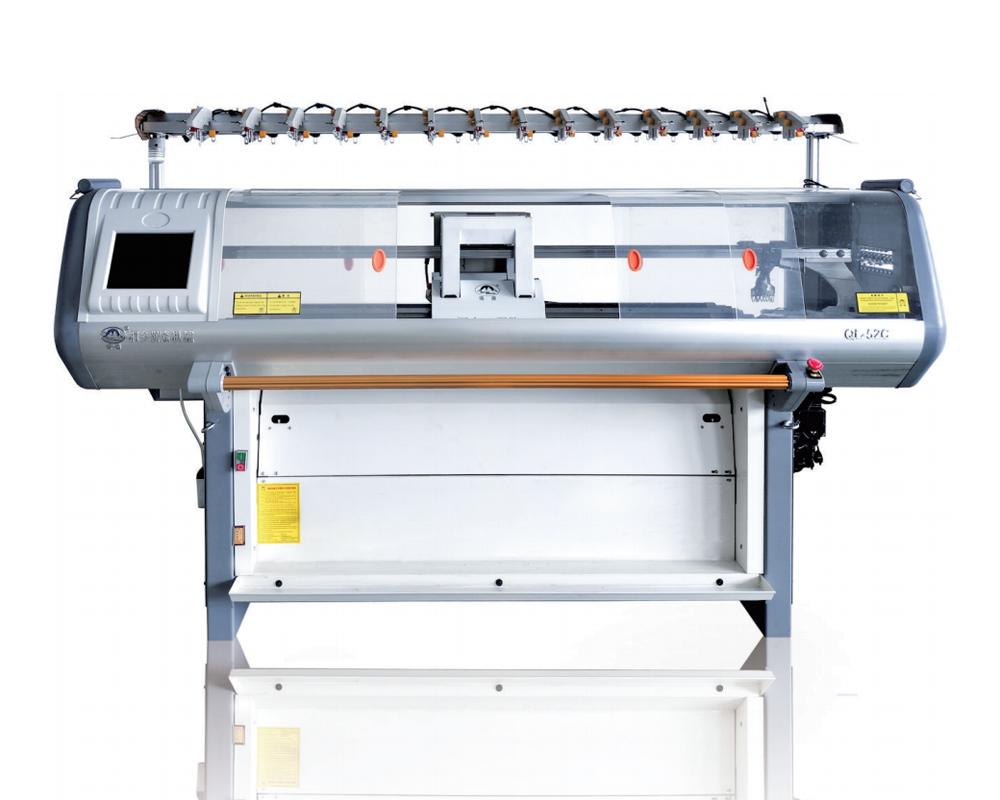
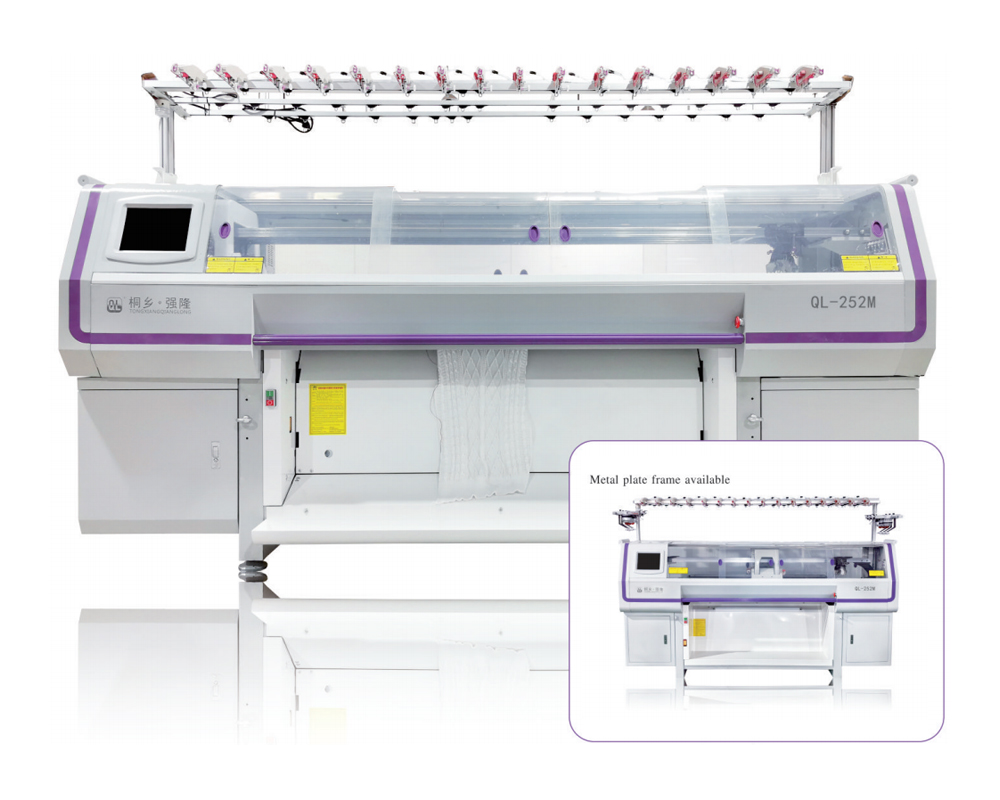
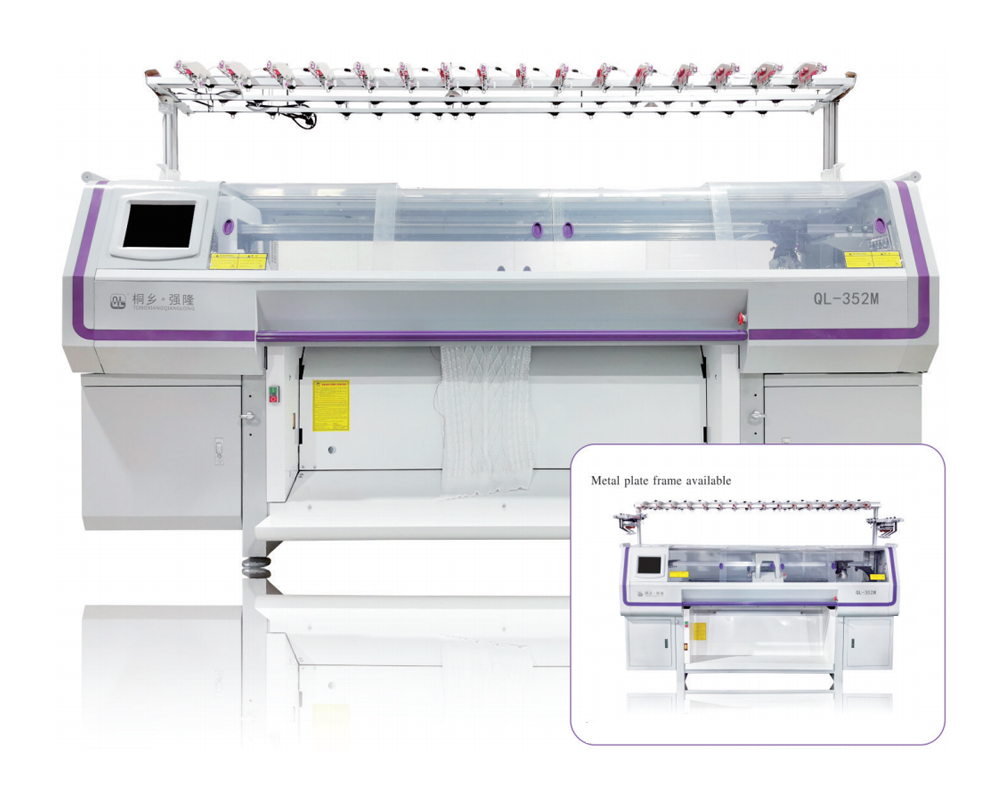
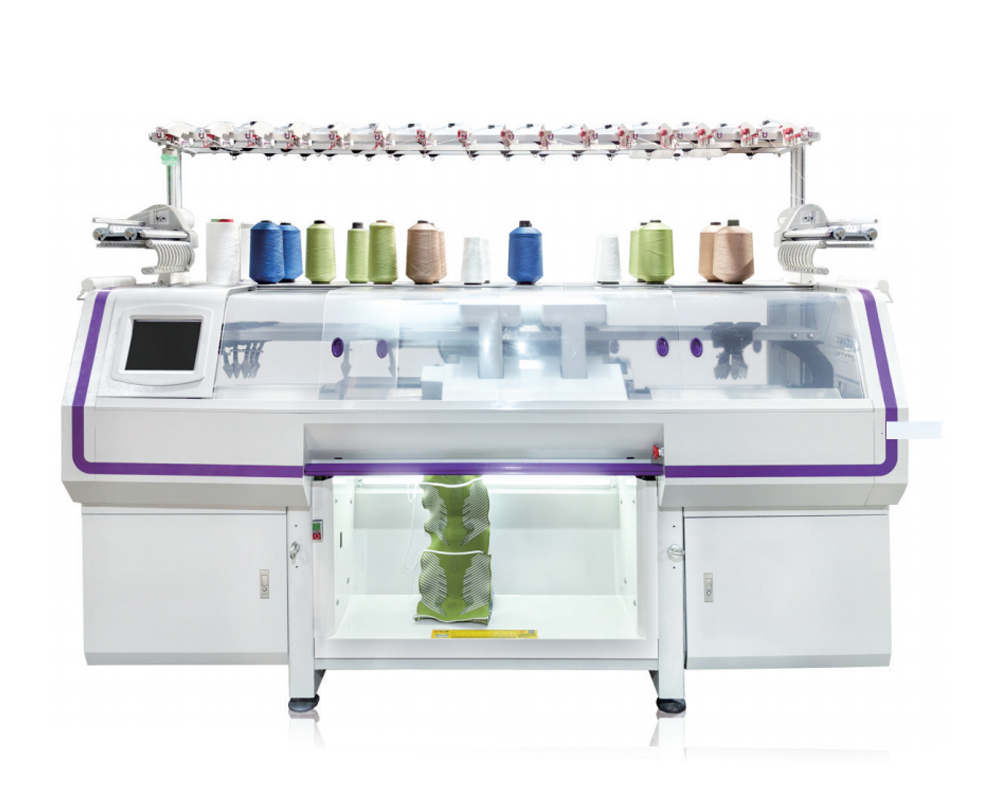
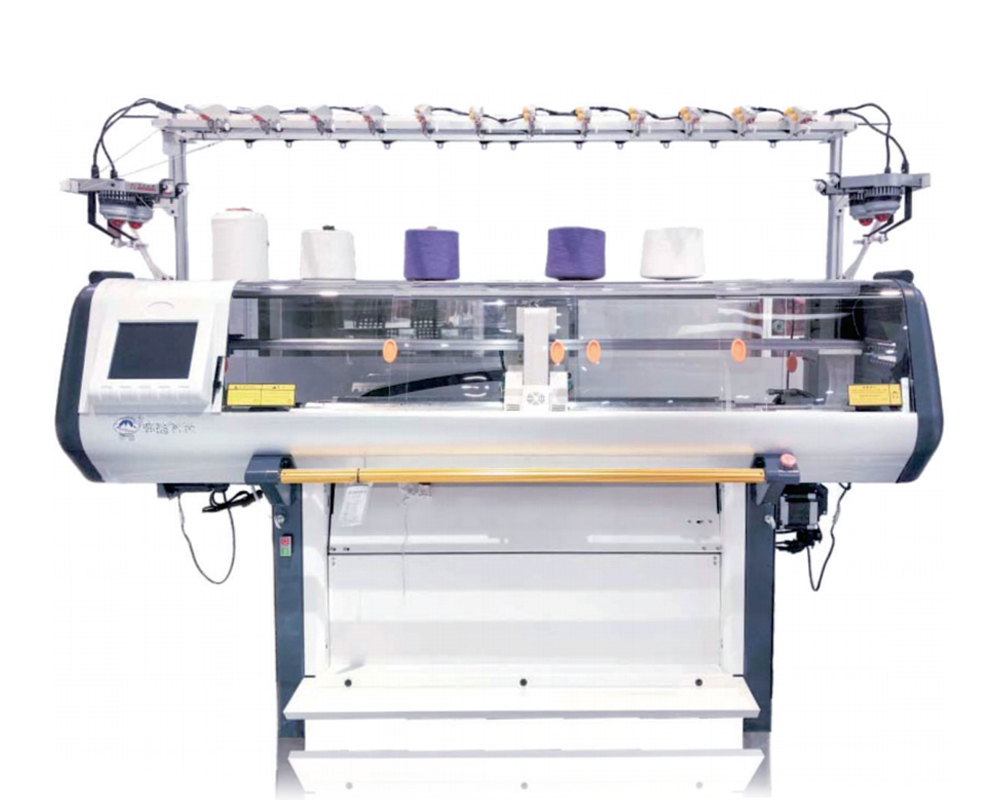
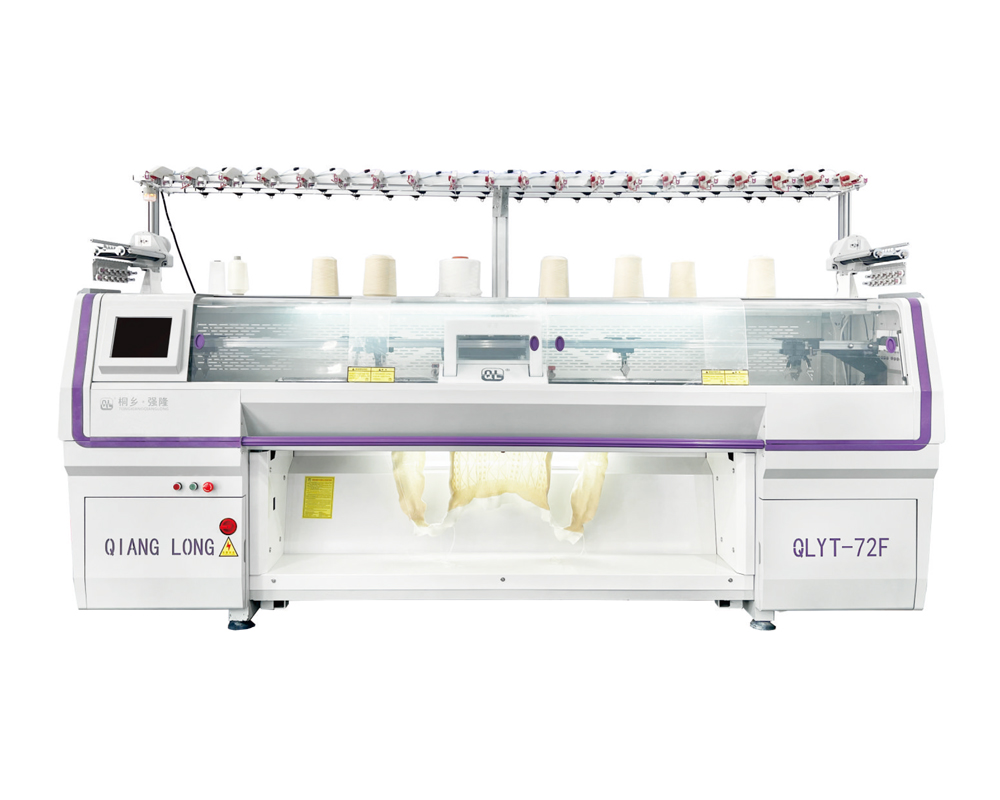
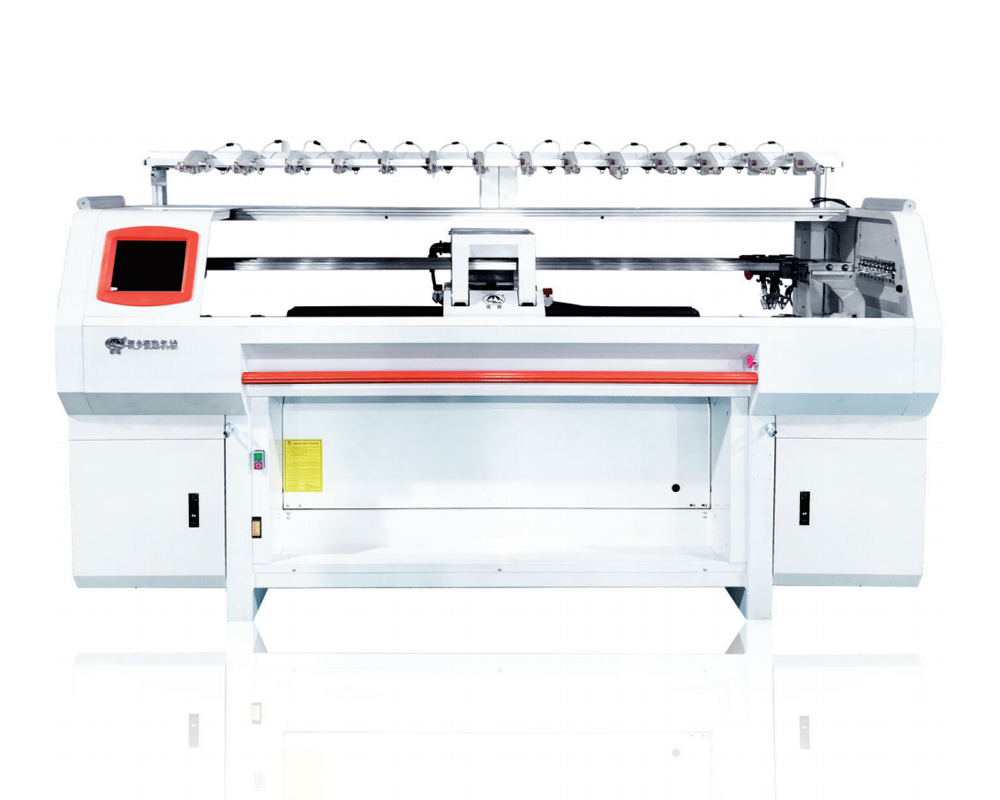
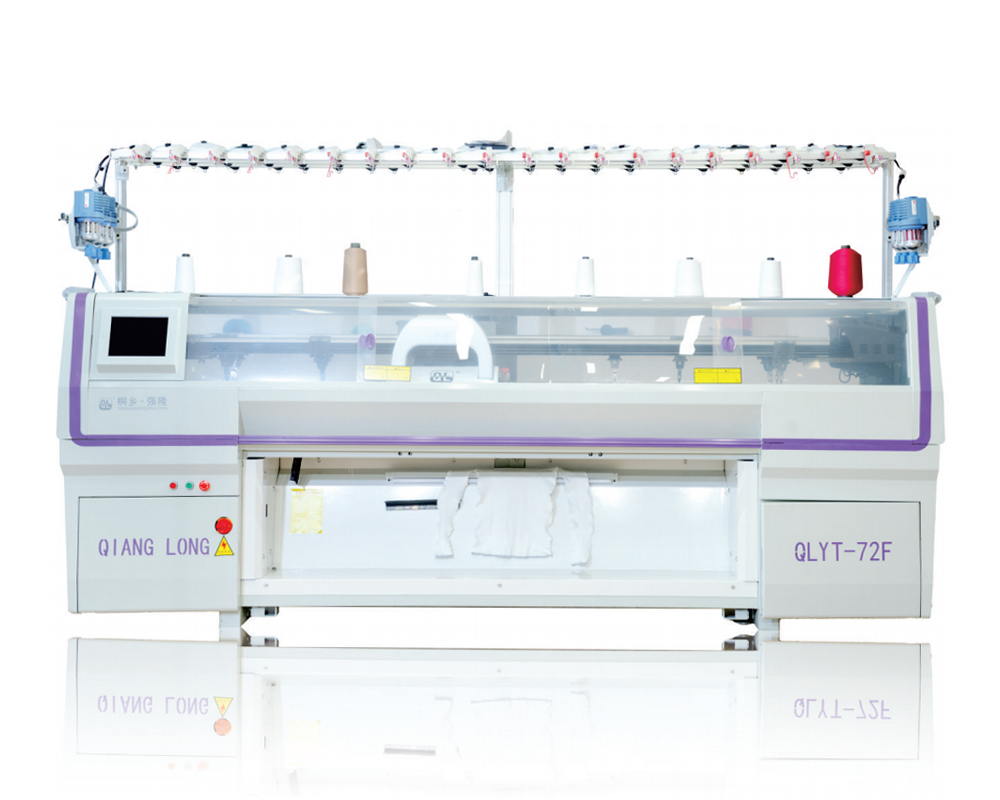
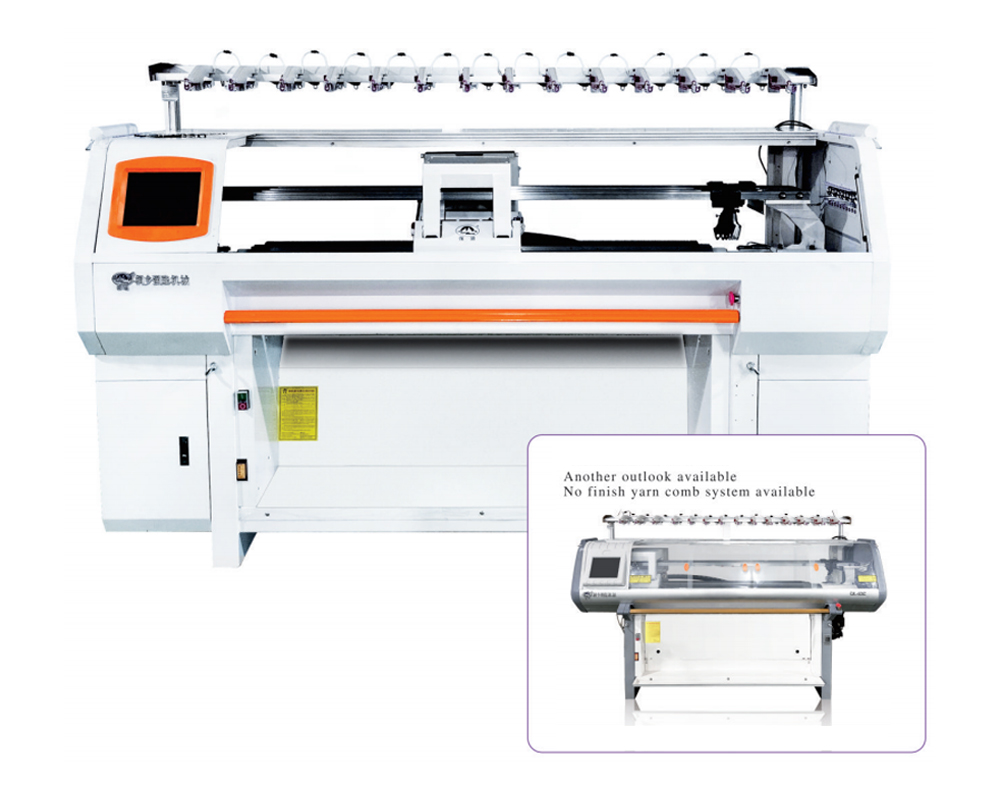
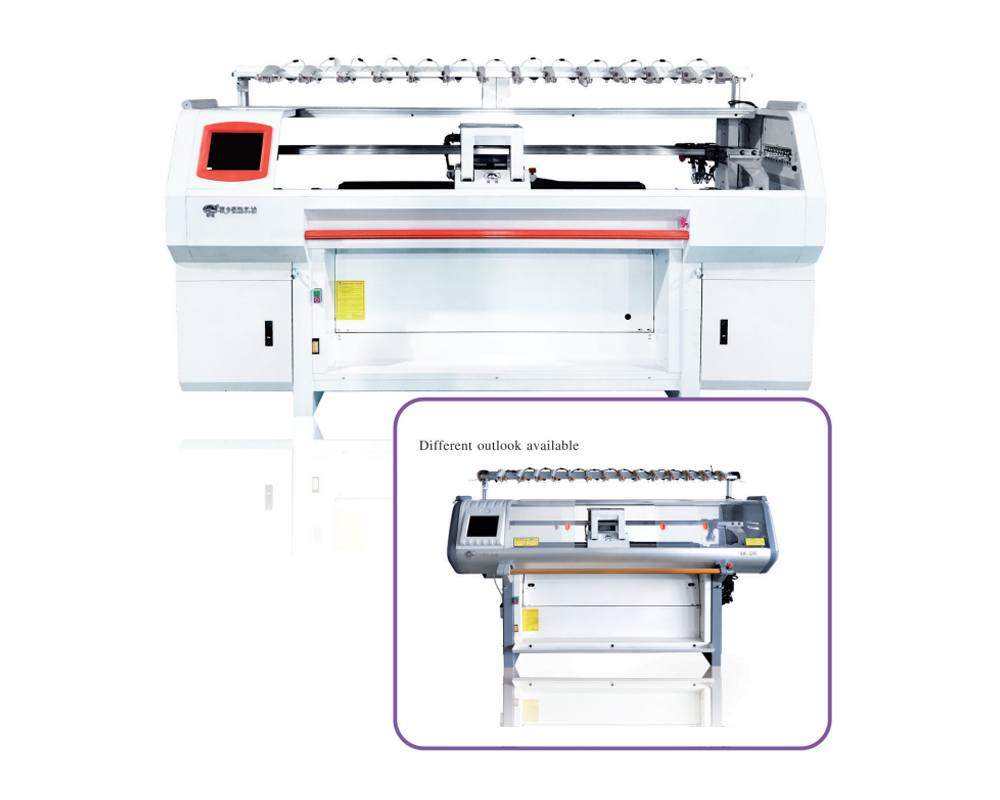
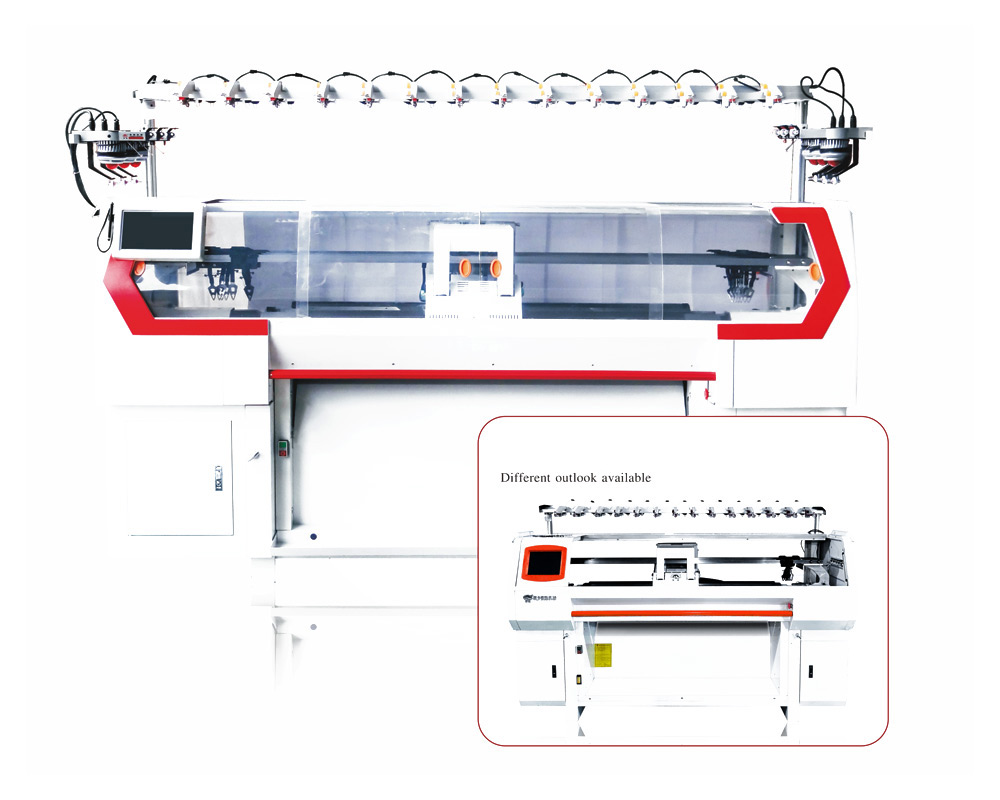

Tongxiang Qianglong Machinery Co., Ltd. is high-tech China wholesale computerized flat knitting machine manufacturers, specialized in designing, developing, and manufacturing Knitting Machinery..
Content
- 1 How 3D Shoe Upper Knitting Technology Works
- 2 Key Advantages Over Traditional Upper Manufacturing
- 3 Types of 3D Shoe Upper Knitting Machines
- 4 Yarn Compatibility and Material Considerations
- 5 Software, Programming, and Design Integration
- 6 What to Evaluate Before Investing in a 3D Upper Knitting Machine
How 3D Shoe Upper Knitting Technology Works
A 3D shoe upper knitting machine uses computerized flat knitting technology to produce the upper portion of a shoe — the part that wraps around and over the foot — as a single, seamless piece. Unlike traditional manufacturing methods that cut fabric panels and stitch them together, these machines program yarn paths in three dimensions, allowing the upper to be formed with engineered zones of stretch, support, cushioning, and ventilation built directly into the structure. The yarn is fed through automated feeders and looped by precision needles following instructions from CAD-based knitting software. The result is a near-finished upper that requires minimal post-processing before assembly onto a sole.
Most modern 3D upper knitting machines operate on a V-bed flat knitting system with needle beds positioned at opposing angles. This setup enables the machine to build three-dimensional shapes — including the toe box, heel cup, and arch area — without requiring manual shaping. High-end machines can use multiple yarn carriers simultaneously, allowing different materials, colors, and textures to be integrated into a single knitting run. Some systems also support the integration of monofilament reinforcement yarns, thermoplastic yarns that bond under heat, and recycled fiber inputs.
Key Advantages Over Traditional Upper Manufacturing
The traditional footwear upper manufacturing process involves multiple stages: material sourcing, cutting, skiving, stitching, and quality inspection at each step. Each stage adds labor cost and introduces the risk of seam failures or material waste from cutting inefficiencies. A 3D shoe upper knitting machine consolidates these stages into a single automated process, which has measurable effects on production efficiency, cost structure, and product quality.
Material waste reduction is one of the most cited benefits. Conventional cut-and-sew methods can waste between 15% and 30% of fabric depending on pattern complexity. Knitting-to-shape wastes near zero, since yarn is consumed only where structure is needed. This is particularly significant for manufacturers working with expensive technical yarns or sustainable fiber inputs, where material cost is a primary budget driver.
Seam elimination also improves the performance and comfort profile of the finished shoe. Seam lines in traditional uppers are pressure points that can cause hotspots and abrasion during wear. A seamless knit upper distributes stress more evenly across the foot contact surface, which is why the technology has been widely adopted in athletic and performance footwear before spreading into lifestyle and casual categories.

Types of 3D Shoe Upper Knitting Machines
Not all machines operate identically. The category spans several distinct configurations suited to different production scales, upper styles, and yarn types. Understanding the differences is essential before making a procurement decision.
| Machine Type | Gauge Range | Best For | Typical Output |
| Flat V-Bed Knitting Machine | E7 – E18 | Lifestyle and athletic uppers | 4–8 pairs/hour |
| Circular Knitting Machine (modified) | E18 – E28 | Sock-style slip-on uppers | High volume, lower structure control |
| Warp Knitting Machine | E28+ | Fine mesh and spacer fabrics | Fabric rolls, not shaped uppers |
| Whole Garment / 3D Flat Knit | E7 – E15 | Fully shaped, seamless uppers | 3–6 pairs/hour |
For manufacturers targeting structured athletic footwear with engineered zone knitting, the flat V-bed machine in the E14 to E18 gauge range is the most commonly specified configuration. Finer gauges produce denser, more structured fabric surfaces, while coarser gauges work better for chunky textures or heavier technical yarns. Whole garment knitting machines from brands like Shima Seiki (WHOLEGARMENT) and Stoll (knit and wear) offer the most design freedom but carry a higher capital cost and require more advanced software operation.
Yarn Compatibility and Material Considerations
The performance of a knit upper is determined as much by yarn selection as machine configuration. 3D shoe upper knitting machines can process a wide range of fiber types, but not all yarns are compatible with all machine gauges or knitting structures. Matching yarn characteristics to machine specifications is a technical step that affects both the knitting process reliability and the final product's physical properties.
- Polyester and nylon multifilament yarns are the most widely used in footwear knitting due to their high tenacity, abrasion resistance, and compatibility with fine-gauge machines. They are available in textured, flat, and air-entangled forms, each producing different surface aesthetics.
- Thermoplastic polyurethane (TPU) yarns are often integrated into reinforcement zones. When heat-pressed post-knitting, they bond to adjacent yarns and create firm structural areas without requiring adhesive overlays or additional reinforcement panels.
- Recycled PET yarns are increasingly common as brands pursue sustainability certifications. These yarns perform similarly to virgin polyester on machines but may require tension calibration adjustments due to slight variations in yarn evenness.
- Elastane or spandex core yarns provide stretch zones for comfort fits. They are typically plated with a surface yarn rather than knitted alone, as bare elastane is difficult to process on standard footwear knitting needles.
Software, Programming, and Design Integration
Operating a 3D shoe upper knitting machine is as much a software challenge as a mechanical one. Every upper style must be programmed using knitting CAD software before the machine can produce it. Leading platforms include Shima Seiki's SDS-ONE APEX series, Stoll's M1 Plus software, and Santoni's proprietary programming environments. These tools allow designers to map yarn paths, define stitch types zone by zone, simulate fabric behavior, and generate machine-readable output files.
One significant aspect of the software workflow is the integration between 3D foot lasts and knitting programs. Designers typically begin with a digital last — a computer model of the shoe form — and map the upper design onto it. The software then translates that 3D shape into a flat knitting sequence that, when the fabric is relaxed or steamed over a physical last, recovers its intended three-dimensional form. This process, sometimes called "knit-to-fit" programming, requires both technical knitting knowledge and an understanding of how different yarn and stitch combinations behave under tension and heat.
Sampling cycles on CNC-controlled knitting machines are faster than on traditional production lines. A new upper program can typically produce its first physical sample within hours of software finalization, compared to days or weeks for cut-and-sew prototypes. This speed advantage compresses the product development timeline and allows brands to iterate more design variations within a single development season.
What to Evaluate Before Investing in a 3D Upper Knitting Machine
Purchasing a 3D shoe upper knitting machine is a capital-intensive decision, with entry-level systems starting around $100,000 USD and high-specification whole-garment machines reaching $500,000 or more per unit. Before committing, manufacturers and brands should assess several operational and strategic factors.
Production Volume and Order Profile
3D knitting machines excel at small-batch, style-diverse production runs. If your order profile involves large volumes of a single style, the per-unit economics may not outperform traditional manufacturing. However, if your business requires frequent style changeovers, short lead times, or on-demand production capability, the flexibility of CNC knitting becomes a competitive asset. Many brands use knitting machines for development and limited-edition production while sourcing volume elsewhere.
Technical Workforce Requirements
Running a knitting machine at full capability requires trained technicians who understand both the mechanical side — needle maintenance, yarn tension, fabric defect diagnosis — and the software side. Finding or developing this skill set is often the most underestimated challenge in commissioning a new knitting operation. Machine suppliers typically offer training programs, but long-term capability development requires ongoing investment in technical personnel.
Post-Knitting Process Requirements
A knit upper exits the machine as a flat piece that must be shaped, heat-set, and prepared before lasting and sole bonding. The post-knitting process chain typically includes steaming or heat-pressing over a last, application of toe stiffeners or heel counters where required, edge finishing, and quality inspection. These steps require auxiliary equipment and floor space that must be planned into the facility layout alongside the knitting machines themselves.
Understanding the full production flow — from yarn cone to finished upper — allows manufacturers to accurately calculate actual cost per pair, factoring in all labor, energy, consumables, and equipment depreciation across every stage. This full-cost view is essential for making an investment case that holds up under operational scrutiny.
