
 English
 简体中文
简体中文
 Chinese
 English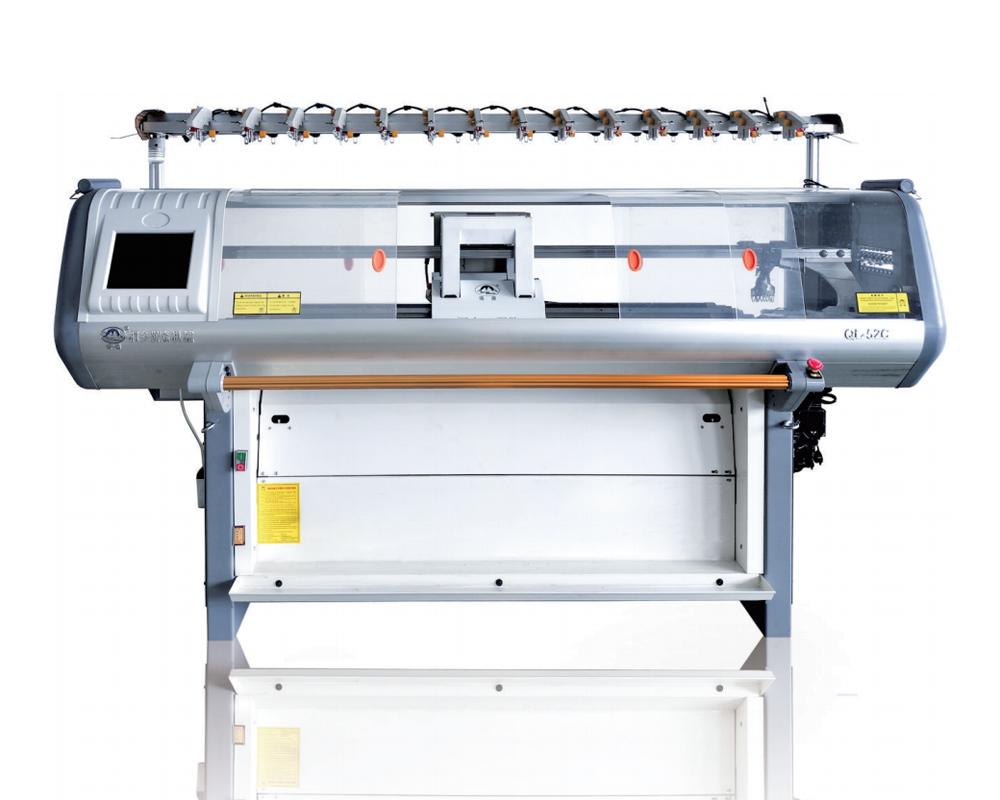
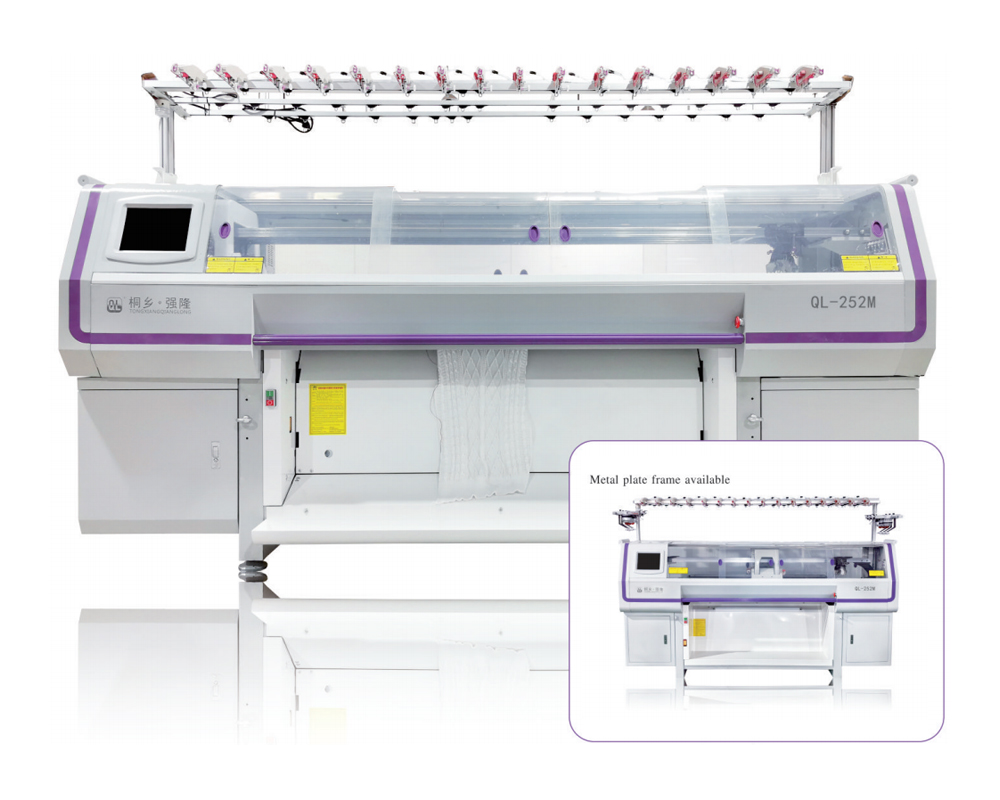
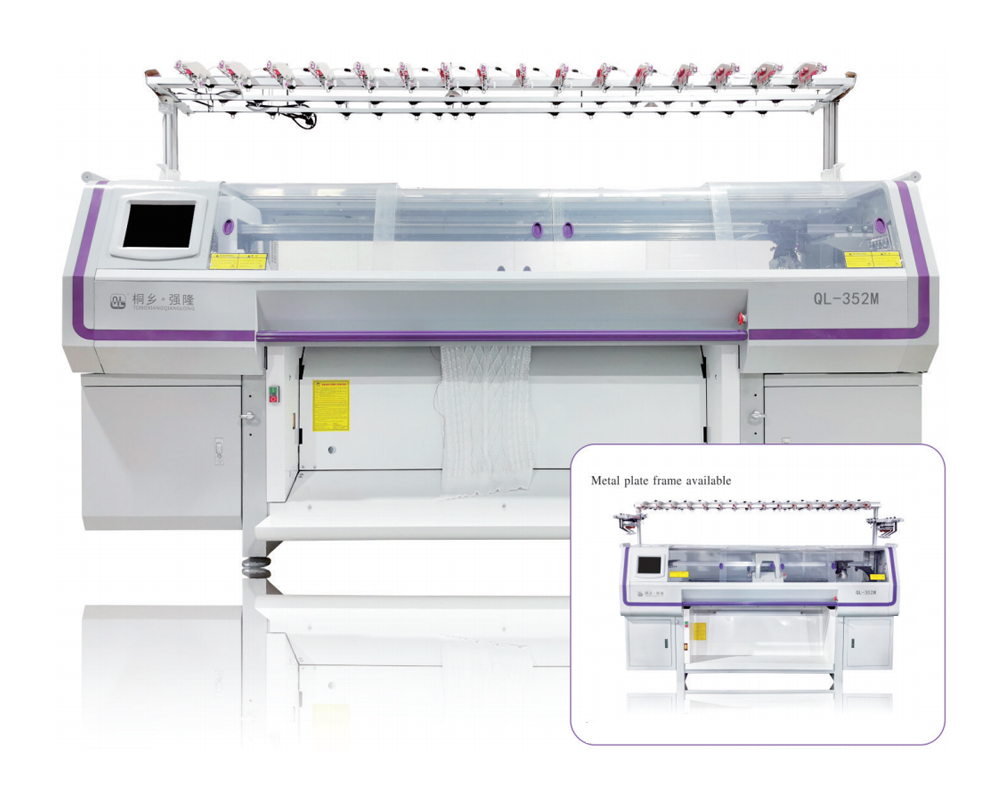
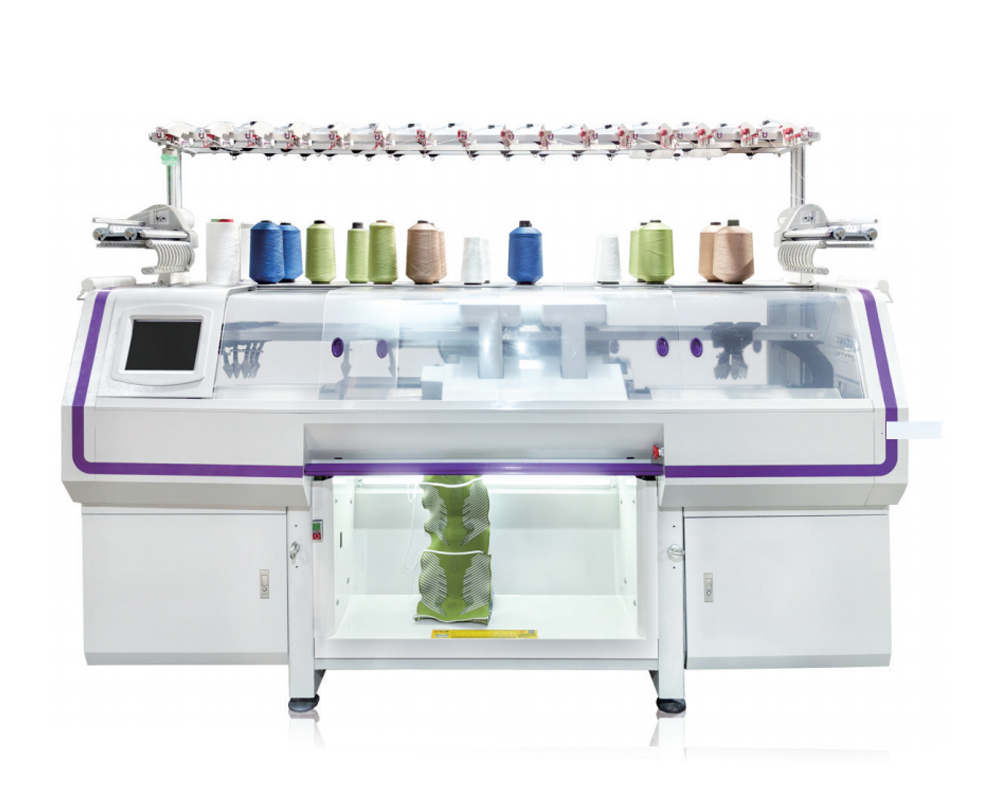
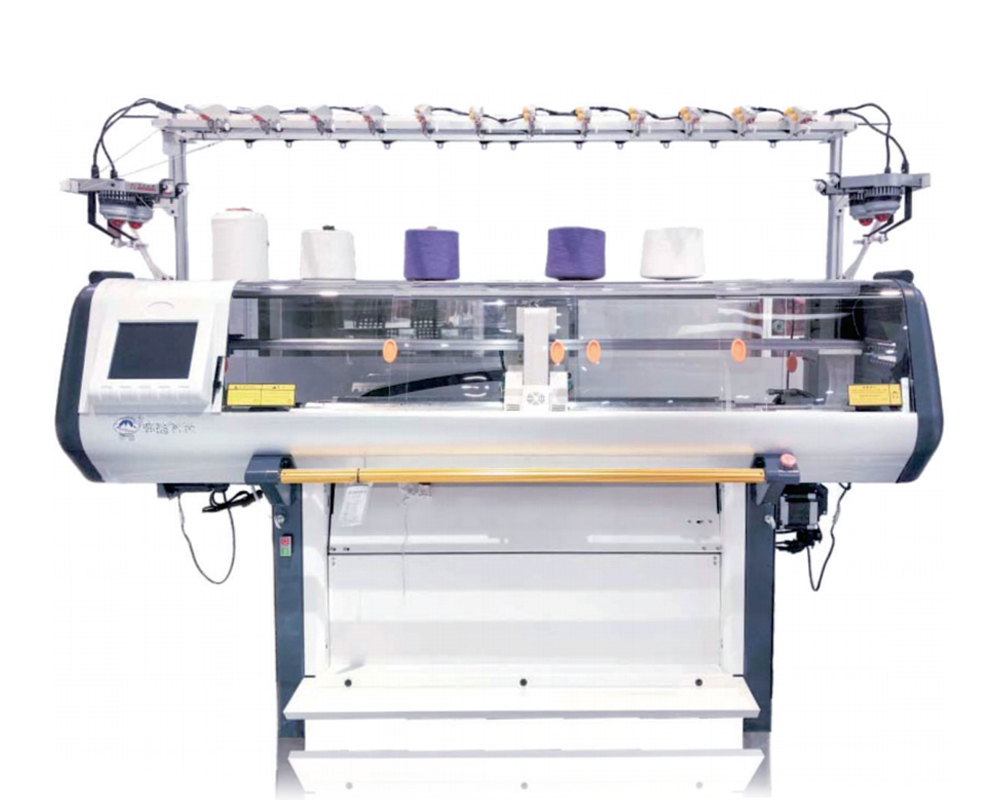
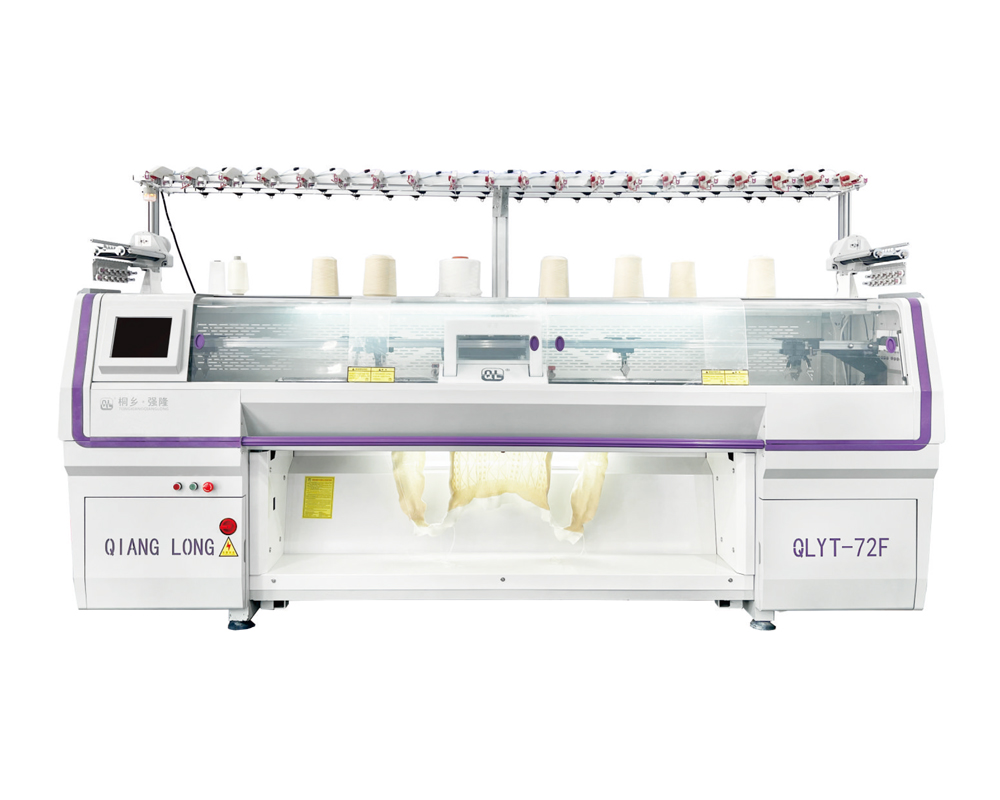
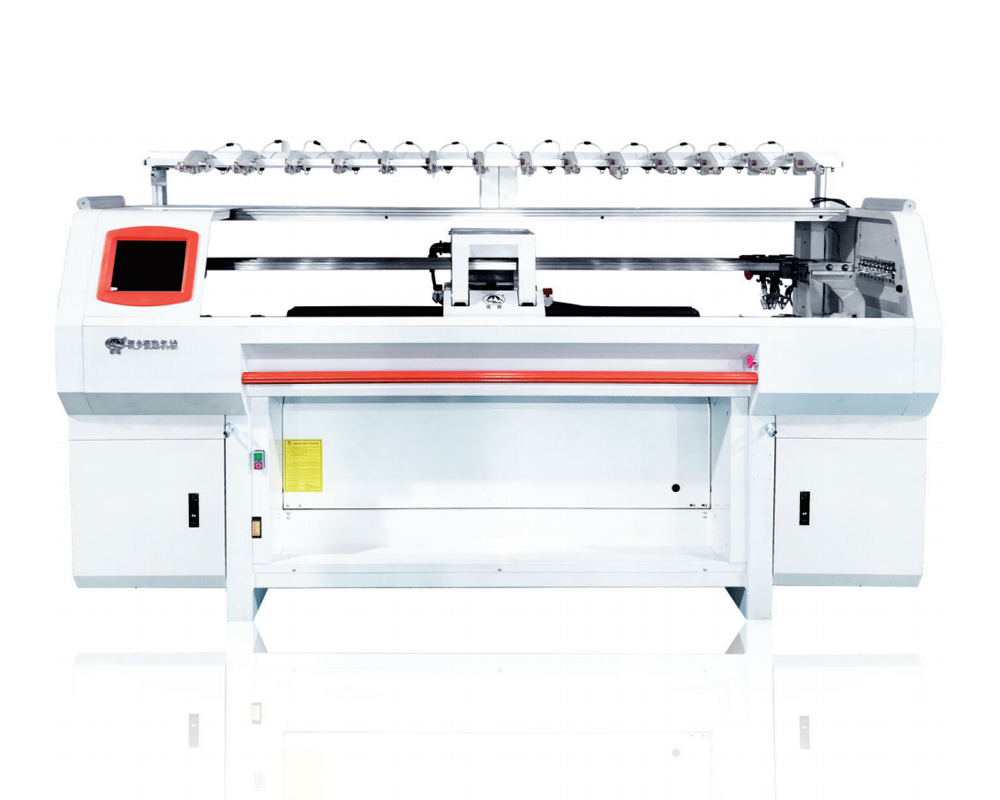
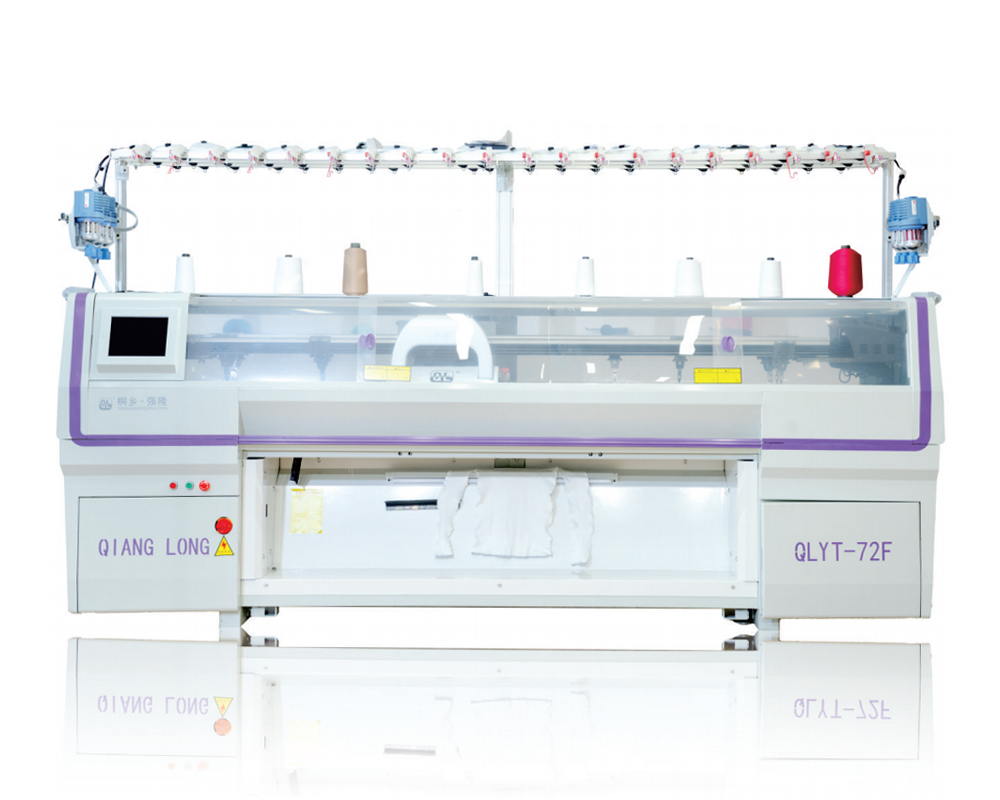
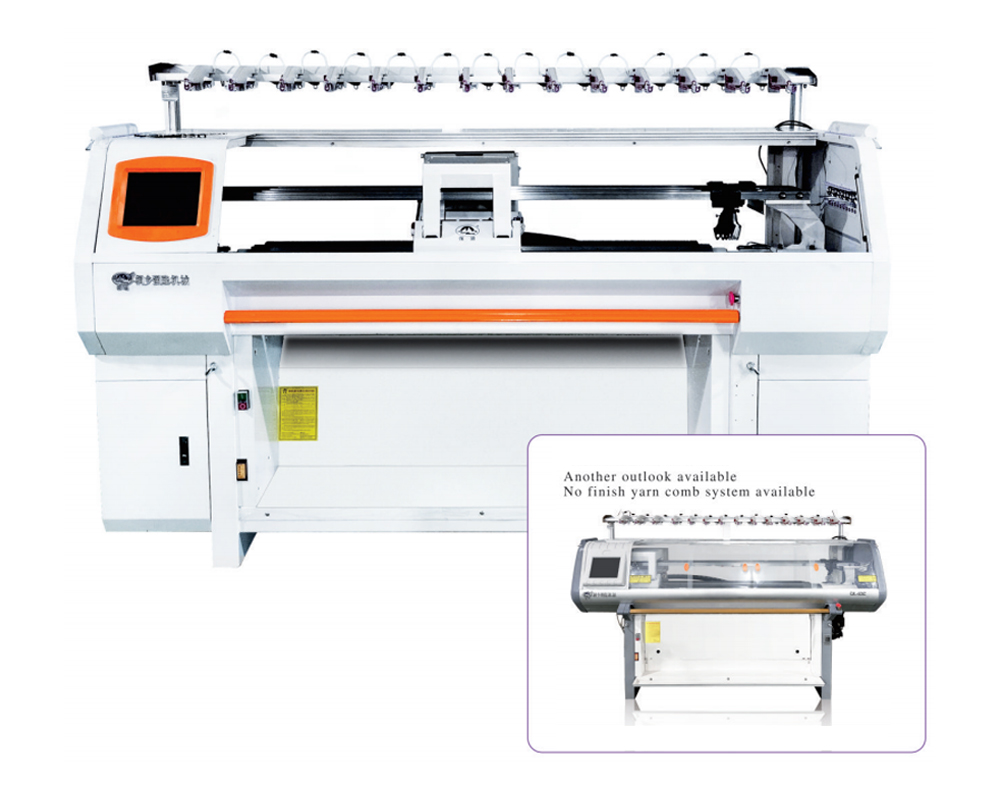
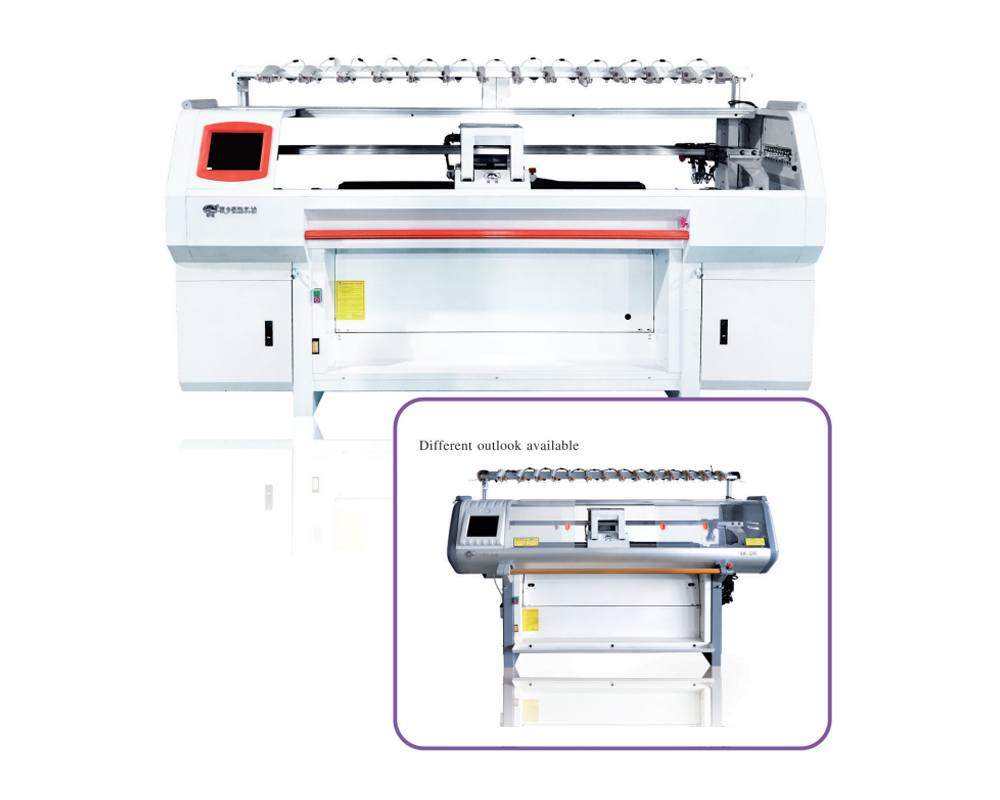
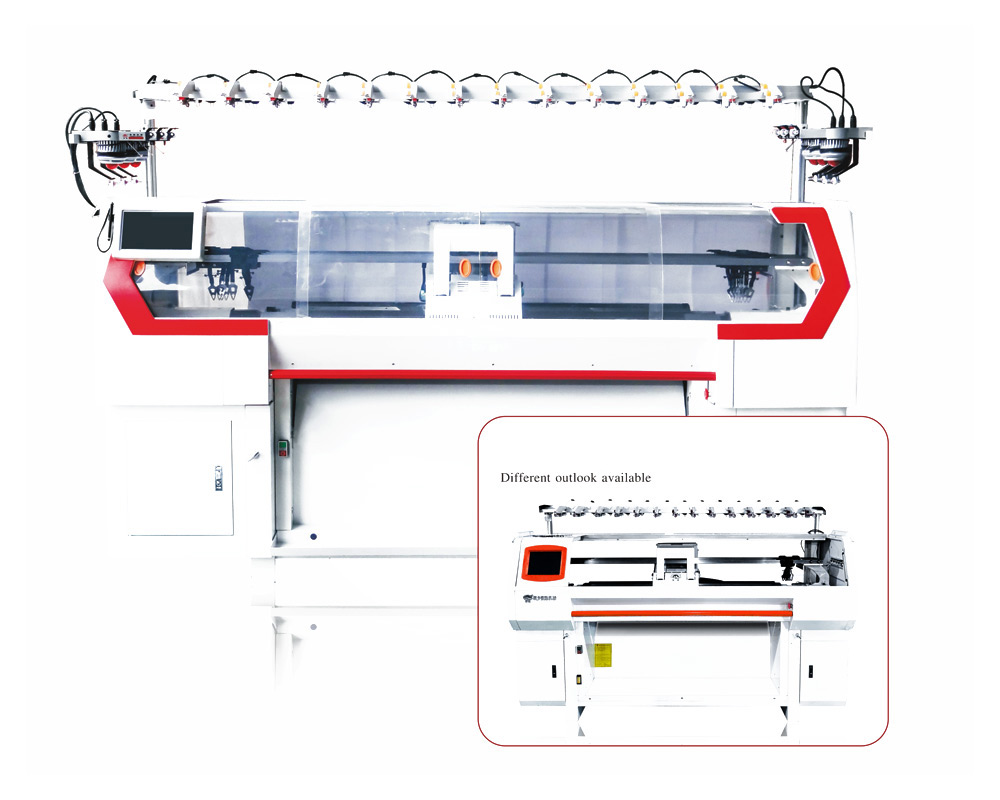

Tongxiang Qianglong Machinery Co., Ltd. is high-tech China wholesale computerized flat knitting machine manufacturers, specialized in designing, developing, and manufacturing Knitting Machinery..
Content
- 1 What Is a Double System Computerized Flat Knitting Machine?
- 2 How the Double System Mechanism Works
- 3 Key Technical Specifications to Understand
- 4 Advantages Over Single System Machines
- 5 Fabric Structures Achievable with Double System Machines
- 6 Computerized Control System and Programming
- 7 Typical Applications in Garment and Textile Production
- 8 Maintenance Considerations for Sustained Performance
- 9 Choosing the Right Double System Machine for Your Factory
What Is a Double System Computerized Flat Knitting Machine?
A double system computerized flat knitting machine is an advanced textile manufacturing device equipped with two independent knitting systems operating on a single carriage. Each system contains its own set of yarn feeders, cams, and stitch-forming components, which means the machine completes two courses of knitting per single carriage pass rather than one. This effectively doubles the output compared to a single system machine running at the same speed, making it a highly efficient solution for mid-to-high volume production environments. The integration of computerized control technology allows operators to program complex stitch patterns, fabric structures, and shaping sequences with precision and repeatability.
These machines are widely used in the production of sweaters, cardigans, scarves, technical panels, and fully fashioned garment pieces. Their combination of speed, programmability, and structural capability makes them a core piece of equipment in modern knitwear factories around the world.
How the Double System Mechanism Works
In a flat knitting machine, the carriage travels back and forth across the needle bed, and stitch formation occurs during each pass. In a single system machine, one course is knitted per pass. In a double system configuration, two complete knitting systems are mounted on the same carriage, spaced at a calculated distance apart. As the carriage moves in one direction, the first system knits a course, and the second system immediately follows and knits the next course in the same stroke. On the return pass, both systems repeat the process in reverse.
This mechanical arrangement is coordinated by the machine's computerized controller, which synchronizes yarn tension, stitch density, needle selection, and cam timing across both systems simultaneously. The result is a seamless doubling of knitting speed without compromising fabric quality or pattern accuracy. Modern double system machines can operate at carriage speeds of 1.0 to 1.4 meters per second while maintaining stable and consistent loop formation across the full needle bed width.
Key Technical Specifications to Understand
When evaluating a double system computerized flat knitting machine, several technical parameters directly affect its suitability for a given production task. Understanding these specifications ensures that buyers and production managers select equipment aligned with their actual manufacturing requirements.
Core Machine Specifications
| Specification | Typical Range / Description |
| Needle Gauge | 3G, 5G, 7G, 10G, 12G, 14G, 16G |
| Needle Bed Width | 52 inches to 84 inches |
| Carriage Speed | 1.0 – 1.4 m/s |
| Number of Yarn Carriers | 4 to 12 carriers per system |
| Stitch Cam Settings | Electronically adjustable per course |
| Needle Selection Method | Individual electronic selection (piezo or magnetic) |
| Control System | Dedicated CNC with touch-screen interface |
Gauge selection is particularly important, as it determines which yarn counts the machine can process. A coarser gauge such as 3G or 5G is suited to chunky knitwear made from thick yarns, while finer gauges like 12G or 14G are appropriate for lightweight, close-knit fabrics produced from finer yarns.
Advantages Over Single System Machines
The double system configuration offers a clear set of advantages for production environments where output volume, efficiency, and fabric consistency are priorities. These benefits become especially significant when compared to single system machines running the same needle gauge and carriage speed.
- Higher Production Speed: With two courses knitted per carriage pass, the machine achieves roughly double the output rate of a comparable single system machine, directly increasing the number of finished panels or garments produced per shift.
- Improved Machine Utilization: Because more work is completed per pass, the carriage motor and mechanical components experience a more productive duty cycle, reducing idle travel time and improving overall equipment efficiency.
- Lower Cost Per Piece: Higher throughput with the same labor and machine overhead translates directly into a lower cost per knitted panel or garment piece, improving factory-level profitability.
- Consistent Fabric Quality: Both knitting systems on the carriage are controlled by the same computerized system, ensuring that stitch density, tension, and pattern execution are uniform across every course.
- Multi-Color and Multi-Yarn Capability: With more yarn carriers available across two systems, the machine can handle complex colorwork, striping, and intarsia patterns more efficiently than a single system alternative.

Fabric Structures Achievable with Double System Machines
One of the strengths of double system computerized flat knitting machines is their capacity to produce a wide range of fabric structures. The programmable needle selection and cam systems allow operators to switch between knit, tuck, and miss (float) stitches on a needle-by-needle basis, enabling complex constructions to be built directly into the fabric without additional processing steps.
Commonly Produced Fabric Structures
- Single Jersey and Double Jersey: Standard plain knit structures used in sweater bodies, where the two systems allow alternating front and back bed knitting efficiently.
- Rib Fabrics (1x1, 2x2, and Custom): Alternating needle arrangements on front and back beds produce elastic rib structures commonly used in cuffs, waistbands, and collars.
- Interlock and Purl Structures: More complex arrangements using both needle beds produce denser, reversible fabrics with a thicker hand feel.
- Jacquard Patterns: Electronic needle selection enables multicolor jacquard designs to be knitted in a single pass, with the double system maintaining production speed even for pattern-intensive courses.
- Fully Fashioned Shaping: Automated loop transfer and needle narrowing/widening allow garment panels to be shaped directly on the machine, reducing cutting waste and post-knitting finishing work.
- Cables and Textured Patterns: Stitch transfer functions enable the machine to create cable twists, honeycomb textures, and other three-dimensional surface effects programmatically.
Computerized Control System and Programming
The computerized control system is the intelligence behind the machine's performance. Most modern double system flat knitting machines are equipped with dedicated knitting software that allows designers and technicians to create, import, and edit knitting programs directly on the machine's interface or through a connected workstation. Programs define every aspect of the knitting process: needle selection patterns, carriage speed adjustments per course, stitch cam values, yarn carrier movements, and shaping sequences.
Leading manufacturers typically provide proprietary design software compatible with their machines. Programs are commonly saved and transferred via USB drives or network connections, allowing design departments to prepare patterns offline and upload them to production machines as needed. Some advanced systems support real-time monitoring, where sensors track fabric tension, stitch density, and yarn consumption data during production and alert operators to any deviations from preset tolerances.
Operator interfaces on modern machines feature color touch screens that display carriage position, program progress, error alerts, and production statistics. This level of visibility reduces downtime caused by undetected faults and helps production managers track output metrics accurately across shifts.
Typical Applications in Garment and Textile Production
Double system computerized flat knitting machines are deployed across a broad spectrum of product categories. Their combination of speed and programmability makes them particularly effective for medium-to-high volume production runs where pattern complexity or garment shaping requirements need to be met without slowing output.
- Sweaters and Pullovers: Full garment panels including fronts, backs, and sleeves are knitted with integrated shaping, significantly reducing cut-and-sew labor requirements.
- Cardigans and Jackets: Open-front knitwear with button bands and structured collars benefits from the machine's multi-carrier and shaping capabilities.
- Accessories: Scarves, hats, gloves, and socks can be produced efficiently, especially when pattern variety and quick changeovers between styles are required.
- Sportswear and Performance Panels: Technical fabrics with zoned stretch, ventilation structures, or reinforced panels for athletic garments are achievable through precise stitch programming.
- Industrial and Technical Textiles: Certain double system machines at high-tenacity settings are used to produce reinforcement textiles, composite fabrics, and structural knitted components for non-apparel industries.
Maintenance Considerations for Sustained Performance
Maintaining a double system computerized flat knitting machine requires consistent attention to both mechanical and electronic components. Because the machine operates with twice the mechanical activity per pass compared to a single system machine, wear on cams, sinkers, and needles may accumulate at a proportionally higher rate if maintenance schedules are not adhered to carefully.
Regular lubrication of the carriage rail, cam blocks, and needle beds is essential to prevent friction-related damage and ensure smooth, consistent movement. Needles should be inspected and replaced at scheduled intervals, as bent or worn needles cause dropped stitches, fabric defects, and potential machine stoppages. Yarn tension systems, including yarn feeders, tension discs, and take-down rollers, should be checked and calibrated regularly to maintain fabric uniformity across the full bed width.
The computerized control unit, including its sensors, encoders, and drive motors, requires periodic diagnostic checks. Software updates from the machine manufacturer should be applied as released to ensure compatibility with new pattern formats and to address any known performance issues. Keeping a spare parts inventory for high-wear components such as needles, sinkers, and yarn carriers minimizes production disruption when replacements are needed urgently.
Choosing the Right Double System Machine for Your Factory
Selecting the appropriate double system computerized flat knitting machine depends on several production-specific factors. Gauge range should match the yarn counts used in the product mix. Needle bed width should be sufficient to accommodate the widest panels in the production range without excessive unused needle beds, which add unnecessary wear. The number of yarn carriers should support the maximum number of colors or yarn types used in the most complex programs produced.
Buyers should also evaluate the manufacturer's software ecosystem, technical support availability, and local service network. A machine with outstanding hardware specifications but limited local service access can become a costly liability when downtime strikes. Requesting trial knitting of specific fabric structures before purchase allows production teams to verify that the machine performs as required for their actual product range before committing to a full investment.
