
 English
 简体中文
简体中文
 Chinese
 English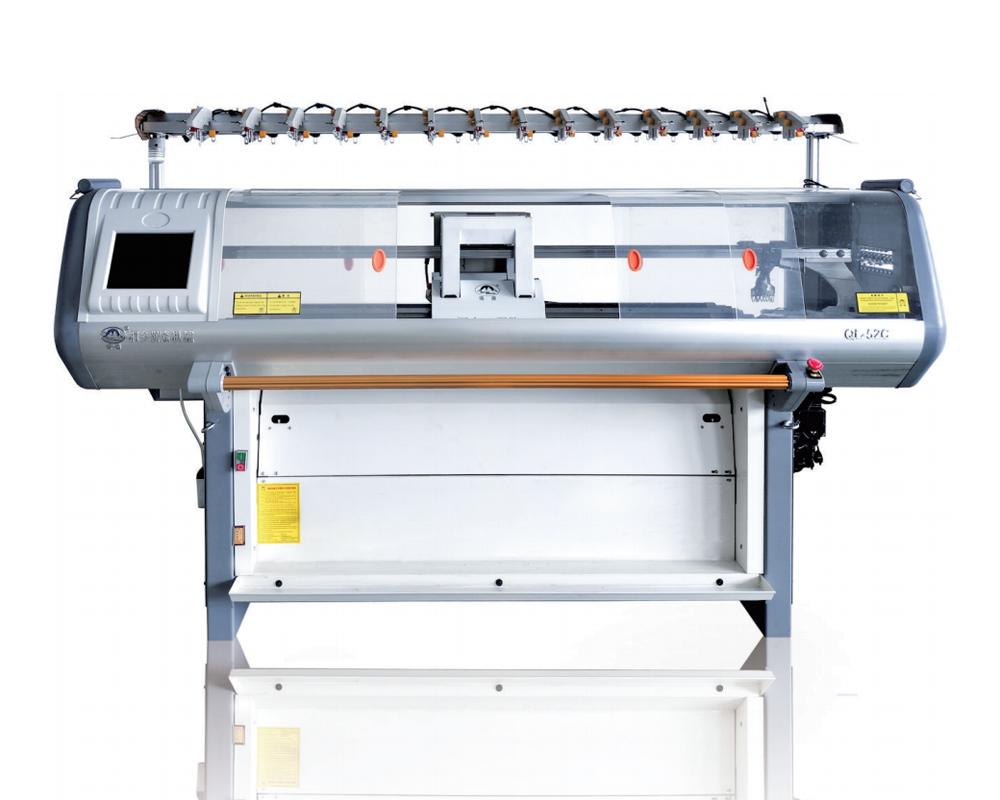
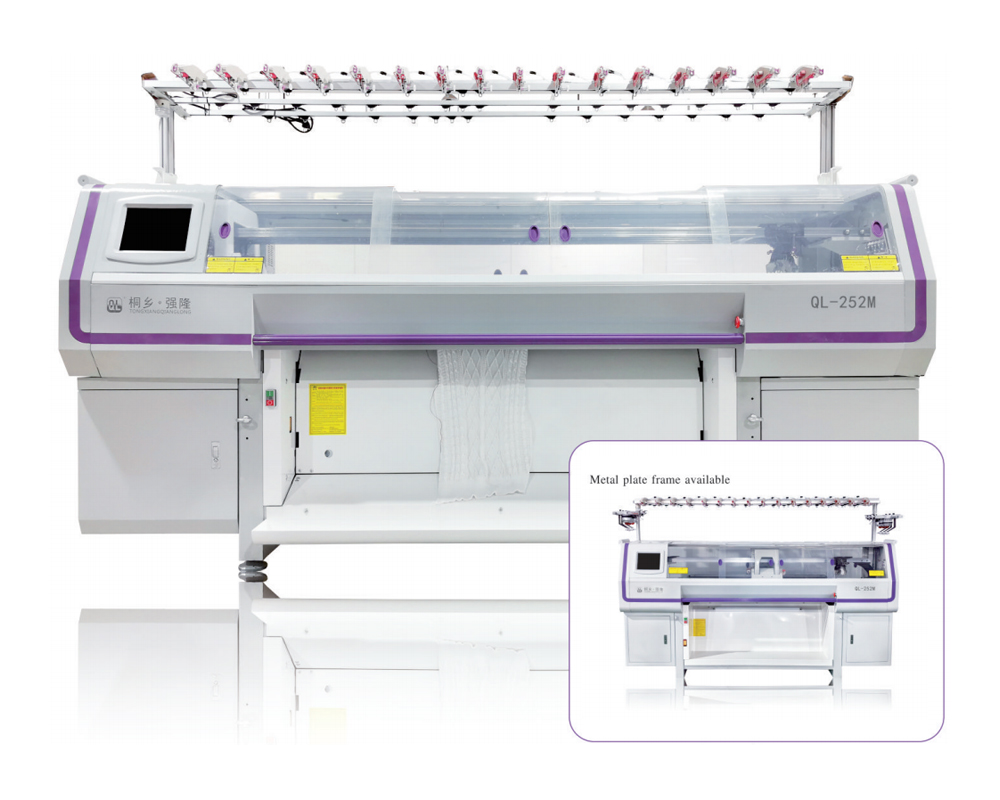
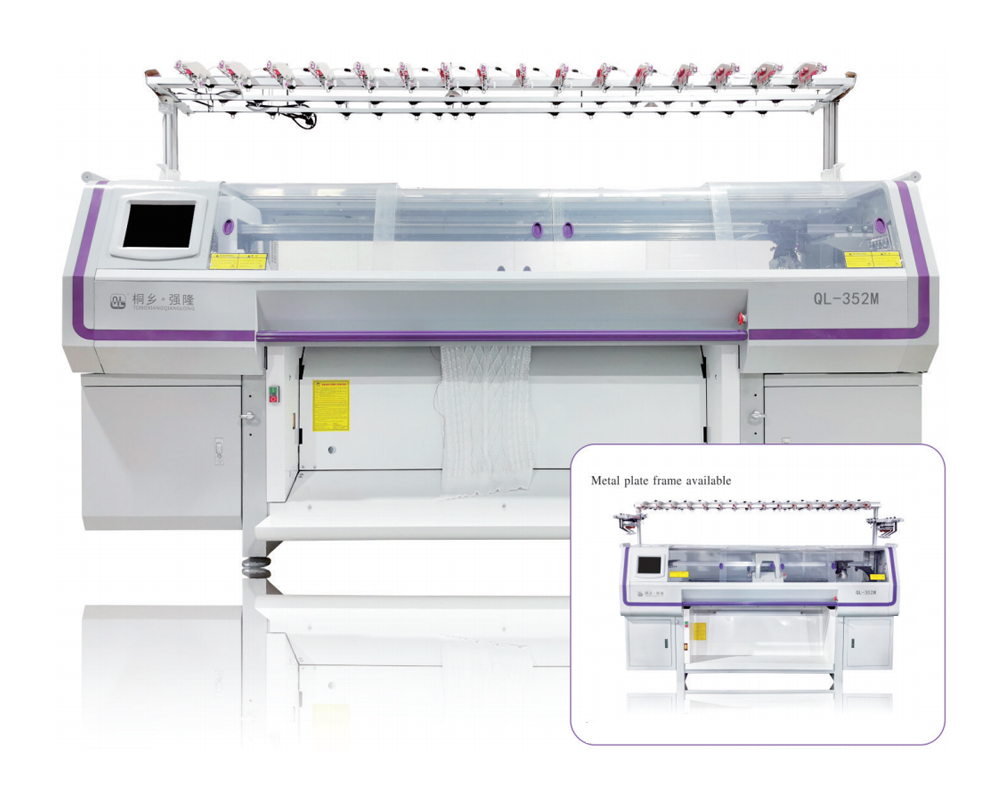
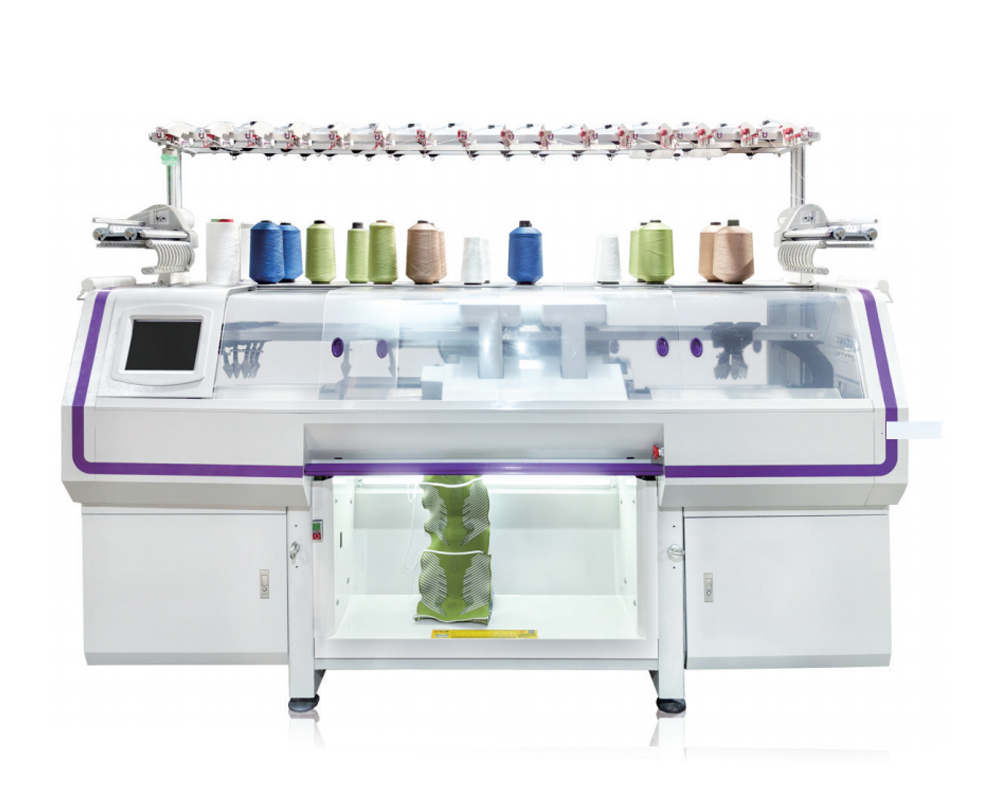
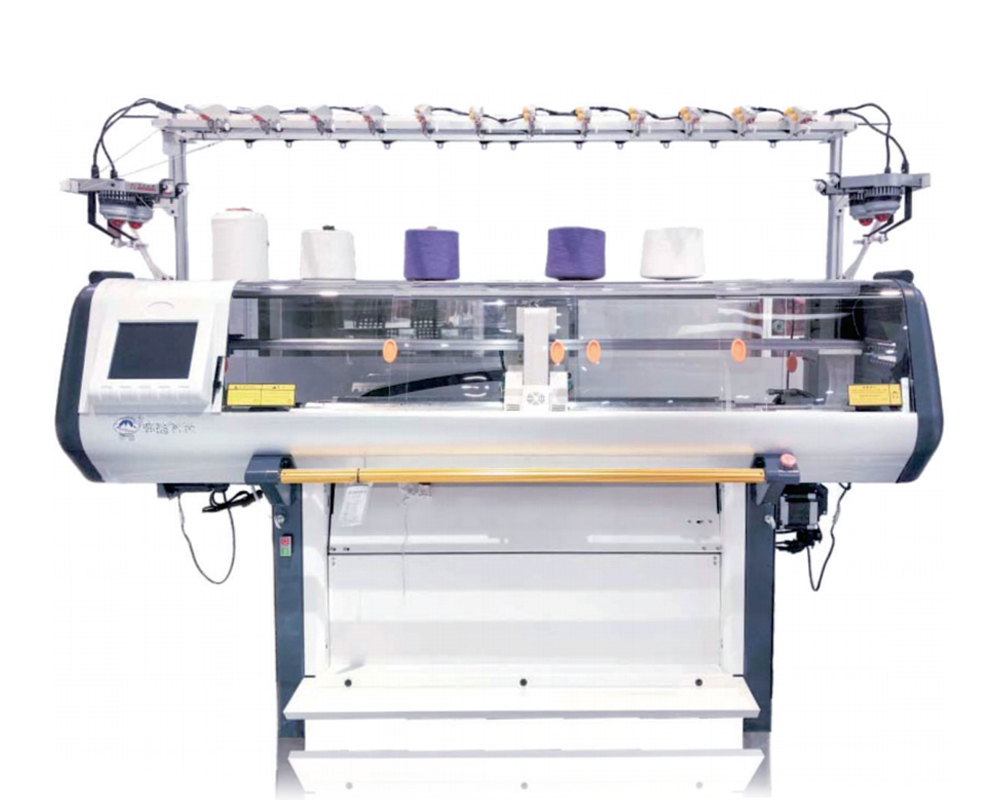
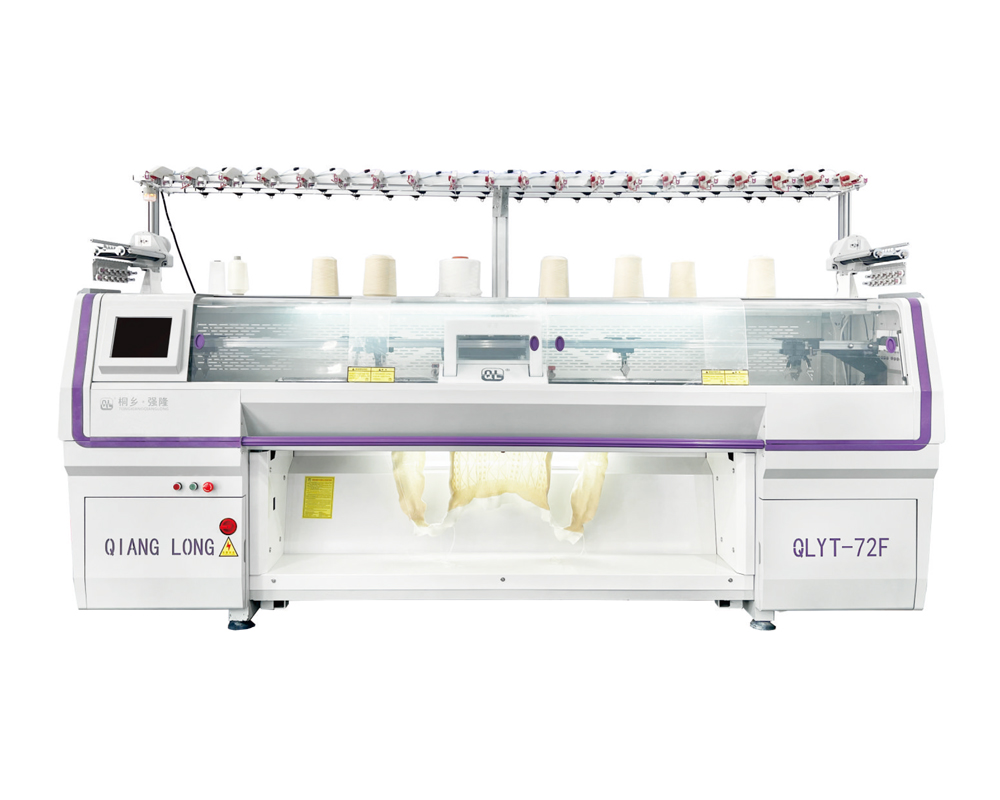
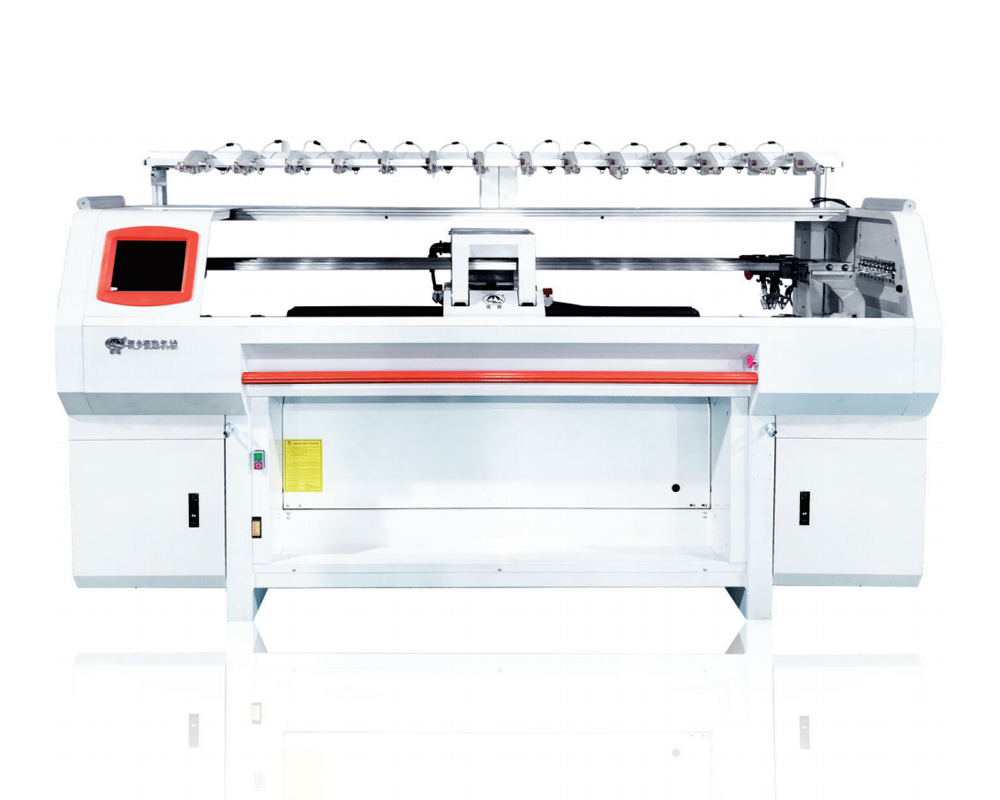
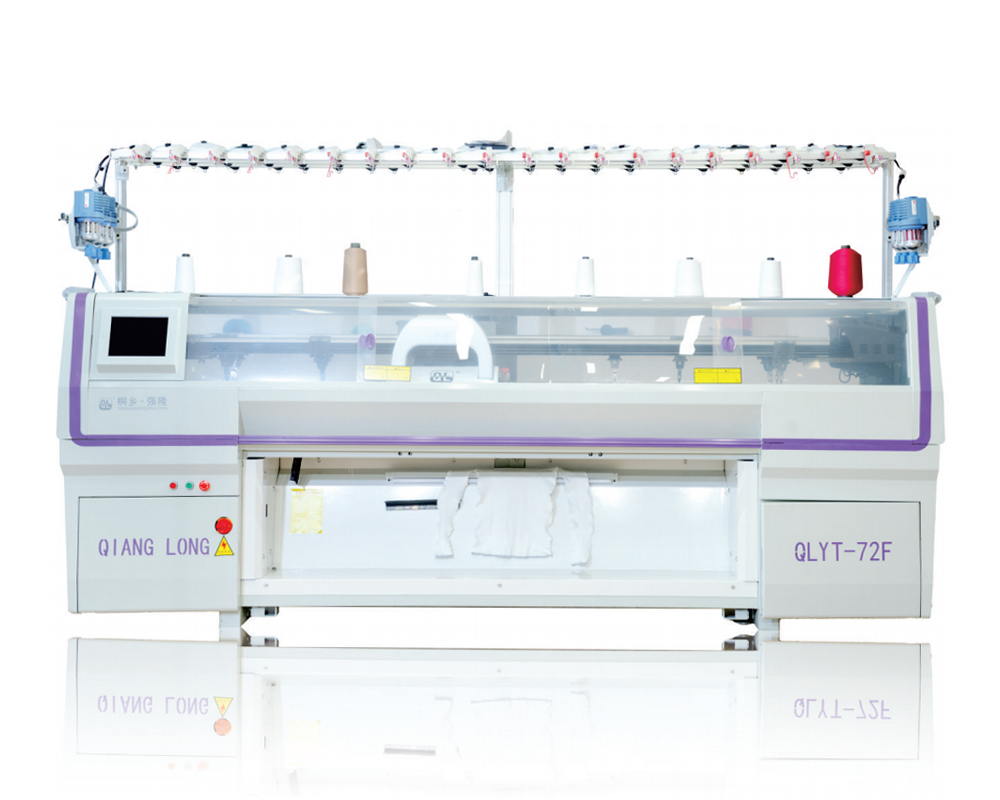
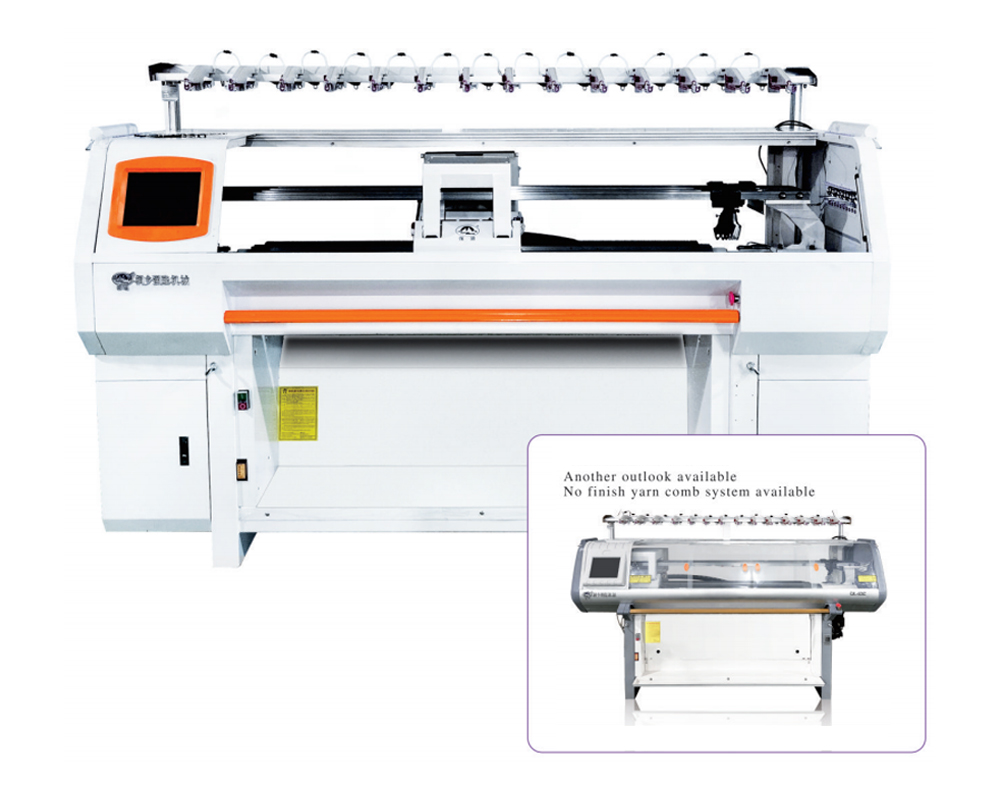
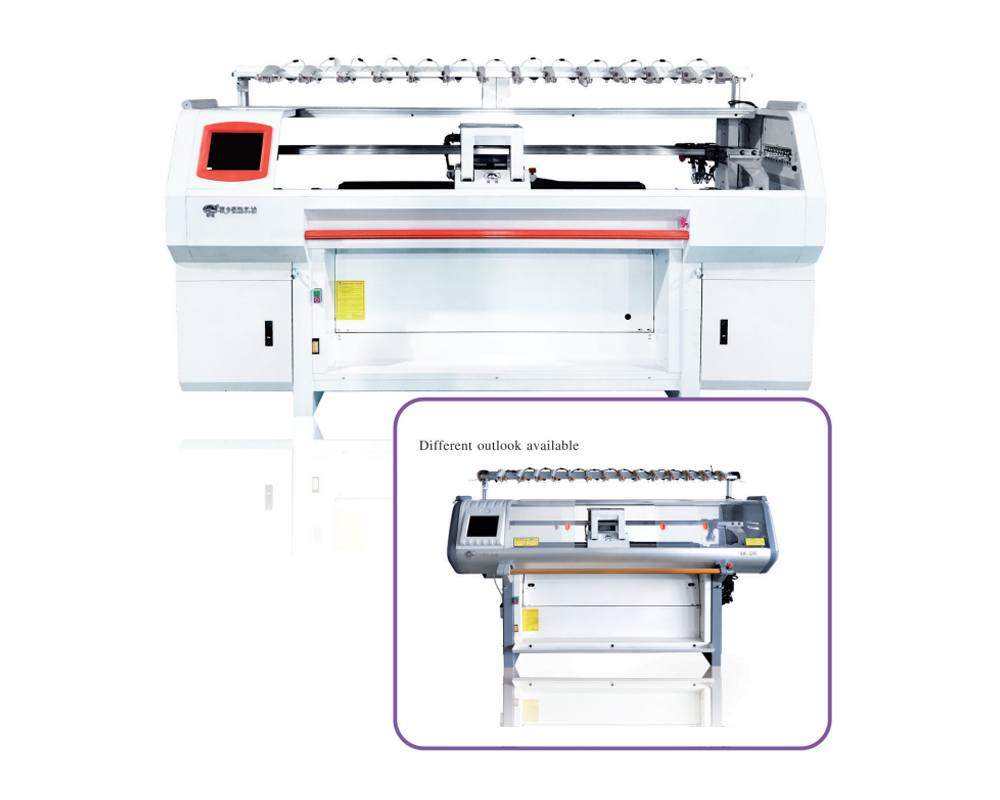
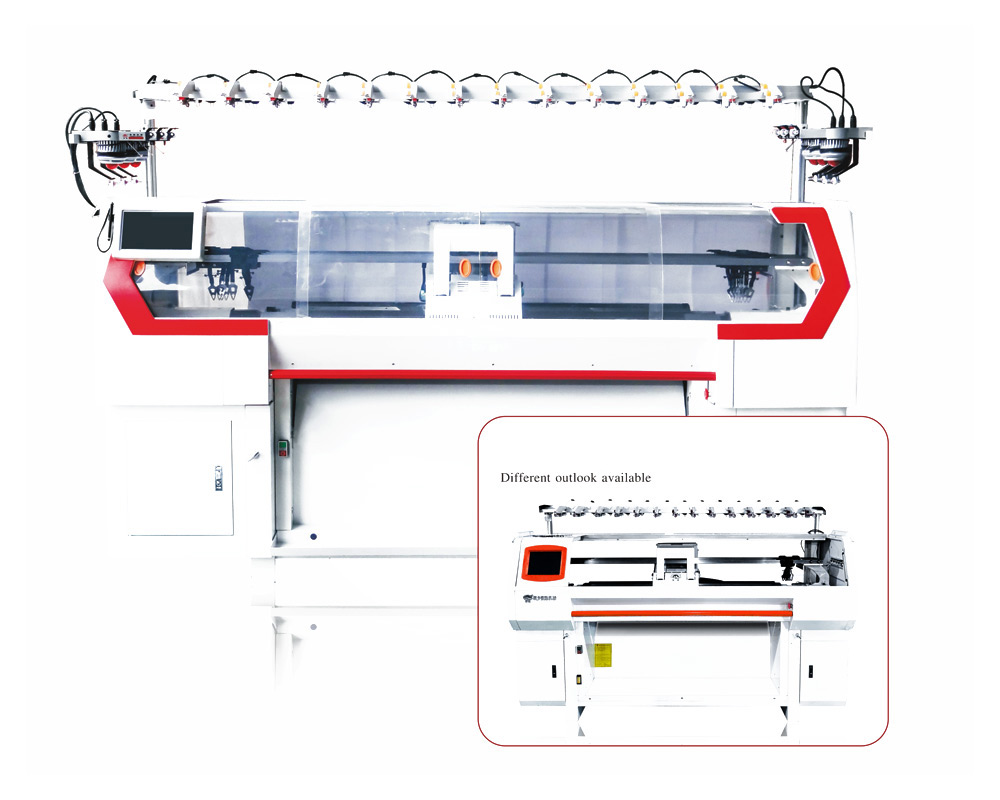

Tongxiang Qianglong Machinery Co., Ltd. is high-tech China wholesale computerized flat knitting machine manufacturers, specialized in designing, developing, and manufacturing Knitting Machinery..
Content
- 1 What Is a Three System Computerized Flat Knitting Machine?
- 2 How the Three System Architecture Works in Practice
- 3 Productivity Advantages Over Single and Double System Machines
- 4 Fabric Structures and Pattern Capabilities
- 5 Key Technical Specifications to Evaluate
- 6 Leading Manufacturers and Market Positioning
- 7 Operational Considerations for Factory Integration
- 8 Is a Three System Machine the Right Choice for Your Operation?
What Is a Three System Computerized Flat Knitting Machine?
A three system computerized flat knitting machine is an advanced category of V-bed flat knitting equipment that incorporates three independent knitting systems — also called knitting heads or cam systems — operating simultaneously on a single carriage. Each system is capable of executing its own knitting actions independently, which means the machine can complete three courses of fabric in a single carriage pass rather than just one. This tripling of output per traverse is what defines the machine's identity and drives its significant productivity advantage over single or double system counterparts. Combined with computerized control over needle selection, stitch density, yarn feeding, and pattern programming, these machines represent the high end of flat knitting technology used in industrial and commercial knitwear production.
The "system" in flat knitting terminology refers to a complete set of cams that guide the needles through the knit, tuck, and miss actions as the carriage travels across the needle bed. A three system machine houses three such cam sets in sequence within the same carriage, allowing it to interact with three separate sets of needles in one direction of travel. This is fundamentally different from simply running a faster single-system machine — the architecture itself is more complex, and the control software must coordinate all three systems with precision to avoid conflicts and produce consistent fabric.
How the Three System Architecture Works in Practice
Understanding the mechanical logic behind three system knitting helps clarify why it performs so differently from simpler machines. As the carriage moves across the needle bed, each of the three cam systems engages a different group of needles in sequence. System one might knit the first set of courses while system two handles the next set and system three completes the third — all in a single left-to-right or right-to-left pass. When the carriage reverses direction, the process repeats in the opposite direction, again delivering three courses per traverse.
The computerized control unit manages needle selection for all three systems simultaneously through an electronic needle selection mechanism, typically using piezo-electric selectors or electromagnetic actuators that operate at high speed with microsecond precision. Each needle can be independently assigned to knit, tuck, or miss on each system pass, which is how the machine executes complex stitch structures, intarsia patterns, cable effects, and shaped knitting. The software translates design files — usually created in dedicated knitting CAD programs — into precise needle-by-needle instructions delivered in real time as the carriage moves.

Productivity Advantages Over Single and Double System Machines
The most immediately measurable benefit of a three system machine is production speed. When all three systems are active and knitting a plain or semi-plain structure, the machine produces fabric at roughly three times the rate of a single system machine running at the same carriage speed. For high-volume production of standard knitwear such as sweater panels, scarves, or basic shaped garments, this translates directly into lower cost per piece and higher output per shift.
| Machine Type | Courses per Carriage Pass | Relative Output | Best Application |
| Single System | 1 | Baseline | Complex pattern, small batch |
| Double System | 2 | ~2x | Mid-volume, mixed structures |
| Three System | 3 | ~3x | High-volume, shaped panels |
It is important to note that the three-times productivity gain applies primarily to structures where all three systems can operate simultaneously and without conflict. Highly complex stitch structures — such as full needle rib, intricate cable transfers, or multi-color intarsia — may require individual systems to be selectively disabled or run at reduced engagement, which moderates the speed advantage. In real-world factory settings, the effective productivity gain typically lands between 2x and 2.8x over a single system machine, depending on the product mix being run.
Fabric Structures and Pattern Capabilities
Three system computerized flat knitting machines are not limited to speed — they also offer a wide range of fabric structure capabilities that make them suitable for diverse product categories. The computerized needle selection on each system allows for the production of:
- Plain and rib structures: Standard 1x1 rib, 2x2 rib, and interlock fabrics produced at high speed across all three systems for efficient bulk output.
- Jacquard and Fair Isle patterns: Multi-color patterned fabrics where different yarn colors are selected on a needle-by-needle basis, enabling complex visual designs without manual intervention.
- Tuck and miss stitch textures: Structural textures including honeycomb, blister, and pointelle effects created by selectively tucking or floating yarns across specific needle positions.
- Intarsia knitting: Localized color blocks with no yarn floats on the reverse side, used for bold geometric or pictorial designs in fashion knitwear.
- Fully fashioned shaping: Automated narrowing and widening through needle transfer to create shaped garment panels that require minimal cutting and sewing, reducing material waste significantly.
- Whole garment knitting: On machines configured for this purpose, complete seamless garments can be produced in a single knitting run, eliminating linking and sewing operations entirely.
Key Technical Specifications to Evaluate
When selecting a three system computerized flat knitting machine for a production facility, several technical parameters define the machine's practical capabilities and suitability for specific product types.
Gauge
Gauge refers to the number of needles per inch on the needle bed. Common gauges for three system machines range from 3G (coarse, for chunky knitwear) to 18G (fine, for lightweight or technical fabrics). The gauge determines the fineness of the fabric and the yarn count range the machine can work with. A 7G machine is well-suited for medium-weight sweaters, while a 14G or 16G machine handles fine-gauge dress knitwear, socks foundations, or performance fabrics.
Needle Bed Width
The working width of the needle bed — typically expressed in inches or centimeters — determines the maximum width of fabric or garment panel that can be produced. Standard widths range from 52 inches to 84 inches for industrial production machines. Wider beds offer more flexibility for large panels and allow multiple narrow pieces to be knitted simultaneously across the bed width, further improving efficiency.
Yarn Carrier Count
Multiple yarn carriers allow different yarns — varying in color, texture, or fiber content — to be fed simultaneously into the knitting zone. Three system machines typically support between 6 and 18 yarn carriers, enabling rich multi-yarn designs without stopping to change yarns manually. High carrier counts are essential for jacquard and intarsia production.
Stitch Density Control
Computerized stitch cam control allows the machine to vary loop length course by course and even needle by needle within a course. This capability is critical for producing garments with graduated stitch density — such as waistbands tighter than body panels — without manual cam adjustments. High-precision stitch control contributes directly to consistent fabric quality and reduces rejection rates in production.
Leading Manufacturers and Market Positioning
The global market for three system computerized flat knitting machines is dominated by a small number of highly specialized manufacturers whose machines define industry benchmarks. Stoll (Germany) and Shima Seiki (Japan) are the two most internationally recognized premium brands, known for their sophisticated software ecosystems, mechanical precision, and continuous innovation in whole-garment and shaped knitting technology. Their three system models — such as the Stoll CMS series and Shima Seiki MACH2 series — represent the top tier of the market and are widely used by leading fashion and technical knitwear brands globally.
Chinese manufacturers including Sintelli, Pailung (Taiwan), and Cixing have developed strong three system product lines that offer competitive performance at significantly lower price points, making this technology accessible to mid-tier manufacturers and markets where capital investment constraints are a key factor. These machines have closed the quality and reliability gap considerably over the past decade and now power large volumes of commercial knitwear production across Asia, Eastern Europe, and South America.
Operational Considerations for Factory Integration
Integrating a three system computerized flat knitting machine into a production environment involves more than simply placing the equipment on the floor. Several operational factors need to be planned carefully to realize the machine's full potential:
- Operator training: The complexity of three system machines requires operators with a solid understanding of knitting mechanics, CAD pattern programming, and machine diagnostics. Investment in training is directly proportional to output quality and uptime.
- Yarn quality consistency: Running three systems simultaneously at high speed amplifies the consequences of yarn irregularities. Consistent yarn count, twist, and tension are essential to avoid course-to-course variation and needle breakage.
- Preventive maintenance scheduling: The increased mechanical complexity of three cam systems means wear points multiply. Regular maintenance of cam tracks, sinkers, needles, and yarn feeding mechanisms is critical to sustained high performance.
- CAD software integration: Three system machines require design files prepared in manufacturer-compatible CAD software. Factories need design staff who can translate fashion briefs into machine-ready programs efficiently, or face bottlenecks in the design-to-production pipeline.
- Power and environmental requirements: These machines are heavier, draw more power, and generate more vibration than smaller single-system equipment. Floor load capacity, power supply stability, and ambient humidity and temperature control all affect long-term performance.
Is a Three System Machine the Right Choice for Your Operation?
A three system computerized flat knitting machine delivers its best return on investment in operations running medium-to-high volumes of structured knitwear where speed, consistency, and design flexibility are simultaneously required. If your production is predominantly plain or semi-plain fabric in large batch sizes — sweater bodies, panel knitwear, or technical flat-knit components — the productivity gains fully justify the higher capital cost compared to single or double system alternatives.
For operations focused on highly intricate, low-volume, or frequently changing designs where maximum pattern complexity takes priority over raw output speed, a single system machine with advanced needle transfer and whole-garment capability may serve better. The key is matching the machine architecture to the actual production profile — and understanding that in three system knitting, the engineering investment is ultimately about producing more, faster, without sacrificing the design range that makes computerized flat knitting so commercially valuable.
