
 English
 简体中文
简体中文
 Chinese
 English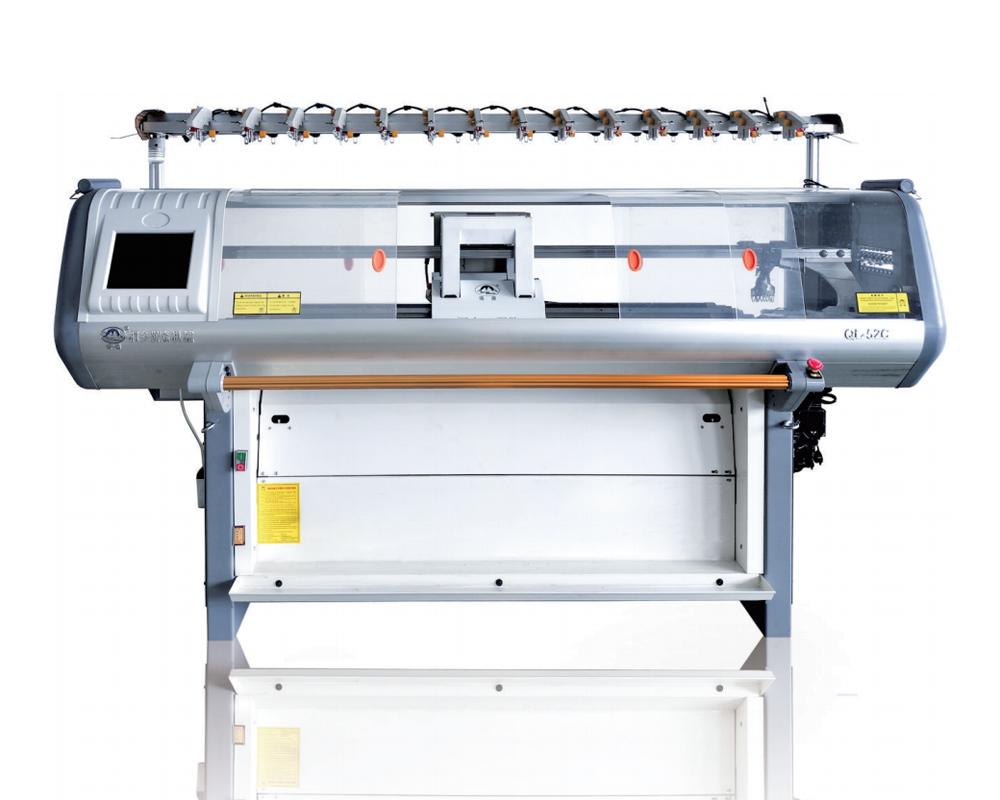
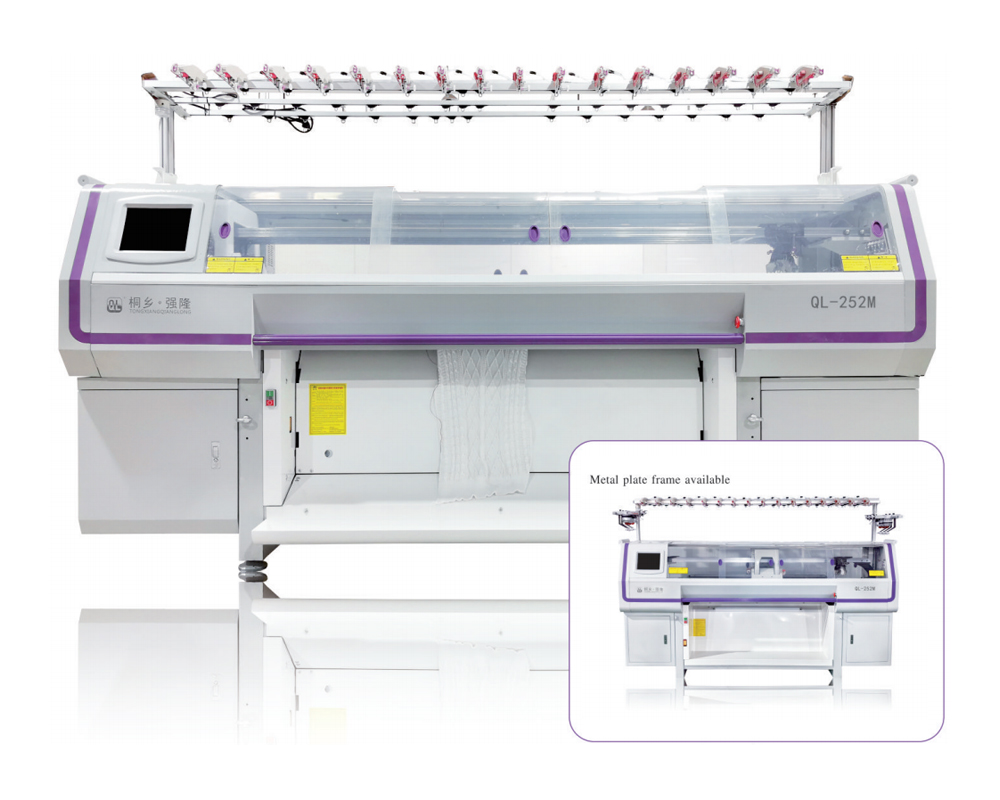
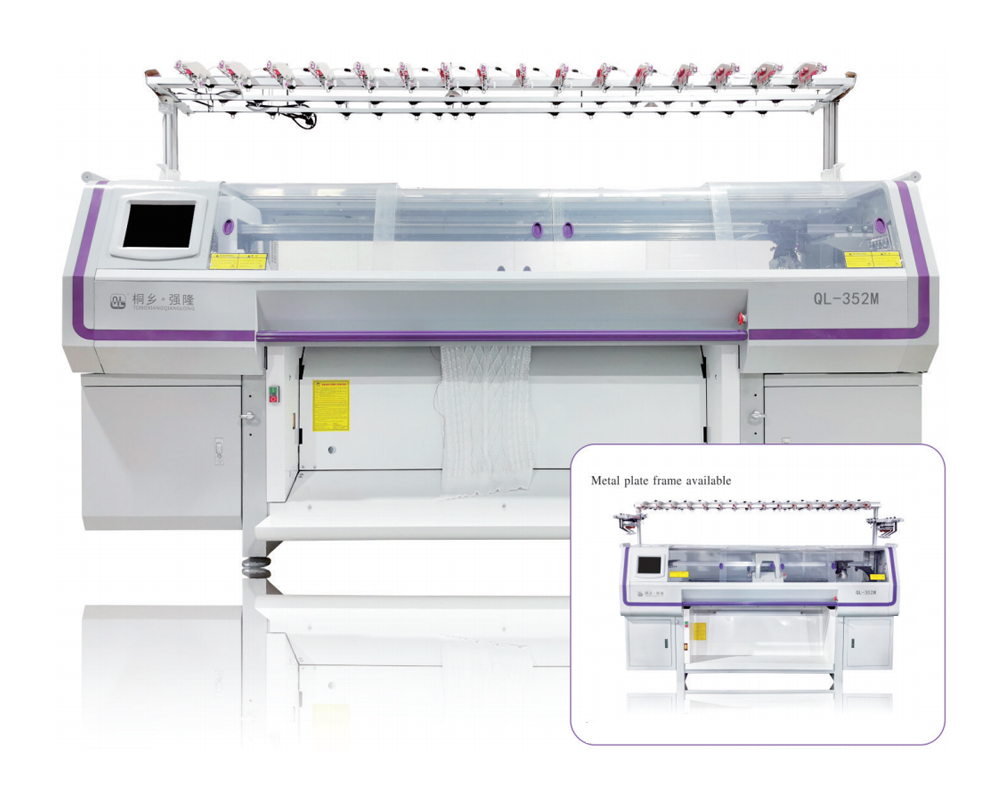
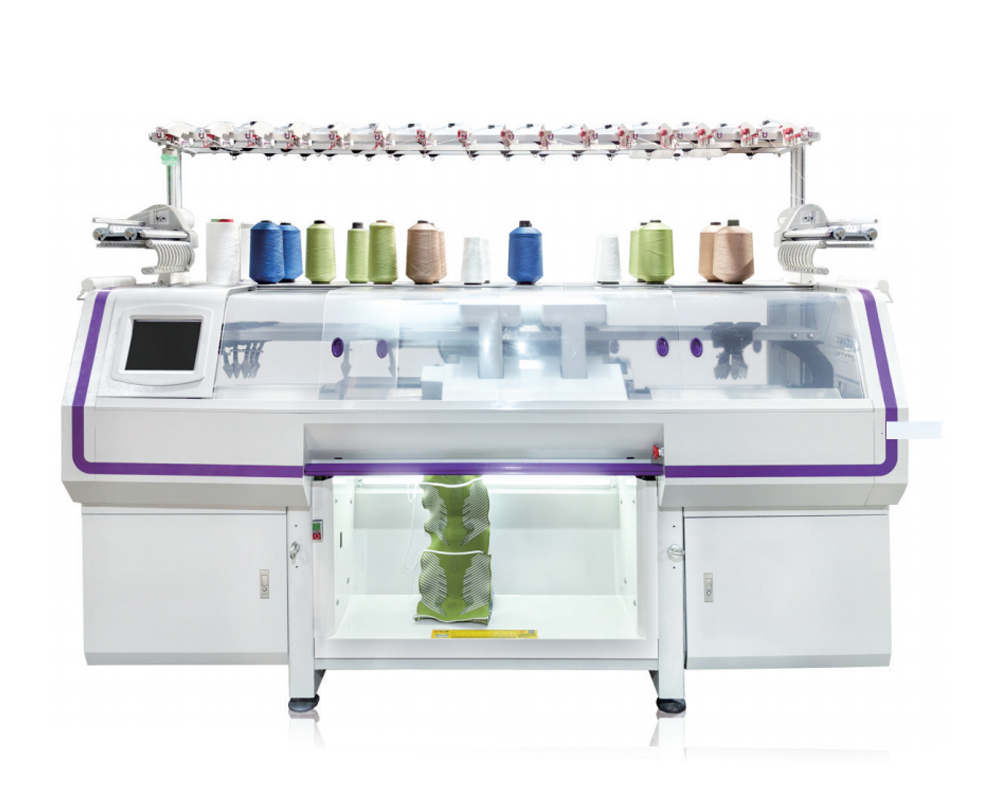
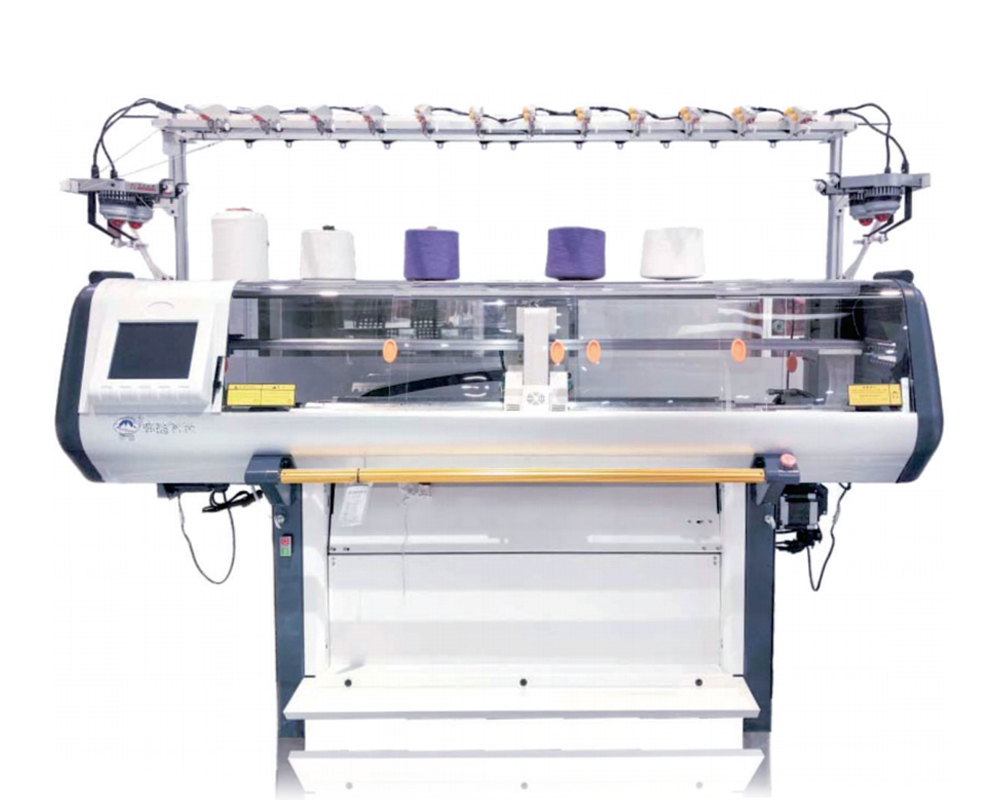
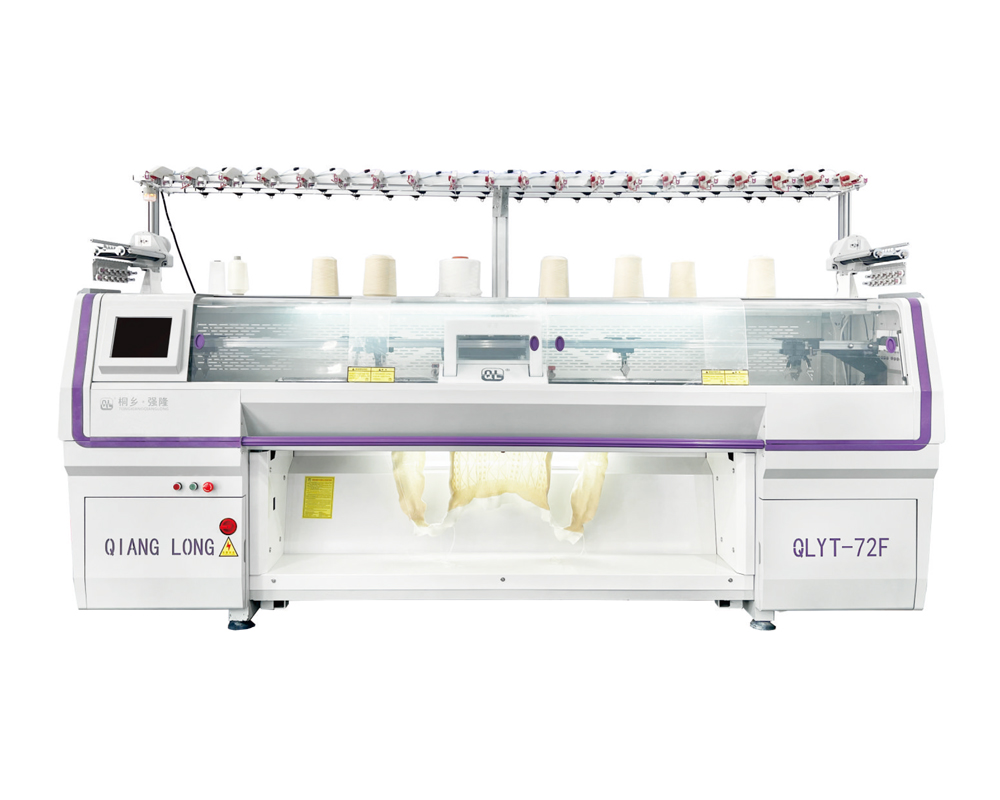
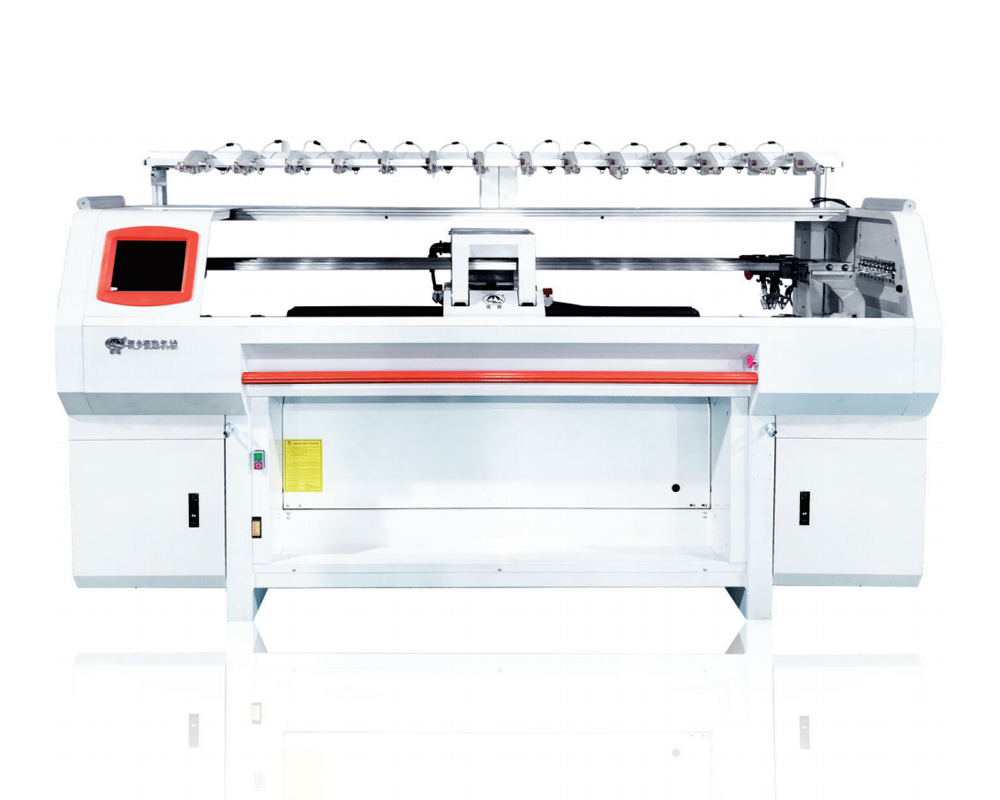
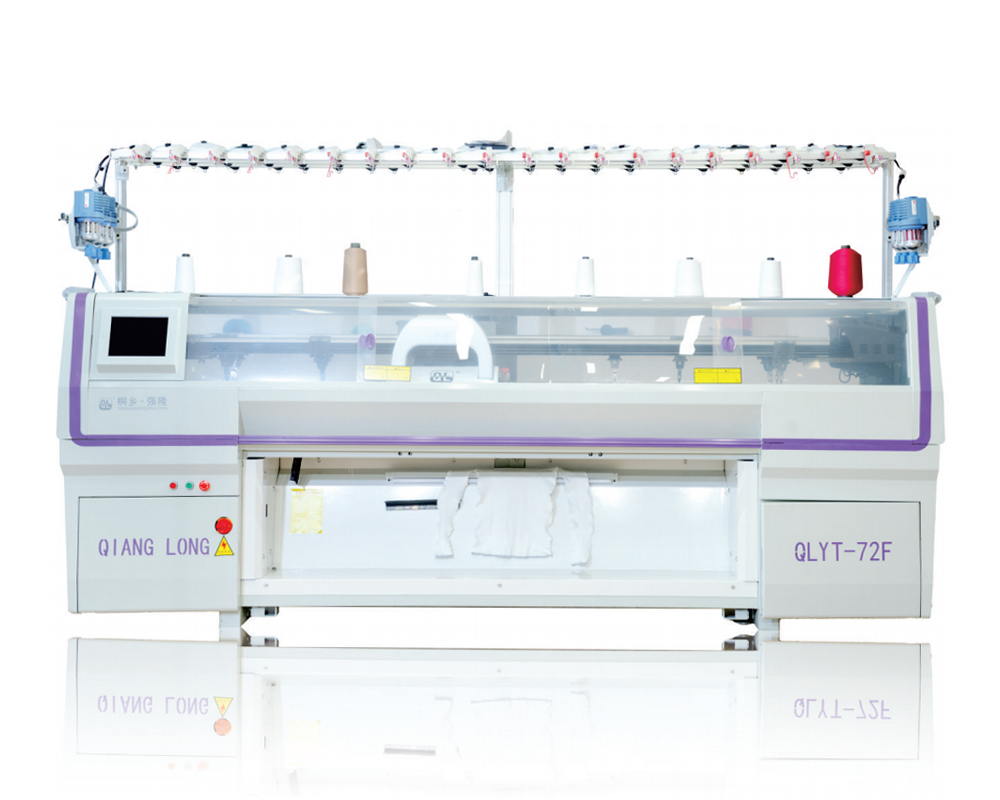
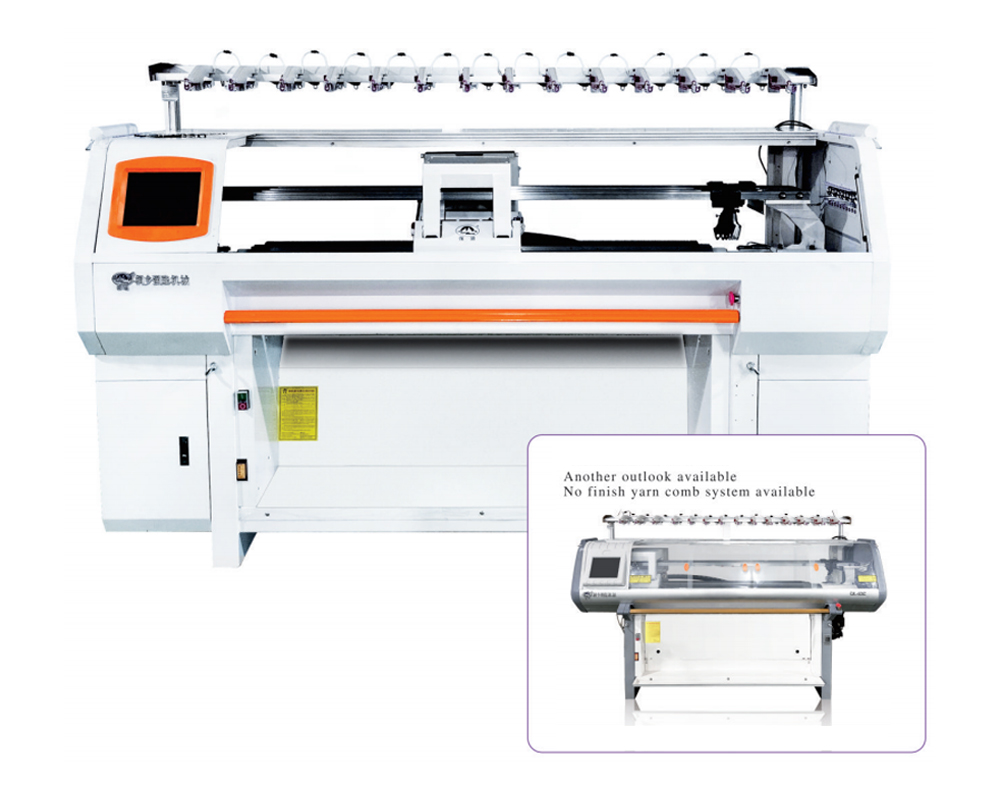
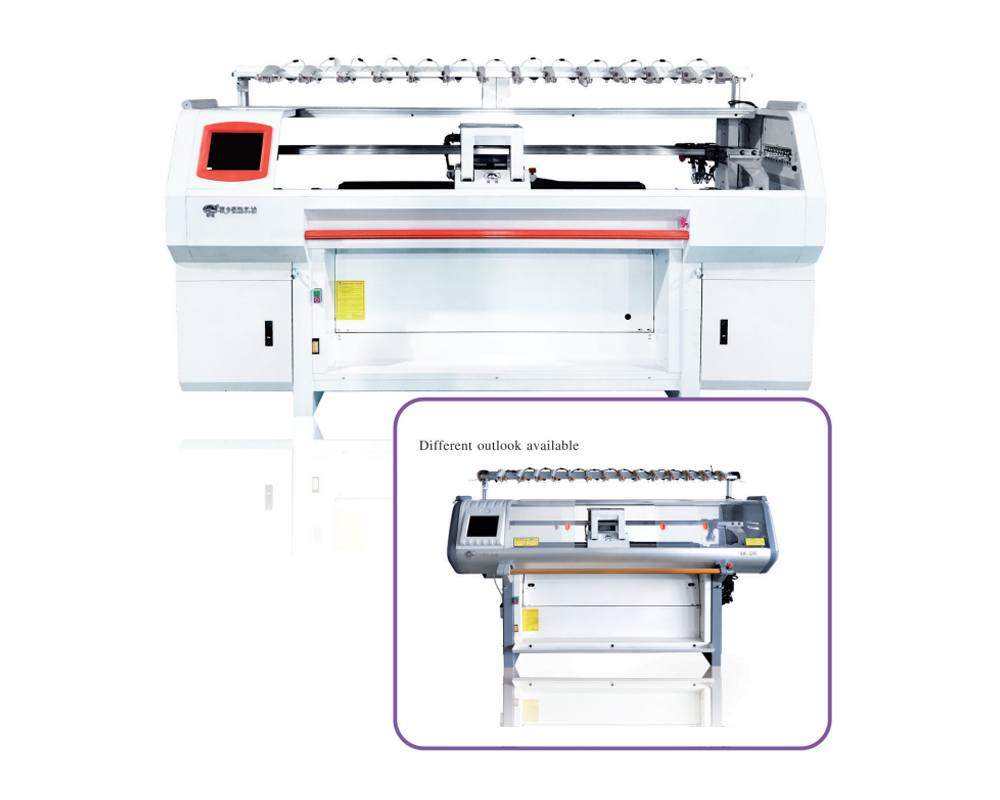
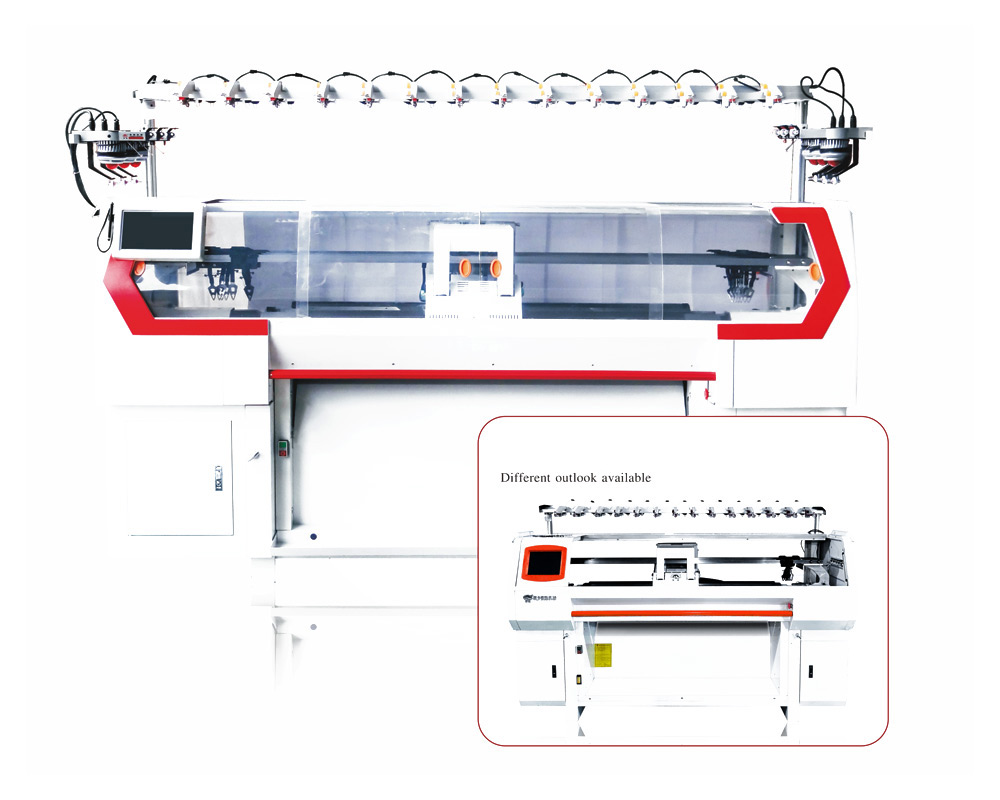

Tongxiang Qianglong Machinery Co., Ltd. is high-tech China wholesale computerized flat knitting machine manufacturers, specialized in designing, developing, and manufacturing Knitting Machinery..
Content
- 1 What Is a Collar Machine?
- 2 Types of Collar Machines and Their Functions
- 3 Key Stages in Collar Production and Which Machine Handles Each
- 4 Automatic vs Semi-Automatic Collar Machines
- 5 What to Look for When Choosing a Collar Machine
- 6 Common Quality Problems Collar Machines Solve
- 7 Leading Applications for Collar Machines in Garment Production
- 8 Maintenance Requirements for Collar Machines
- 9 Is Investing in a Collar Machine Worth It?
In garment manufacturing, collars are one of the most technically demanding components to produce consistently. A poorly shaped or asymmetrical collar can ruin an otherwise well-made shirt, jacket, or uniform. This is exactly where collar machines come in. Designed specifically to automate and standardize the collar-making process, these machines are essential equipment in any facility producing shirts, polos, dress coats, or workwear at scale. This article explains what collar machines are, how they work, the different types available, and what to consider when selecting one for your production line.
What Is a Collar Machine?
A collar machine is a specialized industrial sewing or pressing device used to shape, stitch, turn, and finish garment collars with precision and repeatability. Unlike general-purpose sewing machines, collar machines are purpose-built to handle the unique challenges of collar construction — including curved seams, sharp points, consistent symmetry, and clean edge finishing.
Collar production typically involves multiple steps: cutting the fabric pieces, sewing the outer and inner collar together, trimming seam allowances, turning the collar right-side out, pressing it into its final shape, and topstitching the edge. A collar machine — or a collar processing system — automates one or more of these steps, dramatically reducing the time and skill required per unit while improving consistency across large production runs.
These machines are standard equipment in shirt factories, uniform manufacturers, and any facility producing tailored garments at volume. They are used for dress shirt collars, polo shirt collars, stand collars, spread collars, mandarin collars, and more.
Types of Collar Machines and Their Functions
The term "collar machine" covers several distinct types of equipment, each handling a different stage of the collar-making process. Understanding what each type does is essential for building an efficient production workflow.
Collar Sewing Machine
A collar sewing machine is a profile or contour sewing machine that stitches the outer and inner collar pieces together along a precisely programmed path. These machines use electronic pattern control or mechanical cams to guide the fabric automatically along the collar's curved and pointed edges. The result is consistent seam placement on every collar, regardless of operator skill level. Many modern collar sewing machines can handle collar points as sharp as 20 degrees without puckering or misalignment.
Collar Turning Machine
After sewing, the collar must be turned right-side out, which is a delicate process that can distort the collar points if done manually and carelessly. A collar turning machine uses pneumatic or mechanical fingers to push the collar points outward cleanly and symmetrically. This eliminates the need for hand-turning with tools like point turners, saves time, and ensures sharp, consistent collar tips across every unit produced.
Collar Pressing Machine
Collar pressing machines apply heat and pressure to shape the collar into its final form. These machines use shaped pressing bucks — metal forms that match the exact geometry of the collar — to press the collar flat, define the roll line, shape the stand, and set the edge seam. A good collar pressing machine produces a collar that holds its shape through washing and repeated wear. Some advanced models incorporate steam injection and vacuum suction to achieve a crisp, professional finish without scorching delicate fabrics.
Collar Fusing Machine
Before collar pieces are sewn, they are often fused with an interlining to give them body and structure. A collar fusing machine bonds the interlining to the fabric using heat and pressure, creating a firm, stable collar base. Precise temperature and pressure control is essential here — too much heat can bubble the interlining or damage the outer fabric, while too little produces poor adhesion that will delaminate after washing.
Collar Trimming and Notching Machine
After sewing and before turning, the seam allowances around the collar must be trimmed and the corners notched to reduce bulk and allow the collar points to lie flat. Collar trimming machines perform this step automatically, cutting away excess seam allowance to a consistent width and notching the curved sections without cutting into the stitch line. This step is critical for achieving a clean, flat collar edge after turning.
Key Stages in Collar Production and Which Machine Handles Each
| Production Stage | Machine Type | Purpose |
| Interlining bonding | Collar Fusing Machine | Bond interlining to fabric for structure |
| Collar stitching | Collar Sewing Machine | Sew inner and outer collar along profile |
| Seam trimming | Collar Trimming Machine | Remove excess seam allowance and notch curves |
| Turning right-side out | Collar Turning Machine | Turn collar and push out points cleanly |
| Shaping and finishing | Collar Pressing Machine | Set final shape, roll line, and edge crispness |
Automatic vs Semi-Automatic Collar Machines
Collar machines are available in both semi-automatic and fully automatic configurations, and the right choice depends on your production volume, budget, and the level of consistency required.
- Semi-automatic collar machines require an operator to position and feed the collar into the machine, but automate the actual sewing, pressing, or turning action. These are more affordable and offer greater flexibility when dealing with varied collar styles or smaller production runs. They are common in small to medium garment factories.
- Fully automatic collar machines integrate collar feeding, sewing, trimming, and turning into a continuous automated cycle with minimal operator involvement. These systems can produce hundreds of finished collars per hour with extremely tight tolerances. They are standard in large-scale shirt manufacturing operations where collar style is consistent across very high volumes.
- CNC and programmable collar sewing units store multiple collar profiles digitally, allowing operators to switch between collar styles by selecting a saved program. This makes them ideal for factories producing a variety of shirt styles without the need to change mechanical cams or templates.
What to Look for When Choosing a Collar Machine
Selecting the right collar machine requires evaluating several factors beyond just price. The wrong machine for your specific collar type or production volume will result in quality problems, slow throughput, and excessive maintenance costs.
Collar Style Compatibility
Not all collar machines handle every collar type. A machine designed for classic dress shirt point collars may not be configured for polo shirt collars, mandarin collars, or wide spread collars. Before purchasing, confirm that the machine's pressing bucks, sewing profile templates, or turning fingers are compatible with the specific collar geometry you produce. Many manufacturers offer interchangeable tooling sets to handle multiple collar styles on a single machine.

Production Speed and Throughput
Evaluate the machine's rated output in collars per hour and compare it to your production targets. A collar pressing machine rated at 200 collars per hour will become a bottleneck if your sewing line is producing 400 collars per hour. Map your entire collar production workflow and ensure each machine's throughput is matched to avoid idle time or accumulation of work-in-progress inventory.
Temperature and Pressure Control Precision
For pressing and fusing machines, precise control over temperature, pressure, and dwell time is critical. Look for machines with digital PID temperature controllers and programmable pressure settings. This is especially important if you work with a range of fabrics — a setting that works perfectly for a cotton broadcloth collar will scorch a delicate blended fabric if the temperature is not adjusted precisely.
Ease of Tooling Changeover
In factories producing multiple garment styles, the ability to quickly change collar templates, pressing bucks, or turning fixtures is a significant productivity factor. Machines with tool-free or quick-release changeover systems reduce downtime between style changes, which directly impacts overall production efficiency.
Common Quality Problems Collar Machines Solve
Manual collar production is prone to a range of defects that become very costly at scale. Collar machines directly address these issues by removing human variability from the process.
- Asymmetrical collar points: Manual turning and pressing frequently results in one collar tip being longer or sharper than the other. Collar turning and pressing machines eliminate this by applying identical force and positioning to both sides simultaneously.
- Uneven seam allowances: Inconsistent trimming leads to lumpy edges and collars that won't lie flat. Automated trimming machines cut to a precise width every time.
- Poor point definition: Blunt or folded collar tips are a major quality failure in dress shirts. Turning machines with pneumatic point pushers produce sharp, consistent tips without hand tooling.
- Roll line inconsistency: The collar roll line determines how the collar folds when worn. Collar pressing machines with shaped bucks set this roll line precisely and consistently across every unit.
- Interlining delamination: Poorly fused interlinings separate after washing, causing the collar to lose its shape. Collar fusing machines with calibrated heat and pressure settings produce a bond that survives repeated industrial laundering.
Leading Applications for Collar Machines in Garment Production
Collar machines are used across a wide range of garment categories wherever consistent collar quality is a requirement:
- Dress shirt manufacturing: The highest-precision application, where collar symmetry and point sharpness are critical quality indicators for the finished garment.
- Polo shirt production: Polo collar machines handle the ribbed knit or woven flat collar construction used in sportswear and casual wear.
- Uniform and workwear manufacturing: Where consistency across large uniform orders is a contractual requirement, collar machines ensure every piece meets the same standard.
- Outerwear and jacket production: Stand collars and lapel-integrated collar constructions in jackets and coats also benefit from collar pressing and fusing equipment.
- School and corporate uniform suppliers: High-volume repeat orders with zero tolerance for style variation are precisely the scenario collar machines are designed to handle.
Maintenance Requirements for Collar Machines
Like all precision industrial equipment, collar machines require regular maintenance to maintain accuracy and extend their working life. Pressing machines need periodic calibration of their temperature sensors and pressure gauges to ensure they remain within specification. The pressing bucks should be inspected regularly for wear or deformation, as a damaged buck will produce off-spec collars regardless of machine settings.
Sewing components — needles, presser feet, feed dogs, and thread guides — should be replaced on a scheduled basis rather than waiting for failure, as worn components produce inconsistent seam quality. Pneumatic systems in turning machines require regular air filter servicing and lubrication of moving parts to prevent sticking or misfiring of the turning fingers. Keeping a maintenance log for each machine and following the manufacturer's recommended service intervals will significantly reduce unplanned downtime in your collar production line.
Is Investing in a Collar Machine Worth It?
For any garment manufacturer producing collared shirts or jackets at meaningful volume, collar machines are not a luxury — they are a necessity. Manual collar production is slow, skill-dependent, and prone to quality variation that results in rework, returns, and brand damage. A collar pressing machine that produces 200 consistently shaped collars per hour will outperform a team of skilled manual pressers while freeing those operators for tasks that cannot be automated.
The return on investment for collar machines is typically measured in months rather than years in high-volume production environments. Even in smaller operations, the reduction in rework rates and the improvement in finished garment quality often justify the capital cost quickly. When evaluating the purchase, factor in not just machine price but also tooling flexibility, spare parts availability, local service support, and compatibility with your existing production workflow.
