
 English
 简体中文
简体中文
 Chinese
 English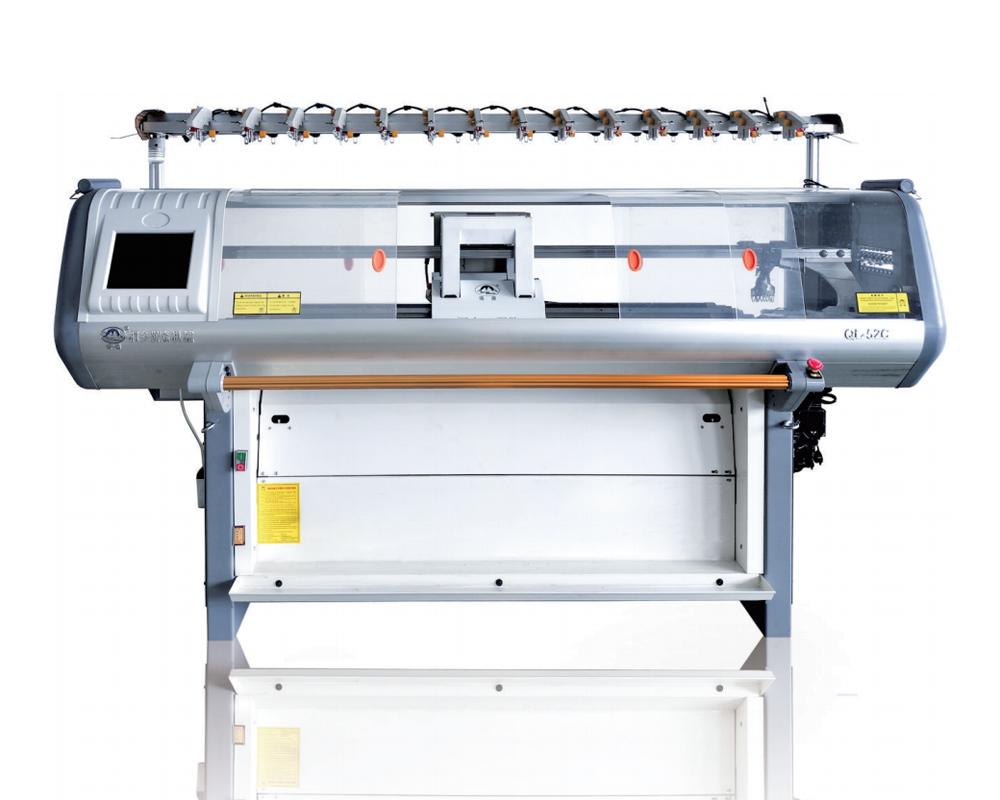
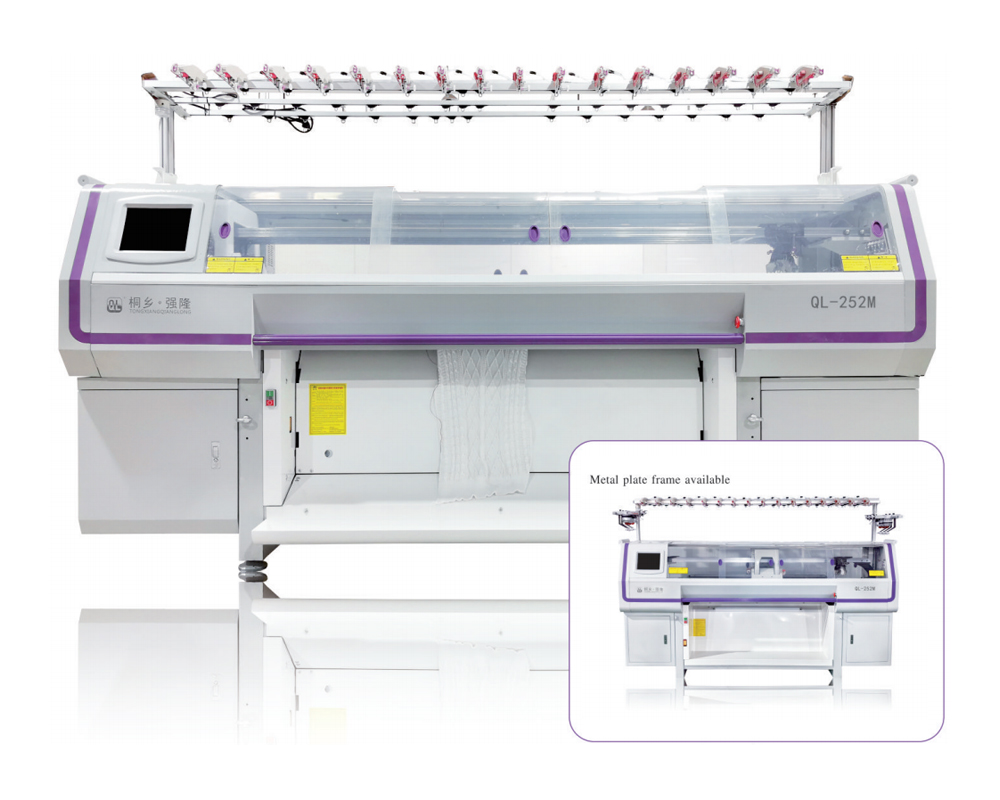
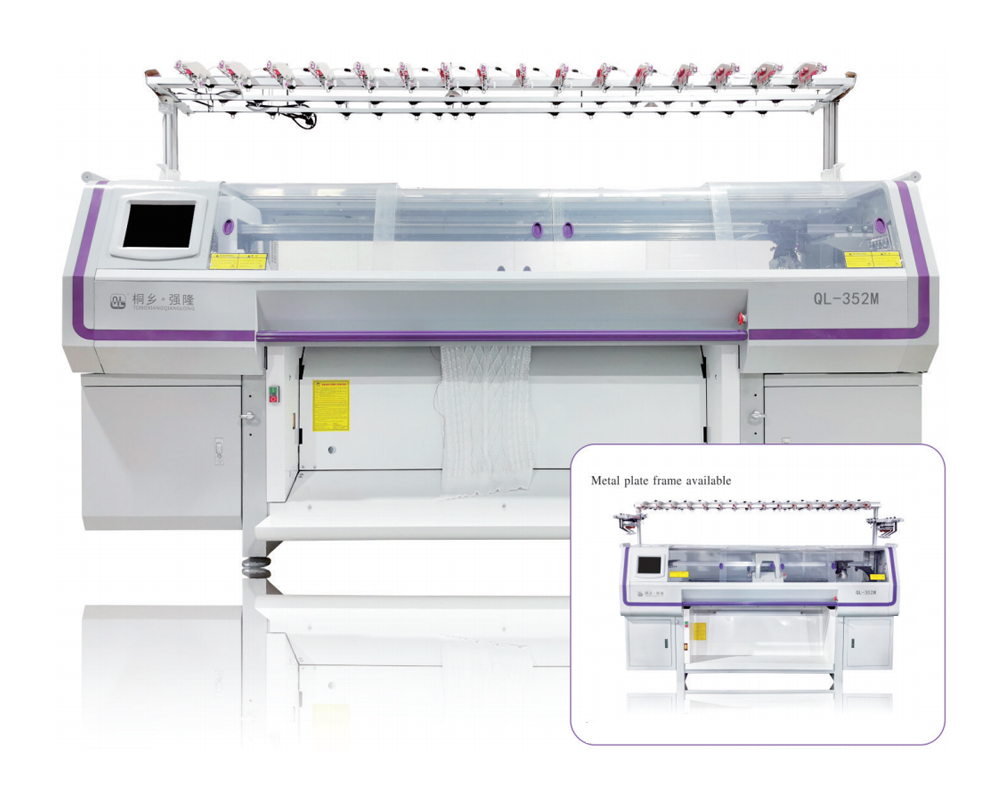
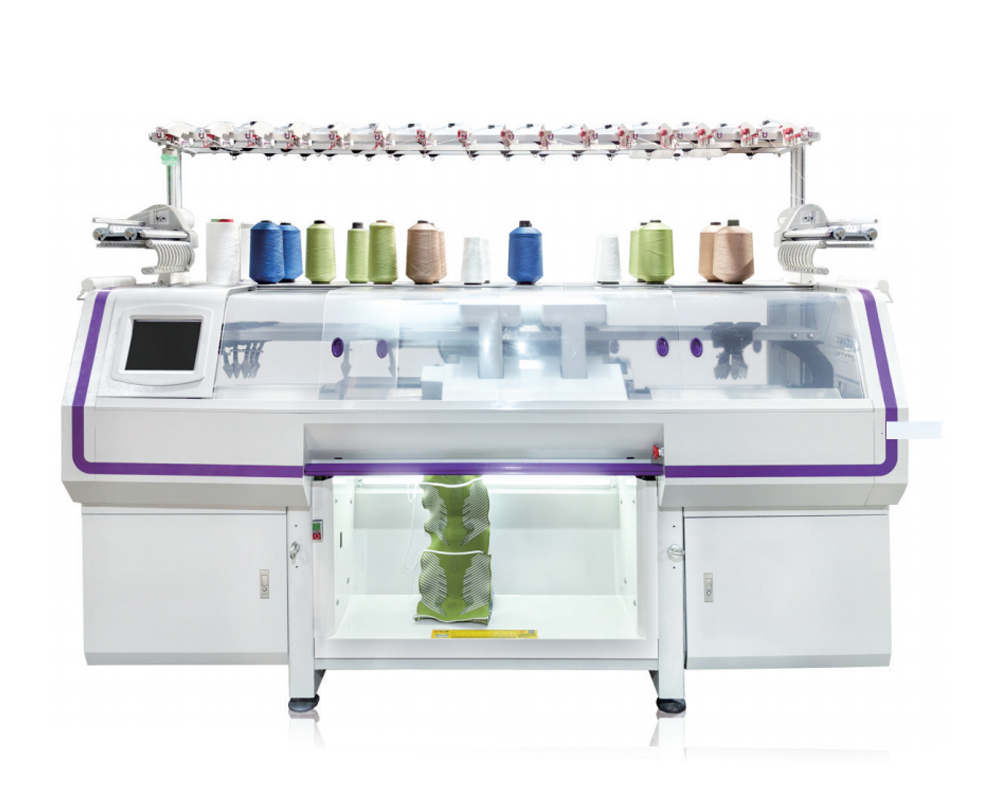
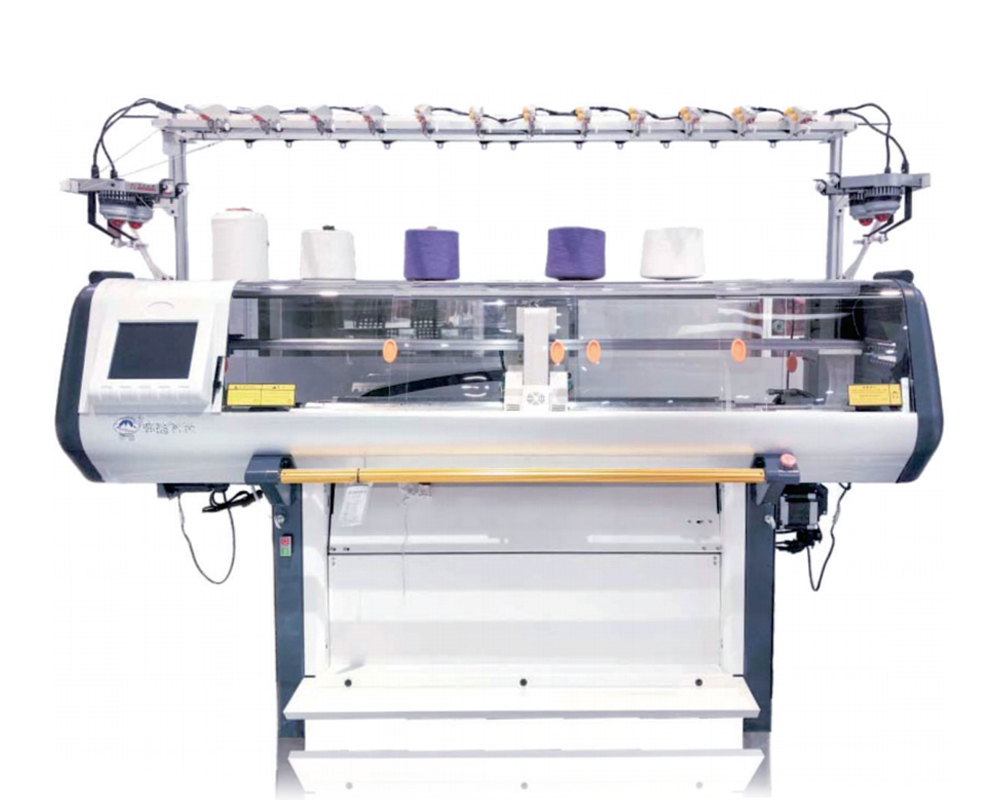
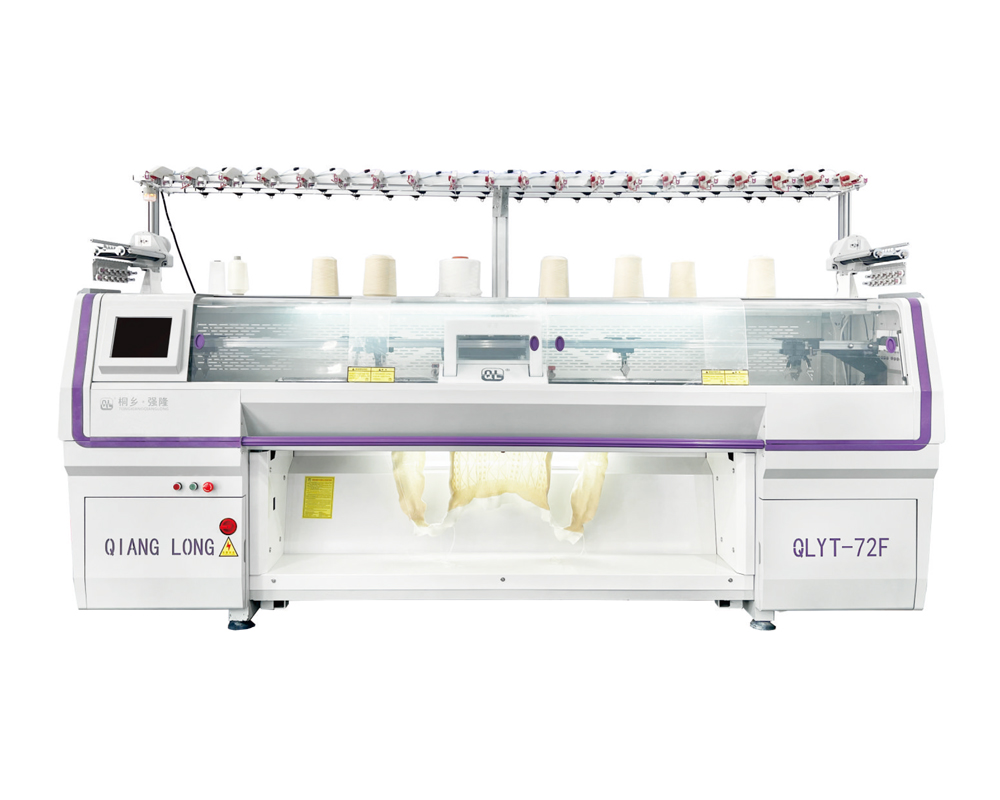
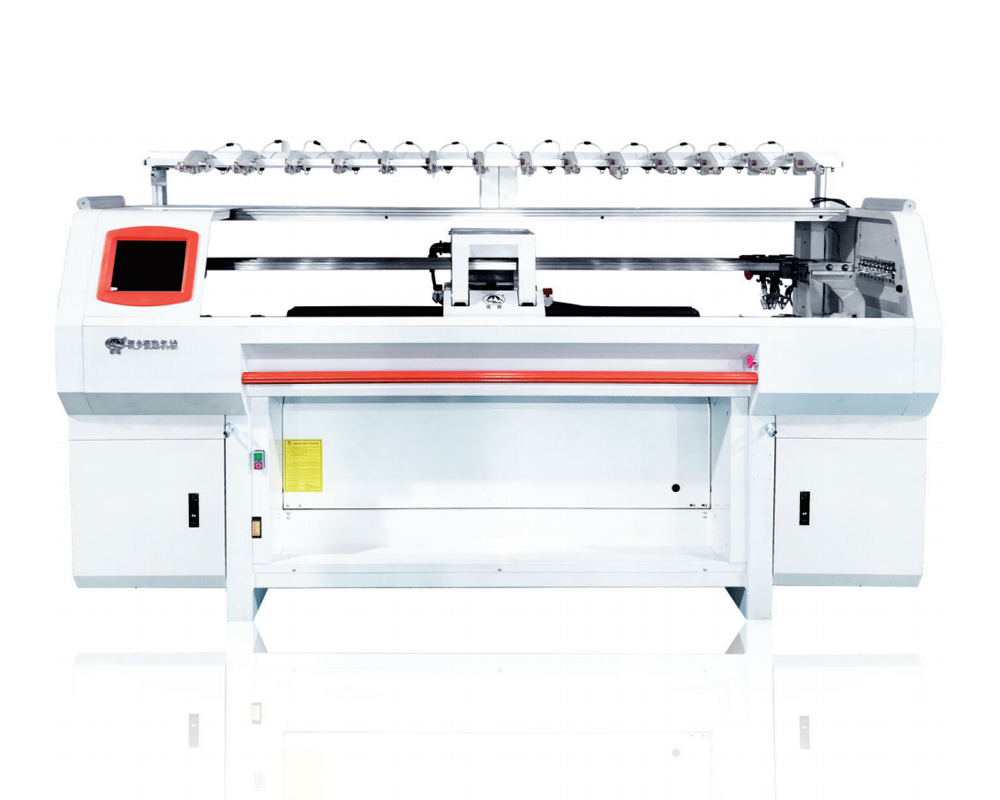
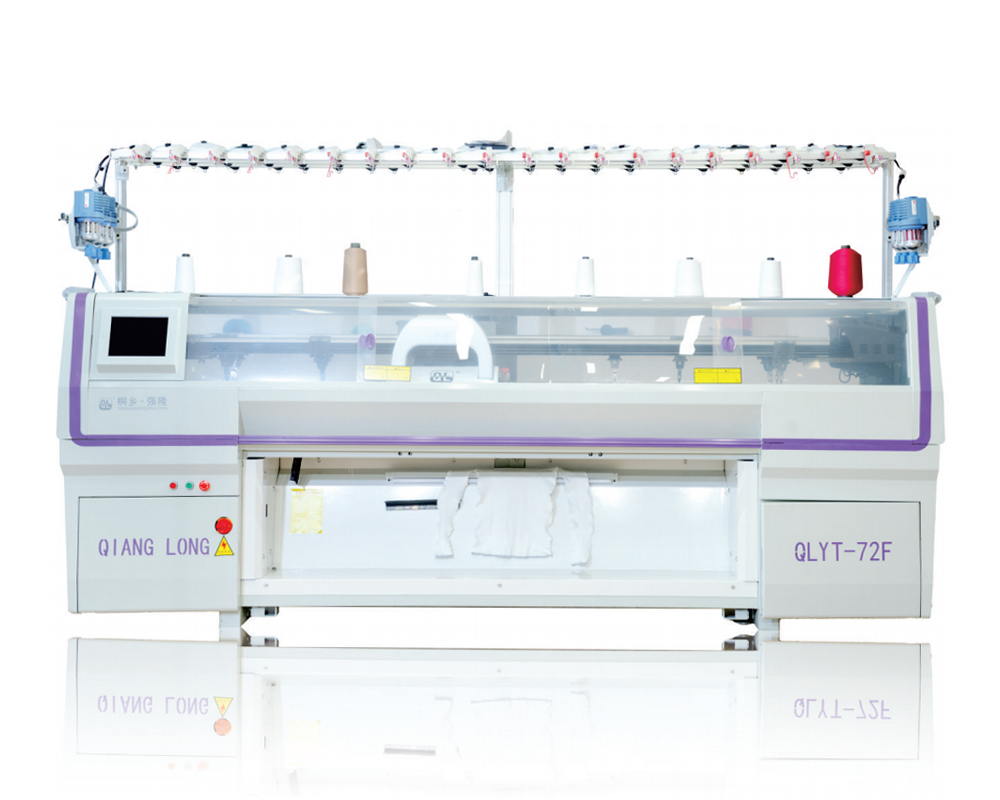
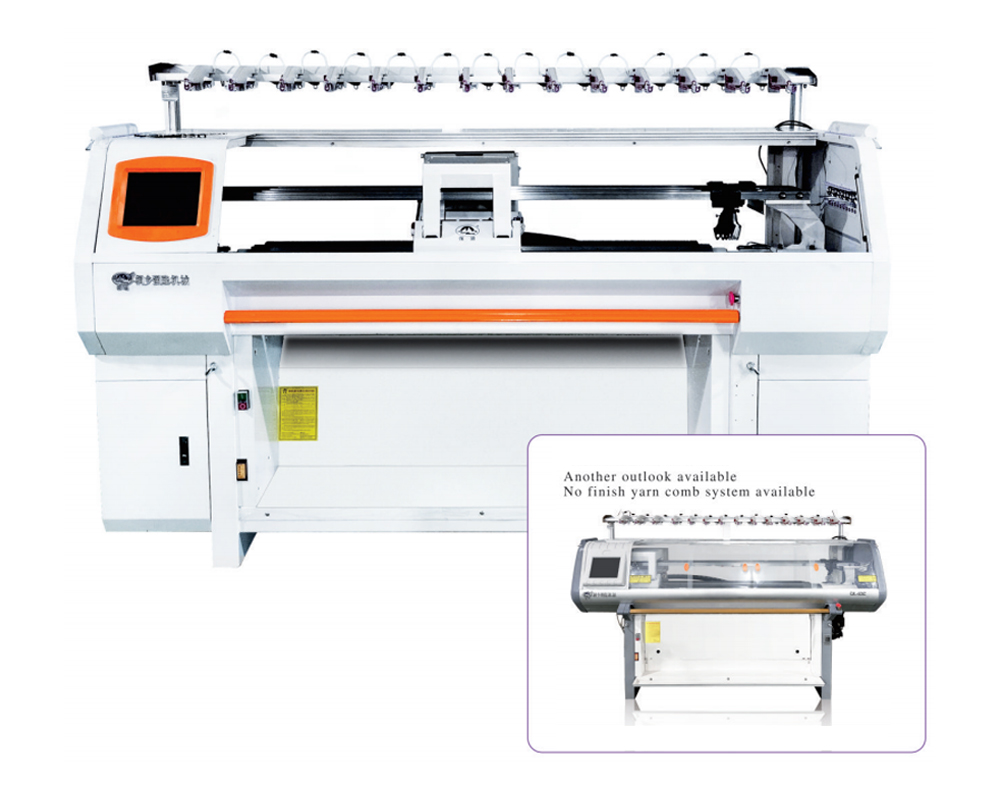
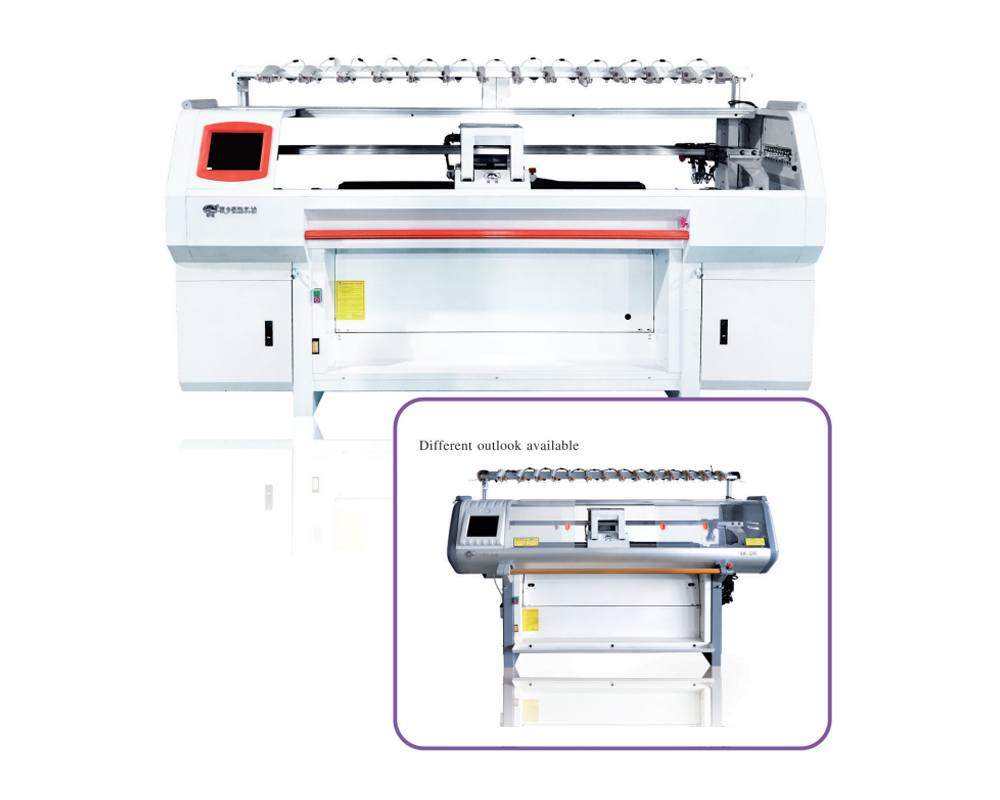
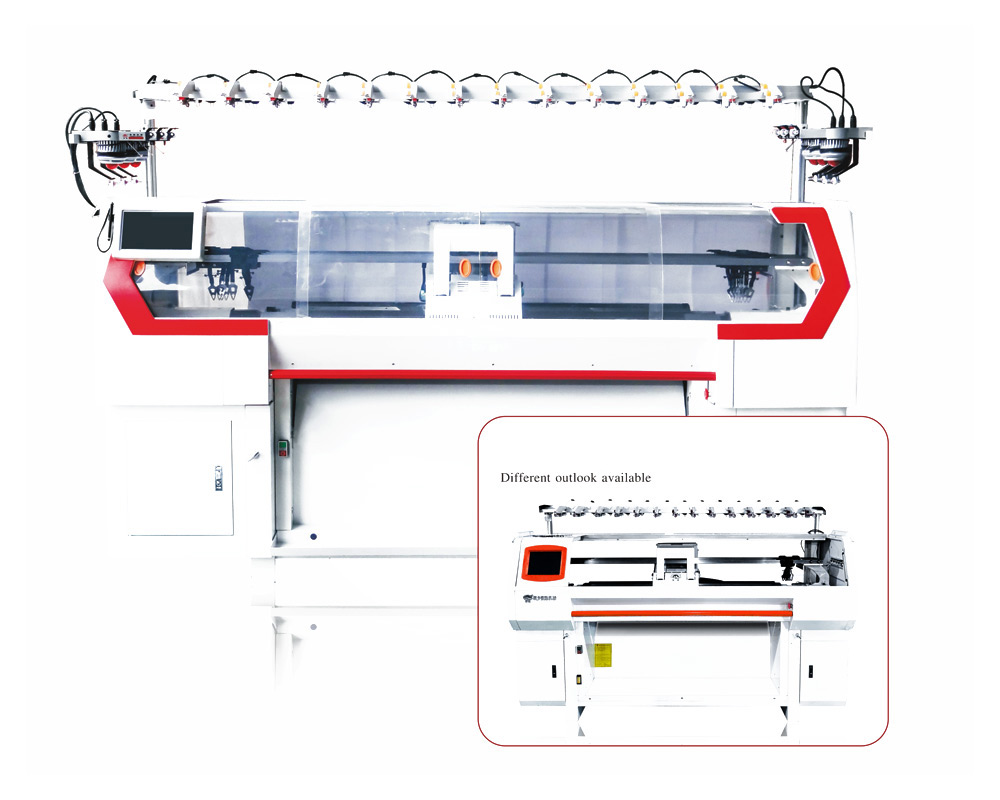

Tongxiang Qianglong Machinery Co., Ltd. is high-tech China wholesale computerized flat knitting machine manufacturers, specialized in designing, developing, and manufacturing Knitting Machinery..
Content
- 1 What "Three System" Means in Flat Knitting
- 2 Key Technical Specifications to Understand
- 3 How a Three System Machine Compares to One and Two System Configurations
- 4 Whole Garment and Shaped Knitting Capabilities
- 5 Software and Programming: The Brain Behind the Machine
- 6 Maintenance Considerations for Three System Machines
- 7 Return on Investment: Is a Three System Machine Worth the Cost
In the modern knitwear manufacturing industry, machine configuration directly determines production speed, fabric complexity, and operational cost. Among the various setups available in computerized flat knitting technology, the three system machine stands out as one of the most strategically significant investments a knitting factory can make. It occupies the productive middle ground between entry-level single and dual system machines and the high-cost, high-throughput four or five system configurations — delivering a meaningful leap in output per carriage pass without the mechanical complexity or price premium of larger systems. Understanding what a three system computerized flat knitting machine actually does, and how it differs from alternatives, is essential for anyone evaluating machinery for garment production.
What "Three System" Means in Flat Knitting
In computerized flat knitting, a "system" refers to a complete knitting unit — a set of cams, yarn feeders, and needle selection mechanisms that work together to complete one row of knitting per carriage pass. A single system machine knits one course (row) each time the carriage moves across the needle bed. A two system machine knits two courses per pass, and a three system machine knits three courses in the same single carriage movement across the bed.
This distinction is not simply about speed. Each system operates semi-independently within the same carriage housing, which means a three system machine can be working with different yarn colors, stitch structures, or tension settings simultaneously across its three feeds. This is what allows three system machines to produce more complex fabric constructions at higher speeds than single or dual system counterparts, without requiring multiple separate passes to achieve layered or patterned effects.
How the Cam System Controls Needle Action
Each system within the carriage contains its own cam assembly — a precisely engineered track that guides the needles through the knit, tuck, or miss (float) actions as the carriage travels across the bed. In a three system machine, three independent cam sets are housed within the same carriage unit. The computerized needle selection system, typically using piezoelectric or electromagnetic selectors, individually activates each needle for each of the three systems based on the programmed stitch pattern. This level of per-needle, per-system control is what enables the machine to produce intricate jacquard, intarsia, cable, and structural patterns at production speeds.
Key Technical Specifications to Understand
When evaluating a three system computerized flat knitting machine, several technical parameters define its practical capabilities and suitability for specific production needs. These specifications vary between manufacturers and machine models, but the following are the most important to assess before purchase.
| Specification | Typical Range | What It Affects |
| Gauge (needles per inch) | 3G – 18G | Fabric fineness; yarn weight compatibility |
| Knitting Width | 52 – 84 inches | Maximum panel width; garment size range |
| Carriage Speed | 0.8 – 1.4 m/s | Rows per minute; daily output capacity |
| Yarn Carriers | 6 – 12 carriers | Number of colors or yarns in one piece |
| Stitch Patterns Supported | Plain, rib, jacquard, intarsia, cable, tuck | Design complexity and product range |
| Take-Down System | Roller or comb with weight control | Fabric tension consistency; stitch quality |
| Needle Bed Racking | Up to ±1 pitch (varies by model) | Cable and transfer stitch capability |
How a Three System Machine Compares to One and Two System Configurations
The difference in productive output between machine configurations is substantial and directly impacts cost-per-piece calculations. A single system machine producing plain jersey fabric might complete 60 to 80 carriage passes per minute, knitting 60 to 80 courses per minute. Under the same speed and fabric conditions, a three system machine triples that output to 180 to 240 courses per minute — effectively meaning that one three system machine can replace approximately three single system machines for simple fabric construction, while occupying far less floor space and requiring fewer operators.
However, the productivity advantage is not uniform across all fabric types. For highly complex intarsia designs or certain transfer-heavy cable constructions, the machine may need to reduce active systems or slow carriage speed to maintain stitch quality. In these cases, the real-world output advantage of a three system machine narrows compared to simpler structures. Factory managers should evaluate their specific product mix rather than assuming maximum system productivity applies to all orders.
When a Three System Machine Is the Right Choice
A three system machine is generally the most cost-effective configuration for factories producing mid-complexity knitwear at medium-to-high volume. It is particularly well-suited for operations running two-color jacquard, striped panels, or structured rib and tuck patterns where the multiple feed systems can be fully utilized. It becomes especially attractive for manufacturers who need flexibility — the ability to run simpler constructions at high speed on full three system mode, and to switch to more complex patterns using fewer active systems on the same machine.
Whole Garment and Shaped Knitting Capabilities
Many modern three system computerized flat knitting machines are equipped to perform fully fashioned shaping and, in higher-end models, complete whole garment (seamless) knitting. Fully fashioned shaping uses the machine's needle transfer mechanisms to increase or decrease the stitch count at the edges of a panel during knitting, producing shaped pieces that require minimal cutting and reduce yarn waste significantly compared to cut-and-sew methods.

Whole garment knitting on a three system machine produces a complete three-dimensional garment — a sweater, vest, or sock — in a single knitting operation with no seams. This requires sophisticated programming and precise tension management across all three systems, but the output is a finished piece that needs only minimal finishing work such as pressing and labeling. Whole garment capability adds considerable value to a three system machine's versatility, though it typically requires higher investment in both the machine hardware and the design software used to program the garment geometry.
Software and Programming: The Brain Behind the Machine
A computerized flat knitting machine is only as capable as the software controlling it. Three system machines from leading manufacturers — including Shima Seiki, Stoll, and domestic Chinese brands such as Cixing and Sintelli — use proprietary design and knitting management software that translates pattern files into machine-readable needle selection commands. The software defines which needles activate in each system on every carriage pass, managing yarn carrier movements, tension settings, and racking operations automatically.
Design software for these machines typically allows operators to work in a simulated stitch-by-stitch view, import pattern graphics, and preview 3D renderings of the finished garment before a single course is knitted. This dramatically reduces sampling time and physical yarn waste during product development. For factories adopting digital workflows, the ability to transfer design files directly to the machine controller and maintain a library of production programs is a significant operational advantage.
Operator Training and Programming Requirements
Operating a three system computerized flat knitting machine at full capability requires a higher skill level than running a manual or single system machine. Operators must understand stitch structure theory well enough to troubleshoot fabric defects, and programming staff need training specific to the machine's software platform. Most manufacturers offer installation training and ongoing technical support, but factories should budget realistically for the learning curve — particularly if they are transitioning from simpler equipment or expanding into new product categories like whole garment or complex jacquard.
Maintenance Considerations for Three System Machines
The increased mechanical complexity of a three system machine — with three sets of cams, more yarn carriers, and additional electronic needle selectors — means that preventive maintenance becomes more critical than on simpler machines. Neglecting routine servicing leads to uneven cam wear, needle breakage, and inconsistent stitch formation, all of which can produce defective fabric at high speed and create costly waste.
A structured maintenance schedule for a three system computerized flat knitting machine typically includes the following:
- Daily: Clean lint and fiber accumulation from needle beds, cam boxes, and yarn carrier tracks; inspect needles for bent hooks or damaged latches; verify yarn tension is consistent across all three systems.
- Weekly: Lubricate needle bed channels and cam surfaces with manufacturer-specified oil; check sinker operation and take-down roller pressure; inspect electronic selector modules for contamination.
- Monthly: Inspect drive belts and motor connections; verify carriage alignment and racking accuracy; update machine firmware if manufacturer updates are available.
- Annually: Full cam inspection and replacement of worn components; professional calibration of needle selection systems; comprehensive electrical system check.
Return on Investment: Is a Three System Machine Worth the Cost
Three system computerized flat knitting machines command a higher purchase price than single or dual system models — typically ranging from USD $25,000 to over $80,000 depending on the manufacturer, gauge, width, and feature set. However, the return on investment analysis almost always favors the three system configuration for factories with consistent order volumes above a certain threshold. The tripled throughput per machine reduces the number of machines, operators, and floor space required to meet a given production target, compressing labor and overhead costs per unit produced.
For smaller operations or those producing highly varied, low-volume runs of complex specialty knits, a two system machine may offer a better balance of capability and cost. But for any factory producing standard knitwear categories — sweaters, sportswear panels, scarves, or accessories — at volumes that justify the machine cost over a two to three year horizon, the three system configuration consistently delivers a lower cost per piece and greater scheduling flexibility than running multiple lower-system machines in parallel.
The three system computerized flat knitting machine represents a mature, proven technology that remains central to efficient knitwear production worldwide. Its combination of speed, design flexibility, and programmable precision makes it a cornerstone investment for manufacturers serious about both product quality and production economics.
