
 English
 简体中文
简体中文
 Chinese
 English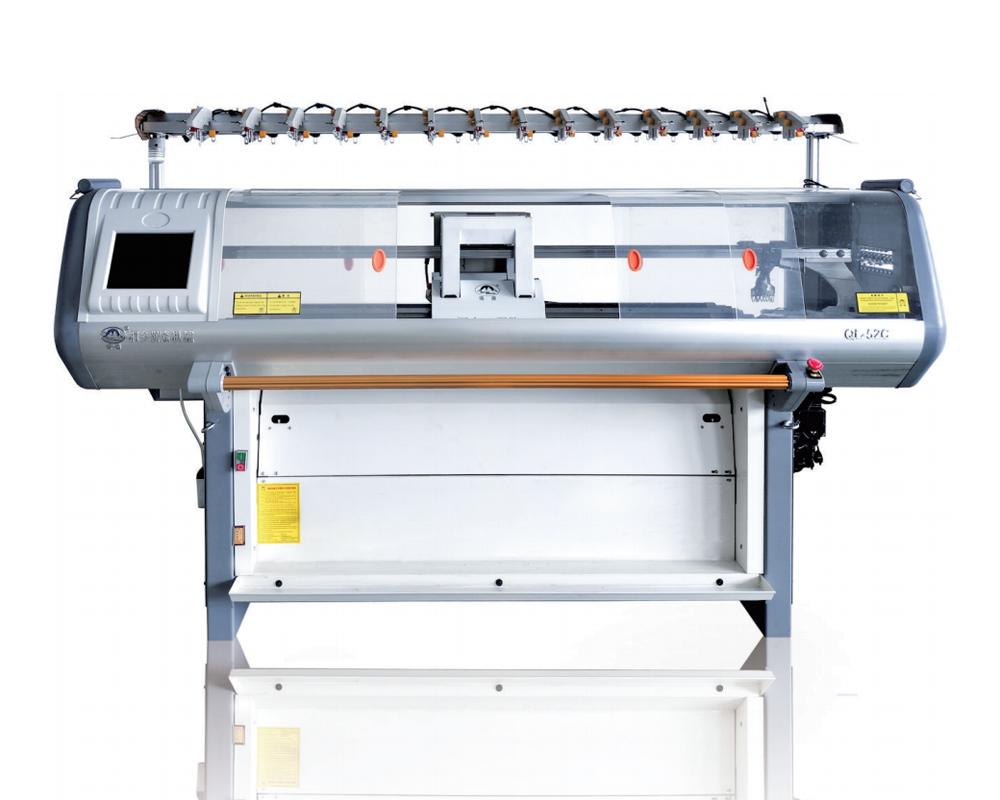
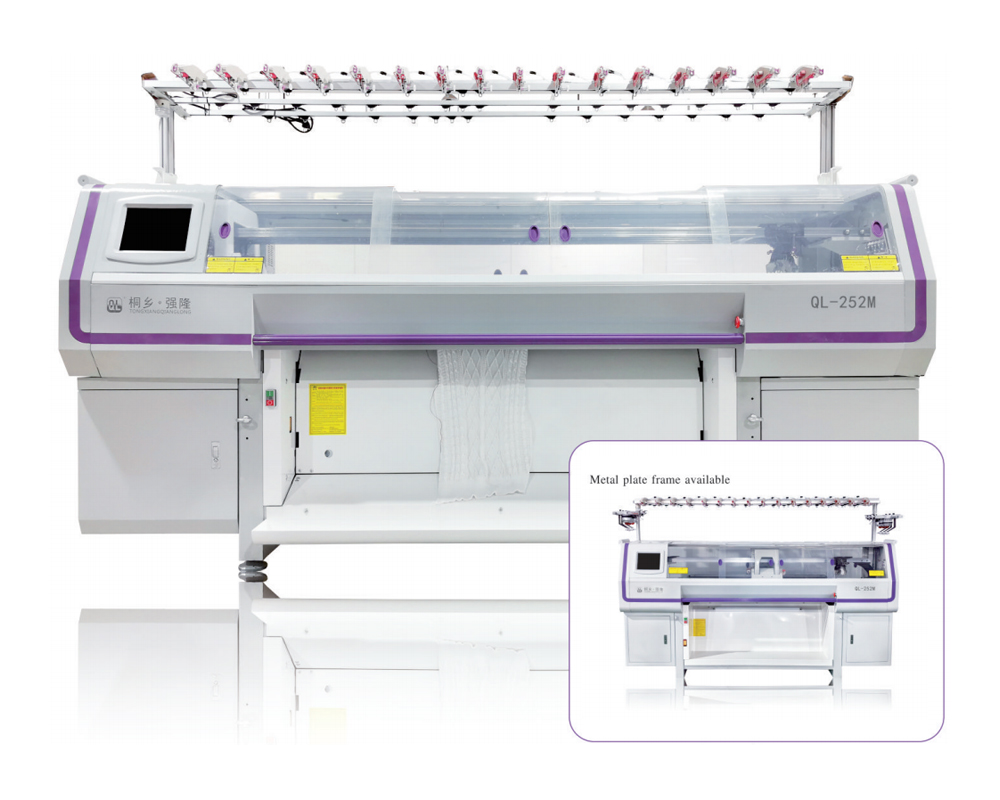
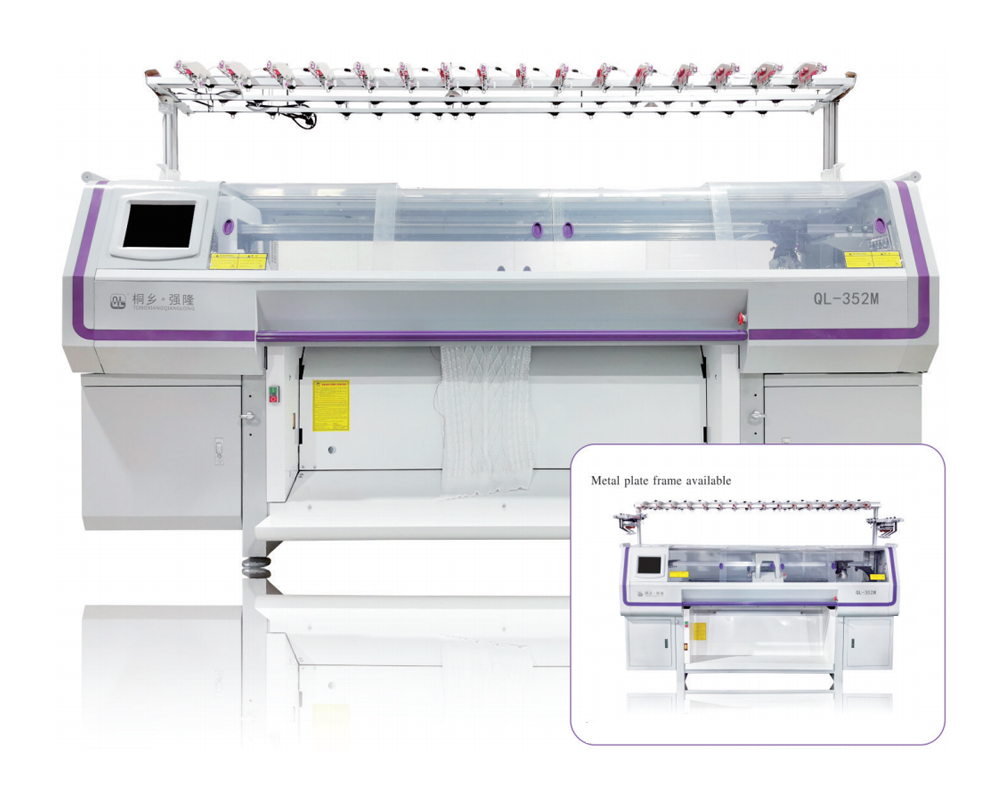
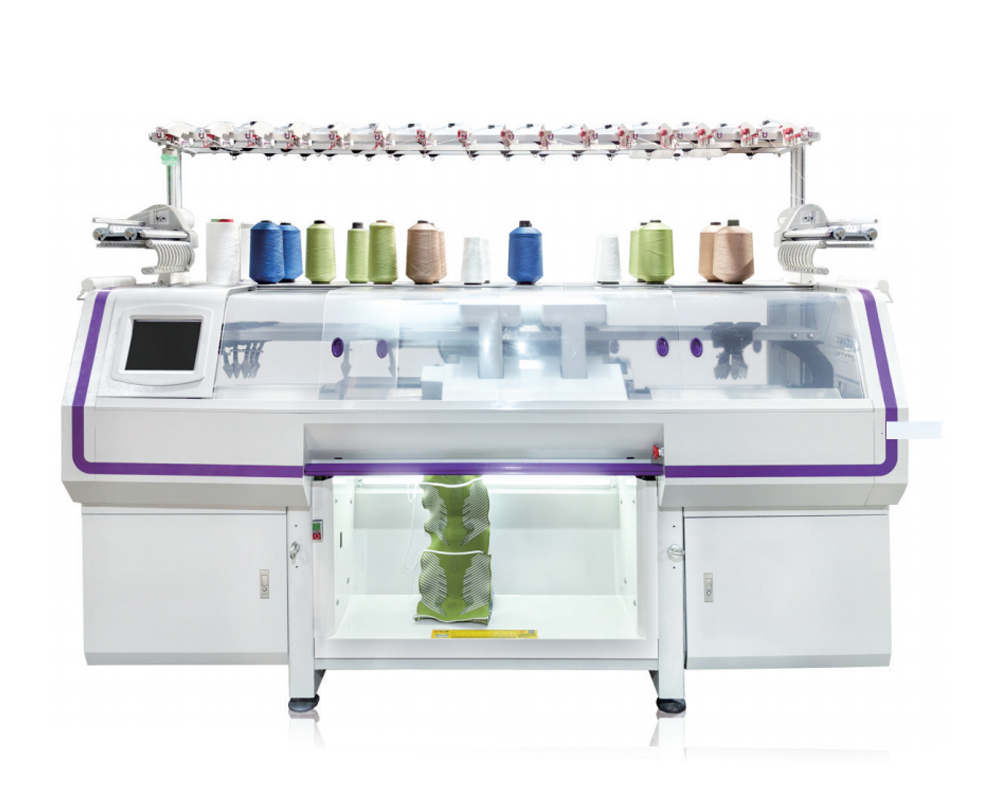
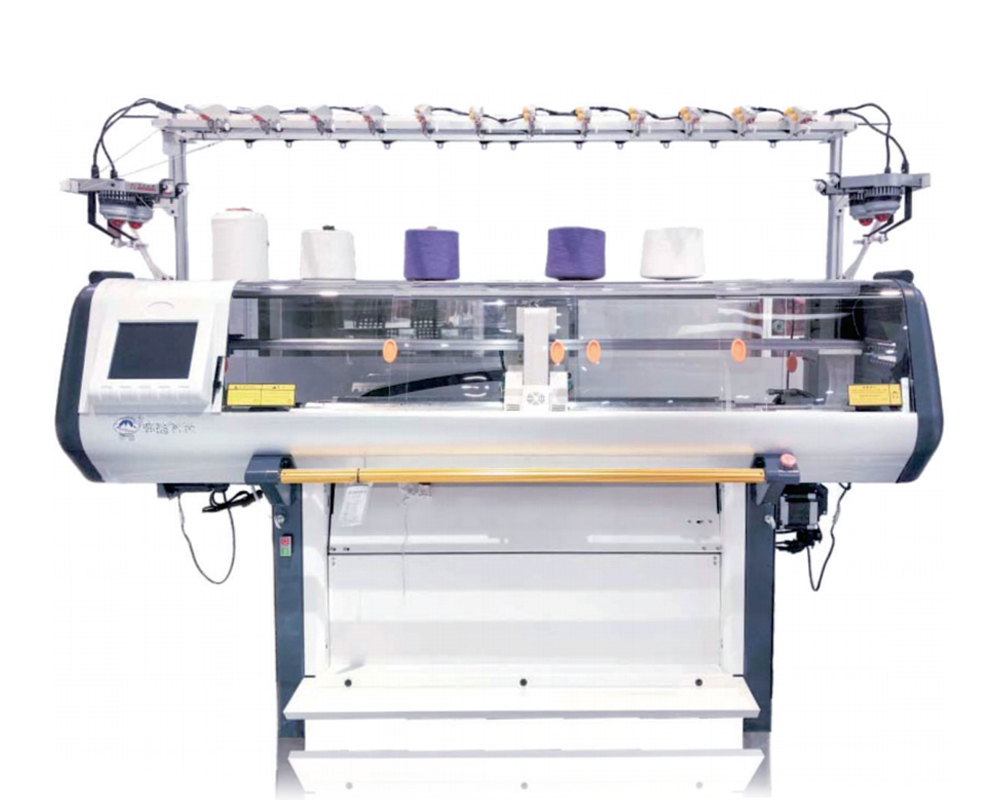
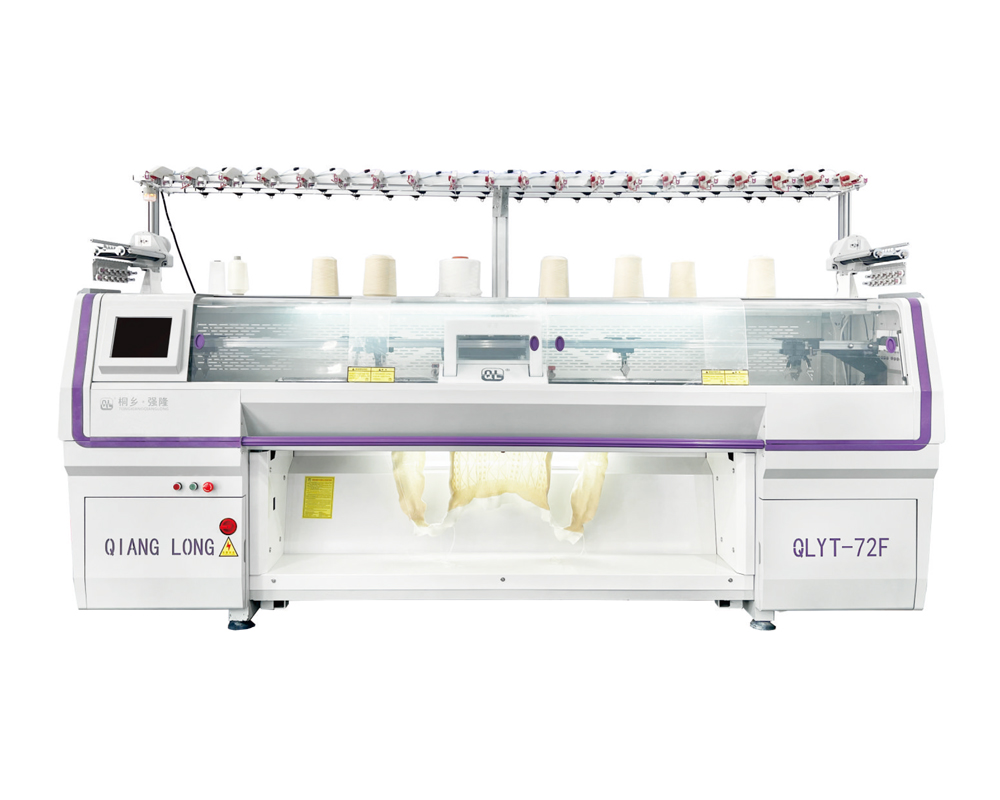
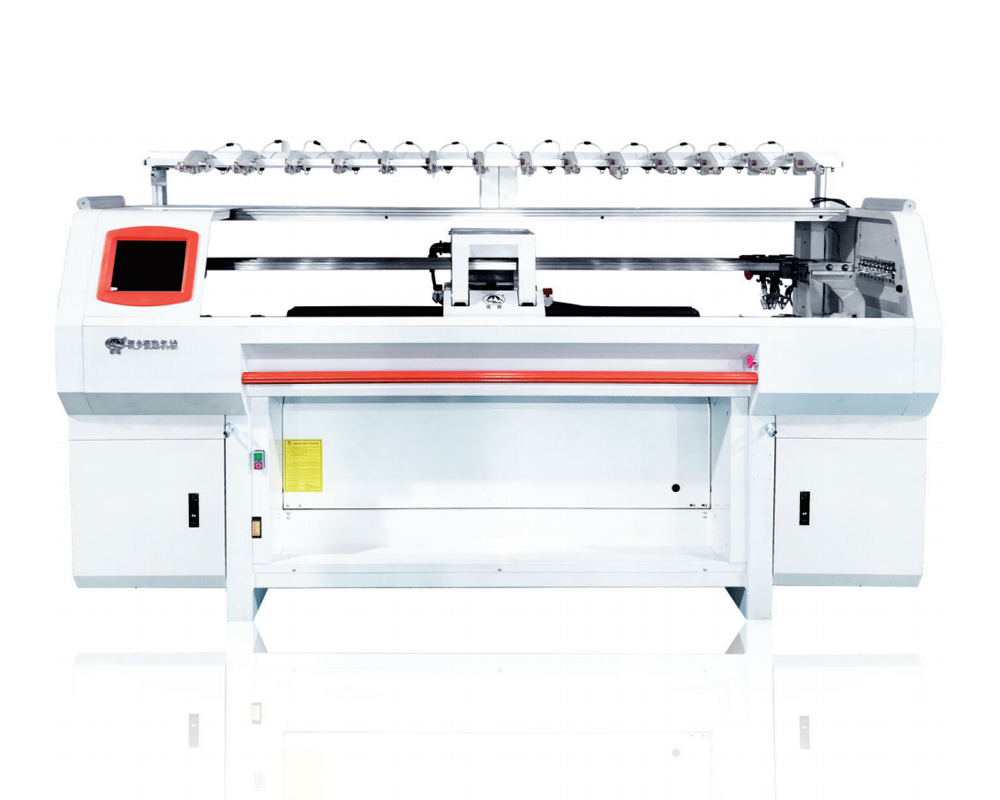
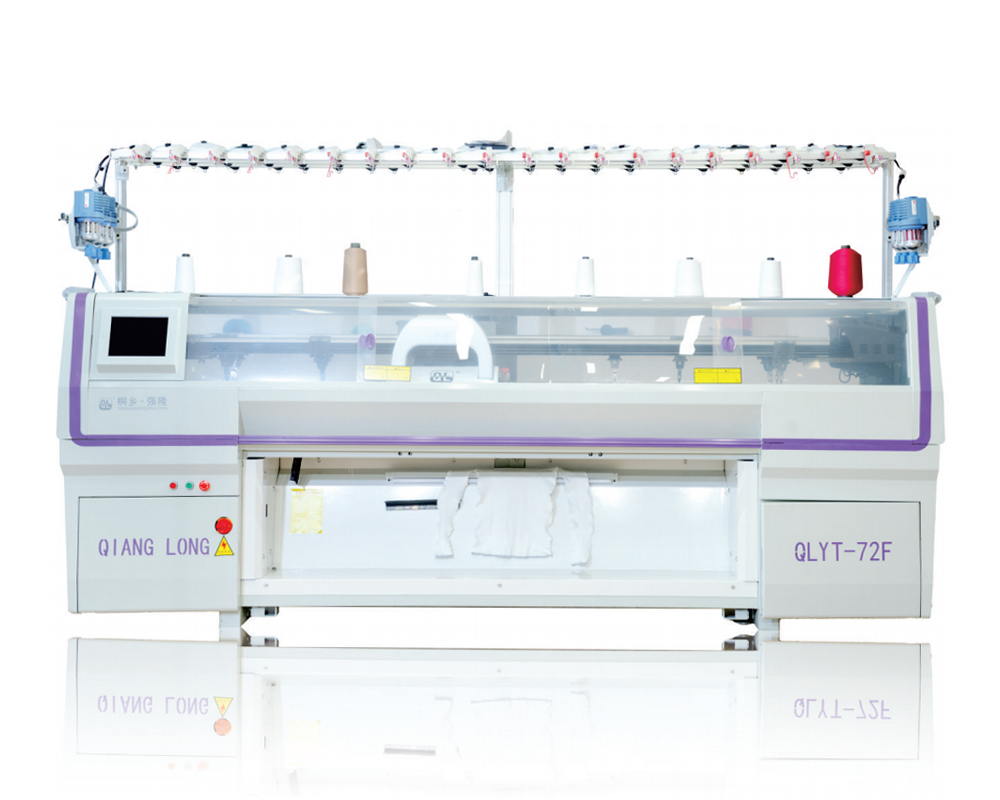
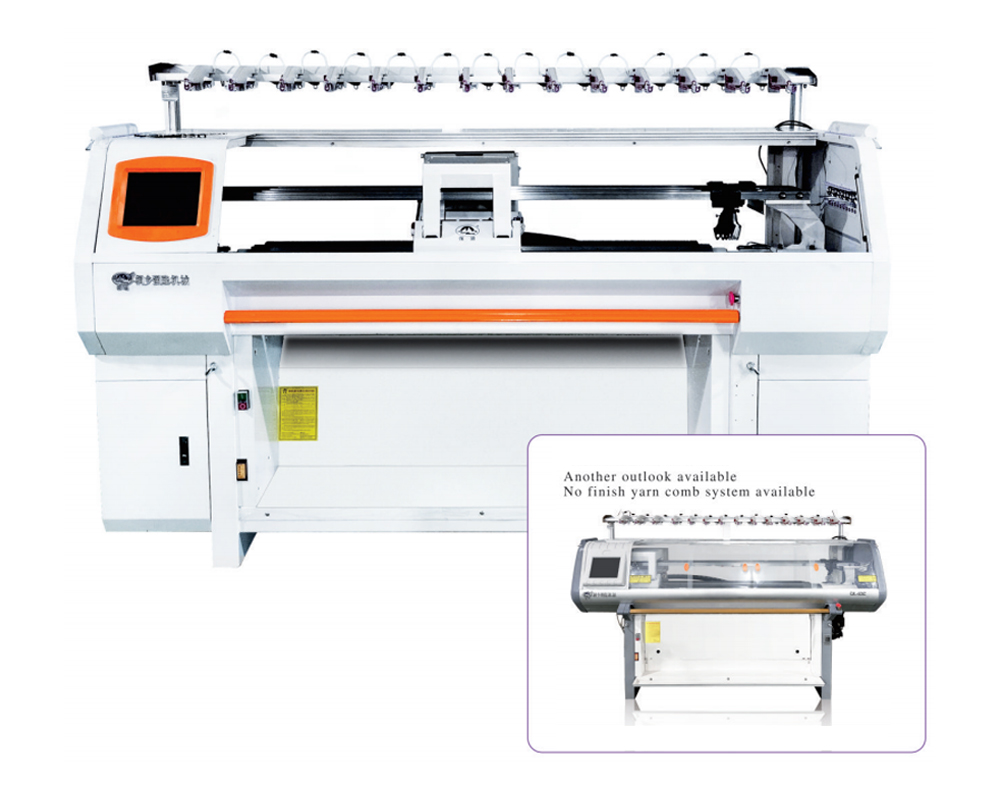
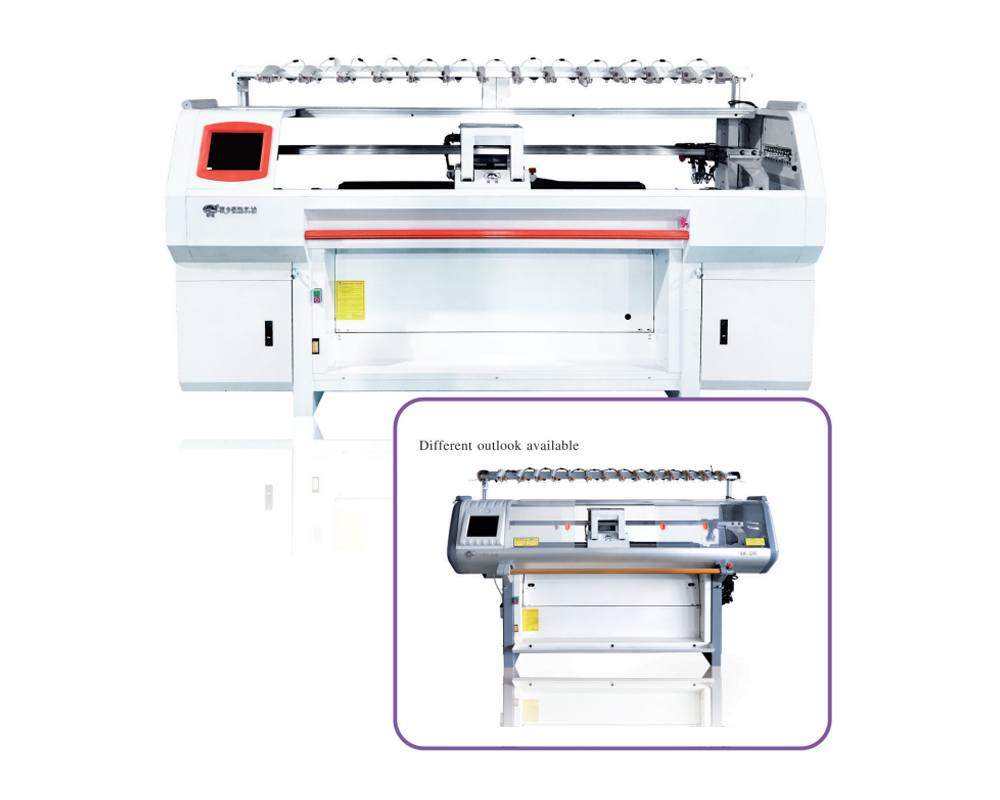
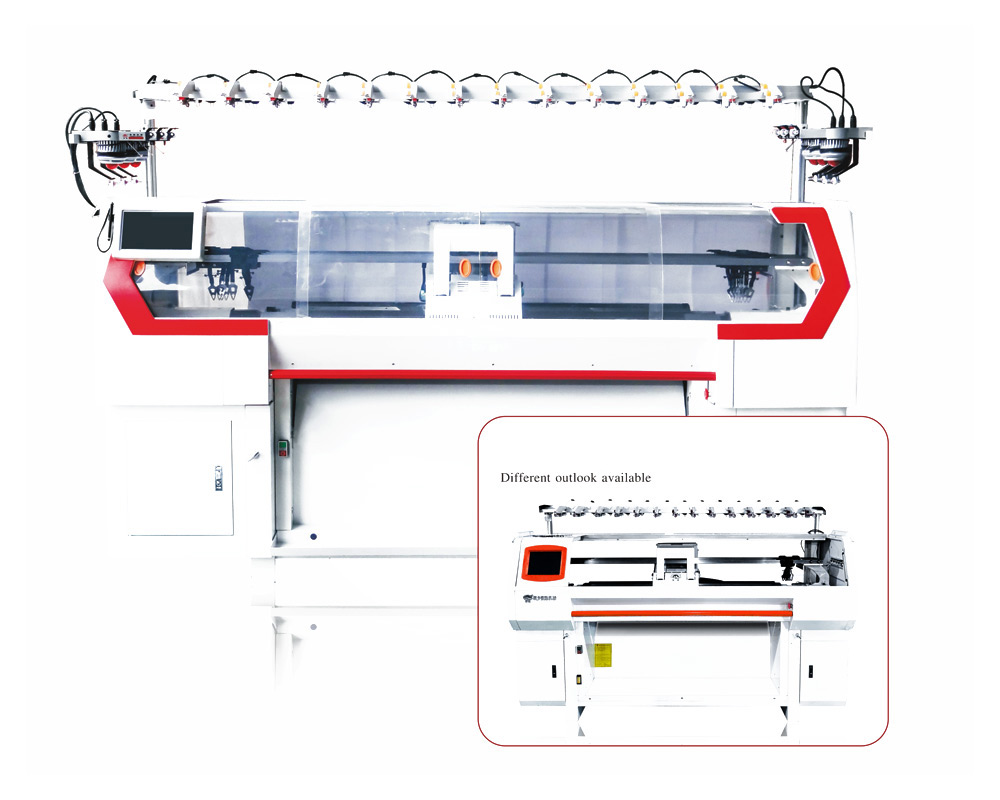

Tongxiang Qianglong Machinery Co., Ltd. is high-tech China wholesale computerized flat knitting machine manufacturers, specialized in designing, developing, and manufacturing Knitting Machinery..
Content
- 1 Knitting Width and Working Area
- 2 Carriage Speed and Running Stability
- 3 Computer Control System and Software Capability
- 4 Yarn Feeding System and Yarn Compatibility
- 5 Stitch Control and Pattern Versatility
- 6 Automation Level and Smart Functions
- 7 Energy Efficiency and Power Consumption
- 8 Maintenance Requirements and Durability
- 9 Key Parameters Comparison Overview
- 10 Making a Practical and Informed Choice
One of the first technical parameters to evaluate when selecting a Smart Running Computerized Flat Knitting Machine is the machine gauge. Gauge refers to the number of needles per inch on the needle bed and directly determines fabric density, texture, and application range. Finer gauges such as 12G, 14G, or 16G are typically used for lightweight garments, fashion knitwear, and high-end textiles, while coarser gauges like 3G to 7G are better suited for sweaters, scarves, and heavy outerwear.
Beyond gauge selection, needle configuration also plays a critical role. High-quality machines use precision-engineered latch or compound needles that ensure smooth yarn movement and reduce breakage. The compatibility of needle types with different yarn materials improves knitting stability and reduces downtime caused by needle wear or deformation.
Knitting Width and Working Area
Knitting width defines the maximum fabric width that the machine can produce in a single run. Standard widths include 36 inches, 52 inches, and wider configurations for specialized production. Choosing the correct width is essential for balancing productivity and cost efficiency, especially for manufacturers producing panels, shaped garments, or seamless components.
A wider working area allows for more complex pattern layouts and higher output per cycle, but it also increases machine footprint and energy consumption. For factories with limited space or focused product lines, a narrower yet highly efficient knitting width may be a more practical choice.
Carriage Speed and Running Stability
The “Smart Running” capability of a computerized flat knitting machine is closely tied to carriage speed and running stability. High-speed carriages significantly boost production efficiency, but only if speed is matched with precise control systems. Advanced servo motors and balanced mechanical structures allow the carriage to move smoothly at high speeds without vibration.
Stable operation minimizes skipped stitches, uneven loops, and yarn tension fluctuations. When evaluating machines, it is important to consider both maximum speed and sustained running performance during long production cycles. A slightly slower but more stable machine often delivers better overall quality and lower maintenance costs.
Computer Control System and Software Capability
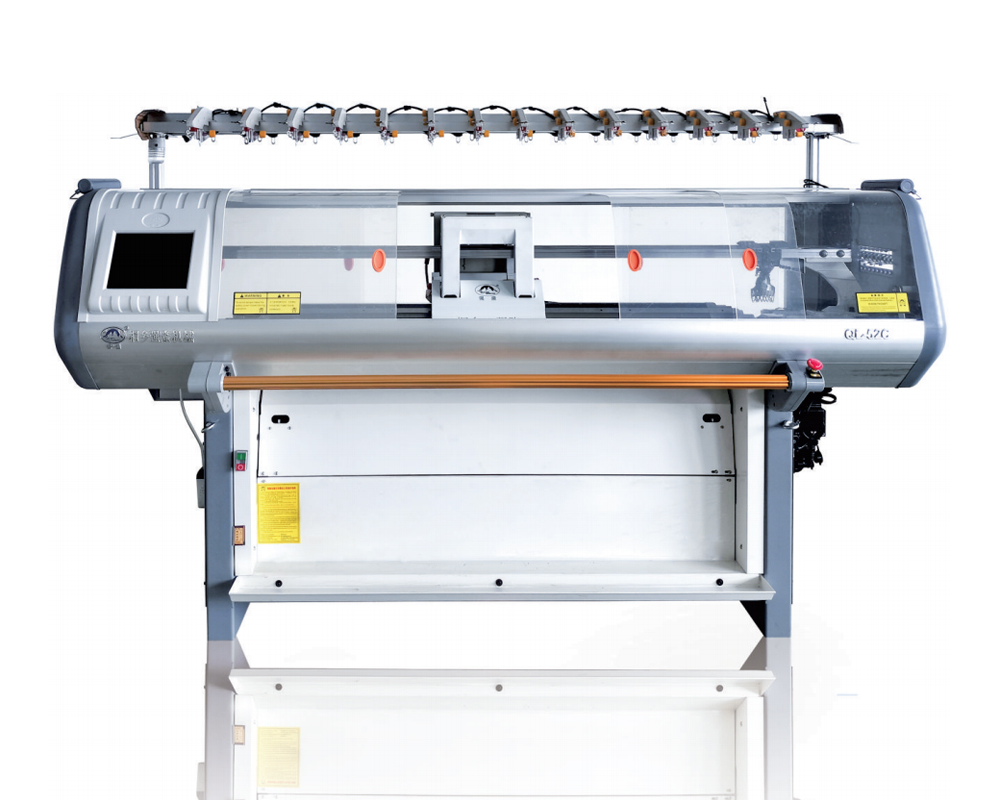
The computerized control system is the core of a Smart Running Computerized Flat Knitting Machine. A modern control unit integrates hardware precision with intelligent software to manage stitch formation, pattern execution, and machine diagnostics. User-friendly interfaces with touchscreen displays simplify operation and reduce the learning curve for technicians.
Equally important is software compatibility. Machines that support common pattern design formats and allow direct file import from CAD systems enable faster sample development and easier pattern modification. Advanced software features such as real-time simulation, error alerts, and remote updates enhance productivity and reduce costly mistakes.
Yarn Feeding System and Yarn Compatibility
A reliable yarn feeding system ensures consistent tension and smooth yarn delivery throughout the knitting process. Smart machines often feature multiple yarn feeders with automatic tension adjustment, allowing them to handle complex color changes and multi-yarn structures without manual intervention.
Compatibility with various yarn types is another key parameter. Whether working with cotton, wool, acrylic, blended yarns, or functional fibers, the machine should maintain stable feeding performance. High-quality yarn feeders reduce friction, prevent yarn breakage, and support consistent fabric quality across different materials.
Stitch Control and Pattern Versatility
Precise stitch control is essential for producing high-quality knitted fabrics. Smart Running Computerized Flat Knitting Machines use electronically controlled needle selection to create a wide range of stitches, including plain, rib, tuck, transfer, and jacquard structures. The accuracy of stitch formation directly affects fabric appearance and dimensional stability.
Pattern versatility is especially important for manufacturers serving diverse markets. Machines that support complex patterns, shaping functions, and variable stitch densities provide greater flexibility and help businesses respond quickly to changing fashion trends and customer requirements.
Automation Level and Smart Functions
Automation is a defining feature of smart knitting equipment. Functions such as automatic needle selection, yarn break detection, and self-diagnosis significantly reduce manual intervention. These features not only improve efficiency but also lower the risk of human error during production.
Some advanced machines include network connectivity, enabling data monitoring, production analysis, and remote troubleshooting. For factories aiming to build intelligent production lines, these smart functions provide valuable insights into machine performance and operational efficiency.
Energy Efficiency and Power Consumption
Energy efficiency is an increasingly important technical consideration. Smart Running Computerized Flat Knitting Machines equipped with energy-saving motors and optimized drive systems consume less power while maintaining high output. Over time, lower energy consumption translates into significant cost savings.
Evaluating power requirements, standby consumption, and overall efficiency helps manufacturers align equipment choices with sustainability goals and local energy regulations. Efficient machines also generate less heat, contributing to a more comfortable working environment.
Maintenance Requirements and Durability
Durability and ease of maintenance directly affect machine lifespan and operating costs. High-quality frames, precision components, and wear-resistant materials ensure stable performance under continuous operation. Machines designed for easy access to key components simplify routine maintenance and reduce downtime.
Clear maintenance alerts and diagnostic functions further enhance reliability. By identifying potential issues early, smart machines help prevent major failures and extend service life, making them a more sustainable investment.
Key Parameters Comparison Overview
| Parameter | Impact on Production | Why It Matters |
| Gauge | Fabric density | Defines product type |
| Knitting Width | Output capacity | Affects efficiency |
| Control System | Pattern accuracy | Ensures precision |
Making a Practical and Informed Choice
Choosing the right Smart Running Computerized Flat Knitting Machine requires a balanced evaluation of technical parameters, production goals, and long-term operational needs. Instead of focusing on a single specification, manufacturers should consider how gauge, speed, control systems, and automation features work together to support consistent quality and efficiency.
By carefully assessing these key technical parameters, businesses can invest in a machine that not only meets current production demands but also supports future growth, innovation, and smart manufacturing strategies.
