
 English
 简体中文
简体中文
 Chinese
 English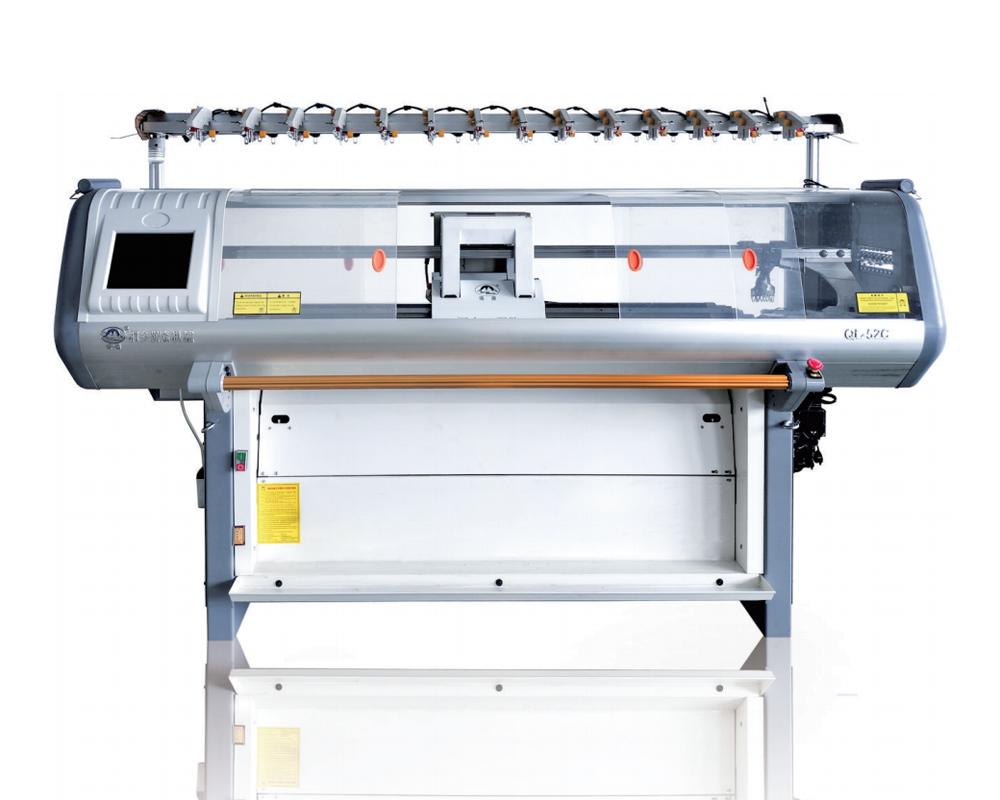
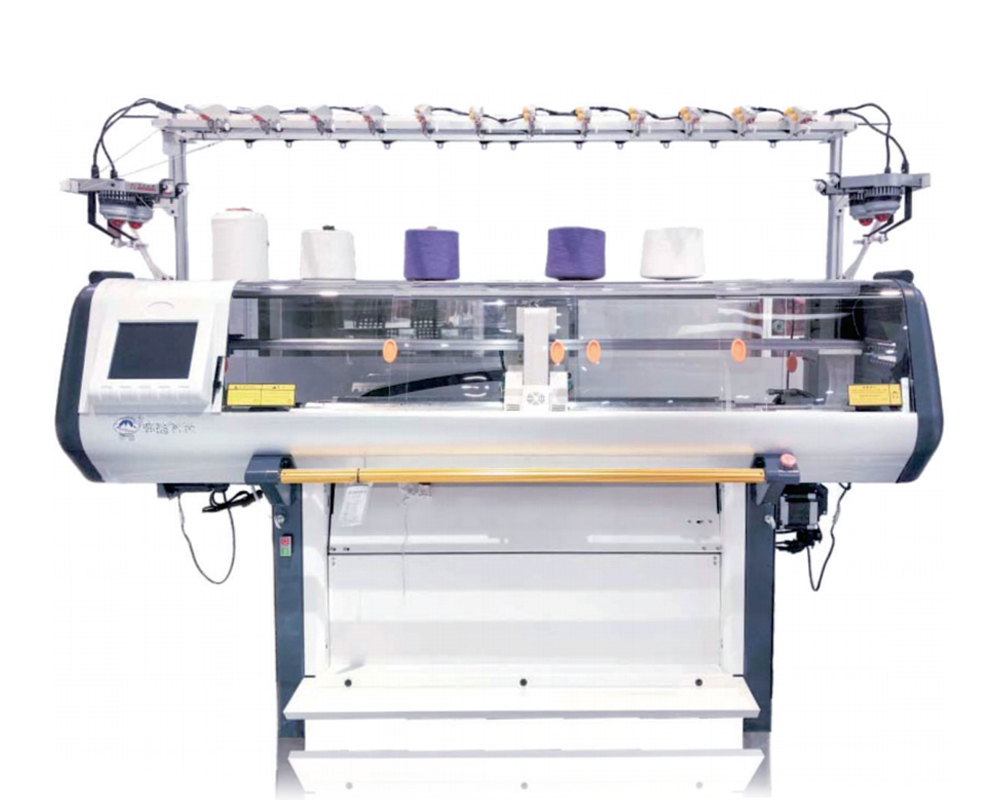
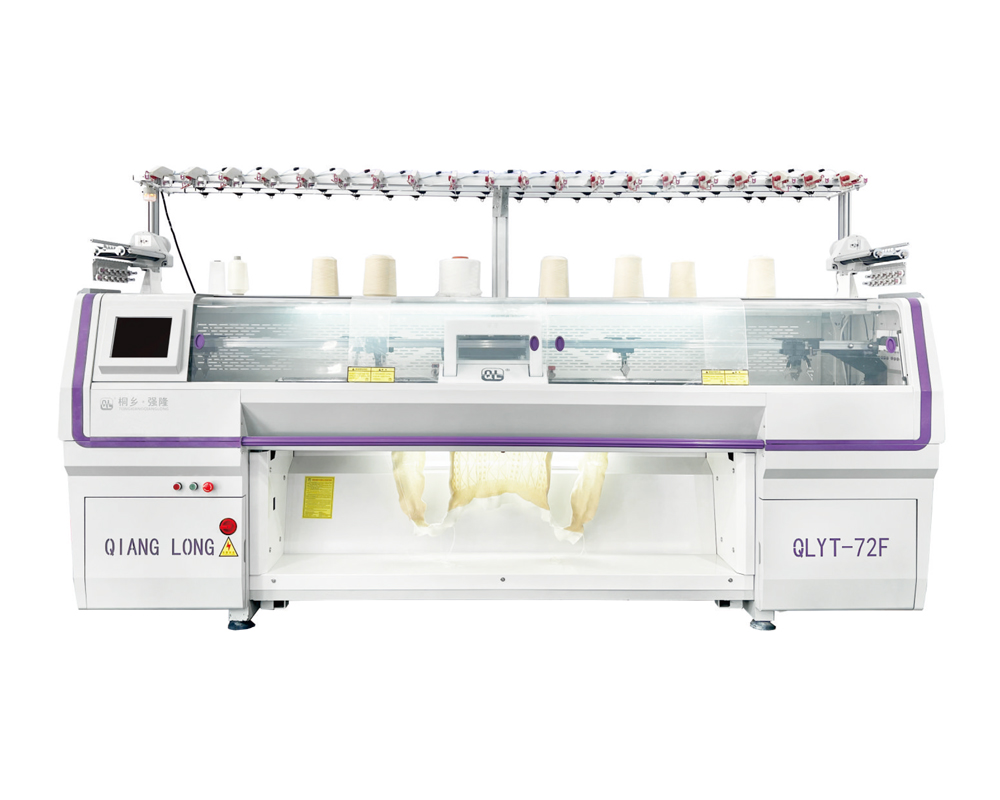
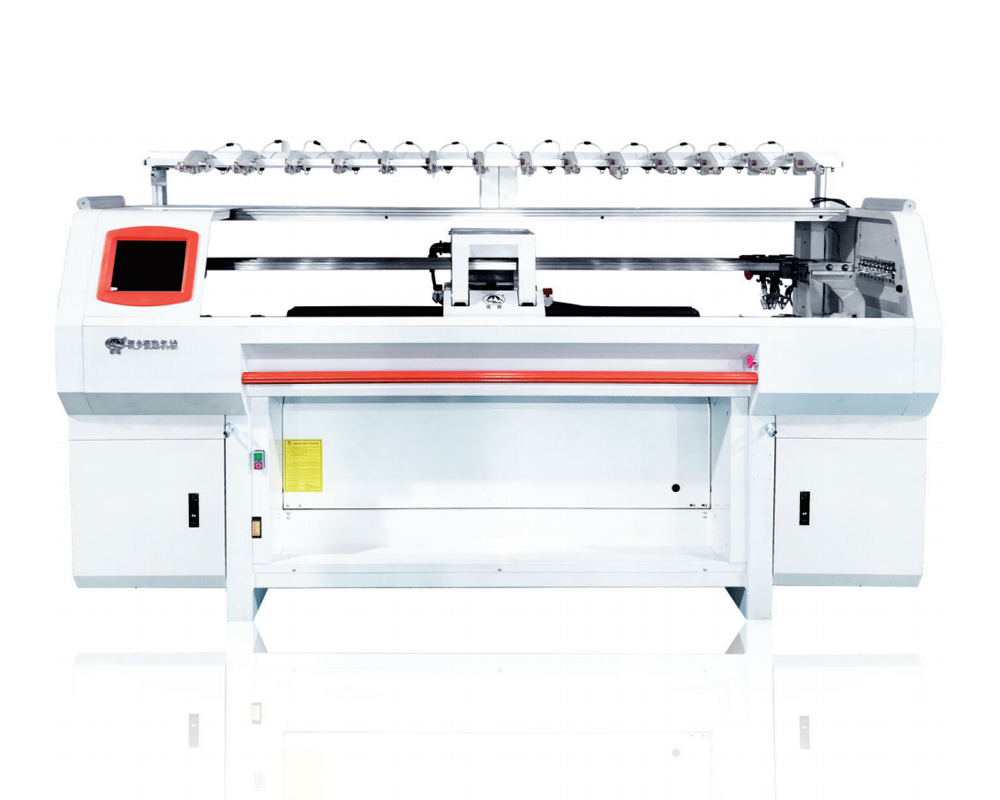
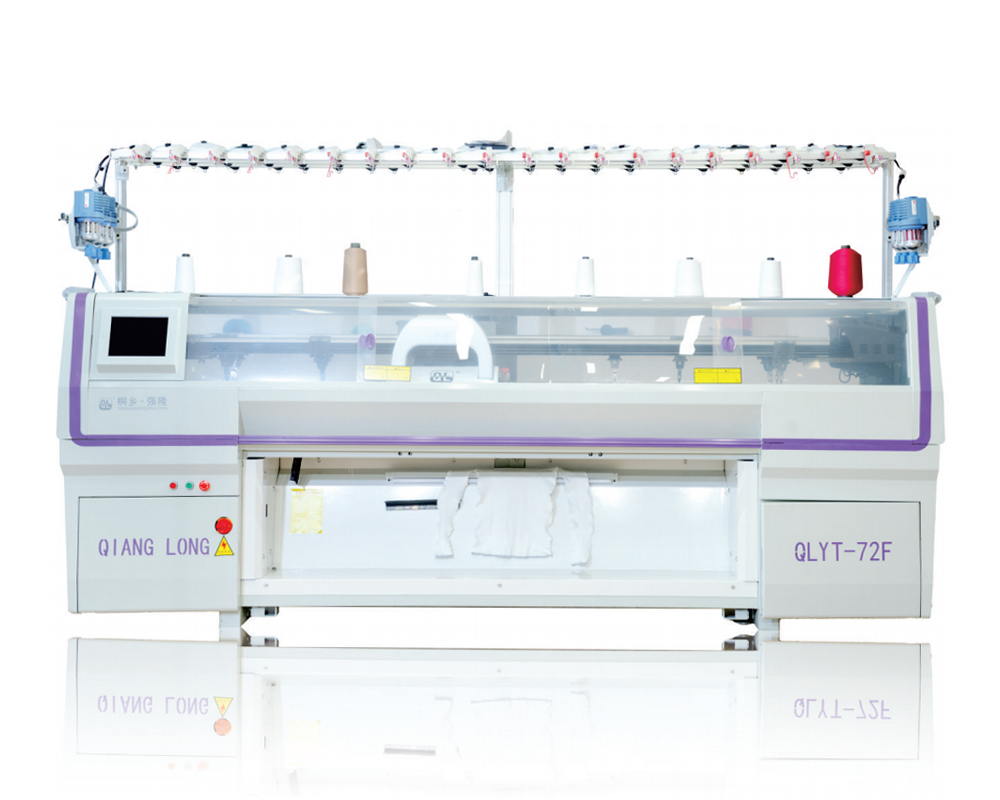
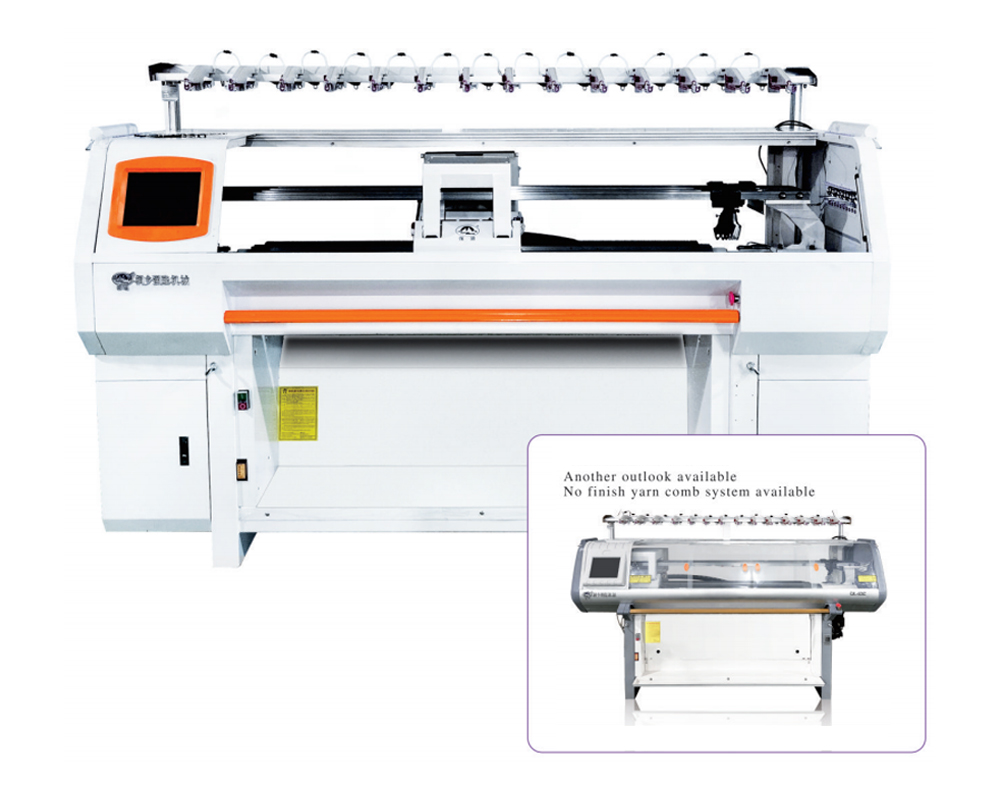
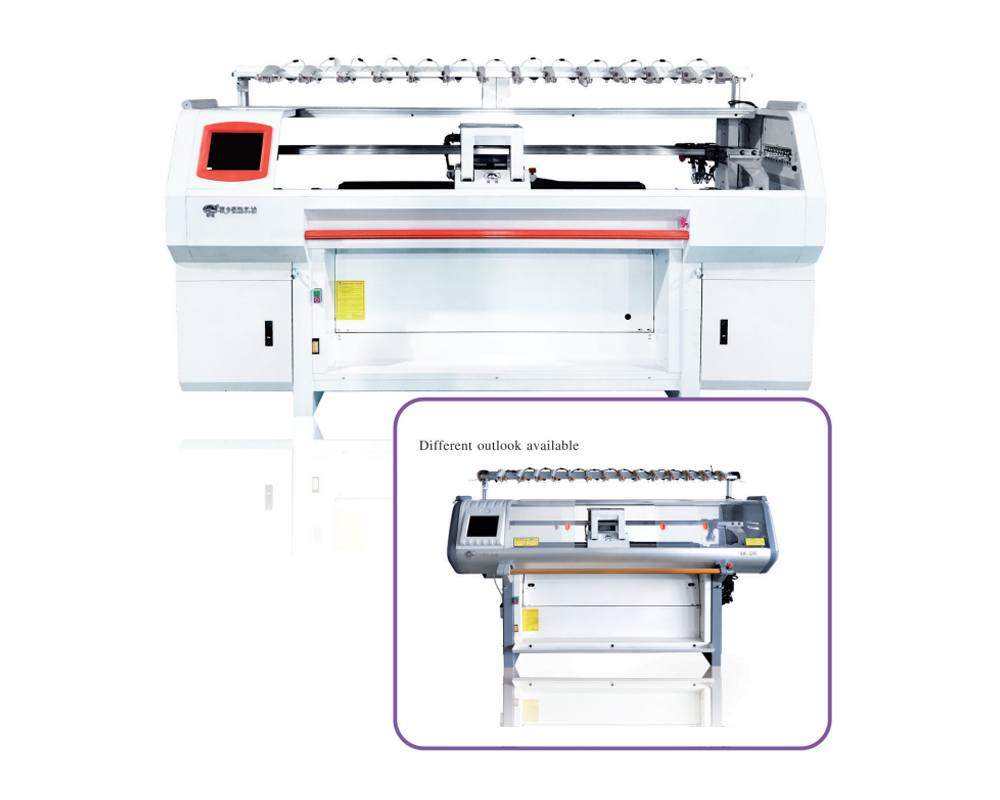
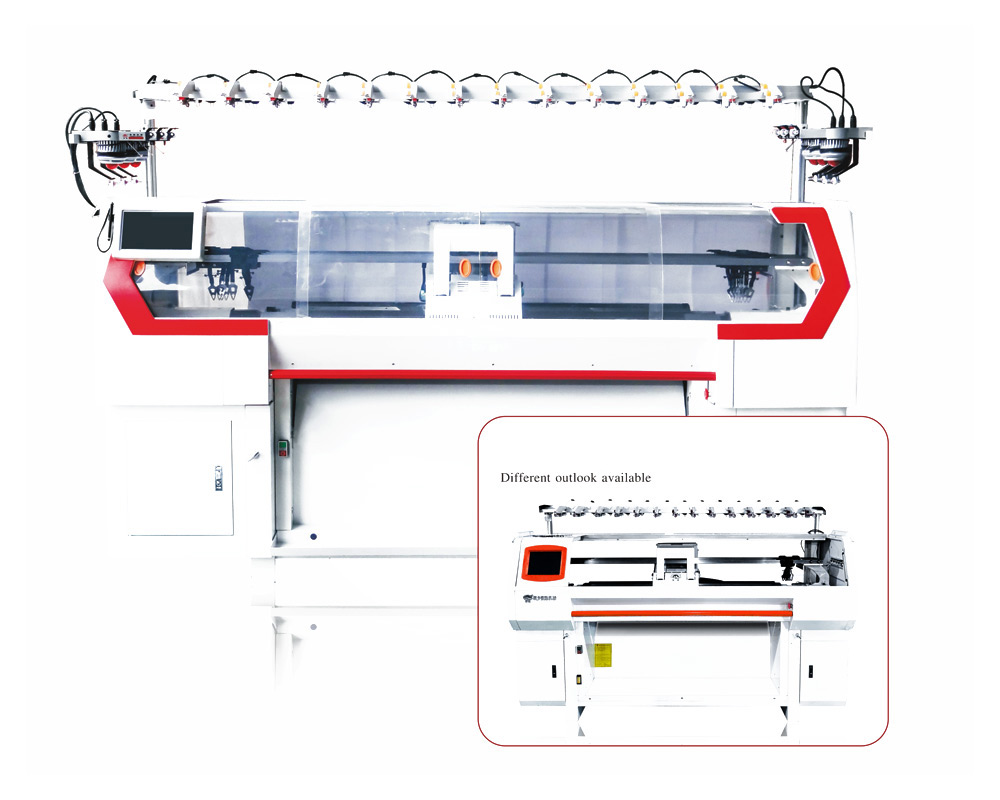

Tongxiang Qianglong Machinery Co., Ltd. is high-tech China wholesale computerized flat knitting machine manufacturers, specialized in designing, developing, and manufacturing Knitting Machinery..
Content
- 1 Understanding the Double System Computerized Flat Knitting Machine
- 2 How the Double System Improves Production Efficiency
- 3 Fabric Quality and Design Flexibility
- 4 Comparing Double System and Single System Machines
- 5 Maintenance Practices That Protect Machine Performance
- 6 Practical Considerations Before Purchasing
Understanding the Double System Computerized Flat Knitting Machine
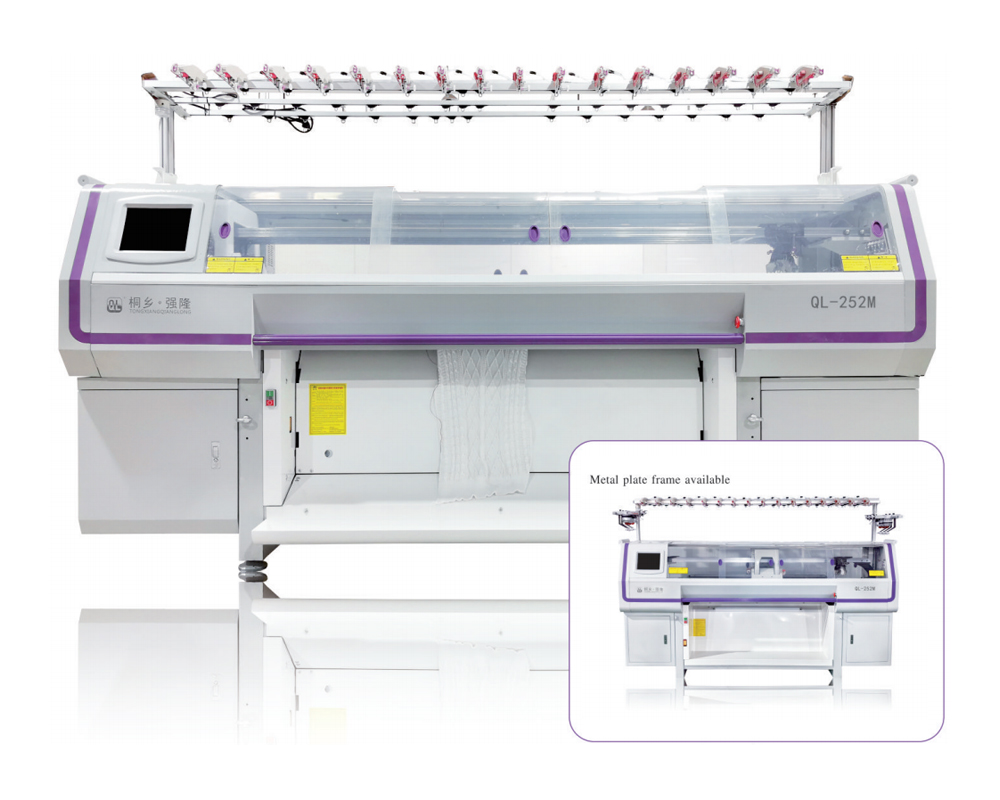
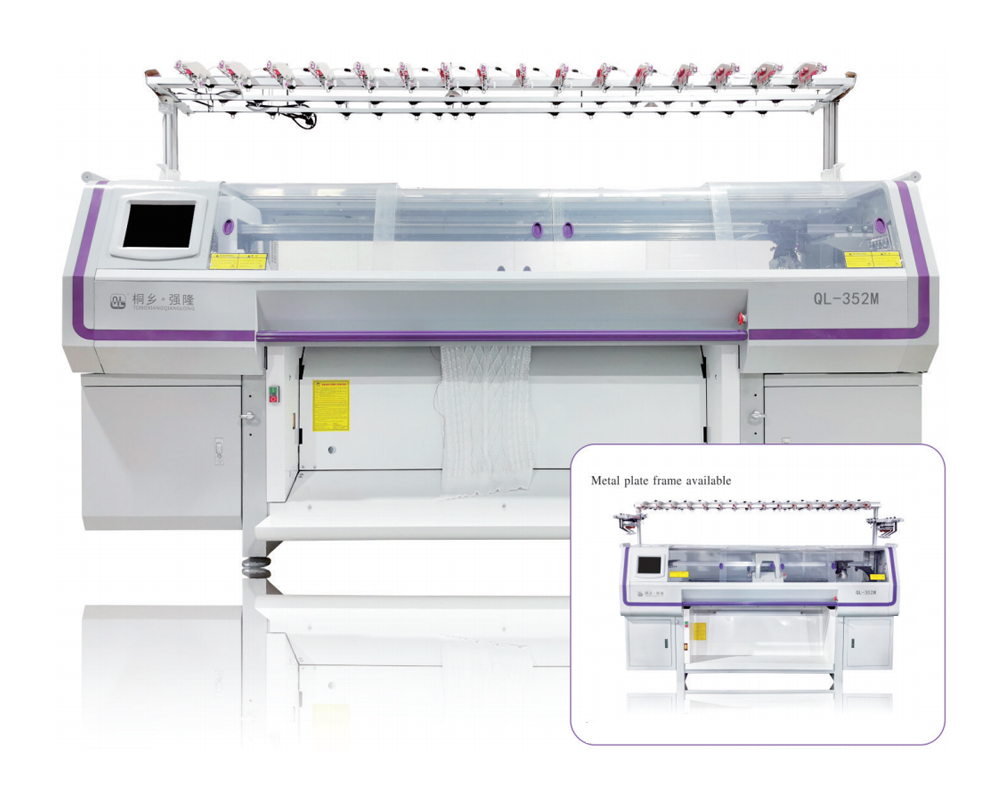
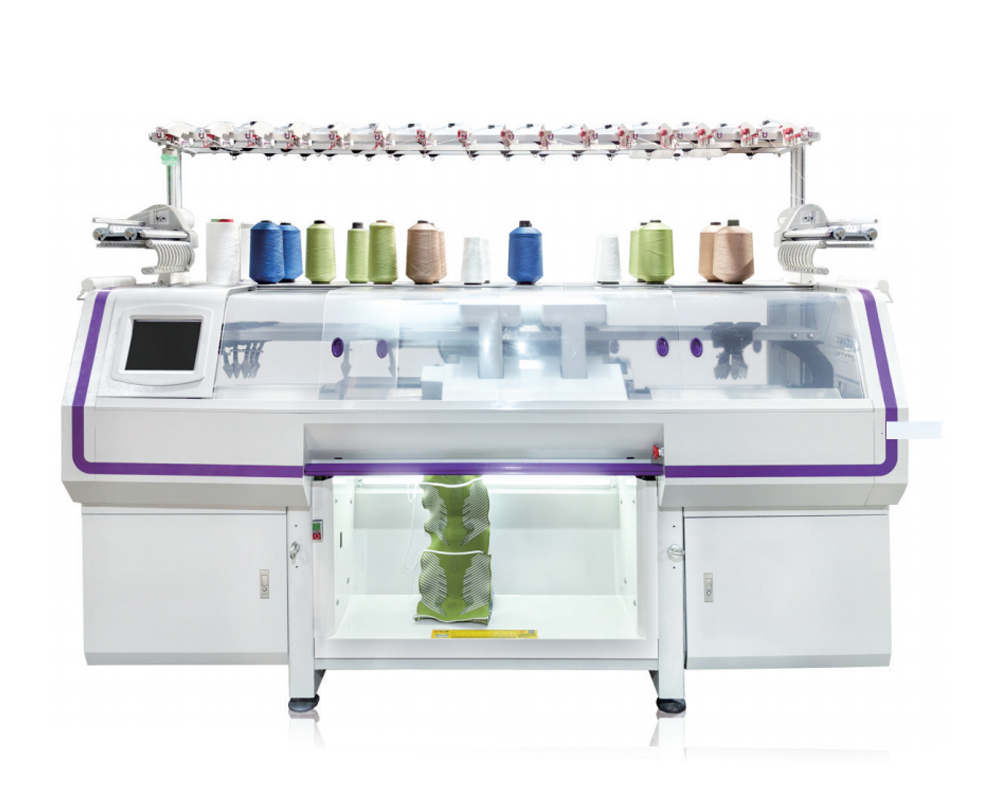
A double system computerized flat knitting machine is a type of industrial knitting equipment that uses two independent yarn feeding and needle-selection systems working across the same needle bed. Instead of relying on a single carriage pass to form one row of stitches, this machine processes two courses per carriage stroke. This structural difference is what separates it from single system machines, and it directly affects production speed, fabric versatility, and overall manufacturing cost. Factories that produce sweaters, cardigans, scarves, and other flat-knitted garments often choose double system machines when they need higher throughput without sacrificing pattern complexity.
The "computerized" part of the name refers to the electronic control system that manages needle selection, stitch density, yarn tension, and carriage movement through a digital interface rather than mechanical cams. Operators program patterns using specialized software, then transfer the design to the machine's controller. This automation reduces the manual adjustments that older mechanical machines required and makes it easier to switch between different garment styles during a single production run.
How the Double System Improves Production Efficiency
The primary advantage of a double system is speed. Because two systems knit simultaneously in one carriage pass, the machine can produce roughly twice the fabric length of a single system machine operating at the same carriage speed. For manufacturers working with tight delivery schedules or high-volume orders, this translates into shorter lead times and lower labor cost per unit of output.

Beyond raw speed, the double system also allows for more balanced machine wear. Since the workload is distributed across two feeding systems rather than concentrated on one, individual components such as yarn carriers and needle selectors experience less continuous strain during long production cycles. This can extend the service life of certain parts and reduce the frequency of mid-run maintenance stops.
Key Efficiency Factors
- Two courses knitted per carriage pass instead of one
- Reduced idle time between pattern changes
- Lower energy consumption per meter of finished fabric
- More consistent stitch formation across long production batches
Fabric Quality and Design Flexibility
A common concern with faster knitting equipment is whether speed compromises fabric quality. With double system computerized flat knitting machines, quality is generally preserved because each system still operates under precise electronic control. Needle selection accuracy, yarn tension calibration, and stitch density settings are managed independently for each system, which means the machine can maintain uniformity even while running at higher output rates.
Design flexibility is another strong point. Computerized control allows manufacturers to program intricate patterns, including intarsia, jacquard, cable stitches, and rib structures, without physically changing mechanical parts. Pattern data can be stored, edited, and reused, which is particularly useful for brands that release seasonal collections requiring frequent design changes. The double system does not limit this flexibility; instead, it allows complex patterns to be produced at a faster pace than would be possible on single system equipment.
Comparing Double System and Single System Machines
Choosing between a double system and single system machine depends on production volume, budget, and the complexity of the garments being manufactured. The table below outlines the practical differences that typically influence purchasing decisions.
| Feature | Single System | Double System |
| Courses per carriage pass | One | Two |
| Production speed | Lower | Higher |
| Initial investment cost | Lower | Higher |
| Best suited for | Small batches, sampling | Bulk production, tight deadlines |
| Maintenance complexity | Simpler | Moderately more involved |
Manufacturers producing samples, prototypes, or small custom orders may find a single system machine sufficient, since the lower cost and simpler operation fit smaller-scale needs. However, businesses fulfilling large wholesale orders or operating multiple production lines typically find that the higher throughput of a double system machine offsets the greater upfront investment within a reasonable payback period.
Maintenance Practices That Protect Machine Performance
Because a double system machine handles a heavier workload per cycle, routine maintenance becomes even more important for keeping output consistent. Dust and lint buildup around needle beds can interfere with needle selection accuracy, so daily cleaning is recommended in most production environments. Lubrication schedules should also be followed closely, since both feeding systems rely on smooth mechanical movement to maintain synchronized stitch formation.
Recommended Maintenance Checklist
- Inspect and clean needle beds daily to prevent lint accumulation
- Check yarn tension settings before starting each new pattern
- Lubricate carriage rails and needle tracks according to the manufacturer's schedule
- Update and back up pattern software regularly to avoid data loss
- Schedule professional servicing for electronic control components at least twice a year
Following a consistent maintenance routine not only reduces unplanned downtime but also protects the precision of the computerized control system, which is essential for maintaining fabric quality across long production runs.
Practical Considerations Before Purchasing
Before investing in a double system computerized flat knitting machine, manufacturers should evaluate their expected order volume, the variety of designs they plan to produce, and the technical training available for operators. Since the machine relies heavily on software-driven pattern control, having staff who understand both the mechanical and digital aspects of operation is critical for getting full value from the equipment.
It is also worth considering after-sales support from the equipment supplier, including availability of spare parts, software updates, and technical training. A machine with strong support infrastructure will generally deliver more reliable long-term performance, even if its initial price is slightly higher than competing options.
In summary, a double system computerized flat knitting machine offers a practical path to higher production capacity without sacrificing pattern complexity or fabric consistency. For manufacturers scaling up operations or managing demanding order volumes, the combination of speed, flexibility, and precise electronic control makes this equipment a strong candidate for long-term investment.
