
 English
 简体中文
简体中文
 Chinese
 English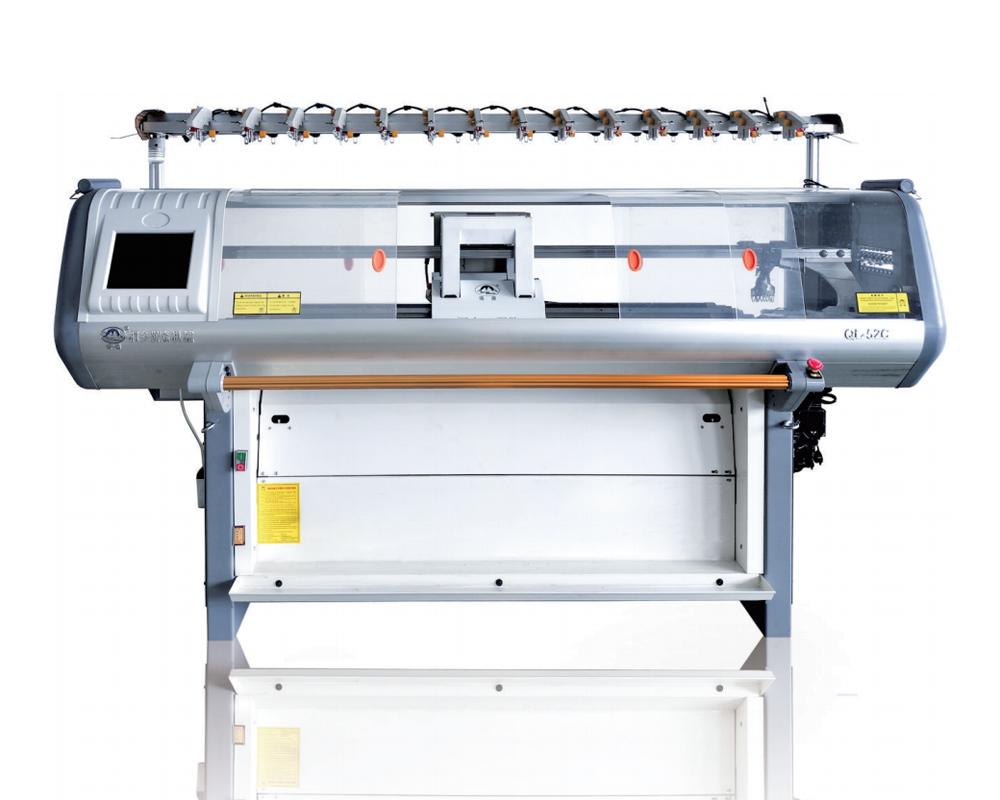
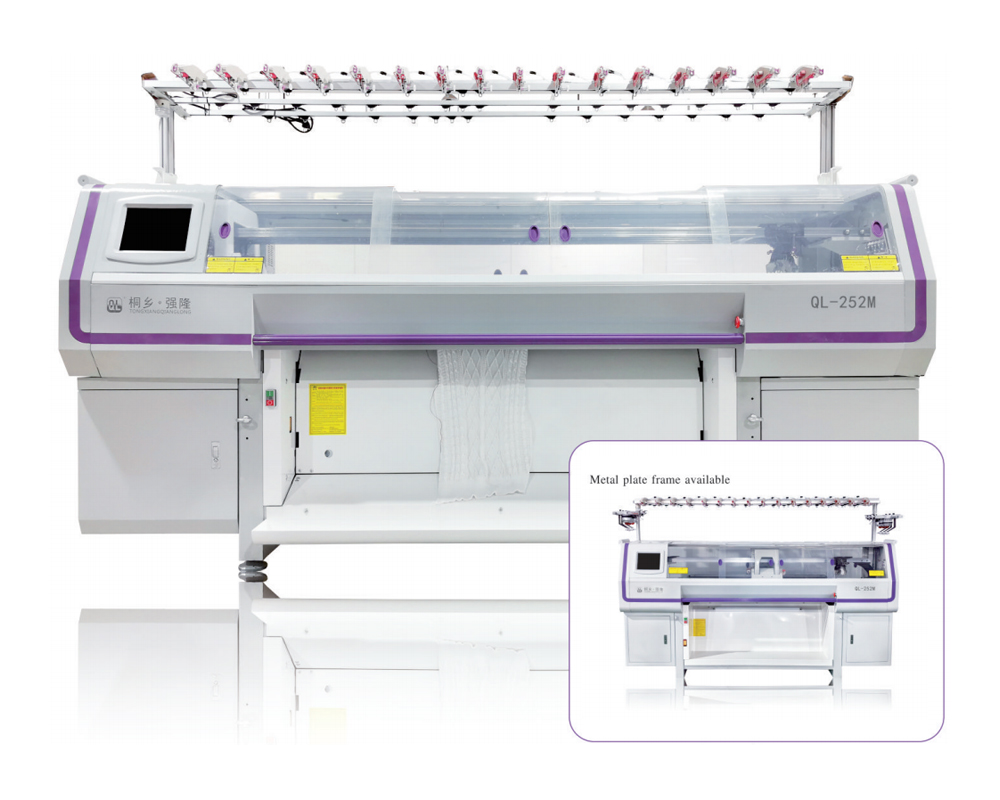
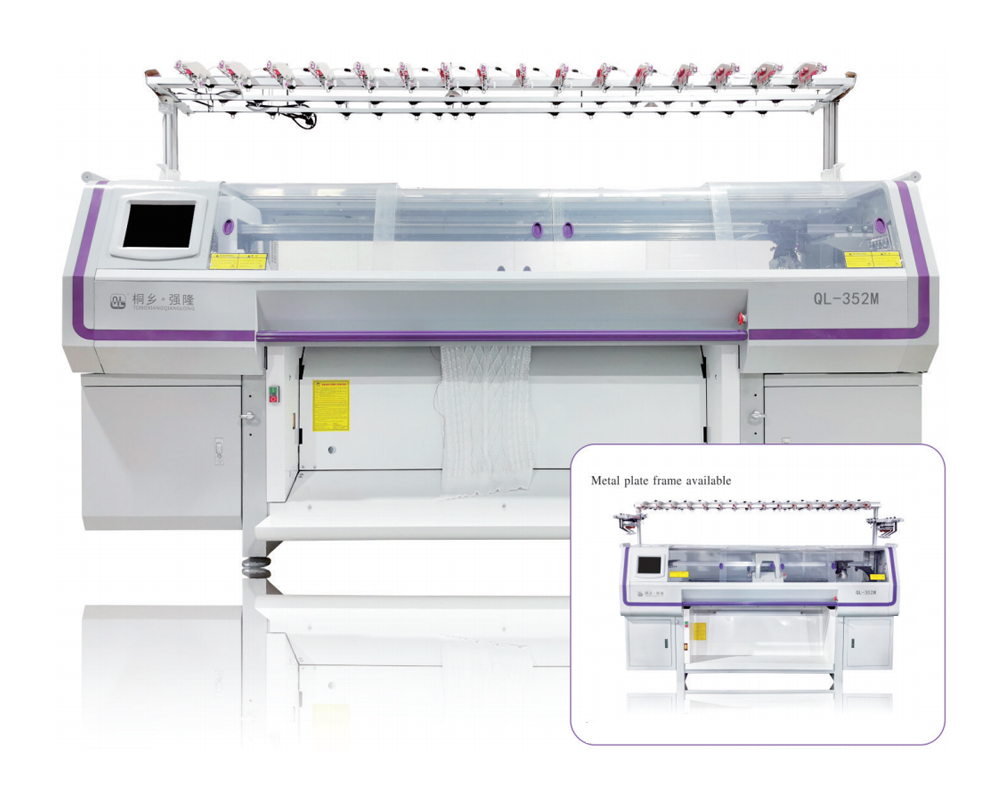
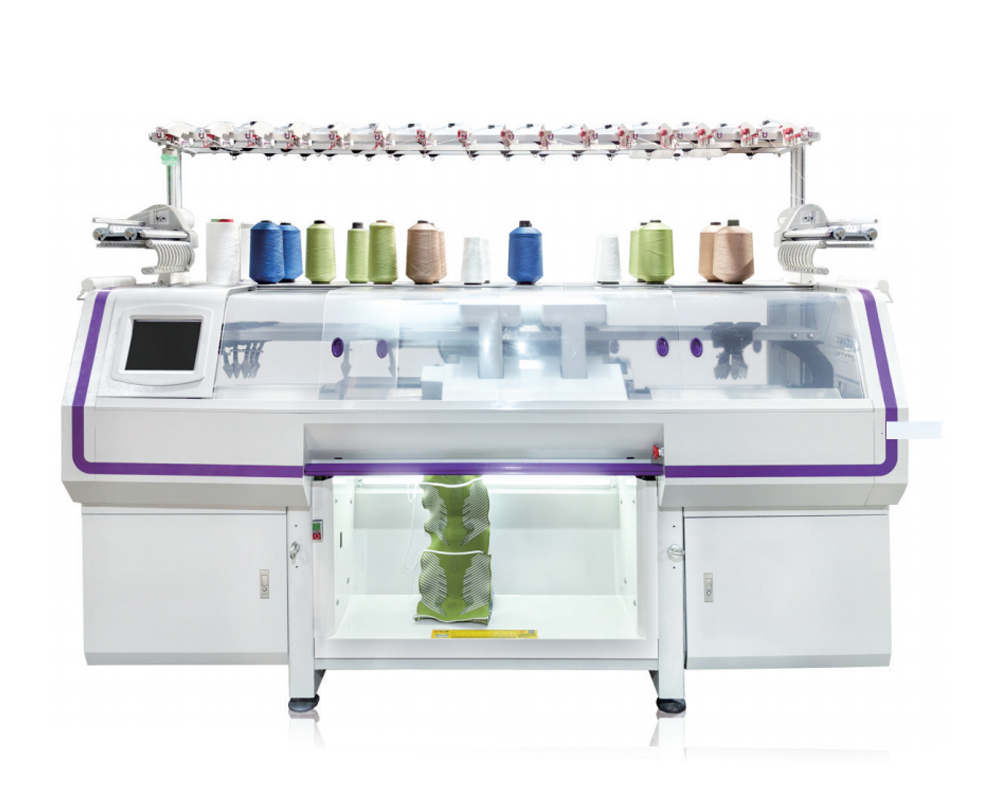
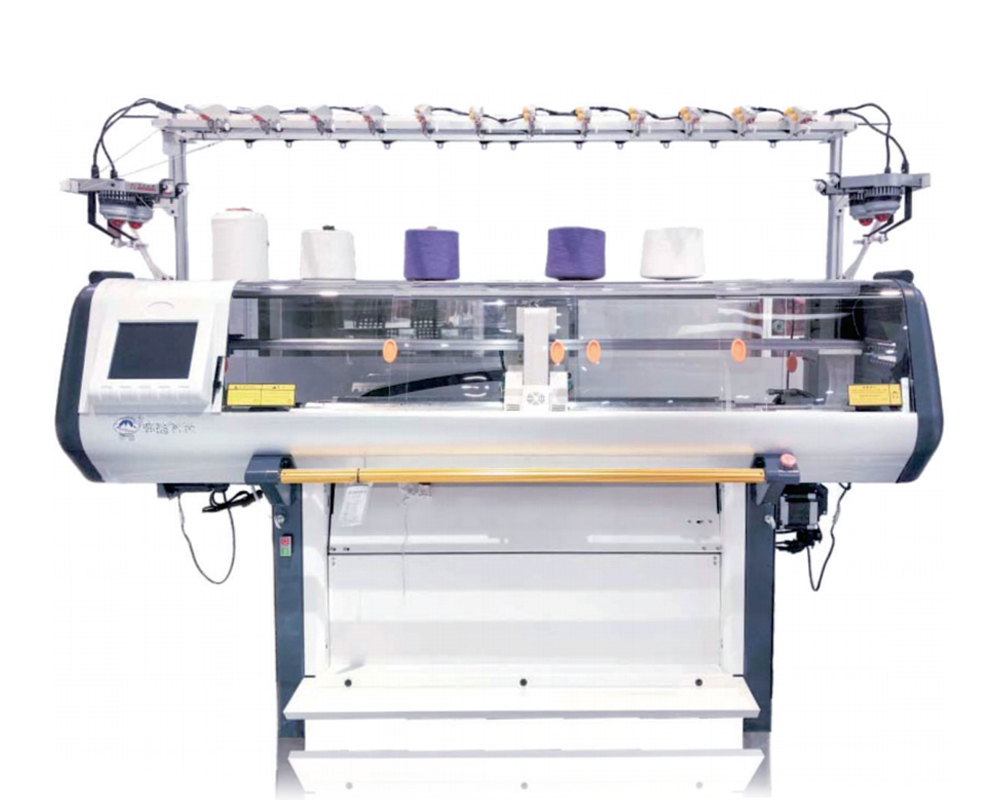
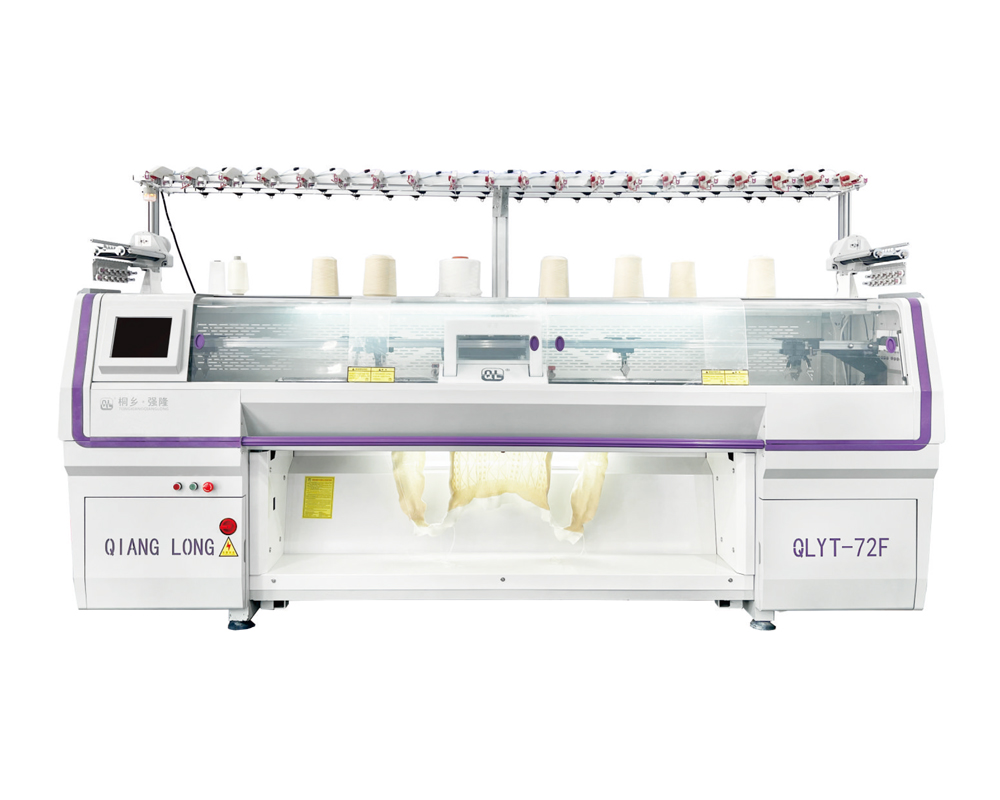
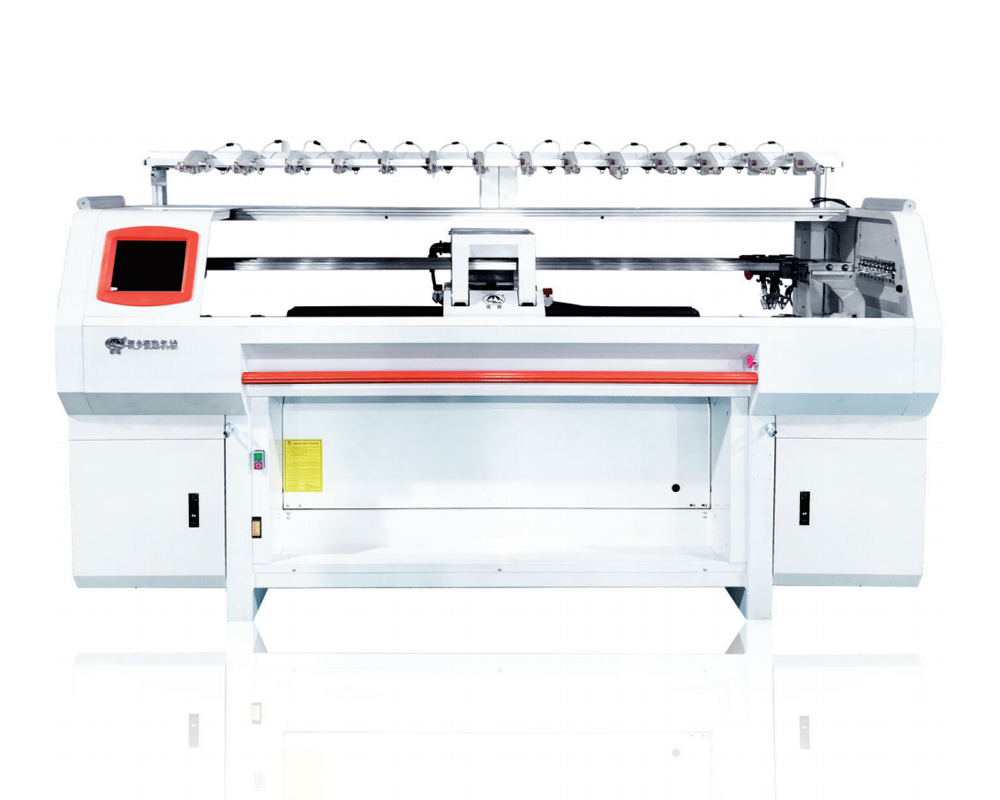
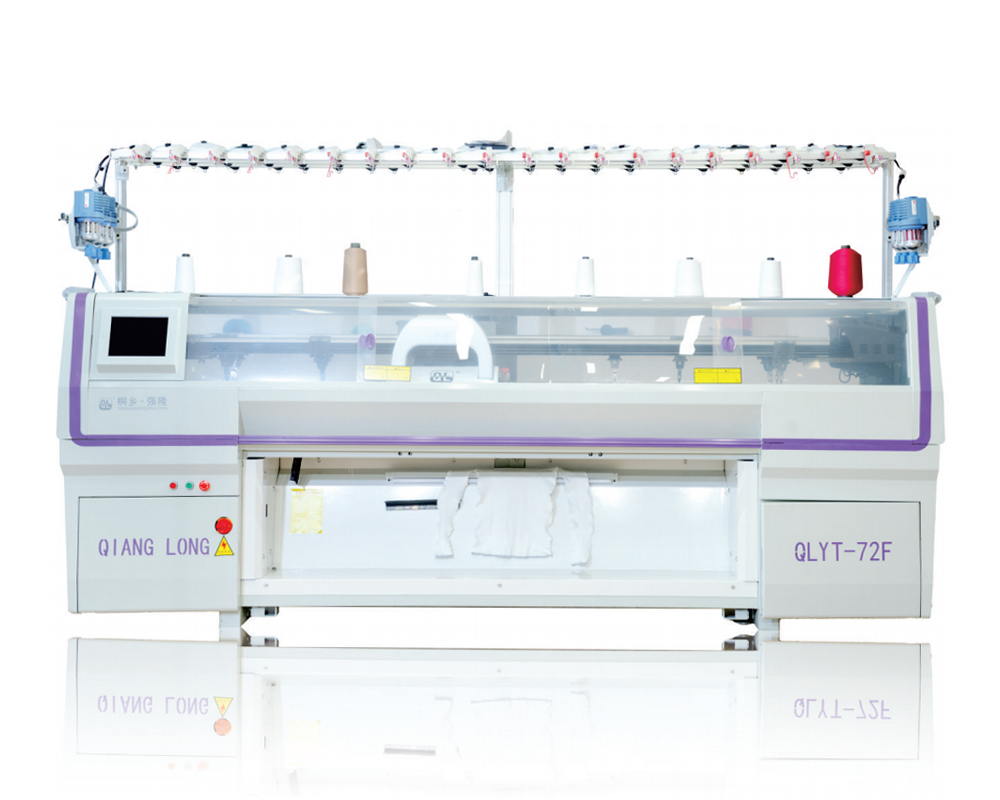
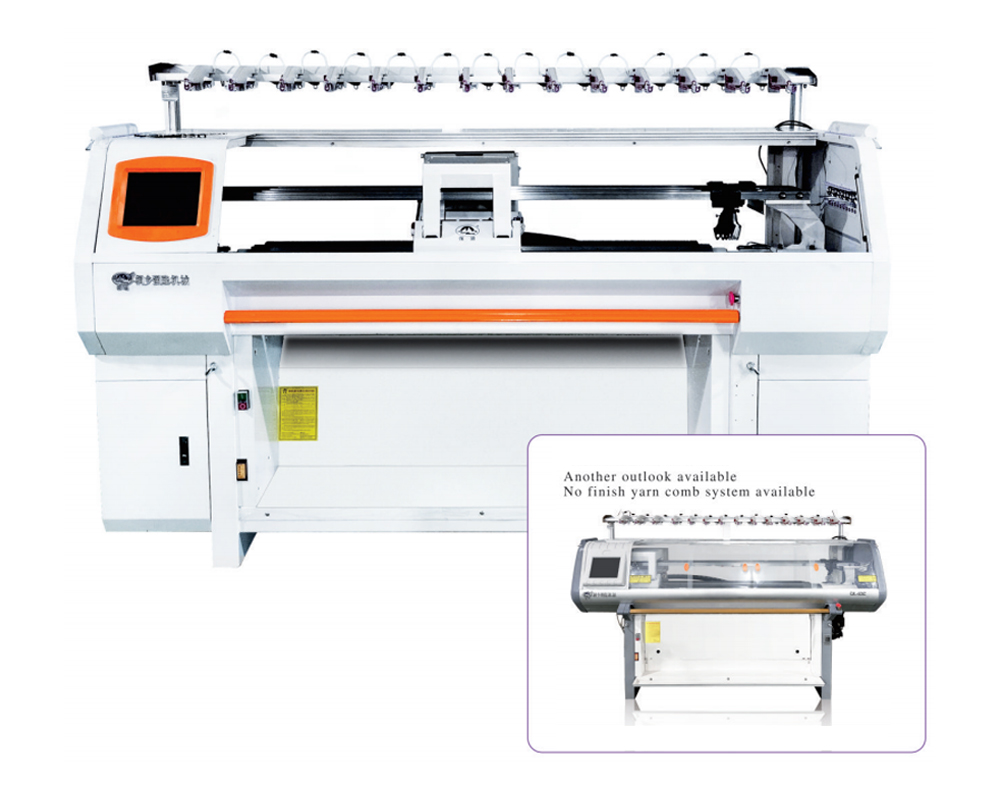
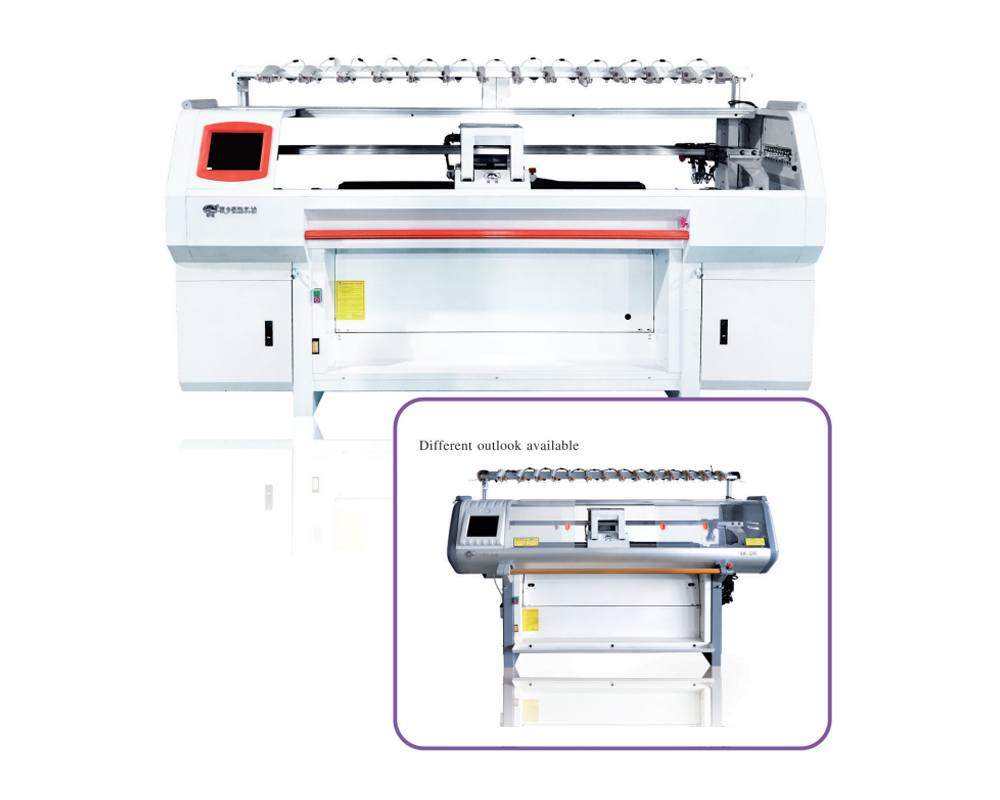
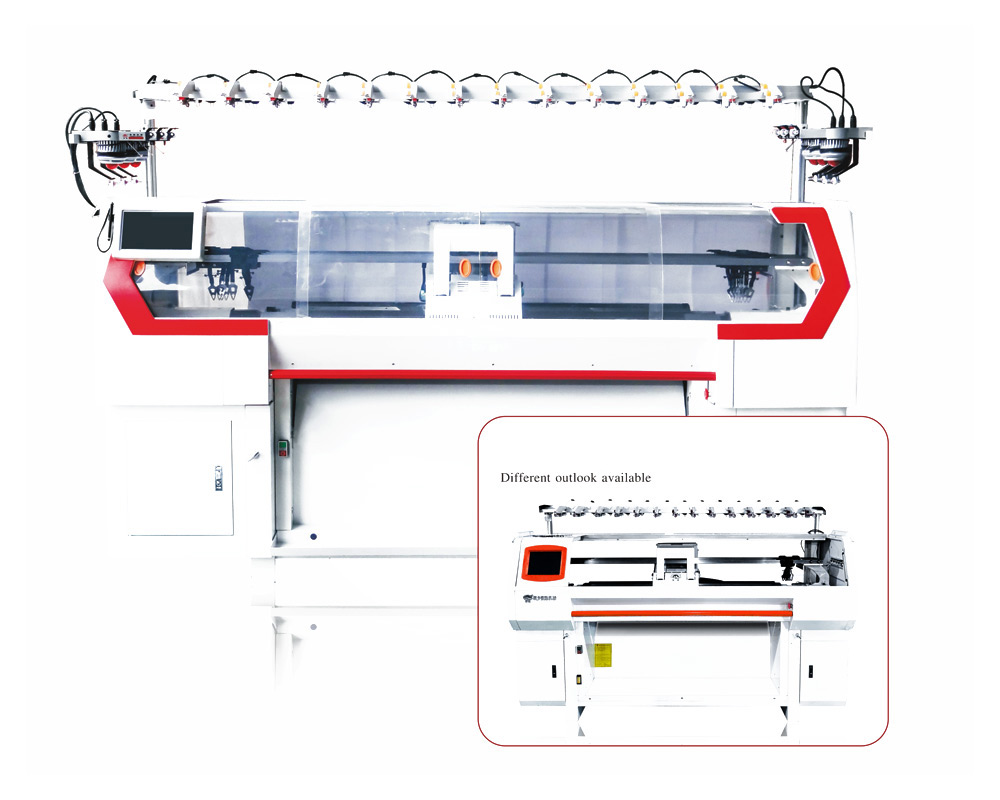

Tongxiang Qianglong Machinery Co., Ltd. is high-tech China wholesale computerized flat knitting machine manufacturers, specialized in designing, developing, and manufacturing Knitting Machinery..
Content
- 1 Understanding the Single-Double System Design
- 2 How the Dual Bed Configuration Works
- 3 Key Advantages Over Single-System Machines
- 4 Typical Applications and Fabric Types
- 5 Comparing Single, Double, and Single-Double Systems
- 6 Maintenance and Operational Considerations
- 7 Choosing the Right Machine for Your Production Needs
Understanding the Single-Double System Design
A single-double system computerized flat knitting machine is engineered to operate in two distinct modes within one frame: a single-system mode for plain, lightweight structures and a double-system mode for denser, more complex fabrics. This dual capability allows manufacturers to switch between production styles without investing in separate machines, making it a practical choice for factories that handle diverse order volumes throughout the year.
Unlike machines locked into a single feeding configuration, this system uses independently controlled yarn carriers and needle beds that can be programmed to work together or separately. The computerized control unit manages timing, tension, and stitch formation in real time, which reduces manual recalibration between style changes and shortens setup time on the production floor.
How the Dual Bed Configuration Works
The machine's two needle beds face each other at an angle, allowing loops to be transferred, held, or knitted on either bed depending on the program loaded into the control system. In single-system operation, only one yarn feeder is active per carriage pass, producing simpler fabrics at a steady but moderate speed. In double-system operation, two feeders work in the same pass, effectively doubling output for basic stitch patterns while maintaining consistent fabric density.
Carriage and Feeder Coordination
The carriage carries the yarn feeders across the needle bed, and the computerized system times each feeder's engagement to avoid yarn tangling or missed stitches. Sensors monitor needle position continuously, sending feedback to the control panel so adjustments happen automatically rather than requiring an operator to stop the machine.

Pattern Programming and Memory
Most models store multiple pattern files directly in onboard memory, letting operators load a new design in seconds. This is particularly useful when a single-double system machine alternates between simple ribbing for one order and intricate jacquard or cable patterns for the next, since the machine adapts its feeder logic to match the stored program.
Key Advantages Over Single-System Machines
Choosing a single-double system machine over a dedicated single-system unit brings measurable operational benefits, particularly for mid-sized knitting workshops that need flexibility without a large capital outlay.
- Higher output potential when double-feed mode is engaged for simple structures
- Reduced downtime since one machine covers two production modes
- Lower floor space requirements compared to running two separate machines
- Greater design flexibility for mixed-order production schedules
- Simplified operator training since both modes share the same control interface
Typical Applications and Fabric Types
This machine type suits a wide range of knitwear categories, from basic sweaters to structured outerwear panels. Its ability to shift between feeding modes makes it especially valuable for producers who supply multiple market segments from one facility.
Everyday Knitwear Production
For plain sweaters, cardigans, and basic tops, single-system mode delivers smooth, even fabric at a controlled pace, which is ideal for styles where surface consistency matters more than speed.
Technical and Patterned Fabrics
When orders call for ribbed cuffs, intarsia designs, or reinforced collars, double-system mode provides the extra feeder capacity needed to build denser structures without slowing the entire production line.
Comparing Single, Double, and Single-Double Systems
The table below outlines how the single-double system positions itself relative to dedicated single-system and double-system machines across common production factors.
| Feature | Single System | Double System | Single-Double System |
| Production Speed | Moderate | High | Adjustable |
| Pattern Complexity | Basic | Limited | Wide Range |
| Equipment Investment | Lower | Higher | Moderate |
| Best Suited For | Simple Garments | Bulk Basics | Mixed Production |
Maintenance and Operational Considerations
Because this machine handles two operating modes, routine maintenance should cover both feeder systems and needle bed alignment. Regular lubrication of the carriage rail, inspection of yarn tension discs, and calibration of the electronic control board all help prevent stitch irregularities and reduce unplanned stoppages.
Daily Checks
Operators should verify needle condition, confirm feeder alignment, and clear lint buildup around the carriage tracks before each shift begins. These small checks prevent larger mechanical issues from developing during long production runs.
Software Updates
Since the machine relies on computerized pattern control, keeping the firmware and pattern library updated ensures compatibility with newer design files and can improve stitch accuracy over time.
Choosing the Right Machine for Your Production Needs
Before purchasing a single-double system computerized flat knitting machine, evaluate your typical order mix, average batch size, and the fabric complexity your customers request most often. Facilities that regularly alternate between simple and detailed knitwear benefit the most from this dual-mode setup, since it removes the need to run separate machines for different fabric types.
It is also worth reviewing the manufacturer's service network and available spare parts, since consistent support minimizes downtime when switching between production modes at scale. A well-matched machine not only improves output but also gives smaller workshops the flexibility to compete for a broader range of orders.
