
 English
 简体中文
简体中文
 Chinese
 English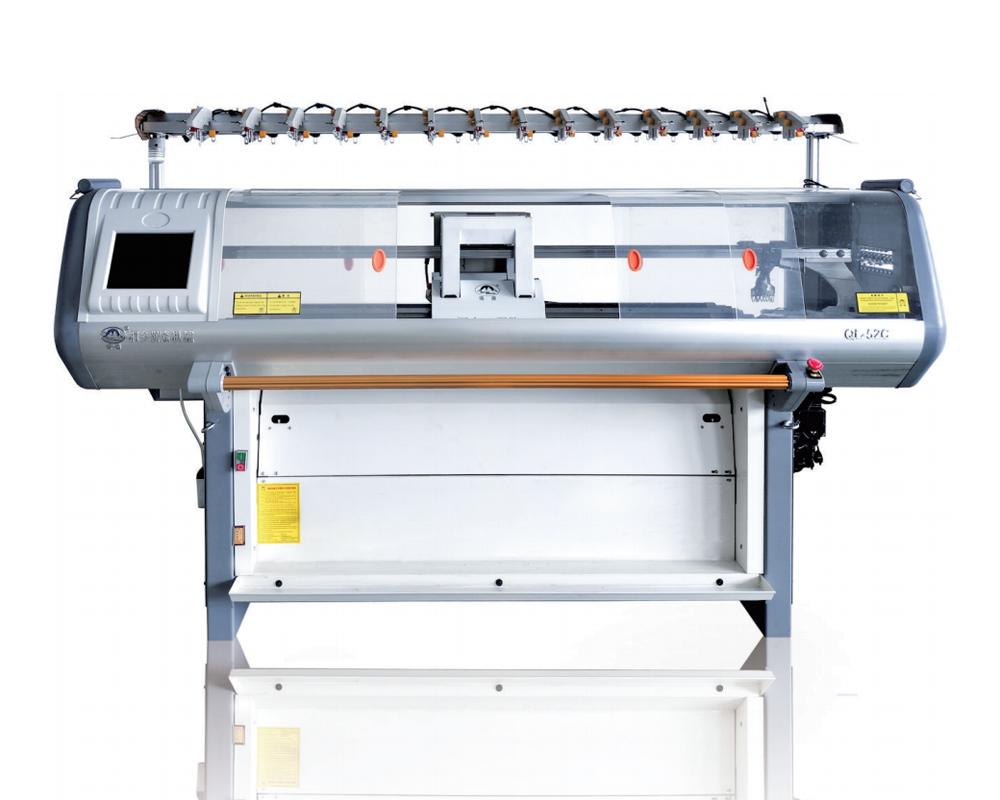
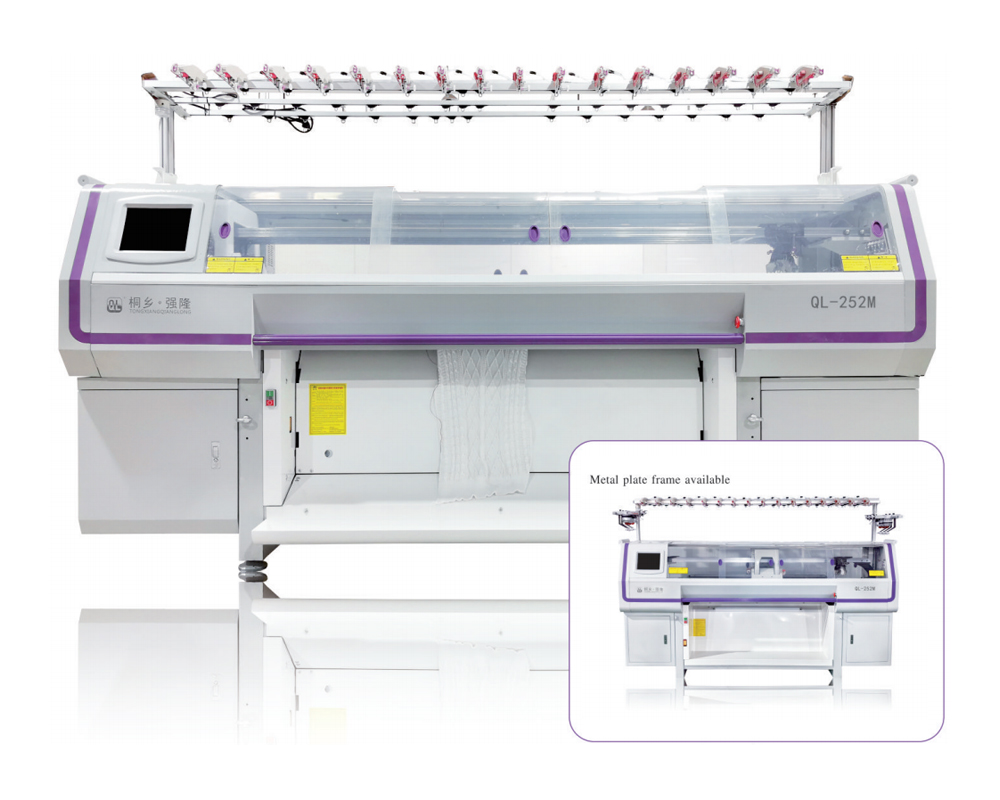
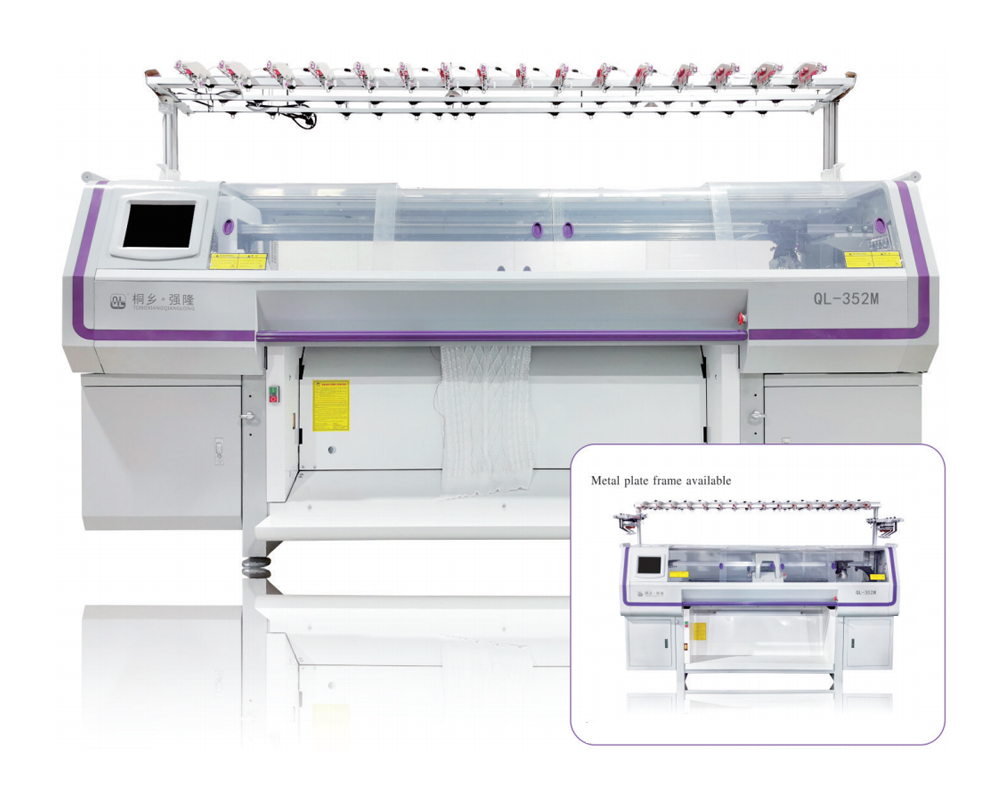
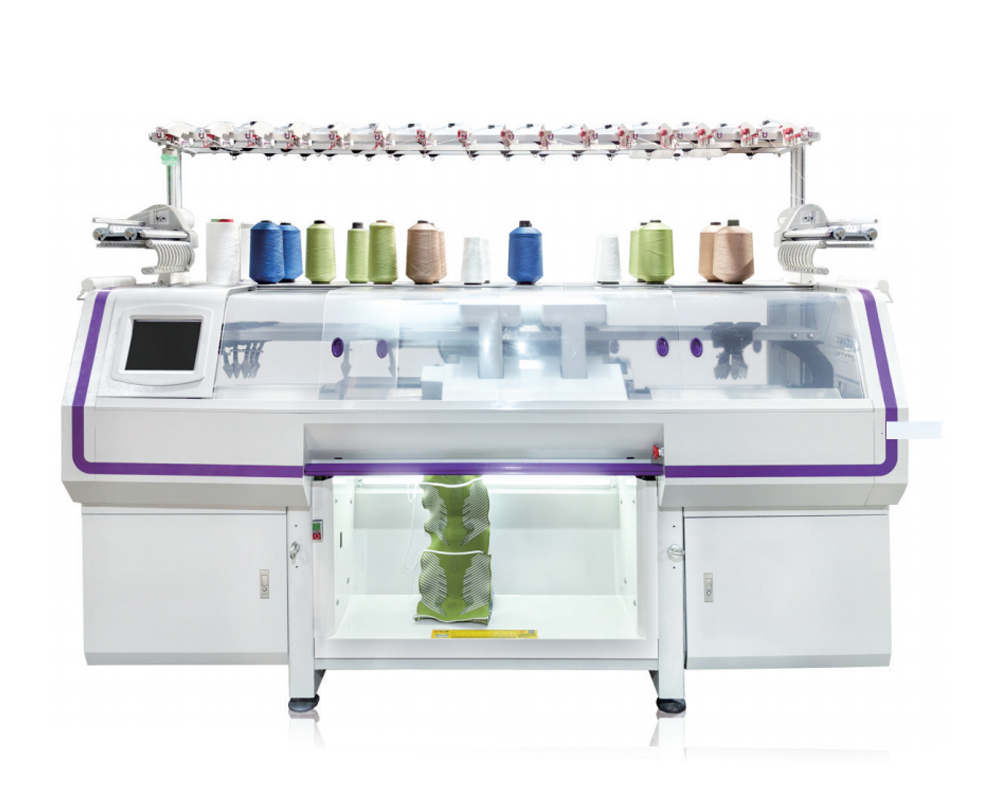
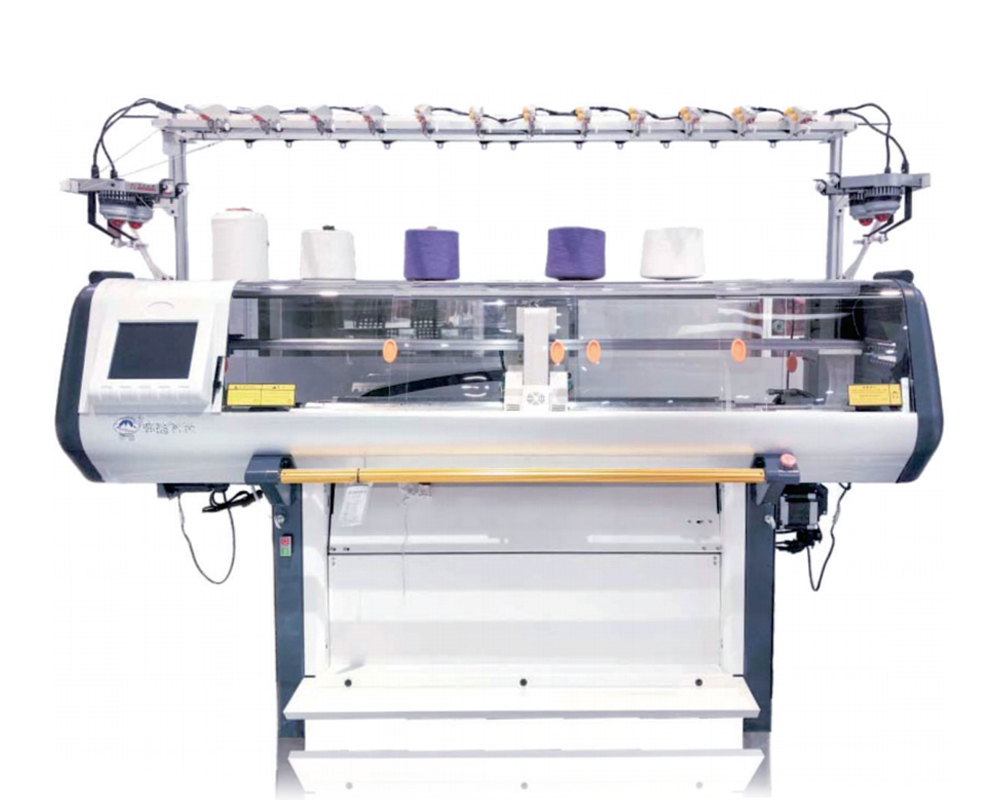
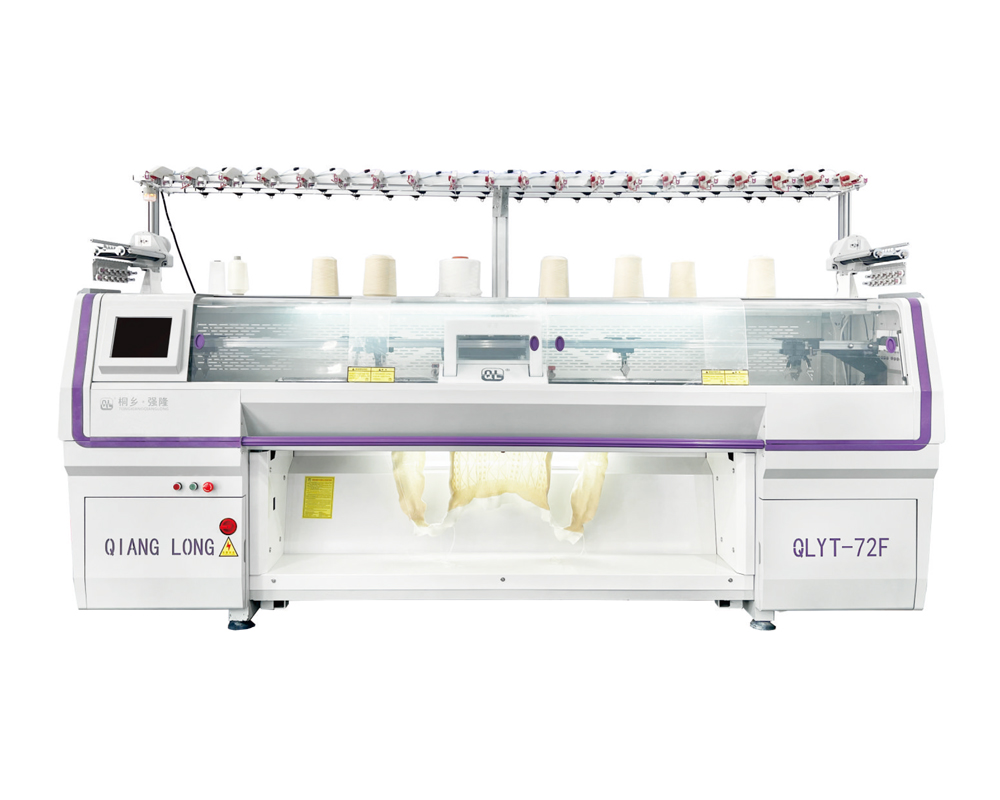
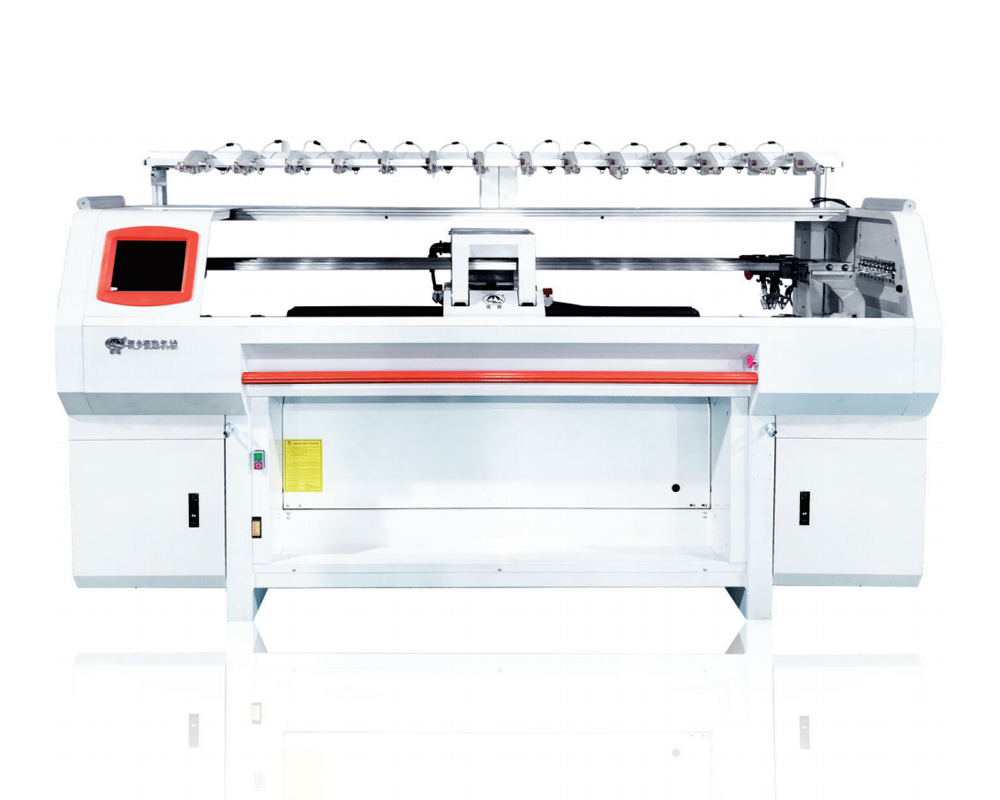
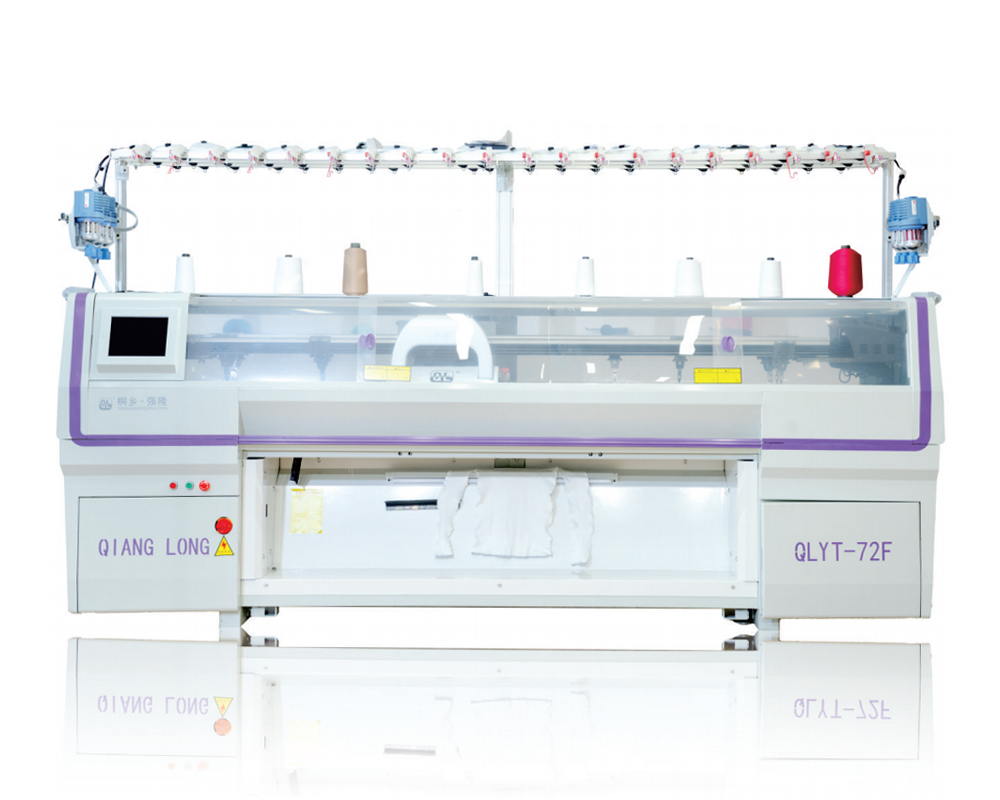
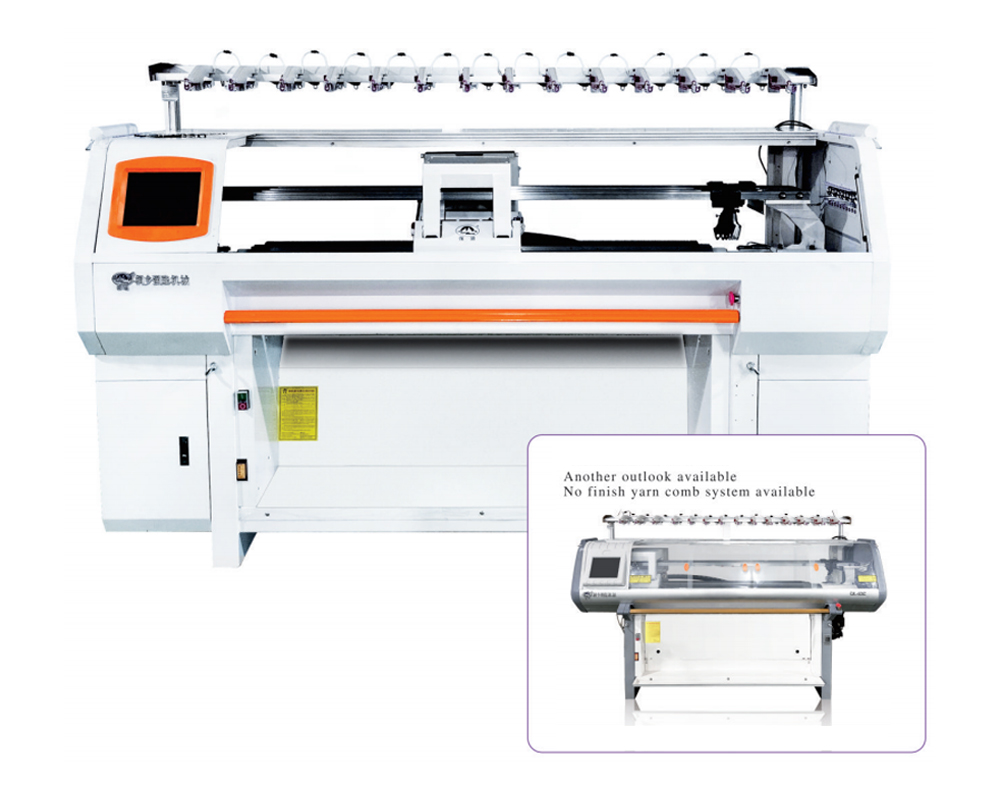
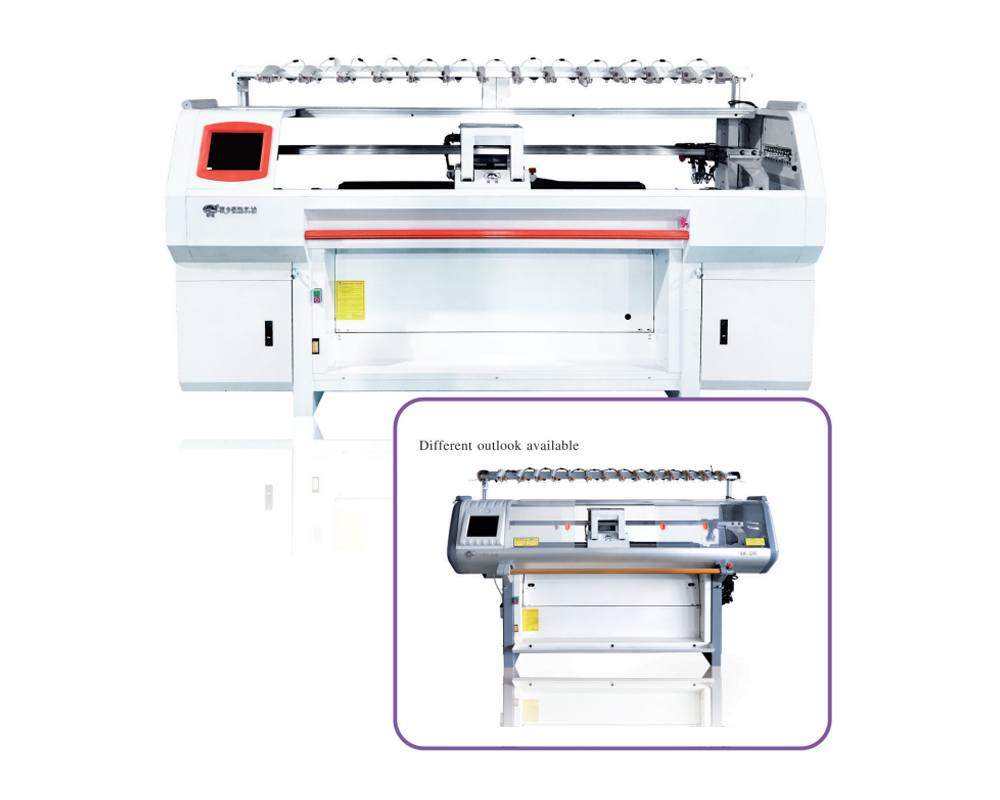
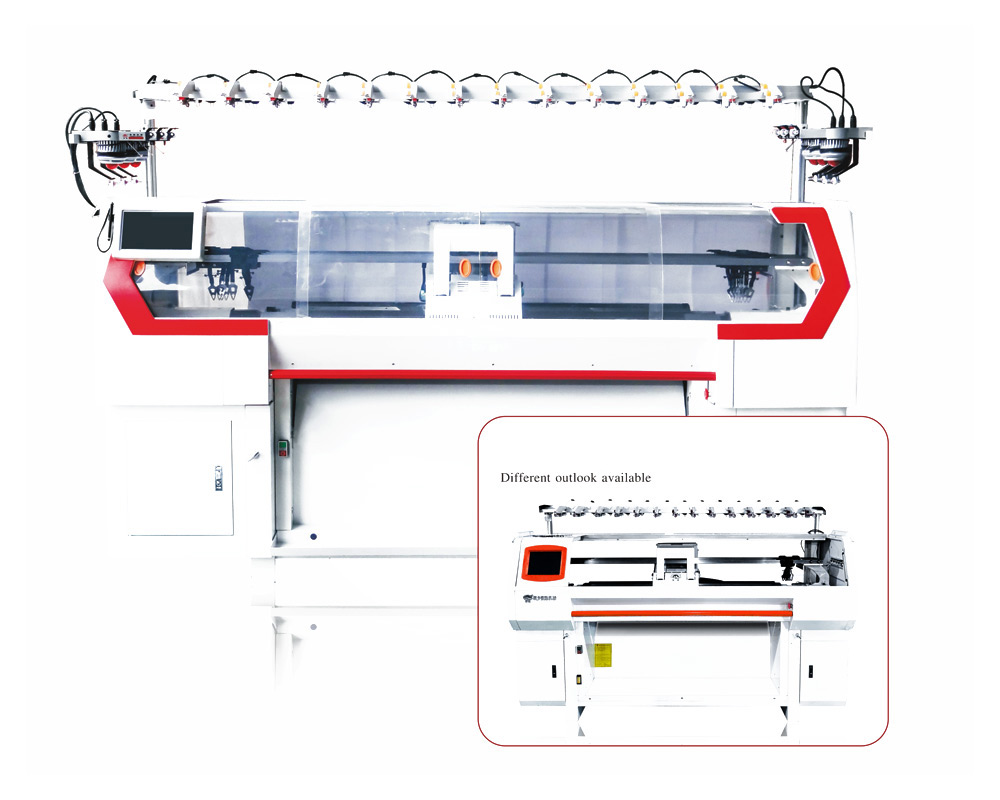

Tongxiang Qianglong Machinery Co., Ltd. is high-tech China wholesale computerized flat knitting machine manufacturers, specialized in designing, developing, and manufacturing Knitting Machinery..
Content
- 1 Understanding the Single-Double System Computerized Flat Knitting Machine
- 2 How the Single-Double System Works
- 3 Key Components That Support Dual-Mode Operation
- 4 Comparing Single-Bed, Double-Bed, and Single-Double Systems
- 5 Advantages for Manufacturers
- 6 Common Applications in the Knitwear Industry
- 7 Selection Criteria Before Purchasing
- 8 Maintenance Practices That Extend Machine Life
Understanding the Single-Double System Computerized Flat Knitting Machine
A single-double system computerized flat knitting machine is a type of automated knitting equipment that can switch between single-bed and double-bed knitting operations within the same machine frame. This flexibility allows manufacturers to produce a wider range of fabric structures, including plain jersey, rib, interlock, and cable patterns, without needing separate machines for each type of construction. The "single-double" designation refers to the machine's ability to activate either one needle bed or both needle beds depending on the fabric requirement, which is controlled entirely through computerized programming rather than manual mechanical adjustment.
This design has become increasingly popular among knitwear manufacturers who need production versatility. Instead of investing in multiple dedicated machines for different fabric types, a factory can rely on a single-double system to handle diverse orders, reduce equipment costs, and shorten changeover times between production runs.

How the Single-Double System Works
The core mechanism behind this system lies in the needle bed configuration and the electronic control unit that governs needle selection. In single-bed mode, only the front needle bed is engaged, producing flat, lightweight fabrics such as plain knit panels. In double-bed mode, both the front and back needle beds work together, enabling the production of thicker, more structured fabrics like rib and interlock knits.
Electronic Needle Selection
Computerized needle selection systems use servo motors and electromagnetic selectors to individually control each needle's movement. This precision allows the machine to switch knitting patterns mid-process, creating intarsia designs, jacquard patterns, or shaped panels without manual intervention. The programming software stores multiple pattern files, so operators can load a new design in minutes rather than hours.
Yarn Carriers and Feeders
Multiple yarn carriers move across the needle beds, feeding different yarns as directed by the control system. This enables color changes, texture blending, and multi-yarn structures within a single garment panel, which is especially useful for sweaters, scarves, and technical textiles that require varied yarn types in one piece.
Key Components That Support Dual-Mode Operation
Several mechanical and electronic components work together to make the single-double transition seamless. Understanding these parts helps buyers and operators evaluate machine quality before purchase.
- Dual needle beds with independent drive systems for front and back operation
- Servo-controlled carriage that adjusts stroke length and speed automatically
- Electromagnetic needle selectors for precise pattern execution
- Digital stitch density and tension control panel
- Integrated pattern design software compatible with CAD files
- Automatic yarn breakage and needle detection sensors
Comparing Single-Bed, Double-Bed, and Single-Double Systems
The table below outlines the practical differences between these three configurations to help manufacturers determine which setup best fits their production needs.
| Feature | Single-Bed Machine | Double-Bed Machine | Single-Double System |
| Fabric Types | Plain jersey only | Rib, interlock | Both jersey and rib/interlock |
| Production Flexibility | Low | Moderate | High |
| Equipment Cost | Lower | Higher | Highest initial investment |
| Ideal Use Case | Basic T-shirts | Sweaters, collars | Mixed small-batch orders |
Advantages for Manufacturers
Adopting a single-double system computerized flat knitting machine offers several operational benefits that directly affect a factory's competitiveness and profitability.
Reduced Changeover Time
Since the machine can switch between single and double bed operation through software commands, factories avoid the downtime associated with mechanical reconfiguration. This is particularly valuable for small-batch or made-to-order production, where turnaround speed determines customer satisfaction.
Space and Cost Efficiency
Because one machine can handle multiple fabric structures, factories require less floor space and lower total equipment investment compared to maintaining separate single-bed and double-bed machines. This also simplifies maintenance scheduling and technician training, since staff only need to master one system.
Design Versatility
Designers can experiment with combined structures within a single garment, such as ribbed cuffs attached to jersey bodies, without transferring the piece between machines. This continuity improves fabric consistency and reduces the risk of tension mismatches at seams.
Common Applications in the Knitwear Industry
Single-double system machines are widely used across several segments of the knitwear industry due to their adaptability.
- Sweaters and cardigans requiring both rib trims and jersey panels
- Scarves and hats with combined texture patterns
- Technical knitwear for sportswear brands needing zoned compression
- Home textiles such as blankets with mixed stitch structures
- Sample development for design studios testing multiple structures quickly
Selection Criteria Before Purchasing
Before investing in a single-double system computerized flat knitting machine, factory owners should evaluate several practical factors to ensure the equipment matches their production goals.
Gauge Range
Machines are available in different gauges, which determine needle density and fabric fineness. Buyers should select a gauge range that matches their typical yarn weight and target market, whether that is fine gauge fashion knitwear or coarser gauge outerwear.
Software Compatibility
Since pattern design is handled digitally, it is important to confirm that the machine's control software supports common design file formats and integrates with existing CAD systems already used in the factory's workflow.
After-Sales Support
Because these machines rely heavily on electronic components, reliable technical support and access to replacement parts are essential for minimizing downtime during long-term operation.
Maintenance Practices That Extend Machine Life
Regular maintenance keeps the dual-bed transition mechanism and electronic controls functioning accurately over time. Operators should follow a consistent care routine to avoid unexpected production interruptions.
- Clean needle beds daily to remove lint and yarn residue
- Lubricate carriage rails according to the manufacturer's schedule
- Inspect electromagnetic selectors periodically for wear
- Update control software to fix bugs and improve pattern accuracy
- Calibrate tension sensors before starting new fabric structures
By combining flexible dual-bed knitting capability with computerized precision, this type of machine gives manufacturers a practical path toward diversifying their product offerings while controlling equipment costs and floor space. Factories that carefully match gauge, software, and maintenance practices to their production needs are best positioned to benefit from this technology over the long term.
