
 English
 简体中文
简体中文
 Chinese
 English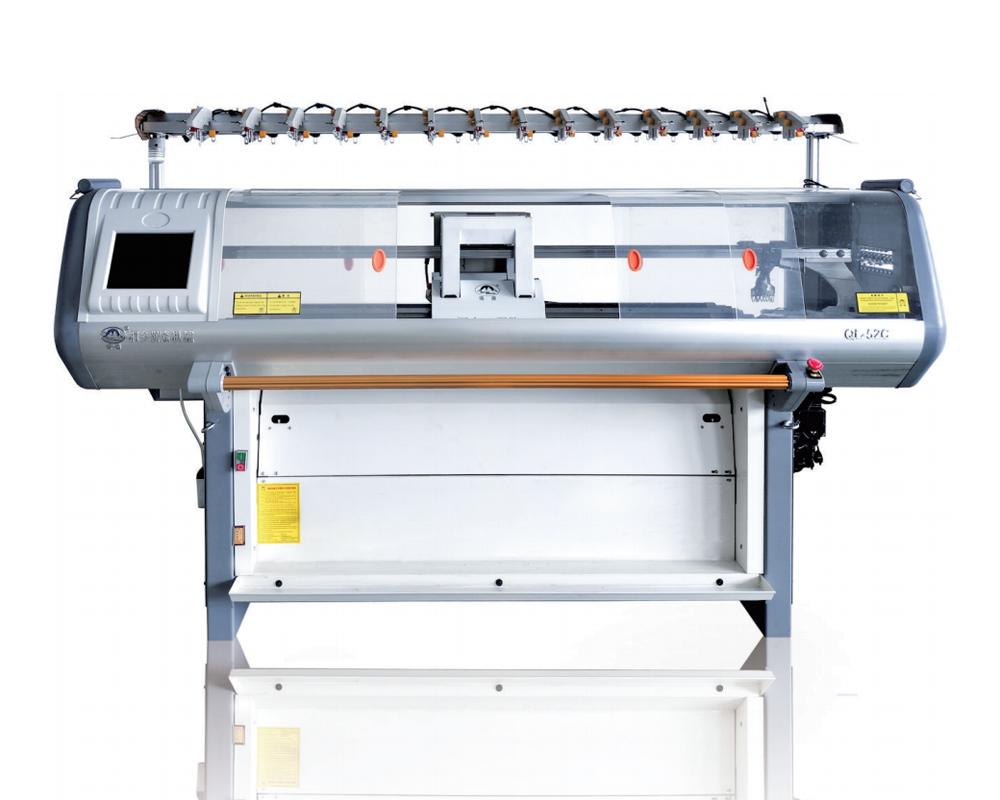
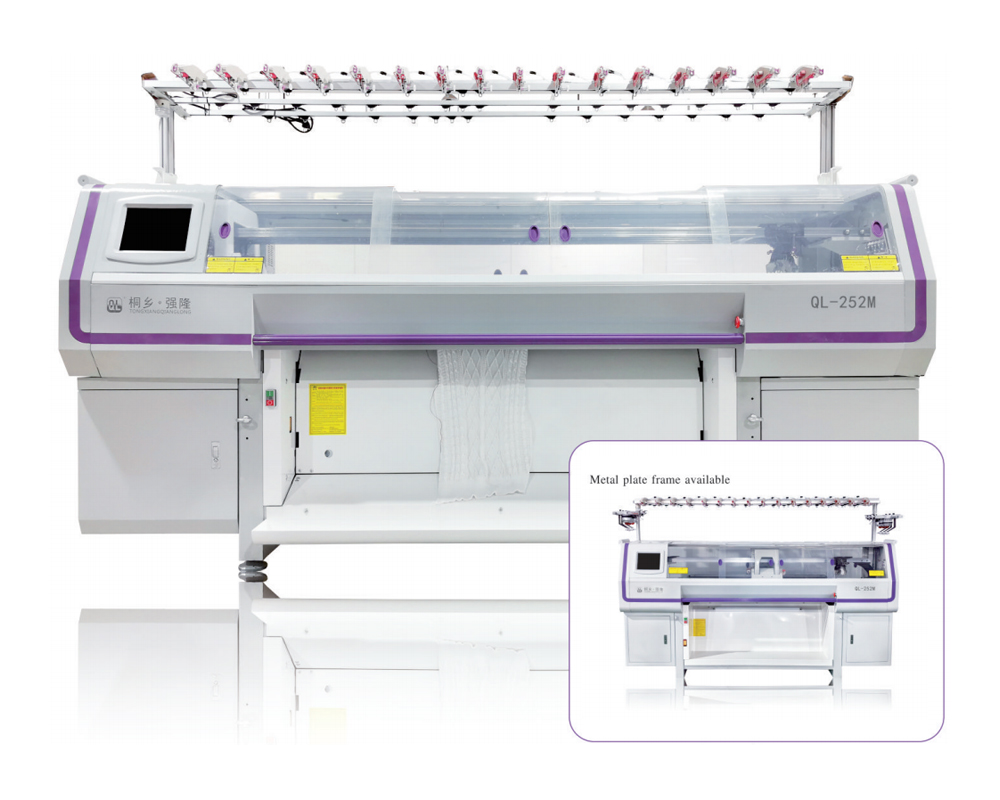
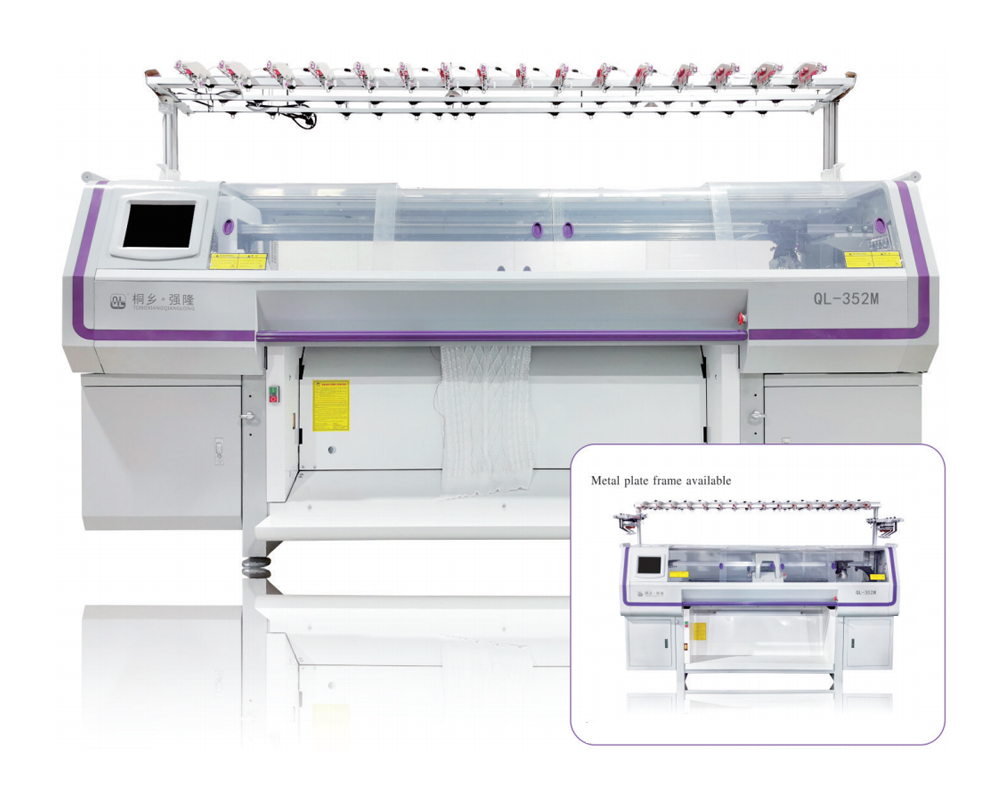
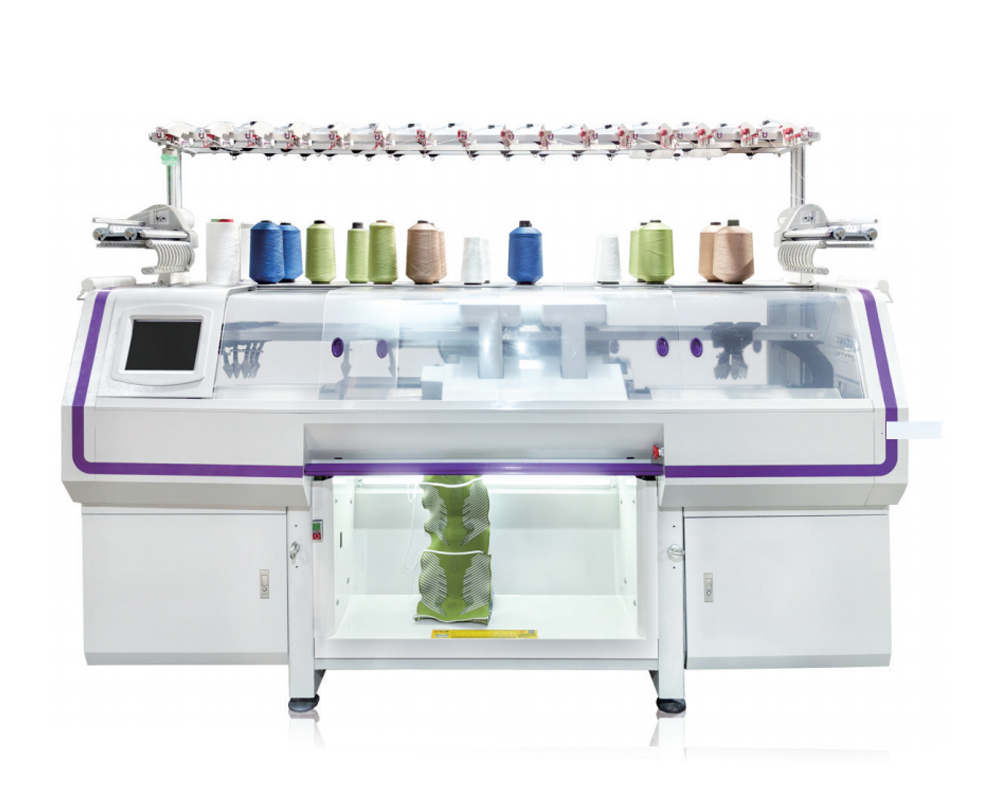
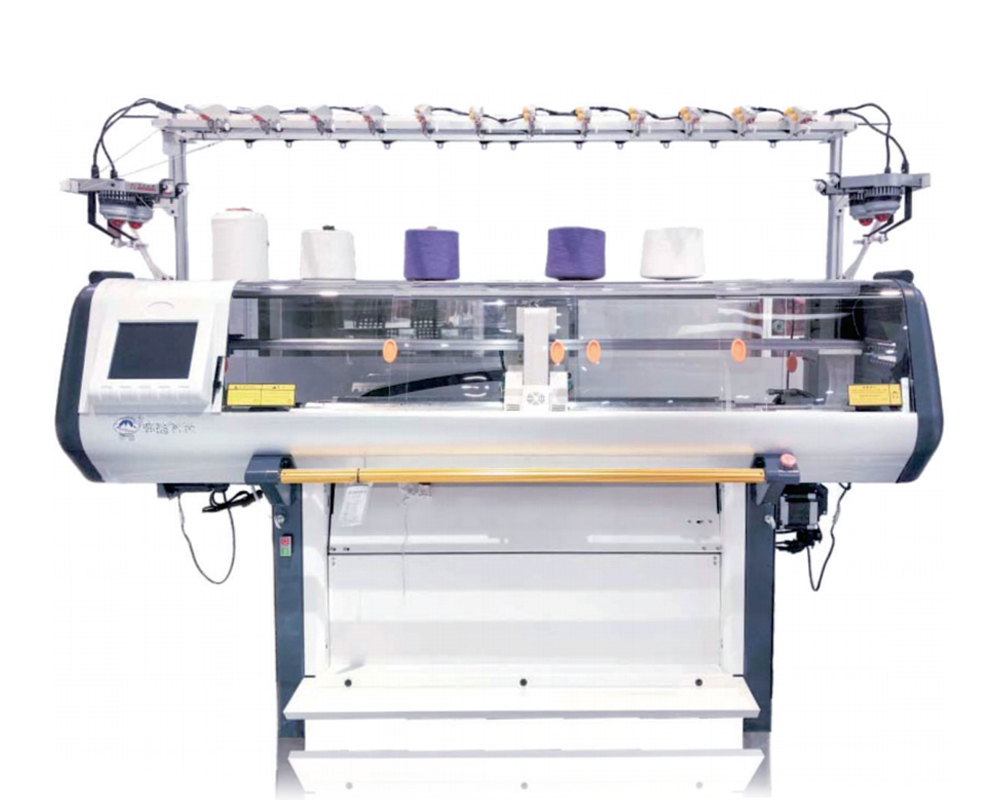
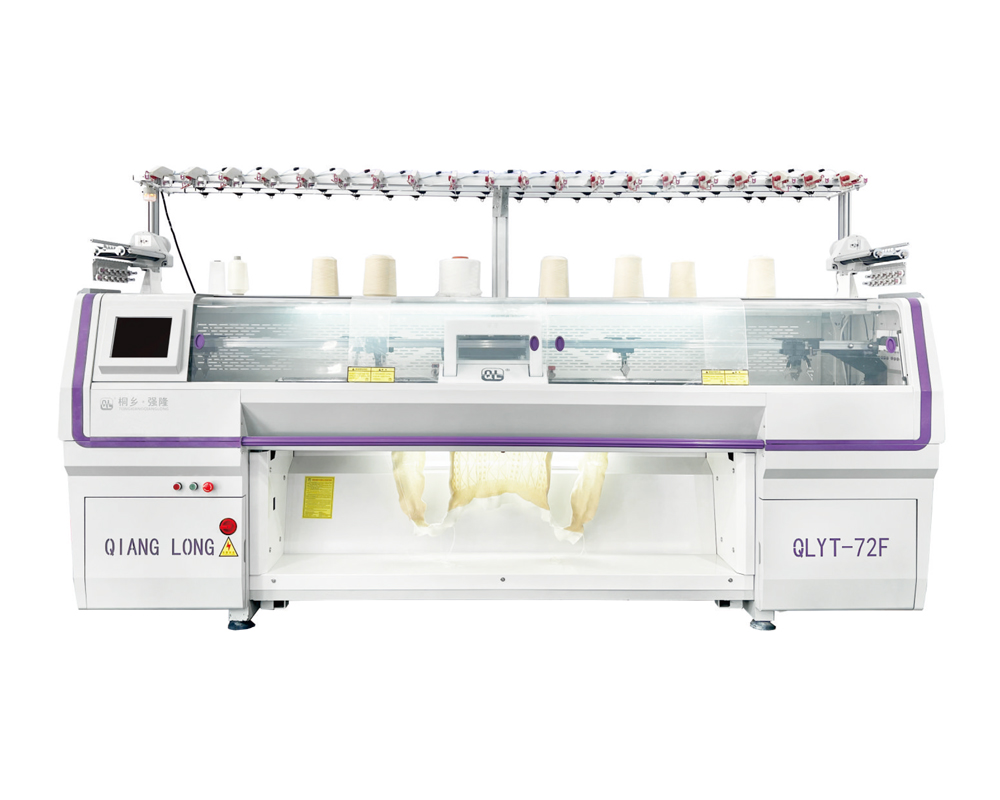
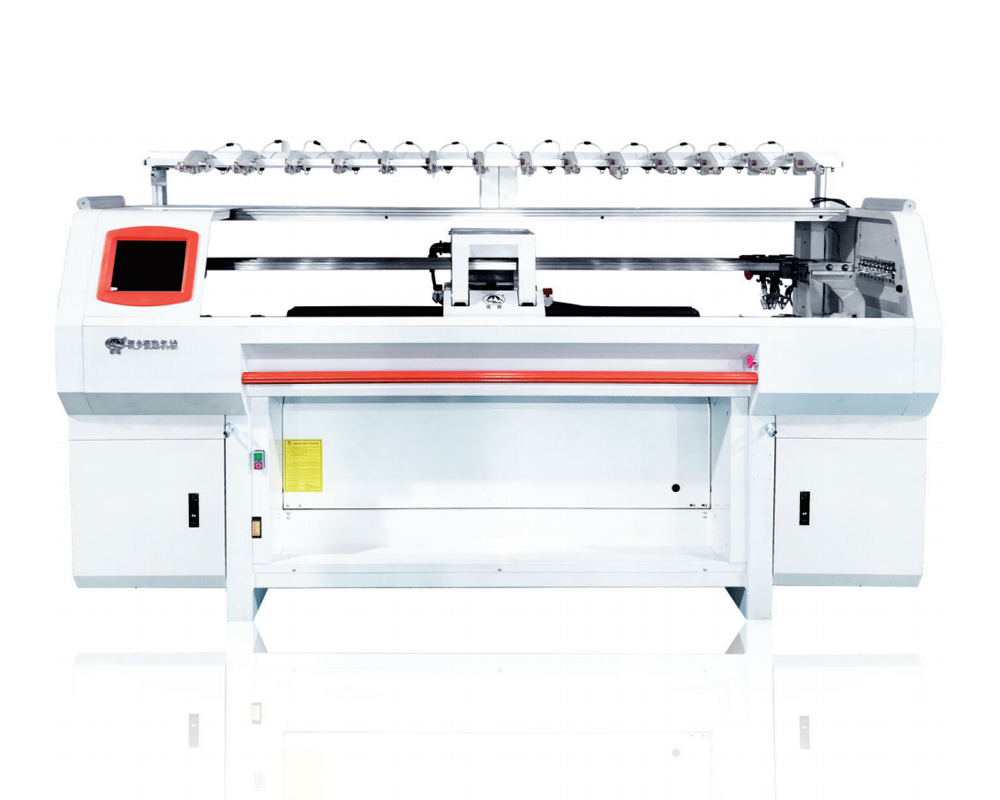
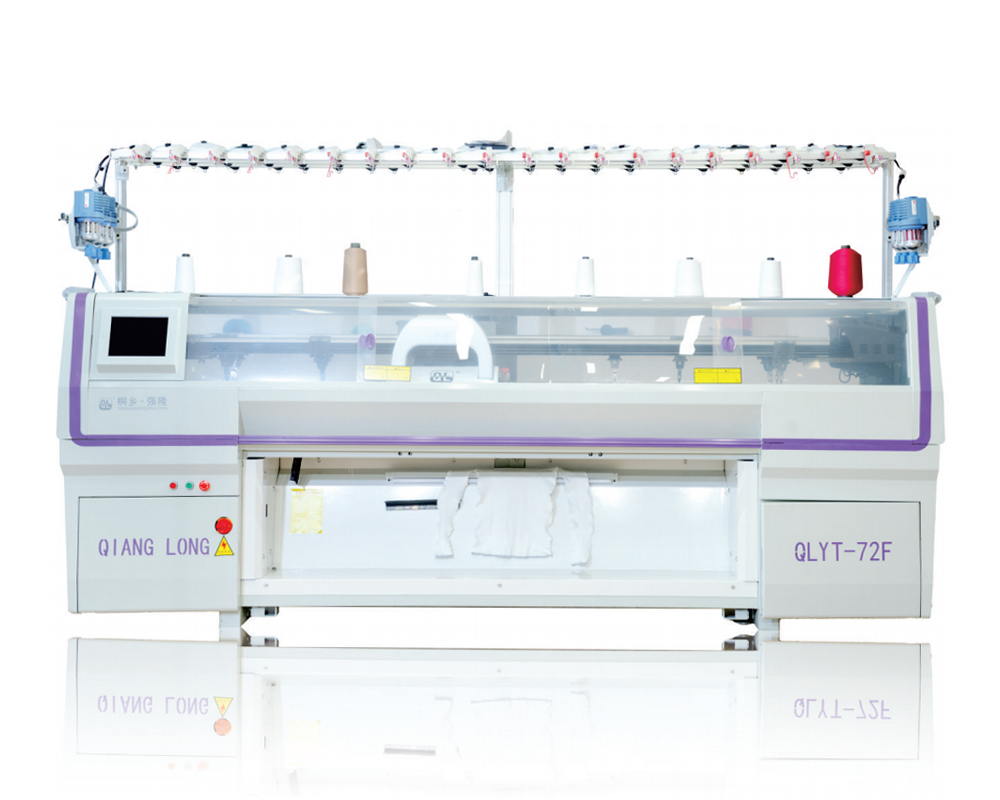
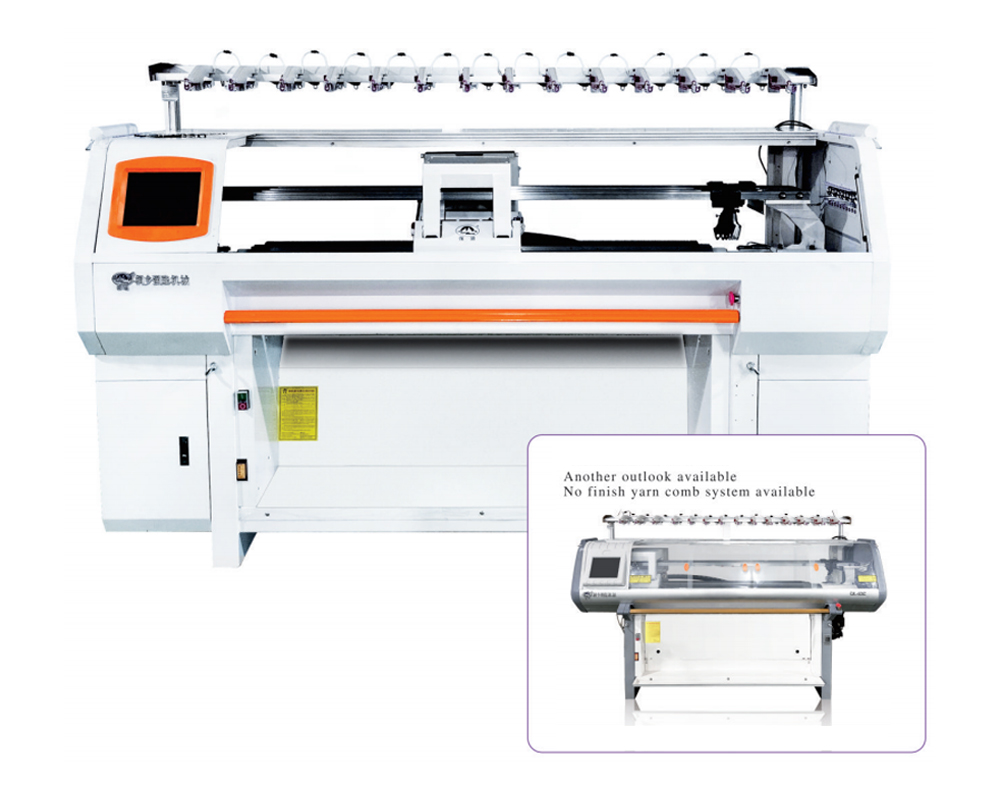
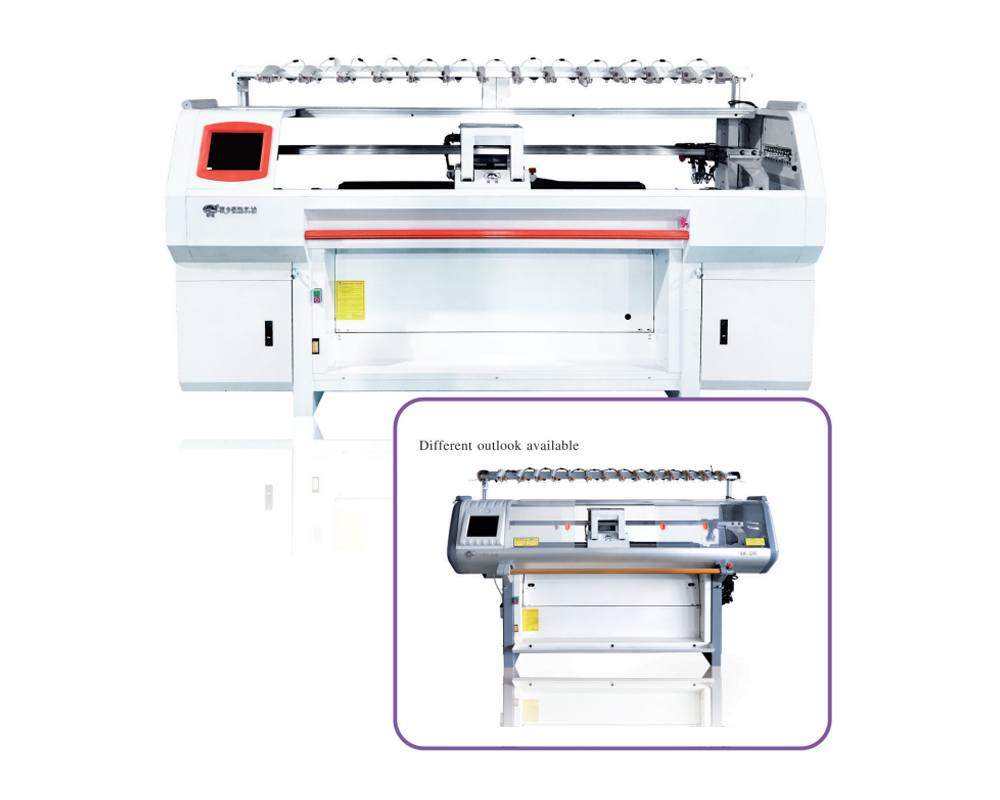
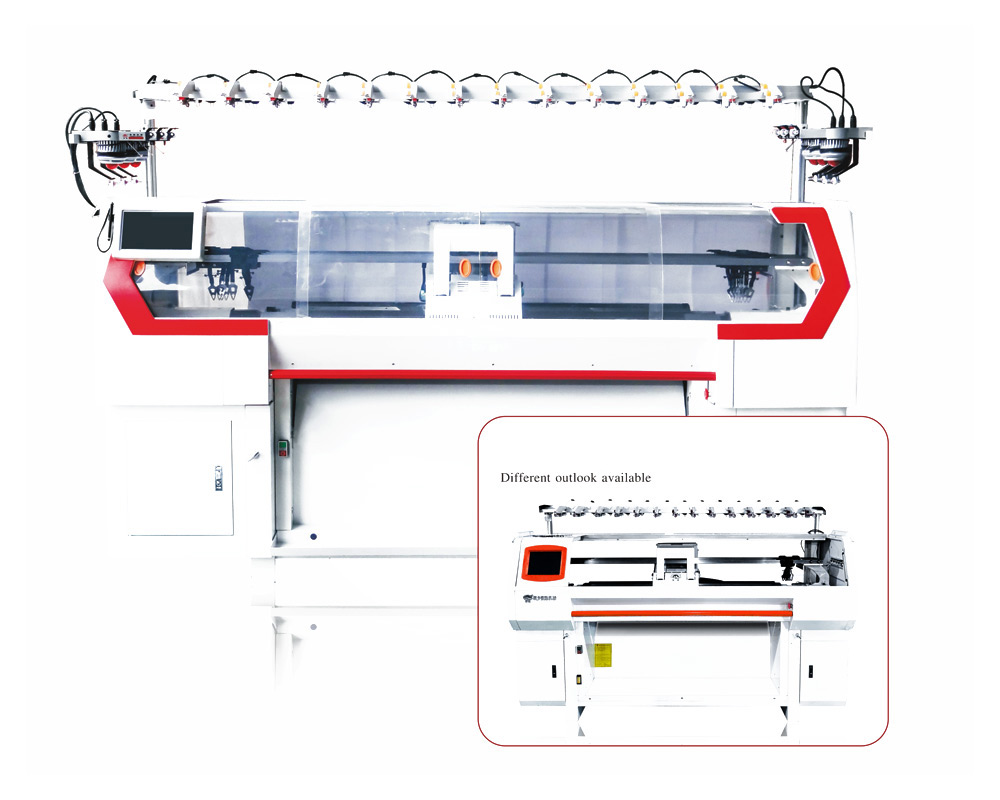

Tongxiang Qianglong Machinery Co., Ltd. is high-tech China wholesale computerized flat knitting machine manufacturers, specialized in designing, developing, and manufacturing Knitting Machinery..
Content
- 1 Understanding What a Three System Machine Actually Means
- 2 Core Components That Make Multi-System Knitting Possible
- 3 Production Advantages Over Single and Two System Machines
- 4 Typical Applications in Garment Manufacturing
- 5 Key Factors to Evaluate Before Purchasing
- 6 Maintenance Considerations for Consistent Performance
- 7 Weighing the Investment Against Production Needs
Understanding What a Three System Machine Actually Means
A three system computerized flat knitting machine refers to a machine equipped with three independent knitting systems mounted along its carriage, each capable of forming stitches during a single pass across the needle bed. In simpler single-system machines, only one row of stitches can be formed per carriage pass, meaning the carriage must travel back and forth multiple times to complete several rows of fabric. With three systems working simultaneously, the same carriage pass produces three rows of knitted fabric instead of one, significantly increasing the speed at which fabric is produced without requiring the carriage to move faster or the machine to run longer hours.
This multi-system configuration is especially valuable in computerized flat knitting, where microprocessor control coordinates needle selection, yarn feeding, and stitch formation across all three systems in real time, allowing for complex patterning and shaping even at higher production speeds.
Core Components That Make Multi-System Knitting Possible
Several coordinated components work together within a three system machine to ensure that each system knits accurately and in sync with the others. Understanding these parts helps operators and buyers appreciate why this machine type commands a higher price point than single-system alternatives.

Needle Bed and Needle Selection
The needle bed houses individually controlled needles that are selected electronically for each system as the carriage passes. Computerized selection allows each of the three systems to knit different stitch patterns, colors, or structures within the same pass, enabling complex jacquard or intarsia-style designs that would be far more difficult to produce manually.
Yarn Feeding Mechanisms
Each knitting system requires its own yarn feeder to supply thread at the correct tension and speed. In a three system machine, three separate feeders operate concurrently, and precise tension control across all three is essential to prevent uneven fabric density or dropped stitches.
Computerized Control Unit
The control unit interprets programmed pattern files and translates them into precise timing signals for needle selection, carriage speed, and stitch length across all three systems, allowing the machine to execute intricate designs with minimal manual intervention.
Production Advantages Over Single and Two System Machines
The primary appeal of a three system machine lies in its throughput advantage, but the benefits extend beyond raw speed into areas like energy efficiency and pattern flexibility.
| Machine Type | Rows per Carriage Pass | Relative Output Speed |
| Single System | 1 row | Baseline |
| Two System | 2 rows | Approximately double baseline |
| Three System | 3 rows | Approximately triple baseline |
Because the carriage completes more knitting work per pass, the machine also spends less time accelerating and decelerating relative to the amount of fabric produced, which can translate into lower energy consumption per unit of output compared to running a single-system machine for a longer duration to achieve the same volume.
Typical Applications in Garment Manufacturing
Three system computerized flat knitting machines are widely used across garment production facilities that require both speed and design flexibility. Their capabilities make them well suited to several specific manufacturing needs.
- Sweater and cardigan production requiring consistent gauge across large order volumes
- Fashion knitwear with intricate jacquard patterns that use multiple yarn colors within a single garment panel
- Knitted accessories such as scarves, hats, and gloves produced in high quantities for retail distribution
- Technical knitwear for sportswear brands requiring precise rib and cable structures
- Shaped knitting for fully fashioned garment panels that reduce post-knitting cutting and sewing waste
Manufacturers producing seasonal collections with tight turnaround times often favor three system machines specifically because the added throughput allows them to meet delivery deadlines without expanding their machine floor space or workforce proportionally.
Key Factors to Evaluate Before Purchasing
Selecting the right three system machine involves more than comparing speed specifications. Buyers should assess several operational and technical factors that affect long-term suitability for their production needs.
Gauge Range and Fabric Compatibility
Machines are built around specific gauge ranges, which determine the fineness of the knitted fabric and the range of yarn weights the machine can process. Buyers should confirm that the available gauge matches the type of garments they intend to produce, since retrofitting a machine for a different gauge range is typically not feasible.
Needle Bed Width
Wider needle beds allow for larger garment panels or multiple smaller panels to be knitted simultaneously across the width of the bed, which can further improve production efficiency for facilities producing smaller items like gloves or infant garments.
Software and Pattern Design Compatibility
Since computerized machines rely on digital pattern files, buyers should verify that the machine's control software is compatible with their existing design software or that adequate training and support are available for the new system, as switching between incompatible software platforms can create workflow disruptions during onboarding.
Maintenance Considerations for Consistent Performance
Because a three system machine has more moving components engaged during each carriage pass, routine maintenance plays an important role in preventing stitch defects and mechanical downtime.
- Regularly clean needle beds and tracks to remove lint and yarn debris that can interfere with needle movement
- Inspect and lubricate carriage rails according to the manufacturer's recommended schedule to maintain smooth travel across all three systems
- Calibrate yarn tension settings periodically, since even minor drift on one system can cause visible density differences in the finished fabric
- Update control software and firmware as recommended by the manufacturer to maintain compatibility with new pattern files and fix known operational bugs
Facilities that establish a consistent maintenance routine tend to experience fewer unplanned stoppages, which is particularly important given that a three system machine represents a larger portion of daily production output compared to a single-system unit.
Weighing the Investment Against Production Needs
A three system computerized flat knitting machine typically carries a higher upfront cost than single or two system alternatives, so the decision to invest should be based on realistic production volume projections. Facilities producing smaller batch orders or highly customized one-off designs may not fully utilize the speed advantage of three systems, while operations running consistent, high-volume orders are more likely to see a faster return on the additional investment through reduced labor time per garment and shorter overall production cycles. Evaluating current order volumes alongside anticipated growth can help manufacturers determine whether a three system machine aligns with their production strategy or whether a simpler configuration would better match their current scale of operations.
