
 English
 简体中文
简体中文
 Chinese
 English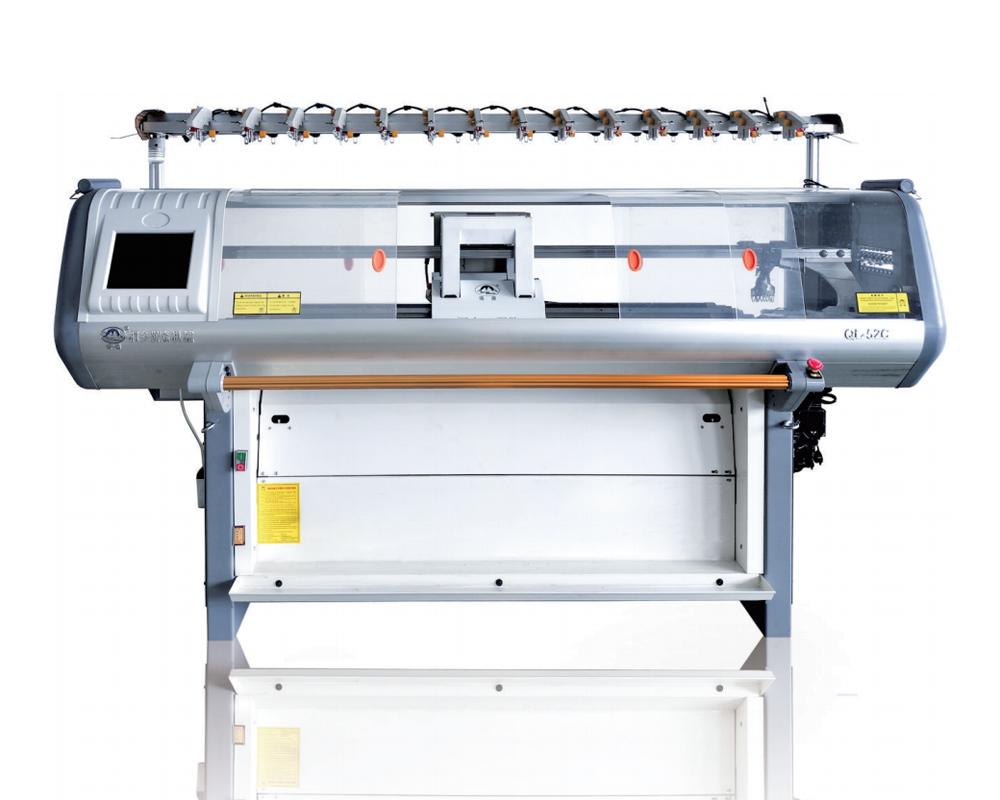
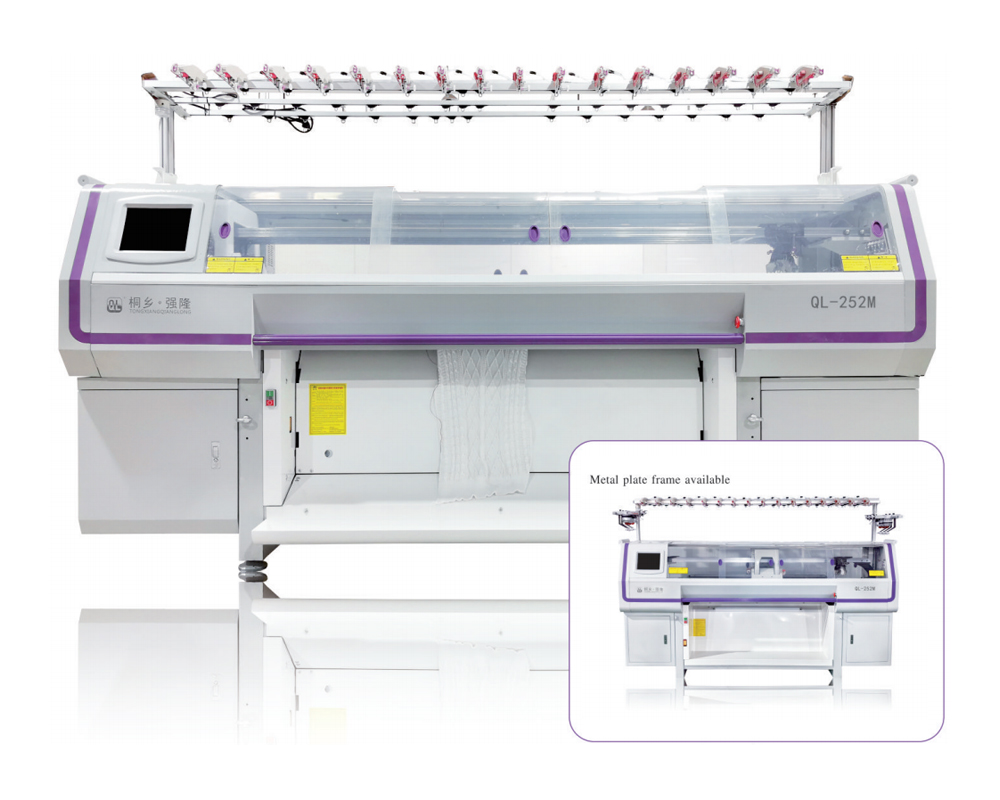
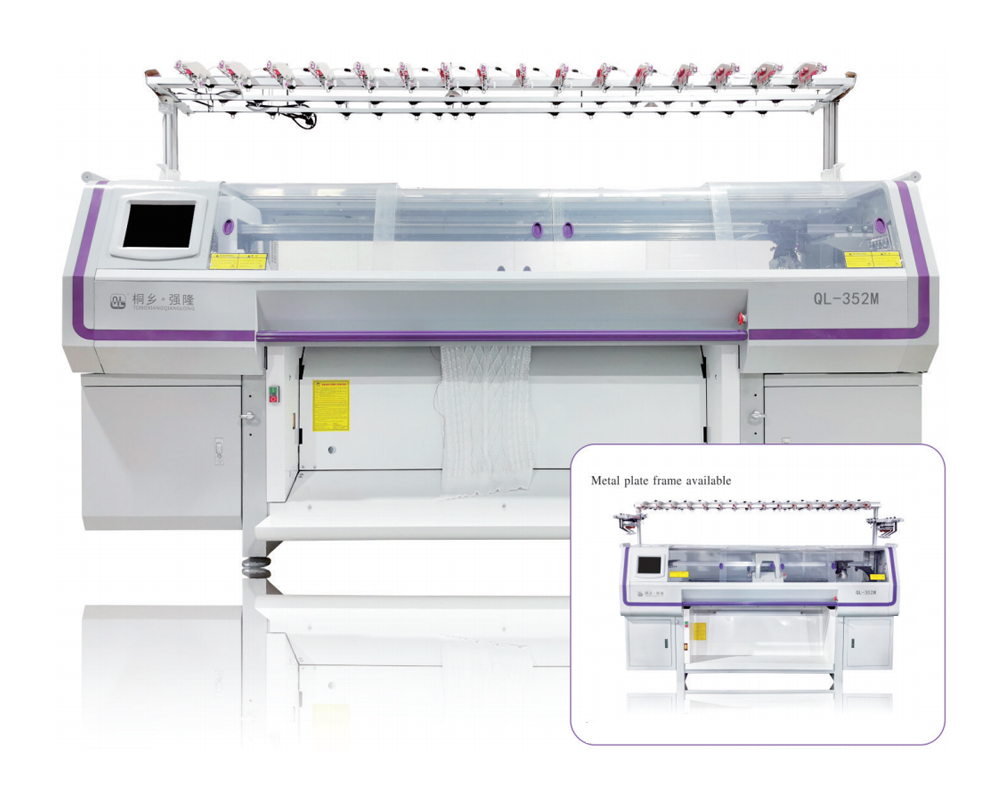
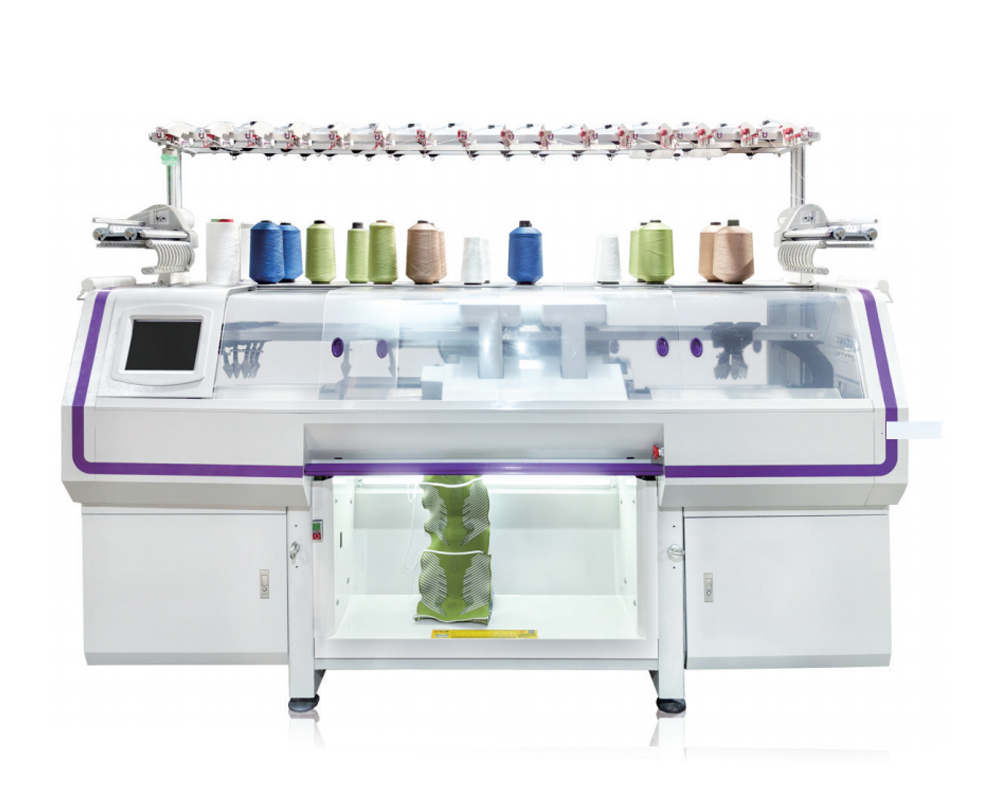
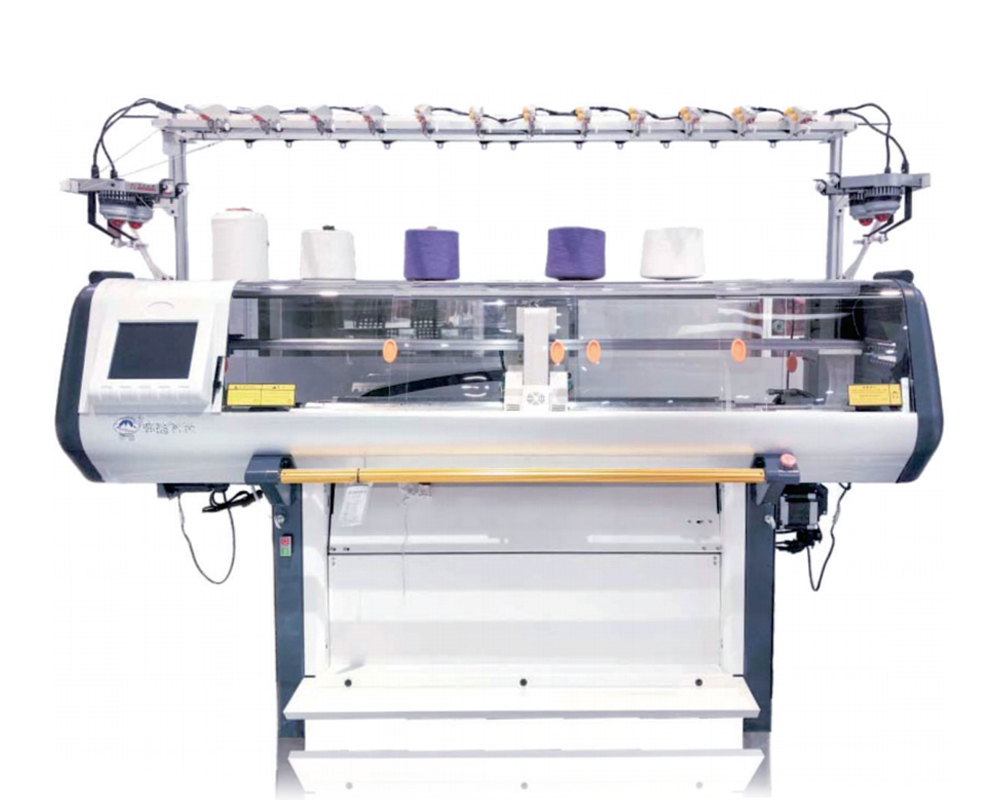
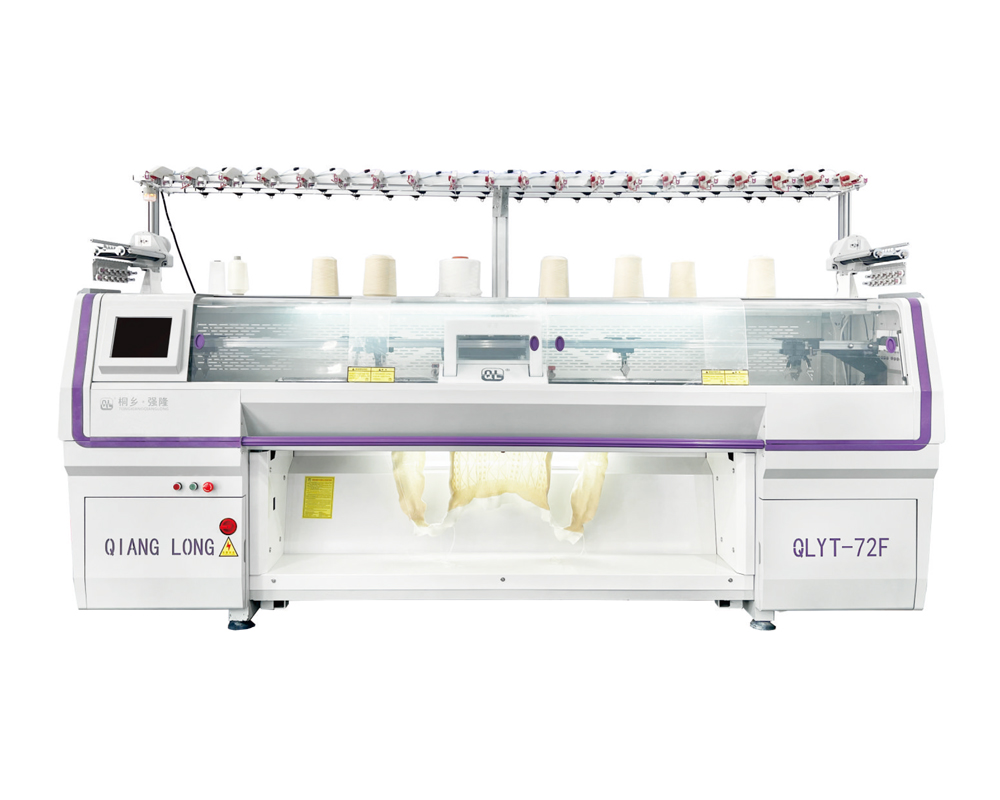
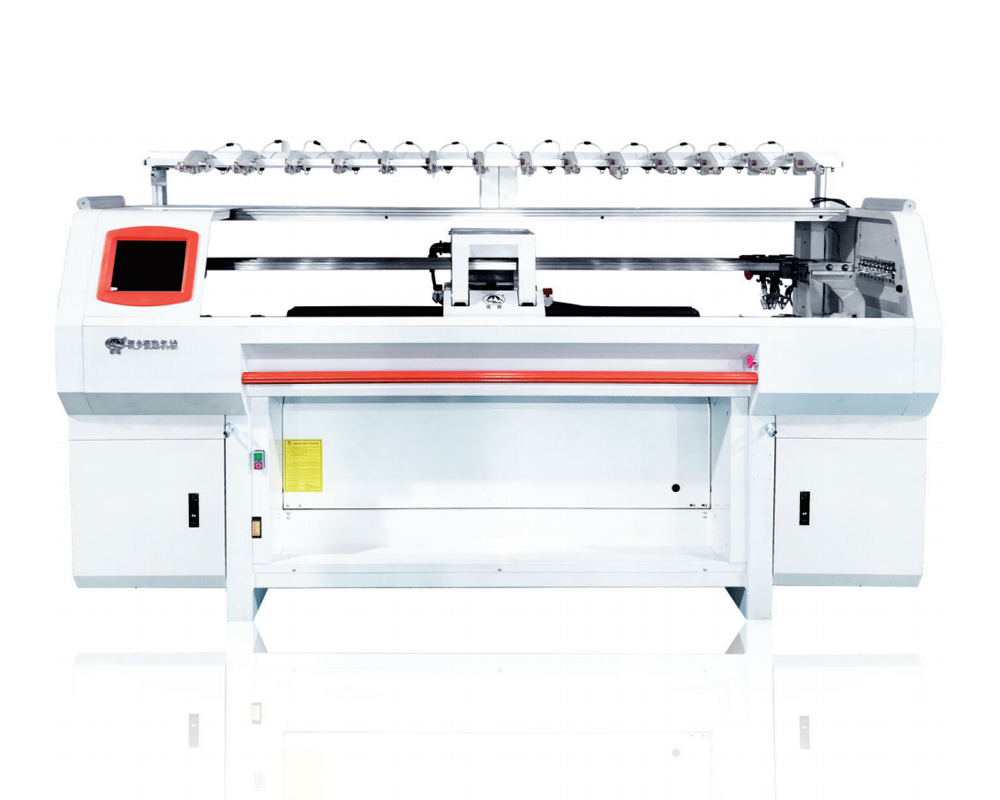
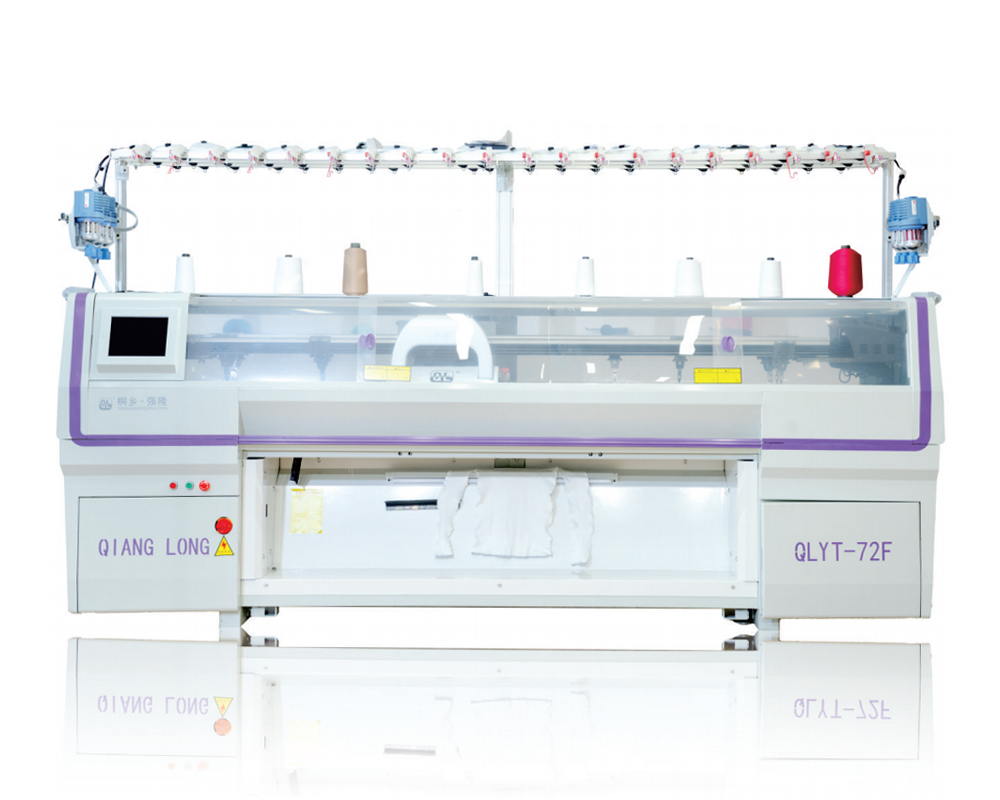
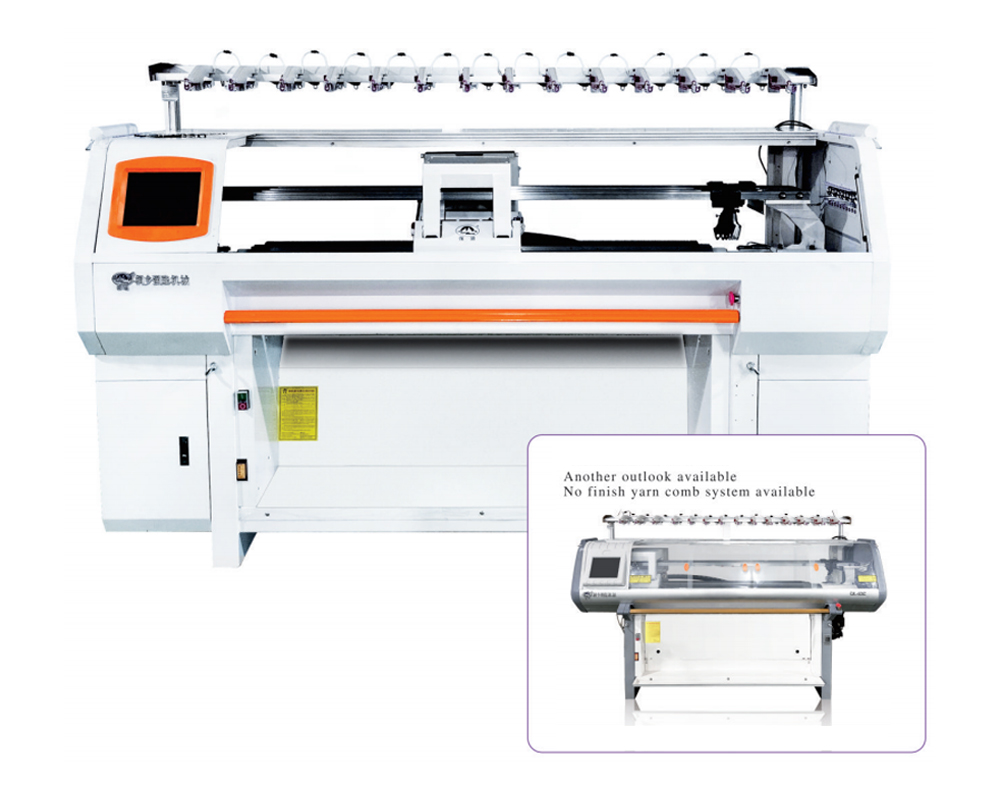
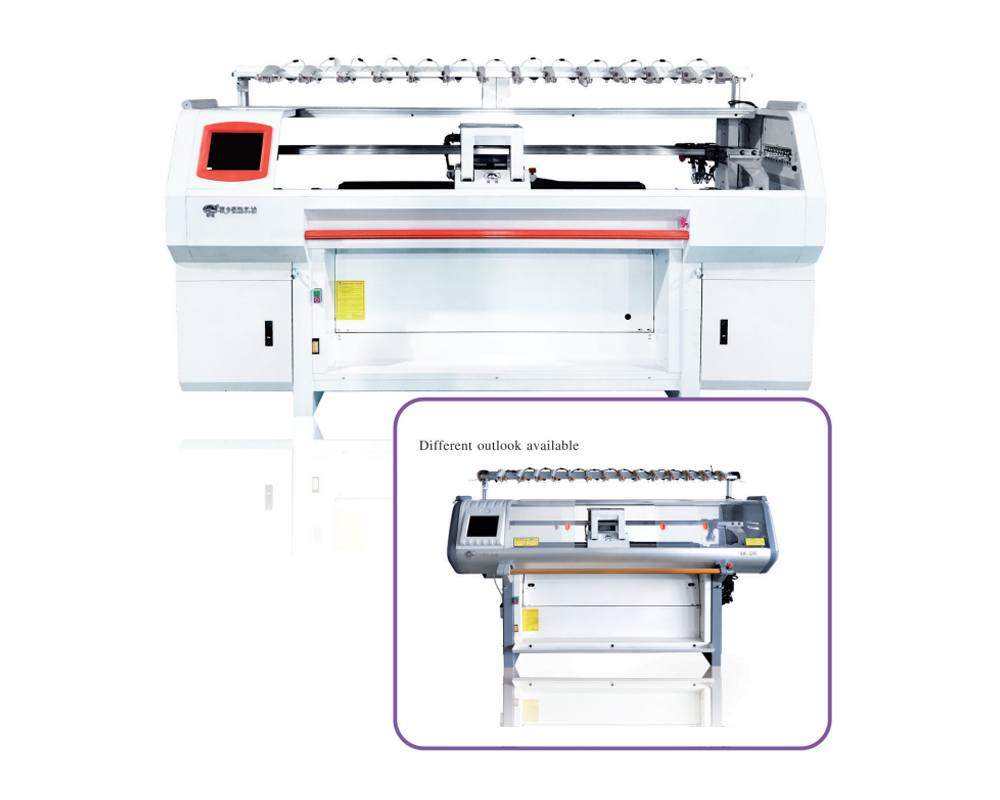
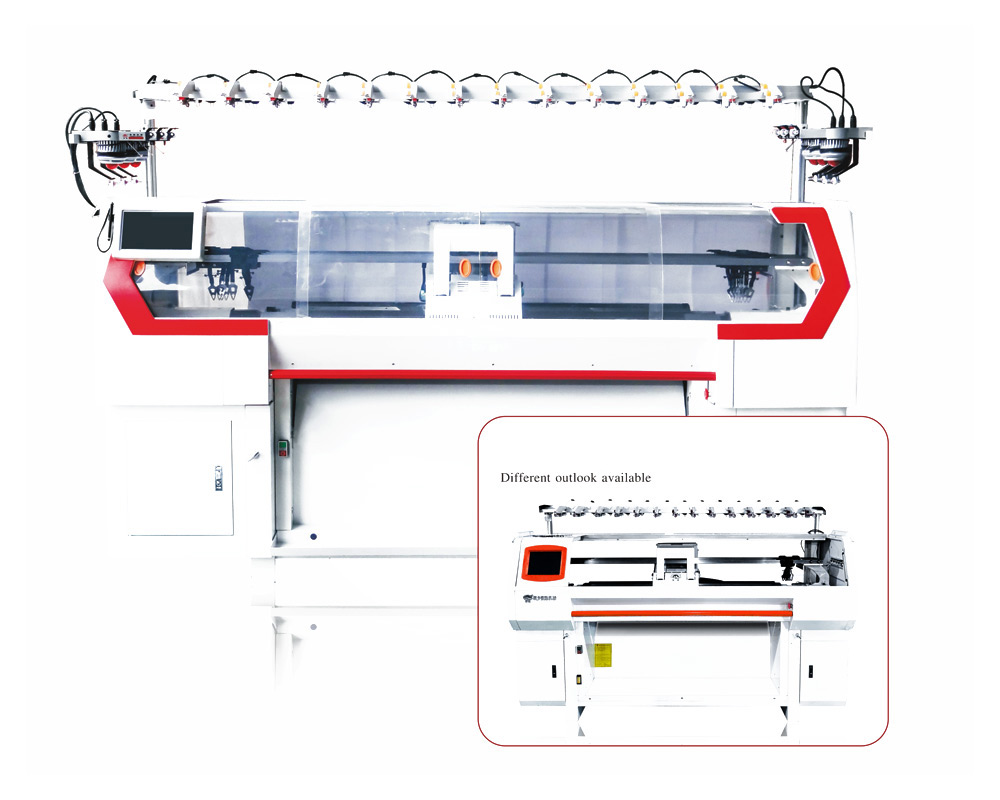

Tongxiang Qianglong Machinery Co., Ltd. is high-tech China wholesale computerized flat knitting machine manufacturers, specialized in designing, developing, and manufacturing Knitting Machinery..
Content
- 1 Understanding the Three System Design
- 2 How the Three-System Configuration Improves Output
- 3 Key Mechanical Components That Support Three System Knitting
- 4 Comparing System Counts: One, Two, and Three System Machines
- 5 Yarn and Gauge Compatibility
- 6 Maintenance Considerations for Long-Term Performance
- 7 Choosing the Right Machine for Your Production Line
Understanding the Three System Design
A three system computerized flat knitting machine refers to a machine equipped with three separate knitting systems mounted along the needle bed carriage. Each system carries its own set of feeders, cam boxes, and yarn guides, allowing the machine to knit multiple courses in a single carriage pass. Compared to a single system machine, this configuration triples the potential knitting speed per pass, which directly translates into shorter cycle times and higher daily output. Factories producing sweaters, cardigans, scarves, and technical knitwear often choose three system machines because they strike a practical balance between speed and control, without the added complexity and cost of four or six system setups.
How the Three-System Configuration Improves Output
The core advantage of a three system machine lies in how it distributes the knitting workload across a single carriage stroke. Instead of the carriage traveling back and forth to complete one course at a time, three systems allow the machine to complete three courses per pass. This reduces mechanical wear on the carriage motor and rails while increasing the rows per minute (RPM) output significantly.
For manufacturers running large production batches, this efficiency gain is measurable in real terms. A factory producing 500 sweater panels per day on a single system machine could realistically reach 1,200 to 1,500 panels per day on a three system machine, assuming similar yarn counts and stitch patterns. This makes the three system layout especially attractive for mid-to-large scale knitwear operations that need to balance throughput with fabric quality.
Reduced Carriage Travel Time
Because three systems knit simultaneously during a single pass, the carriage does not need to reverse direction as frequently. This reduces the mechanical stress associated with constant acceleration and deceleration, extending the lifespan of drive belts, servo motors, and needle beds.
Lower Energy Consumption Per Unit
Producing more fabric per carriage pass means the machine consumes less energy per finished garment panel. Over a full production shift, this can lead to noticeable reductions in electricity costs, particularly for factories running multiple machines around the clock.
Key Mechanical Components That Support Three System Knitting
A three system computerized flat knitting machine relies on several core components working in precise coordination. Understanding these parts helps operators and buyers evaluate machine quality before purchase.
- Independent yarn feeders for each system, allowing different yarn types or colors to be knitted within the same pass
- Servo-driven cam boxes that control stitch formation, tuck, and transfer movements independently per system
- Electronic yarn tension controllers that maintain consistent tension across all three feeders
- A computerized control panel for programming stitch patterns, density, and speed per system
- Needle selection jacquard devices that allow intricate patterning without slowing down production
The synchronization between these components is what allows the machine to knit complex structures like cable patterns, intarsia, and rib transfers without sacrificing speed. Poorly calibrated systems, on the other hand, can cause tension mismatches between the three feeders, leading to fabric defects such as barré or uneven courses.

Comparing System Counts: One, Two, and Three System Machines
Choosing the right number of systems depends on production volume, fabric complexity, and budget. The table below outlines the practical differences between common system configurations.
| System Count | Relative Speed | Best Suited For |
| Single System | Baseline | Sampling, small batch, highly detailed jacquard |
| Two System | Approx. 2x | Medium volume knitwear with moderate patterning |
| Three System | Approx. 3x | Bulk production, sweaters, blankets, plain and rib structures |
While four and six system machines exist, they generally require heavier investment in maintenance and skilled technicians due to increased mechanical complexity. For most mid-size knitwear factories, a three system machine offers the best return on investment relative to production speed and operational simplicity.
Yarn and Gauge Compatibility
Three system machines are commonly available in gauges ranging from 3GG for chunky knitwear to 14GG or higher for finer garments. Selecting the correct gauge depends on the target yarn count and the desired fabric hand-feel. Coarser gauges, such as 3GG to 7GG, are typically used for heavyweight sweaters, throws, and outerwear, while finer gauges between 12GG and 18GG suit lightweight knitwear such as fine-gauge cardigans and dresses.
Because each of the three systems can be independently programmed, manufacturers can mix yarn types within a single garment panel. For example, one system might feed a base yarn while another introduces an elastic or lurex thread for decorative striping, all within the same production run.
Maintenance Considerations for Long-Term Performance
Because a three system machine has more moving parts than a single system unit, regular maintenance is essential to avoid downtime. Operators should establish a maintenance schedule that includes the following routine checks.
- Daily cleaning of needle beds and cam tracks to remove lint and yarn debris
- Weekly inspection of yarn tensioners for wear or misalignment across all three feeders
- Monthly lubrication of carriage rails and servo motor housings
- Quarterly calibration of the electronic control system to ensure stitch density remains consistent
Skipping these steps can lead to gradual performance degradation, including inconsistent fabric density and increased needle breakage. A well-maintained three system machine can operate reliably for over a decade, making preventive maintenance a worthwhile investment in itself.
Choosing the Right Machine for Your Production Line
Before purchasing a three system computerized flat knitting machine, buyers should evaluate their production goals carefully. Key factors include the average order volume, the complexity of stitch patterns required, available factory floor space, and the technical skill level of operating staff. Factories that primarily produce plain or ribbed knitwear at scale will benefit most from the speed advantages of a three system setup, while those focused on intricate jacquard designs may still prefer single or two system machines for greater pattern control.
Ultimately, a three system machine represents a practical middle ground for manufacturers seeking to scale production without overcomplicating their machinery investment. When paired with proper maintenance and skilled programming, it offers a dependable balance of speed, versatility, and fabric quality suited to a wide range of knitwear applications.
