
 English
 简体中文

 Chinese
 English
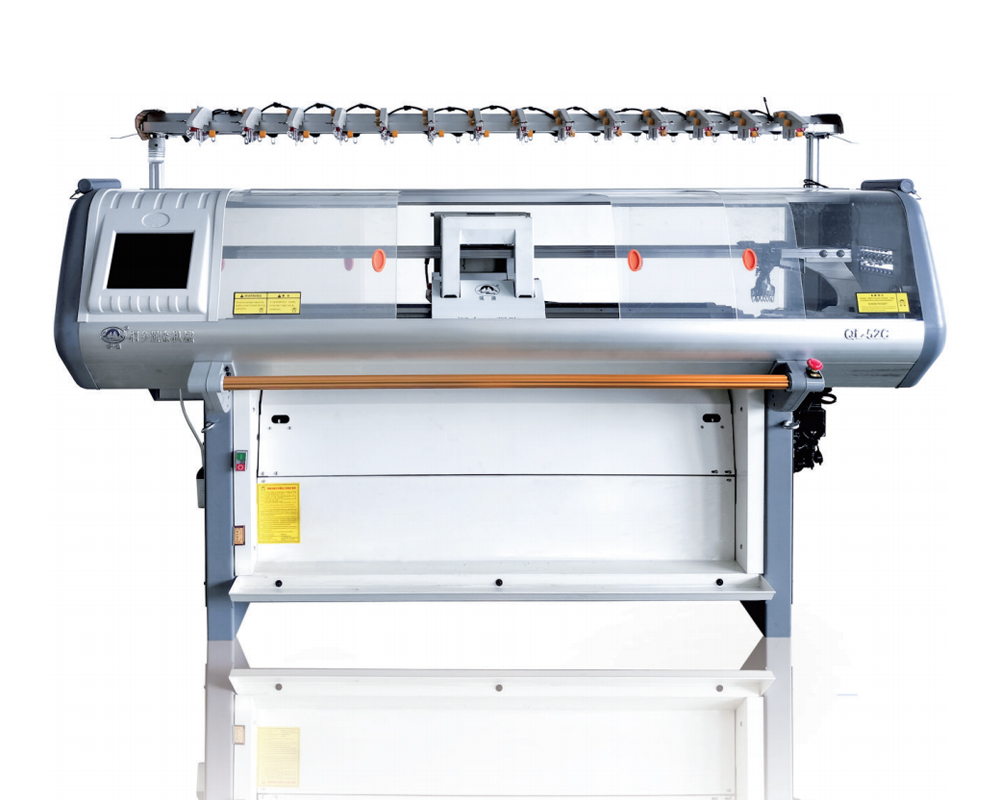
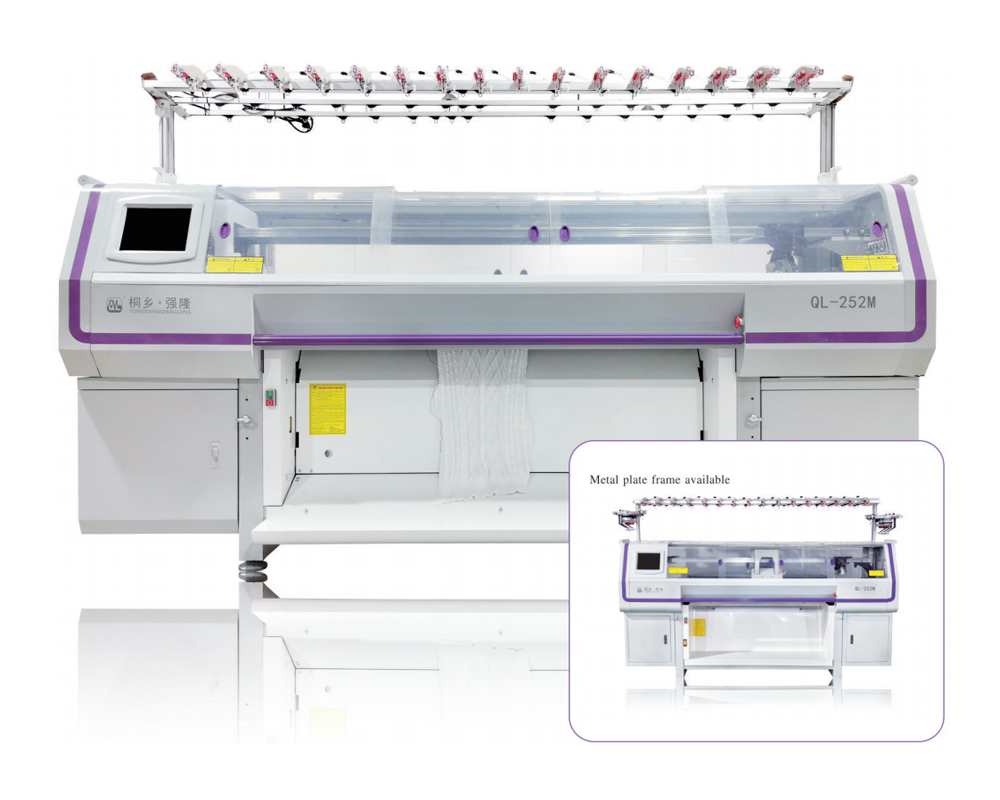
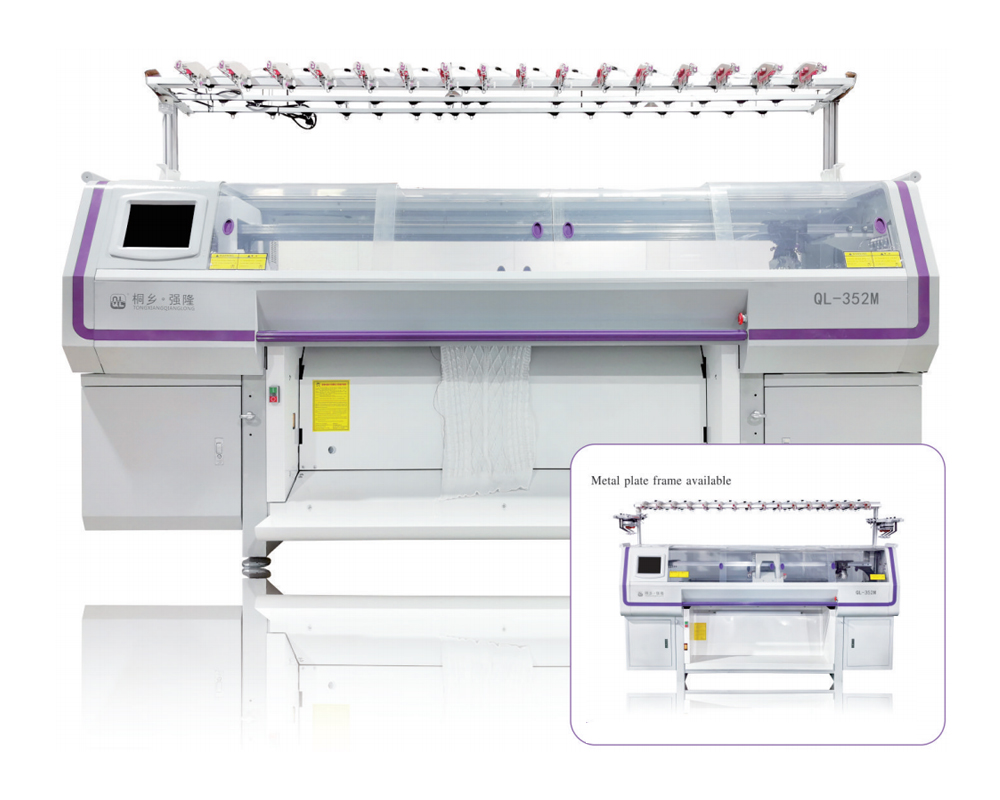
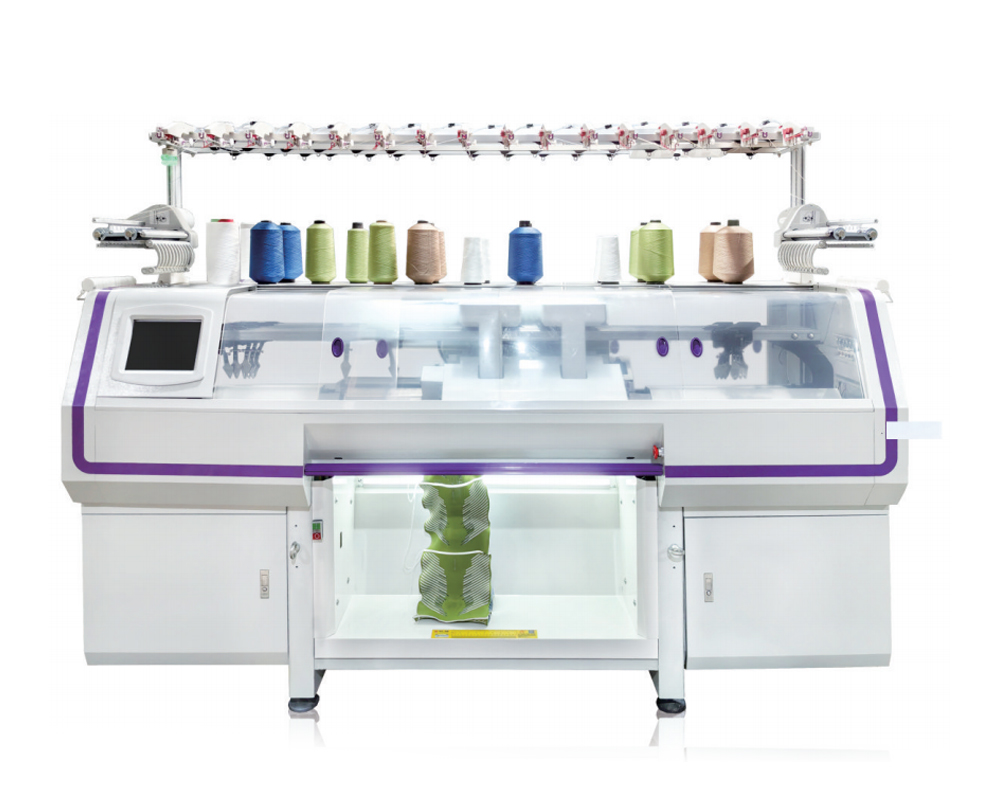
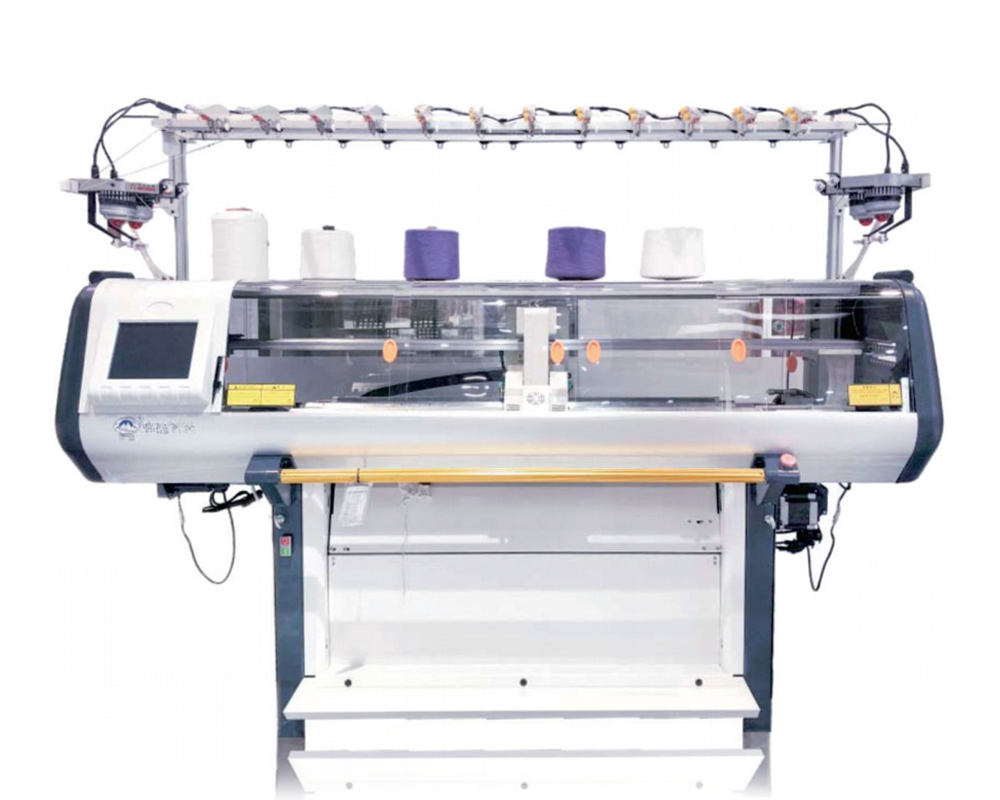
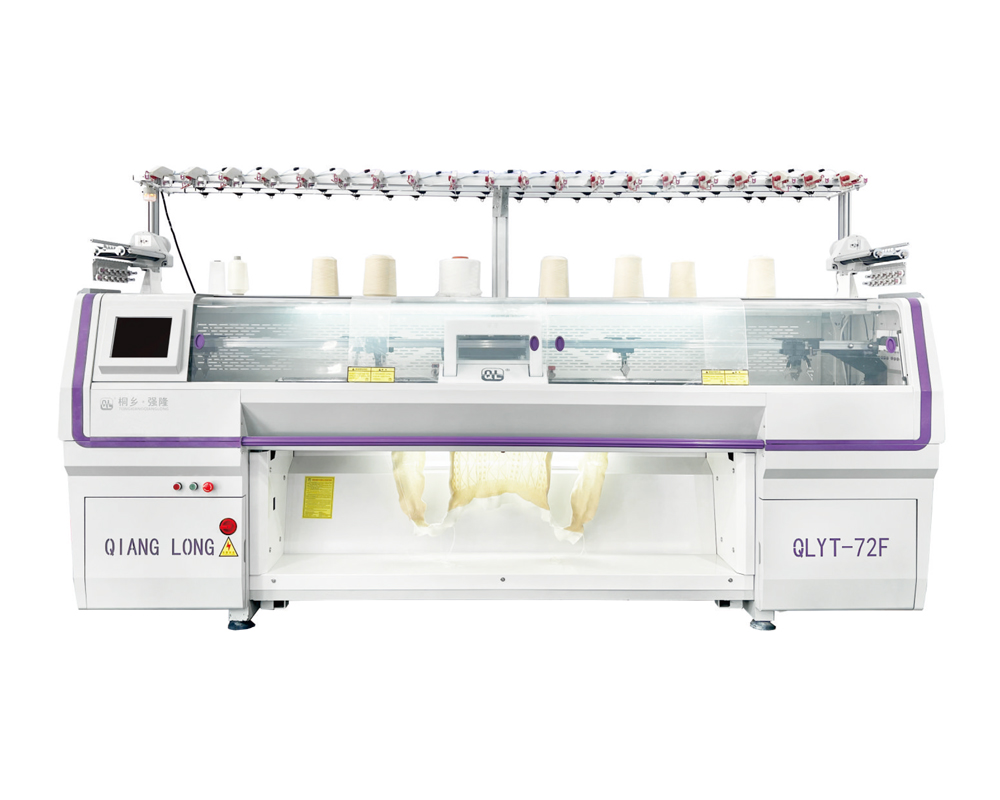
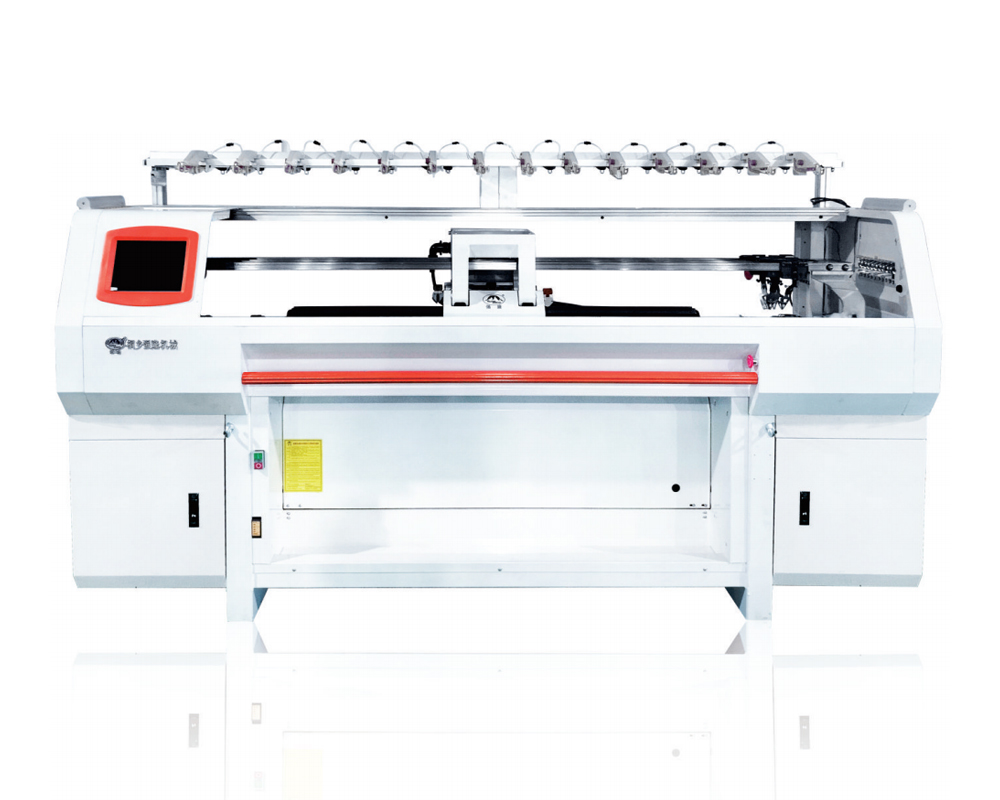
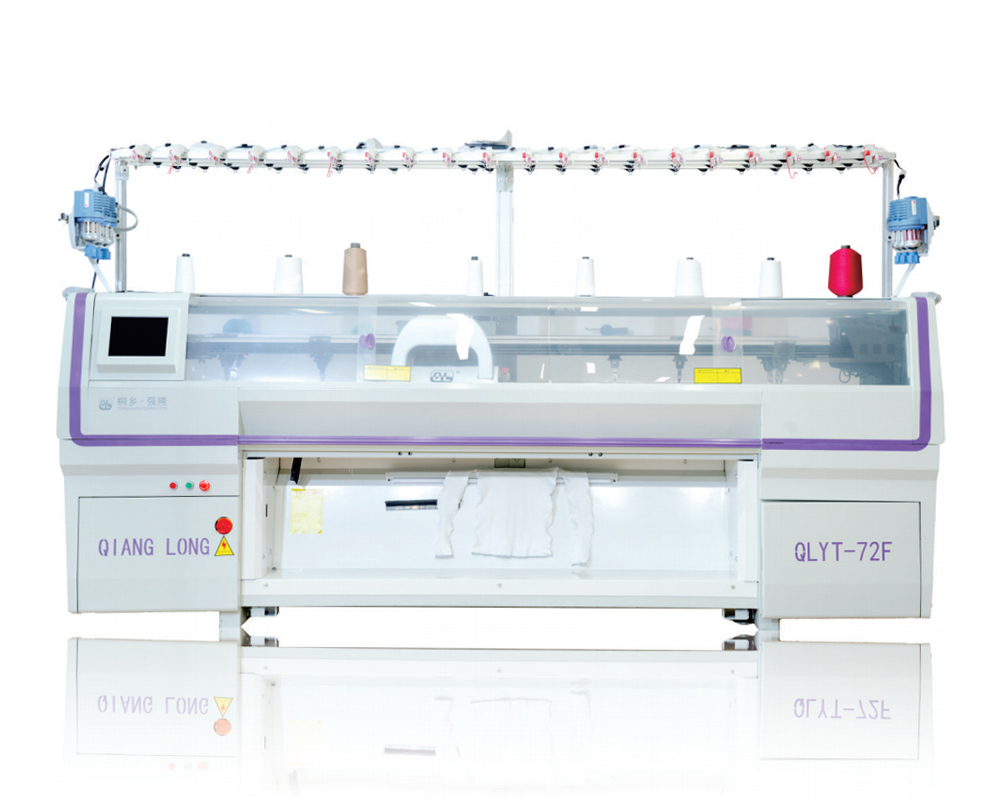
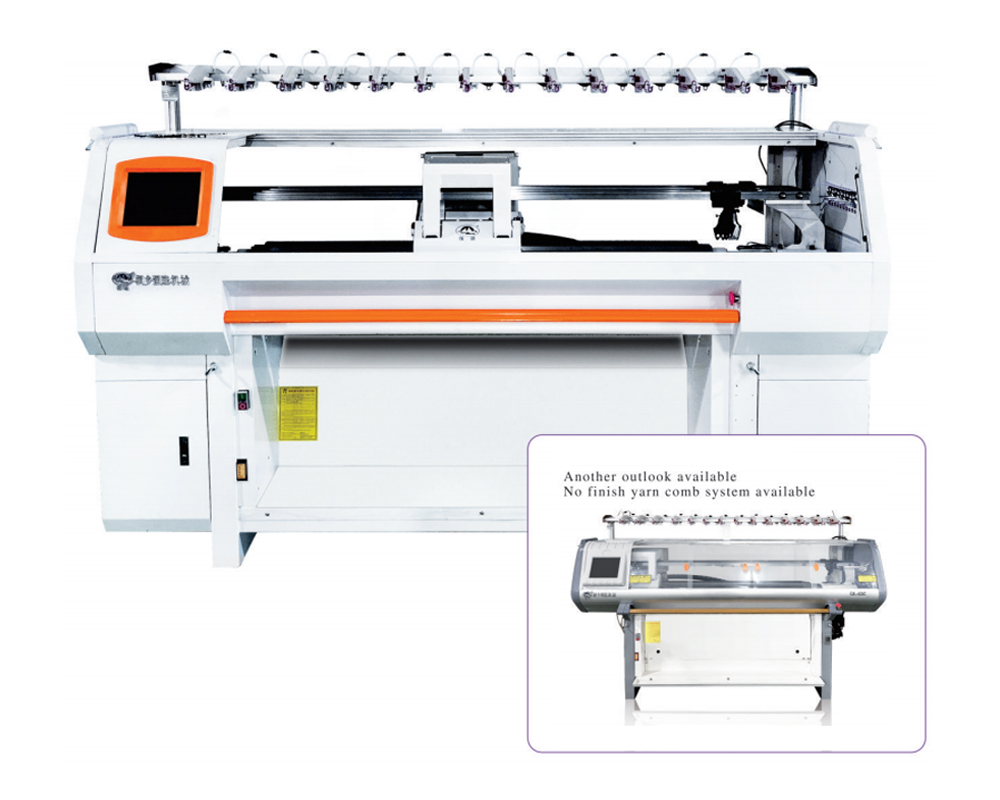
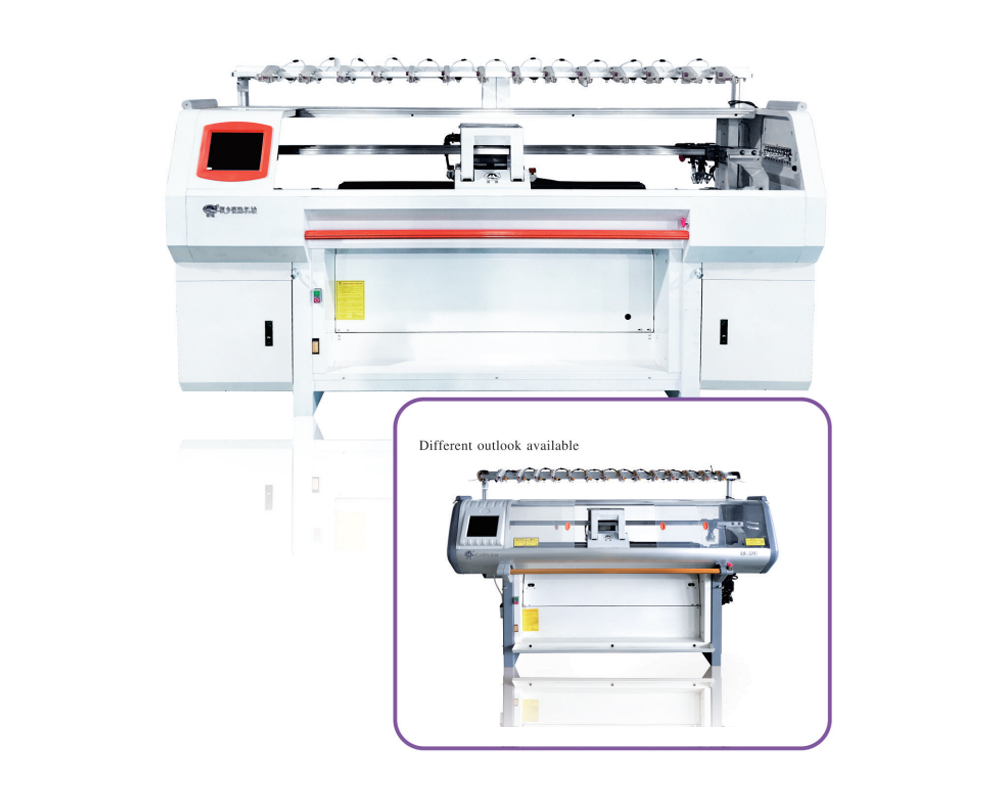
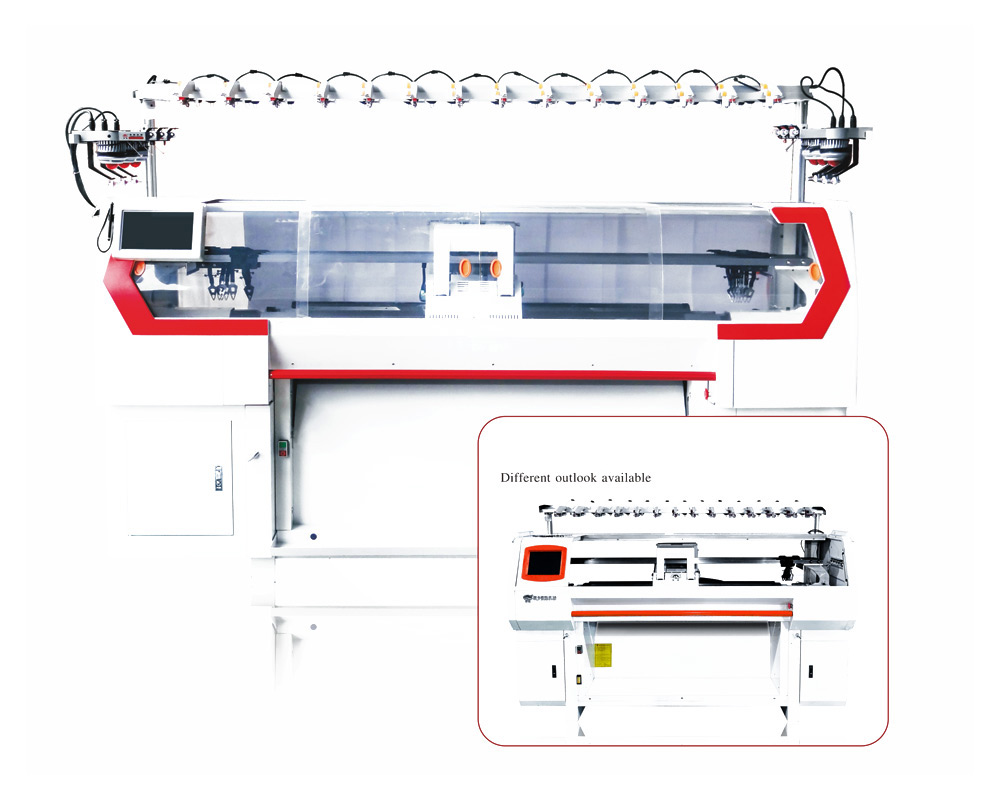

Tongxiang Qianglong Machinery Co., Ltd. is high-tech China wholesale computerized flat knitting machine manufacturers, specialized in designing, developing, and manufacturing Knitting Machinery..
Content
- 1 What Is a 3D Shoe Upper Knitting Machine?
- 2 How Does the Technology Work in Production?
- 3 Which Specifications Should You Compare Before Buying?
- 4 What Are the Real Advantages Over Cut-and-Sew Uppers?
- 5 What Limitations and Costs Should You Plan For?
- 6 How Do You Build a Workflow From Design to Finished Shoe?
- 7 How Do You Choose the Right Machine Supplier?
- 8 Is a 3D Shoe Upper Knitting Machine Worth It for Your Factory?
What Is a 3D Shoe Upper Knitting Machine?
A 3D shoe upper knitting machine is a computerized flat knitting machine that produces a complete shoe upper, or a near-complete one, in a single knitting cycle. Instead of cutting flat fabric into pieces and stitching them together, the machine knits the vamp, quarter, tongue area, collar and eyelet zones as one shaped component. The result is a three-dimensional upper that already follows the contours of the last, with very little trimming afterward.
The technology became widely known through performance sneakers, but it is now used for casual shoes, work boots, slippers, golf shoes and fashion footwear. For factories and brands, the appeal is practical: lower material waste, fewer sewing steps, faster sampling and the ability to build comfort and support directly into the fabric structure.
How Does the Technology Work in Production?
The machine uses needle beds, usually two, with carriages that move across them while yarn carriers feed different yarns to the needles. Software controls every stitch. A designer creates the upper pattern in a dedicated CAD program, assigns stitch types to each zone, and the program converts that design into machine code. Because each needle can be controlled independently, the machine can change stitch density, texture and yarn type within a single piece.
Zoned Structures in a Single Piece
A well-designed upper can contain several functional zones at once. The toe box may use a dense, abrasion-resistant stitch, while the midfoot uses a looser mesh for airflow. The collar can be knitted thicker for cushioning, and the instep can include elastic yarn for a sock-like fit. This zoning replaces overlays, reinforcement patches and linings that would otherwise be cut and sewn separately.
Shaping and Fully Fashioned Knitting
The 3D shape comes from adding and reducing stitches, holding stitches in place and using partial knitting rows. Together these techniques create curves and pockets in the fabric without cutting. After knitting, the upper is usually steamed or heat-set on a last so it keeps its shape, then it is lasted and attached to the sole using adhesive, stitching or injection molding.
Which Specifications Should You Compare Before Buying?
Two machines can look similar on a brochure but perform very differently on a production floor. The table below summarizes the specifications that most affect output quality and flexibility. Always confirm the exact values with the manufacturer for the model you are considering.
| Specification | Typical Range | Why It Matters |
| Gauge | Around 7 to 14 needles per inch | Sets fabric fineness and the yarn thickness you can use |
| Working Width | Often 48 to 60 inches | Determines how large an upper or how many uppers fit in one cycle |
| Yarn Carriers | 8 to 16 or more | Controls color count and the number of functional yarns per upper |
| Needle Bed Setup | Two beds, some with extra control | Affects structure variety and 3D shaping capability |
| Carriage Speed | Varies by model | Influences cycle time, though complex patterns run slower |
| Software Package | Proprietary CAD and simulation tools | Determines how quickly designers can build and test patterns |
Gauge deserves special attention. A finer gauge gives smoother surfaces and more detailed patterns, but it limits you to thinner yarns. A coarser gauge handles bulky or functional yarns better, which suits boots and winter footwear. Many factories choose a middle gauge first, then add a second machine once they know which product categories sell.
What Are the Real Advantages Over Cut-and-Sew Uppers?
The strongest argument for knitting is efficiency across the whole workflow, not just the knitting step itself. These are the benefits buyers most often report:
- Less material waste, because the upper is knitted to shape instead of being cut from a larger roll of fabric.
- Fewer components and less stitching labor, which shortens assembly lines and reduces quality variation between workers.
- Faster sampling, since a new design can be programmed, knitted and evaluated in days rather than waiting on pattern cutting and several supplier materials.
- Built-in performance features such as breathability, cushioning, stretch and reinforcement without extra layers.
- Easier small-batch and on-demand production, because changing a design means changing a file rather than tooling.
- Lighter shoes, since a single knitted layer can replace several bonded or stitched layers.
What Limitations and Costs Should You Plan For?
Knitted uppers are not the right answer for every shoe. Leather dress shoes, rigid safety footwear and some waterproof styles still depend on cut-and-sew or molded constructions. Even for suitable styles, you should plan for the following realities before committing to a purchase.
Equipment and Setup Investment
Industrial 3D knitting machines are a significant capital expense, and the total budget should include more than the machine. Add software licenses, steaming or heat-setting equipment, lasts, yarn inventory, spare parts and a stable power and humidity-controlled workspace. Some suppliers offer training and installation as part of the package, so ask for that in writing.
Skills and Learning Curve
Programming a shoe upper is closer to engineering than to traditional pattern making. Your team needs people who understand stitch structures, yarn behavior and how a flat knitted shape wraps around a last. Expect several weeks of trial and error before the first upper meets fit and durability standards, and keep your most experienced technician involved in early development.
Material Constraints
Yarn choice affects knitting speed, stability and finish. Polyester, nylon, thermoplastic polyurethane (TPU) coated yarns and recycled filaments are common. Very hairy, thick or uneven yarns can cause needle breakage or inconsistent loops. Always run test knits with your intended yarn before ordering in bulk.
How Do You Build a Workflow From Design to Finished Shoe?
A reliable workflow keeps the machine productive and reduces rework. Most successful factories follow a sequence like the one below.
- Start with the last: collect accurate 3D scan data or dimensions so the knitted shape matches the real shoe volume.
- Design the upper in the machine software, defining zones for support, breathability, stretch and eyelet placement.
- Run a sample knit and check dimensions before and after heat setting, because shrinkage varies by yarn.
- Last the sample, attach the sole and test fit on real wearers, adjusting stitch density where pressure or looseness appears.
- Lock the program, record yarn lots and machine settings, and set inspection points for production runs.
Documenting settings matters more than many teams expect. Small changes in yarn tension, room humidity or heat-setting temperature can shift the finished size, so a written standard keeps results consistent across shifts and machines.
How Do You Choose the Right Machine Supplier?
Choose a supplier as carefully as you choose the machine, because you will rely on them for spare parts, software updates and troubleshooting for years. Request a live demonstration using your own yarn and a sample design rather than only watching a prepared showcase. Ask about local service coverage, typical response times for repairs and how long they stock replacement needles and carriers for each model.
Also check how open the software is. Some systems allow you to import designs from other tools or export production data, while others lock you into a single workflow. If you plan to run several machines, compatibility between them can save significant programming time. Finally, speak with existing customers in footwear, not just in apparel knitting, since shoe uppers place different demands on abrasion resistance and dimensional stability.
Is a 3D Shoe Upper Knitting Machine Worth It for Your Factory?
The answer depends on your product mix and order pattern. If you produce athletic, casual or lifestyle footwear in frequently changing designs, the savings in materials, labor and sampling time can be substantial. If your range is mostly leather or rigid constructions, a knitting machine may only serve a small part of your catalog.
A sensible approach is to begin with a pilot: one machine, two or three proven styles and a clear target for waste reduction and sample turnaround. Measure results over several months, then expand based on real data. With careful specification, trained staff and a dependable supplier, a 3D shoe upper knitting machine can become a flexible core of modern footwear production rather than just another piece of equipment.
