
 English
 简体中文
简体中文
 Chinese
 English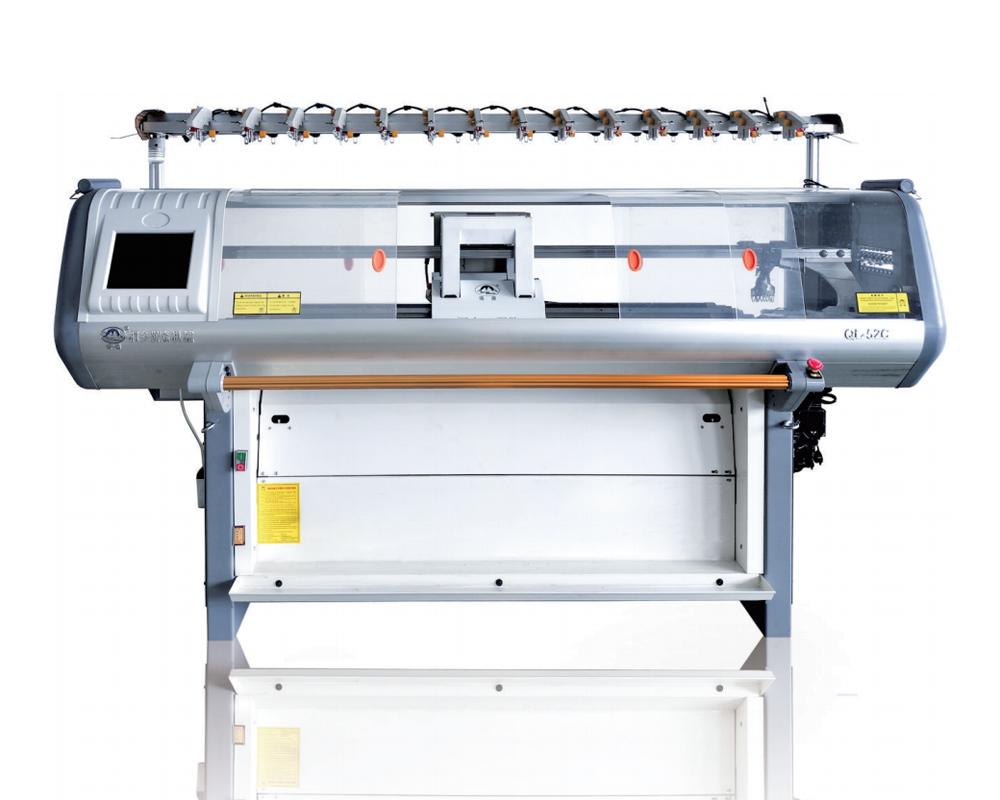
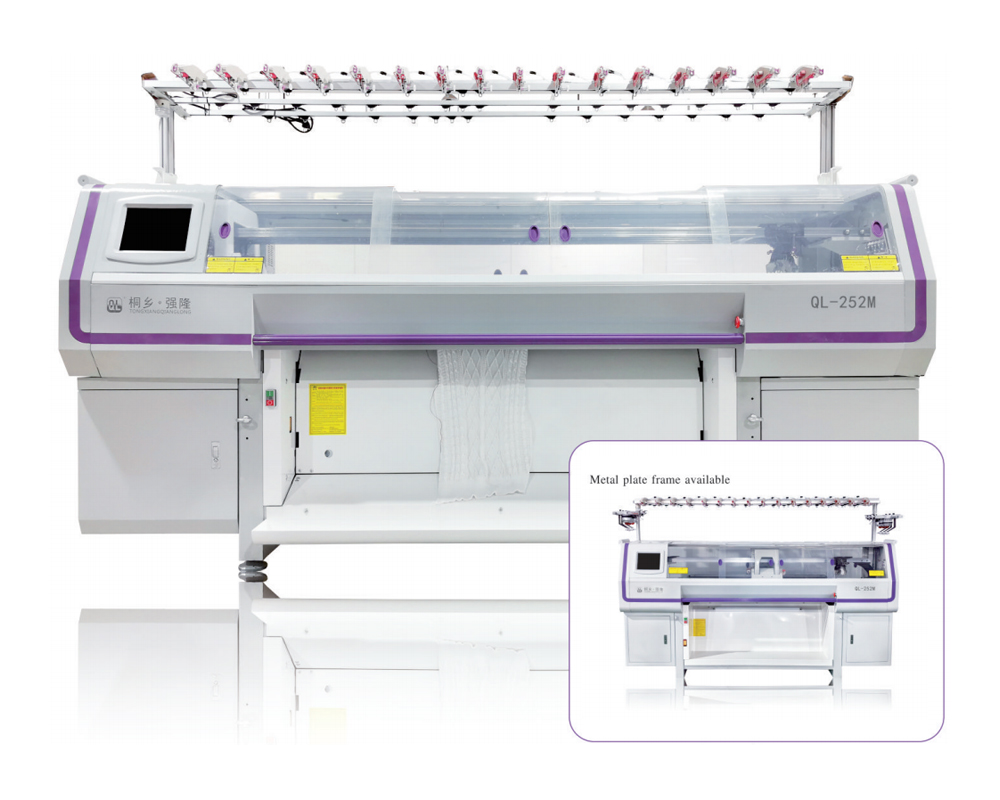
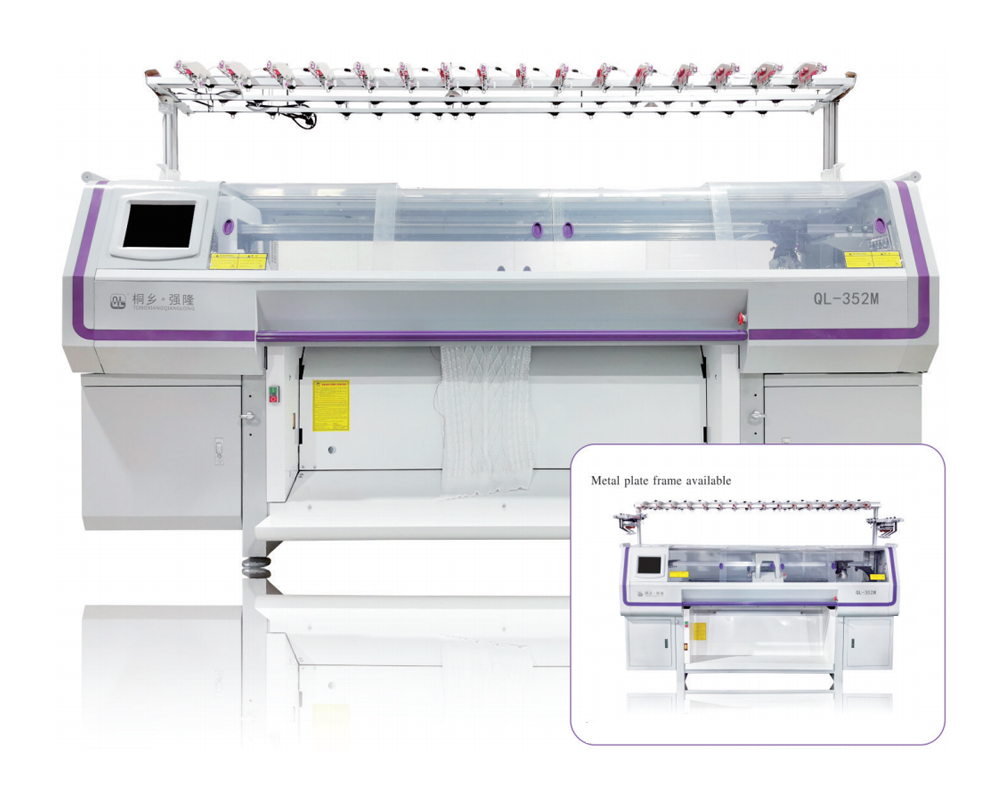
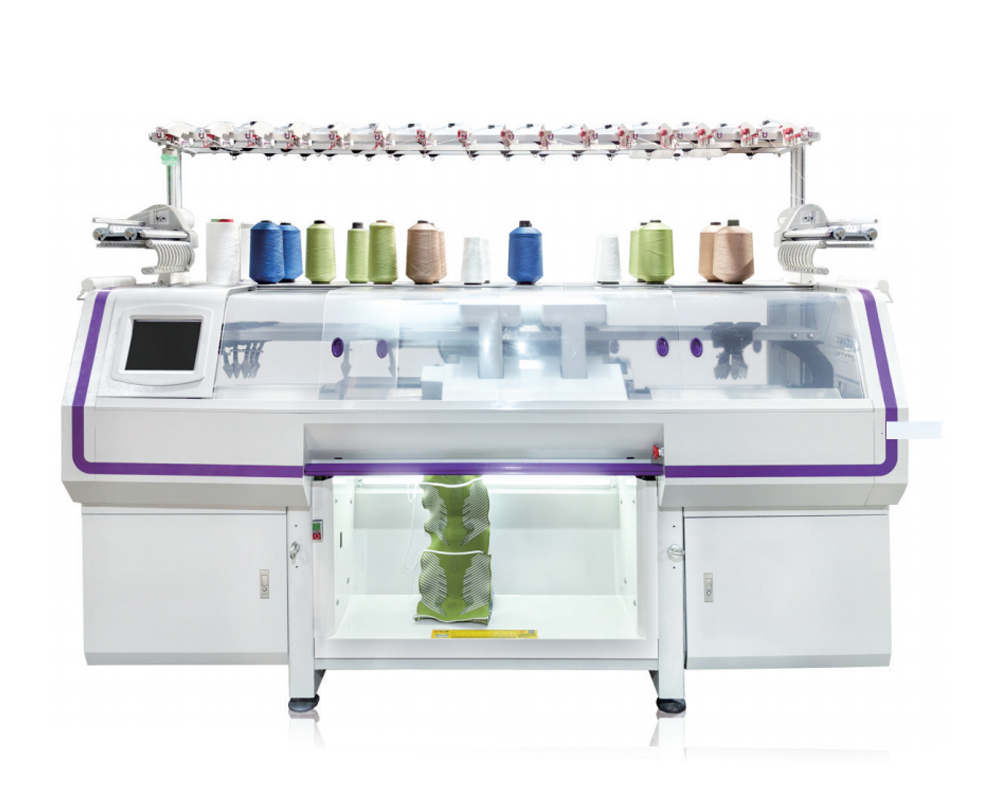
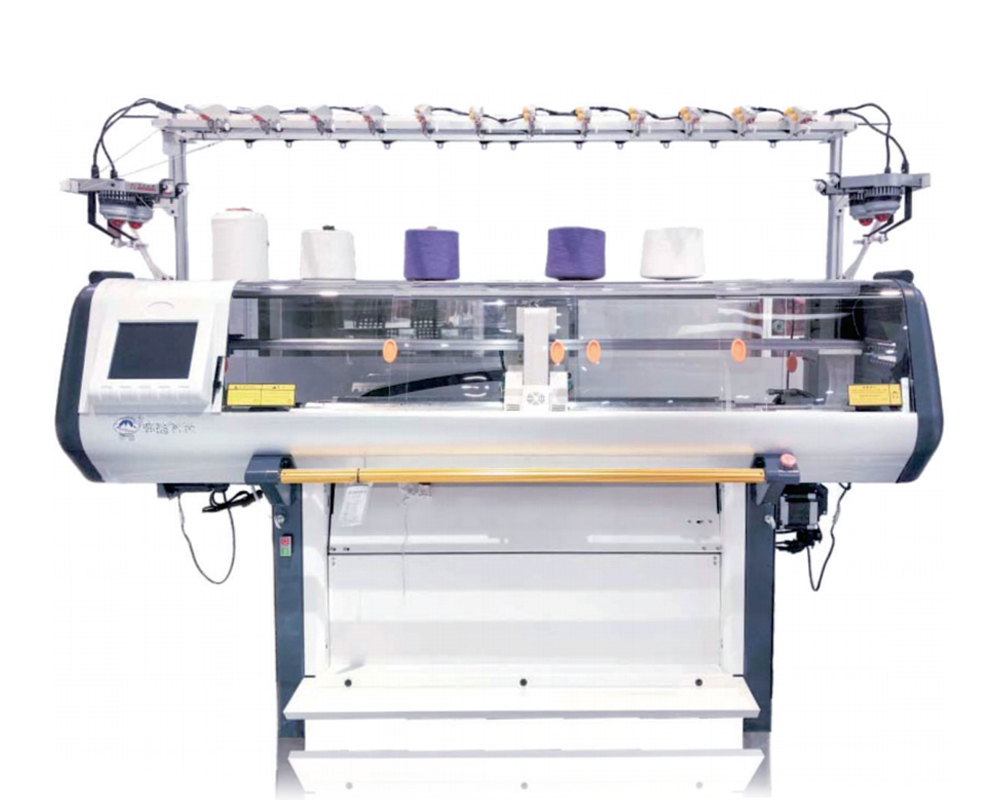
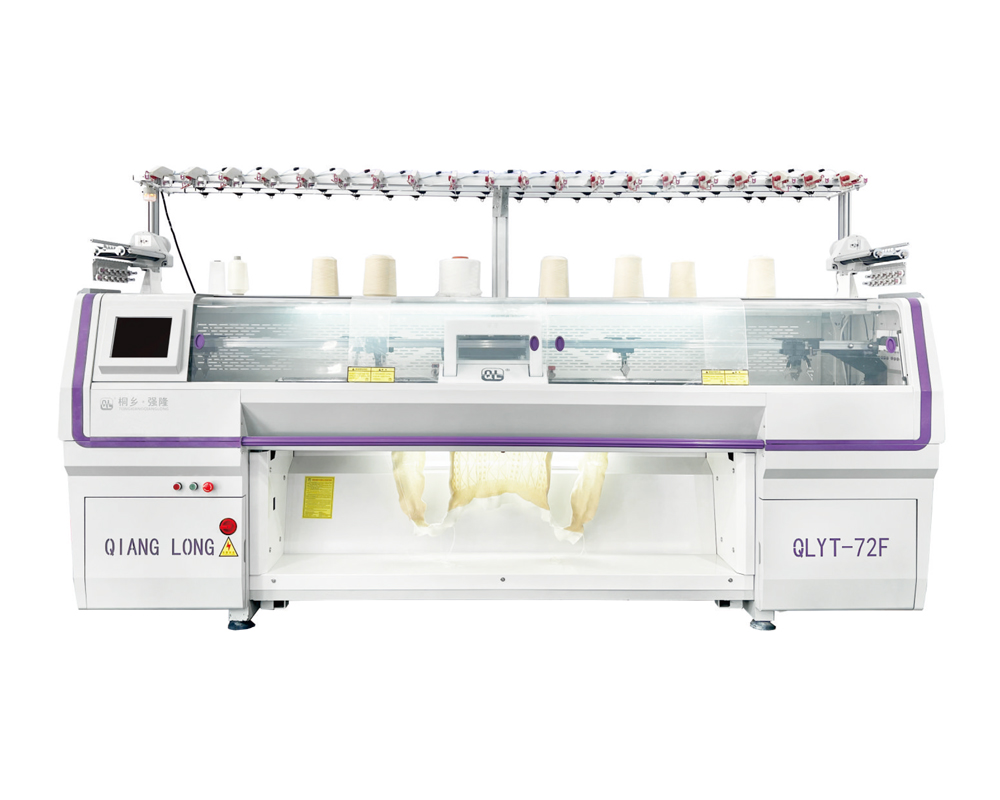
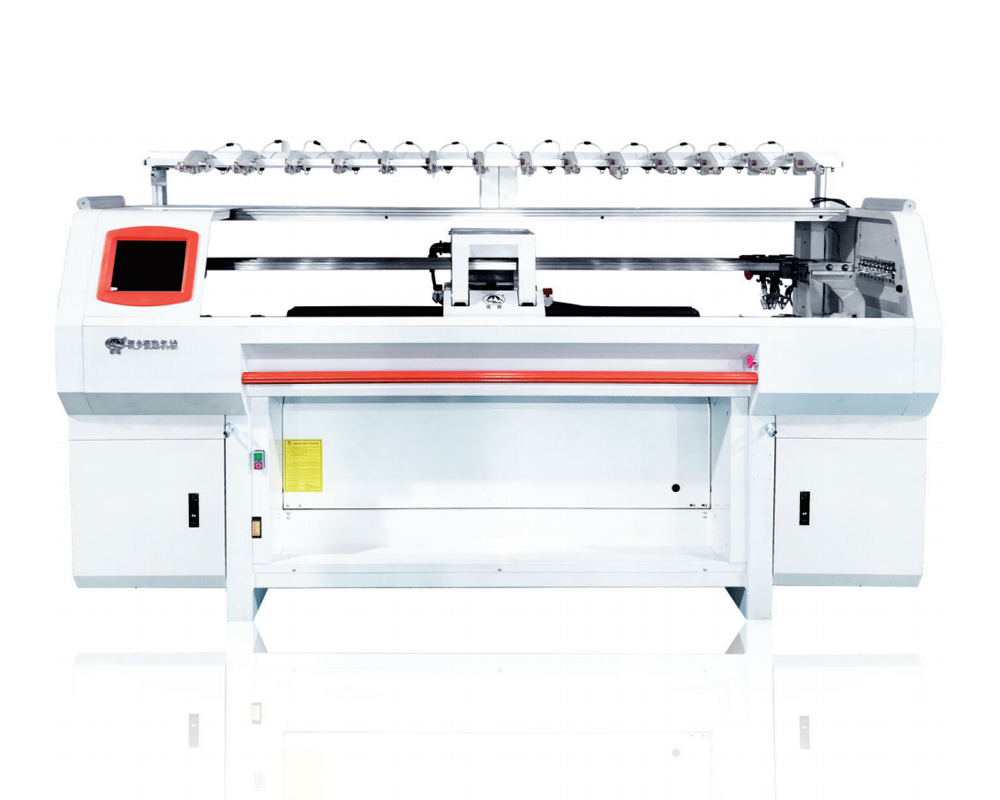
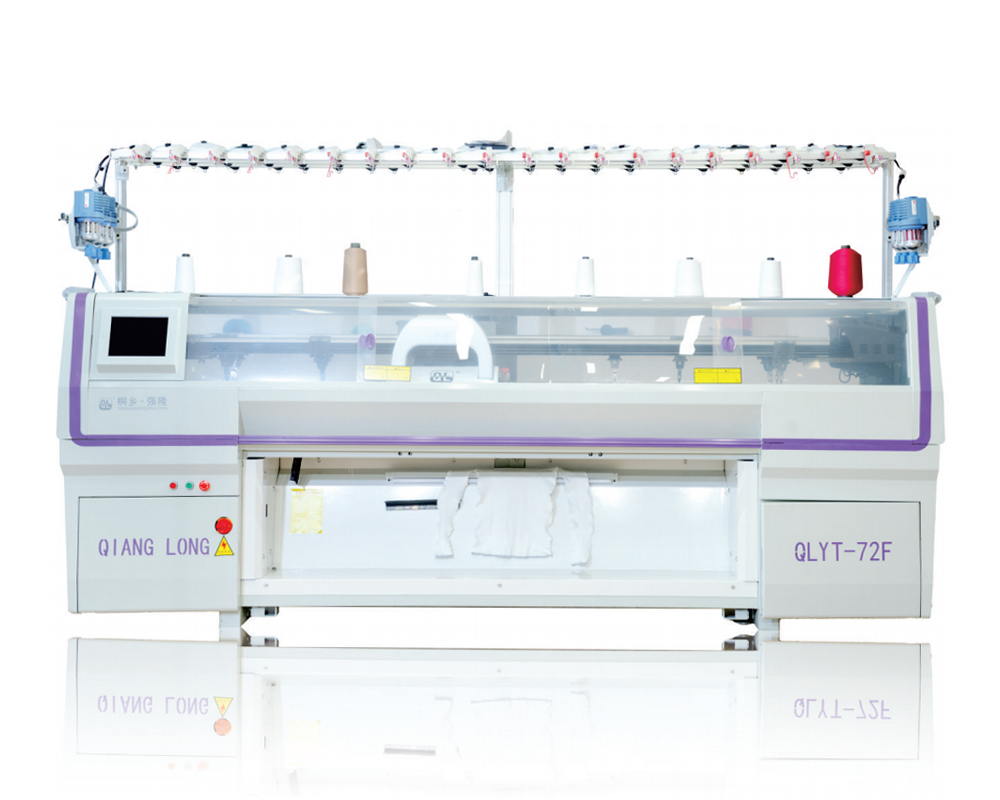
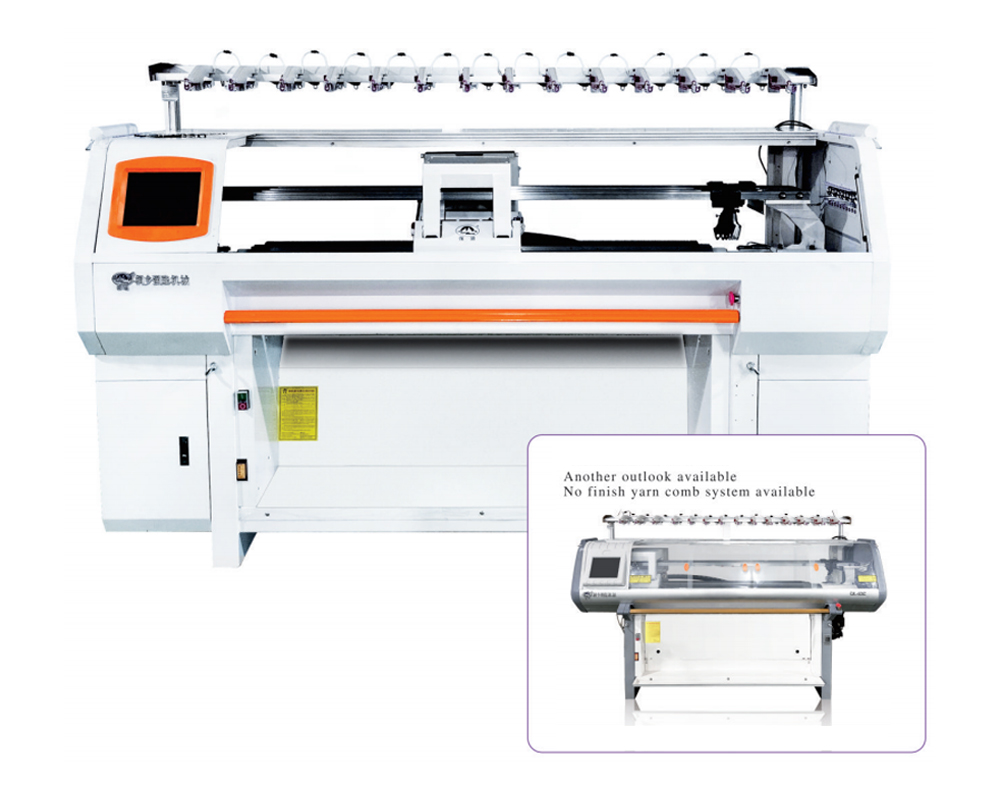
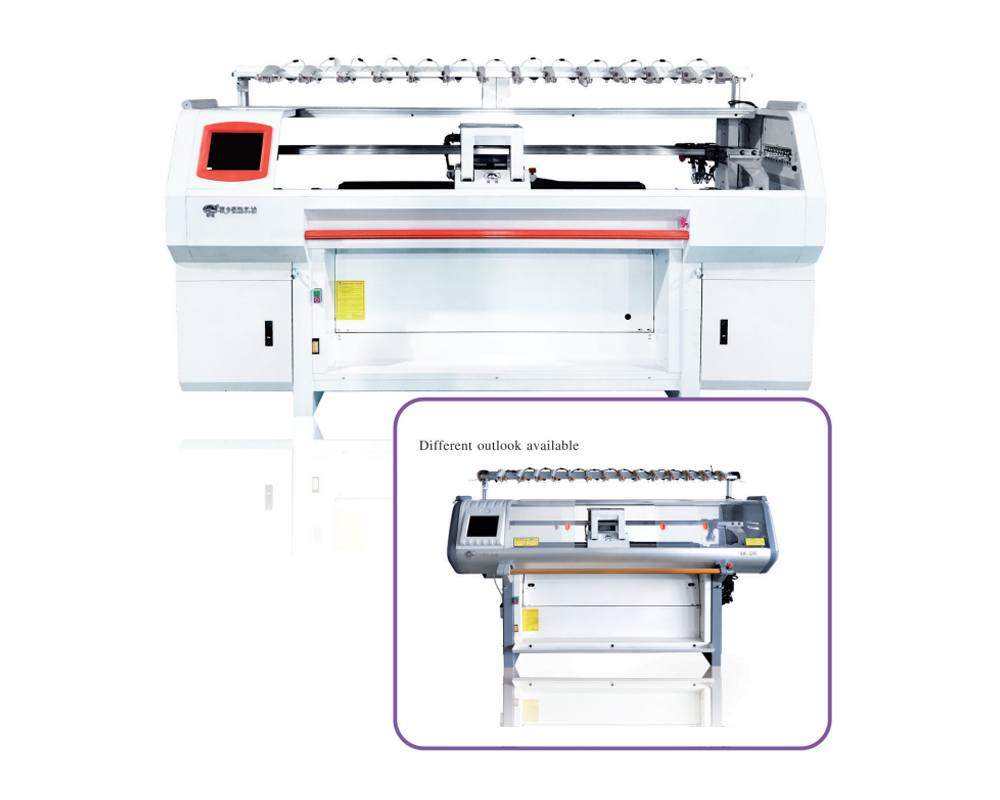
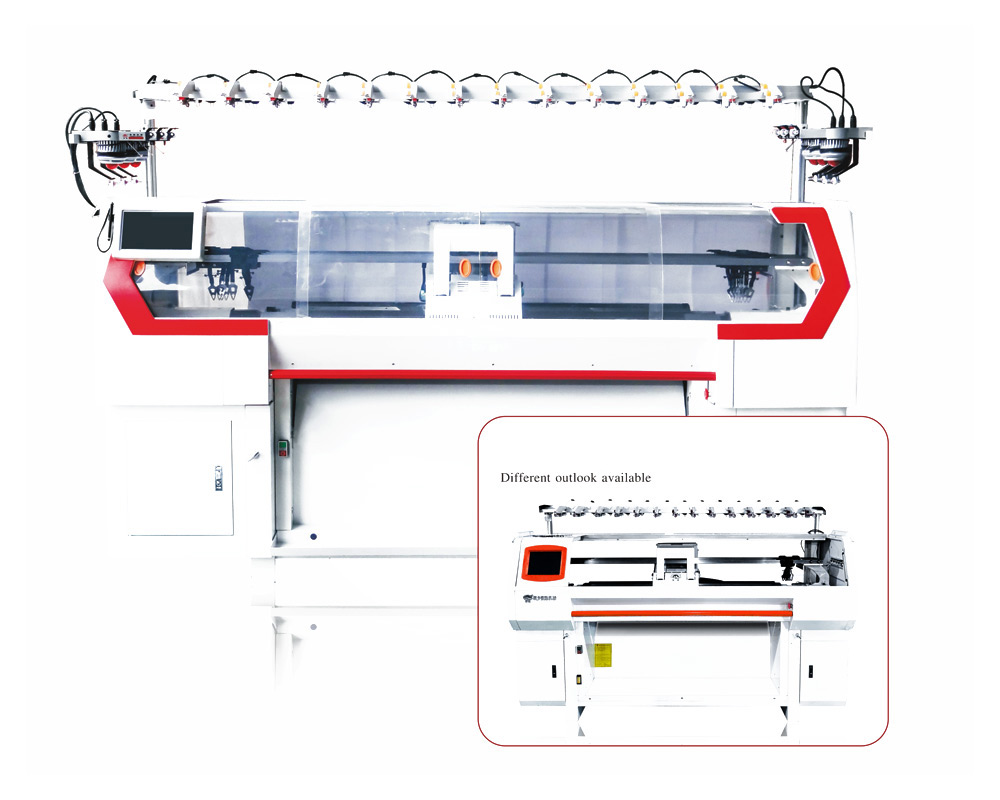

Tongxiang Qianglong Machinery Co., Ltd. is high-tech China wholesale computerized flat knitting machine manufacturers, specialized in designing, developing, and manufacturing Knitting Machinery..
Content
- 1 What Is a 3D Shoe Upper Knitting Machine?
- 2 Working Principle and Knitting Technology
- 3 Key Components of a 3D Shoe Upper Knitting Machine
- 4 Materials Compatible with 3D Knitted Shoe Uppers
- 5 Advantages Over Traditional Upper Manufacturing
- 6 Production Efficiency and Output Capacity
- 7 Quality Control and Consistency
- 8 Applications in Different Footwear Segments
- 9 Energy Consumption and Sustainability
- 10 Maintenance and Operator Skill Requirements
- 11 How to Choose the Right 3D Shoe Upper Knitting Machine
What Is a 3D Shoe Upper Knitting Machine?
A 3D shoe upper knitting machine is a specialized computerized knitting system designed to produce seamless or near-seamless shoe uppers directly from yarn. Unlike traditional cut-and-sew processes, this machine integrates structure, pattern, and functional zones into a single knitted upper. By using advanced programming and multi-needle configurations, it enables precise control over stitch density, elasticity, and shape, significantly improving production efficiency and product consistency.
Working Principle and Knitting Technology
The core working principle of a 3D shoe upper knitting machine is computerized flat or circular knitting combined with three-dimensional shaping. Digital design files are converted into knitting programs that control needle movement, yarn feeding, and stitch formation. This allows the machine to knit complex upper structures in one continuous process.
Computerized Control System
The machine is equipped with a high-precision control system that synchronizes needle beds, yarn carriers, and take-down mechanisms. Operators can adjust parameters such as stitch length, tension, and pattern layout to meet different footwear design requirements. This digital control ensures repeatability and reduces reliance on manual labor.
Three-Dimensional Knitting Structure
Through selective needle knitting and variable stitch structures, the machine creates three-dimensional forms that closely match the shape of the foot. Reinforced areas, breathable zones, and elastic sections can be knitted seamlessly into the upper without additional assembly steps.

Key Components of a 3D Shoe Upper Knitting Machine
Understanding the main components helps manufacturers evaluate machine performance and maintenance requirements. Each part plays a critical role in ensuring knitting accuracy and production stability.
- Needle beds with high-density needle arrangement
- Multiple yarn feeders for color and material variation
- Electronic take-down and tension control system
- Integrated software and pattern design interface
Materials Compatible with 3D Knitted Shoe Uppers
A major advantage of 3D shoe upper knitting machines is their compatibility with a wide range of yarn materials. This flexibility allows brands to balance performance, comfort, and cost.
Synthetic Yarns
Polyester and nylon are commonly used due to their strength, abrasion resistance, and colorfastness. These yarns are ideal for sports and outdoor footwear that require durability and long-term shape retention.
Elastic and Functional Yarns
Spandex and elastic composite yarns are often integrated into specific zones to provide stretch and support. Functional yarns with moisture-wicking or antimicrobial properties further enhance wearer comfort.
Advantages Over Traditional Upper Manufacturing
Compared with traditional cutting, stitching, and laminating methods, 3D shoe upper knitting machines offer clear production and design advantages. These benefits have driven their adoption across athletic, casual, and technical footwear segments.
- Reduced material waste due to precise knitting
- Fewer seams, improving comfort and durability
- Shorter development and production cycles
- Greater design flexibility and customization
Production Efficiency and Output Capacity
Modern 3D shoe upper knitting machines are designed for high-speed operation while maintaining consistent quality. Output capacity depends on machine gauge, number of yarn feeders, and pattern complexity. Automated functions reduce downtime and improve overall manufacturing efficiency, making the technology suitable for both mass production and small-batch customization.
Quality Control and Consistency
Quality control is significantly enhanced through digital programming and automated knitting processes. Uniform stitch formation and controlled tension minimize defects such as uneven thickness or weak zones. This consistency is particularly important for branded footwear that demands strict quality standards.
Applications in Different Footwear Segments
3D shoe upper knitting machines are widely used across various footwear categories due to their adaptability and performance benefits.
| Footwear Type | Main Requirements | Knitted Upper Benefits |
| Sports Shoes | Breathability and support | Seamless fit and lightweight structure |
| Casual Shoes | Comfort and aesthetics | Flexible design and soft feel |
| Safety Footwear | Durability and stability | Reinforced zones with reduced weight |
Energy Consumption and Sustainability
Sustainability is an increasingly important factor in footwear manufacturing. 3D shoe upper knitting machines help reduce waste by producing near-net-shape uppers. Efficient motor systems and optimized knitting programs also contribute to lower energy consumption compared to traditional multi-step processes.
Maintenance and Operator Skill Requirements
Regular maintenance ensures long-term machine stability and knitting accuracy. Tasks include needle inspection, lubrication, and software updates. While the machines are highly automated, trained operators are still required to manage programming, troubleshoot issues, and optimize production parameters.
How to Choose the Right 3D Shoe Upper Knitting Machine
Selecting the right machine depends on production scale, target footwear market, and design complexity. Key factors include machine gauge, maximum knitting area, software compatibility, and after-sales technical support. By aligning machine capabilities with manufacturing goals, footwear producers can achieve higher efficiency, better product quality, and stronger market competitiveness.
