
 English
 简体中文
简体中文
 Chinese
 English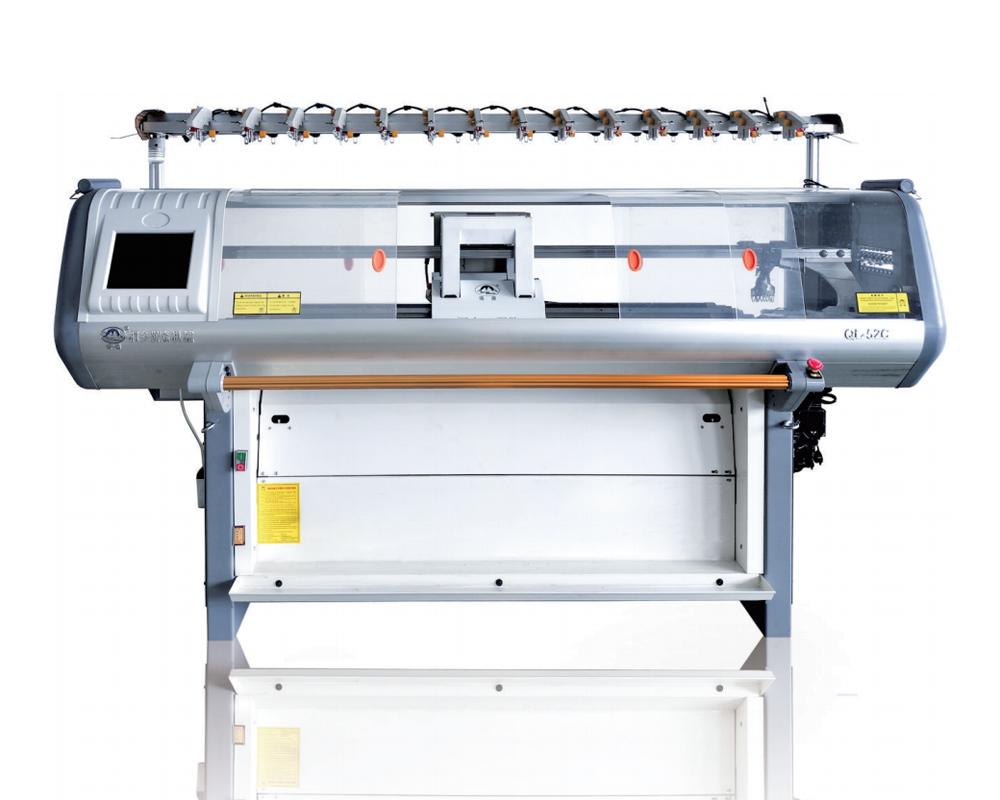
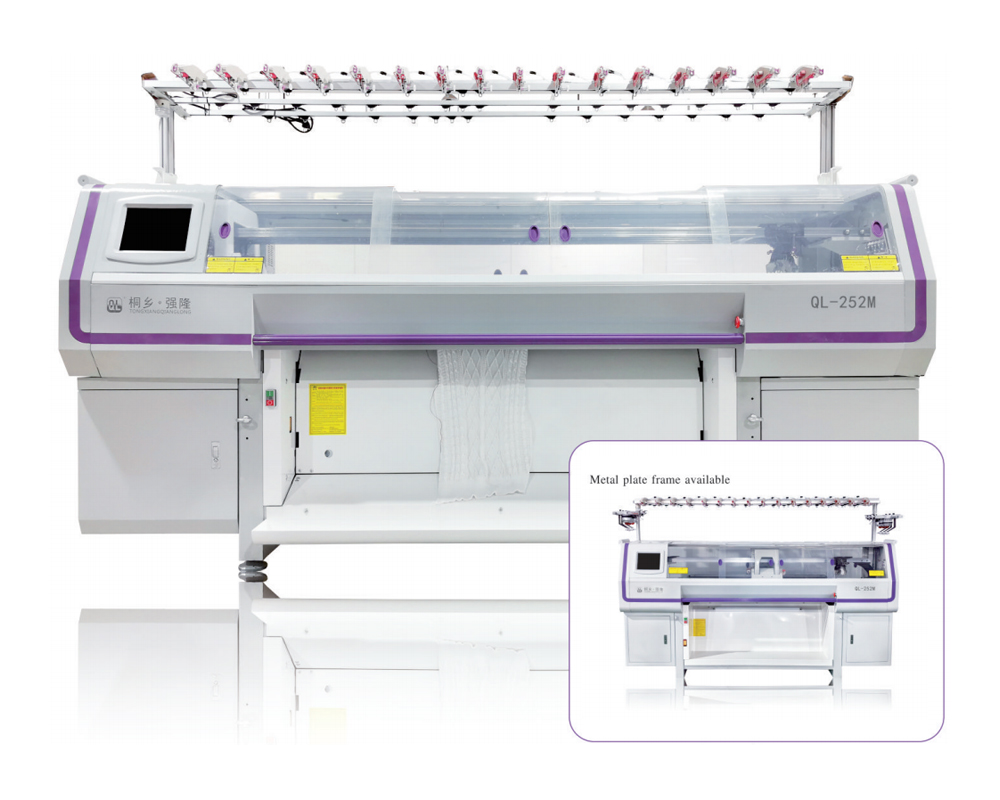
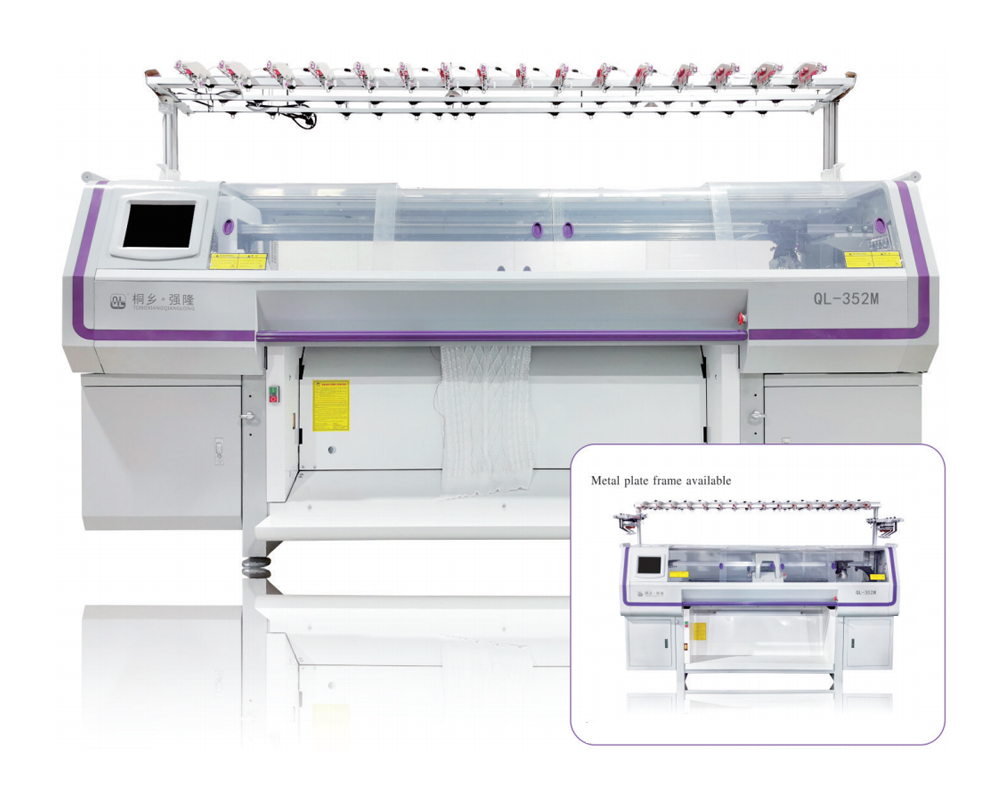
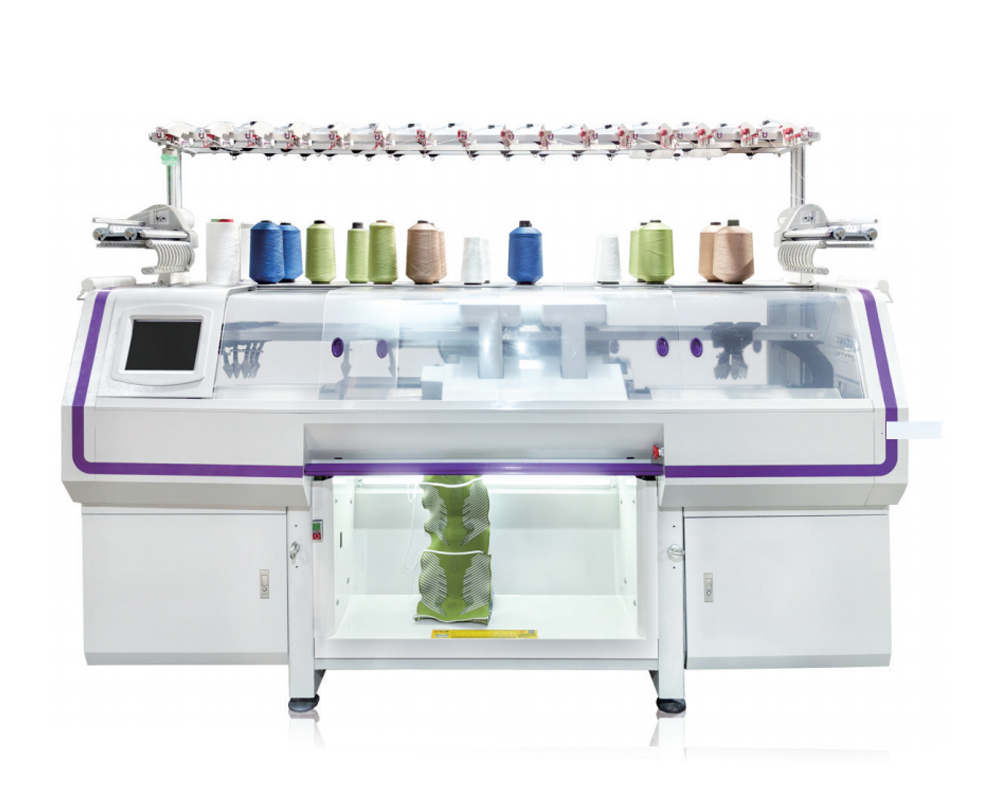
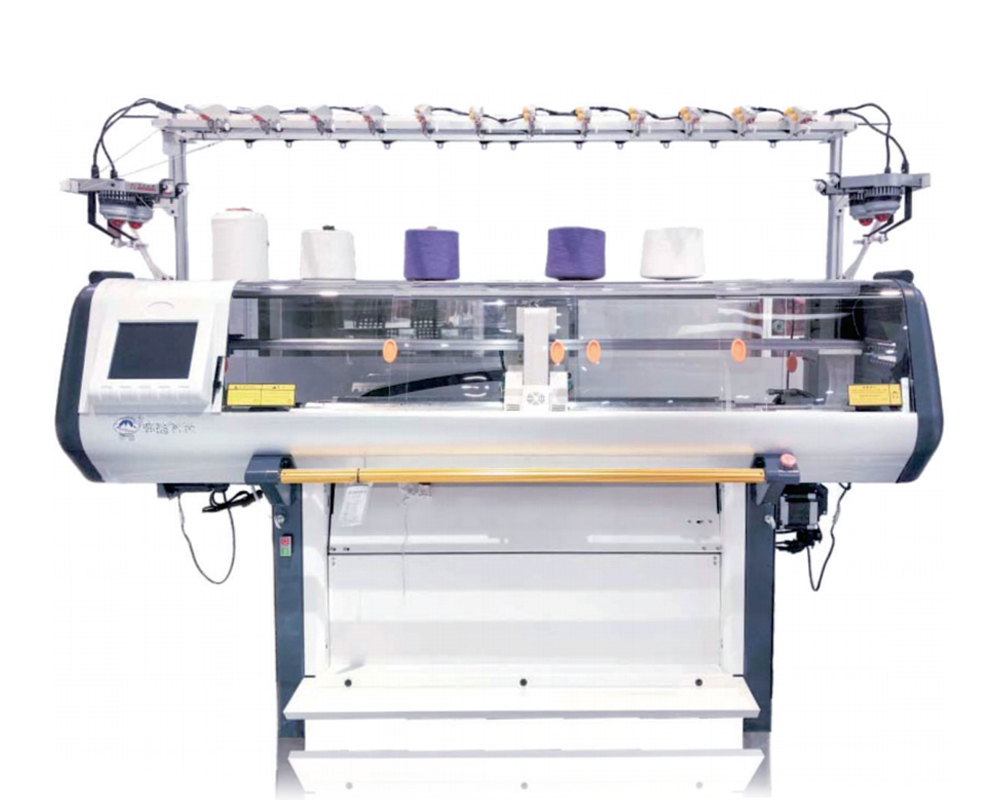
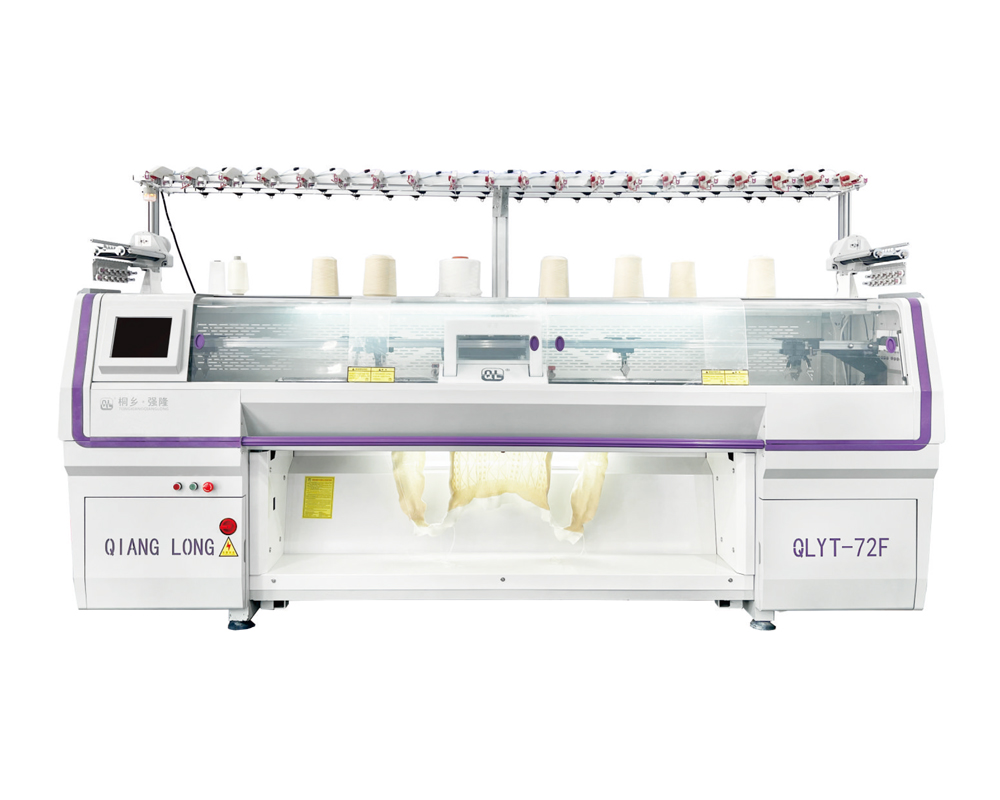
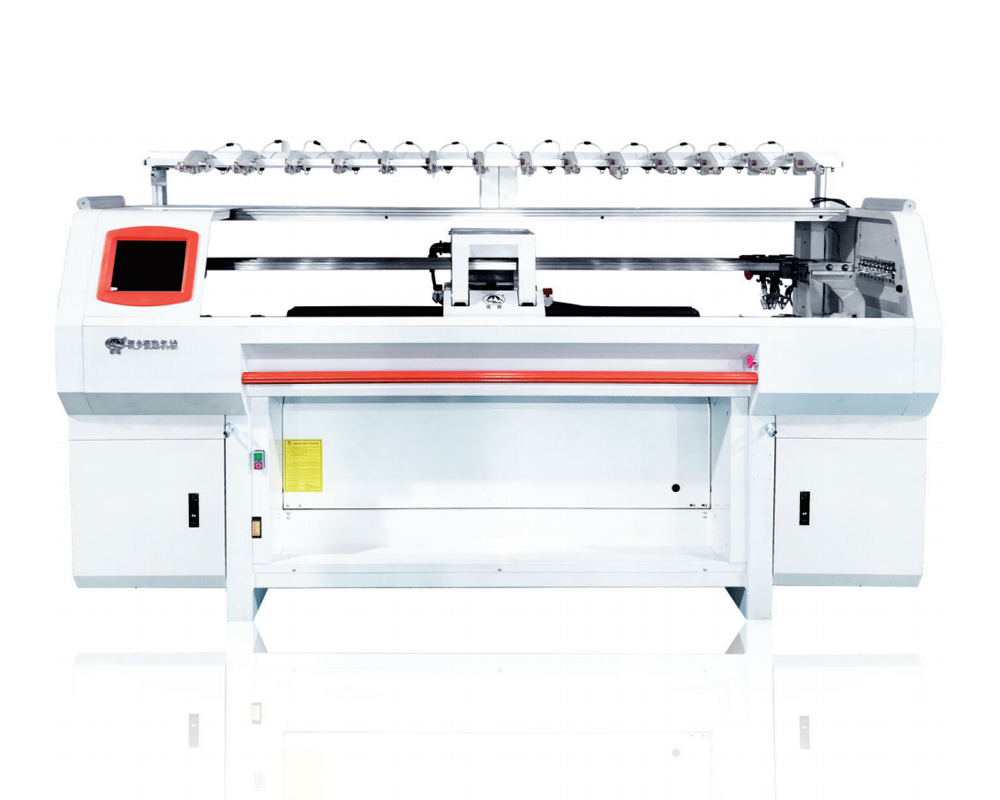
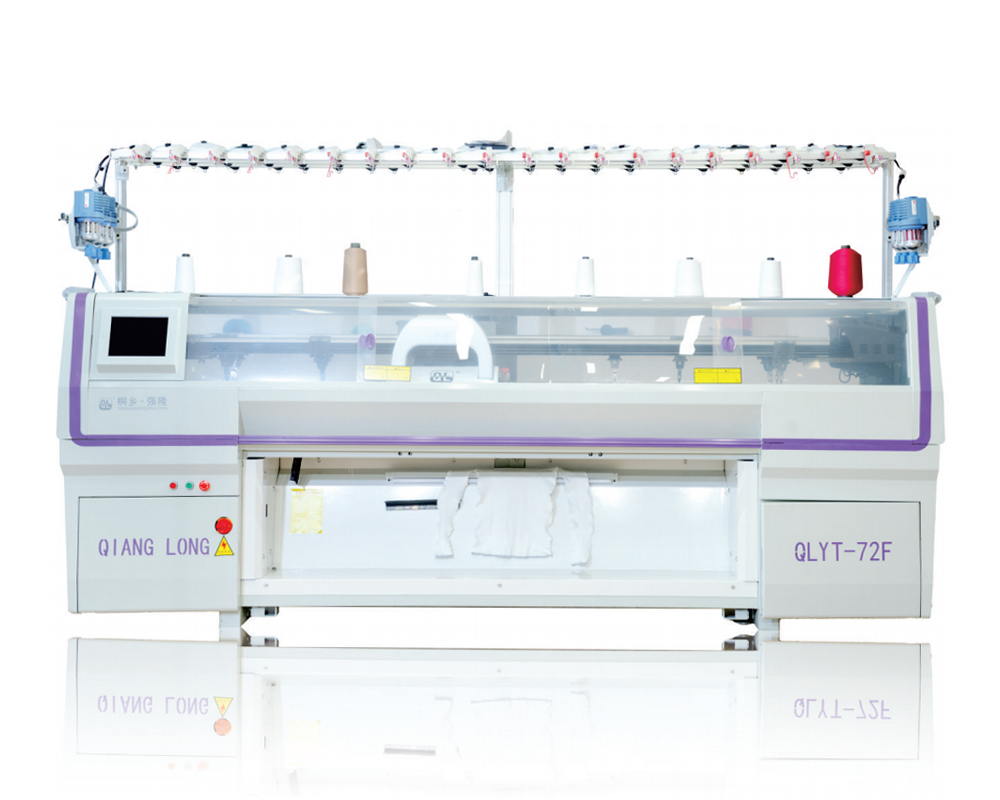
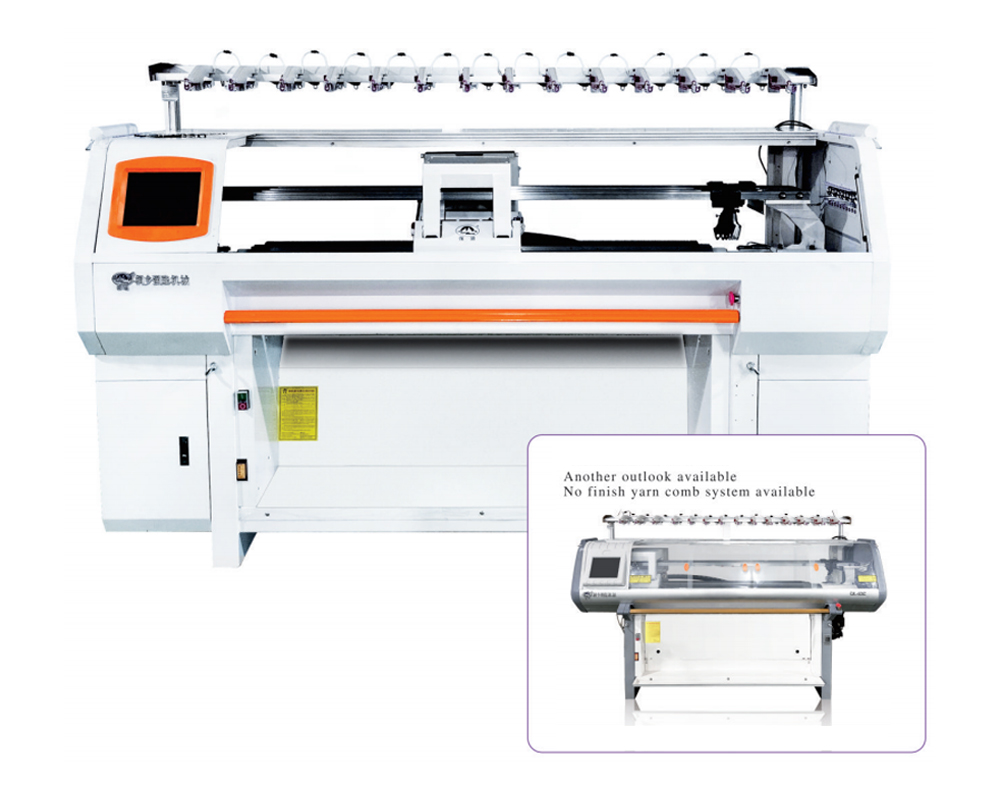
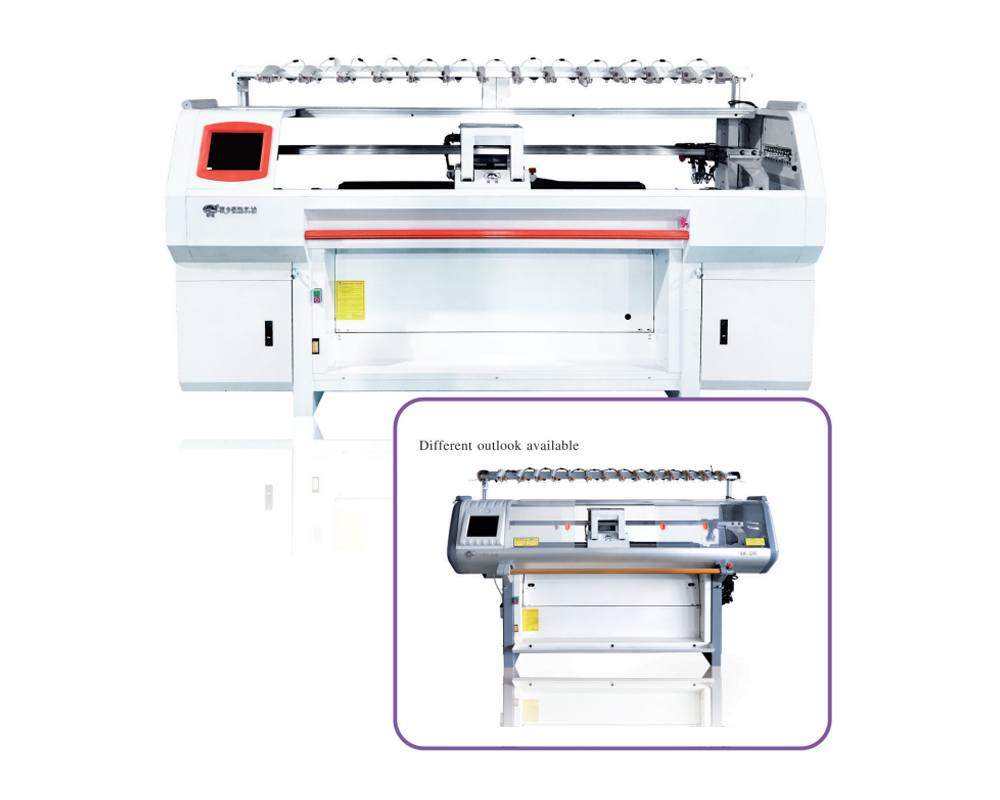
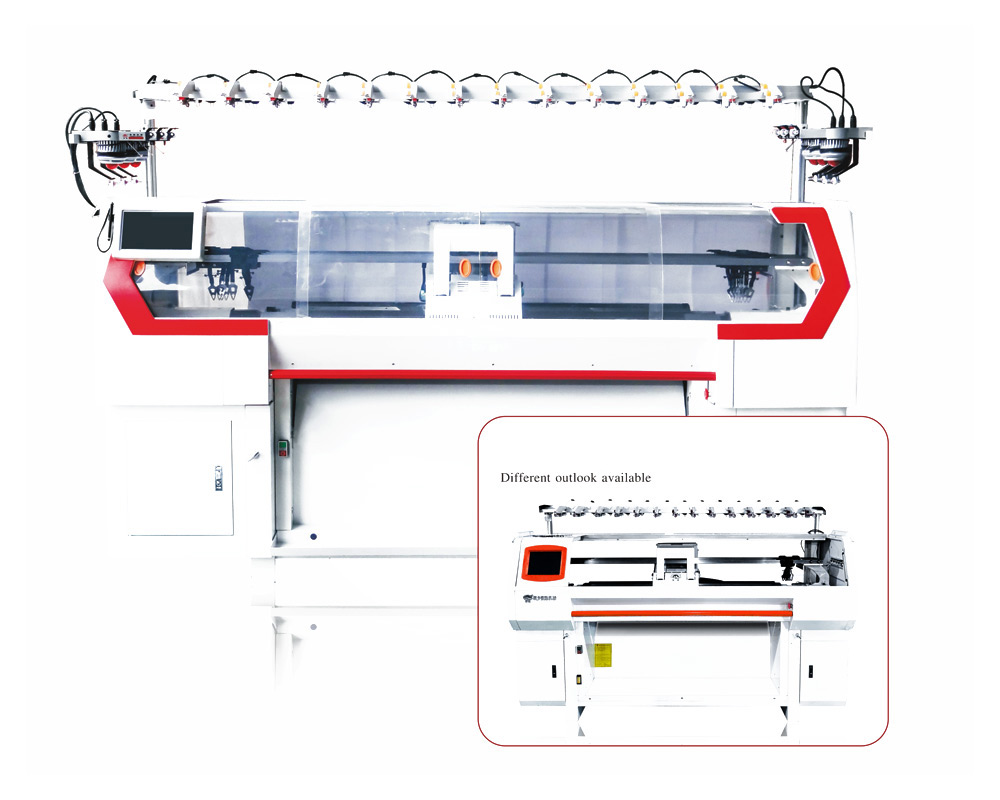

Tongxiang Qianglong Machinery Co., Ltd. is high-tech China wholesale computerized flat knitting machine manufacturers, specialized in designing, developing, and manufacturing Knitting Machinery..
Content
- 1 What Is a Three System Computerized Flat Knitting Machine?
- 2 Key Advantages of the Three System Design
- 3 Comparison Table: Single vs Double vs Three System Machines
- 4 Main Applications in the Textile Industry
- 5 Technical Features That Improve Performance
- 6 How to Choose the Right Machine
- 7 Benefits for Manufacturers and Exporters
- 8 Conclusion
The Three System Computerized Flat Knitting Machine has become a key piece of equipment in today’s textile and garment manufacturing industry. Designed for precision, efficiency, and flexible pattern production, this machine is widely used in the production of sweaters, collars, cuffs, scarves, hats, shoe uppers, and other knitted products. Compared with traditional flat knitting machines, the three-system configuration offers improved productivity, more complex knitting capabilities, and better operational stability, making it an ideal choice for factories focused on large-scale and high-quality knitwear production.
As the global demand for customized knitwear, fashion garments, and technical textiles continues to grow, manufacturers increasingly rely on advanced computerized knitting equipment to enhance production efficiency and reduce labor costs. This article provides a deep and practical overview of the three system computerized flat knitting machine, including its structure, working advantages, application fields, technical comparisons, and selection considerations.

What Is a Three System Computerized Flat Knitting Machine?
A three system computerized flat knitting machine is an advanced knitting device equipped with three knitting systems or carriages that can work in coordinated cycles during a single production process. The “three system” design refers to the machine’s ability to use multiple yarn feeders and needle operations within one knitting sequence, allowing more complex structures and higher output compared with single or double system machines.
The machine is controlled through a computerized interface that allows operators to input patterns, stitch settings, yarn tension parameters, and production instructions with high accuracy.
Its core components typically include:
- Computerized control panel
- Three knitting systems
- Needle bed
- Servo motor drive system
- Automatic yarn feeder
- Pattern programming software
Key Advantages of the Three System Design
Higher Production Efficiency
One of the biggest advantages of the three system configuration is increased production speed. Multiple systems allow more stitches and pattern actions to be completed in fewer machine cycles, significantly improving output.
This is especially beneficial for factories producing large volumes of sweaters and knitwear products.
Complex Pattern Capability
With three knitting systems, the machine can create more intricate structures such as jacquard patterns, cables, ribbing, intarsia, and multi-color designs.
This makes it highly suitable for fashion-focused and customized garment production.
Reduced Labor Dependency
The computerized operation reduces manual intervention and minimizes human error, helping manufacturers lower labor costs while improving product consistency.
Comparison Table: Single vs Double vs Three System Machines
| Machine Type | Efficiency | Pattern Complexity | Production Cost | Best Use |
| Single System | Basic | Low | Low | Simple knitwear |
| Double System | Medium | Medium | Medium | General garments |
| Three System | High | High | Optimized | Mass production and complex designs |
Main Applications in the Textile Industry
Sweater Production
The machine is widely used for manufacturing pullovers, cardigans, turtlenecks, and children’s knitwear. Its pattern flexibility allows brands to create unique designs quickly.
Collars and Cuffs
Three system machines are highly effective for producing ribbed collars, cuffs, and waistbands with stable elasticity and uniform stitch density.
Shoe Uppers
With the rise of knitted sports footwear, this machine is increasingly used to produce seamless shoe uppers for sneakers and athletic shoes.
Home Textiles
It is also suitable for knitted blankets, cushion covers, and decorative home textile fabrics.
Technical Features That Improve Performance
Modern three system computerized flat knitting machines include advanced technical functions that enhance efficiency and product quality.
- Automatic yarn break detection
- Precise stitch density control
- Servo motor positioning system
- USB and network pattern input
- Automatic lubrication system
- Error alarm and self-diagnostic functions
How to Choose the Right Machine
When purchasing a three system computerized flat knitting machine, manufacturers should evaluate several practical factors.
Gauge Selection
Different gauges are suitable for different fabric thicknesses. Fine gauges are ideal for lightweight garments, while lower gauges work better for thicker winter sweaters.
Production Capacity
Factories should consider daily output requirements and choose machine models that match their order volume.
Software Compatibility
Advanced design software compatibility is important for pattern customization and fast product development.
Benefits for Manufacturers and Exporters
For knitwear factories and textile exporters, investing in a three system computerized flat knitting machine improves competitiveness in global markets.
The key benefits include:
- Faster lead times
- Lower production costs
- Higher product consistency
- More complex design capability
- Improved customer customization support
Conclusion
The three system computerized flat knitting machine is an advanced and practical solution for modern textile manufacturing. Its superior efficiency, pattern versatility, and reduced labor dependency make it an essential investment for factories aiming to improve output and product quality.
Whether used for sweaters, collars, shoe uppers, or decorative knit products, this machine continues to play a critical role in driving innovation and productivity in the knitwear industry.
