 English
 简体中文

 Chinese
 English
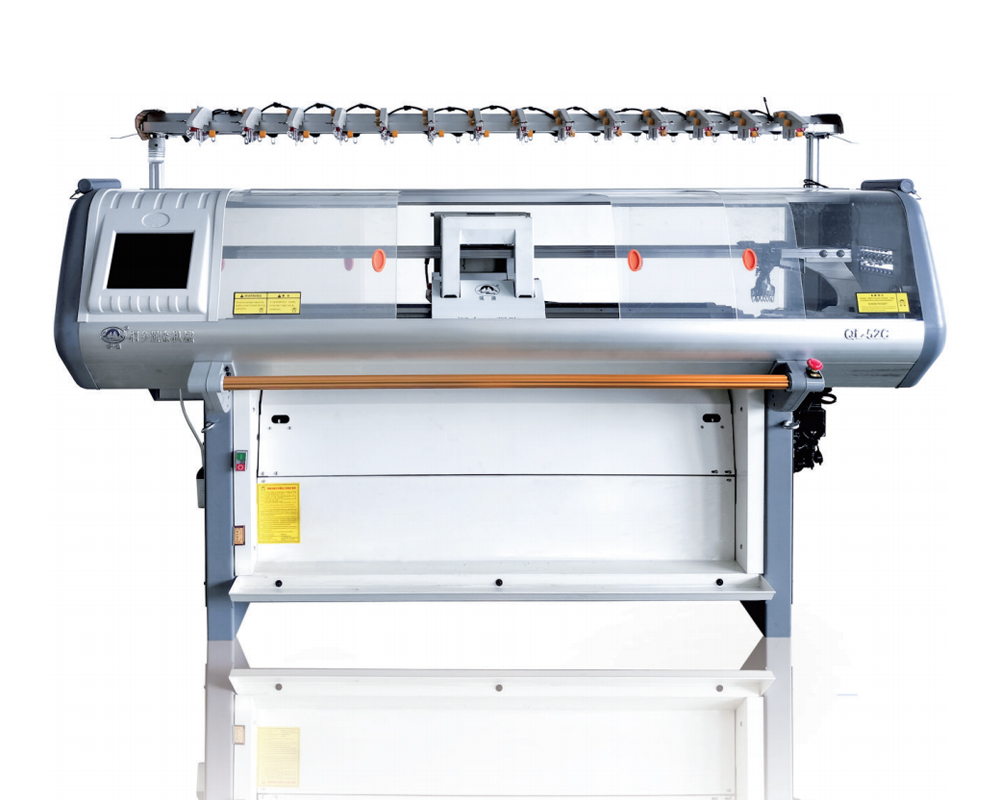
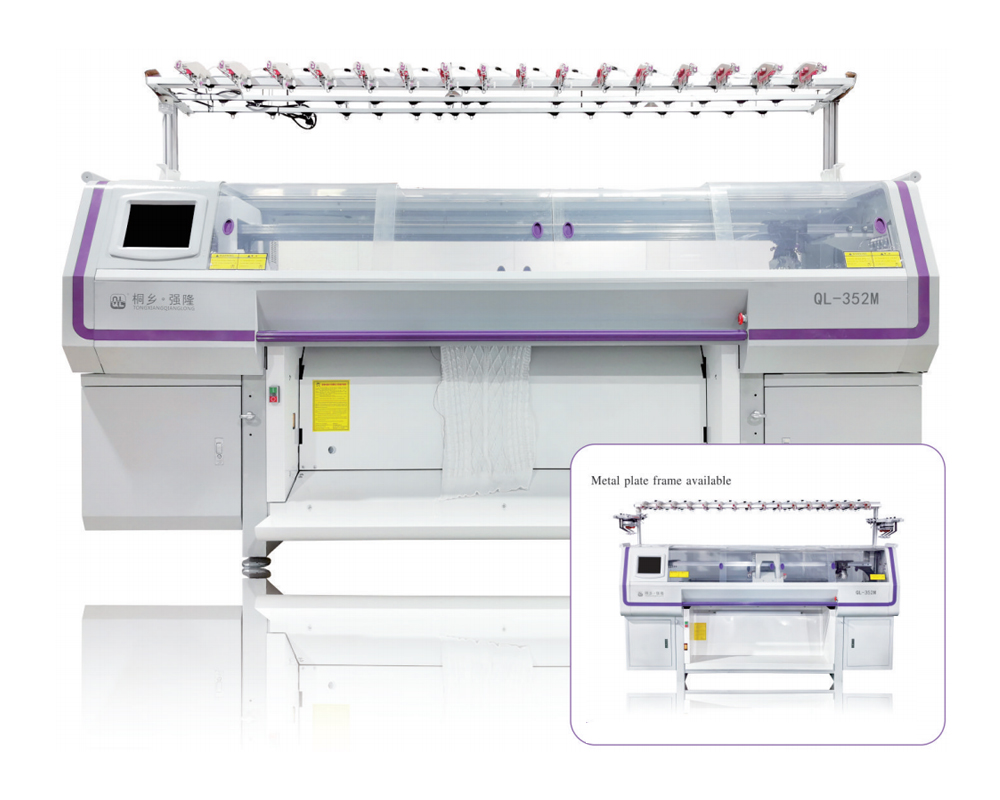
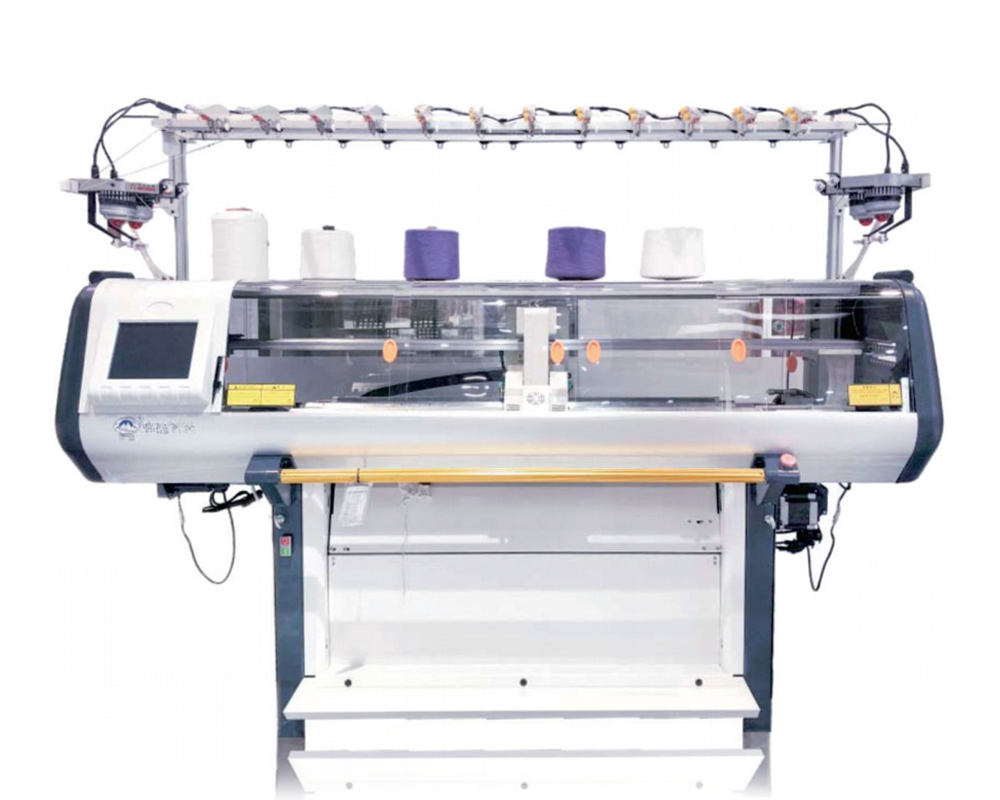
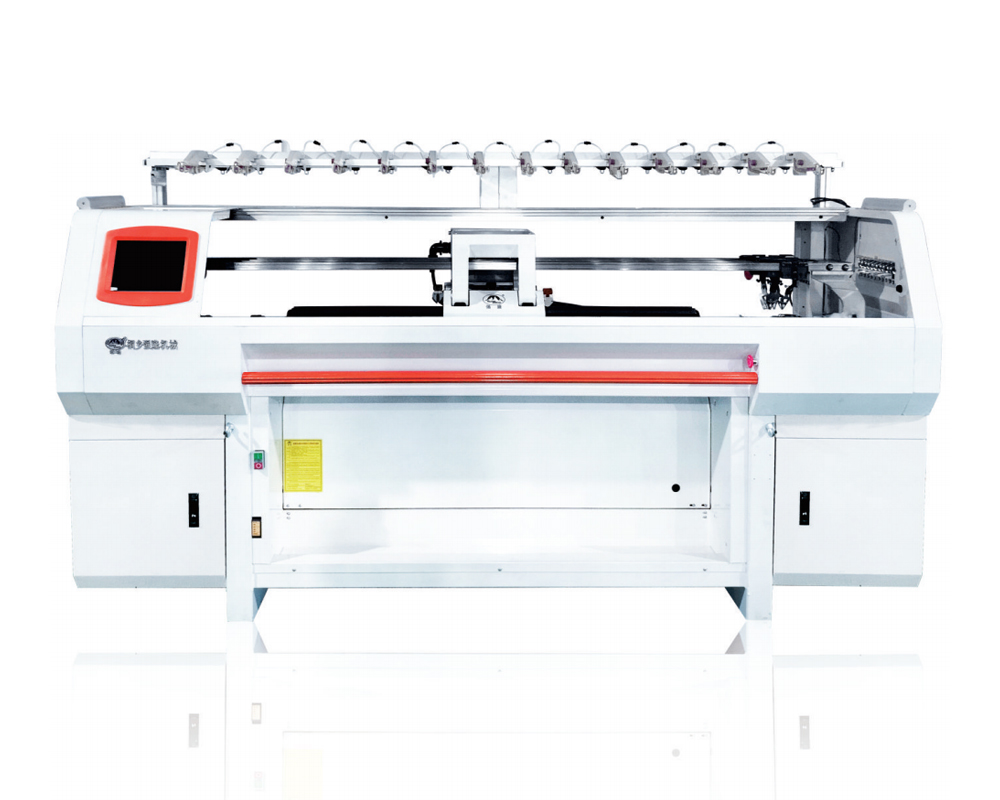
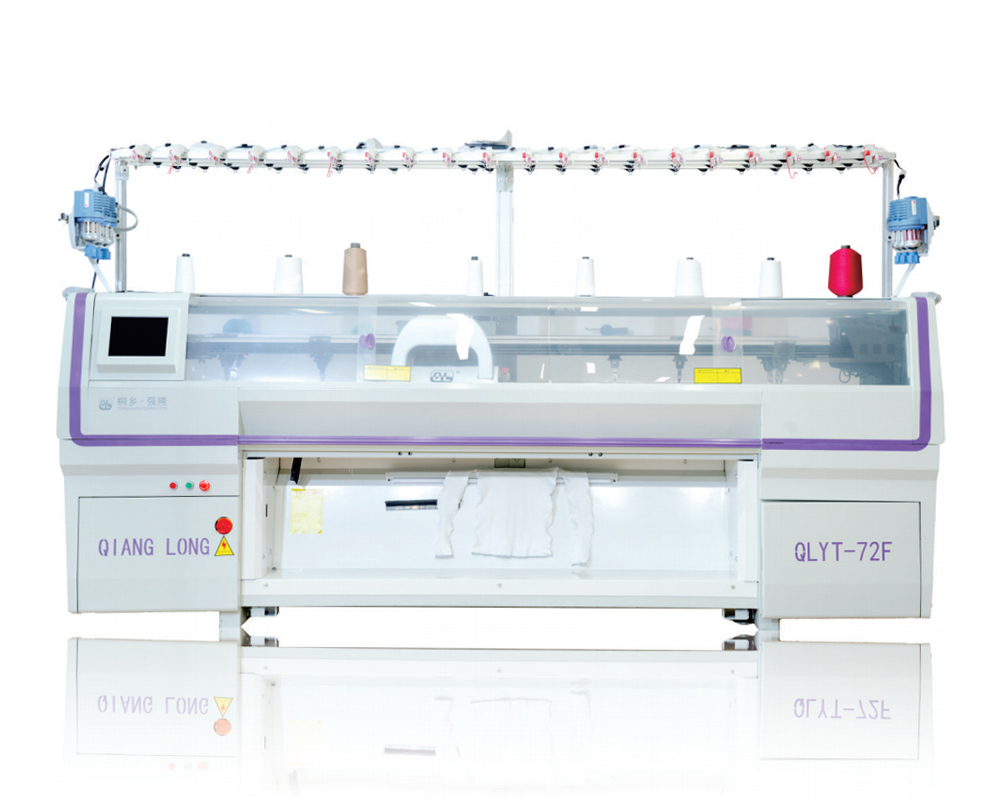
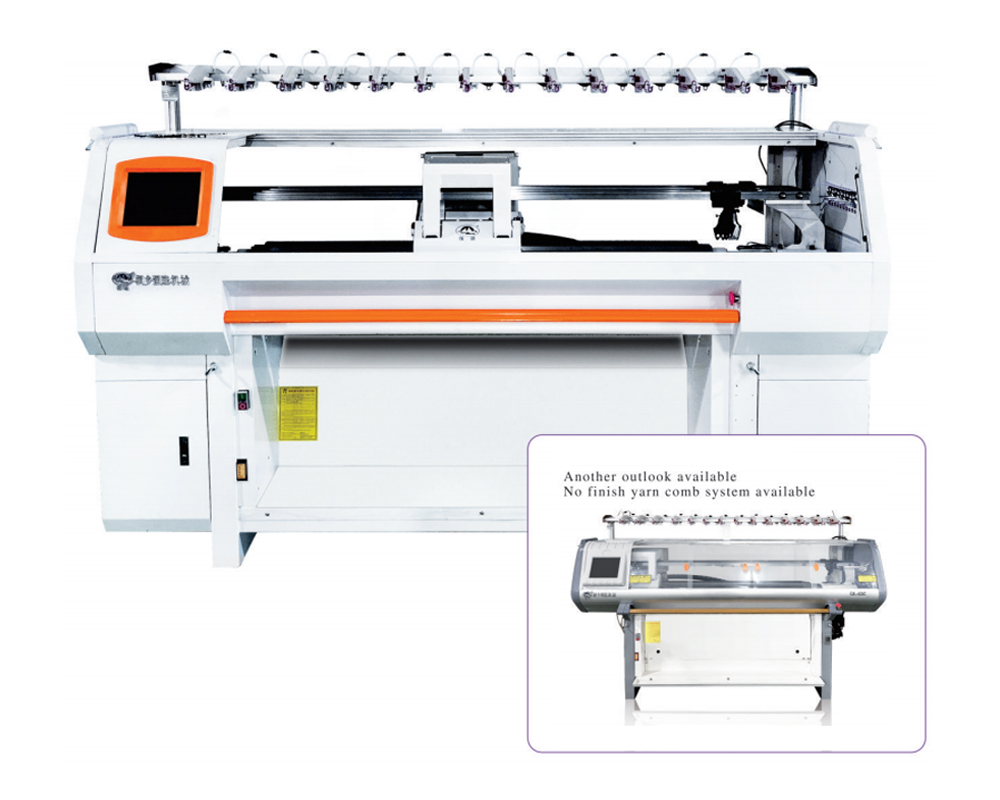
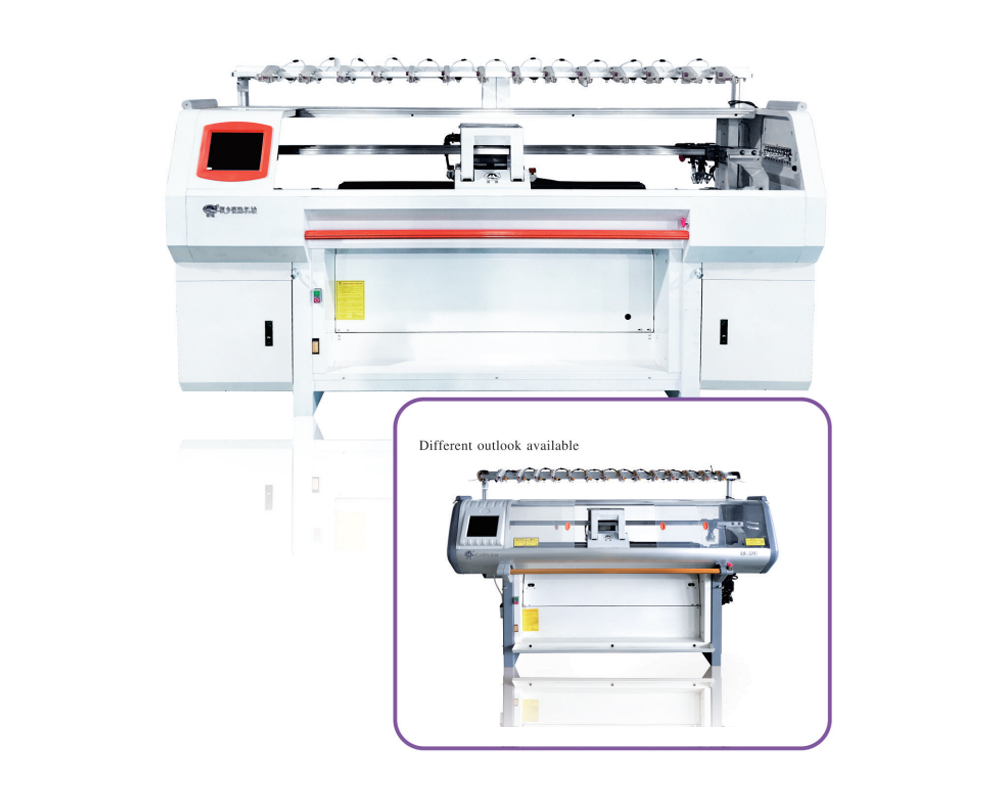
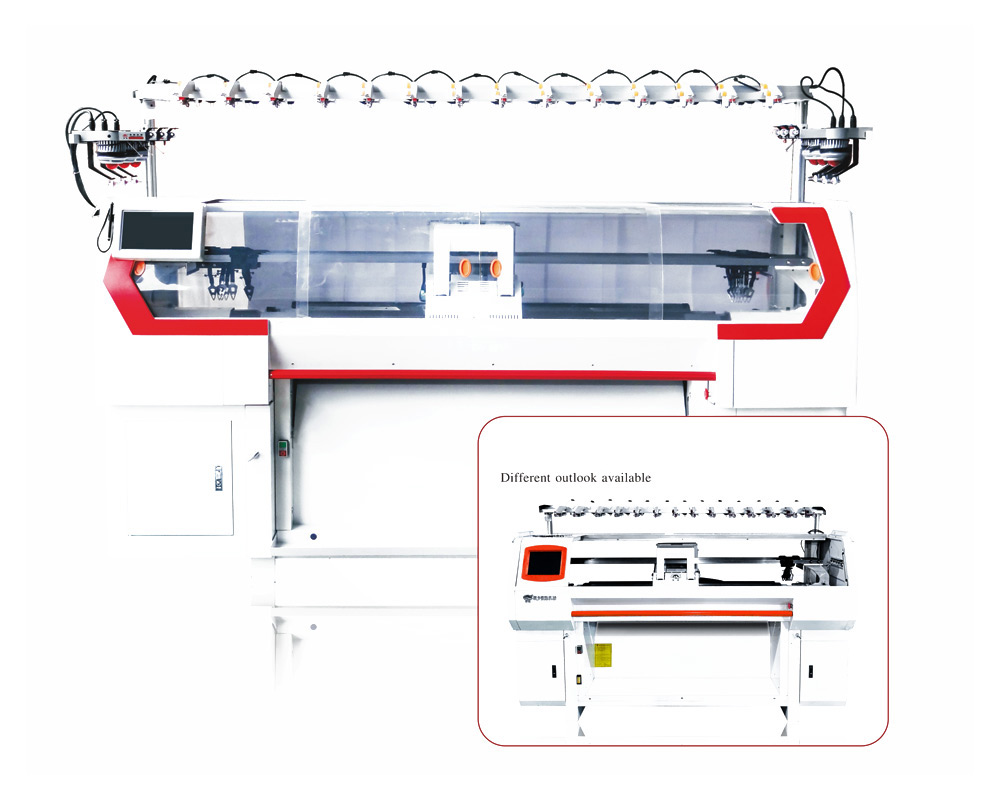

Tongxiang Qianglong Machinery Co., Ltd. is high-tech China wholesale computerized flat knitting machine manufacturers, specialized in designing, developing, and manufacturing Knitting Machinery..
Content
- 1 What Buyers Usually Mean by “Computerized Flat Knitting Machine Manufacturers”
- 2 The Machine Range Tells You Who the Manufacturer Is Built to Serve
- 3 Matching Systems and Specialized Models to Production
- 4 What Separates a Supplier from a Manufacturing Partner
- 5 A Simple Comparison Framework
- 6 Questions Worth Asking Before Shortlisting
- 7 Why QiangLong Machinery Fits This Conversation
- 8 Final Thoughts
Looking for computerized flat knitting machine manufacturers can feel like comparing catalogs in a language that changes from one supplier to the next. One company leads with system count, another with shoe uppers, another with whole-garment capability. The useful question is not simply who sells machines, but who can match a machine to your product, your operators, and your service expectations. This guide looks at that decision from the factory floor.
What Buyers Usually Mean by “Computerized Flat Knitting Machine Manufacturers”
Most buyers searching this term are not shopping for a single desktop unit. They are comparing production partners for knitwear, whole-garment pieces, shoe uppers, collars, or trim. That means the supplier list should be read with production in mind: gauge, knitting width, system configuration, pattern capability, feeder options, spare parts, and after-sales support all matter.
The word “manufacturer” also deserves a second look. Some suppliers assemble machines from purchased modules; others design, build, and test the machine and its control system in-house. Neither model is automatically right or wrong, but the difference affects how quickly technical questions are answered and how consistently spare parts can be supplied over the life of the equipment.
The Machine Range Tells You Who the Manufacturer Is Built to Serve
A broad product family is useful only when it maps onto real production needs. A manufacturer that focuses on single, double, and triple system flat knitting machines is usually set up for varied knitwear programs. A manufacturer with dedicated whole-garment, shoe-upper, and collar machine lines is signalling that it understands application-specific workflows, not just general knitting.
At QiangLong Machinery, our product map follows this practical logic. It runs from single-system, double-system, and three-system computerized flat knitting machines to whole-garment models, shoe-upper machines, collar machines, motorized feeders, and zero-finishing yarn comb systems. That range helps buyers start with the product they need to make, then work back to the machine configuration.
Matching Systems and Specialized Models to Production
Single, double, and triple system machines
System count is often the first specification buyers compare, but more systems do not automatically mean a better match. Single-system machines can suit simpler structures and quieter production plans. Double-system machines are a common middle ground for varied patterns and reasonable output. Three-system machines can be attractive when the pattern program and operating routine can make use of the extra capability.
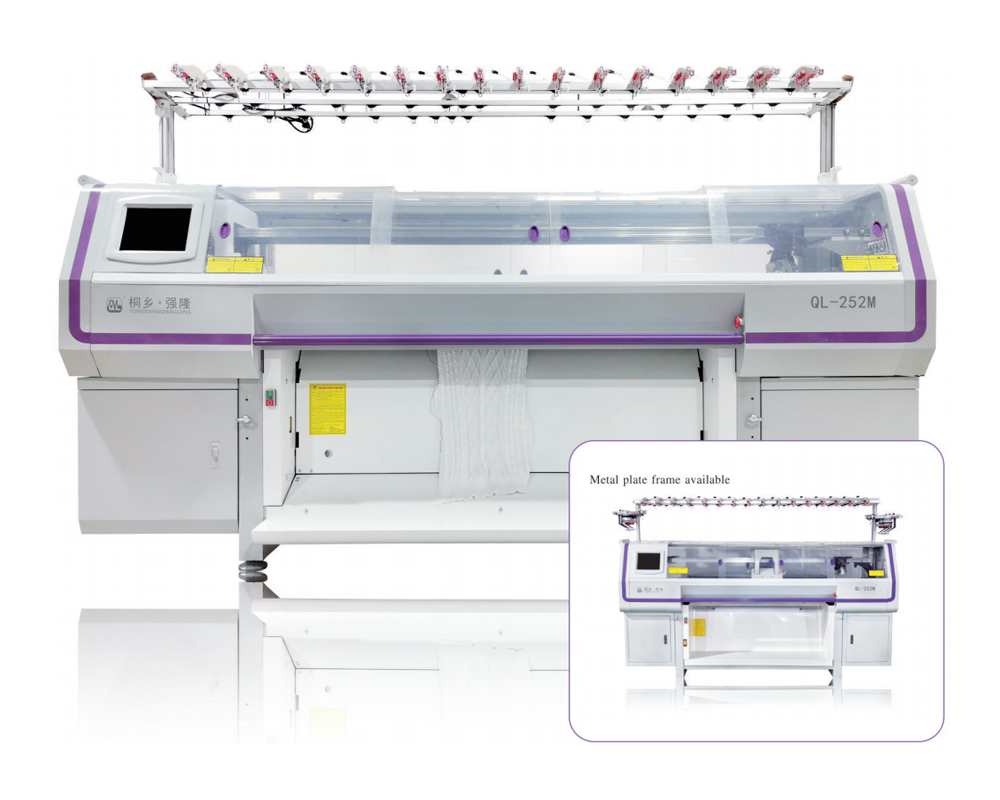 Double System Computerized Flat Knitting Machine SeriesCompare this double-system series for varied patterns and moderate output, with QL-252M/260M/280M models, 3G–18G gauges and multiple knitting widths.View Product →
The better comparison is between the machine and the work it will actually do: stitch structures, color changes, expected daily output, operator skill, and maintenance routines. A manufacturer should be able to explain these trade-offs without pushing every buyer toward the largest configuration.
Whole-garment and shaped knitting
Whole-garment production changes the conversation because the machine is not just knitting panels faster. It is shaping the garment during the knitting process, which places more demand on programming, takedown control, and the interaction between design and machine settings. Buyers considering this route should ask for sample demonstrations, programming support, and clear guidance on what the machine can and cannot produce.
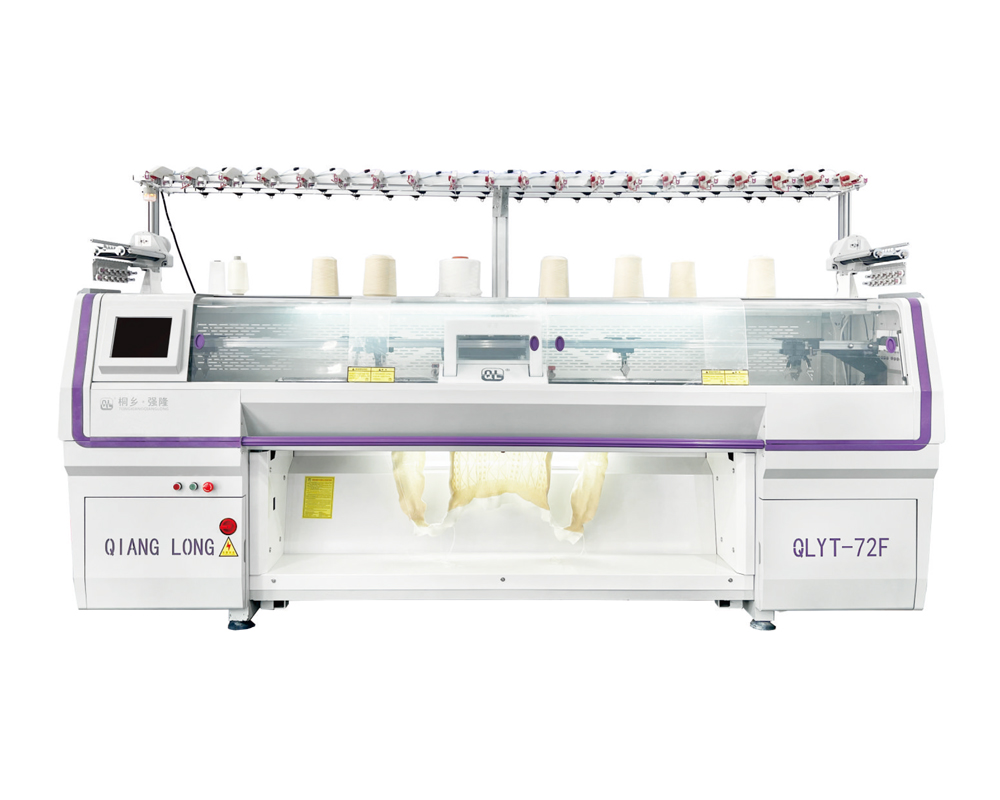 Whole Garment Computerized Flat Knitting MachineFor complete sweater knitting without sewing, this three-system whole-garment machine supports programming-intensive shaping; review sample demonstrations and support before choosing.View Product →
Shoe uppers, collars, and supporting modules
Application-specific machines are often where a manufacturer’s experience becomes easier to judge. Shoe-upper knitting has its own requirements for structure, stretch, and repeatability. Collar machines have a narrower production brief but can be judged on consistency, ease of use, and uptime. Feeders and yarn-comb systems are smaller components, yet they influence yarn flow, finishing work, and the rhythm of production.
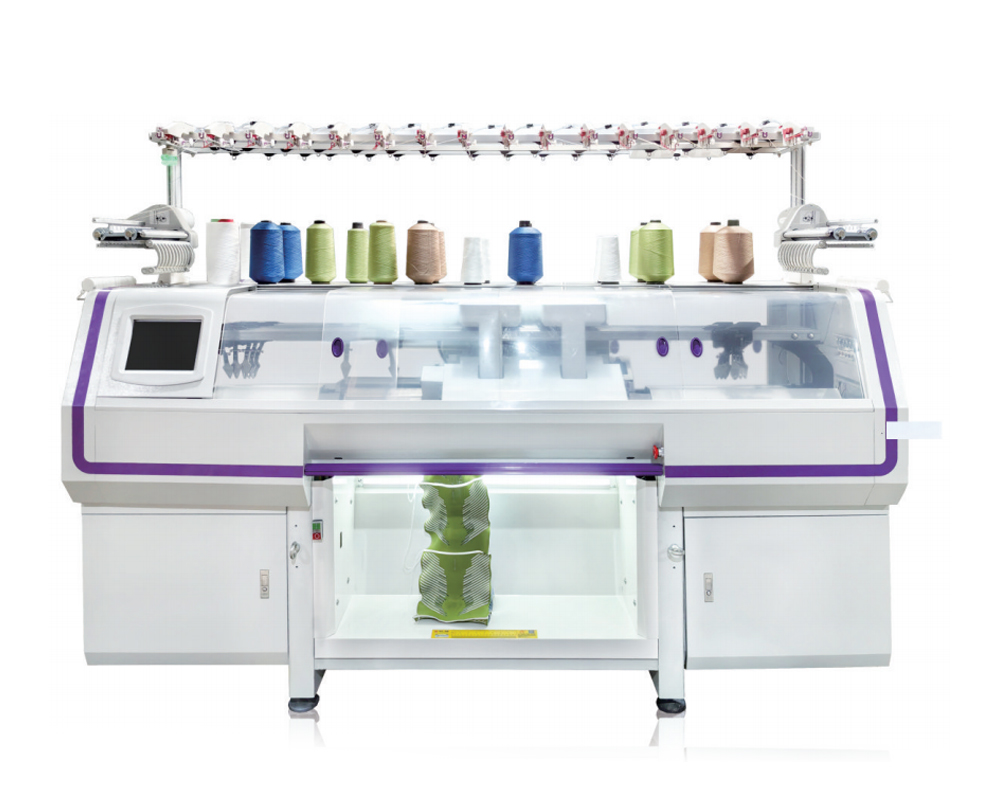 3D Shoe Upper Computerized Flat Knitting Machine SeriesSpecialized for high-efficiency 3D shoe uppers, this series offers 14G/18G gauges, triple- or quadruple-system carriages, and 36–80-inch knitting ranges.View Product →
When comparing suppliers, ask how these specialized lines share service knowledge with the main flat knitting range. A manufacturer that can support the complete production picture is easier to work with than one that treats each machine as an isolated sale.
What Separates a Supplier from a Manufacturing Partner
The most revealing part of a supplier visit is often not the showroom machine. It is the way technical questions are handled. Can the team explain why a stitch structure behaves differently on one machine configuration? Can they trace a spare part back to the build? Can they train operators without turning the handover into a rushed checklist?
Our own experience reaches back to 1986, when our roots began with the Wenzhou Yaqian Textile Machinery Factory and the basic hand-driven machine. Over time, that background shaped how we think about machine building: start from the mechanical reality, then add the control system and production convenience. Today, QiangLong Machinery describes itself as a national high-tech enterprise, works from a Tongxiang site of more than 60,000 square meters, and serves buyers who need practical support rather than a one-off equipment sale.
A Simple Comparison Framework
When several manufacturers appear to offer similar specifications, a structured comparison keeps the discussion grounded. The table below is not a scorecard; it is a conversation guide for a first or second meeting.
| Area to compare | Why it matters | Useful question |
|---|---|---|
| System range | Defines the basic output and pattern window | Which system count fits our main stitch structures? |
| Application fit | Reduces workarounds in specialized production | Can you show samples close to our final product? |
| Control system | Affects programming, repeatability, and operator learning | How is a pattern prepared, tested, and stored? |
| Feeder and yarn comb options | Influences yarn flow and finishing workload | Which modules are standard, and which are optional? |
| Sampling support | Shows whether the machine fits before full investment | What is the usual sample timeline and cost? |
| Service depth | Protects uptime after installation | Who responds, how quickly, and through what channel? |
| Spare parts and training | Keeps the machine productive over its service life | Which parts are commonly stocked, and what training is included? |
Questions Worth Asking Before Shortlisting
Before a shortlist becomes a purchase plan, put the same questions to every candidate. The answers will reveal more than a specification sheet. Our own guide to choosing a computerized flat knitting machine covers these points in more detail, but the short version is below.
- Which machine configurations are standard, and which are customized for our product?
- Can the manufacturer demonstrate a sample using yarns and structures close to our own?
- How are patterns programmed, and how much operator training is normally required?
- What spare parts should be kept on site, and how are they ordered?
- What response time is realistic for technical support in our region?
- How does the manufacturer handle installation, commissioning, and handover?
- Can they explain the maintenance routine in plain language, not just a manual?
Why QiangLong Machinery Fits This Conversation
We build computerized flat knitting machines for buyers who value a straightforward technical discussion. Our range covers single, double, and triple system machines, whole-garment models, shoe-upper machines, collar machines, and supporting modules such as motorized feeders and zero-finishing yarn comb systems. Just as important, our team understands that a machine is only useful when it fits the product, the people, and the production plan.
If you are comparing computerized flat knitting machine manufacturers and want to talk through a specific application, you can reach our team through our contact page. We would rather ask the right questions early than promise a machine that does not fit the job.
Final Thoughts
The best manufacturer for one factory may not be the best for another. Start with the product you need to knit, compare machine ranges with that product in mind, and test the supplier’s technical depth with real questions. A good computerized flat knitting machine manufacturer should make the choice clearer, not more complicated.
