
 English
 简体中文

 Chinese
 English
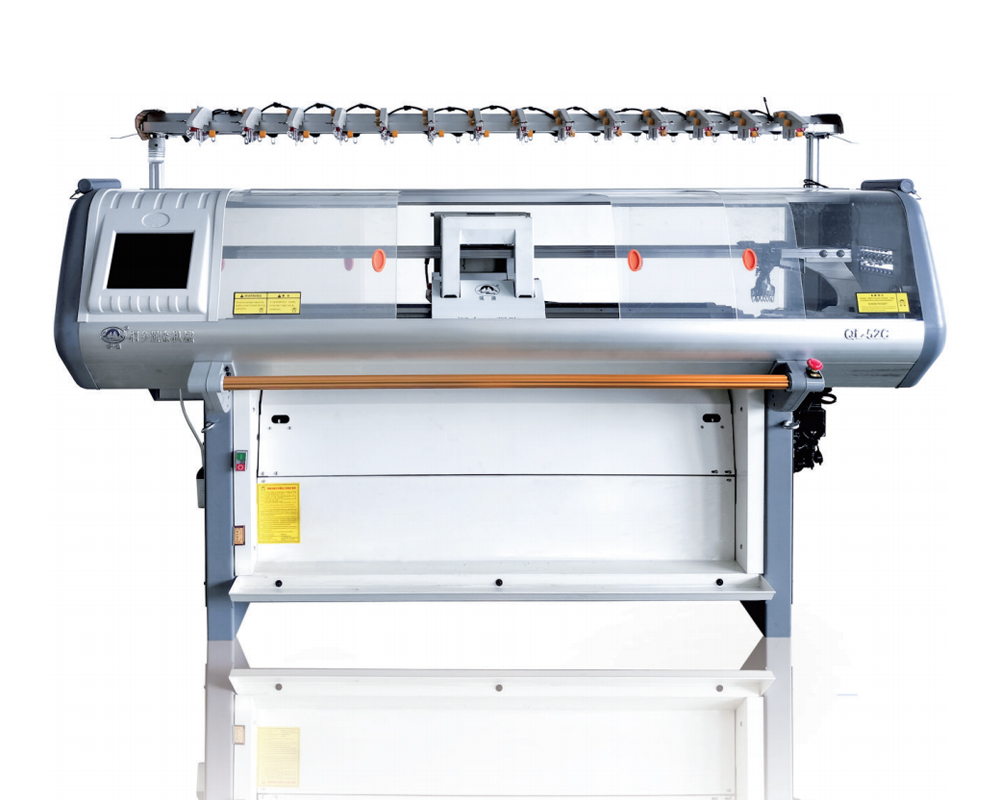
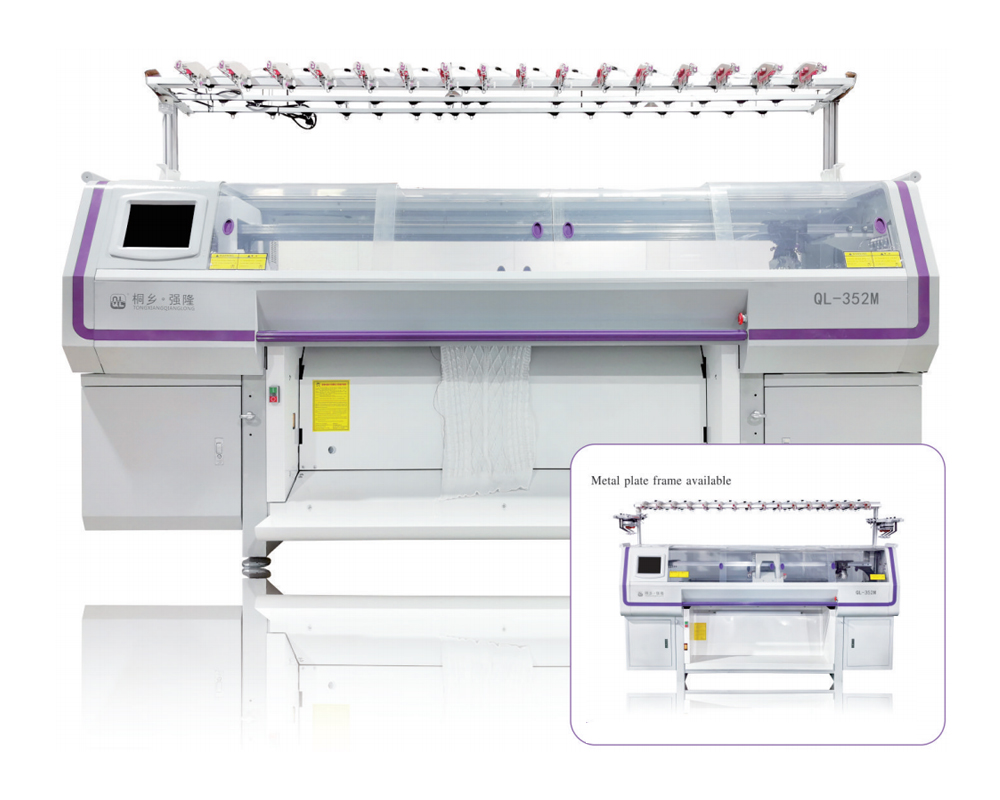
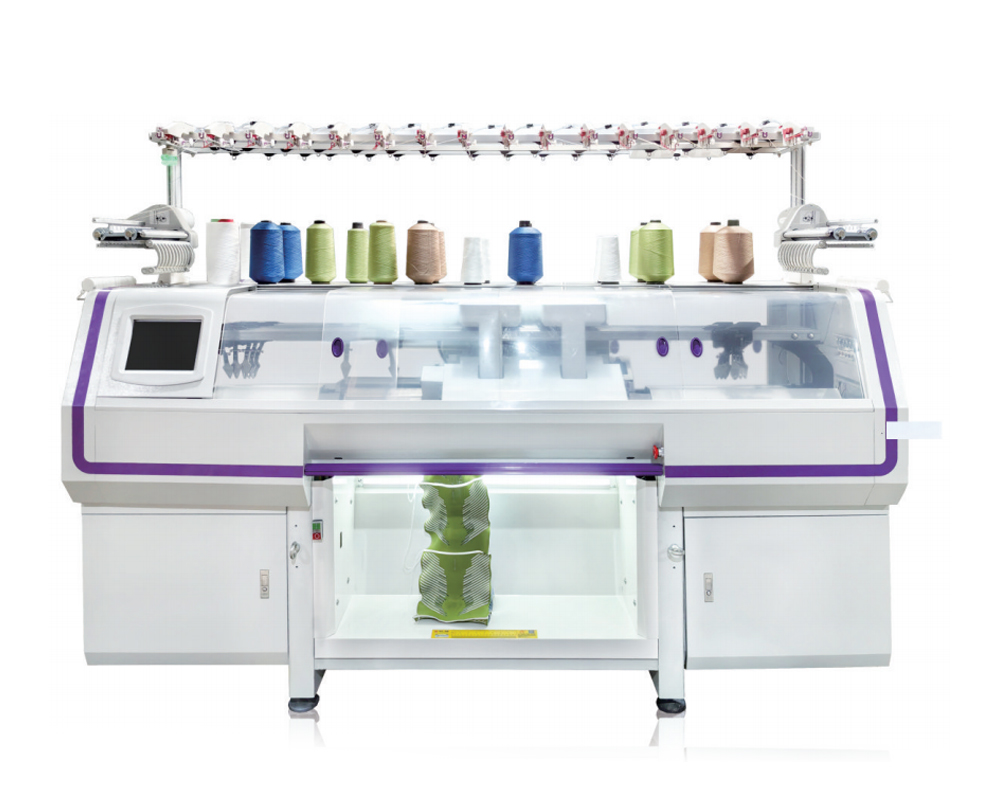
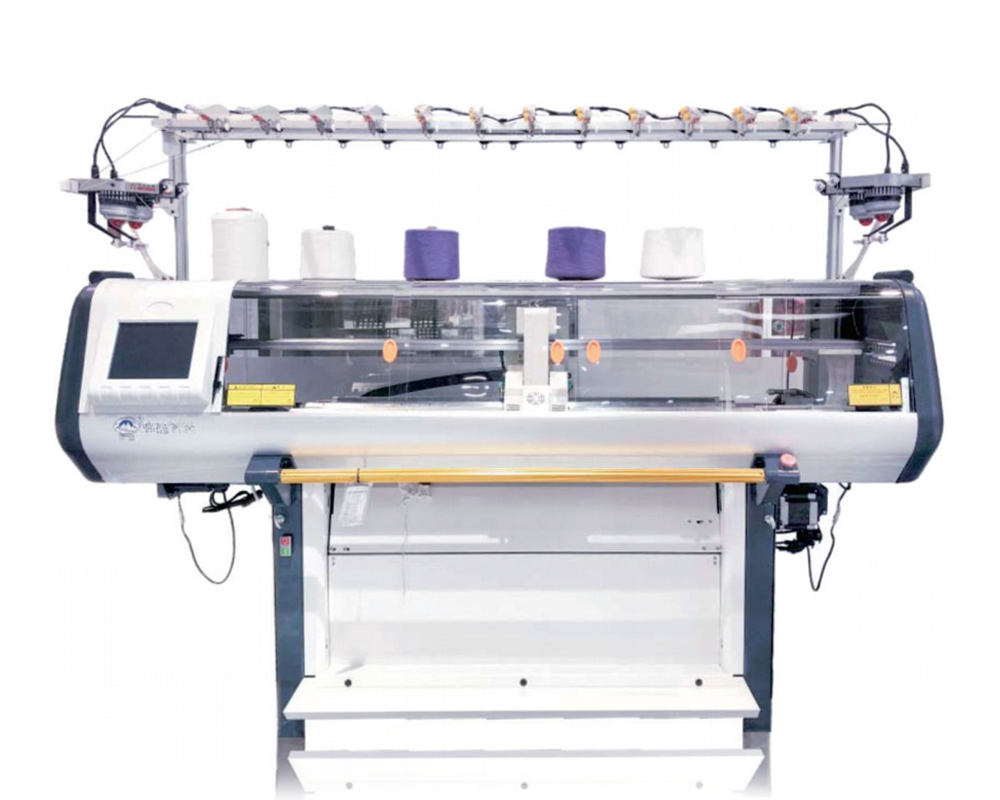
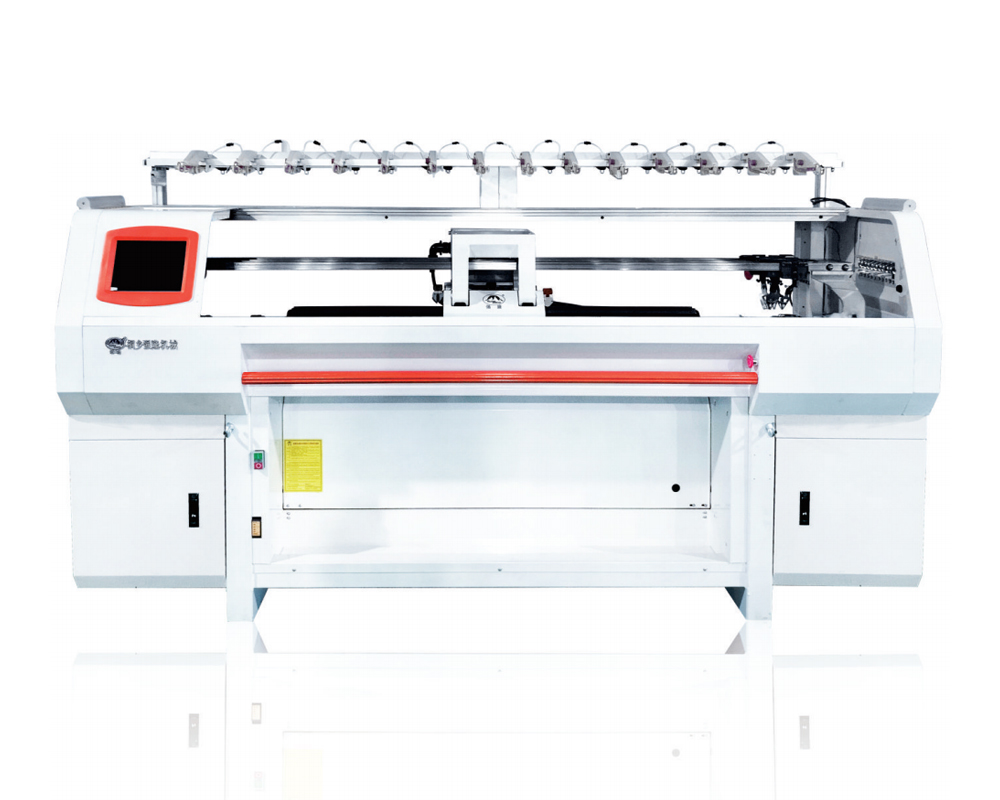
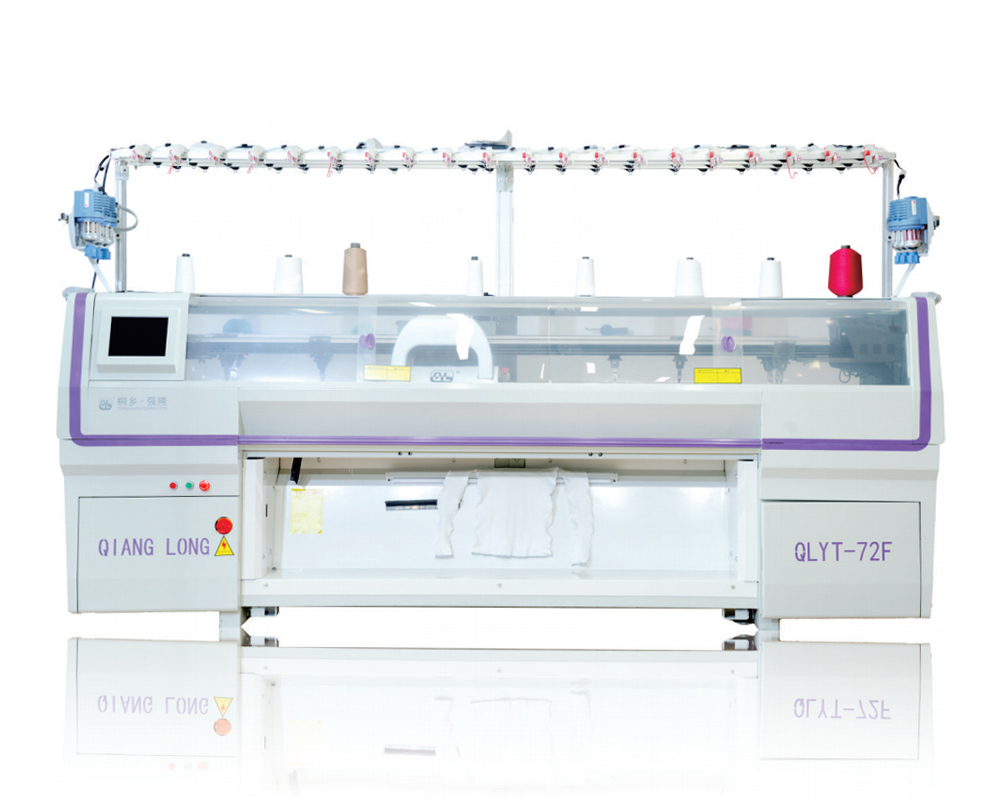
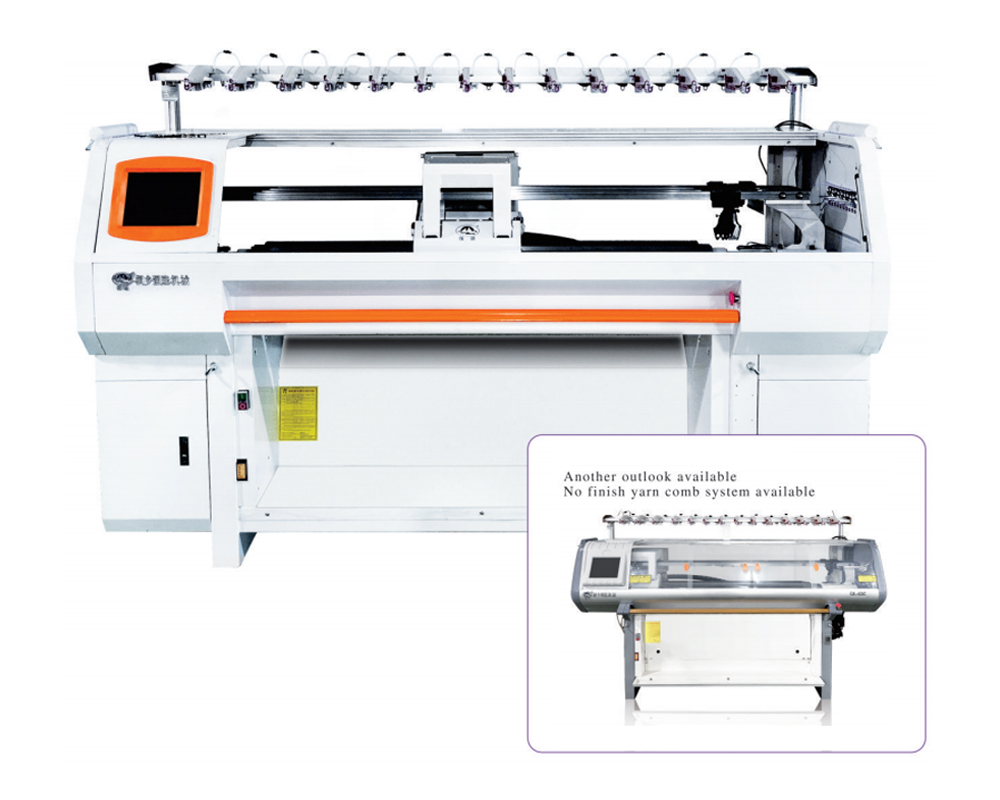
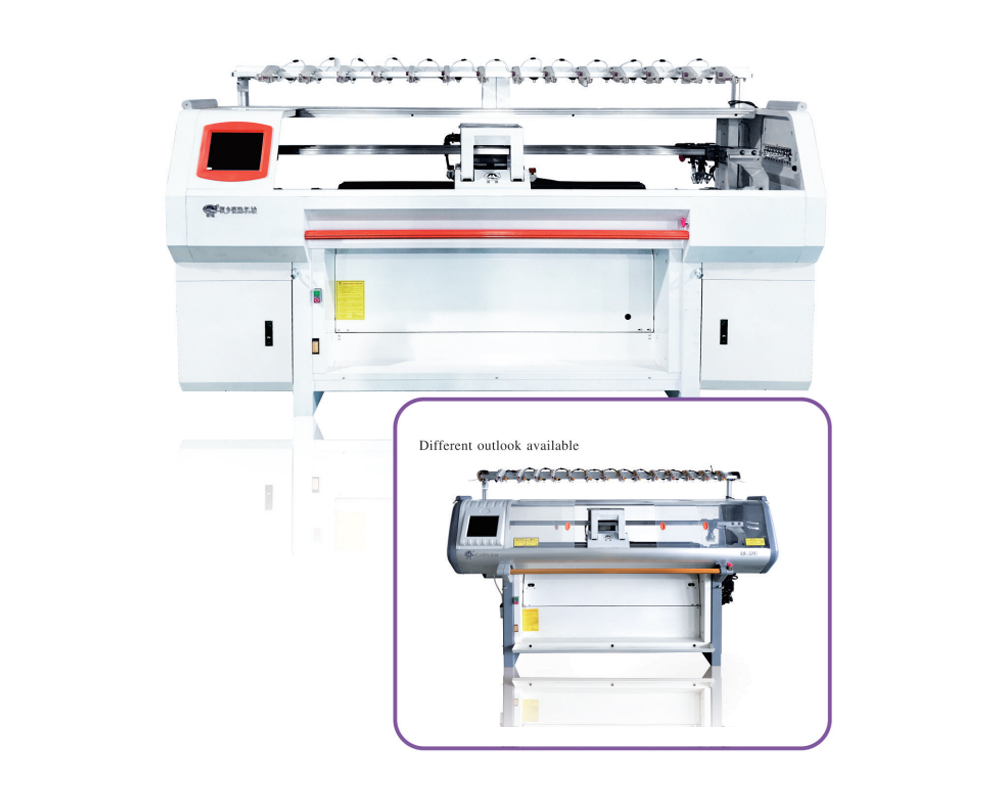
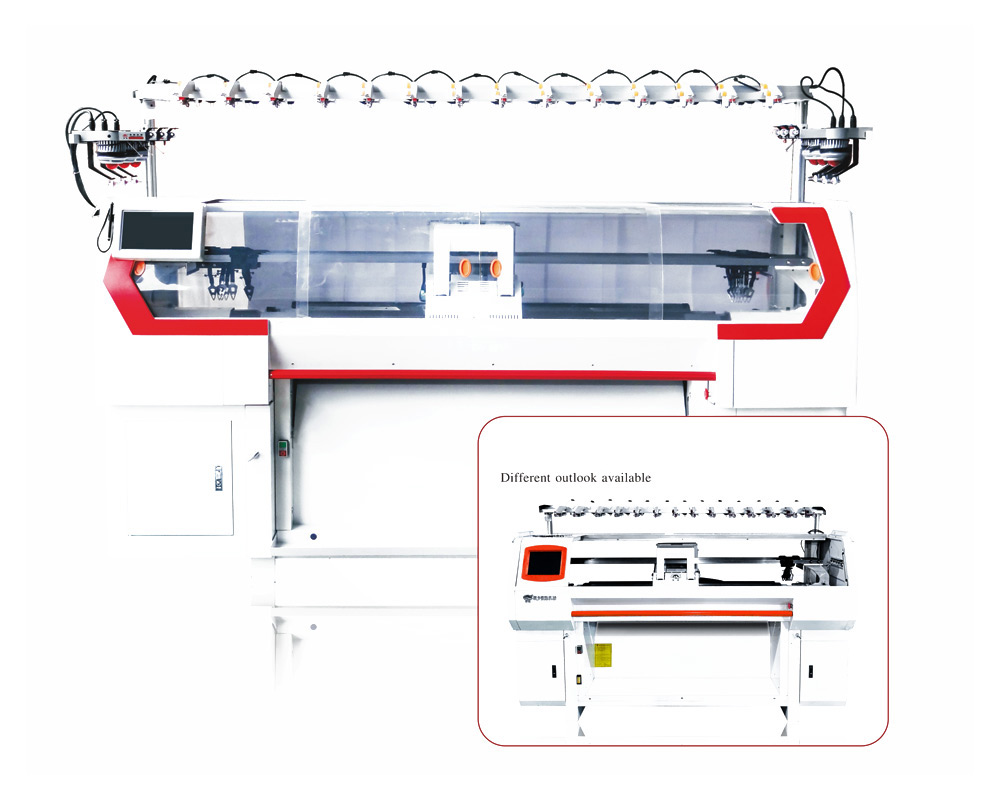

Tongxiang Qianglong Machinery Co., Ltd. is high-tech China wholesale computerized flat knitting machine manufacturers, specialized in designing, developing, and manufacturing Knitting Machinery..
Content
A computerized flat knitting machine is one of those pieces of equipment that quietly shapes a huge amount of what we wear. From a simple ribbed collar to a seamless whole-garment panel, these machines turn digital design files into finished knit fabric with a speed and consistency that hand knitting cannot match. For a factory owner, a production manager, or a sampling technician, understanding how the machine works, where it fits, and what to look for before buying can make the difference between a smooth production line and a costly experiment.
At QiangLong Machinery, we have grown up with knitting machinery. Our story goes back to 1986, when the work began with basic hand-driven machines, and it has continued through decades of building computerized flat knitting machines in Tongxiang, China. That long view has taught us one simple lesson: the best machine is not always the one with the longest feature list. It is the one that matches the yarn, the product, the people, and the service network around it.
What Is a Computerized Flat Knitting Machine?
A flat knitting machine uses a straight needle bed rather than a circular cylinder. Needles are arranged in a line, and a carriage travels back and forth across the bed, guiding yarn into the needles to form loops. On a computerized machine, that carriage movement, needle selection, yarn feeding, and fabric take-down are controlled by a computer system rather than by mechanical cams and manual adjustments alone.
The “computerized” part is what gives the machine its flexibility. A designer or technician prepares a pattern in software, sets the stitch structure, density, and sequence, and sends the file to the machine controller. The controller then tells the actuators and selectors which needles to work on each pass. Changes that once required swapping parts or rebuilding a cam system can often be made in the design file.
Flat bed, not circular
Because the needle bed is flat, the machine naturally produces flat panels, shaped pieces, or complete garment sections. That makes it well suited to knitwear, collars, trims, shoe uppers, and whole-garment production. Circular machines are excellent for tubular fabric, but the flat bed gives manufacturers more direct control over panel shape and garment construction.
How the Knitting Process Works
The basic workflow is easy to describe, even though the engineering behind it is detailed. A design is prepared, the machine is programmed, the yarn is threaded, and production begins. During each carriage pass, needles are selected to knit, tuck, or miss. The newly formed loops are held by the needles and then pushed through the previous loops to create the fabric.
- Design and programming: The pattern, shape, and stitch structure are prepared in software and transferred to the machine.
- Yarn feeding: Yarn is supplied through feeders and tensioners so that each course receives a consistent amount of yarn.
- Loop formation: The carriage and needle selectors work together to knit, tuck, or skip stitches according to the program.
- Take-down and roll-up: The finished fabric is pulled down steadily and rolled up, keeping tension even across the needle bed.
The number of “systems” on a machine refers to how many knitting systems are available during a carriage pass. A single-system machine has one active knitting system; a double-system machine has two; a three-system machine has three. More systems can improve flexibility and output in the right application, but they also bring more settings to manage. The right choice depends on the product mix, not on the number alone.
| Configuration | General characteristic | Often considered for |
|---|---|---|
| Single system | One knitting system per carriage pass | Simpler structures, sampling, and lighter production |
| Double system | Two systems working in one pass | Everyday knitwear, panels, and mixed patterns |
| Three system | Three systems for greater flexibility | Complex patterns and higher output where suitable |
| Whole garment | Knits a complete item in one piece | Seam-reduced garments and premium products |
Main Types and Configurations
Computerized flat knitting machines are not a single product category. They are a family of machines built around different system counts, gauges, working widths, and special-purpose features. A single-system machine is often a good entry point for sampling or simpler fabrics. A double-system machine is a common workhorse for everyday knitwear because it balances flexibility with practical output. A three-system machine gives manufacturers more room for complex patterning and efficient production where the product justifies it.
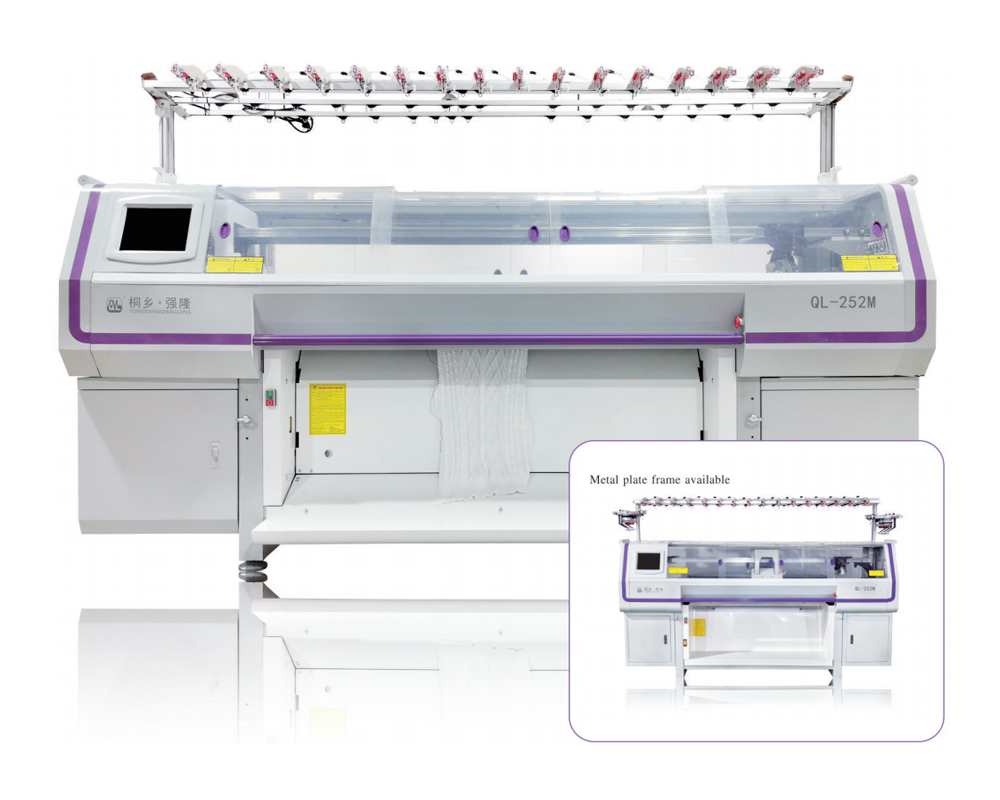 Double System Computerized Flat Knitting Machine SeriesDouble-system series for sweaters, scarves, gloves and accessories, offering patterning options for everyday knitwear production.View Product →
Beyond system count, there are application-specific machines. Whole-garment machines are designed to knit a complete item in one piece, reducing or eliminating seams. Shoe-upper machines are set up for the denser, shaped structures used in footwear. Collar machines focus on collars, cuffs, and similar trims. Accessories such as motorized feeders and zero-finishing yarn comb systems help manage yarn feeding and fabric finish, and they can make a meaningful difference in daily production.
Gauge is another key specification. It describes the needle density on the bed and therefore the range of yarn counts the machine can handle comfortably. Coarser gauges suit heavier yarns and chunkier fabrics; finer gauges suit lightweight, detailed work. Working width determines how many needles can be used across the bed, which in turn affects panel size and layout efficiency. Two machines with the same system count can therefore behave very differently on the same product.
What You Can Produce
The application range of a computerized flat knitting machine is broad because the machine can be programmed for many stitch structures and shapes. In knitwear, it can produce panels, sleeves, collars, trims, and patterned fabrics. In whole-garment production, it can create a complete garment with fewer seams, which can reduce downstream handling and improve comfort. In footwear, shoe-upper machines produce engineered knit uppers with zones of stretch, support, and ventilation.
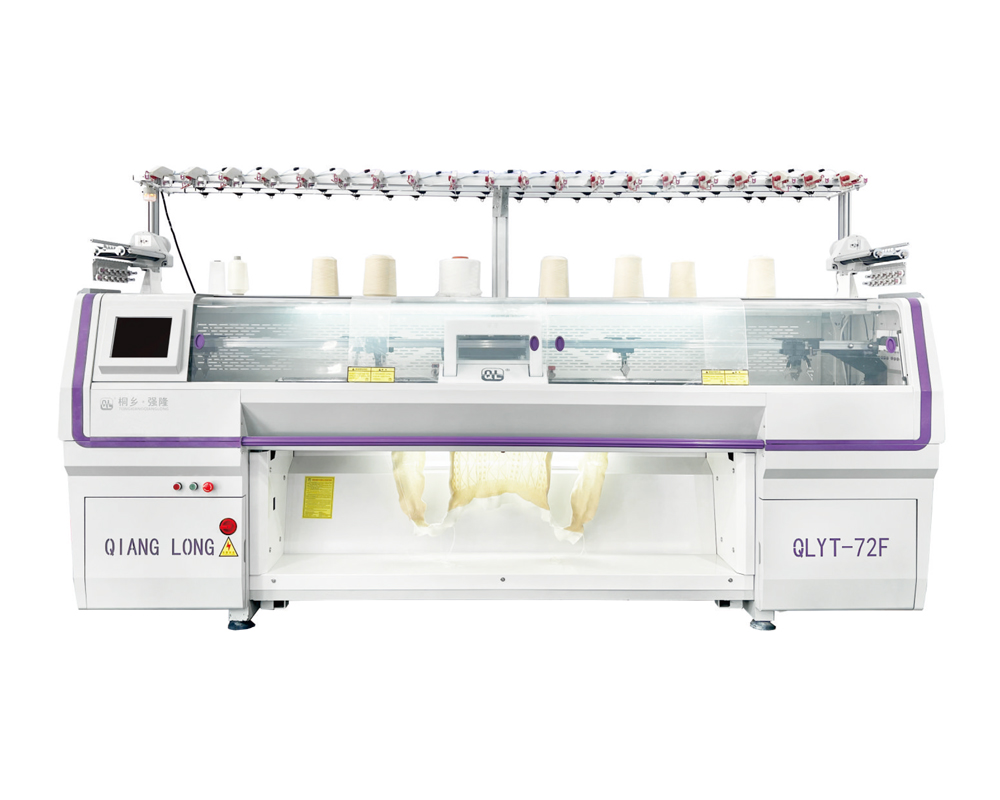 Whole Garment Computerized Flat Knitting MachineThree-system whole-garment machine for knitting complete sweaters with fewer seams, suited to wool, cashmere, cotton and blended yarns.View Product →
- Knitwear and sweaters: panels, shaped pieces, ribs, cables, jacquards, and textured structures.
- Whole-garment items: seamless or seam-reduced garments knitted as a single piece.
- Shoe uppers: engineered knit uppers for sports, casual, and lifestyle footwear.
- Collars and trims: collars, cuffs, bands, and other finishing components.
- Technical and decorative textiles: structured fabrics, spacer-like effects, and patterned surfaces where the machine and yarn are suitable.
The same machine can often make several of these products, but it will not make all of them equally well. Yarn type, stitch density, needle selection, take-down tension, and finishing requirements all influence the final result. That is why product samples and yarn trials matter before a full production decision.
Choosing the Right Machine
A good purchase decision starts with the product, not the brochure. Before comparing models, write down the fabrics and garments you expect to make in the next two or three years. Then consider the yarns you will use, the panel sizes you need, the pattern complexity you expect, and the skills of the people who will run and maintain the machine. A machine that is slightly over-specified can be a waste of capital; a machine that is too limited can become a bottleneck within months.
Questions worth asking
- What gauge range fits the yarns and fabric weights in my product plan?
- How many systems do I really need for my pattern mix and output targets?
- Does the working width suit my largest panel or garment section?
- Are special functions such as double tuck, zero-elastic yarn comb, or motorized feeding relevant to my fabrics?
- Who will train the operators, and how quickly can spare parts and service be delivered?
- Can I run a sample trial with my own yarn before committing to a full order?
It also helps to look at the supplier’s manufacturing experience and service structure. A machine is a long-term production asset, and the relationship continues after delivery. If you would like a more detailed checklist, our article on how to choose a computerized flat knitting machine walks through the practical trade-offs in more depth.
For many buyers, the most useful next step is a conversation with a technical team that understands both the machine and the product. You can contact our team to discuss your fabric, yarn, and production plan before narrowing down the model.
Maintenance and Daily Care
A computerized flat knitting machine is robust, but it is not maintenance-free. Dust, lint, yarn residue, and small tension errors can gradually affect stitch quality and machine reliability. Good daily habits are usually more valuable than occasional deep repairs. Operators should know what normal looks and sounds like, and they should report small changes before they become production stops.
Practical routines
- Clean the needle bed, carriage area, and yarn paths regularly to remove lint and dust.
- Follow the manufacturer’s lubrication schedule and use the recommended lubricants.
- Inspect needles, sinkers, and selectors for damage or wear, and replace parts as a set where required.
- Check yarn feeders, tensioners, and belts for wear, slippage, or inconsistent tension.
- Keep the control system and design files backed up, and record any parameter changes.
- Train operators to stop the machine and report unusual noises, repeated yarn breaks, or stitch defects.
In our experience, the factories that get the most from their machines are not the ones that run them hardest without stopping. They are the ones that build small, consistent care routines into the shift and keep spare needles, belts, and sensors on hand. That approach reduces unplanned downtime and protects fabric quality over the life of the machine.
Why Manufacturing Experience Matters
Computerized knitting technology continues to develop, but the fundamentals still matter: stable frames, precise needle selection, reliable yarn feeding, and a control system that is practical to use. QiangLong Machinery has been active in knitting machinery since 1986 and now operates a manufacturing base in Tongxiang, Zhejiang, with more than 60,000 square meters of site area. Our product range covers single-system, double-system, and three-system computerized flat knitting machines, whole-garment machines, shoe-upper machines, collar machines, and related feeding and yarn-comb systems.
We also know that a machine only earns its place when it keeps producing. That is why we focus on practical training, responsive service, and a clear understanding of the customer’s product. Our team supports customers through selection, commissioning, and daily operation, and we are happy to discuss a sample or a production plan before a final decision.
A computerized flat knitting machine is a powerful tool, but it rewards careful thinking. Start with the product, match the gauge and system configuration to the work, and choose a partner who will still be helpful after the machine is installed. If you keep those priorities in view, the technology becomes more than a capital investment; it becomes a dependable part of how your factory creates value.
